



The Fight for Your Garage: Hyundai’s Digital Brake Repair Lockout

For decades, the family garage was more than a place to stash a vehicle. It was also a learning center, a maintenance hub, and a chance for owners to develop a personal relationship with the machine. The pride of performing a repair with your own hands was an ingrained part of car culture and gave drivers a sense of autonomy and saved them money.
This paradigm is shifting today. With the continued integration of software into vehicles, once-mechanical repair jobs are now requiring online access, digital authentication, and manufacturer-approved entry into the vehicle. This is altering the relationship between owners and their machines, and also begging the question what it truly means to “own” a vehicle.
The recent controversy over the Hyundai Ioniq 5 N shines a light on this issue. A brake pad change went from a routine, simple job to an exploration into digital restrictions, repair availability and the larger Right to Repair movement. The fact that this story continues to resonate with enthusiasts says volumes about the issue as it is far greater than one car or one manufacturer.
1. A Routine Maintenance Job Becomes Complicated
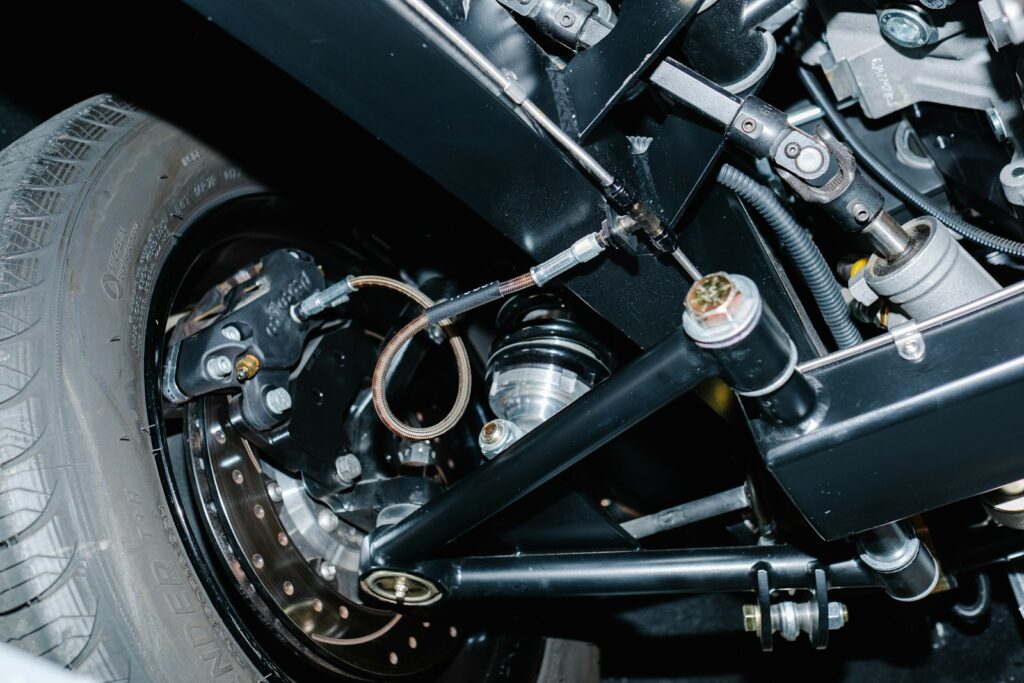
The circumstances started when the owner of the Hyundai Ioniq 5 N found the need to have the rear brake pads replaced. Normally this is an everyday type of maintenance job which can be handled especially by more knowledgeable car owners and enthusiasts. Replacement of the brake pads is one of the simplest mechanical operations that can be done at home using regular car maintenance tools.
Key Challenges in the Repair Process:
- Electronic parking brake restriction
- Required service mode activation
- Risk of component damage
- Dependence on diagnostic tools
- Software-controlled maintenance access
Instead of mechanical trouble though, the owner was facing an electronic one. In order to work on any of the rear brakes of the electronic parking brake system, the calipers have to be put in a special service mode, otherwise there is a good chance of harming components of the computer controlled braking system while retracting the calipers. This basic maintenance job became considerably more difficult.
Instead of just getting this service tool on hand, it seems to be required to get a diagnostic machine (or system approved by the manufacturer). This is what the modern vehicles and technology represent; it is not just a mechanical job any more, but a matter of accessing service functions through electronically controlled systems.

2. Understanding the Electronic Parking Brake System
Electronic systems are becoming more commonplace within modern vehicles for increased ease of use, safety and performance. One example of this trend is the electronic parking brake (EPB) system. It substitutes the old, mechanically operated hand-lever or foot-pedal type parking brake with an electric motor that will automatically apply and release the brake.
Key Functions of the EPB System:
- Electronically controlled brake engagement
- Motor-driven caliper operation
- Service mode requirement for maintenance
- Improved driving convenience and safety
- Integration with vehicle control systems
Where service is needed in the rear, motors must be retracted in a special service mode before the calipers can be retracted safely and the pads replaced without damaging sensitive electronics. While this system offers advantages to the user on a day-to-day basis, it adds complication when service or maintenance are required.
The problem is not the presence of advanced electronics; it’s that vehicle owners can no longer easily access it. Where it used to take only a wrench and pair of hands, in the future a technician may require diagnostic equipment and an authenticated system to perform many common service procedures.
3. The High Cost of Official Diagnostic Equipment
While looking for the potential solution, it appeared that Hyundai’s original Global Diagnostic System is one of the allowed programs necessary to activate vehicle’s service mode. Global Diagnostic System is a program mainly used by dealer’s technicians or repair services to read diagnostic and programming parameters or update vehicle’s firmware etc.
Key Cost-Related Challenges:
- Expensive dealership-grade equipment
- Limited accessibility for private owners
- High investment for occasional use
- Professional-only software systems
- Barrier to DIY maintenance
Now even though this diagnostic equipment is available for purchase, it is way out of any individual vehicle owner’s league as far as cost is concerned. It is built to service hundreds of vehicles a day at a garage and hence the cost becomes more justifiable as an investment, compared to as an expenditure of personal convenience. The expense becomes rather impractical when considered in relation to routine personal usage.
Therefore, we have the accessibility gap. While technically owner-level maintenance might seem to be available, it remains practically inaccessible due to the financial burden of procuring official diagnostic equipment for the average car owner, limiting its accessibility primarily to dealerships and garages, and shifting basic serviceability even of simple problems away from personal toolkits.
4. Alternative Repair Paths Come With Their Own Challenges
A second way is with a J2534 compatible diagnostic system. This is what is promoted as a “friendly” tool for the independent repair shop or knowledgeable vehicle owner. This standard is designed so that aftermarket tools can communicate to manufacture systems to program, diagnose and activate service modes.
Key Barriers in Alternative Methods:
- Approved J2534 hardware requirement
- Paid software subscription access
- Online authentication systems
- Manufacturer compliance restrictions
- Multi-step digital verification process
In the real world, however, it’s a little more complicated. In addition to requiring appropriate hardware, ongoing software subscriptions are needed, as well as online authentication and a careful following of manufacturer guidelines. Each one is yet another complication on top of the intended simple task of a vehicle maintenance, creating a complex digital multi-step procedure.
These issues are enough to be exasperating even to capable DIYers and independent mechanics. Rather than relying on a mechanical inclination and tools, repairs have become a multi-step digital access, authentication, and authorization procedure and “mechanical repair” as many have known it has been growing into a technical and digital skill set, and for the independent repair worker, a more daunting task to accomplish.
5. Authentication Requirements Create Additional Barriers
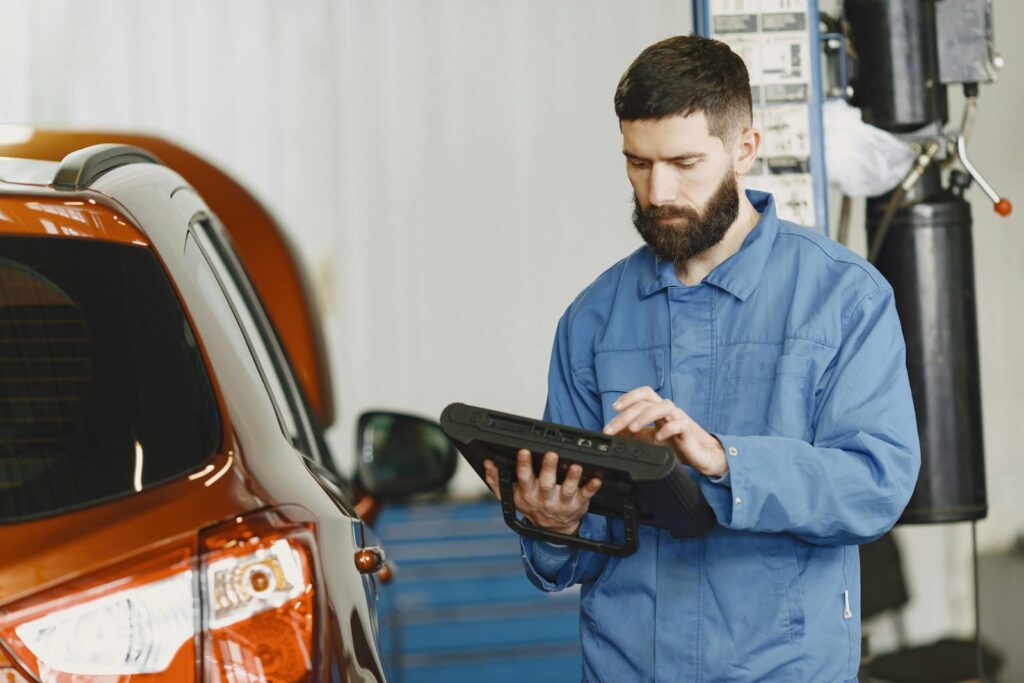
The most challenging part came in when the owner was trying to gain access to the authentication needed to access the appropriate function within the software, recent automotive diagnostic systems utilize secure authentication protocols to ensure that access to certain service functions, those which control safety critical systems such as the brakes.
Key Access Restrictions:
- Business credential requirements
- Authorized user verification systems
- Limited individual access permissions
- Manufacturer-controlled logins
- Restricted service-level functions
As experienced by the owner, the simple process of buying the right tools did not allow access; rather the system needs to know about the individual that is accessing it from a business point of view-a point that most single vehicle owners are unlikely to be. This established an obvious barrier between businesses who maintain vehicles and individual car enthusiasts to some extent at least, making the completion of some repair operations impossible or difficult without explicit authentication.
This point of the issue caused great alarm within the car community. Although the diagnostic tools do exist, and are, technically available, access to them is still reliant on authentication mechanisms maintained by vehicle manufacturers and therefore it’s not necessarily the tools’ technicality, but their authentication mechanism which decides on the owner’s capability to carry out his own repairs, which is changing everything in ownership.
6. Hyundai’s Position on DIY Repairs
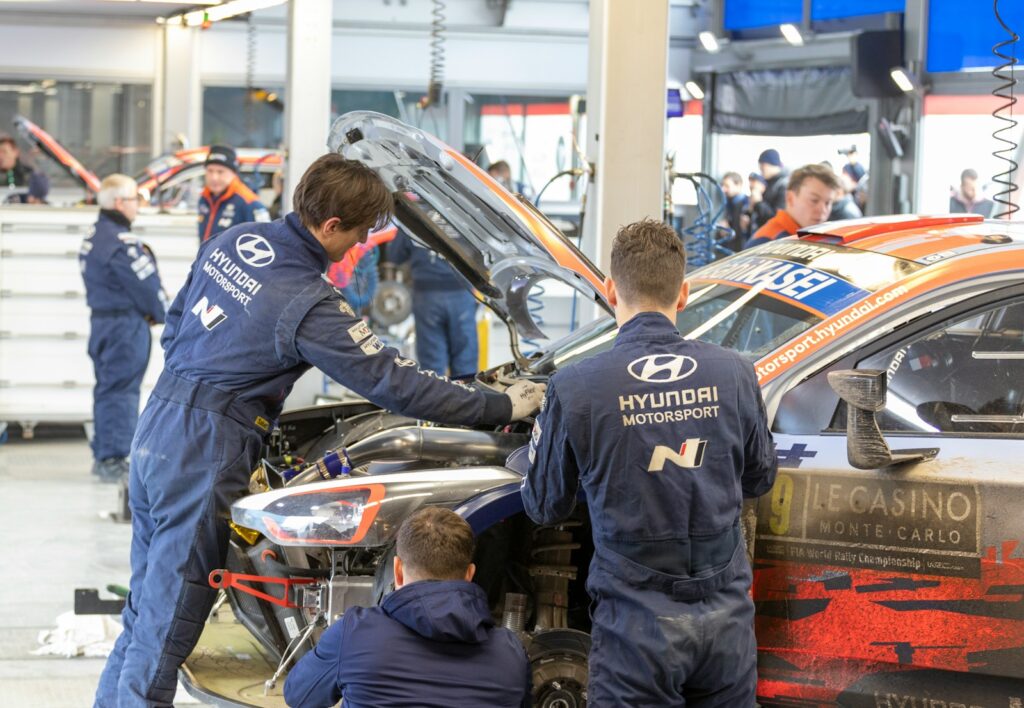
Due to the mounting interest of the topic, Hyundai released an official statement on how they address the concern of owners and enthusiasts. The main focus stated in the document was that they put great emphasis on making sure that the repair procedure will be safe, secure, and performed correctly on advanced systems such as electronic braking and vehicle electronics systems.
Key Points in Hyundai’s Response:
- Commitment to repair safety standards
- Requirement of specialized service procedures
- Authentication for critical system access
- Protection of vehicle system integrity
- Support for authorized repair processes
Hyundai said that some maintenance procedures are designed in such a way as to be carried out with certain tools and by trained and authorized personnel so that other braking and safety related systems in the car will work correctly. It also informed that it uses authentication measures in order to assure the traceability of and a record of alterations made and also to prevent any improper, or potentially dangerous modification of car systems.
Although Hyundai assured owners that it is still possible to perform do-it-yourself repairs on the new cars, quite a lot of car owners were questioning the practicability of it. In the minds of some owners, the distance between the possible and the accessible is vast. From there, the conversation broadened beyond one particular repair operation, it started becoming about transparency, tool accessibility and the changing relationship between manufacturers and owners.
7. A Broader Industry Trend
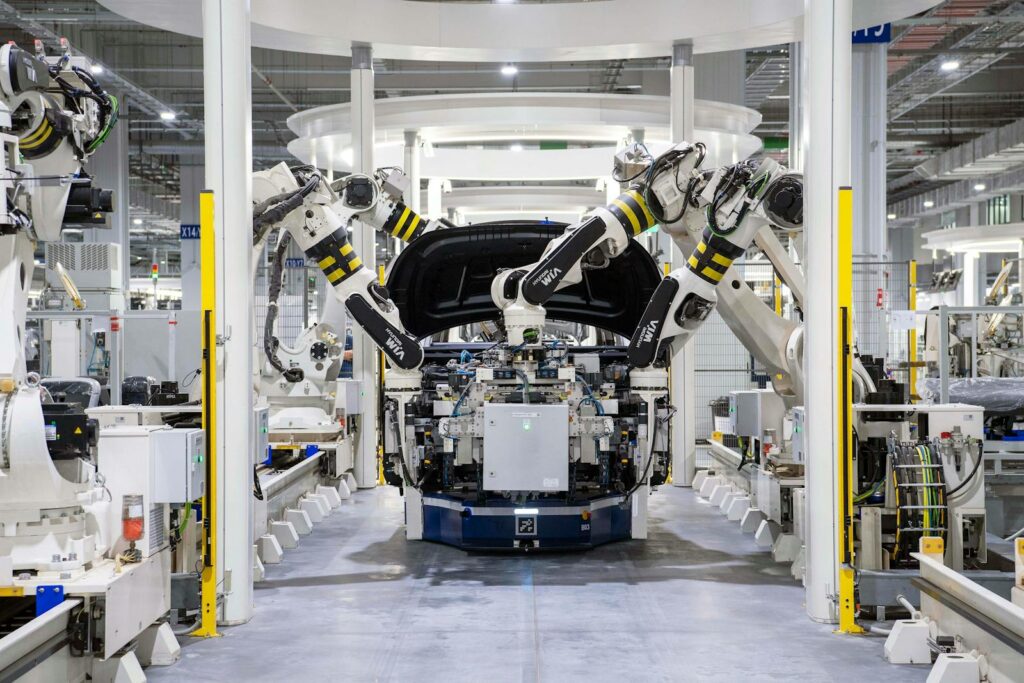
The problems of this situation go far beyond the particular manufacturer or vehicle type in this instance. It is quite apparent that throughout the automotive industry, a transition toward more and more connected, software-dependent vehicles has been going on. More of the functions necessary for maintenance and repair of cars is becoming not mechanical in nature, but electronic.
Key Industry-Wide Changes:
- Growing use of connected vehicle systems
- Increased reliance on proprietary software
- Expansion of electronic calibration requirements
- Shift from mechanical to digital repairs
- Rising manufacturer-controlled service access
Increasingly, numerous manufacturers are adopting digital interfaces that mandate use of highly specialized diagnostic tools and authorized software, even for such basic servicing. Tasks that previously required simple mechanical steps may now require the input of a code, an electronic reset or an electronic calibration. These changes are reflective of the changing landscape of automobiles as computer-programmed mechanical devices, rather than just purely mechanical devices.
With these continued trends, vehicle owners and the independent repair network have both come to view the situation with concern, that more parts/ systems could slowly be blocked behind manufacturer-driven access tools, with the effect of a move toward dependence upon dealership repair.

8. Why This Issue Extends Beyond Electric Vehicles
Despite this being about the Hyundai Ioniq 5 N, which is an electric vehicle, the issue is more about the concept as a whole rather than exclusively with EVs. The increase in software management has been occurring across all cars, including both gasoline and electric, for many years and is likely to be a growing problem that has become clearly evident in this particular incident.
Key Areas Affected by Software Dependency:
- Automatic transmission programming needs
- Engine control module recalibration
- Advanced safety system integration
- Electronic control unit replacements
- Sensor-based system calibration
In many modern vehicles, important components like the transmission, brakes, and engine control units must be programmed or recalibrated electronically when replaced. Traditional mechanical tools are no longer capable of carrying out this type of work, instead requiring specific diagnostic tools and approved by manufacturer software systems. Many different categories of vehicle have begun to be affected by this change to their repair practices.
This continued increase in the amount of software within vehicles will eventually minimize the importance of EVs versus conventional gasoline-powered vehicles when discussing these types of topics. Every vehicle, be it electric or gasoline-powered, will be in need of a more electronically centered approach to repair; leading to service for independent shops to be controlled by electronic and software requirements.
9. The Financial Impact on Owners and Independent Shops
One of the most significant concerns surrounding modern repair restrictions is the financial burden they create. As vehicles become more dependent on software and electronic systems, even routine maintenance tasks can become more expensive when specialized tools, paid software subscriptions, and authentication requirements are involved. What was once a low-cost, straightforward repair can quickly escalate in price due to these added layers of technical access.
Key Cost-Related Challenges:
- Expensive diagnostic equipment requirements
- Ongoing software subscription fees
- Restricted access authentication systems
- Higher dealership service dependence
- Increased repair complexity costs
For many vehicle owners who prefer to perform their own maintenance, these barriers effectively push them toward dealership service centers. Without access to manufacturer-approved tools and systems, independent repairs become difficult or impossible to complete. This shift reduces the practicality of DIY maintenance and increases overall ownership costs over the lifespan of the vehicle.
Independent repair shops face similar pressures. They are often required to invest heavily in multiple proprietary diagnostic systems to support different brands, making it financially challenging to stay competitive. This issue becomes even more pronounced in rural or remote areas, where dealership access may be limited or located far away. As a result, consumers in these regions may experience reduced service options, longer wait times, and greater reliance on manufacturer-authorized facilities, ultimately limiting flexibility in vehicle maintenance and repair choices.

10. The Future of Vehicle Ownership and Repair
At its core, this debate centers on a fundamental question: what does it truly mean to own a vehicle? For many years, ownership was associated with the freedom to maintain, repair, and modify a car independently. However, as vehicles become increasingly software-driven and electronically controlled, that traditional understanding is gradually shifting.
Key Ideas Shaping the Future of Repair:
- Evolving definition of vehicle ownership
- Growing importance of software access
- Expansion of digital repair systems
- Balance between security and repair freedom
- Influence of Right to Repair movement
Supporters of the Right to Repair movement argue that consumers should have access to the same tools, diagnostic software, and technical information available to authorized service centers. From their perspective, true ownership includes the ability to choose where and how repairs are performed, without being limited by restrictive access systems or proprietary barriers.
The situation involving the Hyundai Ioniq 5 N has become a broader symbol of this ongoing debate. As vehicles continue to evolve into highly complex, software-defined machines, the tension between security, safety, and repair accessibility is likely to grow. The direction the industry takes will play a major role in determining whether future vehicle maintenance remains a hands-on, independent activity or becomes increasingly dependent on manufacturer-controlled digital permissions.