




Ram and Jeep Face Massive Recalls for Critical Safety Flaws

The American pickup truck and SUV market have long thrived on the strong emotional connection between car owners and their respective vehicles. For brands like Ram and Jeep, their trucks and SUVs are more than just machines; they are symbols of brute force and dependability that many owners rely upon for both work and play. On the construction site, in the suburban driveway, or in the long highway cruise, the expectation is for these vehicles to handle the demands without faltering.
However, that sense of reliability is currently being called into question. A wave of major recalls associated with Stellantis has thrown questions about the reliability of their software and electronic components, and even the manufacturing processes, into the forefront. These recalls are not isolated to one specific vehicle model or specific subsystem; they appear across a wide range of vehicles and seem indicative of broader design and quality control issues.
What makes this situation all the more worrying is the wide range of components being recalled. Everything from the braking systems to stability control, to even powertrain behavior, and safety equipment all have recall issues, turning many owners assumed to be dependable workhorses and family haulers into machines that many find they have to give second looks and visits to the shop.

1. Widespread Safety Recalls Raise Concerns for Ram and Jeep Owners
With ever increasing safety recalls hitting both Ram and Jeep vehicles; the manufacturer is under a lot more scrutiny than it has been in recent history. With hundreds of thousands of vehicles involved and covering several different model years, the Ram/Jeep recalls go deeper than normal service updates and involve issues affecting driveability, vehicle safety, and control.
Key Areas Affected by Recent Recalls:
- Safety-critical vehicle systems
- Software and electronic control modules
- Braking and stability-control components
- Multiple model years and vehicle lines
- Increased dealership repair campaigns
The problems that have been brought up cover many various aspects of vehicles-software operations, the braking system, electronic stability control, etc. The fact that the problems aren’t concentrated to just one vehicle model but span across various platforms indicate an increased number of problems with the manufacturing and quality control over several models. With the continued rise in the recalls, owner perception of reliability could change.
Owners might need to make frequent trips to the dealership for inspection/software updates/component replacement, causing inconvenience and thus increased scrutiny toward long-term quality reliability. Though recalls are a major aspect in the continued maintenance of a vehicle’s safety, the continued increase may take a toll on an owner’s perception of brand dependability and the overall ownership experience.
2. Ram 2500 Powertrain Control Module Software Failure
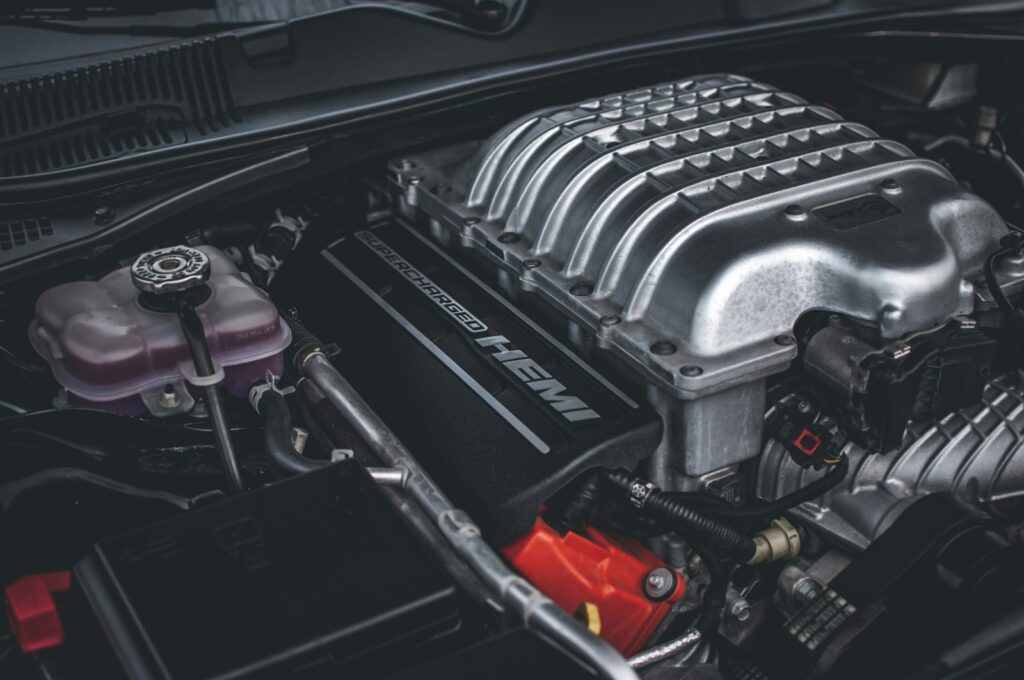
A very critical recall consideration has to be related to some Ram 2500 pickups in which a problem has been determined with their Powertrain Control Module (PCM). The PCM is the brain of a vehicle and governs a variety of essential systems pertaining to the engine and power generation.
Powertrain Control Module Recall Highlights:
- Software-related PCM malfunction
- Affects engine and performance management systems
- Potential to exceed tire-rated speed limits
- Increased safety risk under specific conditions
- Requires dealership software update
The error may enable the vehicle to exceed the speed rating of tires. When a tire is operating outside the capabilities that it was designed for, there can be an increase in the risk of an unstable condition or tire failure. Loss of vehicle control could also be a result, especially when operating in higher-speed situations. The recall is also significant in that the scope of the recall is estimated to include all of the tires produced.
Corrective measures consist of a PCM software update, which shows the increasing importance of software within the vehicle. As systems become more reliant on computer-based control, software-based problems could be similar in potential safety effects to traditional mechanical failures.
3. Electronic Stability Control Issues in the 2026 Ram 2500
A separate, major recall associated with the 2026 Ram 2500 is for the Electronic Stability Control (ESC) system-a vital safety feature that assists drivers in retaining control during emergency driving, slippery surfaces, and abrupt maneuvers.
Electronic Stability Control Recall Highlights:
- Affects certain 2026 Ram 2500 models
- Involves the Electronic Stability Control system
- Linked to a faulty steering column module
- Communication failure may disrupt ESC operation
- Increased risk of reduced vehicle control
This problem stems from a failing steering column control module. This module, failing to properly transmit the driver’s steering inputs to the stability control system, impairs the function of the ESC. Since ESC uses proper steering input data to discern the driver’s intent, a loss of communication can limit the system’s capacity to react properly during conditions that cause loss of stability or traction.
This stability control system has a more critical job in heavy-duty pickup trucks, since maintaining vehicle stability is especially difficult when driving conditions turn sour like rain or snow, at high speeds, or during rapid emergency maneuvers. Even if warning lights are illuminating in the dashboard for the failed steering module, loss of the stability system’s immediate control can easily lead to an accident.
4. Recurring Concerns Surrounding Stability and Safety Systems
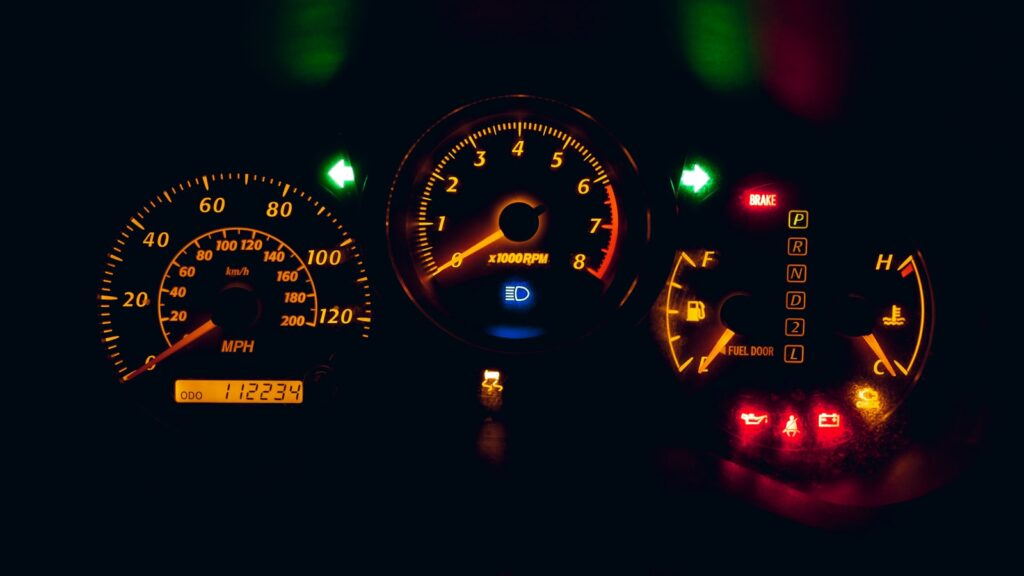
The current recall is notable both for the specific failure involved as well as for the precedent it has set, which is a line of previous recalls covering other related safety-critical technologies such as stability control, leading to much closer scrutiny on the dependability of integrated electronic safety systems in the newest Rams.
Key Areas of Ongoing Concern:
- Multiple recalls involving safety-related electronics
- Previous issues affecting stability-control functionality
- Concerns tied to braking and restraint systems
- Repeated involvement of electronic control components
- Greater scrutiny of system integration and validation processes
The previous recall measures dealt with problems with electronically controlled parts that affect the vehicle dynamics, braking and the safety features related to the seatbelts. Although it involves different parts in all the cases, the repetition of such campaigns led to reflections on the interrelation between different systems of the automobile and their operation in an ever increasingly sophisticated vehicle architecture.
With this increasing number of occurrences, focus inevitably has to fall upon the larger question of testing safety critical systems in a real-world scenario. Complex electronic networks control these new vehicles and any system or communication or software fault can potentially have an impact on more than one function. Such recall measures can only emphasize the necessity for stringent testing, system integration and long-term validation before the vehicles reach the consumers for everyday use.
5. Instrument Cluster Display Failure Across Multiple Ram Models
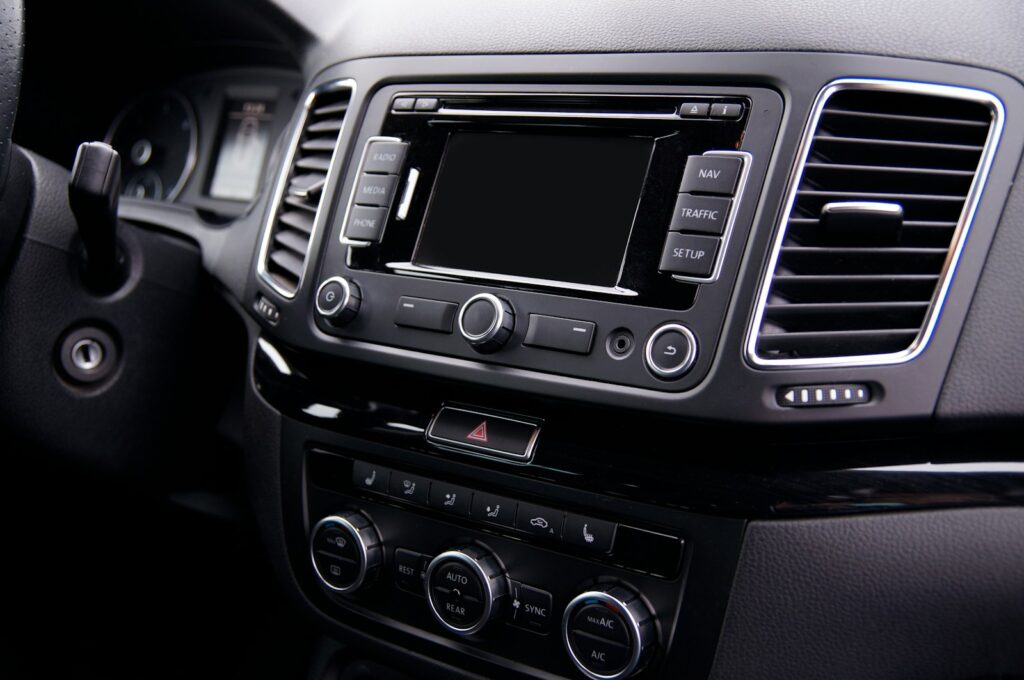
An additional recall involves a diverse fleet of Ram vehicles, encompassing 1500, 2500, and 3500 models, as well as several commercial heavy-duty models. The problem concerns the instrument cluster display, one of the driver’s most crucial information centers in any vehicle.
Instrument Cluster Recall Highlights:
- Affects multiple Ram truck series
- Potential for a completely blank display screen
- Loss of critical vehicle information visibility
- Impacts driver awareness and safety monitoring
- Corrective action involves software recalibration
The instrument cluster provides all the up-to-date driving information that a driver might need including speed, warning indicators, fuel levels, engine warning lights, and a wealth of safety notifications. If the instrument cluster suddenly fails then the driver loses all of this up-to-date information that is essential for the safe operation of the vehicle and for responding to current events.
While it is expected to affect only a relatively small number of the recalled vehicles, the risk that it poses makes it a substantial safety risk; drivers would have no idea what the speed of the vehicle is or if there is an impending issue due to disabled warning lights. In order to address the problem, dealerships will install a software update and re-calibrate the system.
6. Jeep Cherokee Brake and Stability Software Malfunction
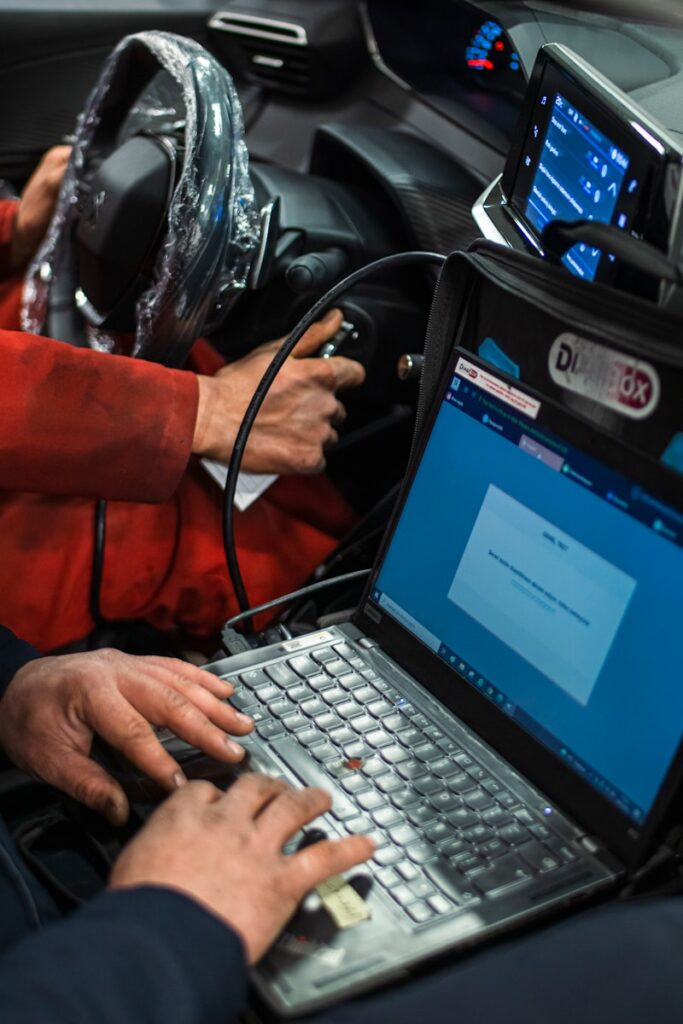
Another safety recall involves specific models of the Jeep Cherokee due to a software-related defect which can cause vital braking and stability-control systems to cease functioning. These systems are integrated in order to enable drivers to maintain control of a vehicle during precarious driving and emergency maneuvering.
Brake and Stability System Recall Highlights:
- Software-related control system malfunction
- Impacts Anti-Lock Braking System (ABS) operation
- May affect Electronic Stability Control (ESC) performance
- Increased risk of traction loss during emergency maneuvers
- Requires software update and module recalibration
It is the software controlling part of the vehicle’s brake control systems that is thought to be disabling the Anti-Lock Braking System and the Electronic Stability Control. These are safety systems used when performing emergency braking and steering maneuvers or on roads with little grip; they help to stop the vehicle skidding when required. If one of these systems fails the car would be more likely to lose traction especially on wet or icy roads.
It is possible that there would not be an obvious problem with driving normally but in an emergency situation the system is intended to be able to react to keep the car stable. The fix involves an update to the brake control module and it should be recalibrated and then the systems will function correctly again.
7. Large-Scale Trailer Brake and Lighting Failure Recall
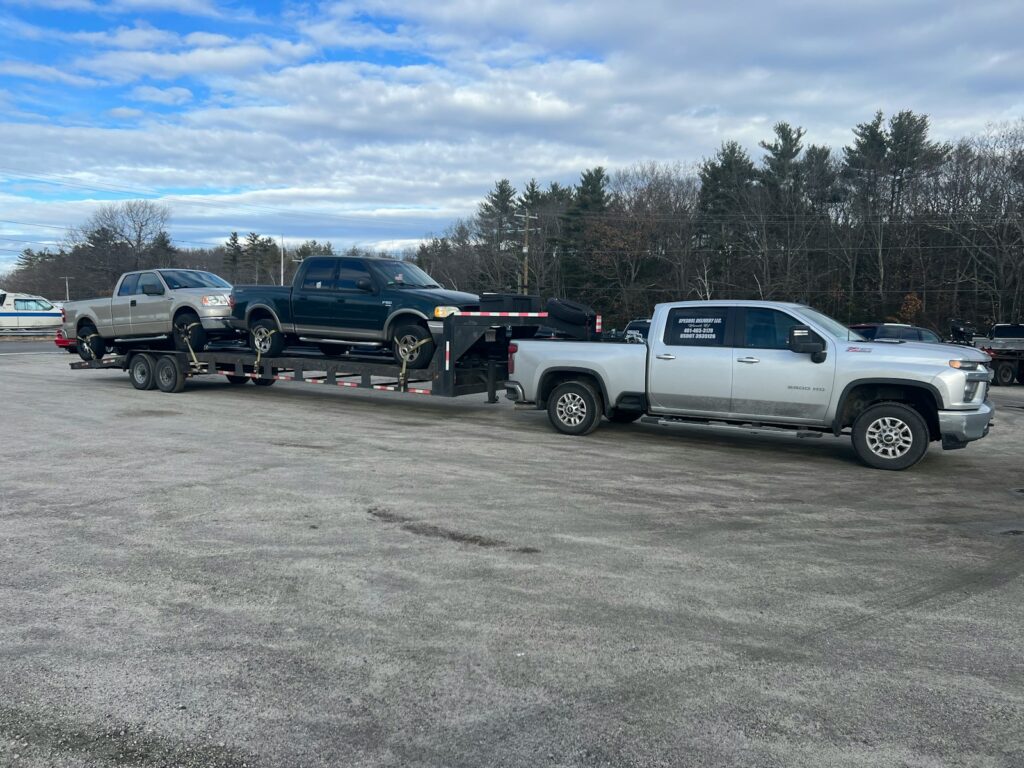
One of the largest recalls ever affects about half a million Ram trucks and Jeep SUVs for problems with trailer brake and trailer lighting systems. Such systems are important on any vehicle that will typically haul a lot of weight because they are vital to balance, visibility, and safety.
Trailer Brake and Lighting Recall Highlights:
- Affects a large number of Ram and Jeep vehicles
- Involves trailer brake system functionality
- May impact trailer lighting operation
- Increased towing-related safety risks
- Significant effect on vehicle utility and capability
Trailer brakes serve as a way for the vehicle you are towing to assist with stopping forces when you are loaded heavily. If the trailer brakes are not functioning properly, stopping distances will increase considerably, increasing the chances of a crash, especially when making an emergency stop, or while traveling at highway speeds. The lighting aspect of the defect is also critically important. Trailer brake lights, turn signals, and running lights communicate to other vehicles around you.
If these are not working correctly, it decreases your visibility, and the effectiveness of your signals, especially at night, and in inclement weather. For the owners of these vehicles that tow work, or leisure, or for recreation, the recall impacts one of the main reasons these vehicles were purchased, in the first place. Apart from the safety implications, the recall also impacts day-to-day operation, and thus it has one of the largest and most disruptive operational impacts on current Ram/Jeep recalls.

8. Jeep Wrangler Child Seat Anchor Welding Defect
Less significant but still very important is a recall concerning certain Jeep Wranglers. This recall is initiated because of problems with the weld strength of the child seat tether anchorage points. These are the points that secure the child seat with the tether.
Child Safety Anchor Recall Highlights:
- Affects selected Jeep Wrangler units
- Insufficient weld strength in tether anchor points
- Involves child restraint system safety
- Potential reduction in crash protection effectiveness
- Requires inspection and corrective repair
The issue is that due to poorly welded attachments the strength may not be at the standard specified for such points. During a collision these less secure points may fail and then they cannot effectively hold the child seat restraints in place, leading to children being injured in a collision.
Although the number of cars involved are relatively few in comparison to other recall initiatives, this recall is particularly important because the protection of occupants in case of a collision is involved, and especially for a child who is inherently vulnerable during a collision. The failure to ensure structural safety during the manufacturing process must also not be tolerated especially as these points have a direct involvement with occupant safety.
9. Dealership Service Networks Face Increased Recall Workload
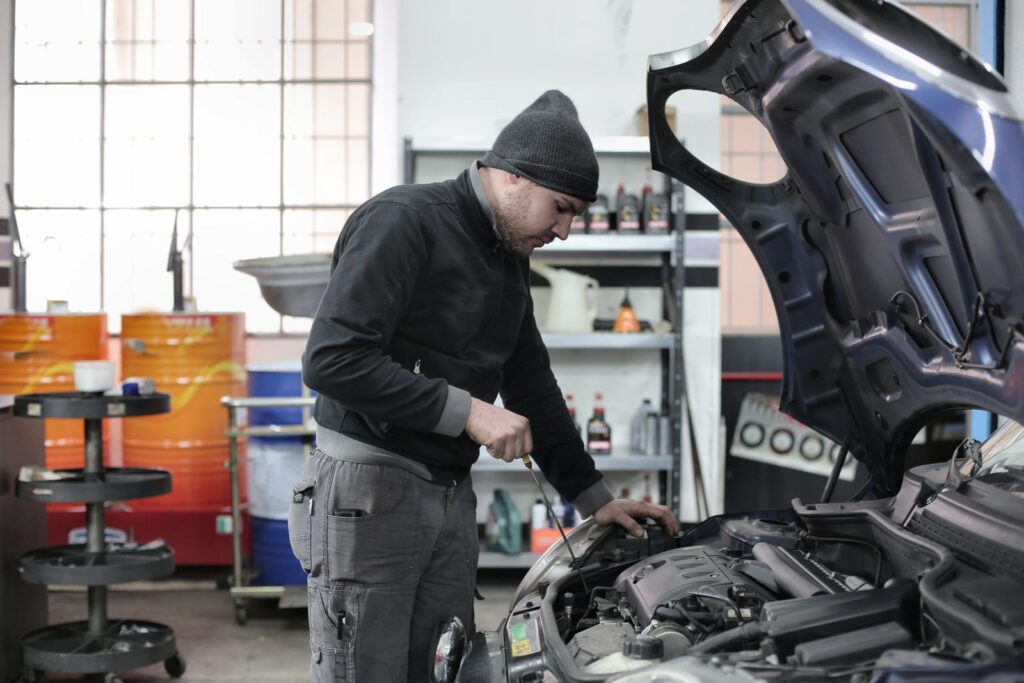
The number of Ram and Jeep recalls has put strain on dealership service operations. Service facilities have the task of processing a high volume of recall work while also continuing with scheduled maintenance, warranty repair, and customer service visits.
Impact on Dealership Operations:
- Increased volume of recall-related repairs
- Higher demand for trained technicians
- More complex scheduling requirements
- Longer service wait times for customers
- Greater strain on parts and repair resources
There are a variety of systems affected, including software updates and electronic modules, in addition to inspections and hardware-based repairs. This demands that mechanics be able to troubleshoot and repair many kinds of faults on many different platforms. This may impact owner satisfaction through long wait times for appointments and multiple dealership visits before the work is complete, due to the necessity of coordinating parts and technician time with all of the repairs. The implications of many large recalls are multifaceted and extend beyond the merely technical aspect of performing the repairs to affect vehicle owners and the overall service experience at the dealership.

10. Long-Term Quality Challenges and the Impact on Brand Trust
Collectively, these recalls are indicative of larger problems with engineering validation, software integration, production consistency, and quality control processes. The issues have not been limited to one part or to a specific lot, but have instead impacted numerous systems on a wide range of vehicles in a variety of model years.
Key Areas Influencing Consumer Confidence:
- Multiple recalls across various vehicle systems
- Growing reliance on complex software-controlled functions
- Increased focus on quality-control effectiveness
- Greater customer attention to long-term reliability
- Importance of continuous engineering improvement
Although recalls are a standard practice for manufacturers of all types of products in this instance, it’s interesting to note how many disparate system recalls occur. From powertrain programming and electronic stability controls to brakes, instrument clusters, towing packages, child safety mechanisms, among others, such an extensive number of safety recalls naturally draws public notice.
Traditionally, brands such as Ram and Jeep have represented power, ability, and the rugged life. However, an increasing number of recall events make the longevity and ownership experience questionable. Consumer confidence needs to extend past the capabilities of the powertrain or chassis to include trust in software programming, manufacturing processes and consistency.
To re-establish, and build a higher level of consumer confidence going forward, repair alone is insufficient. Better validation during the design phase, stricter software testing, rigorous supplier quality systems, and thorough quality controls during manufacturing will be key. Reliability and minimal safety issues over the life of a product will win and maintain owners.