



The 1963 Impala Z11: Chevrolet’s Forgotten Factory Drag-Strip King
When enthusiasts mention the golden age of American performance cars, a select few of Chevrolet’s most iconic models are likely to spring to mind: the Chevelle, the Camaro, and the Nova. These muscle car icons are synonyms for horsepower, speed, and the exhilarating ethos of the original muscle car era. Each has played a significant part in shaping what American performance is today, with the popularity of all these classics continuing to grow over the years.
But, Chevrolet’s performance dynasty has been built not just upon iconic, readily available models like the muscle car legends above, but also upon many more exotic and specialized performance offerings that sometimes get overlooked in comparison. During the 1960’s, Chevy produced increasingly larger and more powerful engines, unique performance options packages, and even extremely low production factory-built special models aimed at conquering all competition on street and strip.
However, few models encapsulate the unique, purpose-built performance ethos quite like the 1963 Impala Z11. Incredibly rare, a factory-built drag race special designed to provide an answer to every rival, this overlooked model provides one of the more amazing chapters in Chevrolet’s performance car history.
1. Chevrolet’s Growing Performance Reputation
By the early 1960’s Chevrolet was growing in confidence as a producer of automobiles which could satisfy even the most dedicated of car enthusiasts. Though the company already had successful models in nearly all market sectors, they knew that potential customers wanted vehicles which would fulfill a need other than merely transportation; excitement, speed, and a thrilling drive were the essential criteria for automotive purchase at a time of extreme automotive upheaval.
Performance Reputation Foundations:
- Growing demand for performance cars
- Focus beyond basic transportation
- Strong appeal to younger buyers
- Increased engineering innovation efforts
- Expanding motorsport influence
As the competition heated up between US car makers, performance was soon a defining feature between the many rivals, bigger engines, enhanced suspension, and sportier looks, these manufacturers raced to appeal to sports enthusiasts and young America. The Chevrolet marque invested large amounts of money in engineering cars capable of strong performance on the street and the track helping it stand out among its rivals, as performance car development increased.
This desire for increased performance greatly contributed to making Chevrolet one of the hallmark names of this new breed of the American car, engineer after engineer worked tirelessly to develop new technology, power-train options and chassis set-ups which were able to challenge and exceed limits, it was this dedication to performance that lead to the introduction of some of the worlds greatest and influential muscle cars.
2. The Arrival of the Chevelle
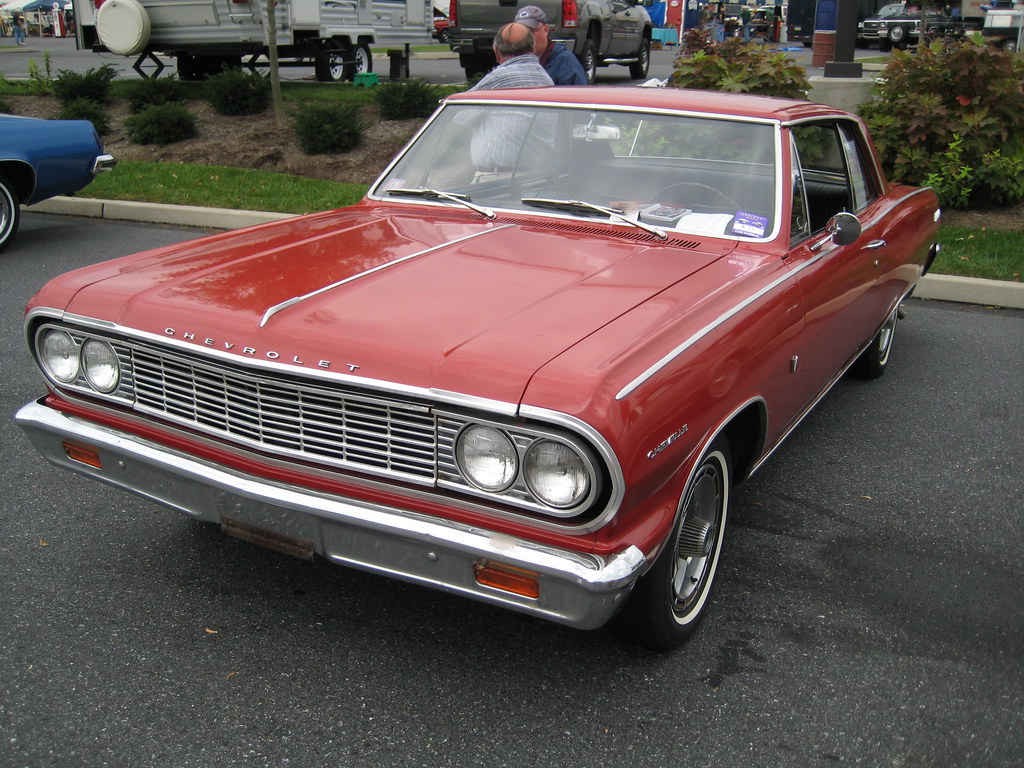
Chevelle was the name of the new midsize for 1964, and with this offering Chevrolet finally moved into the booming intermediate sector. The Chevelle rolled out about one year after the Pontiac GTO, a well-received, new, intermediate-sized car which used the versatile A-body platform. Chevrolet introduced it at just the right time, because customers were clamoring for vehicles that could offer a degree of practicality along with sports performance.
Chevelle’s Early Success Factors:
- Entered growing intermediate-car market
- Built on versatile A-body platform
- Strong buyer demand immediately
- Balanced style and practicality
- Broad customer appeal achieved
The market’s reaction to the Chevelle was not long in coming, nor was it understated. After only a short time on the market, the Chevelle had become one of Chevrolet’s best selling cars. Its good looks, manageable proportions, and availability in numerous V8 performance models made it the perfect car for a variety of consumers ranging from families in need of a durable vehicle to hobbyists that enjoyed driving.
The industry as a whole was very quick to see the significance of the Chevelle’s popularity. Journalists loved its styling and handling, dealerships found themselves struggling to maintain an adequate inventory due to the constant public demand. It was a sign that the public was still showing a keen interest in performance oriented models, and that it would become one of the main muscle cars that the decade would so closely associate with.
3. The Appeal of the Chevelle Super Sport
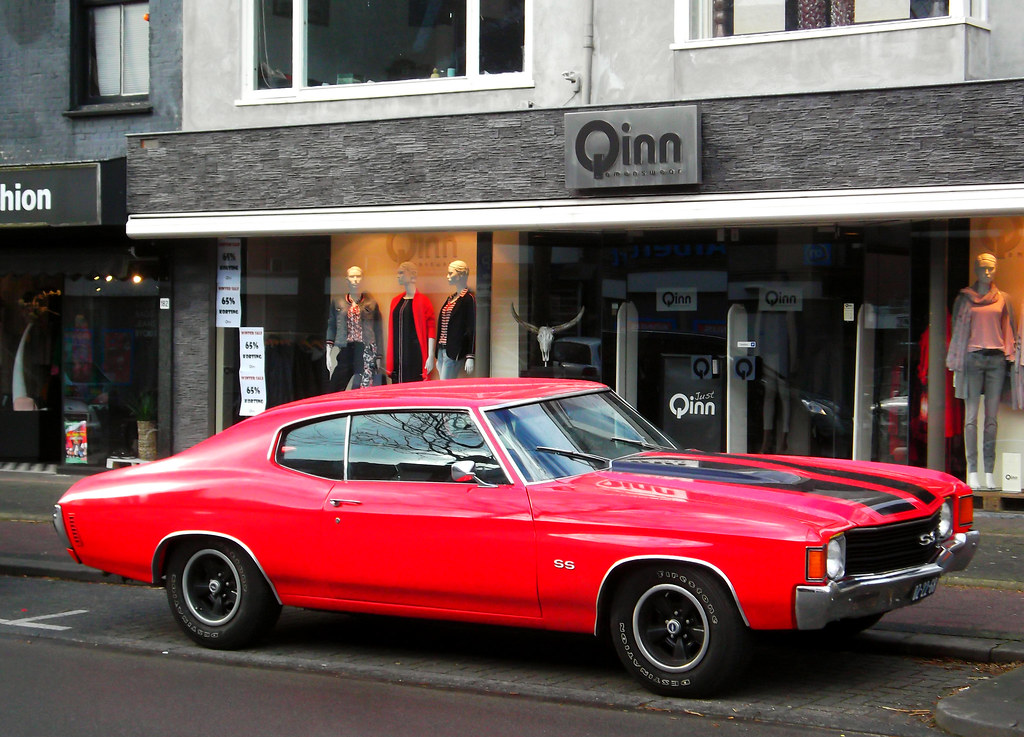
An integral part of the Chevelle’s increasing popularity was the introduction of the performance enhancing package, known more commonly as the SS. Taking the already popular intermediate and turning it into a more aggressive, musclecar-oriented machine the Super Sport could be ordered with the hardtop or convertible body style. The Chevelle SS quickly became one of the most popular vehicles offered by Chevrolet and further cemented the marque as a major contender in the budding musclecar era.
Chevelle SS Key Attractions:
- Performance-focused Super Sport package
- Available hardtop and convertible models
- Distinctive styling and trim upgrades
- Enhanced interior equipment package
- Wide range of V-8 engine choices
The styling of the SS wasn’t the only reason for its appeal. The interior of the Super Sport was designed to be sportier than standard Chevelle models with the inclusion of bucket seats, a center console, custom gages, and unique trim pieces. These added options helped the SS stand out and give owners the feeling that they had something more than a regular Chevelle.
Another reason for the Super Sport’s popularity was its variety of engine choices. Chevrolet offered a variety of different V8s for the buyer to choose from depending on their needs and their wallet. Entry level V8s offered decent daily driving performance while top end V8s produced power that muscle-car enthusiasts desired. The combination of style, options, and power made the Chevelle SS a popular choice.
4. The Rare and Powerful Z16
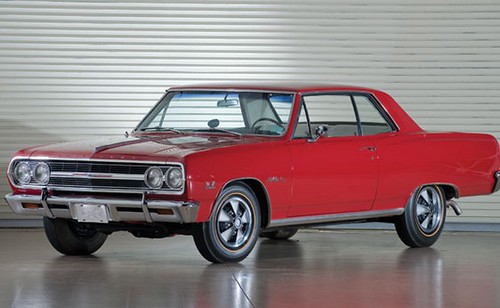
Chevrolet further enhanced the performance image of the Chevelle with the introduction of the Z16 package in 1965. The Z16 was developed as a one-off, extremely specialized and very limited-edition performance model as opposed to other option packages that Chevrolet offered on the Chevelle. The rareness of the Z16 sets it aside from any other Chevelle; the Z16 was, by all indications, the rarest of the muscle car era.
Z16 Performance Highlights:
- Extremely limited production numbers
- Exclusive high-performance Chevelle variant
- Strong collector interest today
- Premium equipment and refinement
- Special place in muscle-car history
Production volume was certainly a significant factor contributing to the Z16’s desirability. Only a limited number were produced and that alone contributed significantly to making the car one of the most desired among enthusiasts and collectors. Apparently most were delivered to automotive journalists, “industry insiders” or “big time automotive dealers” so there were never really a large amount of production Z16’s at the dealerships or any one location.
Apart from its capabilities it also had other attributes the muscles cars of that era didn’t always possess. This car was made with some luxuries to match the performance; however this could be considered more a performance package than an outright luxury car. It combined the desire and exoticism of many of its modern counterparts with American muscle and in the end came out as one of the best-ever Chevelles to have been produced.
5. The Birth of the Camaro Legend
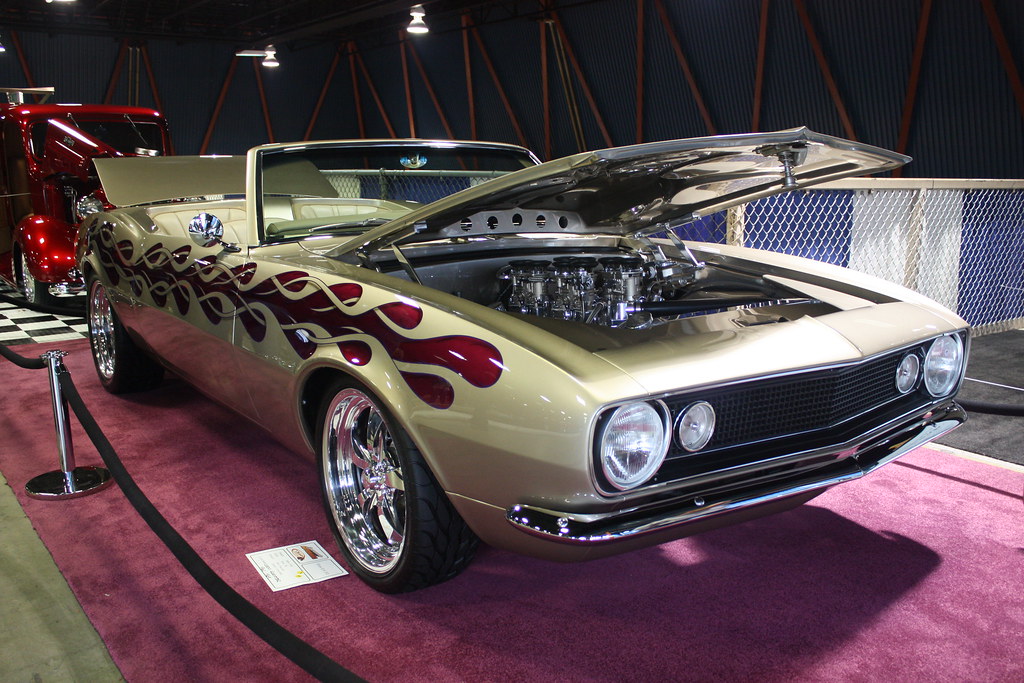
Chevrolet unveiled the Camaro in 1967, which was an important time in American sports car history. Competitor in the new emerging pony car craze, the new Chevrolet was packaged in bold styling and sporty driving dynamics along with many performance variants to suit different tastes. The Camaro appealed to customers looking for something that was more than a typical commuter car.
Camaro Early Success Factors:
- Entered the growing pony-car market
- Aggressive and distinctive styling
- Wide range of engine choices
- Strong enthusiast appeal
- Expanded Chevrolet’s performance reputation
The Camaro quickly attracted enthusiasts and by offering many engine and equipment options, the customer was able to order the Camaro that met his driving and budget requirements. From models suitable for street use up to high-performance models the Camaro offered an unprecedented amount of flexibility and when fitted with performance packages became one of the most desirable performance cars of its era.
The Camaro was a significant element in building Chevrolet’s reputation for producing performance vehicles and is one of the most recognizable models in the company’s history. The extreme success of the Camaro also unfortunately drew away attention from some less well known and lesser publicised Chevrolet performance projects of the same period that offered similar performance capability.
6. Chevrolet’s Secret Racing Program
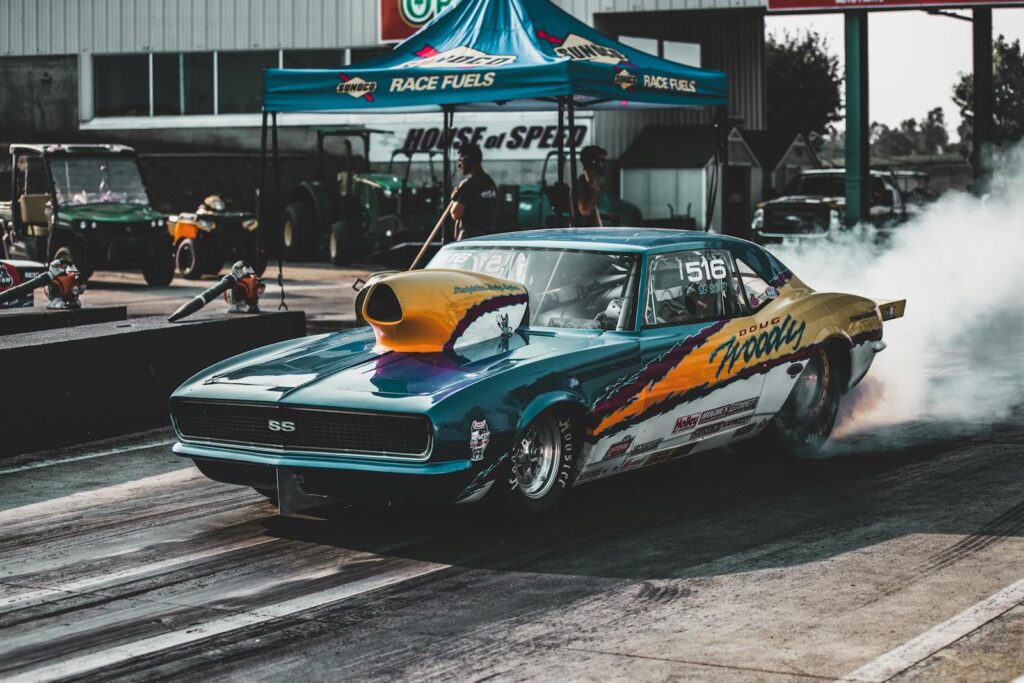
Although Chevrolet’s broad-appeal performance cars were what grabbed the headlines and walked the showrooms during the Sixties, there was another, more covert effort going on as well, and it was primarily focused on racing to the bitter end. Within the hallowed halls of engineers and performance specialists in Warren Michigan, and across its various branches, Chevrolet quietly toiled on limited-production, specialized machines which, for the most part, were conceived only to gain ultimate acceleration, win on the drag strips, and make a point.
Racing Program Characteristics:
- Focused on drag racing performance
- Limited-production specialty vehicles
- Competition-first engineering approach
- Emphasis on power and weight reduction
- Significant motorsport influence
Unlike normal muscle cars built for driving on the street, these were cars that were made for the track and speed was at the top of the design list. Features that would shed pounds such as lightweight body panels, specialized performance parts and a fully race-prepped engine were important but luxury, comfort or convenient options such as AC or power windows were not nearly as critical. The weight of the car was a huge concern and as it turns out, every aspect was judged on how it contributed to the race. All the cars are built for a specific purpose to go fast at a race track.
Most of these programs went undiscovered except among racing enthusiasts however they made a big mark on Chevrolet performance history and development of future vehicles. The engineering know-how acquired in all of these special projects benefited future vehicle development and it showed that Chevrolet would not shy away from unique racing applications.
7. The Creation of the 1963 Impala Z11
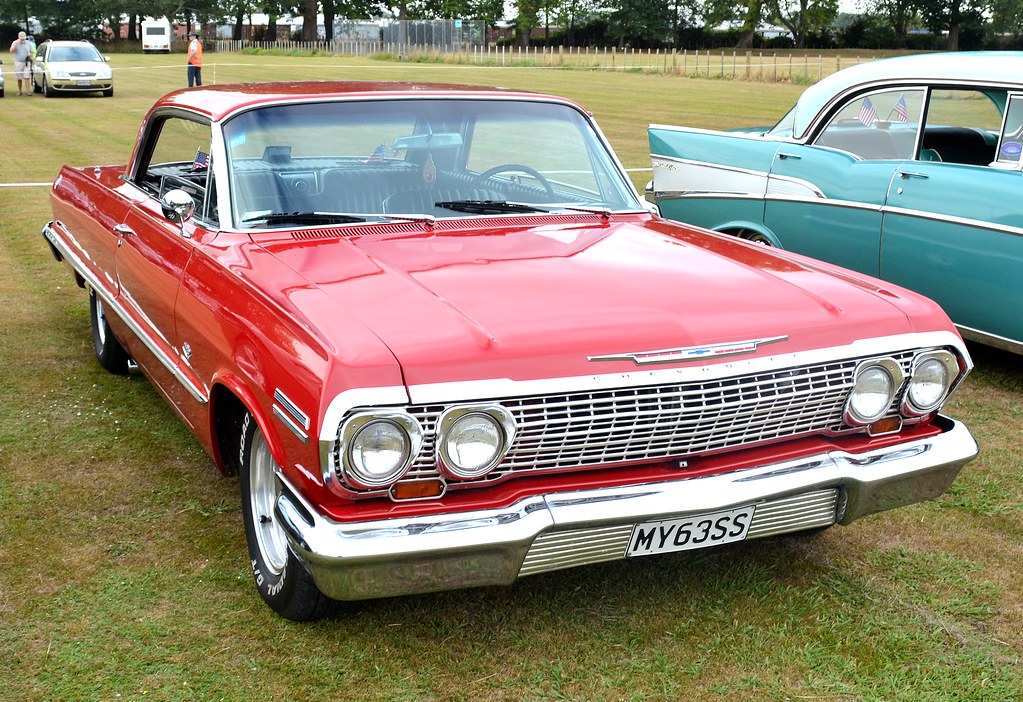
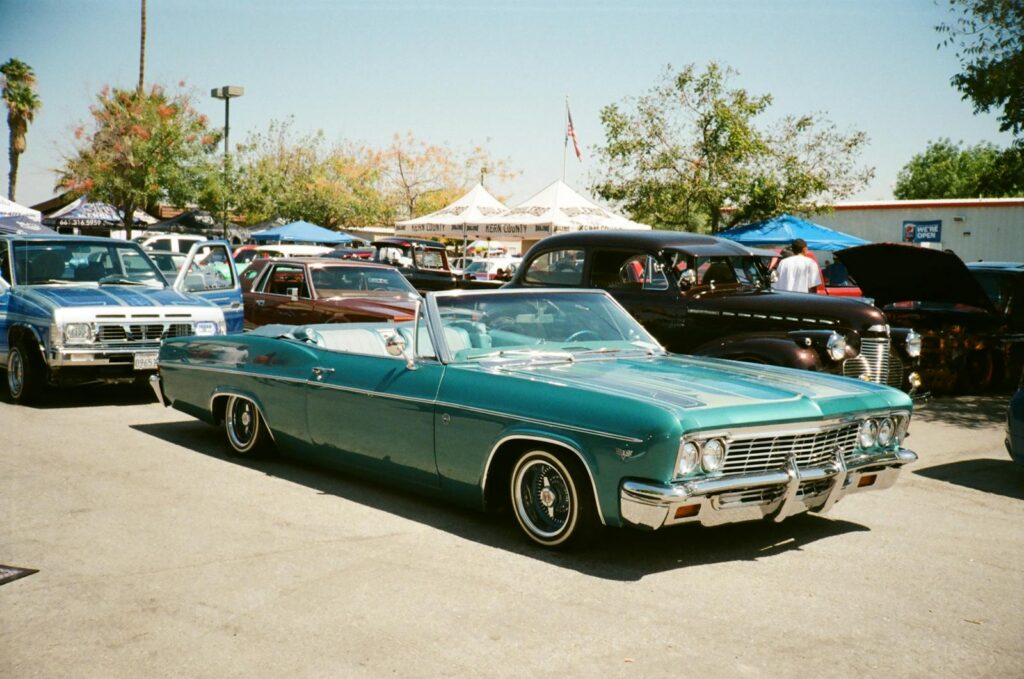
Among Chevrolet’s myriad of performance ventures throughout the 1960s, the 1963 Impala Z11 stands out as one of the most niche yet important models produced. This specific vehicle was actually built to compete in NHRA Super Stock racing; the Z11 was built for one reason and one reason only maximum drag race performance. Instead of building a car that was marketable to the general buying public, Chevrolet built the Z11 with competition in mind.
1963 Impala Z11 Highlights:
- Built for NHRA Super Stock racing
- Specialized factory competition vehicle
- Featured unique 427-cubic-inch engine
- Derived from the legendary 409
- Produced for serious racers
The most famous feature of the Z11 was its revolutionary 427 cubic inch W series V-8 engine. Based on the highly revered Chevrolet 409 engine, this V-8 was enhanced for better airflow, power, and efficiency with a host of performance related tweaks designed for racers. It was in fact the strongest factory Chevrolet power plant produced to date, giving the racers an added advantage.
It was never manufactured to be an overall success or in massive production numbers. They were manufactured exclusively for serious racing drivers, with the primary intent of enabling great speed, and the ability to excel. The Chevrolet Impala Z11 became one of the most respected and collectible vehicles from the Chevrolet line-up of factory race cars.
8. Built for Maximum Speed
With every component of the 1963 Impala Z11 its focus was purely on performance. Chevrolet’s engineers concentrated more on shaving weight from the body and improving acceleration by leaving out some of the parts needed for street and road racing and as a result, speed rather than comfort.
Weight Reduction Strategies:
- Heater and radio removed
- Reduced comfort-oriented equipment
- Minimized sound-deadening materials
- Performance prioritized over convenience
- Improved acceleration capability
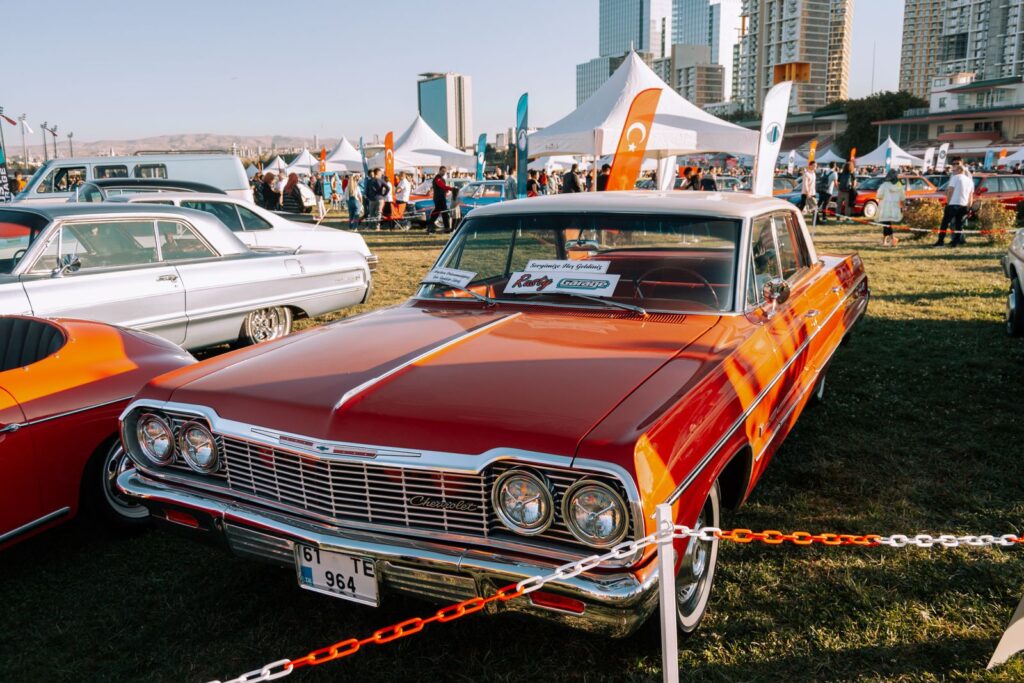
Although it had a serious engineered side to it, the Z11 has a low key, un-imposing style, which can be deceiving in more ways than one. From the outside it looks like any other large Chevrolet of the same era and in fact was not very attention grabbing at all, although this deceiving appearance hid a specialized high-performance package that could outperform some of the toughest competition in its time. This dual characteristic was to appeal to the pure, hardcore racer and lover of cars in equal measure.
Its low production numbers made it even more desirable. Chevrolet only produced fifty-seven of these vehicles, thus making them among the rarest production vehicles to ever come from Chevy. Over the ensuing years this desirability for these rare performers has certainly taken its hold as collectors clamor to have them at any price.
9. Performance That Shocked the Competition
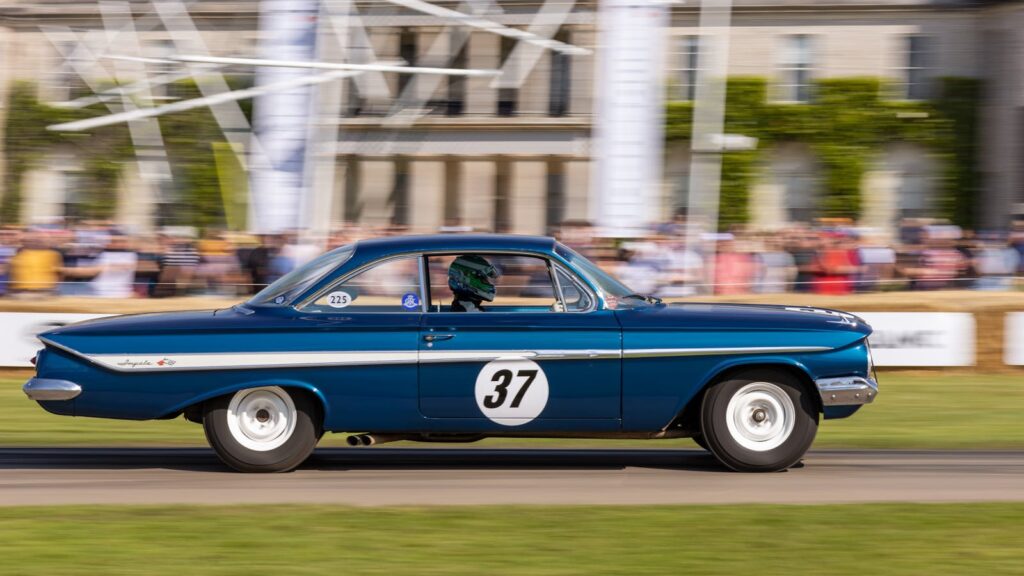
The 1963 Impala Z11 delivered a level of performance that was remarkable for a full-size automobile of its era. When properly prepared and driven, these cars were capable of producing quarter-mile times that rivaled many purpose-built racing machines. Such capabilities immediately established the Z11 as one of the most formidable competitors in NHRA Super Stock competition and demonstrated the effectiveness of Chevrolet’s focused engineering approach.
Z11 Performance Legacy:
- Exceptional quarter-mile capability
- Competitive drag racing performance
- Powerful full-size vehicle platform
- Respected by racers and enthusiasts
- One of Chevrolet’s greatest achievements
During a period when most full-size vehicles emphasized passenger comfort, practicality, and cruising ability, the Z11 proved that a large car could also become a serious performance weapon. Chevrolet’s willingness to prioritize power, weight reduction, and racing-focused engineering resulted in a vehicle that challenged expectations and earned widespread respect on the drag strip. Its success highlighted the potential of factory-built competition cars and reinforced Chevrolet’s growing reputation within the performance community.
Although the Z11 remains relatively unknown to many casual automotive enthusiasts today, it holds a special place among those who study Chevrolet’s performance heritage. Historians, collectors, and racing enthusiasts often regard it as one of the company’s most impressive accomplishments. The combination of extreme rarity, innovative engineering, and outstanding performance has ensured the Z11’s status as a true legend within Chevrolet’s rich motorsport and muscle-car history.
10. The Legacy of Chevrolet’s Forgotten King
The impact of the 1963 Impala Z11 extended far beyond its short production run. Although only a small number of examples were built, the vehicle demonstrated what Chevrolet engineers could achieve when performance became the sole priority. Its development helped establish a foundation for future high-performance projects, influencing the philosophy that would later produce some of the most celebrated muscle cars in the company’s history.
Z11 Legacy Highlights:
- Inspired future Chevrolet performance programs
- Early example of factory racing focus
- Influenced later muscle car development
- Extremely rare and collectible today
- Respected by historians and enthusiasts
In the years that followed, models such as the 1969 Camaro ZL1 and the 1970 Chevelle SS 454 LS6 gained greater public recognition and became iconic symbols of Chevrolet performance. These vehicles often dominate discussions about the muscle-car era because of their widespread popularity and legendary status. However, their success should not overshadow the significance of the Z11. Long before those famous models arrived, the Impala Z11 had already proven that Chevrolet possessed the engineering expertise and determination to create world-class factory-built performance machines.
Today, the 1963 Impala Z11 remains one of the most fascinating yet underappreciated vehicles in Chevrolet’s performance history. Its combination of rarity, race-focused engineering, and extraordinary drag-strip capability makes it a standout even among the most respected muscle cars of the era. For automotive enthusiasts and historians, the Z11 serves as a reminder that some of the greatest achievements are not always the most widely known. Its legacy endures as one of the purest examples of Chevrolet’s pursuit of maximum factory performance and as one of the most formidable drag-racing machines ever to leave a production line.