



From Battlefield to Backcountry: The Legacy of the Dodge Power Wagon
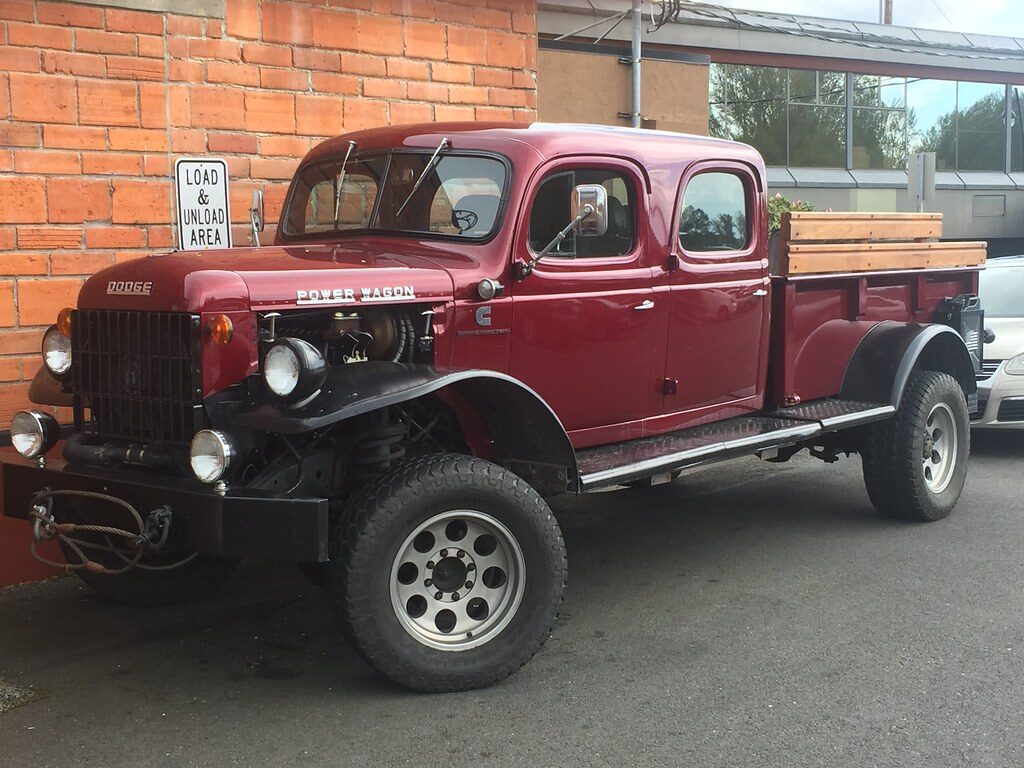
The origins of an off-road pickup truck weren’t as technologically impressive, powerful or, well, advanced as you might think today. Way before today’s truck manufacturers tried to make the best travel-worthy pick-up in existence there was just one off-road champion the toughest all-round truck ever to get off-road in: the Dodge Power Wagon.
It’s also a vehicle whose lineage goes back to one of the toughest moments in modern history. With World War II raging, militaries throughout the world needed a vehicle to take their men and supplies through mud, snow, deserts, and jungles, and over damaged roads. Dodge’s response was to create the legendary military vehicles, the workhorse trucks of the battlefield-and in doing so, created a legacy that would be heard long after the fighting stopped.
Instead of just sticking its wartime engineering in the backyard and letting it rest, however, Dodge gave its creation a new life in the civilian sector as the reliable workingman’s (or farming man’s, or ranching man’s) truck tough and built to haul in areas where roads are optional. More than just a workhorse, the Power Wagon set a new baseline for what four-wheel drive could offer, and inspired a legion of heavy-duty off-roaders to follow a generation later.
1. Military Roots That Built a Legend
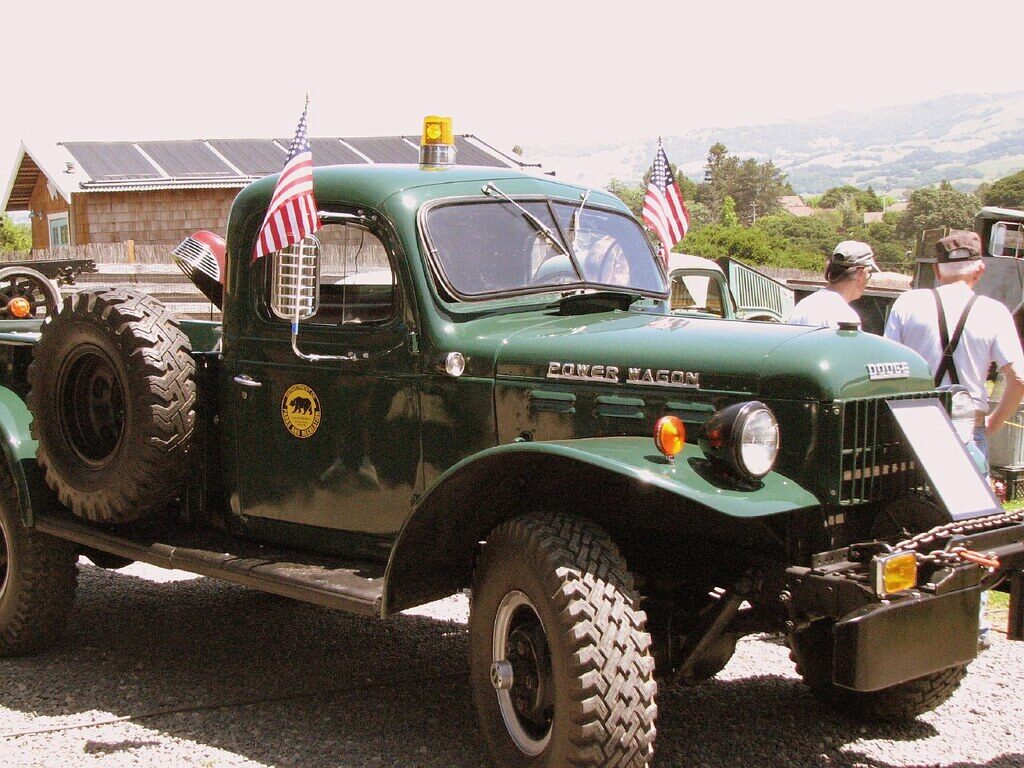
Our story starts in a world not much different than ours, it was WWII, and there was a world out there needing something more than your everyday transportation; there was the Dodge WC truck line, for military duty around the world. For this kind of job, these military trucks would need to be rugged, tough, and dependable in the elements like they already were, setting an industry standard that would prove a vital role in shaping an automotive legend like no other.
Military Foundations Behind the Power Wagon:
- Originating from wartime military trucks
- Engineered for extreme battlefield durability
- Supporting critical military transport missions
- Proving exceptional toughness and versatility
- Inspiring a legendary civilian pickup
The Dodge WC trucks performed many useful functions in wartime-from carrying troops, medical personnel and ammunition, to delivering equipment, troops and hauling general cargo and engineering equipment. They could traverse rough territory where ordinary vehicles were often limited.
In spite of the poor showing of the WC series on the battlefield, engineers had produced a worthy vehicle with great potential beyond war purposes. The post-war peace allowed for designers to transition the war-hardened beast to a civilian role, creating the Dodge Power Wagon. The combat-ready platform became an American pickup staple, synonymous with toughness.
2. Turning Wartime Engineering into a Civilian Workhorse
In the aftermath of WWII, American society was in rebuilding mode, demanding capable and sturdy workhorse vehicles that could perform hard labor. Farmers, ranchers, road construction companies, utility linesmen and everyone in between needed a pickup that was ready to shoulder the burden and perform its best when you need it most. Dodge stepped up and built a civilian pickup from its well-engineered military trucks that was made tough for the daily grind.
Key Steps in the Civilian Transformation:
- Adapting proven wartime truck engineering
- Introducing purpose-built four-wheel-drive capability
- Meeting growing post-war industry demands
- Combining durability with everyday practicality
- Creating a new utility truck category
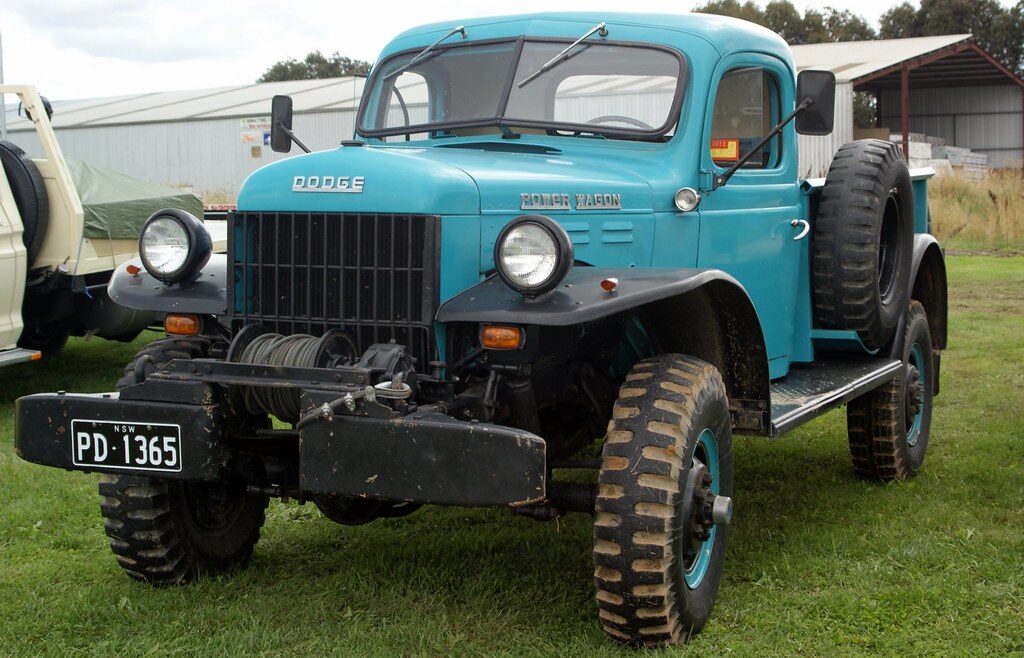
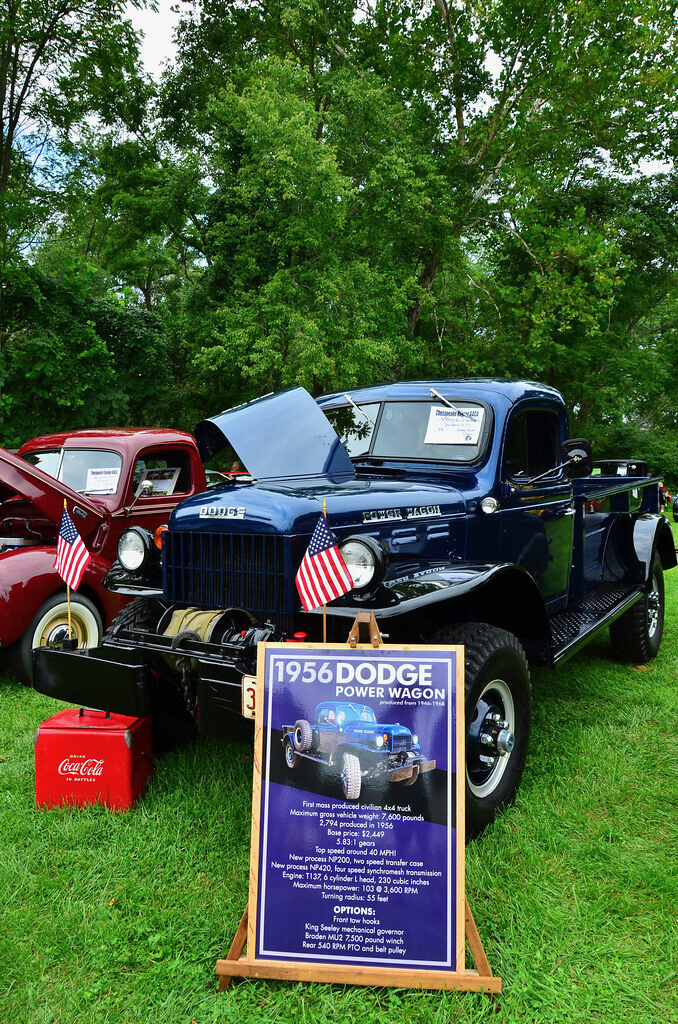
Making their debut with the 1946 models year in 1945, Dodge Power Wagons were conceived from conception as authentic 4-wheel-drive vehicles (4WD), instead of commonplace pickup trucks “outfitted with go-fast goodies” to take them into areas other pickups couldn’t reach: from muddy pastures and rocky off-road terrains to virgin construction sites where ground engagement mattered most.
The Power Wagon carved itself out a niche between military toughness and its role as practical transport because most tradesmen needed dependable trucks for their everyday work. Its impressive military underpinnings combined with legendary off-road prowess set a new precedent for heavy-duty pickups.
3. A Rugged Powertrain Built for Real Work
The Power Wagon was designed from the factory with an emphasis on long-term dependability and capability, not top speed. This robust engine and drivetrain design proved reliable, up to the task of providing day-to-day service in the most punishing conditions, instilling professional confidence that the truck could handle whatever was required, no matter where you were. This sensible construction made for a great trait of the Power Wagon.
Powertrain Features Designed for Tough Jobs:
- Using a dependable inline-six engine
- Delivering strong low-speed pulling power
- Including heavy-duty manual transmission
- Providing capable four-wheel-drive performance
- Prioritising durability over outright speed
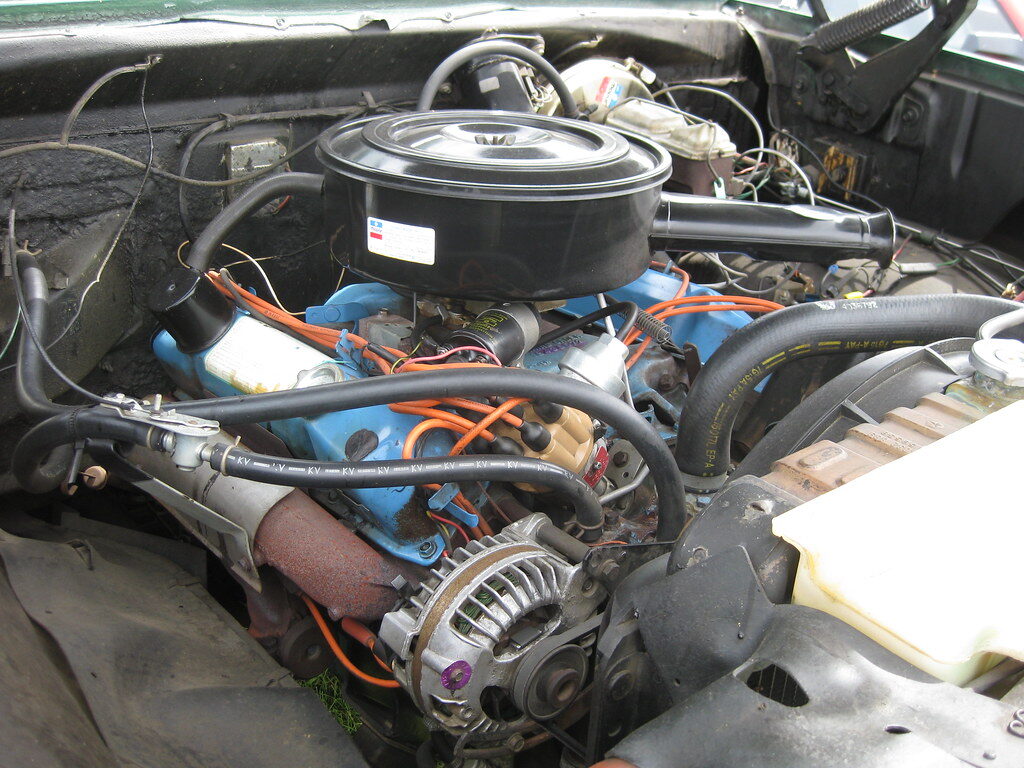
Underneath the bonnet of this brute was a 3.8-litre, flathead, 230ci, inline-six engine producing a healthy-ish 94hp and 185 lb-ft of torque for the time, no great shakes for the Power Wagon, but in a machine designed for pulling heavyloads, a welcome amount. This engine was mated to a heavy-duty four-speed manual gearbox and a two-speed transfer case which should have kept this truck on the road no matter how steep the gradient, no matter how muddy the task or how many times it dropped off the side.
Instead of focusing on speed or comfortable ride the Dodge Power Wagon was built for reliability and mechanical simplicity in the long run. Strong powertrain enabled its owner to push this beast and carry on even though the job may have been complicated or demanding without complicated or complex mechanics. With such qualities it earned one of the most reputable names in the history of pickups.
4. Chassis Designed to Conquer Tough Terrain
The Dodge Power Wagon wasn’t just known for its bulletproof engine: The chassis was also paramount in getting the tough work done. From being made from one-up of another one from one the others other guys to enduring tough duties in some of the most difficult operating areas. From top to bottom the structure was created for durability so a couple good guys to accomplish a load when an everyday pickup would let down.
Chassis Features Built for Durability:
- Using heavy-duty solid axle construction
- Supporting rugged leaf spring suspension
- Providing generous ground clearance
- Handling demanding off-road conditions confidently
- Delivering dependable long-term durability
In the case of the Power Wagon, the heavy-duty solid front and rear axles and leaf-spring setup delivered an incredibly resilient foundation to work from in off-road conditions. With plenty of ground clearance added to this recipe, the truck could trundle its way over boulder-strewn terrain, through muddy bogs, into deep ruts, over uneven terrain and generally slog through just about any rugged job imaginable.
Its simple mechanical layout also assured its popularity in the hands of an owner. Low-maintenance along with unparalleled ruggedness kept the Power Wagon chugging along year after year. The ability for it to perform tough jobs without much hassle also ensured many other four-wheel-drive trucks to come were designed in its image.
5. America’s First True Off-Road Pickup Truck
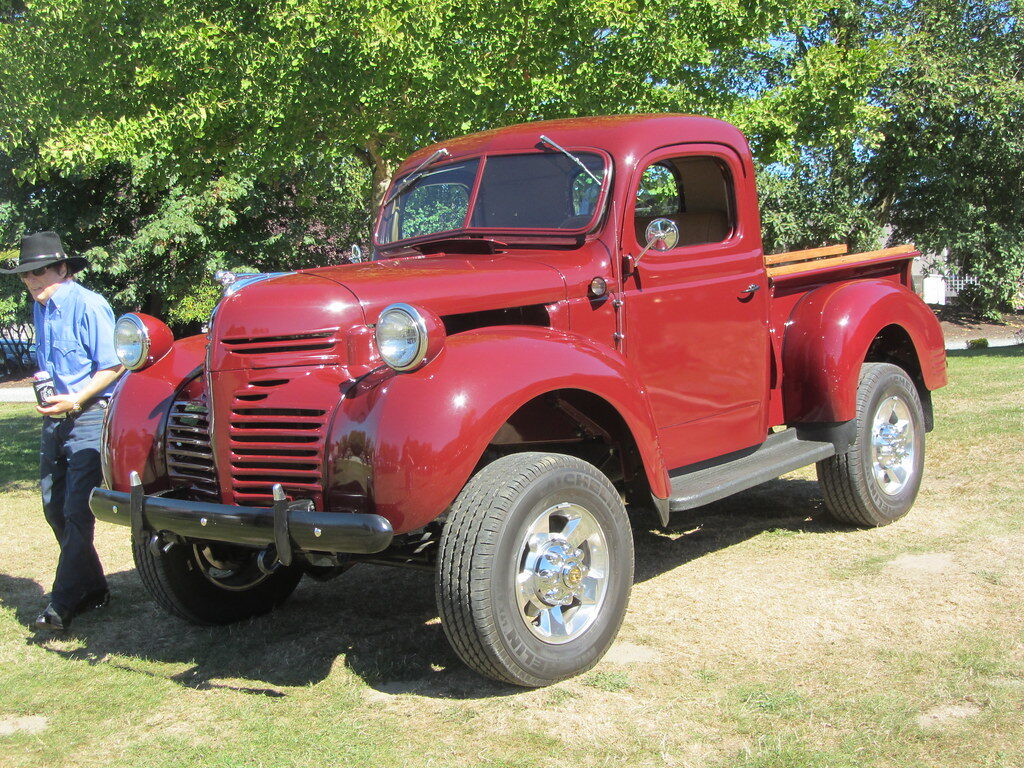
From its debut, Dodge’s Power Wagon carved out a significant niche in the annals of automotive history; most notably it earned fame for being generally credited as the very first American production four-wheel-drive pickup truck. Prior to that point, the “Jeep” was generally not found for civilian-market pickup style applications, however, when it first arrived, the Power Wagon integrated the work-a-day pickup concept with four-wheel drive manufactured as part of its intended application.
Historic Features That Defined the Power Wagon:
- Becoming America’s first mass-produced 4×4
- Combining pickup utility with capability
- Serving commercial and agricultural industries
- Carrying heavy loads across terrain
- Influencing future off-road truck designs
In a contrast to military vehicles or modified work-based truck it was specially developed in order to perform civilian functions, in addition to having an enclosed cab, and convenient storage area. It helped an owner securely transport supplies from farm livestock, machinery, building tools or anything else needed over a rough territory and construction site.
The truck also showed people had an interest in vehicles they could use as their workhorse, but which could still be taken off road into the rough and ready environment of the outdoors. The Power Wagon’s durable build, load bearing capacity and all terrain ability informed how subsequent pickups were developed up and down the industry for years to come, and some of that thinking may still be seen in modern serious off-roading vehicles too.
6. More Than a Truck: A Mobile Powerhouse
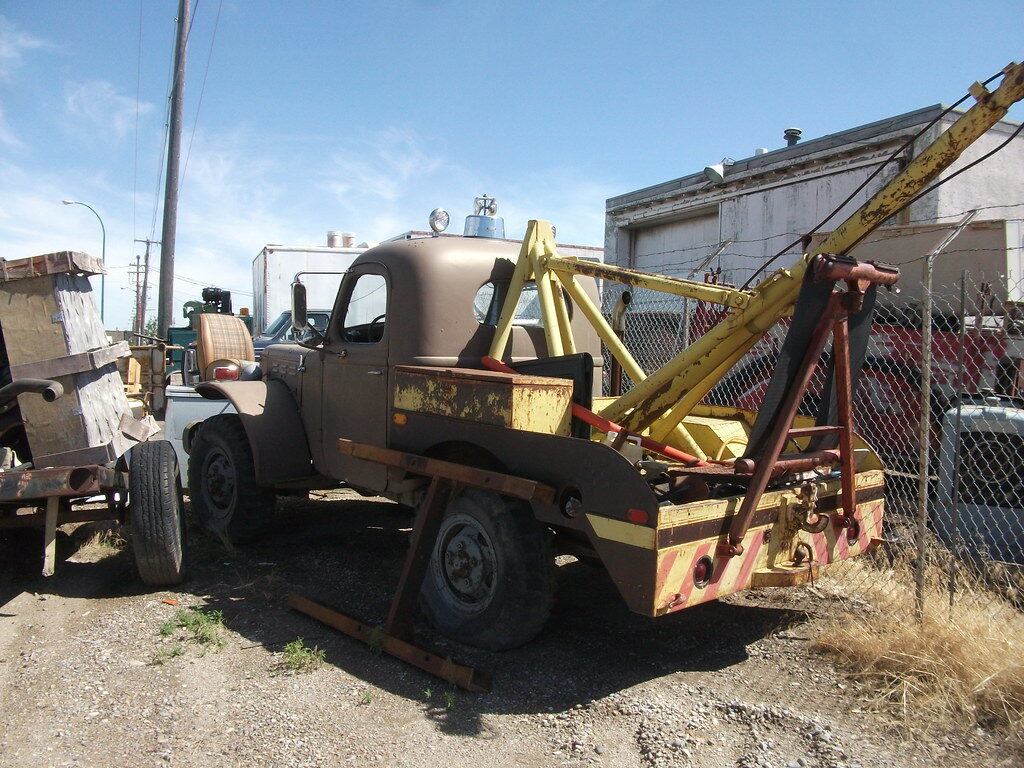
Beyond its primary role of shuttling people and goods around, the Dodge Power Wagon was a workhorse on wheels due to its readily available Power Take-Off (PTO) systems. The vehicle had the ability to power multiple external machines and became a highly specialized mobile workstation. It was a tool for professionals and tradespeople who had to function where robust performance was paramount.
Versatile Features Beyond Transportation Duties:
- Supporting front and rear PTO systems
- Operating essential worksite equipment efficiently
- Providing power in remote locations
- Serving multiple industrial applications daily
- Increasing productivity through versatile functionality
The availability of front and rear power take-offs ( PTO’s ) permitted the use of the Power Wagon’s engine to drive other machinery, such as sawmills, drilling apparatuses, digging apparatuses, irrigation pumps, a generation of electrical services and robust power capstan winches. It was of immense value in remote locales since it gave power to drive different equipment when electric services weren’t readily available.
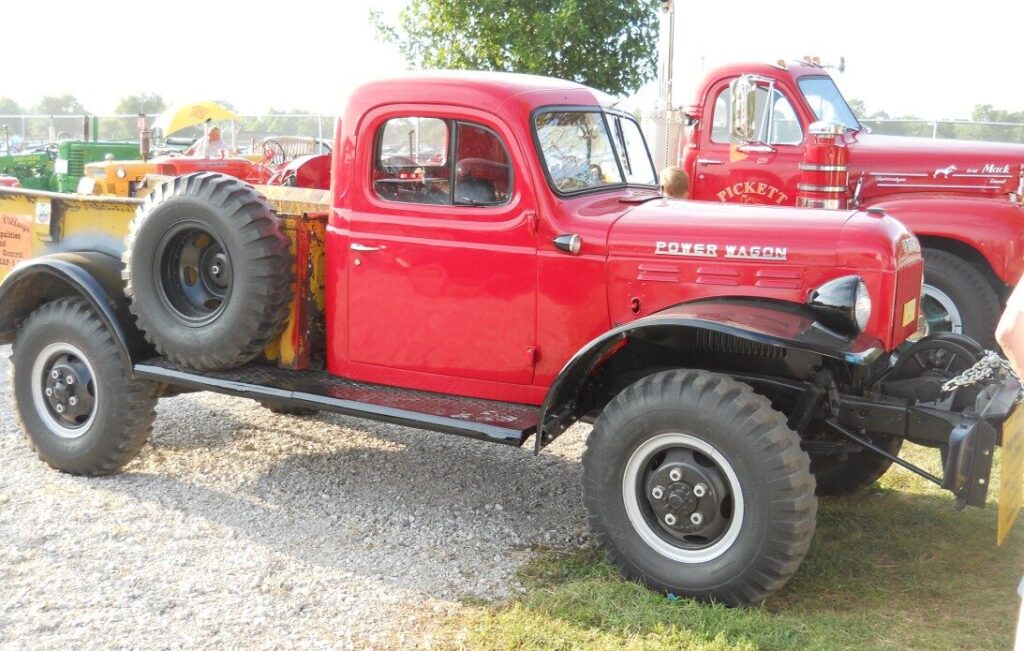
Workhorse and the Forest with the workhorse features such as 31×7.00 tyres on dual wheels (at the rear), available winch and transfer case. Its usefulness in fields ranging from forestry to utility work. This versatile combination provided the truck a distinct working edge for many people working in the fields of lumber, construction, mining as well as by many farmers.
7. Winning the Trust of America’s Workforce
Over the years, this tough pickup truck gained a solid reputation as it became a favorite among skilled workers throughout many professions who simply needed a truck they could rely on. Many Power Wagon owners discovered that this workhorse was an indispensable addition to their livelihood, becoming a dependable extension of their abilities.
Reasons Behind Its Lasting Reputation:
- Earning trust through dependable performance
- Serving diverse professional industries successfully
- Focusing on practicality over luxury
- Building a loyal owner community
- Becoming a sought-after collector’s vehicle
The utility, construction, government agencies, farmers, foresters and cattlemen all knew Dodge’s Power Wagon could handle work in any weather and at anytime in some of the worst of terrains. Dodge’s own advertising during 1946 echoed this by not concentrating on stylish details or opulent features but rather on “true utility.” This language directly aimed the message at workers that looked for durability.
The military style truck would continue to be produced in the USA until 1968 where it’s approximate production numbers stood at 16,000 in total from the production years. Since such few numbers survive well maintained and professionally restored trucks remain highly sought after by collectors and, despite their age, maintain their status as special military pieces while continuing to rise in value.
8. The Power Wagon Name Continues to Evolve
While eventually the flat-fendered Dodge Power Wagon line had to face its demise, a loyal customer following meant the designation was not through playing its part in the Dodge truck arena; this name was applied to subsequent generation four-wheel drive trucks. This allowed for a whole lot of mileage out of a respected moniker that was keeping up with customer requirements and evolving truck construction methods.
Evolution of the Power Wagon Legacy:
- Expanding across newer truck models
- Retaining proven off-road capability
- Introducing improved comfort and styling
- Supporting heavy-duty work applications
- Preserving the iconic Power Wagon identity
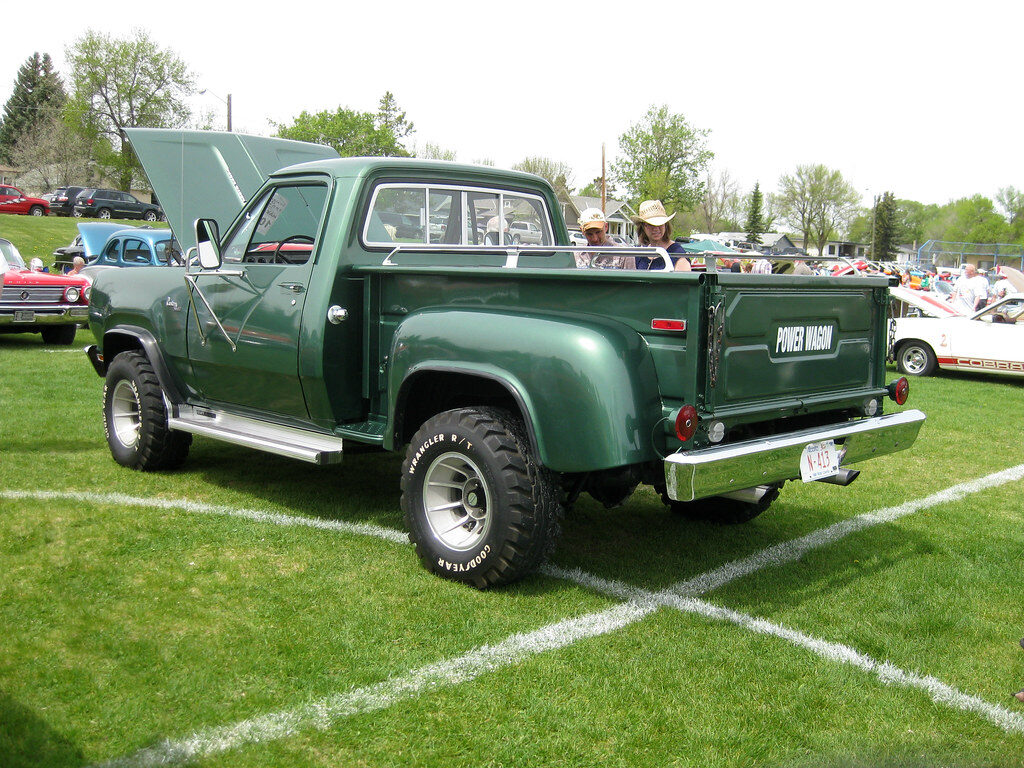
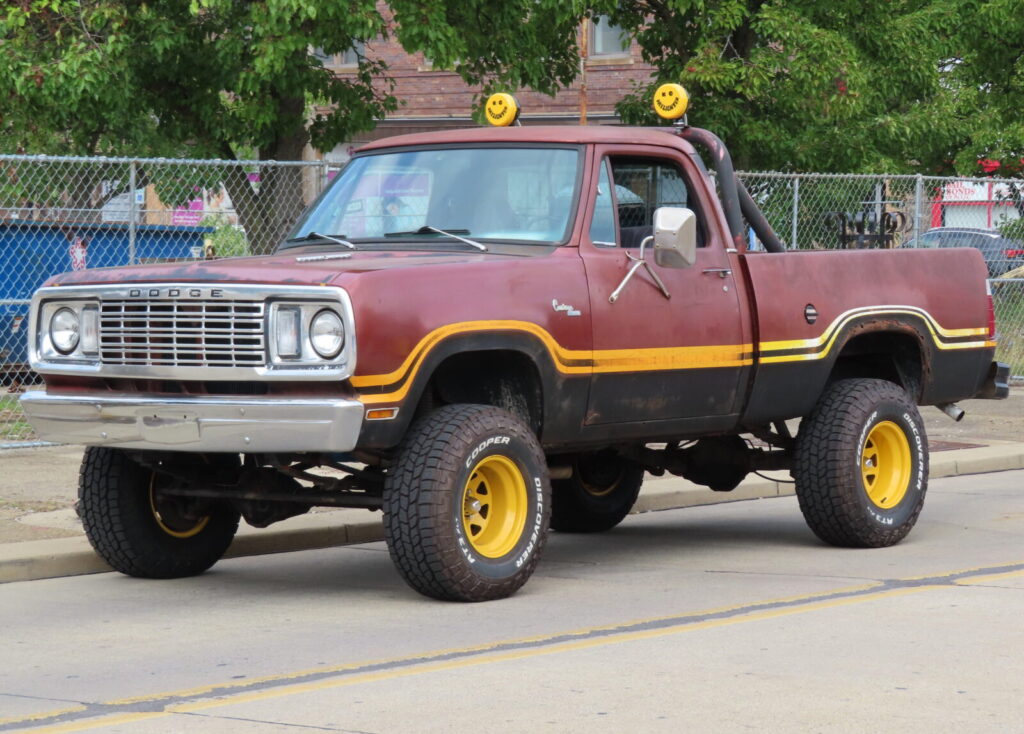
The Power Wagon name was also carried to medium and light-duty four-wheel-drive trucks in the late 1950s, such as the W100 and W200 models. The design updated the styling of current C and D-Series models, with features expected by buyers of these trucks and more practical options.
For nearly the entirety of the 1970s, the Power Wagon was an important element of Dodge’s truck offerings, as an option package with increased heavy-duty capabilities for their D-Series pickups. Stouter parts with larger engines and beefier axles helped the venerable truck hold onto its title as a tough, no-nonsense workhorse. Despite changing shapes and technologies, the Power Wagon held up to the name.
9. A Legendary Return for a New Generation
While the historic Power Wagon name dropped out of the Dodge product line with the introduction of its new line of Ram pickup trucks in 1981, its legend was alive and well amongst pickup truck fans. For decades, the old-school machines are working to this day on farms, ranch properties, and job sites throughout America, keeping up the legacy of performance they carved out in days gone by. This legacy eventually caught the attention of Dodge, convincing the automaker to re-introduce this name for a modern-day generation of buyers.
Modern Revival of an Iconic Truck:
- Returning after decades of absence
- Reviving a respected historic nameplate
- Combining heritage with modern engineering
- Adding advanced off-road technology
- Continuing legendary work capabilities
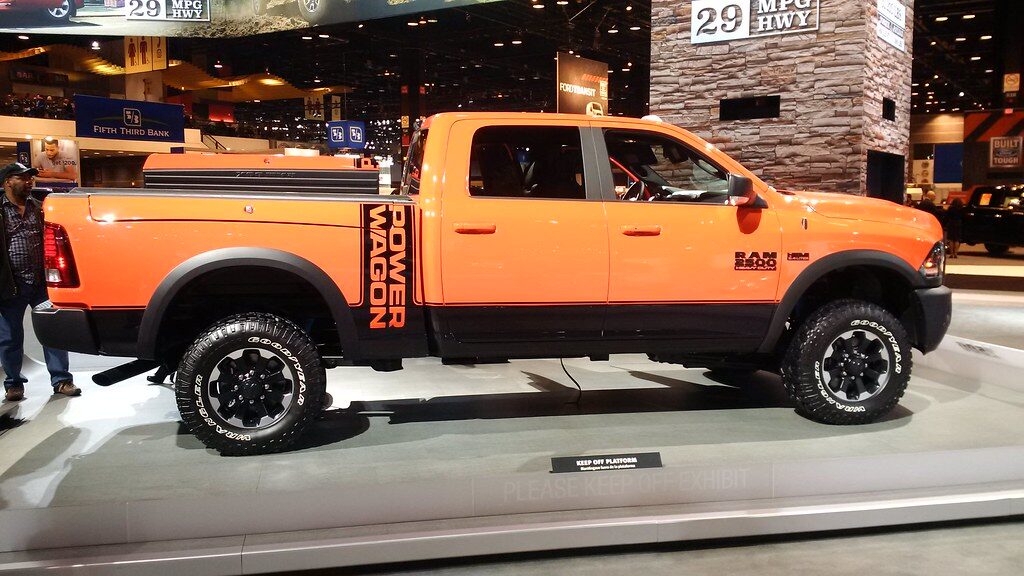
Dodge revived the Power Wagon again in 2005 as an addition the lineup of heavy-duty Ram 2500 models. This time, they tried to use the name, but not necessarily tradition. The 2500 Ram-based Power Wagon still boasted the same rugged off-road credentials of previous Power Wagons. But also was built to be able to keep on working.
The new Power Wagon was equipped with cutting edge gear for its time in the form of an electronically operated transfer case, electronic front and rear locking differential, and an electronically disconnecting front sway bar that enabled greater suspension wheel articulation. Living up to its reputation in more than just capabilities, and just as the past generation model, each truck in the 2021 lineup was outfitted with the factory standard 12,000 pound capacity WARN Zeon-12 winch.
10. An Enduring Legacy That Still Inspires
The Dodge Power Wagon has remained one of the most influential names in the history of four-wheel-drive trucks, celebrating its 75th anniversary in 2021. From its military-inspired beginnings to its modern heavy-duty form, the Power Wagon has consistently represented durability, capability, and dependable performance. Its lasting success reflects a commitment to serving drivers in the toughest working environments across generations.
Lasting Contributions of the Power Wagon:
- Celebrating decades of proven capability
- Inspiring generations of off-road trucks
- Transforming military engineering for civilians
- Setting enduring durability standards
- Preserving a legendary automotive legacy
The Power Wagon’s history extends beyond the evolution of a single vehicle, highlighting how wartime engineering successfully adapted to civilian life. It supported farming, construction, forestry, and countless other industries by providing dependable transportation and reliable performance where challenging conditions were part of everyday work. This consistent capability earned the trust and respect of generations of owners.
Modern off-road pickups continue to benefit from the standards established by the original Power Wagon. Its emphasis on durability, practical functionality, and uncompromising performance has influenced truck development for decades. More than a historic nameplate, the Dodge Power Wagon remains a lasting symbol of engineering excellence and a pioneering force in the evolution of four-wheel-drive pickup trucks.