




The Renault 5: How France Built a Supermini Legend
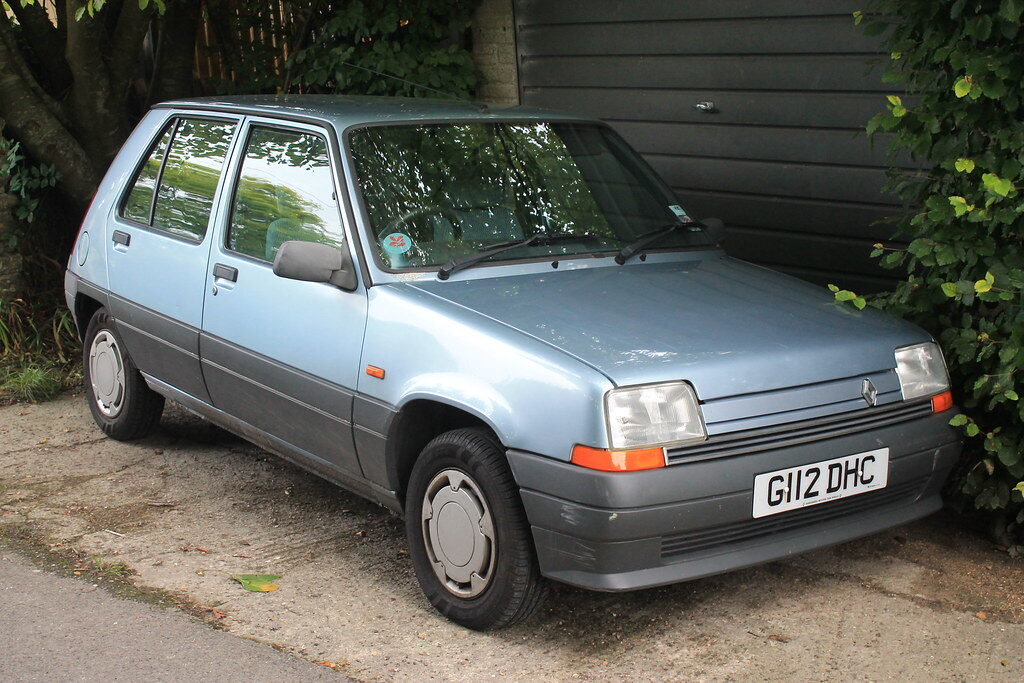
There are cars that simply exist, and then there are cars that become part of a culture. Most vehicles are created to perform a basic function: carrying people from one place to another safely and efficiently. However, a rare few manage to achieve something much greater. They develop character, create emotional connections, and become symbols of an era. In 1972, Renault introduced a small hatchback that would completely change the way the world viewed compact cars. The Renault 5 was not just another economical vehicle; it was a bold expression of clever engineering, practical thinking, and French creativity.
At a time when small cars were often viewed as basic transportation, the Renault 5 brought style, personality, and innovation to the segment. It arrived before many of the superminis that would later dominate European roads, including models such as the Ford Fiesta and Volkswagen Polo. Renault created a vehicle that understood the needs of urban drivers while proving that affordability did not have to mean sacrificing character. Its compact dimensions, clever packaging, and distinctive appearance helped establish a new category of small cars that would influence manufacturers for decades.
The story of the Renault 5 began with an unexpected source of inspiration. Rather than being born entirely from a traditional corporate design process, the original concept came from the imagination of young designer Michel Boué, who created sketches during his spare time. When Renault executives discovered his work, they immediately recognised the potential of the idea and moved quickly to turn the concept into reality. Although Boué sadly passed away shortly after the car’s launch, his creation continued to shape the automotive industry and became one of France’s most celebrated automotive achievements.
1. A Revolutionary Design That Changed Small Cars
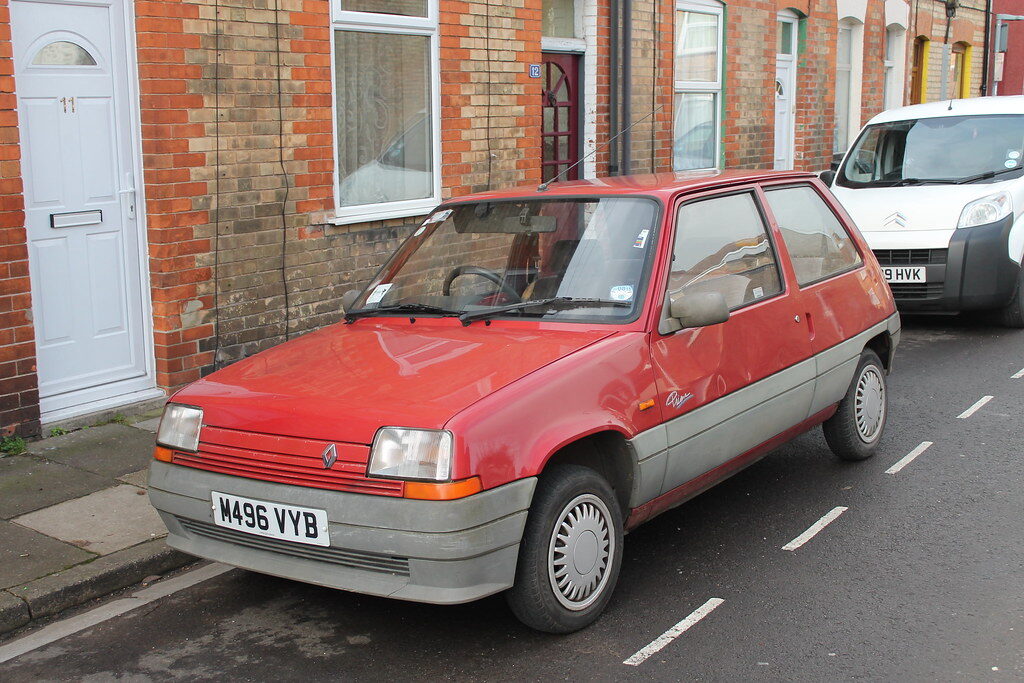
The Renault 5 presented a whole new take on how a super mini should be, Combining practicality and efficiency with its very own character, Renault’s hatchback concept gained a very modern look with its sharply angled design but offered up a lot more for real world driving around town. Renault had experimented with the idea before but the R5 just worked on every level with its straightforward concept.
Key Design Innovations of the Renault 5:
- Creating a practical hatchback shape
- Introducing distinctive rear styling elements
- Improving urban driving practicality
- Using innovative plastic bumper technology
- Combining efficiency with unique character
Unique Tail lights. This car is one to look at due to a of the of its features. The Renault 5 also used this novel lighting approach as a stylistic technique to set it apart from earlier small cars that are less practical, this also proved the new French automotive designers were not afraid to experiment with the innovative.
Further enhancing the design was Renault’s plastic bumpers, which helped make the 5 a more robust car than if chrome bumpers had been specified. Made from strong, flexible materials, namely polyester resin and fibreglass, the plastic bumpers absorb the low speed bumps and minor shocks that urban environments inflict upon any vehicle.
2. Clever Engineering Beneath the Stylish Exterior
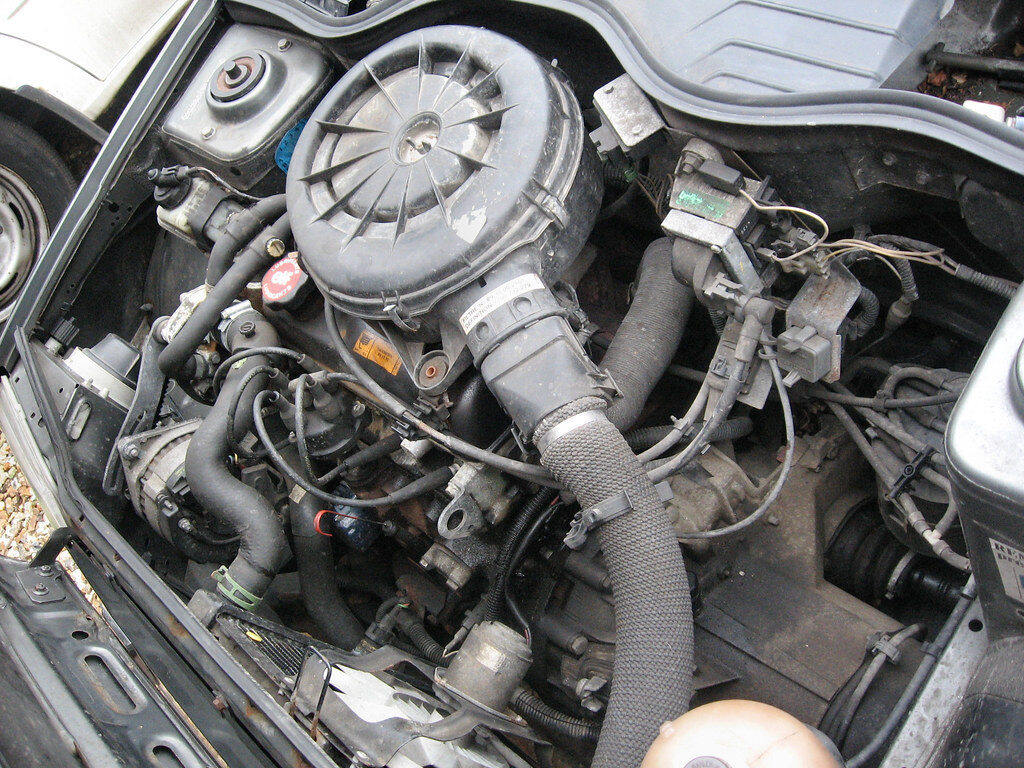
Underneath all this futuristic styling Renault had a sound mechanical platform developed with reliability and low running costs in mind. Renault employed technology already developed in the Renault 4 to maintain costs while assuring performance and a sure ride. Front-wheel drive, longitudinal engine setup and torsion bars also contributing to the fun experience the R5 offered.
Key Engineering Features of the Renault 5:
- Using proven Renault mechanical components
- Maximising interior space efficiently
- Delivering comfortable suspension performance
- Improving aerodynamic efficiency levels
- Balancing practicality with reliability
This ingenious packaging gave Renault masses of interior space in a compact shell, with clever positioning of mechanical bits. Placing the engine behind the gearbox helped liberate valuable space from the cabin, giving occupants more comfort than a fair few rivals around at the time.
For a small car produced at the turn of the 1970s, the Renault 5 also had remarkable aerodynamic efficiency. Boasting a drag factor of just over 0.37, this enabled the R5 to slip through the air far more efficiently than a number of its competitors whose forms were less sleek. More economical yet more effective another reason the R5 established itself as such a shrewd compact.
3. From Affordable Runabout to Everyday Icon
This evolution for the R5 started life as humble an accessible everyday, practical. The original models were about function and offering drivers good performance and the basic features required by an affordable vehicle. This mix of cheap to operate and cleverly practical meant that it quickly became the preferred choice of those seeking an efficient, well thought out runaround.
Key Factors Behind Its Popularity:
- Offering affordable entry-level models
- Introducing modern hatchback styling
- Attracting new urban drivers
- Combining economy with practicality
- Creating the supermini category foundation
Renault became better known in 1972 with the launch in Britain at the end of that year of the R5. By now some of the smallest cars were still very old styled in layout and the compact R5 was a welcome contrast with more traditional competitor models such as the Mini and Hillman Imp.
What it captured was the motorist’s essential needs and feelings for the 1970s: it was cheap, simple to drive, spacious and functional enough to use every day yet possessed the kind of character rarely seen in cheap cars. In doing so, it propelled the R5 from an essential shopping tool to a style icon.
4. The Birth of the Hot Hatch Legend
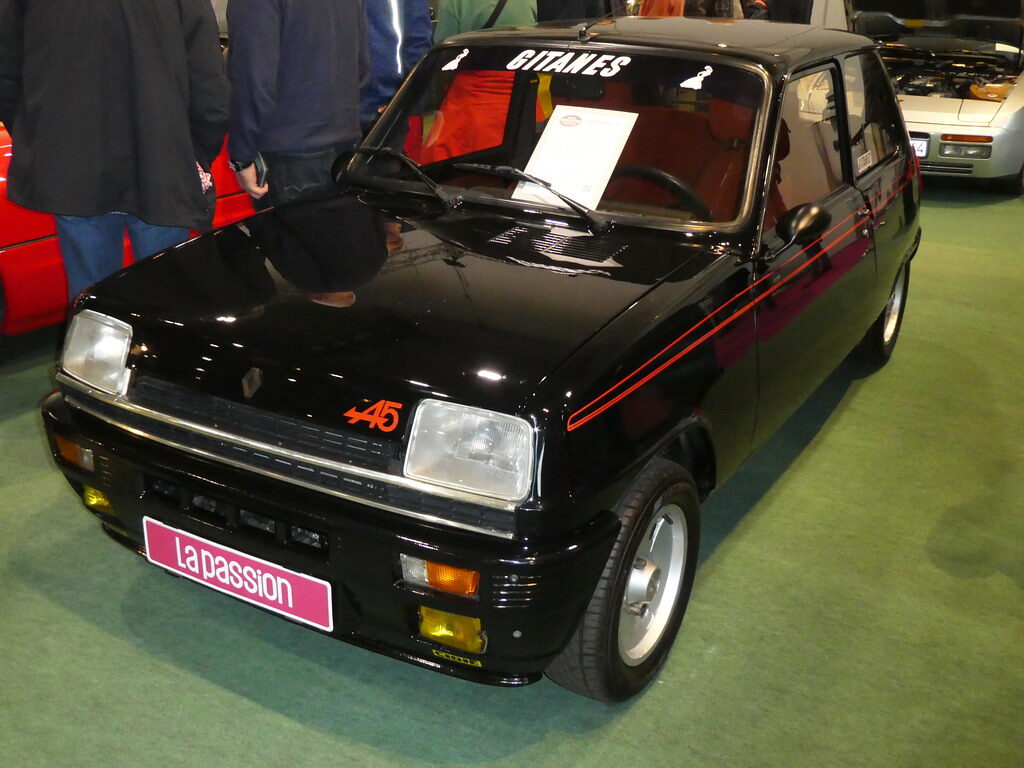
Renault realised that the nimble and lightweight Renault 5 could be used for more than just the daily commute. In the 1970s more and more buyers were warming to the idea of a high performance version of a sensible family car and Renault could see potential for a small car that had true road holding prowess. This culminated in the launch of the Renault 5 Alpine.
Key Elements of the Hot Hatch Revolution:
- Transforming economy cars into performers
- Introducing the Renault 5 Alpine
- Creating lightweight driving excitement
- Challenging traditional performance vehicles
- Building the hot hatch legacy
Back in 1976, when the Renault 5 Alpine landed, was also when the era of the hot hatchback truly took off. It would arrive at the market just ahead of the Volkswagen Golf GTI, a car that has become something of legendary status for this kind of vehicle but, in the meantime, it certainly made its own mark. It was the car that showed to the world that a hatchback can be eminently practical without sacrificing enjoyable driving fun and sportiness.
In the UK, Renault had the rights to the model name, Alpine this was purchased by Chrysler so this renamed the car Gordini but the car was none the less very energetic and did nothing for any road. It essentially made useable of a rather boring Renault 5 turned it into an exciting to drive experience but kept the useful traits that a hot Hatch had offered the modern man.
5. More Power with the Alpine Turbo
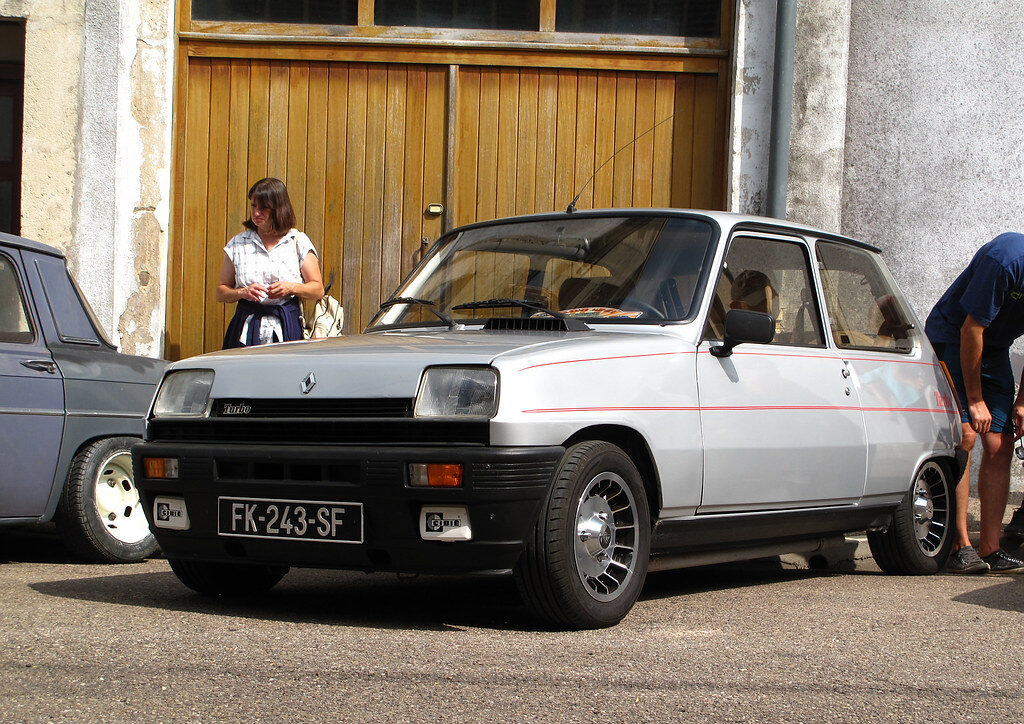
Renault moved a step further on the pursuit of increasing the performance of the R5. Thus the Alpine Turbo came into being in 1982. The engine already in used got equipped with turbo charger that give more powerful that would complement the small size of R5 a car that felt great behind wheels. Thus was the performance focused of this tiny hatchback.
Key Performance Upgrades of Alpine Turbo:
- Adding Garrett T3 turbocharger technology
- Increasing engine output significantly
- Delivering lightweight performance capability
- Improving acceleration and responsiveness
- Creating affordable driving excitement
Under the bonnet, the Alpine Turbo pushed out some 110 bhp quite an uplift compared to the Naturally-Aspirated original. With that low-weight and small chassis of the Renault 5, that extra grunt meant for lively acceleration and was the original Alpine Turbo able to hit 0-60 in around 8.7 seconds, back in an era where performance often meant a large cubic capacity.
It was popular because it was good fun to drive, and not just polished. The powerful turbocharged engine, precise steering, and light construction formed a car for people who enjoyed driving. By proving you could have exciting performance from such an accessible, inexpensive package, Alpine played a part in building demand for this new kind of compact car.
6. The Wild Renault 5 Turbo: A Rally-Bred Monster
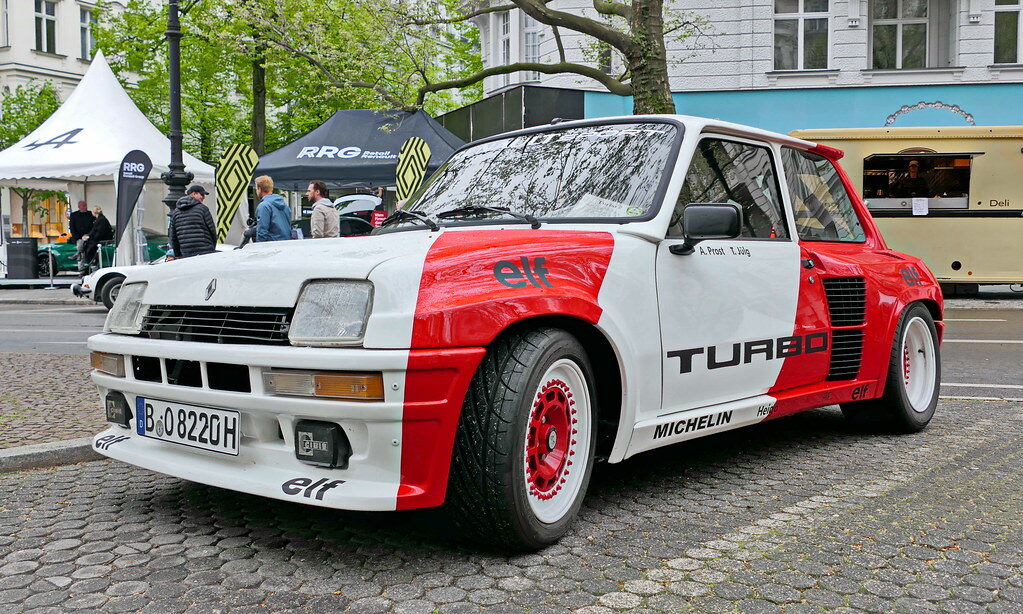
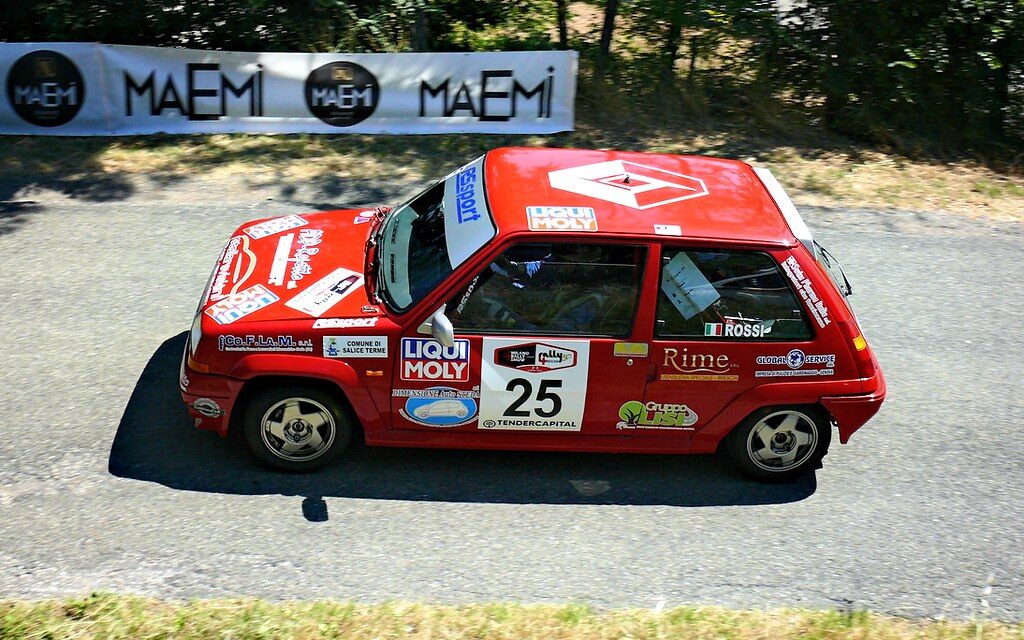
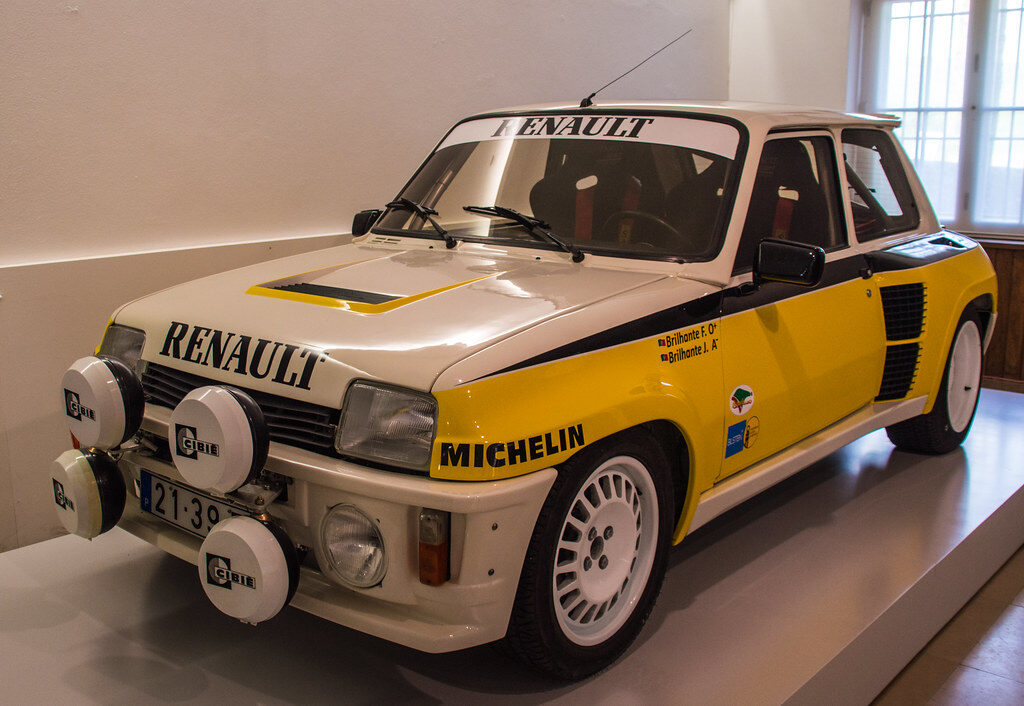
The Renault 5 Turbo was the ultimate version of the R5 body, taking what was fundamentally a useful family car and producing a thoroughbred performance machine in the mould of a rally car, as it was developed precisely for this purpose by Renault. In order to produce an extremely competitive and lightweight rallying car the model was fundamentally reworked for the production cars as a homologation special for the rally sport to have one available to race with.
Key Features of the Renault 5 Turbo:
- Built specifically for rally competition
- Featuring a mid-engine rear-wheel-drive layout
- Producing impressive turbocharged performance
- Adopting aggressive wide-body styling
- Achieving major motorsport success
Engineers ditched the rear seats, wedged a tiny turbocharged 1.4-liter engine between the driver and the trunk, resulting in a mid-engined, rear-wheel-drive machine that was about 160 hp and stupid quick for its size. The expanded fenders and aggressive stance bore no resemblance at all to its sibling, the standard Renault 5.
Victory in the 1981 Monte Carlo rally on its debut entry ensured that the Renault 5 Turbo would gain legend status after huge successes in motorsport for the French company. This made the little hatchback a star and it went on to be accepted in some circles as one of the best rally cars and best performing cars of its day.
7. Renault 5 Takes on the American Market
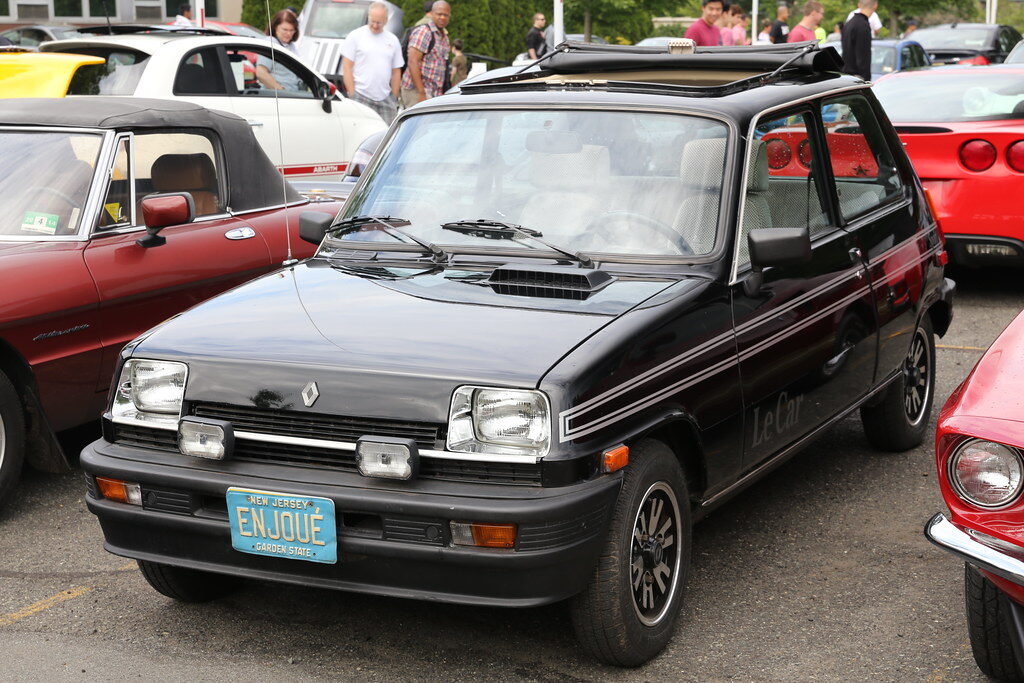
After making the R5 popular on the continent in the seventies, Renault exported it to the American market. The small French car was offered for sale through AMC and Dodge dealerships as the ‘Le Car’ in the late’70s. The small European car proved to be an exciting departure from full size domestic cars due to their excellent fuel economy and modern styling.
Key Aspects of Its American Journey:
- Entering the US market as Le Car
- Promoting European compact-car design
- Offering efficiency and practicality advantages
- Developing a unique enthusiast following
- Becoming an unusual police vehicle
In marketing Le Car in the American market, Renault emphasized the car’s economical engineering, compliant suspension, and space efficiency. Even though sales fell far short of the R5’s European success, it was enough of a departure from the mainstream to appeal to a particular clientele.
What brought to the world more attention to the Renault 5, however was, as in its origins, the odd thing that occurred in use on an order the Le Cars were operated by law enforcement. The department in La Conner Washington would for some time utilize Le Cars as patrolling vehicles because of the compact sizes and gas saving features. The incident made yet another unusual tale about the car.
8. The Supercinq: A Modern Evolution of an Icon
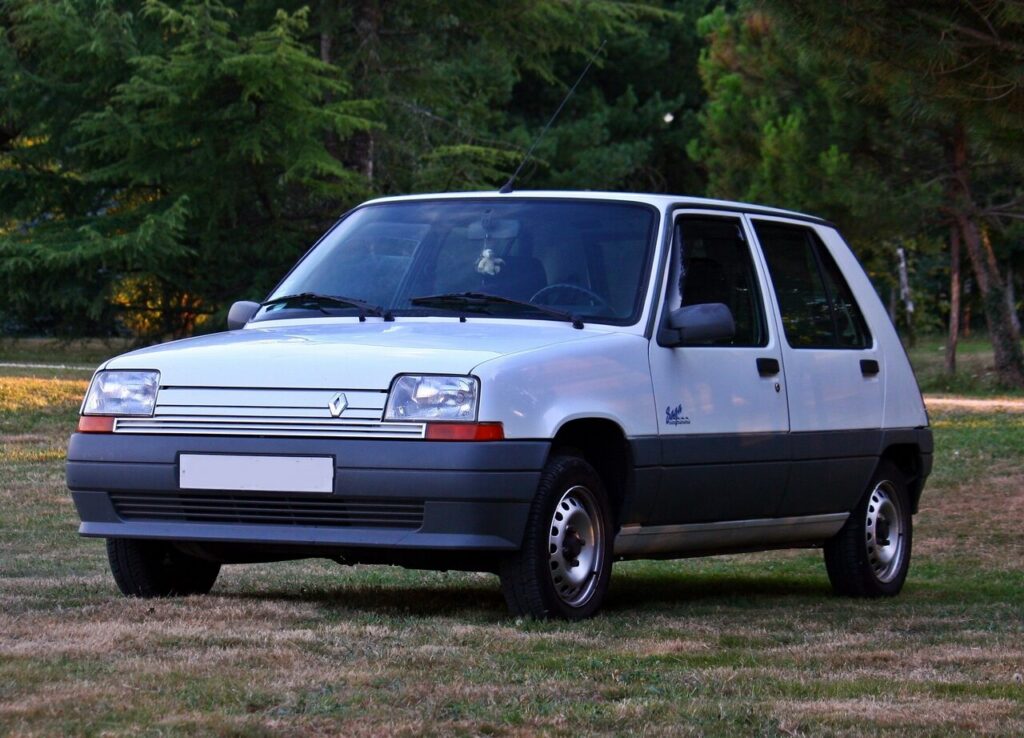
More than a decade later and having accumulated some 5.5 million sales, Renault had a dilemma. If a model becomes extremely popular for many years, it becomes very difficult to replace it and sell another completely distinct model. Renault preferred to redesign the concept of the Renault 5 subtly, and that is how he gave birth to the Renault 5 Supercinq under the pen of famous auto design Marcello Gandini.
Key Improvements of the Supercinq:
- Evolving the original Renault 5 formula
- Introducing a modern vehicle platform
- Improving interior space and comfort
- Enhancing aerodynamic efficiency levels
- Expanding the model range options
Mechanical overhaul the bodywork was all new, but had an familiar face as it also wore R5-style circular headlamps, though every other body panel was bespoke. Based on a new chassis derived from the Renault 9 and Renault 11, it sported a transverse engine and MacPherson front suspension to make the driving more pleasing.
New shape to Renault 5 provided greater efficiency, ease of use, and refinement. It also grew longer and wider then its progenitor and in addition has almost 20 per cent more glass area making the cabin feel larger and lighter. The aerodynamics on the improved body style meant greater economy and the widening of the Renault 5 range allowed more models, in both value and premium formats, to become available.
9. The Renault 5 GT Turbo Creates a New Performance Benchmark
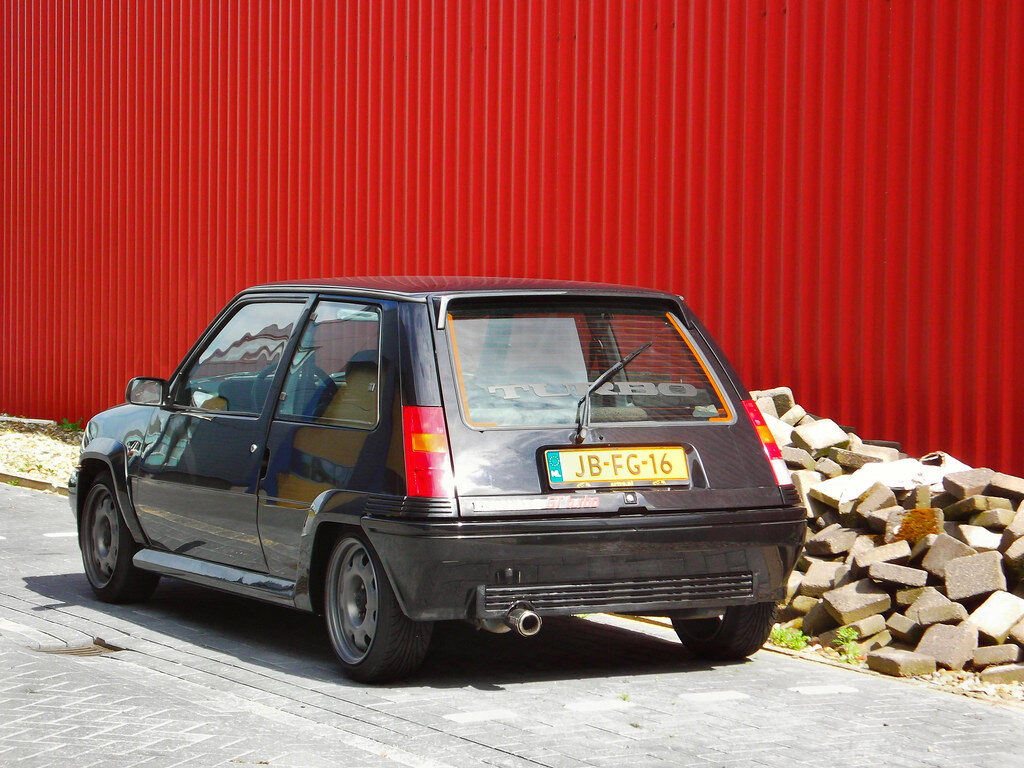
The Renault 5 GT Turbo continued the performance legacy of the R5 by delivering impressive speed, lightweight engineering, and an exciting driving experience. Introduced in 1985, it combined a turbocharged engine with a compact body to create one of the most memorable hot hatches of its era. Its exceptional power-to-weight ratio made it a serious competitor among performance-focused small cars.
Key Features of the GT Turbo:
- Using a turbocharged 1.4-litre engine
- Delivering impressive power-to-weight performance
- Creating an exciting driving experience
- Improving performance through later upgrades
- Achieving success in motorsport competition
Powered by a turbocharged version of Renault’s 1.4-litre Cléon engine, the GT Turbo produced around 115 horsepower while weighing approximately 850 kg. This lightweight construction allowed it to accelerate from 0-60 mph in about 7.5 seconds. Beyond acceleration, the car became famous for its sharp handling, energetic character, and demanding turbocharged power delivery.
The Phase II version introduced in 1987 brought further improvements, including better turbocharger cooling and a revised ignition system that increased output to around 120 horsepower. Its capabilities were also proven in motorsport, with a Group N version winning the 1989 Rallye Côte d’Ivoire. This achievement reinforced the GT Turbo’s reputation as a highly capable performance hatchback.
10. A Legacy That Continues Beyond Generations
Although the Renault 5 was eventually replaced by the Clio in 1990, its influence continued for many years. Production carried on in Slovenia under the Renault 5 Campus name until 1996, allowing the model to remain an affordable and practical choice for new drivers. This extended lifespan helped preserve the qualities that made the original R5 so successful.
Key Elements of the Renault 5 Legacy:
- Continuing production beyond replacement
- Serving multiple automotive roles
- Influencing future compact vehicles
- Creating the supermini category
- Representing French automotive creativity
Few cars have achieved the level of versatility demonstrated by the Renault 5. Throughout its history, it served as a practical city car, economical family vehicle, unusual American-market import, police vehicle, and successful rally machine. Each version showcased the adaptability of the original design and proved the potential of a small hatchback platform.
The Renault 5 transformed expectations for affordable vehicles by showing that practicality could exist alongside style, innovation, and driving excitement. It helped establish the modern supermini segment, influenced generations of compact cars, and became a symbol of French automotive imagination. More than a simple means of transportation, the R5 represented a small but significant revolution in automotive history.