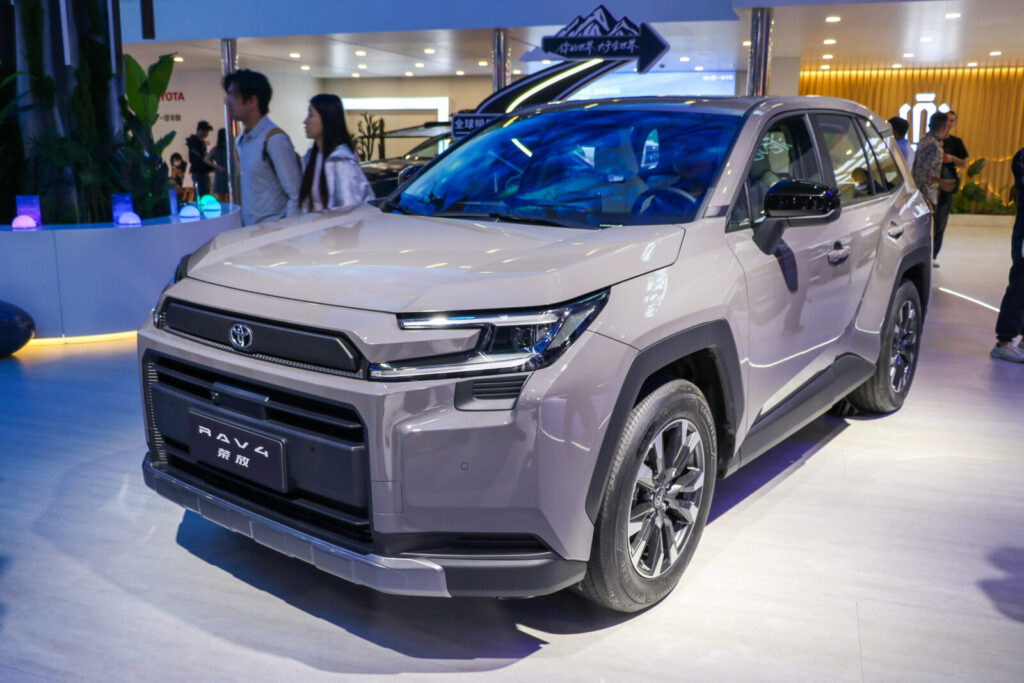
Toyota and Subaru Face Lawsuit Over 12-Volt Battery Failures in Electric SUVs
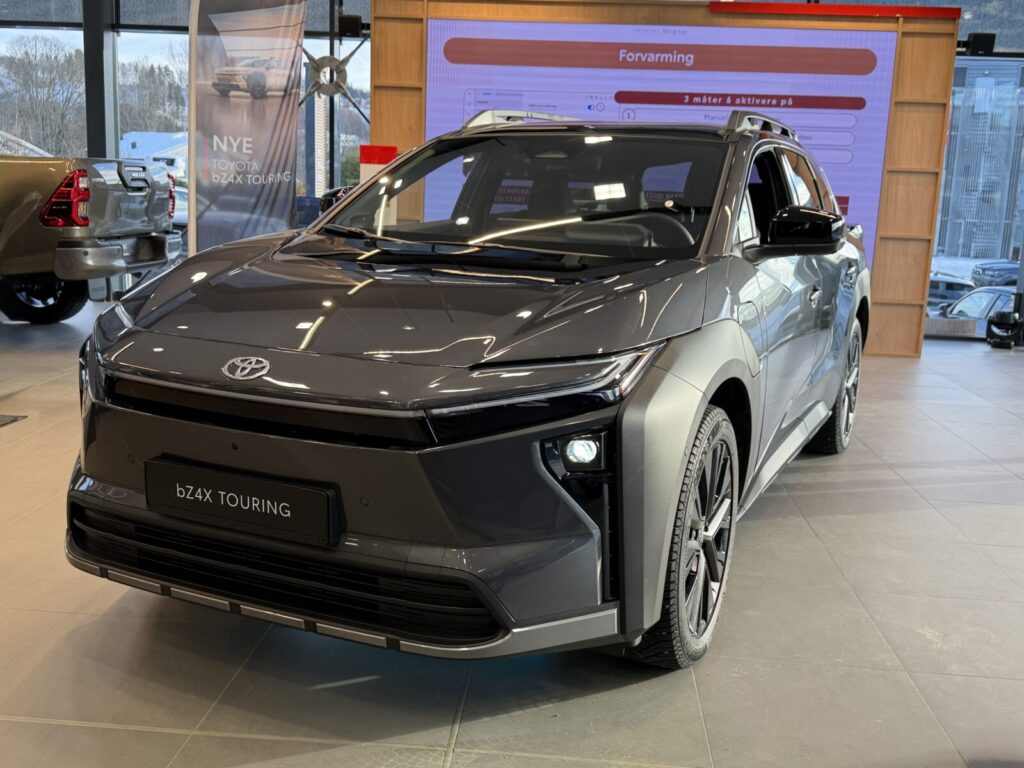
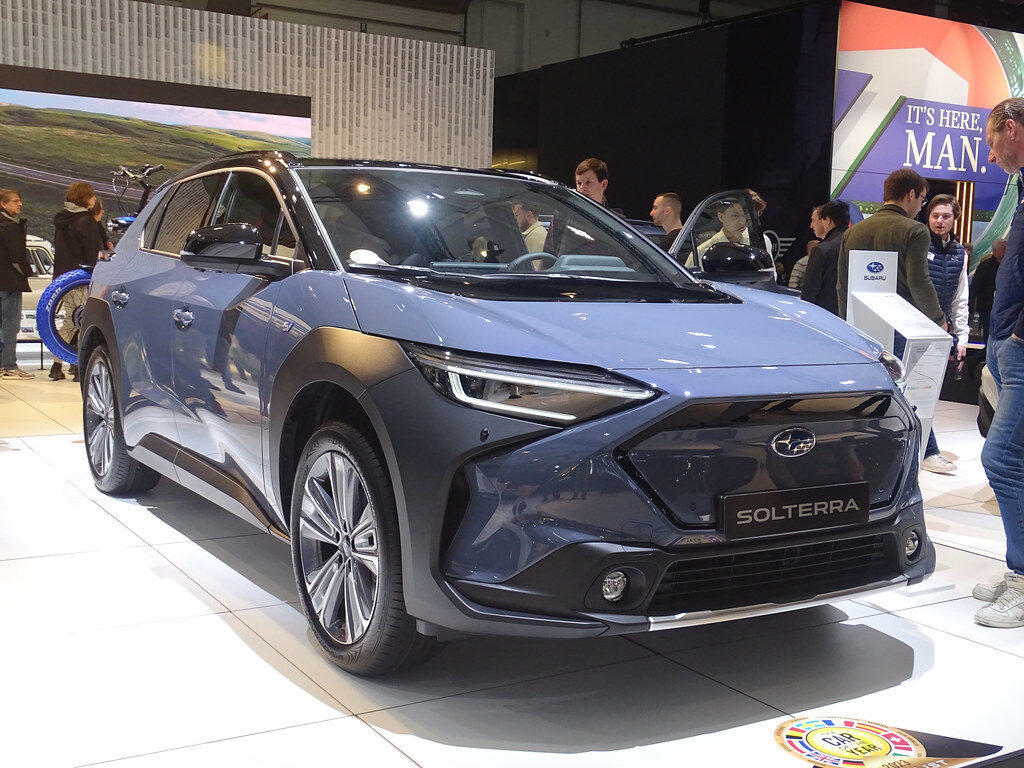
Toyota bZ4X, Subaru Solterra batteries accused of repeatedly going dead An electric SUV from Toyota called the bZ4X and its twin from Subaru, the Solterra have been sued over claims that their auxiliary, 12 volt batteries repeatedly go dead. A federal class action lawsuit alleges the auxiliary batteries can repeatedly become discharged, leaving cars dead when the high voltage battery still has plenty of power. The lawsuit is John Wade v. Toyota Motor North America Inc., et al., and was filed in the U.S. District Court for the Eastern District of California, Sacramento Division.
The lawsuit covers 2023, 2024, and 2025 model year Toyota bZ4X and Subaru Solterra vehicles equipped with 12 volt batteries. Plaintiffs allege that the automakers sold vehicles with faulty electrical systems without providing adequate warnings or a permanent fix. The complaint describes repeated battery failures, towing, jump starting, replacement batteries, and disruptions to everyday transportation.
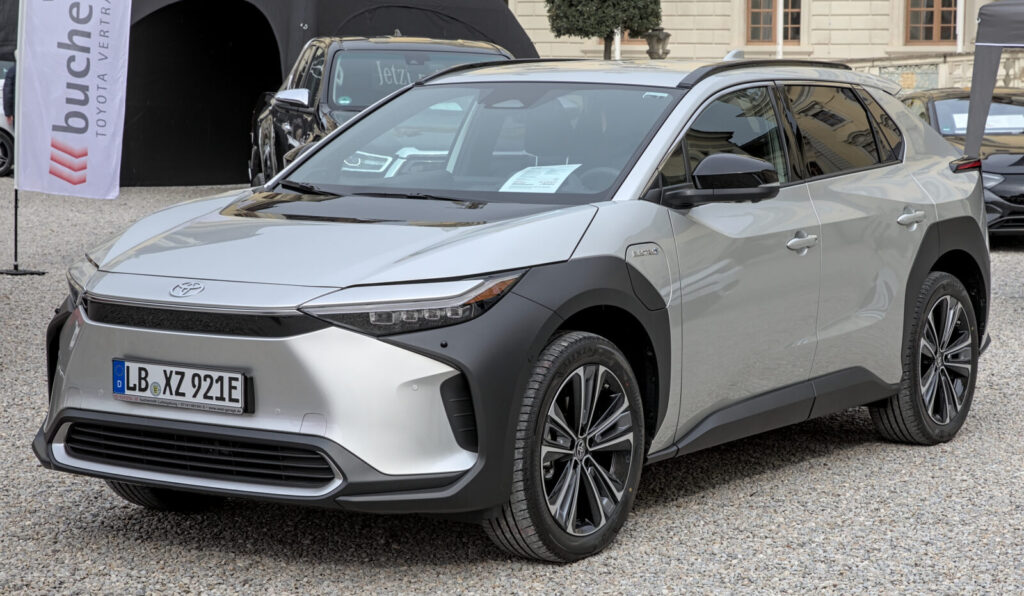
1. The Lawsuit Over 12-Volt Battery Failures
The consolidated class action concerns recurring auxiliary battery failures in Toyota bZ4X and Subaru Solterra electric SUVs. The lawsuit was filed by named plaintiffs and is being represented by Keller Rohrback L.L.P., Shub Johns & Holbrook LLP, and Wittels McInturff Palikovic. According to the complaint, the 12 volt batteries drain too quickly and repeatedly fail. The plaintiffs contend the automakers knew the EVs had defective electrical systems but sold the vehicles anyway and refused to fix the issue.
What the Legal Complaint Alleges:
- Repeated 12 volt battery failures
- Vehicles can become completely immobile
- Owners face unexpected electrical blackouts
- Plaintiffs allege inadequate warnings
- A permanent fix is disputed
Total of 10 Named Plaintiffs The complaint cites a total of 10 named plaintiffs, who each allege that their vehicle suffered an anomalous electrical failure. While dealerships do come and replace the battery if it fails while under warranty, the complaint says that the battery fails again. The same failure can occur again and again, forcing an owner to jump start, tow, then wait for the dealership to service the battery, then leave the dealership and find alternative transportation to take their child to school, parents to work and their medical appointments.

2. Why an EV Still Needs a 12-Volt Battery
A common misconception among many drivers is that an electric drive vehicle’s high voltage lithium ion traction battery powers all the accessories and systems throughout the vehicle. Quite the contrary. The high voltage battery provides a source of power for the drive motors, but the auxiliary 12 volt battery is used to power many important low voltage components. The 12 volt system is also used to energize the switch/relay that supplies the electric powertrain from the high voltage battery.
The Small Battery With a Big Role:
- High voltage battery powers propulsion
- Auxiliary battery handles low voltage systems
- Relay connection depends on 12 volts
- Startup requires auxiliary battery power
- A dead battery stops operation
Power is then supplied by the 12 volt battery to close the main battery relay and wake up the electric powertrain when the start button is hit. It is also essential that the auxiliary battery is not fully depleted, as without it, no power can reach the high voltage battery that powers the motors and the car would be completely immobile even with a significant amount of charge left in its main battery pack.
3. A Dead Auxiliary Battery Can Disable the Vehicle
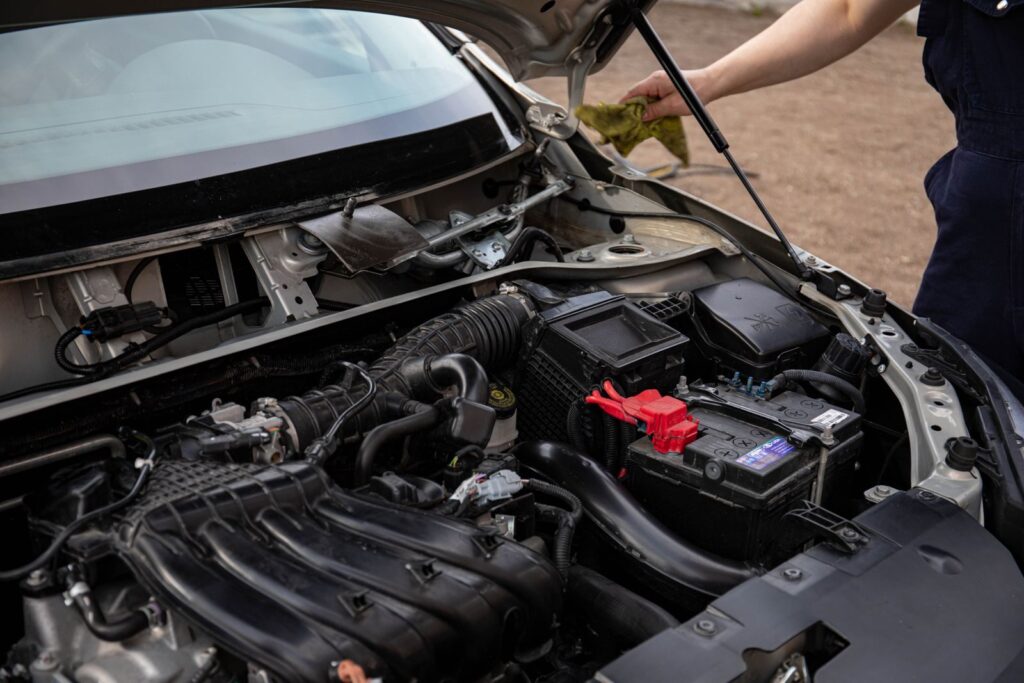
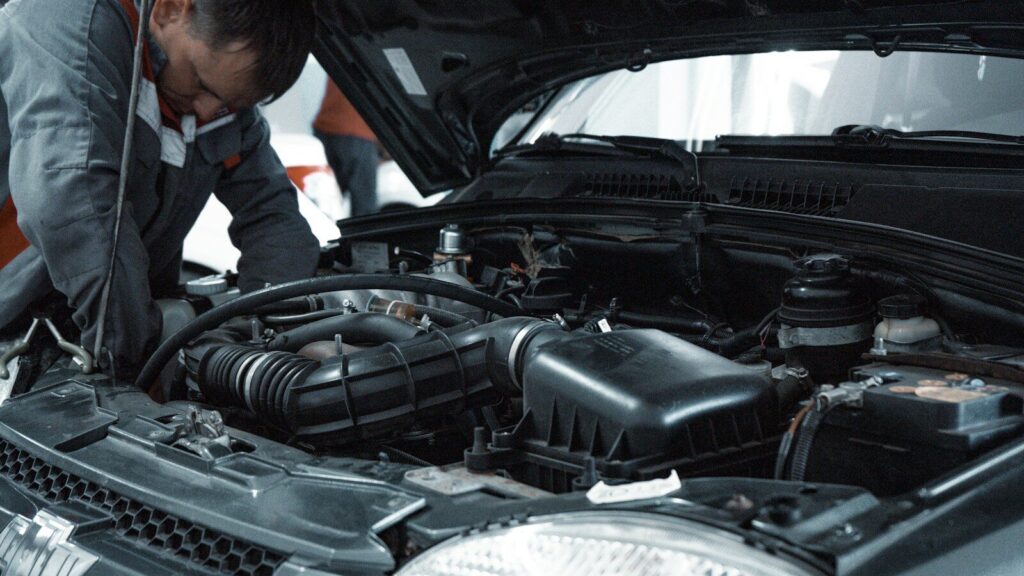
The auxiliary battery does more than just get the EV motor to turn on. It also powers other low-voltage electronics vital to everyday use such as power door locks and windows, power seats, infotainment displays, instrument cluster, wipers, horn, lights and HVAC fans. This means that even the smallest of problems with this battery can have an impact on nearly every usable part of the vehicle.
Systems Depending on 12-Volt Power:
- Power door locks need power
- Windows rely on auxiliary power
- Displays require low voltage electricity
- Wipers depend on battery power
- HVAC fans use auxiliary power
This creates a particularly frustrating situation for EV owners because the vehicle may appear fully charged while still being unusable. The main traction battery can retain a high level of charge, yet the vehicle cannot access that energy if the 12-volt battery cannot activate the necessary relay and systems. A failure in this smaller battery can therefore leave the entire vehicle locked and inoperable.
4. Owners Report Repeated Battery Failures
In the legal filing, the plaintiffs allege several owners have faced the same repeated auxiliary battery issues even after dealership replacement. Lead plaintiff John Wade’s Toyota bZ4X told a similar story. As reported in the filing cited by Car Complaints.com, the 12-volt battery had been replaced twice since March 2023 during a period of approximately 5,000 miles. His bZ4X was allegedly first replaced just weeks after delivery.
John Wade’s Reported Timeline:
- First failure occurred after delivery
- Second failure happened around 2,000 miles
- Dealer replaced the battery again
- Third failure occurred around 5,000 miles
- Battery replacement did not resolve issue
Wade’s experience was characterized as multiple failures over a limited time of ownership. This second failure again needed a dealer replacement but, then at approximately 5,000 miles, the vehicle experienced a third 12-volt battery failure. The complaint describes the pattern of repeat failure as part of the larger alleged defect among affected owners of the electric SUVs.
5. Subaru Solterra Drivers Report Similar Problems
The battery issues are not just happening on the Toyota bZ4x. Another owner of a Subaru Solterra (also on a new lease) filed a similar complaint to NHTSA. The individual says that they leased their car new in December of 2024 and had a “battery failure” on two separate occasions. Following the last one, the individual states the dealership replaced the battery and the replacement immediately had the same issue.
Another Reported Battery Failure:
- New lease began December 2024
- Battery reportedly failed twice
- First failure occurred in January
- Second failure happened later
- Replacement battery reportedly failed again
Online forums have also featured stories of similar occurrences in early 2023. One owner said their 12-volt battery was changed after only six months and then had a low battery warning less than three weeks later. A Reddit user has also shared three dead battery episodes after leasing an EV in April 2024. All of these tell of a car that stops powering on after just a couple of days sitting.
6. Possible Causes Behind the Battery Drain
Technical analysis in the source identifies two main theories for why the 12-volt batteries may unexpectedly lose their charge. The first involves excessive parasitic draw, where vehicle computers continue consuming power while the vehicle is turned off. Modern EVs contain connectivity modules and security systems that are expected to enter low power sleep modes when parked, but a software problem could potentially keep those systems active and continuously draw energy.
Two Theories Behind the Drain:
- Excessive parasitic electrical draw
- Software may prevent sleep mode
- Connectivity systems can consume power
- Key proximity may wake electronics
- Parked vehicles can lose charge
The source also identifies factors such as frequent communication with the Toyota App or keeping the key fob too close to the parked vehicle as possible contributors to the vehicle remaining awake. If these systems continue drawing power while the vehicle is stationary, the relatively small auxiliary battery can eventually become depleted.
7. DC-to-DC Charging Logic Could Matter
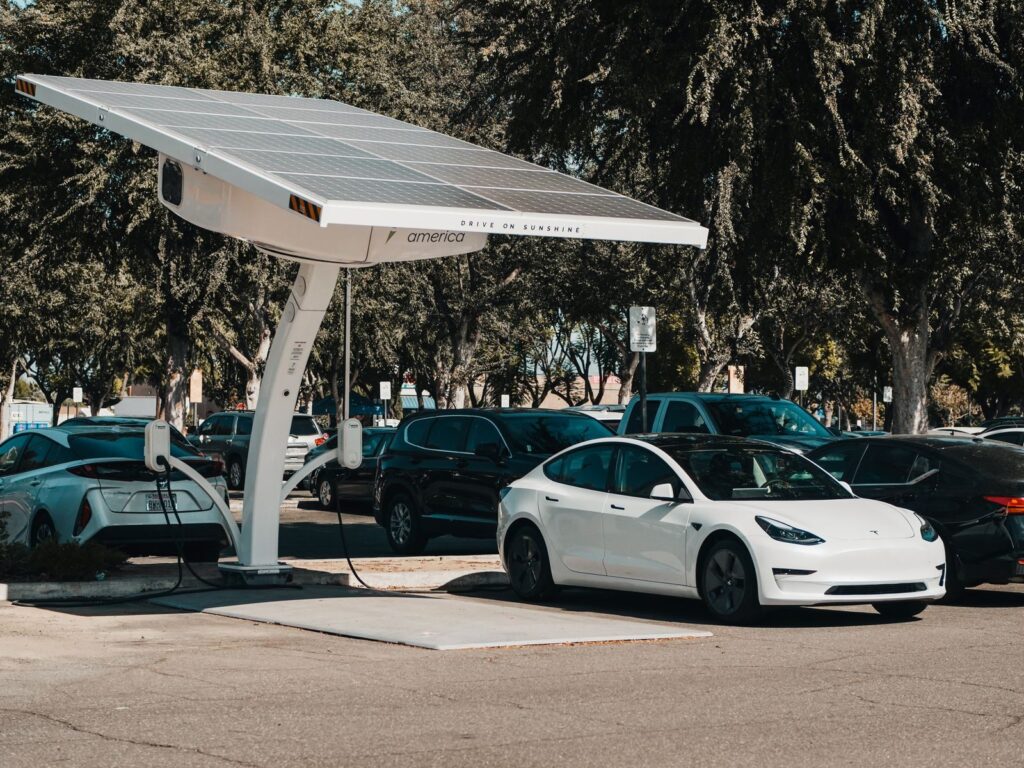
The second theory stems from the DC-to-DC converter that charges the EV’s 12-volt battery. In a gas-powered vehicle, a normal alternator uses the engine to keep an auxiliary battery charged, but in an EV there’s a converter instead of an alternator to draw on the high-voltage pack and reduce voltage to charge the 12-volt battery. According to the source, if this charging system is only engaged while driving or plugged in, the auxiliary battery can drain while sitting.
How EV Auxiliary Charging Works:
- EVs use DC-to-DC converters
- High voltage power supplies charging
- Converter reduces battery voltage
- Parked vehicles may lose charge
- Main battery can remain highly charged
This creates the unusual situation where an electric SUV can show an 80 percent charge in its main traction battery but still be completely unusable. If the smaller 12-volt battery has gone flat, the vehicle cannot activate the systems needed to access the high-voltage battery and operate the motors. The source presents this charging-logic theory as a possible explanation rather than an established final cause.
8. Other EVs Have Experienced Similar Issues
Toyota and Subaru are not the only automakers discussed in connection with 12-volt battery problems in electric vehicles. In 2021, Ford issued a service bulletin for the Mustang Mach-E after a software issue caused 12-volt batteries to drain while the propulsion batteries were charging. The source also mentions an owner report involving a 2021 Mach-E that allegedly lost auxiliary power and trapped a child inside.
Examples From Other Electric Vehicles:
- Ford issued a 2021 service bulletin
- Mustang Mach-E experienced auxiliary drain
- Software was linked to battery issues
- Hyundai investigated Ioniq 5 failures
- Third party apps affected vehicle electronics
In 2023, Hyundai looked into 12-volt battery deaths on the Ioniq 5. The company said that the investigation revealed third party mobile apps which communicate with the car via Bluetooth enabled the electronics of the car to be held out of sleep mode. These instances highlight that auxiliary battery management can become a significant problem in increasingly software dependent EVs.

9. Toyota and Subaru Challenge the Lawsuit
Toyota and Subaru have challenged their platforms by filing several motions for summary judgment of the consolidated class action. Regarding the 12-volt battery plaintiffs, Toyota asserts that the plaintiffs failed to identify a plausible and specific 12-volt battery defect or to identify any specific electrical component which causes the alleged drain. An assertion that repeated battery failure is an underlying defect is insufficient to state a claim involving a product defect.
Toyota’s Arguments in Court:
- Specific battery defects are disputed
- Electrical components are not identified
- General failure allegations are challenged
- Warranty coverage is contested
- Nationwide class claims face objections
Toyota also challenged individual and nationwide claims, pointing to issues involving standing under various state laws and the timing of cited NHTSA complaints. The company argued that technical service bulletins referenced in the lawsuit do not mention 12-volt battery defects. Toyota further argues that its express warranty covers defects in materials or workmanship, while the lawsuit alleges design defects that Toyota says fall outside that warranty language.
10. What Owners Can Do While Proceedings Continue
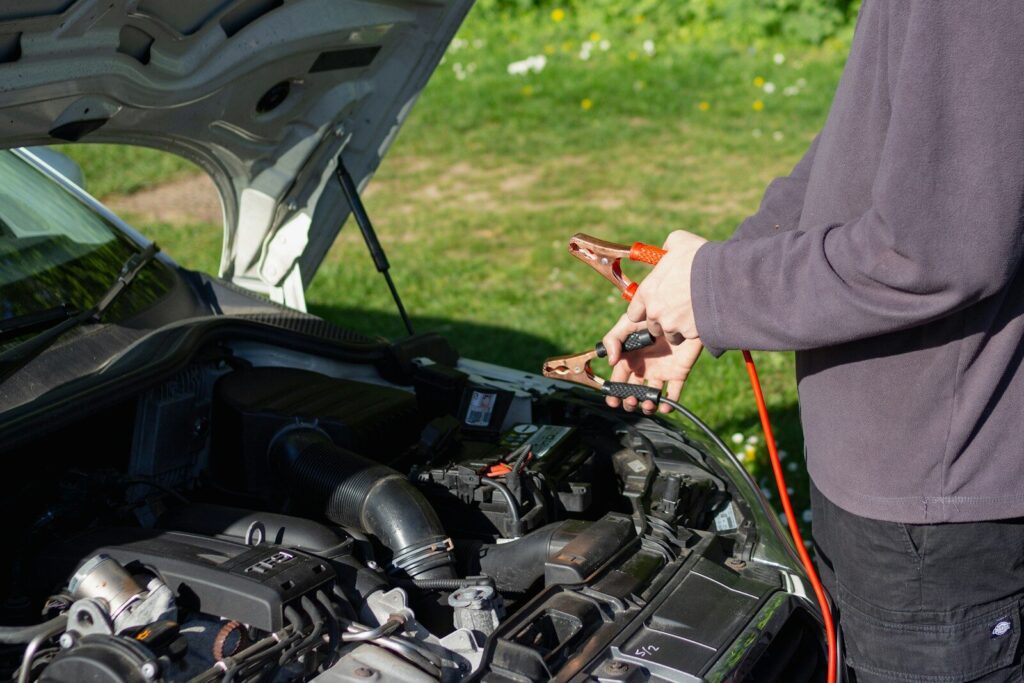
While the legal proceedings continue, the source describes several measures owners can use to help keep their electric SUVs running. An external 12-volt trickle charger or battery maintainer can keep the auxiliary battery charged when the vehicle is parked for extended periods. Owners are also advised to disconnect aftermarket accessories from the OBD-II port, including insurance tracking devices or dash cams, because they can create unwanted parasitic power draws.
Practical Steps for EV Owners:
- Use a 12-volt battery maintainer
- Disconnect unnecessary OBD-II accessories
- Keep key fobs away
- Carry a portable jump starter
- Save complete service records
Controlling your key fob proximity to avoid triggering the vehicle wake-up at home. The source advises investing in a portable lithium-ion jump starter as a backup if the 12-volt battery goes dead. Maintain a file of service invoices, towing tickets and dealer repair orders to track recurring issues and prepare you in the event of warranty or lemon law disputes.