


The Brabus E V12 Remains the Fastest Sedan in the World
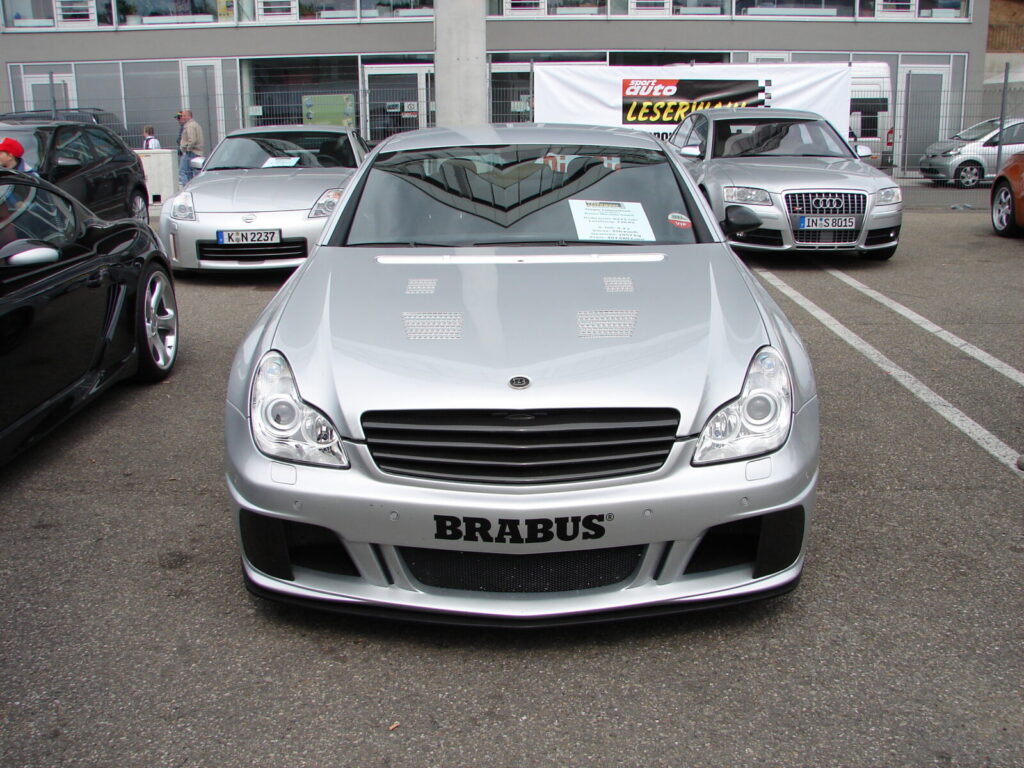
It seems incredible now that in the time that it takes cars to move through just one generation or more, we see whole platforms reinvented, engines reimagined and what were once thought to be incredibly ‘out there’ performance technology be reduced to the mundane. The Brabus E V12 is a phenomenon in this respect, born out of the Mercedes-Benz E Class W212 it proved what is now known, very well. Brabus produced a four-door that was capable of holding the top speed crown for a long time simply on an account of the unique way it managed to combine executive-like levels of refinement with stealthy looks but incredible power and top speed.
It arrived in an era when manufacturers were still willing to push large internal-combustion engine capacity to incredible limitations and took the Mercedes-Benz E 63 AMG to its limit rather than just installing minor performance upgrades and pushing the vehicle from the engine. This was done to make it capable of producing over 800 brake horsepower and just 1047 lb-ft of torque, these figures combined with the basic luxurious car, make this German performance behemoth not one that people wanted to keep pace with; it looked sedate but under the bonnet was anything but that!
Its record had to be seen in respect of where the whole automobile has come from since, looking at current trends we see high performance car technology develop dramatically with electric motors, hybrid setups, and complex electronics and a dramatic decline in the use of large engines and such. Consumers and their choice of vehicle has also taken a massive swing towards SUV-like designs instead of the high performance executive vehicle and as a result the combination of mechanical greed with the traditional form could well be a thing of the past; thus making this Mercedes-Benz E Class perhaps one of the most iconic performance sedans for a long time, regardless of its Mercedes nameplate.
1. The Mercedes-Benz Foundation
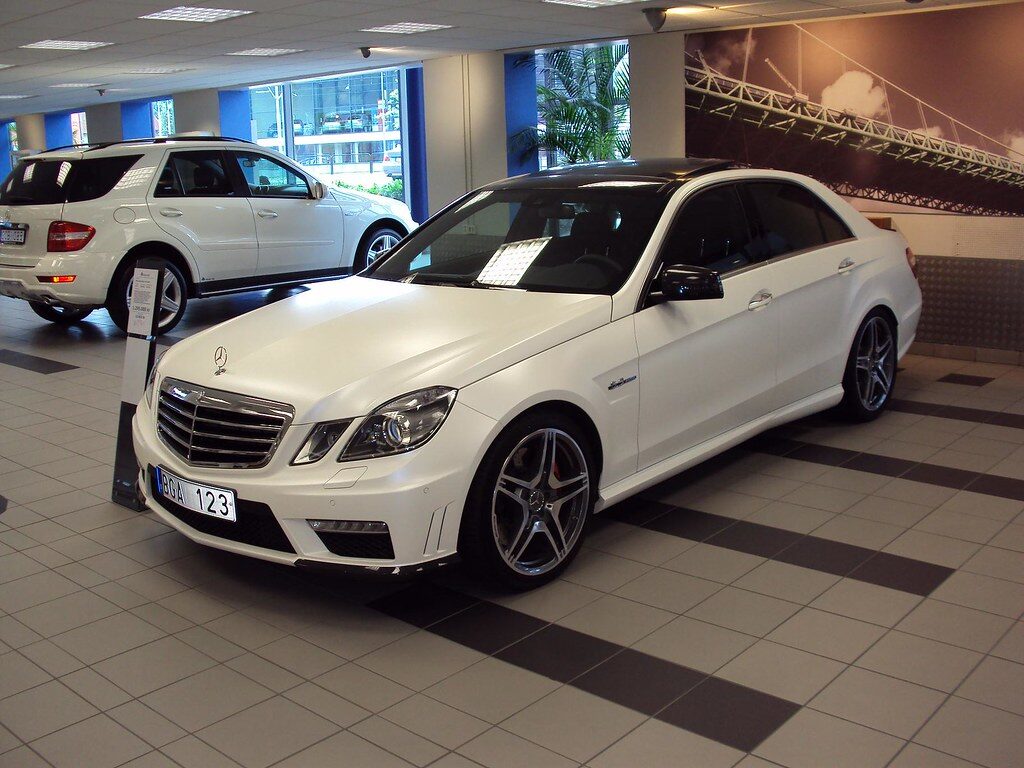
While it is true that the Brabus E V12 began life with the pre-facelift Mercedes-Benz E-Class W212 as its starting point which obviously lends the project a familiar executive-sedan base it gave Brabus the freedom to stretch what was technically possible performance-wise much, much further. Beginning with theMercedes-Benz E 63 AMG itself already designed to offer serious performance in a comfortable, civilized and useful package for every day the tuners didn’t bother reinventing the wheel and bolting on an entirely new, exotic body. Retaining the familiar looks and form factor, Brabus focused entirely on remodeling the mechanical heart of the sedan, giving the Brabus E V12 its characteristic persona of looking the part of a well-to-do executive saloon, whilst housing a powertrain befitting exotic, or purpose-built, sports car.
Key Elements Of The Mercedes Foundation:
- Pre-facelift Mercedes-Benz E-Class W212 platform
- Mercedes-Benz E 63 AMG starting point
- Executive sedan comfort and practicality
- Familiar exterior with extreme hidden performance
- Major transformation beneath conventional styling
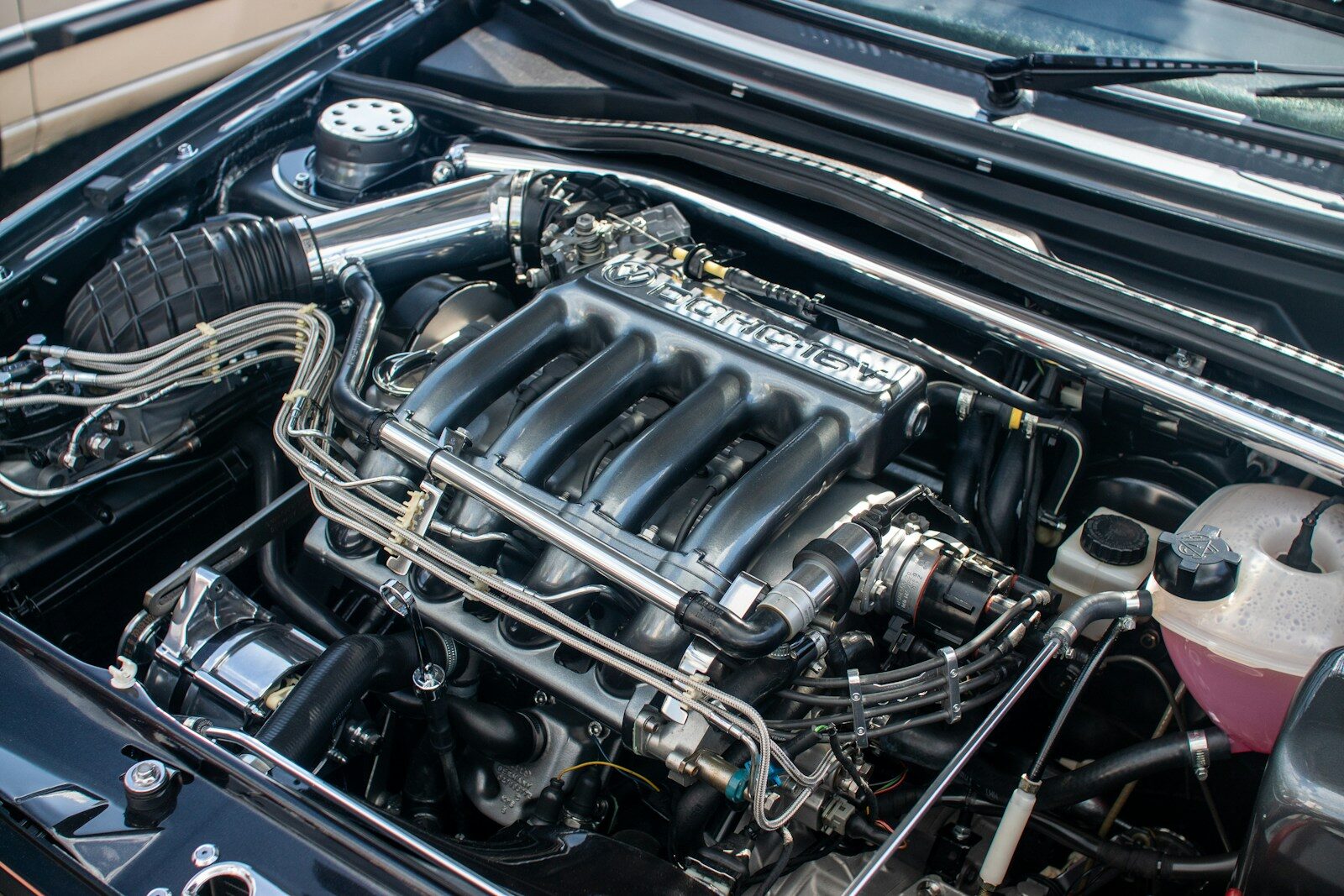
The powertrain as originally configured wasn’t even close to the lofty objectives of the Brabus folks. They threw away the original engine and in its place stuffed in a gargantuan 6.3-liter V12 powerplant, giving the machine a mechanical demeanor completely unlike any stock E-Class. It was more than just simply swapping engines, however; the rest of the E-Class had to be capable of handling the awesome output of the new engine.horsepower jumped up to about 800 and torque registered more than 1,047 lb-ft. With specs like those, you don’t’ just have a normal performance car, you have a unique piece of high-speed, low-volume super equipment.
What made the base so unique was the fact that the car’s E-Class identity was placed next to its engineering-led character. This Mercedes-Benz was always intended to be an executive car comfortable, refined, and useful in day-to-day life, and yet Brabus took it into a totally different arena in terms of mechanical ability, rather than dismissing its fundamental identity, it turned that identity into part of what made the vehicle appealing. Four doors with the appearance of refined Mercedes-Benz and the mechanical character of a brutal performance vehicle, what more could you ask for?
2. The Massive V12 Powertrain
At its core, the Brabus E V12 SV12 biturbo had an engine that gave the E-Class platform entirely new performance possibilities. Replacing the original powertrain, Brabus engineers used a 6.3-liter V12 making around 800 horsepower, with a torque figure of 1,047 lb-ft-an indecent quantity of power that gave the sedan a massive amount of mechanical energy. Such figures were well beyond what other luxo-sedans of the era could provide and showed the V12 to be a car built for the racetrack, not just the autobahn, with the engine the catalyst for a thorough overhaul.
Key Characteristics Of The V12 Powertrain:
- Massive 6.3-liter V12 engine
- Approximately 800 horsepower produced
- Extraordinary 1,047 lb-ft torque
- Performance-focused internal-combustion philosophy
- Mechanical output far beyond standard sedans
Generating enormous output power was only half the solution. Developing a system that could then channel that power to produce effective acceleration and exceptional steady-speed capabilities involved a host of engineering solutions in the car as a whole. The drive line and ancillary components feeding that power needed to be strong enough for the colossal forces unleashed by a 700hp engine under extreme load, and the engine itself needed to keep performing reliably when driven towards and beyond its performance limits. Consequently, Brabus re-engineered the car into a total performance product rather than a merely numerically impressive vehicle; the power was not the goal but the vehicle’s capabilities.
That powertrain, meanwhile, is representative of a different type of performance ethic too. Today, the performance cars most readily available draw from the advantages of electric motors for instantaneous torque delivery and clever hybrid architectures to boost outright production levels without necessarily chasing huge displacement for the purely ICE system. But a different approach was taken with the E V12, where its strength and speed came directly from its huge-capacity ice engine, forced induction, serious levels of mechanical engineering and sheer unadulterated muscle. There was nothing subtle or efficiency-focused about the Mechanical Excess; its premise was, instead, that even a luxury saloon could become phenomenal when you took an existing, standard type of internal combustion engine and stretched it far, far beyond any sensible limit for this type of vehicle.
3. Extraordinary Acceleration And Top Speed
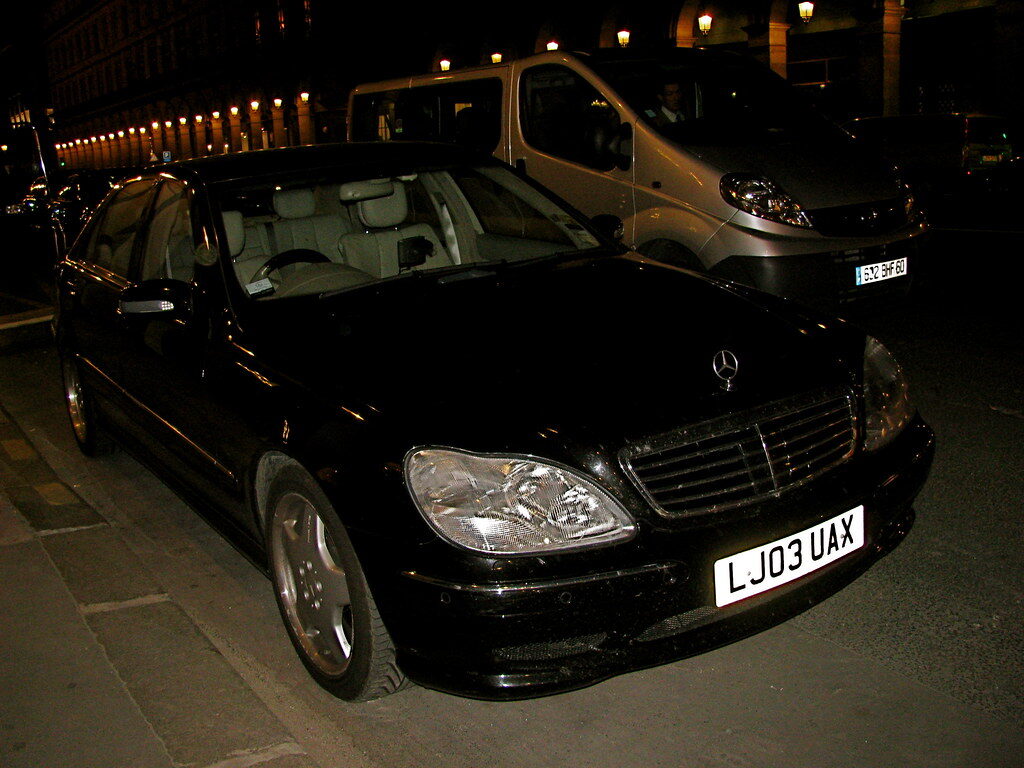
And this huge mechanical output did convert into incredible road performance. In fact, a Brabus E V12 could sprint from 0-60 in around 3.5 seconds, which are figures for even some superb exotic sports cars today, leave alone those of a conventional four door executive limousine. Its calculated top speed of around 230mph was also into territory normally only achievable by exotic sport cars, but it was an exceptional accomplishment simply for the reason that while achieving this feat, this Brabus retains the overall body style, volume and space of an executive sedan, rather than relying on low slung super-car proportions. The car’s ability to achieve this through normally proportionate sedan styling was part of its charm.
Performance Figures That Define It:
- Approximately 3.5-second 0-to-60 mph
- Around 230-mph theoretical top speed
- 227-mph verified Guinness speed
- Approximately 365-km/h verified velocity
- Four-door sedan with exotic performance
A more significant, indelible stake in automotive history came during official testing. A verifiable 227 mph (around 365 km/h), as measured by Guinness World Records, provided the E V12 with an objective benchmark of ability-not simply one left up to impressive but often unsubstantiated figures. Hitting that kind of velocity in a four-door saloon was about far more than stuffing a monster engine under the hood; it demanded structural stability, sensible aero and mechanical soundness. It also demanded the means to remain on the blacktop at velocities where tiniest mistakes go boom exponentially.
The appearance of the car actually added to its oddity. Instead of being another exotically shaped hypercar the Brabus E V12 retained a form reminiscent of an executive sedan. Certain versions featured closed rear wheelcovers and a large rear wing which made the E V12 more of an attention grabber, but it was immediately obvious that it was derived from a standard E-Class; an understatement that added to its cool factor as the E V12 didn’t require a wild silhouette to announce its capabilities, it achieved record-breaking speeds purely through engineering, while concealed behind a standard four door form, this combination of styling and capability created quite the contrast to see!
4. Limited Production And Extreme Exclusivity
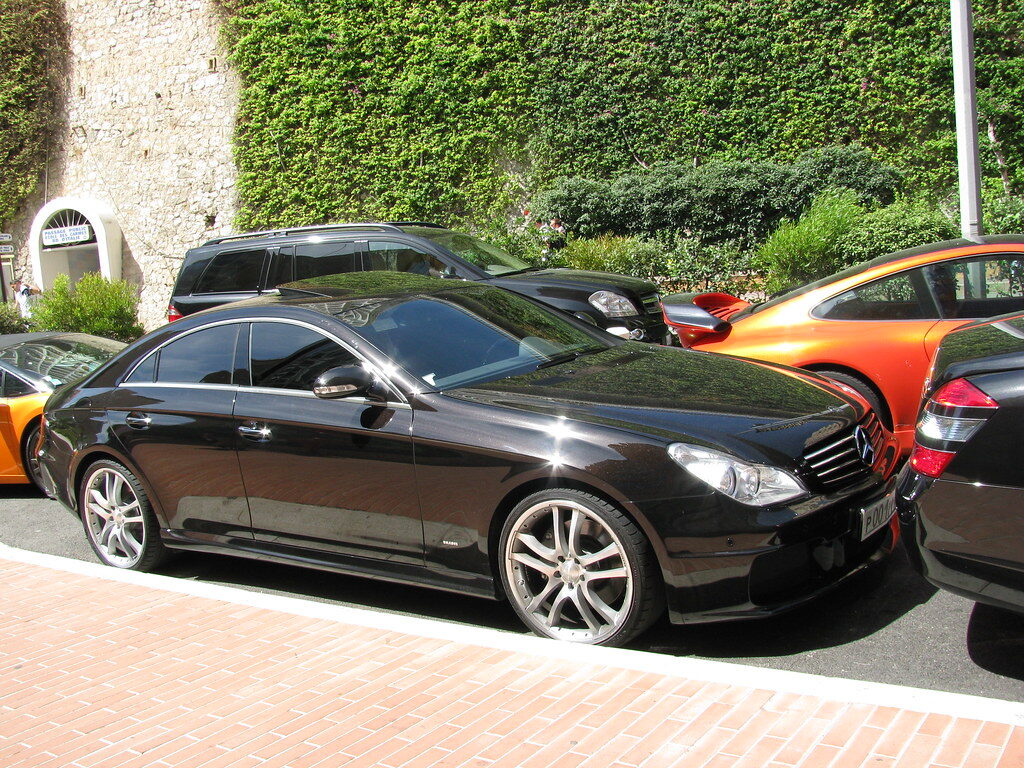
Brabus built the E V12 as a hyper-limited production series just 10 of these monsters were ever assembled. From the moment of its release, such a small number was what elevated the car beyond the standard hyper-sedans you thought you could someday run into. Even people who knew all the names in the Brabus catalog weren’t very likely to ever see an E V12 and the scarcity was exactly what made it seem even stronger by being excluded from normal road use it was meant to be a statement of what can happen if you simply ignore some of the standard production considerations on top of an already existing and ultra-refined Luxury- sedan chassis. The tiny build figure amplified its monstrous performance specifications.
Factors Behind Its Exclusivity:
- Only 10 examples were produced
- Approximately €600,000 starting price
- Roughly $700,000 period-equivalent pricing
- Modern inflation exceeds one million dollars
- Specialized engineering increased production costs
The financial hurdles were considerable as well. The asking price was about $600,000 at the time and it came out in the early ’90s so that meant it was the roughly equal to $700,000 today. At this price point the E V12 wasn’t exactly a competitor to normal luxury cars but was rather squarely in exotic performance money at roughly $1 Million plus in today’s dollars when adjusted for inflation. That price accounted for a lot more than just engine and bragging rights, as it was a payment for all the development, specialist bits and pieces, the exclusivity and the fact that it was only designed for a very small niche of buyers.
It’s also the rarity and cost factor that elevated the EV12 above and beyond what would otherwise simply be a very fast Mercedes Benz. It was a statement as to how far even tuner, could push things once traditional manufacturing constraints and requirements like large volume, emissions testing, fuel economy regulations, reliability, cost, availability and production ease could be put aside. Most performance sedans have to try and appeal to a wide range of consumers, forcing engineers to make compromises on speed to improve their comfort, ease of use, cost, economy and buildability. With the E V12 however, there were only a handful of interested buyers expected, so Brabus could be much more ruthless in their pursuit of outright performance as the buyer of a car such as this really cares only about extreme technology and scarcity as opposed to practicality and affordable.
5. The Engineering Challenge Of Extreme Speed
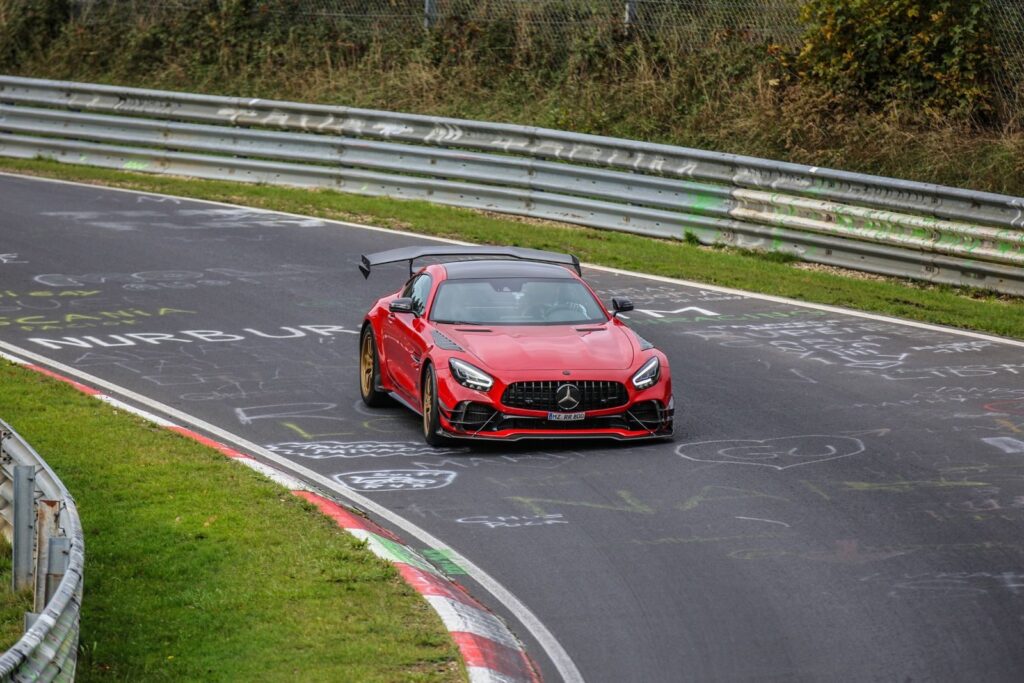
The engineering problems of propelling a vehicle beyond 200mphare of a kind of which any normal production car owner never truly has to think. Aerodynamic drag goes up by the square of the speed, so the engine must put out monstrous levels of power just to get faster when pushed through an increasingly massive “wind resistance”. It’s rather like a 100 meter sprinter; you expend more energy than the last to just try to cover that last tenth of a second. But for the E V12 to meet that cited 227mph, you need not only horsepower but some understanding of not just aero but of chassis and component engineering and robustness.
Major Challenges At Extreme Speed:
- Dramatically increasing aerodynamic drag
- Severe loads on vehicle components
- High-speed stability and control
- Tire and suspension operating demands
- Cooling and mechanical durability requirements
Conditions also turned physically brutal toward the higher velocities. Tires, suspension components, driveline parts, cooling systems, even aerodynamic bodywork had to withstand pressures greater than would even be expected on a normal, hard highway drive. A car going over 200 mph additionally requires an incredible degree of predictible stability-a tiny upset will turn much more dangerous at such velocities. Thus, Brabus needed to transform the brute V12 power into composed forward velocity while maintaining a level of handling stability one would expect from an excellent, fully streetable high-performance automobile.
It is for this reason that the success of the E V12 cannot be seen solely in terms of a single engine rating. While a power figure of 800hp may be seductive in isolation, a far greater triumph was in assembling all of the necessary components engine, powertrain, chassis, suspension, aerodynamics and brakes into a complete, working vehicle that could be deployed to the edge of performance and actually function there. Speed on this level is a function of acceleration, constant velocity, aerodynamic drag, thermal management and mechanical and driver control. The officially certified speed showed that these factors have been orchestrated in sufficient concert to produce one of the all-time-greatest high-speed sedans.
6. Precision Manufacturing And Reliability
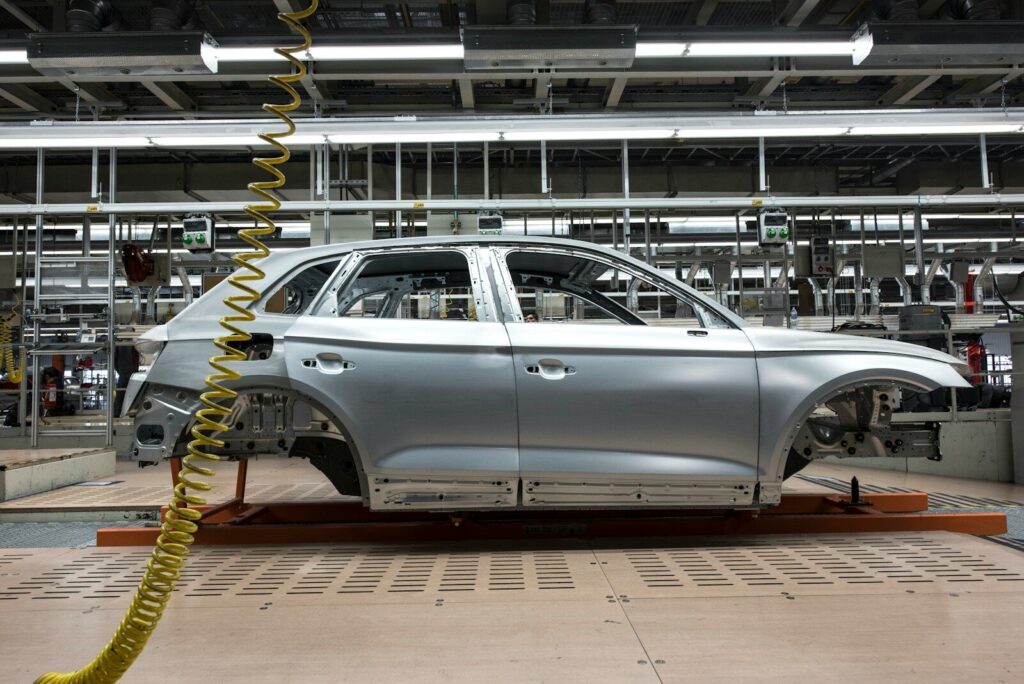
Extreme capabilities also rely heavily on precision in manufacturing. High-performance drivelines and a proven, pressure-tested vehicle need to fit together correctly, because slight imperfections in the parts can turn into costly failures as demands on components ramp up. Routine vehicle assembly processes like engine leak testing, hot-run tests and fluid transfers are needed to catch issues before they encounter rigorous operating environments. The report also profiles companies like FasTest that creates sealing connection devices, connectors, fixtures, ports and automated equipment utilized in the automotive and EV industries along with aerospace and fluid transfers, which points to a broader need for consistent, reliable manufacturing processes.
Important Manufacturing Quality Factors:
- Accurate high-performance component assembly
- Reliable sealed system connections
- Thorough leak and pressure testing
- Repeatable automated production procedures
- Consistent quality-control standards
Repeatability Specialization helps high-volume manufacturers to replicate the rigorous environment: The need for repeatability The reliance of high-performance production on the consistent and reproducible function of its machinery-the thousands of repeated operation cycles in the extreme manufacturing conditions required to make quality consistently-requires technologies such as specialist sealing fixturing and automated machines, to minimise false failures, and contribute to manufacturing stability. With a machine built for speeds that are beyond extraordinary, the stresses that arise from operating at such conditions mean there really is no room to tolerate any deviation from standard-not just in terms of its performance in use, but also in terms of the standard with which its own constituent parts are made. It follows that the very notion of what constitutes high performance should necessarily include high standard of repeatability.
The link between the quality of the manufacturing and the reliable operation of the E V12 is also a significant story for the engineering context as a whole. All very powerful engines cannot alone produce and underpin a reliable high speed motor car, as, they too and the surrounding components need to be manufactured and tested to just as high a standard. If the E V12 is a highly specific engineering task it reflects the ethos of automobile engineering in its reliability, when extremes are the norm you need accuracy and precision at each step and repeatable manufacturing, quality control and faith in individual parts under demanding environments. The engineering feat of the car and the work it under took is then not just about its stated headline performance.
7. A Four-Door Benchmark That Remains Difficult To Beat
The Brabus E V12’s significance becomes clearer when its performance is compared with other vehicles designed for speed. The car did not simply deliver impressive acceleration for a luxury sedan; it established a 227-mph verified top-speed benchmark that remains difficult for conventional four-door executive cars to challenge. This distinction matters because many modern performance vehicles have impressive specifications, but not all of them fit the same definition. Some are coupes, some are hypercars, and others use entirely different propulsion systems. The E V12’s achievement was specifically connected to the traditional high-performance sedan formula, making its benchmark unusually specific.
Reasons The Benchmark Remains Significant:
- Verified 227-mph top-speed achievement
- Traditional four-door executive sedan
- Extreme performance without exotic proportions
- Benchmark within conventional sedan category
- Distinct combination of speed and practicality
The comparison with elite athletes offers another way to understand the engineering challenge. Sprinters such as Tyson Gay, Yohan Blake, and Asafa Powell repeatedly pushed the limits of human speed through extraordinary consistency and physical preparation. Powell’s 97 sub-10-second performances illustrate how difficult it is not merely to reach a remarkable threshold once, but to operate repeatedly at an exceptional level. In automotive engineering, the same basic principle applies. The E V12’s achievement depended on more than producing a spectacular number. The entire vehicle had to function as a coherent system capable of delivering extreme performance under demanding conditions.
The sedan’s place in automotive history is strengthened by the fact that it came from a category usually associated with comfort and practicality. Executive cars are generally expected to transport passengers quietly and comfortably rather than pursue record-breaking velocity. Brabus effectively reversed those priorities without abandoning the four-door concept. The E V12 became a reminder that a sedan could still serve as a platform for extreme mechanical experimentation. That philosophy helped make it memorable even as the wider industry moved toward very different ideas about what high-performance vehicles should be and how performance technology should be integrated into everyday automobiles.
8. Why Modern Performance Sedans Face Different Limits
The automotive industry has changed considerably since the E V12 established its benchmark. Modern performance cars are increasingly shaped by electrification, efficiency requirements, advanced software, battery technology, and changing consumer preferences. Electric performance sedans can deliver extraordinary acceleration because electric motors provide immediate torque, but ultra-high-speed performance introduces different challenges. Battery temperatures, sustained power delivery, aerodynamic efficiency, motor characteristics, and single-speed transmission arrangements can all become limiting factors during extended high-speed operation. These differences mean that modern performance vehicles cannot always be judged through exactly the same engineering priorities that defined the E V12.
Modern Performance Engineering Factors:
- Increasing use of electrification
- Greater emphasis on software systems
- Battery temperature management challenges
- Different sustained-speed power demands
- Changing consumer vehicle preferences
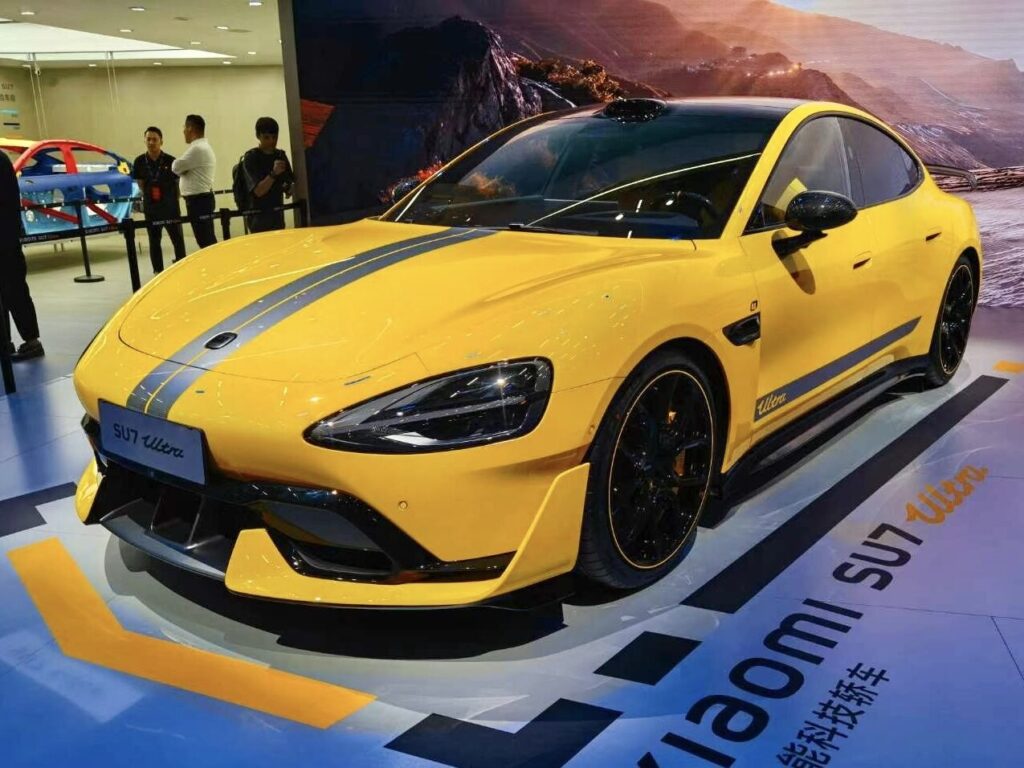
The Xiaomi SU7 Ultra demonstrates how impressive modern electric sedans have become while also showing how difficult the E V12 benchmark remains under the definition used in the source material. The four-door electric sedan has an official top speed of 217 mph, an extraordinary figure by normal production-car standards. Yet that number remains below the Brabus E V12’s verified 227 mph. The difference is not a reflection of electric vehicles being incapable of exceptional performance. Instead, it illustrates how different propulsion technologies encounter different engineering compromises when the objective shifts from rapid acceleration to sustained extreme velocity.
The distinction becomes even more important when comparing vehicles that are not technically traditional sedans. The Koenigsegg Gemera, for example, offers seating for four and extraordinary performance, but its two-door configuration means it does not fit the conventional four-door sedan definition. This illustrates why simply finding a modern car with a higher claimed speed does not automatically remove the E V12 from its particular position. The benchmark concerns a specific type of vehicle, and differences in body style, propulsion, and engineering philosophy make direct comparisons more complicated than a simple top-speed ranking. The E V12 therefore remains distinctive within its specific category.
9. The Decline Of The Giant V12 Sedan
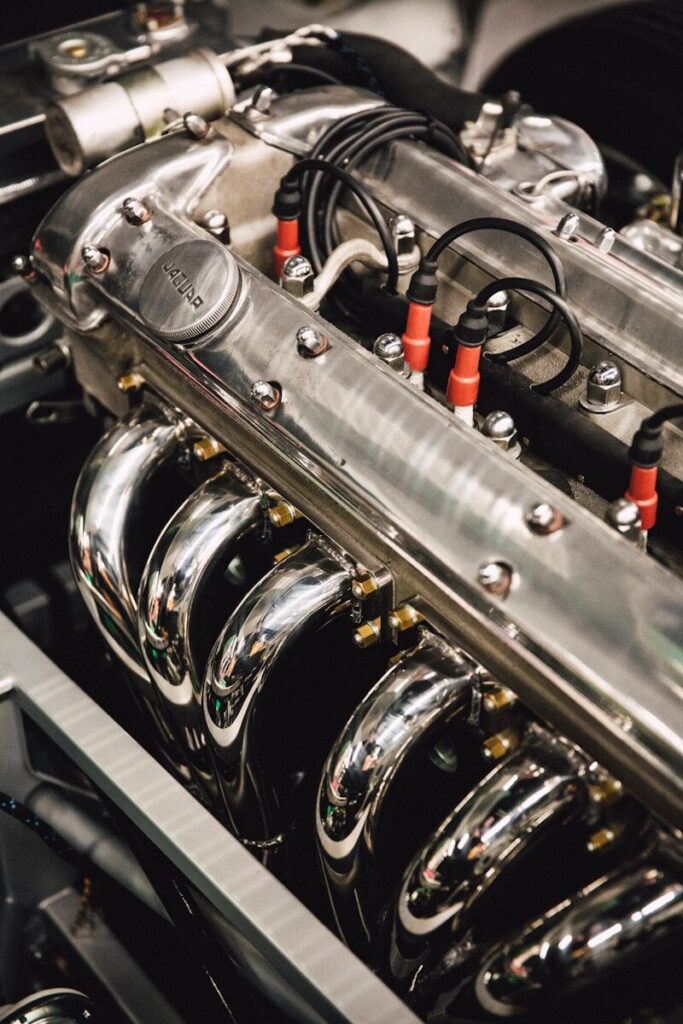
Large V12 engines have become increasingly uncommon as automakers respond to changing regulations, efficiency expectations, technological developments, and consumer demand. The enormous powerplants that once represented the ultimate expression of luxury and performance now occupy a much smaller part of the automotive market. At the same time, manufacturers have increasingly focused on SUVs and crossovers because buyers have shifted toward vehicles offering greater practicality, passenger space, and versatility. These changes have reduced the commercial justification for developing an ultra-high-speed four-door sedan with an enormous internal-combustion engine. The E V12 therefore belongs to a formula that has become increasingly difficult to reproduce.
Reasons The V12 Sedan Declined:
- Stricter efficiency expectations
- Changing automotive regulations
- Increasing consumer SUV demand
- Greater development costs
- Smaller market for extreme sedans
The economics of creating such a vehicle are another major obstacle. A modern manufacturer would have to invest enormous resources into engineering, testing, certification, cooling, aerodynamics, tires, drivetrain durability, and safety systems for a vehicle capable of approaching 230 mph. That investment would be difficult to justify for a product aimed at an extremely small customer base. The E V12 benefited from an unusual combination of engineering ambition and a willingness to create a highly specialized vehicle regardless of conventional market logic. Today’s manufacturers face a very different set of priorities when deciding where to spend development resources and which performance concepts deserve investment.
This shift explains why the Brabus E V12 has remained so distinctive over time. Its formula depends on several ingredients that have become increasingly rare when combined in one vehicle: a large internal-combustion V12, enormous torque, a traditional four-door luxury-sedan body, extreme top-speed ambitions, and limited-production exclusivity. Modern cars may outperform it in individual areas, particularly acceleration or electronic sophistication, but reproducing the entire concept would require a manufacturer or tuning company to deliberately embrace a formula the broader industry has largely moved away from. That makes the E V12 increasingly representative of an automotive era that is disappearing while strengthening its historical appeal.

10. A Lasting Monument To Unrestrained Performance
The Brabus E V12 remains fascinating because it represents a period when automotive engineering could be pushed toward extraordinary extremes without abandoning the familiar sedan format. Its 800 horsepower, 1,047 lb-ft of torque, and 227-mph verified top speed transformed an executive Mercedes-Benz into a machine with hypercar-level ambitions. Only 10 examples were produced, reinforcing its status as a rare engineering statement rather than an ordinary production model. Even after roughly fifteen years, the car continues to attract attention because its combination of performance, exclusivity, and understatement remains difficult to reproduce. Its identity is built around excess, rarity, and an unusual willingness to challenge conventional sedan expectations.
Features Behind Its Lasting Legacy:
- Approximately 800 horsepower
- Massive 1,047 lb-ft torque
- Verified 227-mph top speed
- Only 10 examples produced
- Executive sedan with hypercar ambitions
The contrast with ordinary vehicles from the same era makes the story even more striking. Everyday models such as the Dodge Avenger, four-cylinder Chevrolet Malibu, CVT-equipped Nissan Altima, E60 BMW 5 Series, and Mini Cooper were built around practical ownership and eventually became associated with the normal aging process of mass-produced automobiles. Mechanical wear, transmission problems, electrical issues, and changing consumer tastes gradually pushed many of these cars out of the spotlight. The E V12 followed an entirely different path because its purpose was never ordinary transportation. It was created to demonstrate what extreme engineering could accomplish when practicality was no longer the only priority.
Ultimately, the Brabus E V12 stands as a monument to an era of unapologetic internal-combustion performance. Its significance does not depend solely on whether another vehicle eventually produces a larger number on a specification sheet. Its real importance comes from the complete package: a four-door executive platform, an enormous V12, massive torque, carefully engineered high-speed capability, limited production, and a verified 227-mph achievement. As the automotive industry continues moving toward electrification, SUVs, efficiency, and software-driven performance, the E V12 increasingly looks like a snapshot of a very different philosophy. That is precisely why this fifteen-year-old sedan remains so memorable.