Dodge Expands the Charger Lineup with High-Output Hurricane Sixes and V-8 Power
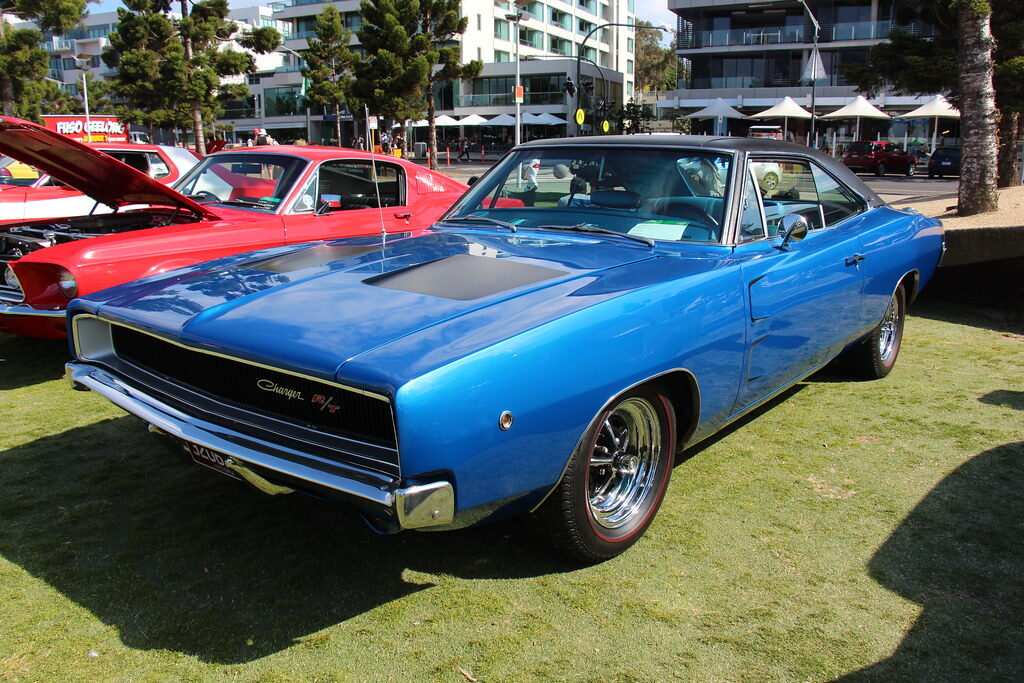
The Dodge Charger has always been known for its muscle, big engines and American style. Although it briefly looked towards electrification with the Charger Daytona EV, the newest iteration of the Charger still isn’t what people always want. Dodge has reinstated the Sixpack inline-six to the new Charger line up, but the excitement from consumers has increased even more after the promise of the return of Hemi V-8s.
Now, the Charger family has a taste of what’s possible from older-school V-8 engines combined with today’s turbocharged technology. The 2027 Charger Super Bee Launch Edition is bringing up that Hurricane six to 600 hp, and the ongoing existence of the Hemi keeps the window open for a V-8 Charger and a Hellcat comeback. Drag strip technology, sky-high power density and market trends all have muscle-car enthusiasts watching the Charger’s next performance chapter.
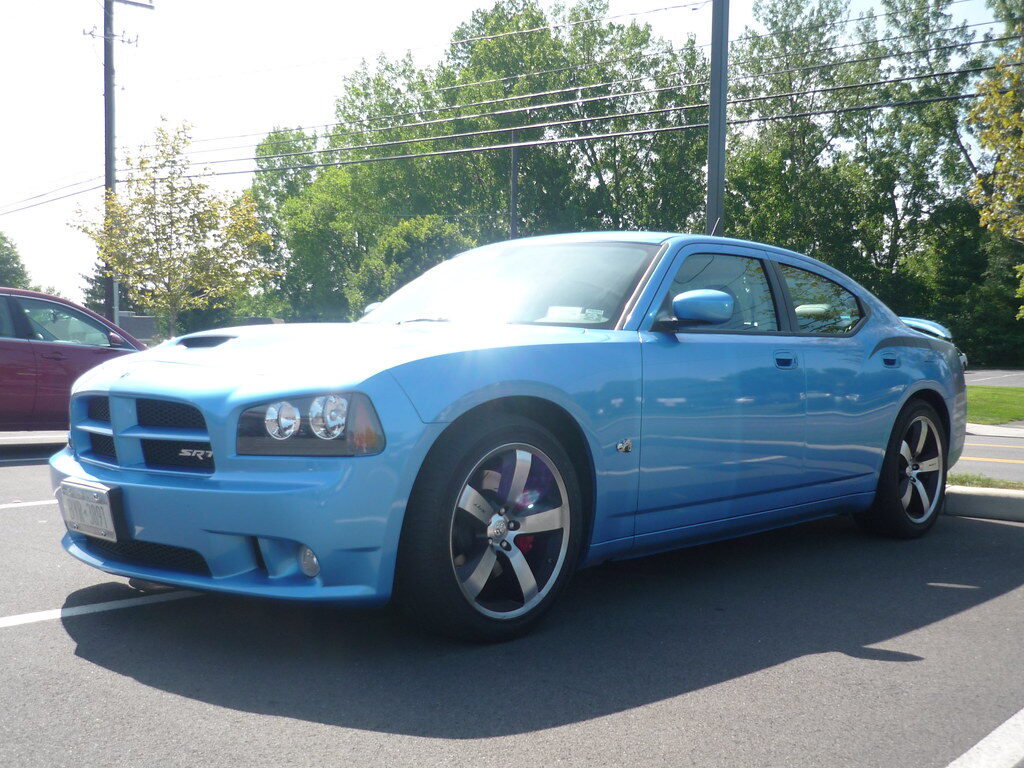
1. Dodge Brings Combustion Power Back to the Charger
Performance has always been a big part of the Dodge Charger’s identity, and so bringing back internal-combustion power felt like an essential move for the brand’s most loyal muscle-car fans. When the eighth-generation Charger launched, ditching the internal-combustion engine felt like a step away from what makes muscle carsgas-powered muscle cars, at leastspecial. The all-electric Charger Daytona EV showed just how much power a modern technology package can conjure, with the Daytona Scat Pack churning out 670 horsepower. But many purists argued that any number of horsepowerrather than the noise and physical impact of an engine, arguably all they neededcan’t replace good old-fashioned combustion. Understanding that traditional buyers wanted options, Dodge announced the 2026 Charger Sixpack, which swapped the traditional 10-cylinder V8 for an inline-six, but two fewer cylinders than those in the original six-cylinder Charger. Still, that left some fans clamoring for even moreand that can happen all the more easily after the Stellantis plant scrapped its original plan to build Hemi V-8 engines.
The Charger Returns to Its Roots:
- Combustion power returns
- Daytona delivered 670 horsepower
- Sixpack restored gasoline power
- V-8 demand remained strong
- Hemi production decision reversed
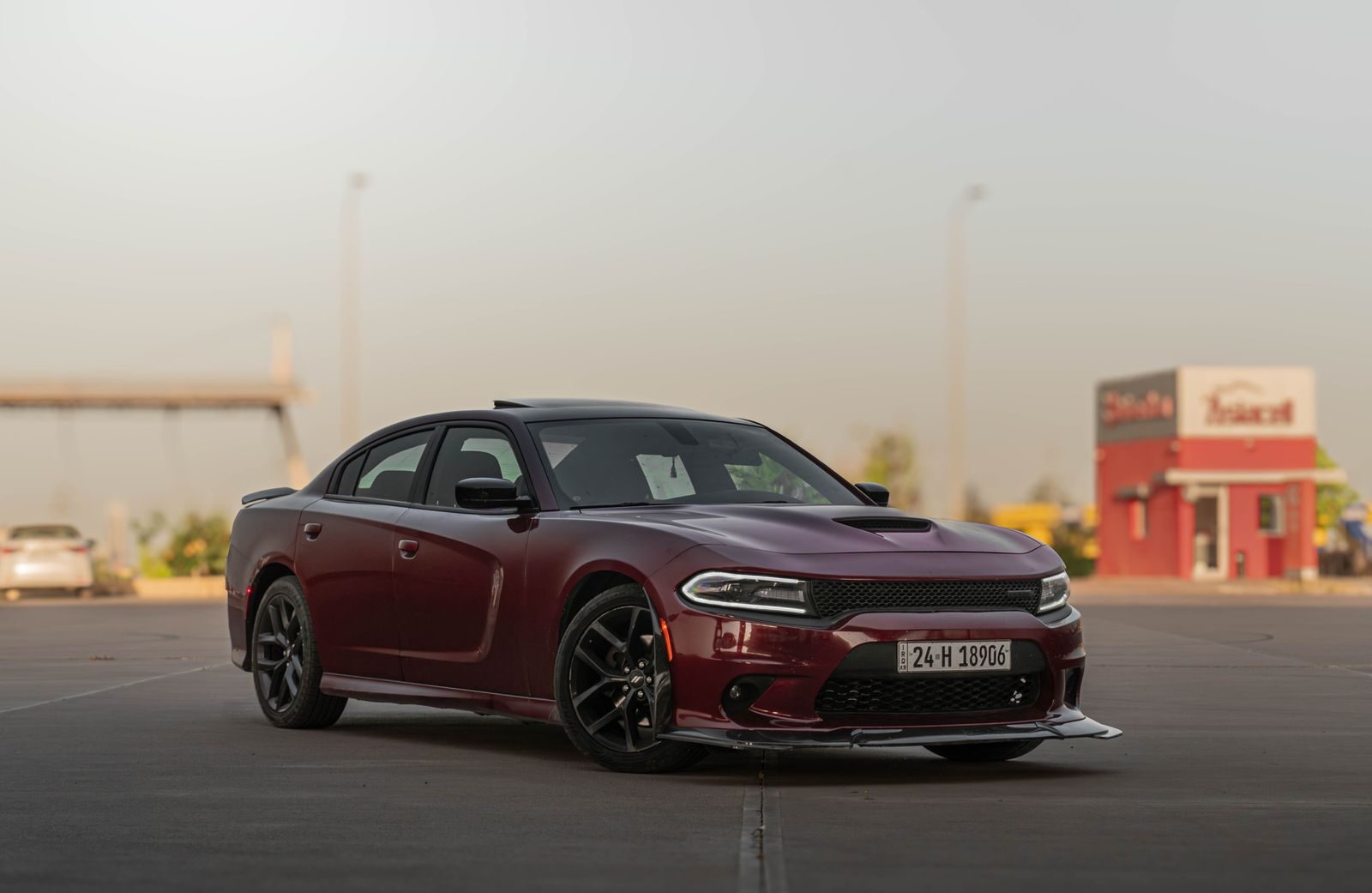
Dodge has yet to confirm that a road-going V-8 Charger is right around the bend, but the ongoing Hemi production sure makes it hard to ignore. Apart from the fifth-generation model, which shared its much-derided second-generation Chrysler E-body platform with the Chrysler 300, the Charger has always had a big engine tucked under its leading edge. For many musclecar fans, a Charger lacking an eight-cylinder engine simply isn’t a Charger; returning the Hemi to the fold would be an authentic nod to history. The return is logical, too The STLA Large platform has been designed with electric drivetrains, hybrid powertrains, and (presumably, with the next-gen Charger’s platform being designed with internal combustion as an option) natural aspirated, eight-cylinder musclecar engines in mind. Though some doubted the Boxer-4 could fit inside an engine bay designed for an inline-6, engineering advances have proved more than enough evidence to support that it could work.
2. The STLA Large Platform Makes V-8 Power Possible
The foundation for resurrecting V-8 power in the new Charger is the flexible STLA Large vehicle platform. Engineers intentionally designed this architecture to be compatible with multiple drive systems, including full electric, hybrid, and conventionally powered internal-combustion engines. That allows Dodge to produce multiple types of Chargers without requiring a unique vehicle architecture for every type of powertrain. Nonetheless, there were significant doubts about whether the compact packaging of the new Charger would be able to accommodate the physically larger Hemi V-8 engine inside its engine bay, given it was more suited for an inline-six. Rumors of a V-8 Charger sparked skepticism about a potential lack of room in the front-end structure and how a Hemi-block size could fit into the new platform. Those doubts, however, were wiped away when Mopar showed a V-8-powered eighth-generation Charger.
Engineering Doubts Get Answered:
- STLA Large supports multiple powertrains
- Platform allows engine flexibility
- Hemi fitment raised concerns
- Drag Pak proved compatibility
- Packaging doubts were reduced
The most apparent piece of evidence finally came to light in the fall of 2025 with the unveiling of the track-only eighth-generation Charger Drag Pak. Specially built for Drag-strip action, the car wore its under-the-hood 354-cubic-inch Hemi proudly. The Drag Pak showed that, physically at least, you could fit an eight-cylinder engine in the eighth-generation Charger’s engine bay. Now that the fitment is out of the way, the question turns to which production engines Dodge could eventually work into production cars in some form. The Drag Pak does not confirm that a road car will have a V-8, but it does prove that the engine architecture is capable of doing the job. That eliminates one of the biggest practical hurdles to the engine’s return-can it fit? Now Dodge can turn its attention to production numbers, performance levels, branding, emissions requirements, and pricing.
3. Three Hemi V-8 Engines Could Return
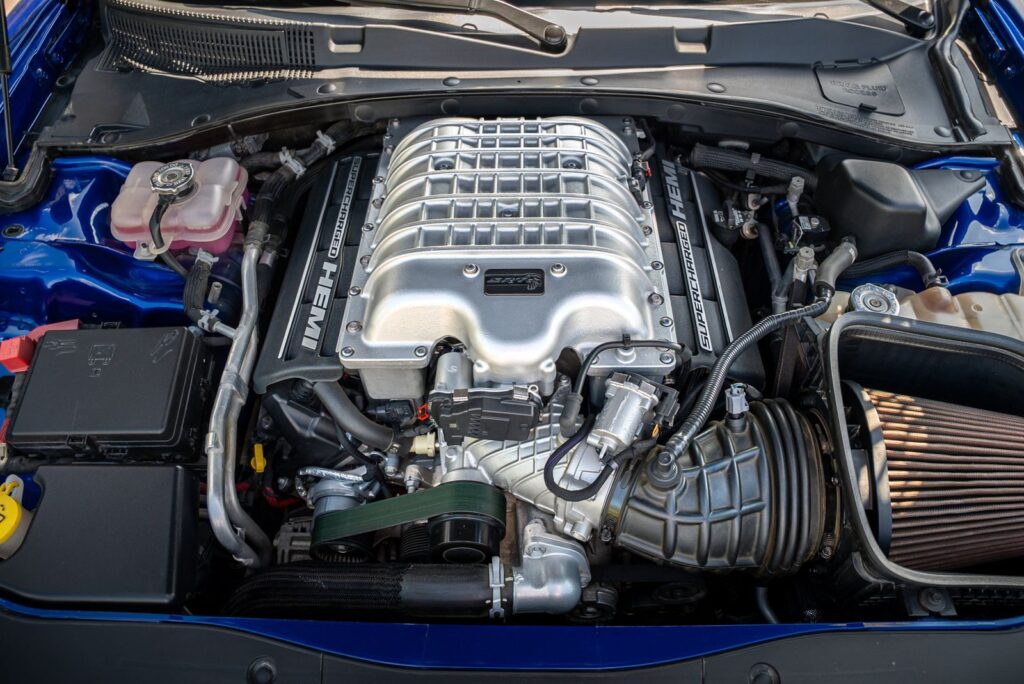
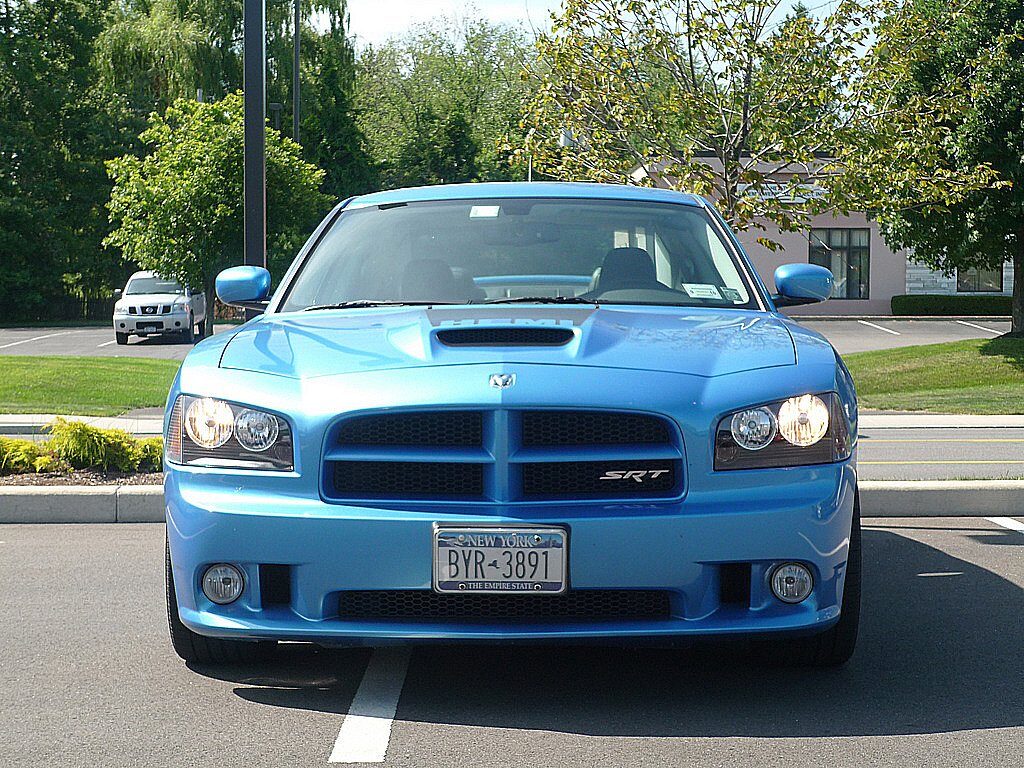
This probably isn’t a news flash to anyone who has kept up with Chrysler’s muscle car, but there was a time when the Hemi engine family was huge. You could get a 370-hp 5.7-liter V-8, a 485-hp 6.4-liter V-8, or a supercharged 6.2-liter V-8 engine with 717 horsepower. The 2023 Charger Hellcat put out 717 horsepower straight from the factory, while the Redeye monster pushed out 797 horsepower. Those three tried and true Hemi engines are now the prime suspects for being part of the eighth-gen Charger’s lineup. Should they return, they would most likely be paired with the turbocharged 3.0-liter Hurricane inline-six engines, which produce 420 and 550 horsepower. The lineup would still be mated exclusively to an eight-speed automatic transmission.
Familiar Hemi Power Levels:
- 5.7-liter produced 370 horsepower
- 6.4-liter produced 485 horsepower
- Hellcat delivered 717 horsepower
- Redeye reached 797 horsepower
- Hurricane sixes offer 420-550
These back-to-back engines also present an interesting branding challenge for Dodge. The R/T badge used for the last iteration of the 5.7-liter V-8, while 6.4-liter versions bore the Scat Pack moniker, are already in use by the inline-six lineup. However, Mopar branding consultants may have to get creative with the V-8s, if they are to be revealed in production form. If a Charger winds up in production with the 6.2-liter Hemi V-8 powertrain, the Hellcat badge is certain to reappear. The badge has already won a strong association with the ultimate internal-combustion performance-the V-8 gasoline engine in the Dodge lineup. Using it in tandem with the Charger name would immediately convey the most extreme performance gasoline has to offer.
4. The V-8 Charger Would Face New Muscle-Car Rivals
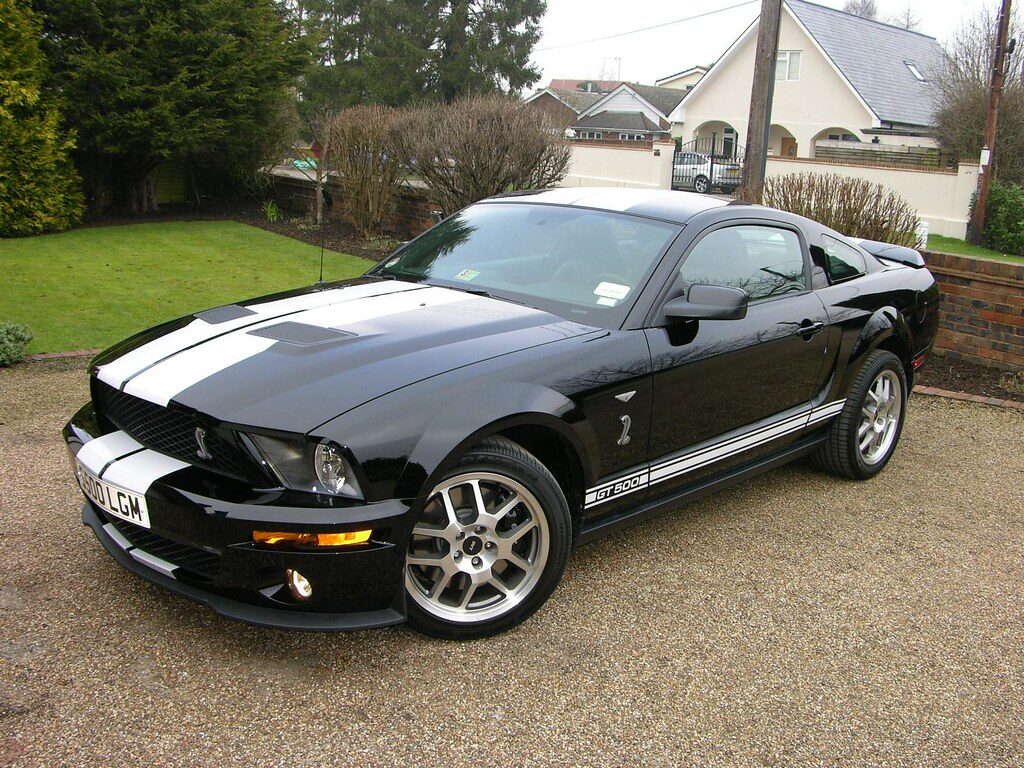
And it would be competing in a muscle-car segment that looks a little different than the one in which Dodge found itself just a few years ago. In the past, the V-8 Charger shared the muscle-car space with competitors like the ZL1, the ZL1 Camaro, and the Mustang Shelby GT500. Both of those models have since been discontinued, though there’s been sporadic chatter about the existence of a next-gen, street-level Mustang Shelby. Now, the new Ford Mustang GT is the only muscle-car competitor a potential V-8 Charger might have in this segment. So Dodge would be stepping into a segment where a well-known rival has been eliminated. But things could be a little different when a muscle car this powerful is brought into a high-performance super-competitive segment like the supercharger-equipped 6.2-liter Charger Hellcat, available in four-door form, could give the Cadillac CT5-V Blackwing 668 horsepower a run for its money.
A Changed Muscle-Car Battlefield:
- Camaro ZL1 is discontinued
- Shelby GT500 is discontinued
- Mustang GT remains active
- Charger could challenge Blackwing
- Hellcat would target high performance
This shifting competitive environment provides the potential V-8 Charger with a unique market position. With fewer domestic rivals, the traditional muscle-car segment now offers less direct competition to the Charger, with only the Mustang GT and perhaps the Cadillac CT5-V Blackwing providing a clear horsepower comparison to a potential supercharged 8-cylinder Charger. Dodge could also potentially pair a four-door Hellcat with the 668-horsepower Cadillac to once again link the Charger back to its muscle car roots. While Dodge has not confirmed the new V-8 Charger will join the lineup, the engine’s proven legacy and the current state of its competitive environment make its positioning fairly clear.
5. Hurricane Six Delivers Serious Performance
Along with the potential Hemi return, Dodge is continuing to develop the high-output Hurricane inline-six as a leading candidate for Charger performance. The twin-turbocharged 3.0-liter is sold in 420- and 550-hp configurations, giving the six-cylinders a lot of juice in the face of high-displacement V8s. The 2027 Charger Super Bee Launch Edition highlights just how much Dodge can squeeze out of the architecture. The 2023 Charger Scat Pack makes use of the 3.0-liter twin-turbo Hurricane’s 550 horses, but the limited-edition Super Bee bumps that up to 600 SAE-certified horses and 531 pound-feet of torque. The company states it increased the power with larger 56mm Garrett turbochargers pushing more than 30 psi, along with a revised cooling system, stronger half-shafts, and a custom engine calibration.
Six Cylinders, Serious Numbers:
- Standard Scat Pack makes 550
- Super Bee reaches 600 horsepower
- Torque reaches 531 lb-ft
- Garrett turbos measure 56mm
- Boost exceeds 30 psi
This is why Dodge is putting so much emphasis on the Hurricane six, according to the numbers. The supercharged 3.0-liter engine in the 2027 Launch Edition can zip from 0 to 60 miles per hour in 3.6 seconds, and shaves the quarter-mile time down to 11.8 seconds. That performance puts the Super Bee half a second ahead of the 6.4-liter V-8 on which it is based in terms of elapsed time in the quarter-mile, according to Dodge. And the 3.0-liter engine does this with a mind-boggling 200 horsepower per liter, placing the Super Bee on a performance par with exotic supercars. The strategy reveals the benefits of smaller engines in forced induction applications. Rather than simply increasing engine size, Dodge crams enormous power into a small six-cylinder with the help of turbocharging, cooling upgrades, more robust internals, and tuned engineering.
6. Super Bee Reaches 200 Horsepower Per Liter
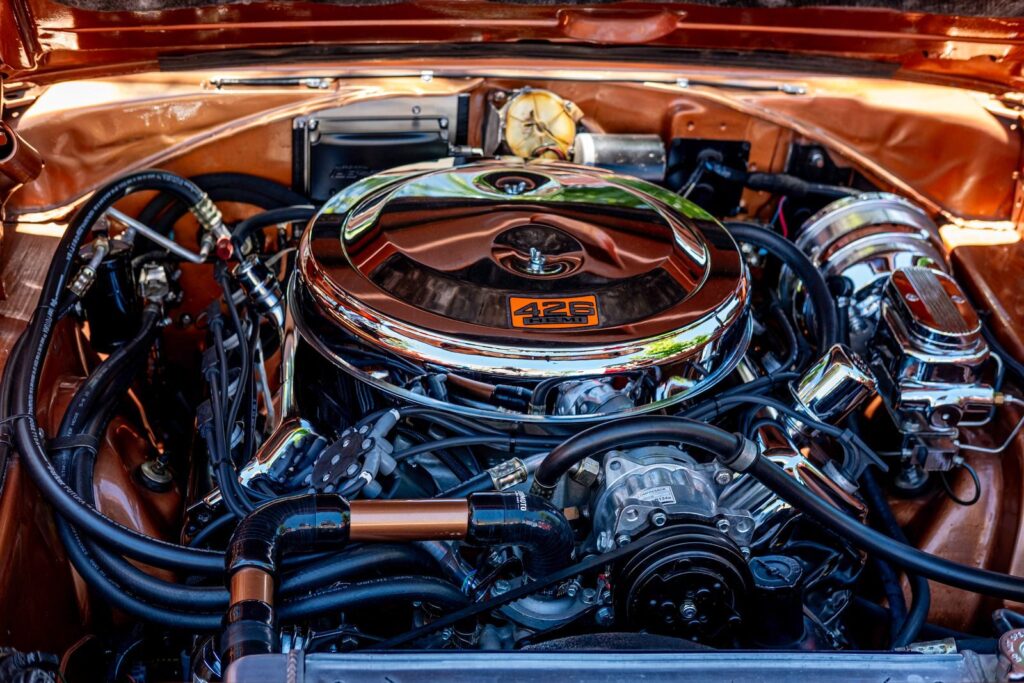
The 2027 Charger Super Bee Launch Edition is an engineering milestone for the company as it concerns the Hurricane engine family. Its 3.0-liter twin-turbocharged inline-six motor makes 600 horsepower, which amounts to an astonishing 200 horsepower per liter. That breaks down as the most power-dense muscle car engine ever built. The 707-horsepower supercharged Hellcat V-8 supercharged V8 (as it was built 10 years ago) makes roughly 114 horsepower per liter. The naturally aspirated, flat-plane-crank V-8 in the Chevrolet Corvette Z06 makes about 155 horsepower per liter. How’s that for power density? And you can see why Dodge doesn’t need to lean on a big, V-8-powered displcement to make a muscle car go fast.
Super Bee’s Power Density:
- Super Bee reaches 200 hp/L
- Old Hellcat reached 114 hp/L
- Corvette Z06 reaches 155 hp/L
- Hurricane uses 3.0-liter displacement
- Output matches exotic standards
The engineering philosophy of this layout is based on forced induction a smaller engine is able to generate a high peak output thanks to turbocharging, and to do so with better fuel economy on throttle cruises than an extremely larger one. This is essential, given that contemporary engines are all designed to meet demanding emissions and fuel economy targets. Under constant conditions, a turbocharged, smaller engine also doesn’t require as much effort to move the vehicle as an engine with a much larger displacement. The combination gives the Hurricane layout a significant competitive edge in compliance testing. The Super Bee is then a showcase of how Dodge can market high-performance muscle cars while still meeting the tightening efficiency constraints. While the Hemi is a long-standing favorite among muscle car fans, the Hurricane further demonstrates how turbocharged six-cylinder engines have become a staple in the modern Charger model.
7. Torque Reserve Gives the Super Bee Drag-Strip Technology
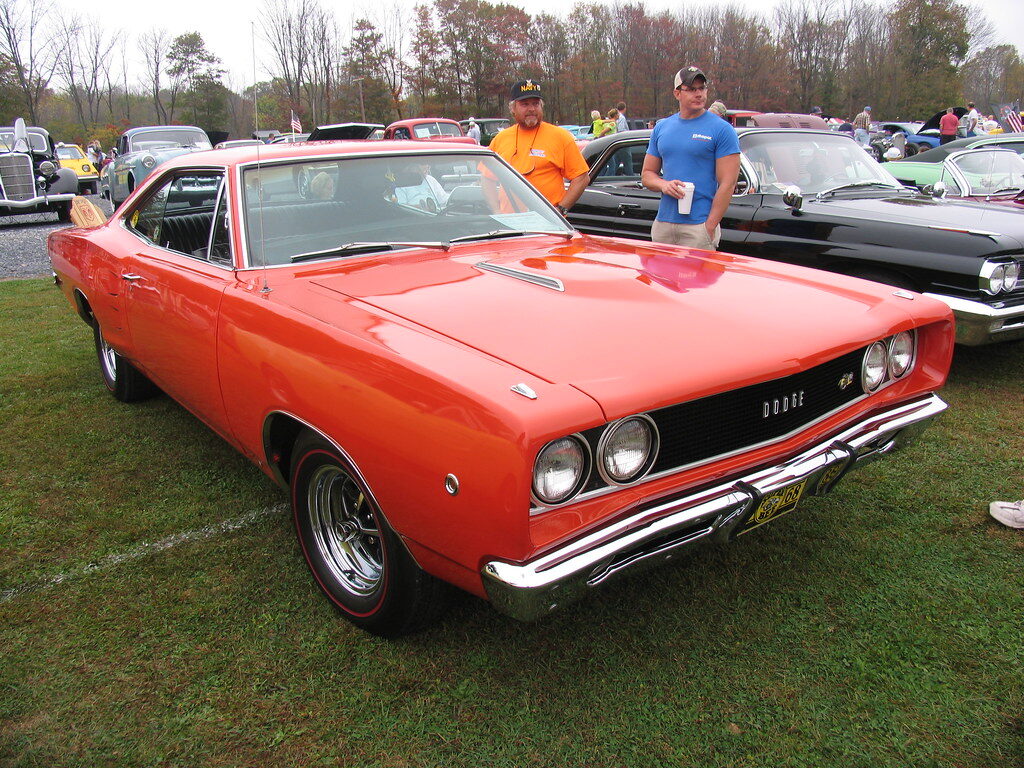
It’s not all about the horsepower The 2027 Launch Edition also has some innovative technology that allows it to accelerate in a straight line better, Dodge says. The key technology that Dodge will highlight is called Torque Reserve. When the vehicle is at a standstill, and the driver is holding the brake, this particular system just pushes the throttle open a bit, and retards ignition timing to enable the engine to burn the fuel without generating excess driving torque. Exhaust gases that are extremely hot and loaded with energy are then directed toward the turbochargers to rotate them while the vehicle is still at a standstill, and then when you release the brake pedal, timing is instantly brought back to normal, unleashing the turbocharged torques at launch.
Torque Reserve Explained Simply:
- Engine builds boost before launch
- Throttle opens while braking
- Ignition timing gets retarded
- Exhaust spins turbochargers early
- Stored torque launches instantly
The system effectively acts as a factory-installed, street-legal relative of anti-lag technology commonly associated with rally and drag racing. Its purpose is to eliminate the delay that can occur when a turbocharged engine is waiting to build boost. By preparing the turbochargers before the vehicle moves, the Super Bee can deliver strong torque immediately after launch. Developing this technology for a road-going vehicle is a significant engineering challenge because the process creates substantial thermal stress. Turbochargers, catalytic converters, and exhaust manifolds must handle the additional heat generated by the system. Dodge has therefore combined the Hurricane engine’s high specific output with specialized launch technology to create a Charger that is designed not merely to produce big numbers, but to convert those numbers into aggressive straight-line performance.
8. Super Bee Changes Its Original Muscle-Car Mission
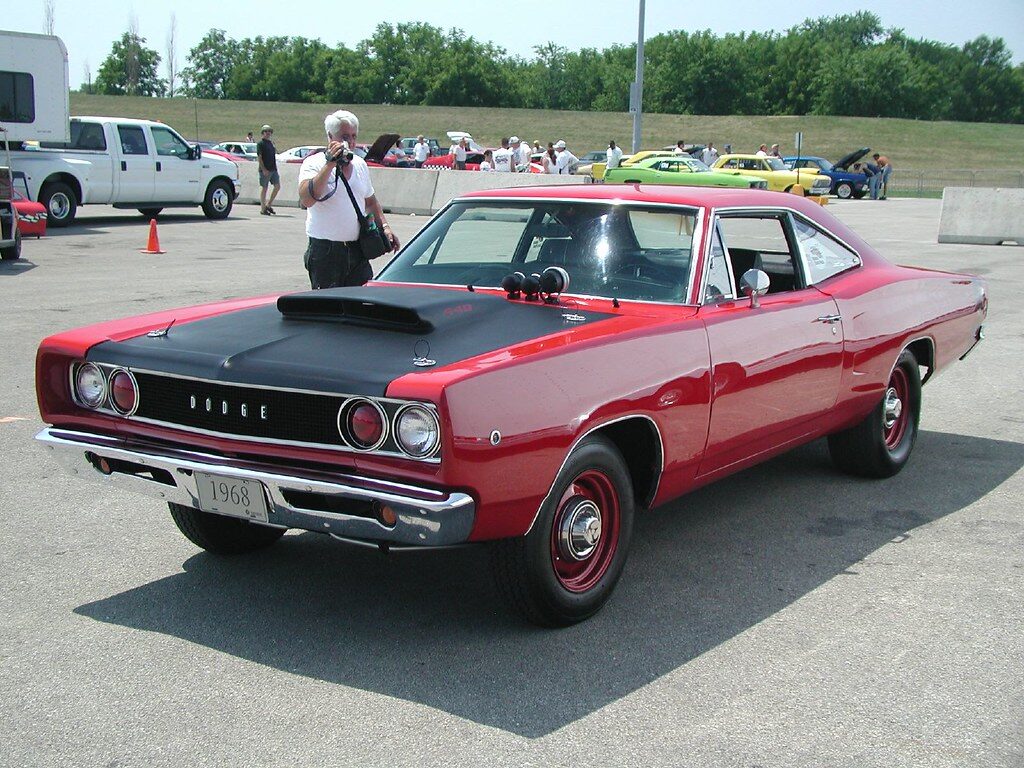
What the modern Super Bee is not, however, is a carbon copy of the original badge. When Dodge revived the Super Bee badge in 1968 on the Coronet platform, it was intended as an affordable muscle car to appeal to the working man. Offering just enough performance to be the equal of a near-Hemi without the price of a high option Charger R/T, the Super Bee was always intended to be, if not a stripped-down, then reasonably accessible path to Mopar performance. The 2027 Charger Super Bee Launch Edition, in contrast, couldn’t be more of a foil to that approach. It’s a halo model, exclusive to 2027, with limited production badging and performance that can’t be mistaken for an entry-level buy.
From Budget Muscle to Halo:
- Original Super Bee launched 1968
- It targeted blue-collar buyers
- New model uses specialized hardware
- Launch Edition is exclusive
- Pricing was initially withheld
The new Super Bee will sit way above a Scat Pack that already starts at nearly $57,000 and is a much different position than the original one. Dodge chose to keep the pricing out of its initial press release on the new Super Bee in order to gauge enthusiast reception before they settled on a price point. That opens the door for that selling point and that information to be included with their other halo models, of which they’ve done things the same way for the Hellcat Redeye Jailbreak and Demon 170. In the case of those models, that high-profile halo model can set the tone for coverage and bring first-time buyers into dealerships while getting some momentum built for other models down the line. The modern Super Bee really isn’t a stand in for a budget muscle-car entry; instead, it’s a high-profile performance product that ensures the Charger muscle car can garner as much attention as possible.
9. Dodge Shifts Its Focus Back Toward Gasoline
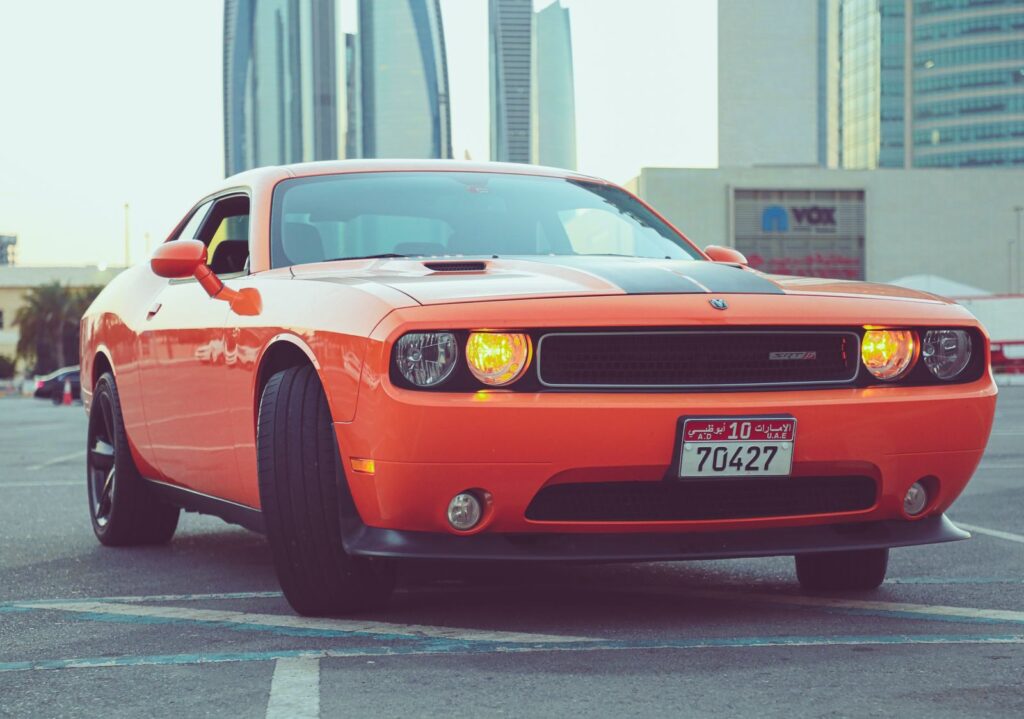
The Super Bee revival and probable Hemi Charger revival are signals of a shift within the Stellantis and Dodge brand after the company formerly made bold pledged toward electrification. The Charger Daytona EV was a significant part of that previous plan; what Chrysler focused on and what consumers actually bought proved to be far apart, and they are with internal-combustion engineering once more in the balance of the big marketing budgets, historic vehicle launching events, and revered nameplates that will play through 2026. The fact that the Super Bee announcement comes at a historic drag-racing event on Woodward Avenue signals how the company has switched priorities. Dodge revealed the 2027 Charger Super Bee Launch Edition at the height of the Drag Fest on the very same day as the Charger’s 60th-Anniversary on the very same day.
Gasoline Returns to Center Stage:
- EV demand was softer
- Combustion engineering gained attention
- Heritage names returned
- Super Bee debuted on Woodward
- Dodge emphasized muscle performance
The reveal of the Super Bee demonstrates how Dodge is trying to find the right mix of new-age engineering solutions and traditional muscle-car spirit. The company can go turbo six-cylinder with relative ease to generate monster output and still aim for efficiency benefits of more moderate thrum when driving nice and easy. And the 8-cylinder Hemi is clearly still hotly anticipated, by everyone even the guys who are furious it will likely be gone someday. So while the electric Daytona Scat Pack 1320 can hit 670 hp, the gas-powered cars are getting top-notch engineering attention and classic branding, leading us to believe the current Charger plan is far less single-minded than simply switching to a single kind of propulsor. Dodge, in other words, is providing all kinds of options that meet headwinds of market pressure and keep the brand’s signature loud eighth-cylinder sound.
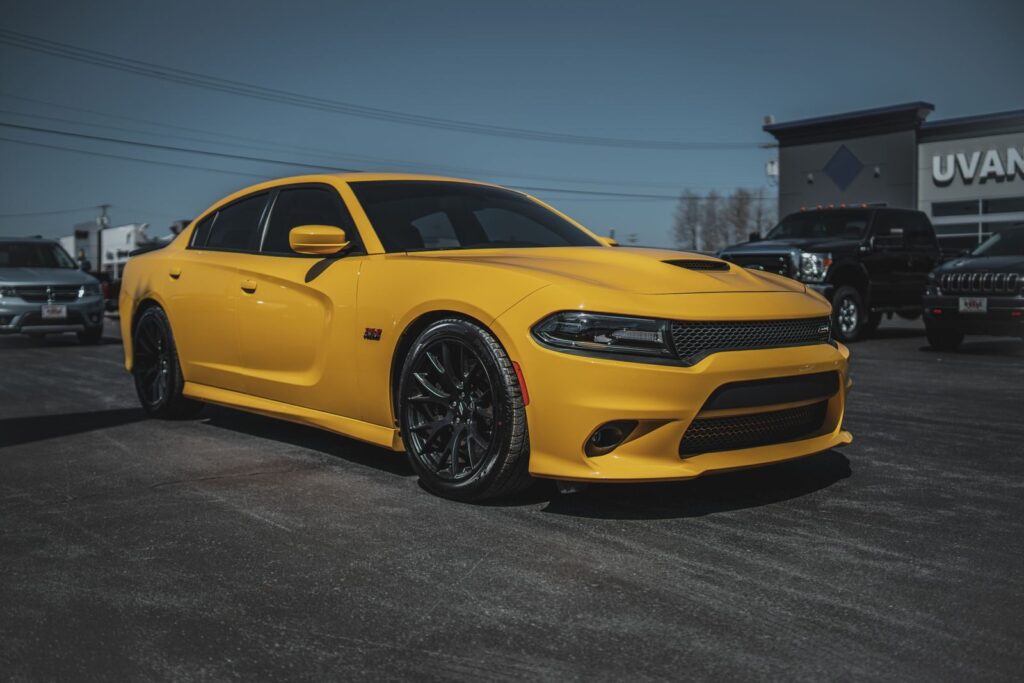
10. High-Performance Chargers Bring New Ownership Challenges
Performance equipment on the Super Bee, in some cases, raises real-world issues that go beyond bragging rights. In order to enable the engine to operate at the high power levels, the Super Bee is equipped with an additional pair of radiators beneath the outboard corners of the front fascia. These radiators absorb the engine’s waste heat and may, in the event of an aggressive driving style, be deployed to keep the high-powered powertrain cool. However, it is also a component that could be damaged in a less-than-epic fender-bender. The Super Bee rides on beefy 305-section Goodyear Eagle F1 Supercar 3 tires, which are not necessarily a tire shop’s every-day stocking items. Neither item may be included in a traditional 0-60 time sheet, but could still have an impact on ownership.
Performance Comes With Trade-Offs:
- Auxiliary radiators improve cooling
- Front impacts could damage components
- Super Bee uses 305-section tires
- Specialized tires affect maintenance
- Repairs may become expensive
These PR-related issues might also affect insurance premiums and repair costs. All of this, however, indicates a fundamental change in Dodge’s performance philosophy, since the resurrection of the Super Bee isn’t solely driven by a bunch of engineers with a free time on their hands. What it does point to is an unshakable reality that there is still a market for gasoline engines and internal-combustion-driven vehicles, as the modern-day Charger leaves Hurricane-powered six-bangers sitting next to the possibility of returning Hemi V-8s, with the Super Bee giving drivers an even more absurd approach to what this architecture is capable of. In the end, Dodge’s latest move indicates that gas-powered muscle cars still have a prominent place in the American landscape.