




Toyota Delays Compact Land Cruiser FJ Off-Roader as Anticipation Builds for 2026 Debut
Land Cruiser has earned a legendary reputation for dependability, ruggedness and off-road ability since the very first Toyota BJ model debuted in 1951. Throughout those 60-plus years and the hundreds of models introduced over the decades, the Land Cruiser nameplate has been put to use in all manner of conditions, from the most demanding work environments to practical family usage and virtually anywhere else one might be stuck in the great outdoors. As noted in the article supplied above, Land Cruiser family sales topped 12.15 million units in over 190 countries and territories. Toyota’s storied history of real-world usability is an integral part of the Land Cruiser family’s off-road success story.
With a nod to the Land Cruiser FJ Land Cruiser FJ embodies the idea of freedom and joy by integrating heritage ruggedness with an easy-to-use size and contemporary styling. Proposed specifications include a ladder frame chassis, a naturally aspirated gasoline engine, a part-time four-wheel drive system and a utilitarian interior that suits driving outdoors. Due to production timing certification standards and market conditions the FJ is listed for launch not as expected but as being scheduled to go on sale after a presentation at the Japan Mobility Show 2025 which has now passed.
1. Land Cruiser Heritage
The pioneering workhorse BJ built the off-road reputation of Toyota The legendary Land Cruiser is not just a single nameplate; it has evolved over the years into a versatile range of different models tailored to various customers and markets around the world. The Land Cruiser range has always been structured around three major series of models, each catering to a different customer requirement. Station Wagon series, the flagship of the series, embodies high technology and capability, Heavy Duty series emphasizes durability and ease of maintenance, while the 250 Series core models aim to combine traditional toughness with everyday convenience.
Land Cruiser Family Overview:
- Toyota BJ introduced in 1951
- More than 12.15 million cumulative sales reported
- Global presence across 190-plus countries
- Station Wagon represented by 300 Series
- Heavy-Duty represented by 70 Series
The new compact FJ would introduce the proven family to a narrower segment with a more adventure-oriented design. It’s meant to bring Land Cruiser ownership to more people, and yet preserve the rugged build and proven quality of the models. The 250 Series already resonates with drivers who want a practical and intelligent choice that strikes a nice balance between daily driver, and off-road enthusiast. And the new Land Cruiser would be the perfect fit to that group with a slightly smaller size and footprint. Its ultimate viability will depend heavily on price, availability, and how its equipment levels match up with buyers’ desires.
2. Launch Delay and Development
The article as submitted states that Toyota has revised the launch plan for the Land Cruiser FJ, with a market launch now scheduled for the first half of 2026, after a previous plan was reported to have aimed for a second-half launch last year. Production delays on the Land Cruiser 250 Series are cited as reasons for the change, as well as the need to prepare the compact SUV for certification in many markets.
Launch Schedule Considerations:
- Original expectations pointed toward a 2026 launch
- Land Cruiser 250 production backlogs
- Manufacturing and scheduling challenges
- International certification requirements
- Global distribution planning
International trade discord and supply-chain modifications were also cited as contributing factors to the maker’s schedule. Extra development time might be beneficial to a producer to make an automobile conform to other rules and regional needs. The next public reveals was related to Japan Mobility Show 2025, scheduled from October 30 to November 9. Since these days and the unique 2026 launch window are previous, take a look at Toyota’s most up-to-date bulletins for the actual reveal and gross sales schedule. A restated launch date is just not anyplace near being a real present day supply date.
3. Retro Exterior Styling
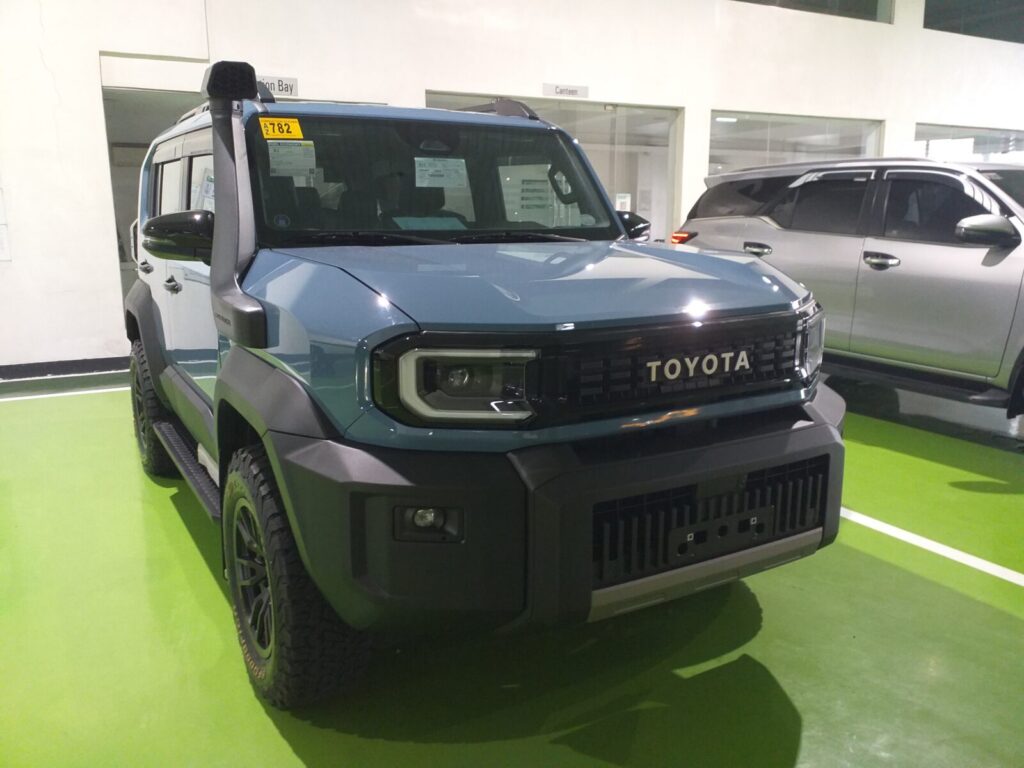
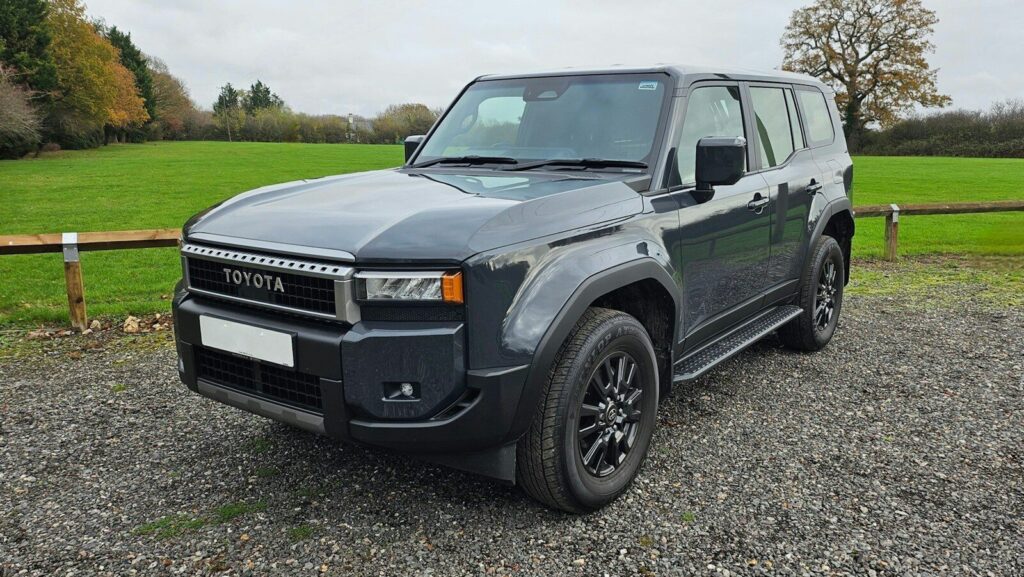
The Land Cruiser FJ is inspired by Toyota’s Compact Cruiser EV concept that debuted in December 2021. The compact SUV features an upright stance and boxy profile, flat body panels, high ground clearance and wide trapezoid wheel arches. The wheel arches point to a traditional off-road look, with modern lighting on the prototype adding a contemporary look. The concept additionally appears to have round headlamps, a nod to classic Toyota 4x4s, which should make the compact SUV distinctive in the Land Cruiser heritage.
Exterior Design Highlights:
- Compact Cruiser EV concept inspiration
- Upright and boxy body shape
- Wide trapezoidal wheel arches
- Modern LED lighting elements
- Retro-inspired circular lighting details
Toyota’s design strategy seems aimed at striking a balance between familiar off-road looks and functional accessories. The dice design motif continues across the bodywork as an unusual aesthetic theme, while regular automobile doors replace the eccentric rear-hinged suicide doors of the old FJ Cruiser. Front corner bumpers designed for easy removal after scraping off a tree while driving the trail have been listed as prototype accessories. These include a tall intake snorkel and a roof rack (accessories aren’t always offered in the same trim levels, however).
4. Functional Interior Design
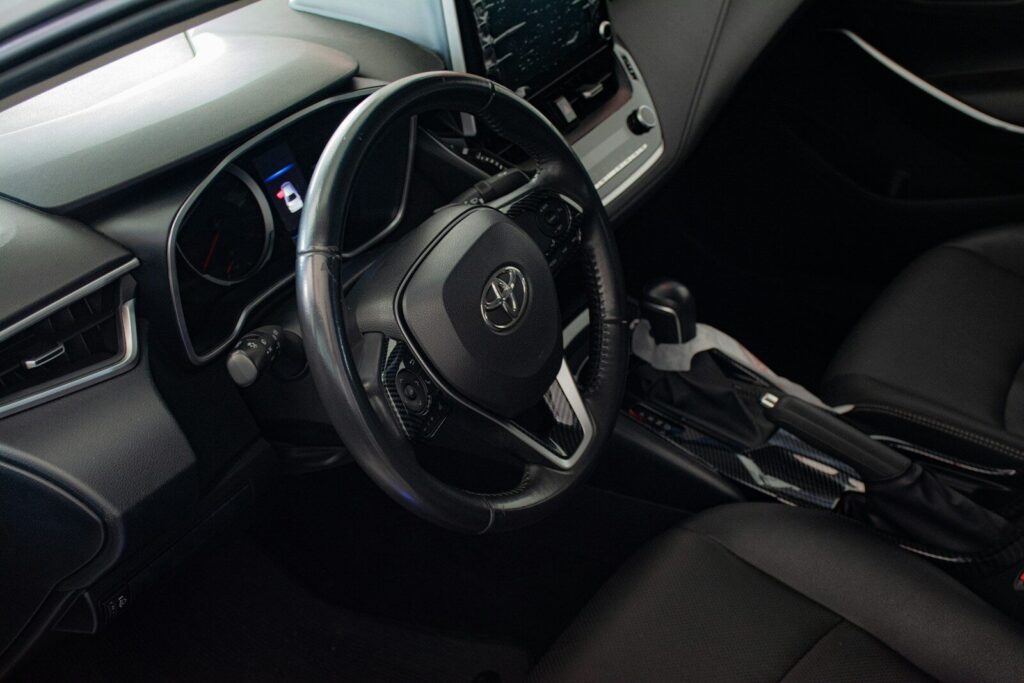
The design study of the Land Cruiser FJ’s interior has focused on visibility, convenience and usability while driving off-road. A horizontal instrument panel would enable the driver to better judge the pitch and tilt of the vehicle over rugged trail conditions. The interior cabin would be constructed with durable materials capable of resisting mud and other outdoor grit. In addition, the interior design features MOLLE-style panels integrated into the cabin side walls with attachment points for designated accessories, a feature useful for camping, trail riding and related lifestyles.
Cabin Utility Features:
- Horizontal dashboard layout
- Improved view of vehicle orientation
- Durable easy-clean cabin materials
- Integrated MOLLE attachment panels
- Space for selected outdoor equipment
Convenience is no less important when driving a car off the pavement. Molle-type panels can be used to keep compatible tools, emergency gear, and fun gear in place. Surface materials that are easy to clean can be helpful when passengers come back from encounters with mud and wetness. Five-passenger architecture implies that Toyota is planning for the FJ to play a dual trail and transportation role, but final cabin gear and storage choices should be checked against the build model’s specs.
5. Body-on-Frame Construction
However, contrary to several other small crossovers, the FJ is said to employ a body-on-frame construction. The mentioned platform is Toyota’s IMV 0 ladder-frame architecture (also shared with the Hilux Champ pickup truck in selected Asian markets), having been engineered from the outset with utility vehicles and demanding driving conditions in mind, but with the aim of ensuring a durable base with minimal manufacturing costs. The platform decision is crucial to the FJ’s intended character as a compact, yet hard-core and purpose-made off-roader.
Chassis Engineering Details:
- Body-on-frame vehicle architecture
- IMV 0 ladder-frame platform
- Shared platform with Hilux Champ
- Focus on structural durability
- Potentially lower production costs
The ladder-frame platform that would underpin the vehicle is also a popular basis for vehicles with “extreme” off-road potential, as well as linking the FJ to Toyota’s complete suite of utility vehicles. By keeping production costs down a small Land Cruiser could be offered at a lower cost than it’s larger siblings, though the ladder-frame platform doesn’t promise excellence in trail driving, safety or reliability; suspension, ground clearance, traction components and how the vehicle is finished will also play a part.
6. Dimensions and Maneuverability
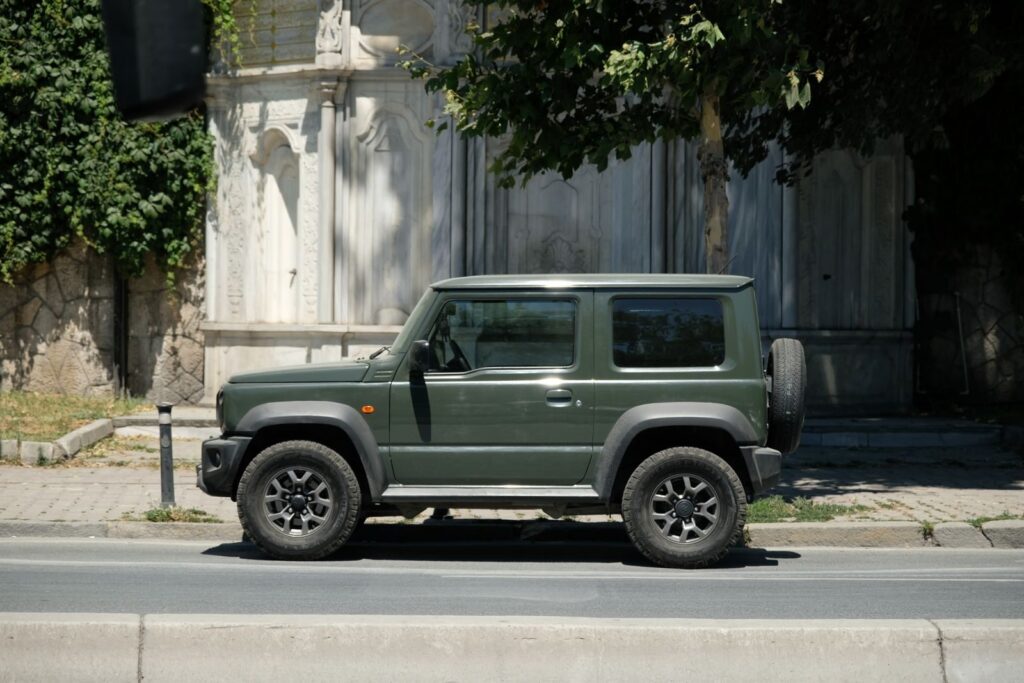
The article shared here provides the estimated measurements to maintain a compromise between on-road driving and travelling off-road. As per the information made available, it will measure nearly 4,500mm in length (approx 180.1 inches). The width estimates are varying from 1,830mm to almost 77.2 inches. The height estimates are near 1,850mm (approx 73 inches) and wheelbase estimates are varying from 2,580mm to 2,750mm. That is why these figures should be taken with a pinch of salt until the manufacturer Toyota reveals the actual production figures.
Compact Size Estimates:
- Length begins around 4,500 mm
- Width begins around 1,830 mm
- Height begins around 1,850 mm
- Wheelbase estimates span 2,580-2,750 mm
- Compact footprint targets easier maneuvering
A slightly more compact overall size can simplify parking on tight city streets, as well as on narrow forest service or mountain roads. Shorter height and a shorter overall length can also assist getting around tight corners between trees or rocks. We mentioned a turn-radius estimate of roughly 18 feet, but as we noted, check figures to see what the specifications say about how close the “turning point” or smallest possible turning radius is. Dimensions and wheelbase figure into interior comfort, approach, departure and break-over angles, and rough maneuvering ability, so don’t settle for back-of-the-envelope estimates, and do check genuine specifications for the FJ against other SUVs.
7. Engine and Four-Wheel Drive
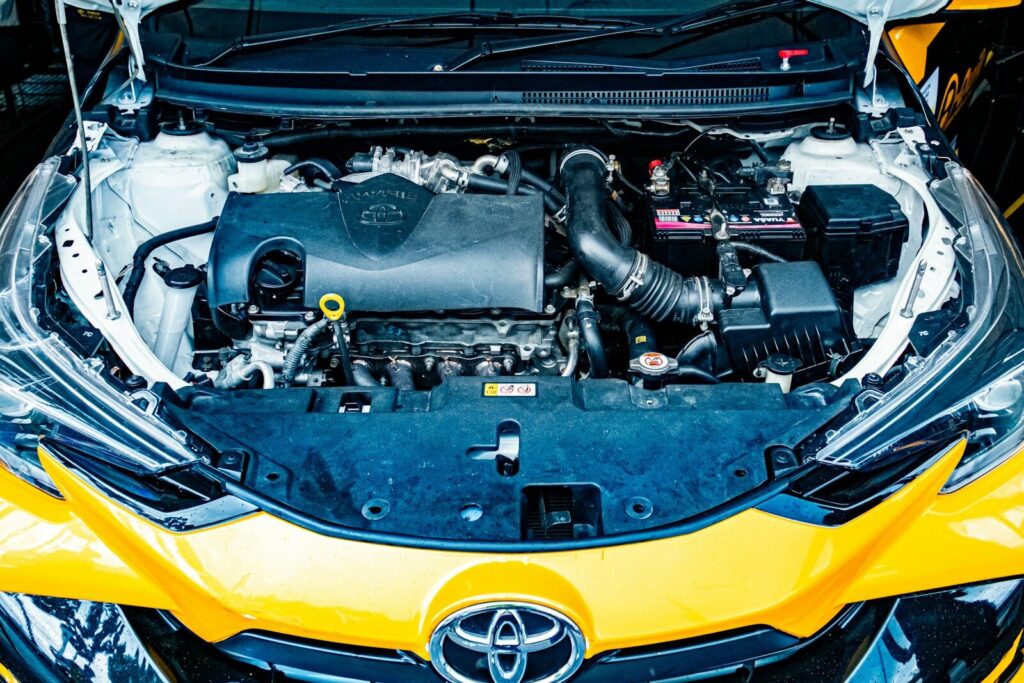
The automaker’s base powertrain outlined in the article employs the 2.7L 2TR-FE 4-cylinder naturally aspirated gas engine, which is manufactured by Toyota. According to what was said in the article, it delivers 161 hp, but elsewhere, the figure is listed as 163-166 hp. Torque on this machine is rated at 246 Nm (181 lb-ft) and on a ‘work basis’, it is channeled through a six-speed super ECT automatic transmission into a part-time 4wd system for low-speed control rather than high-speed highway acceleration.
Powertrain Specifications Overview:
- 2.7-liter 2TR-FE gasoline engine
- Approximately 161 horsepower reported
- 246 Nm of torque
- Six-speed Super ECT automatic
- Part-time four-wheel-drive system
Powertrain 2 engines; naturally aspirated, simple drive philosophy, usable torque A part-time four-wheel-drive system offers top-up ability for hazardous terrain, up to a given point. A torque-sensing limited-slip or Torsen differential (potentially with selectable rear bias) and a range of suspension configurations may be listed by specification. Since certain specifications are options or are provisionally listed as alternatives, check with the dealer for the exact offerings for your market. The complete powertrain package will decide how well the FJ performs both on the trail as well as at the pumps and in town.
8. Suspension and Hybrid Possibilities
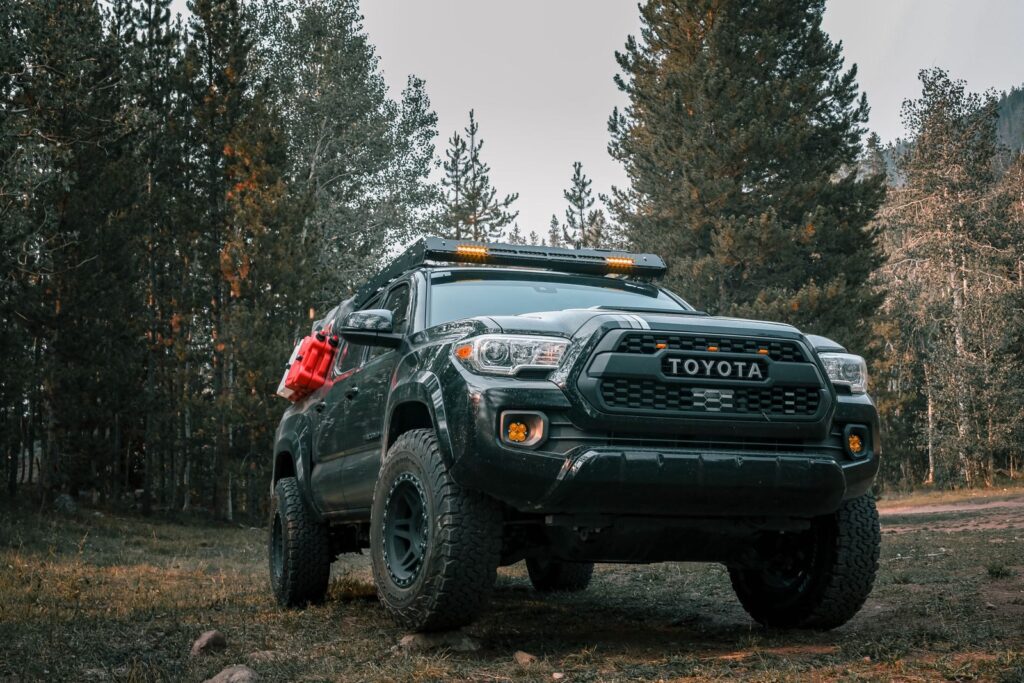
The Land Cruiser FJ is likely to focus on traction and wheel articulation in the rough. The article mentions potential front suspension solutions of double wishbones or Mac Pherson struts, with a rear setup of either a rigid axle or multi-link suspension. Ground clearance and large off-road tires are also elements that Toyota looks to see in the vehicle. Toyota is apparently testing hybrid or plug-in hybrid powertrains in some regions that have different emissions standards and consumer demand than other parts of the world, so this may be another option, but not necessarily for every market.
Capability and Hybrid Options:
- Off-road suspension configurations under consideration
- Focus on wheel articulation
- Generous ground clearance expected
- Potential 2.0-liter hybrid option
- Potential 2.5-liter hybrid option
A 169-hp 2.0-liter hybrid linked to the Corolla Cross and a 203-hp 2.5-liter hybrid version tied to the RAV4 is also mentioned, as well as a Prius-based plug-in hybrid option with 220 hp of output all potentially for the European market. (A hybrid option is listed in the source material for the FJ, not necessarily a Land Cruiser FJ). Electrified powertrains could help Toyota meet rules for emissions in some markets, and still satisfy customers who want more fuel efficiency but how well they match the FJ off-road components is yet to be determined.
9. Original FJ Cruiser and Pricing
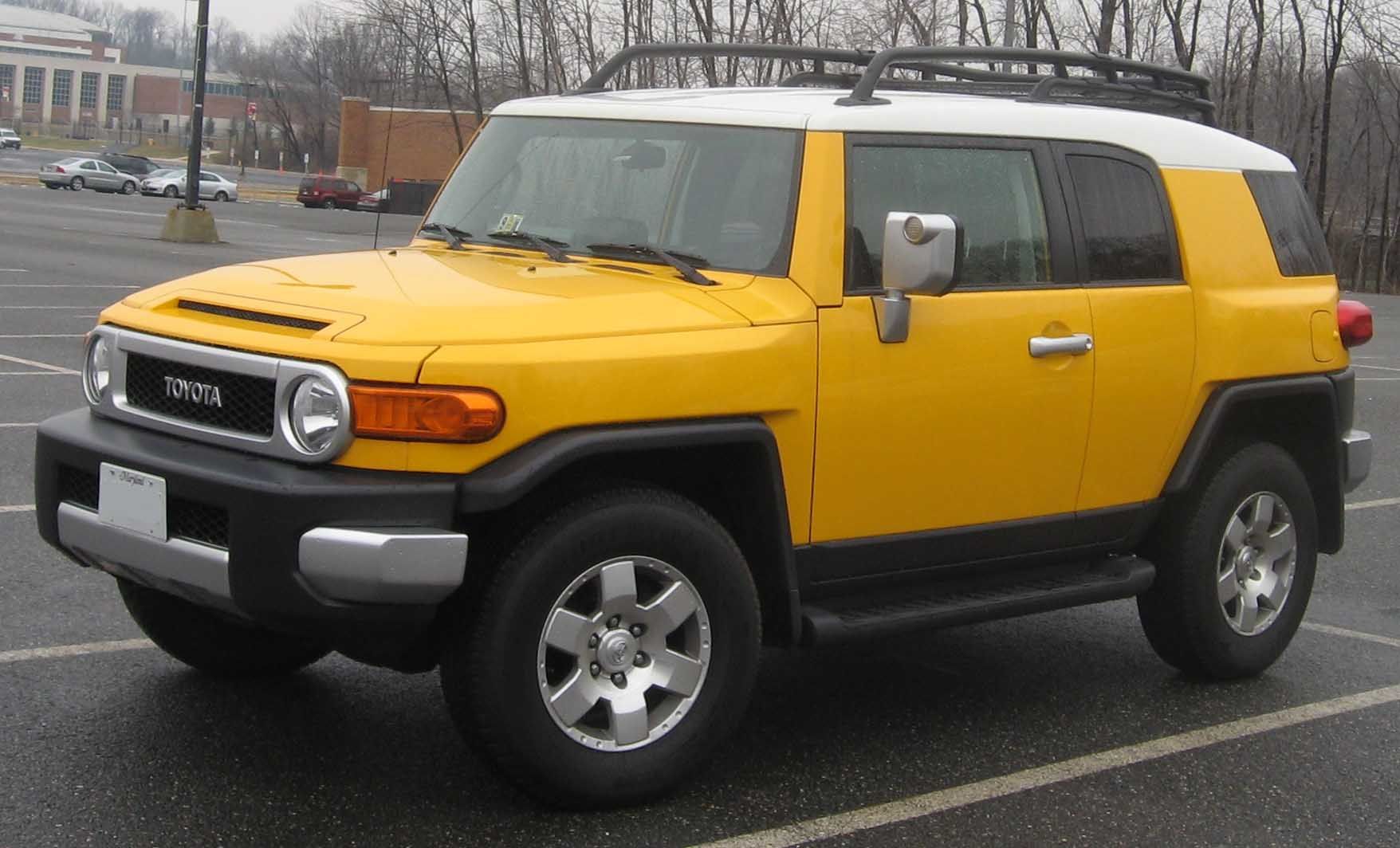
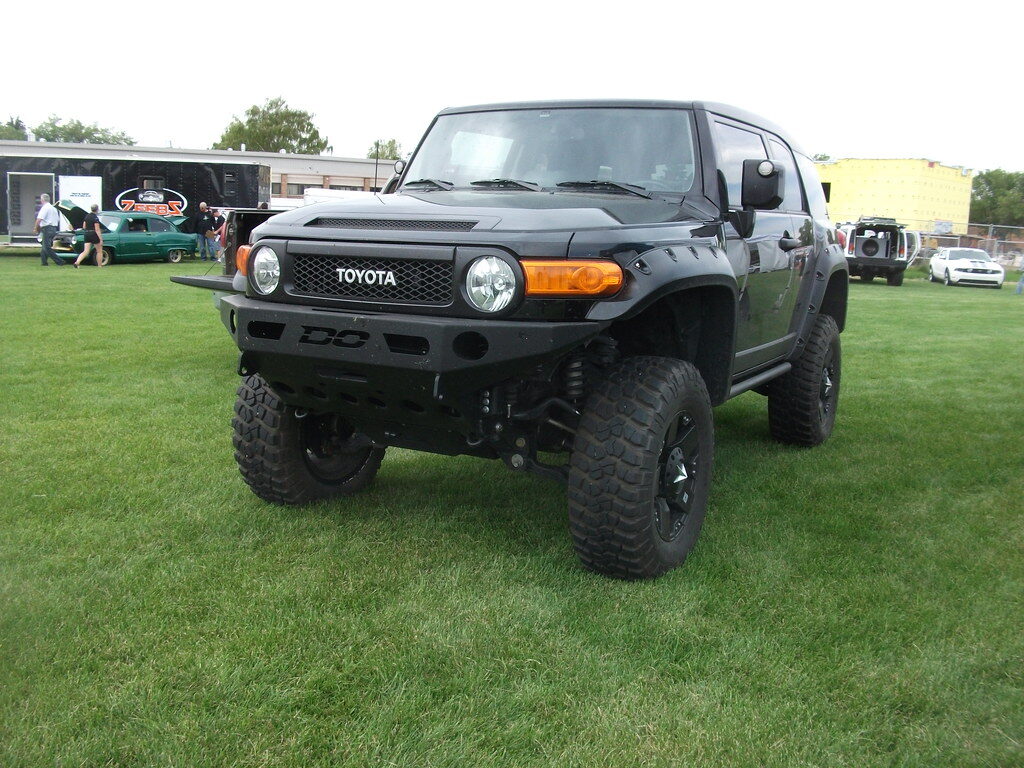
The new compact FJ will naturally draw comparisons to the original Toyota FJ Cruiser, offered in the US from 2007-14. That model used a 4.0-liter V6 rated at around 239-260 horsepower, depending on version, and came with either an automatic or manual transmission, plus Toyota’s A-Trac traction-control system. The original FJ built a cult following for its retro styling cues, and its use of capable off-road equipment. As recounted by the provided article, prices on used FJs surged to the high 20s, low 30s between the fall of 2020 and early ’22, with a handful approaching $80,000.
Original FJ Cruiser Legacy:
- U.S. sales ran from 2007-2014
- 4.0-liter V6 engine
- Reported output of 239-260 horsepower
- Available manual or automatic transmissions
- Strong enthusiast and collector interest
The tentatively named compact replacement is said to be positioned with an alternative ownership proposal in mind with smaller dimensions and a more achievable target price. The Japanese media is quoting estimates based on the source, specifically the starting price of 3.8 million to 4.5 million yen (roughly $26,343 to $31,196 using the estimated exchange rates used in the article) for the Japanese market offer. The general consensus on Japanese prices is roughly 30,000-35,000 base trims, 40,000-45,000 mid tier and 50,000+ top trims for the new compact.
10. Global Availability and Ownership
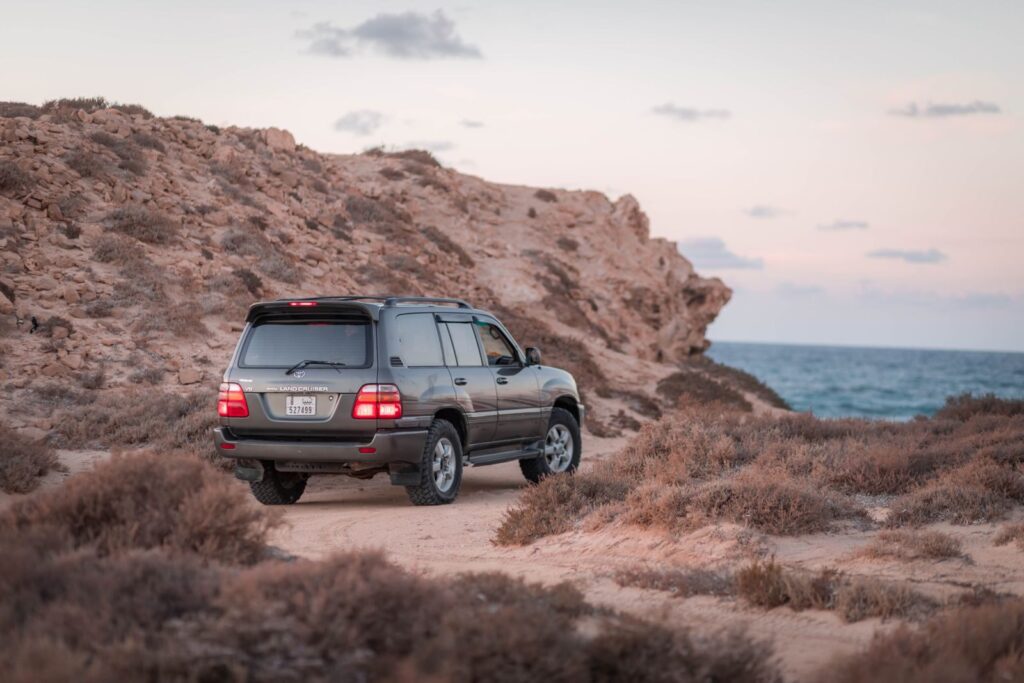
The report mentions that Japan, Asia, Latin America, Europe, Australia, the Middle East and Southeast Asia will be among the markets for the compact Land Cruiser FJ. But it says that availability in North America is still a question mark, because the vehicle will be offered on the Thailand-manufactured IMV architecture rather than the TNGA-F platform used for several larger Toyota trucks and SUVs. Japan would require further product certification, safety testing, emissions and business cases, and Toyota would also want to consider how a cheap compact off-roader would interact with the rest of the product lineup.
Market Availability Considerations:
- Multiple international regions targeted
- North American launch remains uncertain
- U.S. safety certification requirements
- Regional emissions compliance needed
- Potential overlap with existing Toyota models
Ultimately, the new FJ’s value to future buyers will be based on the final purchase price, availability in their market, service and parts, warranty support, and the powertrain in their country. The link notes that careful, regular preventive maintenance also could be a key to the aging FJ Cruisers’ reliability over time. Frequent oil changes and mechanical checkups, along with an occasional check of the drivetrain for leaks could preserve the FJ’s reputation with potential buyers, especially if the new one is priced aggressively. The small FJ’s high-appearance capabilities could draw in a range of young and seasoned off-road customers.