

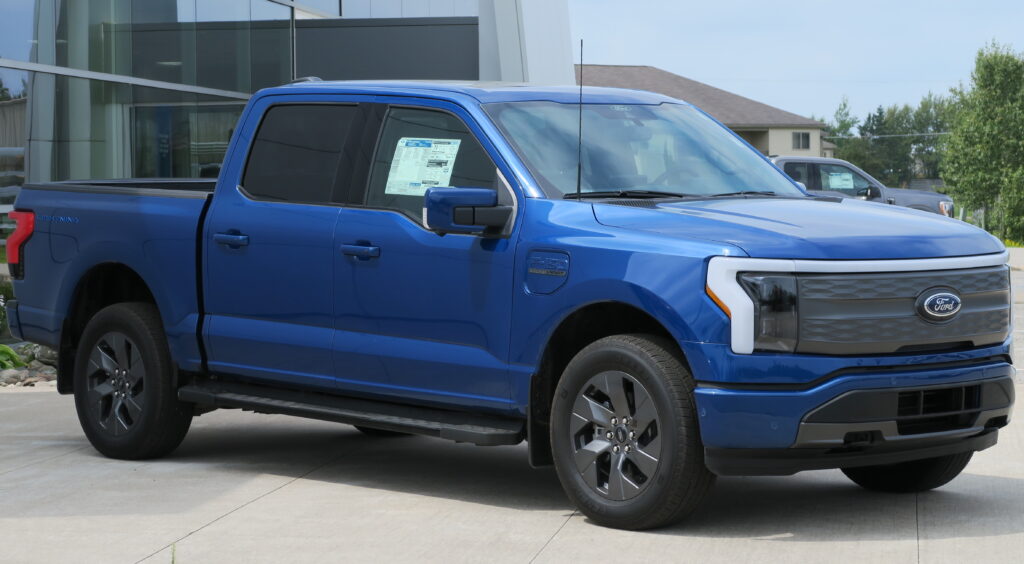
Why a small crash in a Rivian costs forty two thousand dollars
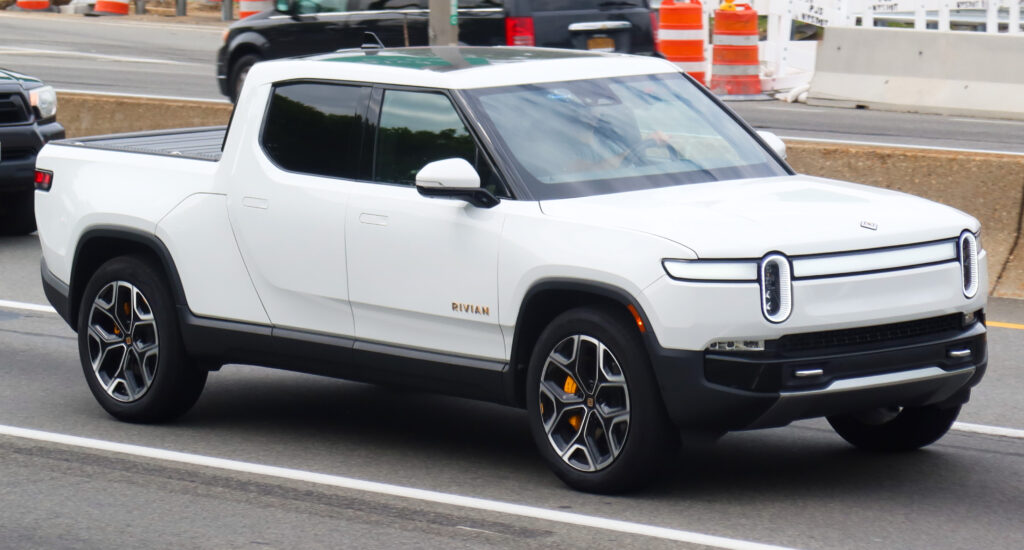
In the world of pickup trucks getting dents and scratches is just part of owning one. A scratched bumper, a bent tailgate or a small dent on the side of the bed usually becomes another story you tell over time. Most truck owners think fixing an accident is a hassle but its doable. This still applies to traditional vehicles, where you can replace damaged parts one by one without taking apart half the truck.
Modern electric vehicles though are changing this expectation in ways. Under their design and advanced tech there’s a level of complexity that many drivers don’t realize until something goes wrong.
The growing popularity of trucks has brought a new era of car engineering that focuses on safety, efficiency, aerodynamics and integrated design. Vehicles like the Rivian R1T are the future of transportation with features, high-quality materials and sophisticated driver-assistance systems. They compete not with traditional trucks but also with luxury vehicles.
While these innovations make performance and comfort better they also create repair challenges that can quickly turn a crash into an expensive and time-consuming process. What used to look like a body shop visit can now involve specialized technicians, advanced calibration procedures and major structural work.
One Rivian owner in Ohio learned this reality firsthand after a speed rear-end accident. The damage seemed minor. Most people would expect a repair bill of only a few thousand dollars. Instead the final cost was a $42,000. The incident shocked drivers, insurance companies and car enthusiasts raising questions about vehicle design, repairability, insurance costs and the long-term sustainability of electric vehicles. The story became more, than an expensive repair bill. It showed how dramatically the car industry is changing beneath the surface.
1. A Routine Fender Bender That Didn’t Look Serious
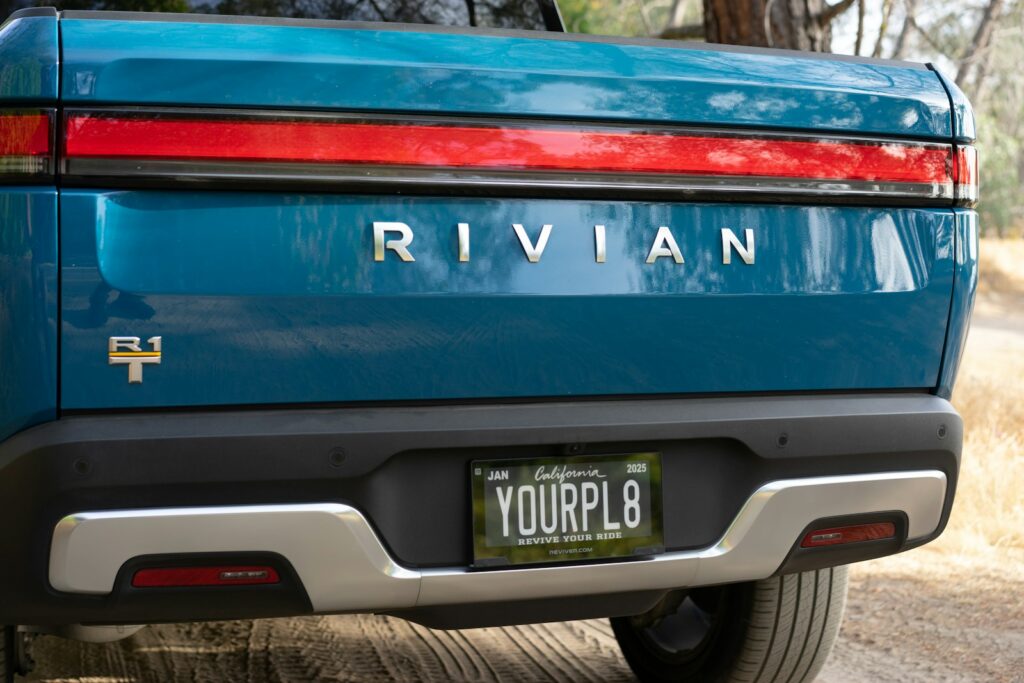
The Rivian R1T was involved in a low-speed collision that seemed minor. The damage did not look serious. Both vehicles were still drivable. This made it look like an accident. People thought it would be easy to fix and would not cost a lot of money. Even the insurance company thought the damage was minor. Accidents like this happen a lot on roads and do not usually get much attention.. This accident turned out to be more complicated than it seemed at first.
Initial Accident Overview:
- The collision was at speed and seemed minor
- There was not a lot of visible damage to the Rivian R1T
- The airbags did not go off when the vehicles hit
- The first estimate for repairs was very low
- It looked like an insurance claim
This shows that what you see on the outside of a damaged vehicle can be misleading. The Rivian R1T might look okay on the outside. It could have big problems on the inside that you cannot see. Modern vehicles like the Rivian R1T have parts that can hide big problems. So just looking at the damage is not enough to know how much it will cost to fix. This accident is an example of how complicated and expensive repairs can be.

2. The Shocking Final Repair Bill
As the repairs went on the cost of fixing the Rivian R1T got a lot higher. The first estimate was low. The final bill was around forty two thousand dollars. This was a surprise to everyone involved. Even though the accident was minor the cost was almost as high as the insurance policy limit. The repairs also took than two months to finish. This accident showed how unpredictable the cost of repairing vehicles like the Rivian R1T can be. It became a known example in the automotive industry.
Unexpected Repair Cost Increase:
- The cost of repairs went up a lot more than expected
- The final bill was around forty two thousand dollars
- The insurance coverage was almost used up
- A minor accident caused an expense
- The repairs took several months to complete
This part of the story shows how important it is to do a detailed inspection and follow the right repair procedures. Electric vehicles like the Rivian R1T need thorough checks, which increases the cost and time. It also shows that the insurance companys first estimate might not be the same as the cost. This can cause problems for both the insurance company and the vehicle owner.
3. Why the Truck Had to Be Torn
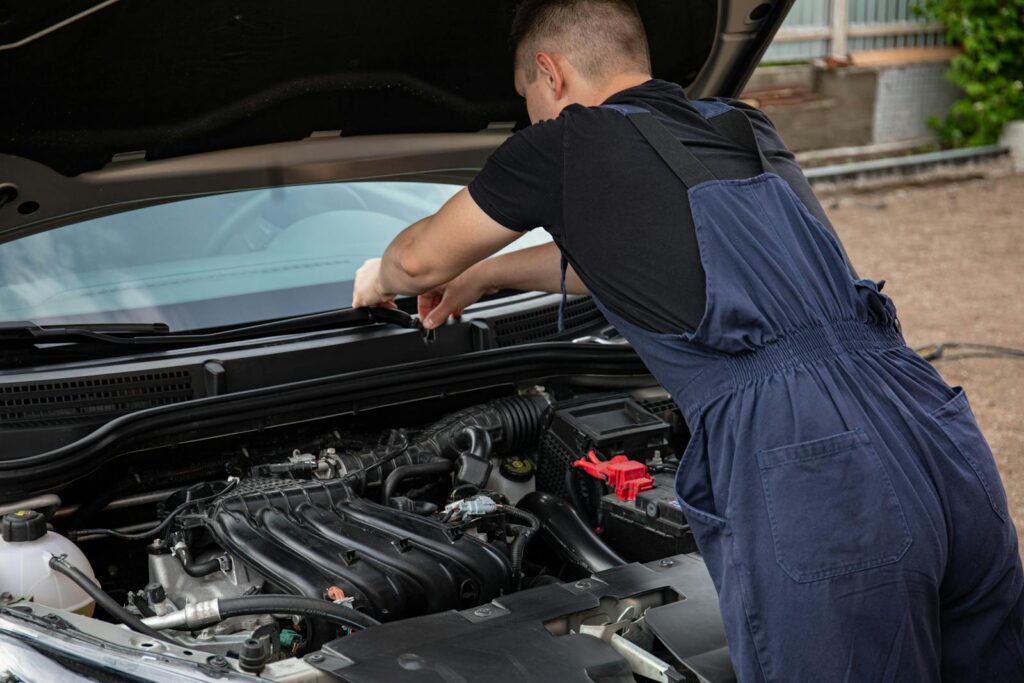
To repair the Rivian R1T the technicians had to take it apart to get to the inside parts. They removed the truck bed and tailgate which seemed like a lot of work at first. It was necessary because of the way the Rivian R1T is designed. The technicians needed to get to the parts of the vehicle to make sure it was fixed properly. They also had to follow safety rules, which required an inspection. This process showed how complicated the damage was, even though it looked simple at first.
Extensive Disassembly Requirement:
- The Rivian R1T had to be taken to fix it
- The truck bed and other parts were removed
- The design of the vehicle required the technicians to get to the deeper parts
- The hidden damage needed to be inspected carefully
- The safety rules required a thorough evaluation
This shows that modern vehicles like the Rivian R1T need more than surface repairs. The inside parts have to be checked to make sure the vehicle is safe. Even though it seems like a lot of work taking the vehicle apart like this ensures it will be reliable and work well in the run. It shows how vehicle repairs are changing.
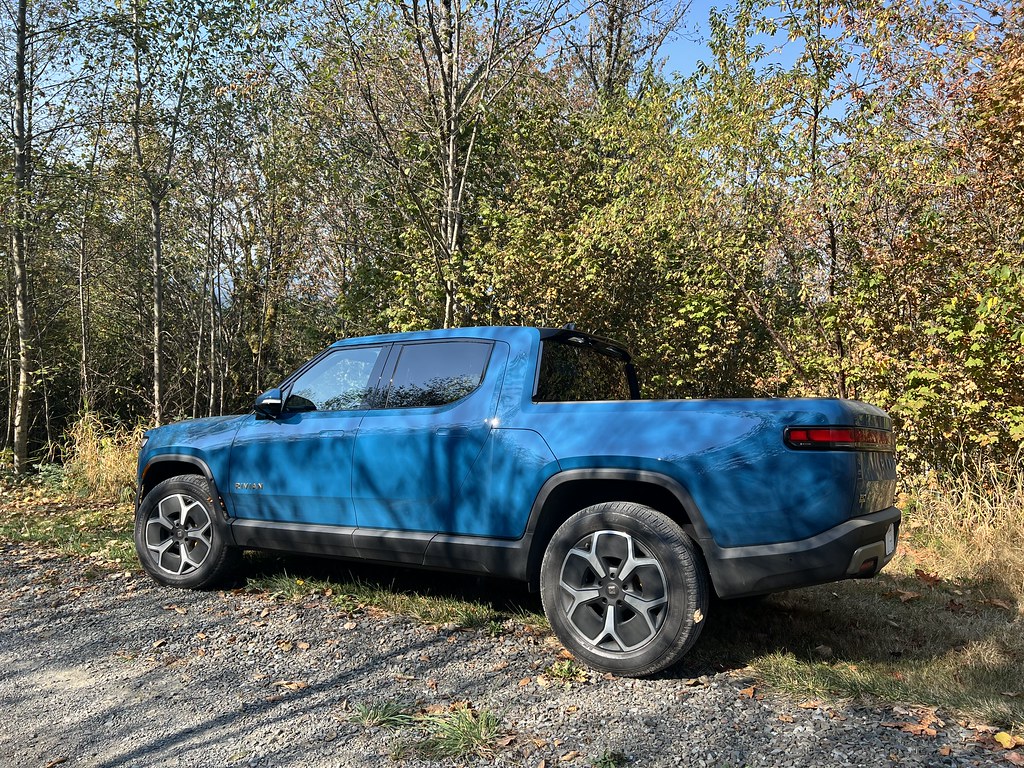
4. The Role of the Unipanel Design
The unipanel design of the Rivian R1T made the repairs more complicated. This design is different from designs, where big parts of the body are connected. This means that even small damage can affect an area. Repairs require working on parts of the vehicle. While this design makes the vehicle stronger it also makes repairs more difficult and expensive.
Impact of Unipanel Structure:
- The unipanel design connects parts of the body
- Small damage can affect a bigger area
- Repairs require replacing larger parts
- The labor and cost are increased significantly
- The design makes the vehicle stronger but harder to repair
This design approach makes the vehicle safer and more durable. It also creates challenges when repairs are needed. Finding a balance between a design and easy repairability is a big issue for manufacturers like Rivian.
5. Advanced Technology Added Expenses
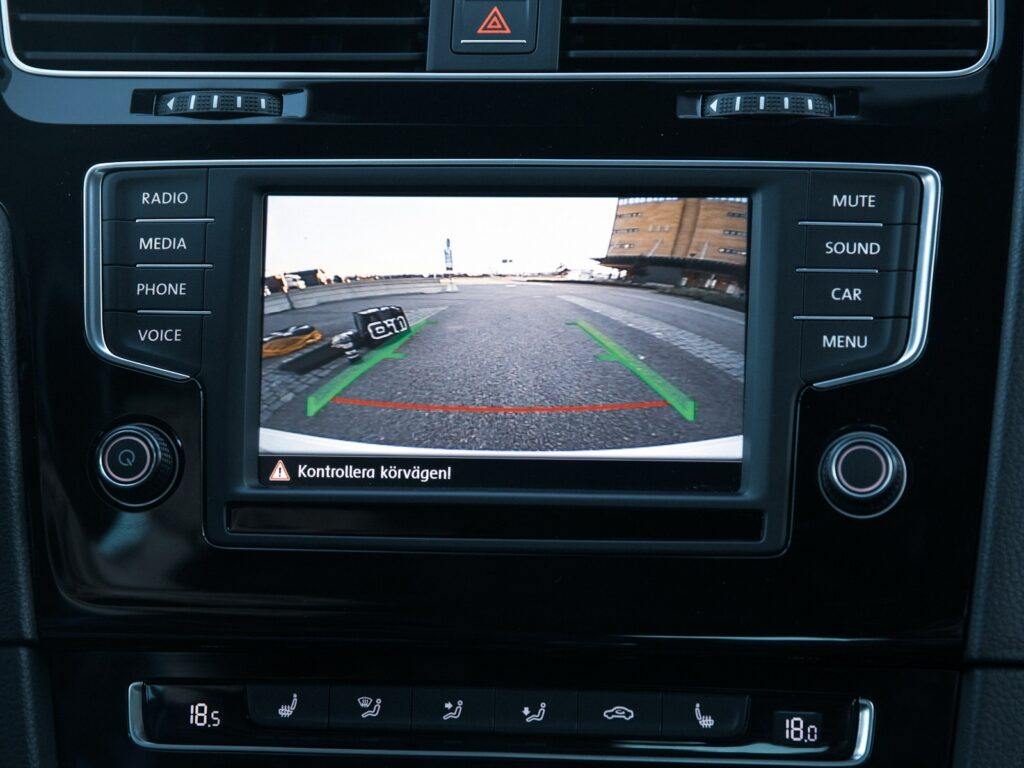
The Rivian R1T has advanced technology that increased the repair costs. The sensors, cameras and driver-assistance systems needed to be recalibrated after the repairs. This required equipment and facilities. Even small mistakes could affect how well the systems worked. The extra procedures added to the cost. The technology played a role in making the repairs more complicated and expensive.
Technology Driven Repair Costs:
- The sensors needed to be recalibrated
- The Rivian R1T was taken to a special facility for adjustments
- The driver systems required precise alignment
- Small errors could affect how well the systems worked
- The extra procedures increased the overall cost
Modern vehicles like the Rivian R1T rely heavily on technology, for safety and convenience. This technology also makes repairs more complicated. Each system has to be calibrated which adds time and cost to the repair process.
6. Limited Repair Networks Increased the Cost
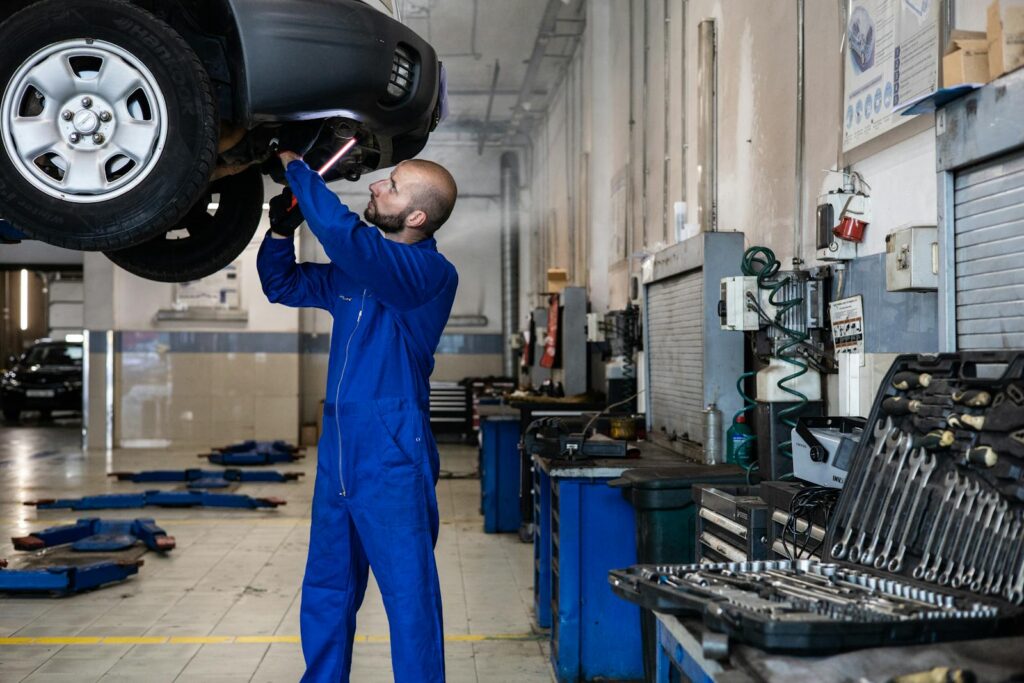
Rivian repair network was very limited. This caused delays and higher costs. There were a few certified repair centers. This made demand go up and labor charges increase. Parts The were also hard to get causing delays. The whole repair process took longer. Cost more. The infrastructure wasn’t good enough.
Service Network Limitations:
- Few certified repair centers were available
- High demand made labor charges go up
- Parts availability caused repair delays
- Infrastructure was still being developed
- Repair timeline got extended significantly
A small network makes repairs harder to get. This leads to costs and longer wait times. Expanding the service infrastructure is crucial for improving efficiency.

7. Insurance Companies Are Paying Attention
Insurance companies are looking at cases like the Rivian R1T repair. High repair costs are making insurance premiums go up. Electric vehicles are more expensive to fix. Advanced systems and designs are causing claims. Insurers are changing their pricing strategies. This affects the cost of owning a vehicle.
Rising Insurance Concerns:
- Insurance premiums are increasing for vehicles
- High repair costs are affecting claim payouts
- Advanced systems are raising repair expenses
- Insurers are adjusting pricing strategies accordingly
- Ownership cost is becoming significantly higher
This shows how repair trends affect insurance pricing. Higher risks lead to premiums. It also affects how consumers think about EV ownership costs.
8. Sustainability Questions Began Emerging
The case raised concerns about sustainability for the Rivian R1T. While EVs reduce emissions repair challenges may offset benefits. Expensive repairs can lead to replacement. This increases impact. Repairability is key for sustainability. The situation highlights an issue.
Environmental and Sustainability Impact:
- Repair difficulty affects sustainability goals
- Expensive repairs lead to replacement
- Manufacturing requires high resource usage
- Scrapping vehicles increases impact
- Repairability is important for long-term sustainability
Sustainability involves more than emissions. It includes the lifecycle of a vehicle. Improving repairability can help maintain benefits.
9. Rivian’s Response to the Situation
Rivian acknowledged the repair cost. The company is working to improve its processes. As an automaker it is still expanding its network. Despite the cost the repair quality was excellent. The vehicle was restored to its condition. This showed the capability of certified repair centers.
Company Response and Improvements:
- Company acknowledged high repair cost
- Working to improve repair processes
- Service network still expanding gradually
- Automaker facing operational challenges
- Final repair quality highly appreciated
The response shows commitment to improvement. Manufacturers are learning from cases. Better infrastructure and processes will reduce issues in the future.
10. What This Means for the Future of Vehicle Ownership
The Rivian R1T repair story reflects ownership challenges. Vehicles are becoming more advanced and complex. Repairs are more expensive and time-consuming. Consumers must consider long-term costs. Factors like insurance and service access are important. The industry must balance innovation and affordability.
Future Ownership Implications:
- Vehicles becoming more advanced and complex
- Repair costs increasing with technology
- Ownership includes long-term expenses
- Consumers must consider repair accessibility
- Industry must balance innovation and cost