
Rowing Through the Fire: High Horsepower Manual Performance Cars in 2025
From the enthusiast perspective of the driver, there is very little which can compete with the hands-on feedback from a real stick shift or an honest manual. Even from the feedback and process involving operation of the clutch and shifting of the gears through the column shifter, automatic transmissions offer a unique driving sensation which can never be entirely emulated.
When you match up the stick shift with an all out blast of an engine, that becomes a totally different monster. Ever since back in 1969 in muscle legends like the Chevy Camaro ZL1 and Ford Mustang Boss 429, big engines and manuals have been the engineering of the driven man.
It’s just hard to justify having a manual gearbox behind an engine of this performance level in 2025. Tight emissions regulations, expensive engineering costs and mechanical limitations and customer expectations simply leave most manufacturers turning toward automatics.
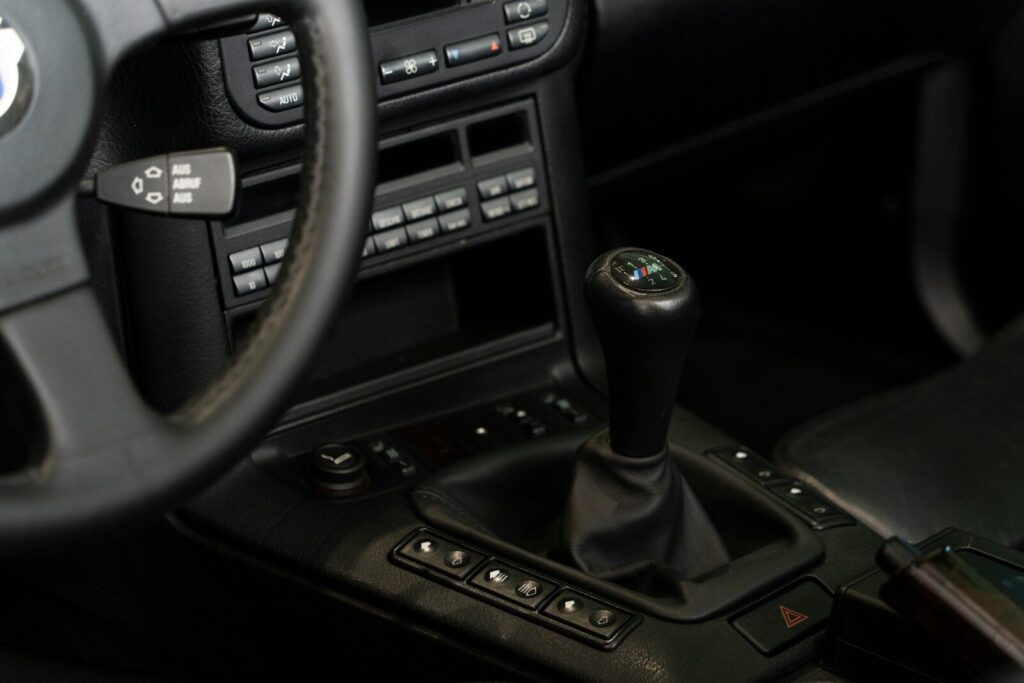
1. What Makes a High-Horsepower Manual Special
High-Performance Manual cars must include a big, muscular power plant plus a third pedal. For this set, I will draw the line of horsepower at 450HP to ensure that we separate high-performance machines and not cars in the sporting realm which happen to have a stickshift available.
What Defines a Serious High-Horsepower Manual:
- At least 450 horsepower from the factory
- Manufacturer-confirmed power figures only
- A factory-available manual transmission
- A strong clutch and durable drivetrain
- Effective cooling and controlled power delivery
This should be in relation to all current manufacturers, we would exclude custom and one-off builds. The manufacturers cars should also be available for purchase from a dealer, and should be available in manual so you can order a three-pedal car.
Power is not everything though. When an engine makes great power, a quality clutch is critical, a well-built transmission with good gear gate selection is critical, cooling reliability must be proven and the driveline has to hold up. The entire chassis assembly must be able to get that power to the road without cooking and without abusive shock loads to the driveline, the over-electronic manipulation needs to be at a minimum.
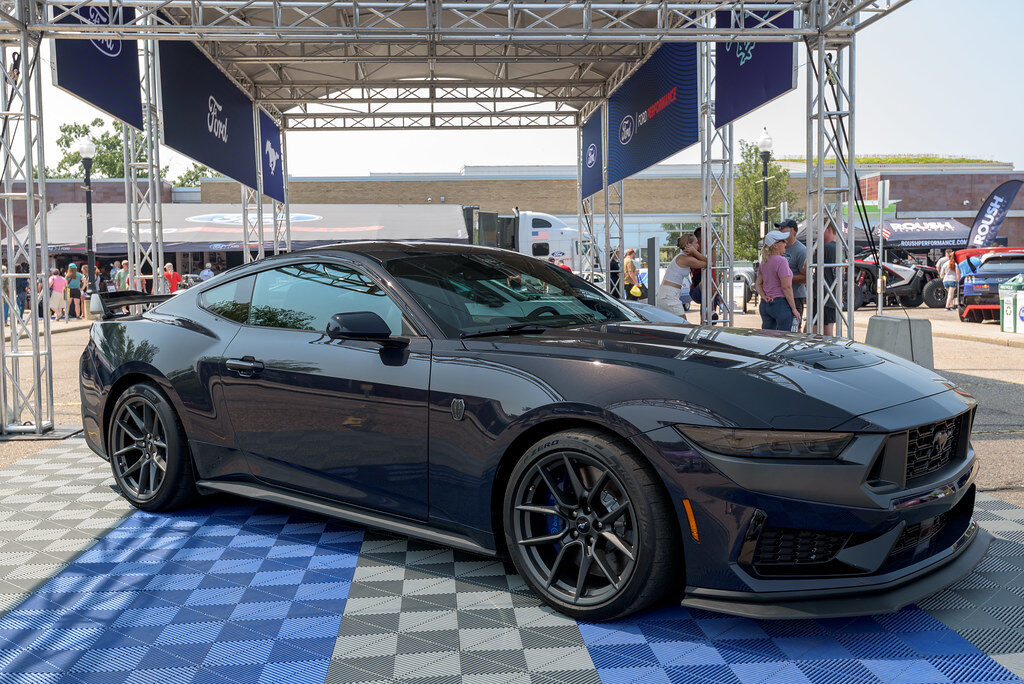
2. Ford Mustang Dark Horse
Ford Mustang Dark Horse proves you can still extract true driver participation from traditional American V8 muscle with its 500hp Naturally aspirated 5.0 litre ‘Coyote’ V8 and Tremec 6-speed stick shifter.
Features That Enhance Driver Involvement:
- 500-horsepower naturally aspirated V8
- Tremec six-speed manual transmission
- Predictable naturally aspirated power delivery
- Upgraded cooling for sustained performance
- Wider tyres and stiffer chassis tuning
As you’d expect from an engine with no turbocharger, the power arrives smoothly, progressively and in a deeply rewarding way. Power increases steadily through the rev range; instead of you using a turbo’s initial grunt you’re working up through the speeds by utilising the close relationship you have with the clutch and gearbox.
Additionally, Ford enhanced the Dark Horse with increased cooling, wider rubber and a tighter chassis arrangement. Together, these elements mean the Mustang can cope well with repeatedly brutal driving and provide solid, sustained output, not just peak output in short acceleration bursts.
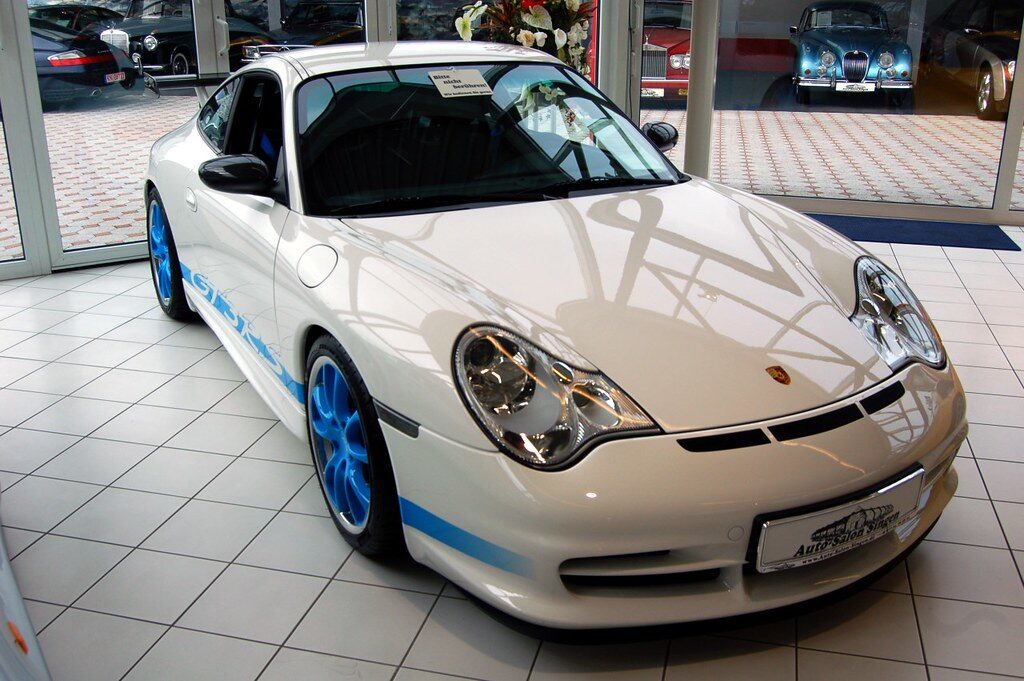
3. Porsche 911 GT3
Porsche has already taken the formula to a tighter focus with the 911 GT3. The 502-horsepower 4.0-litre flat-six is a naturally-aspirated affair, using revs and finely honed air flow as its ingredients for performance.
What Makes the GT3 So Engaging:
- 502-horsepower naturally aspirated flat-six
- High-revving engine character
- Precise throttle and gear control
- Track-focused mechanical engineering
- Durable clutch, gearbox, and cooling systems
This car’s rewards a precise driver. Heel-and-toe down-shifts, perfect throttle applications, and precise gearchanges all take on a special importance, with each bend representing the driver’s chance to communicate with the car.
But the commitment to durability also appears strong Porsche claims: The clutch, gears, cooling, supports, and the related hardware have been built with brutal, dedicated track use in mind. So you get that brutal speed yet retain some of the mechanical connection that’s so desirable with a manual.
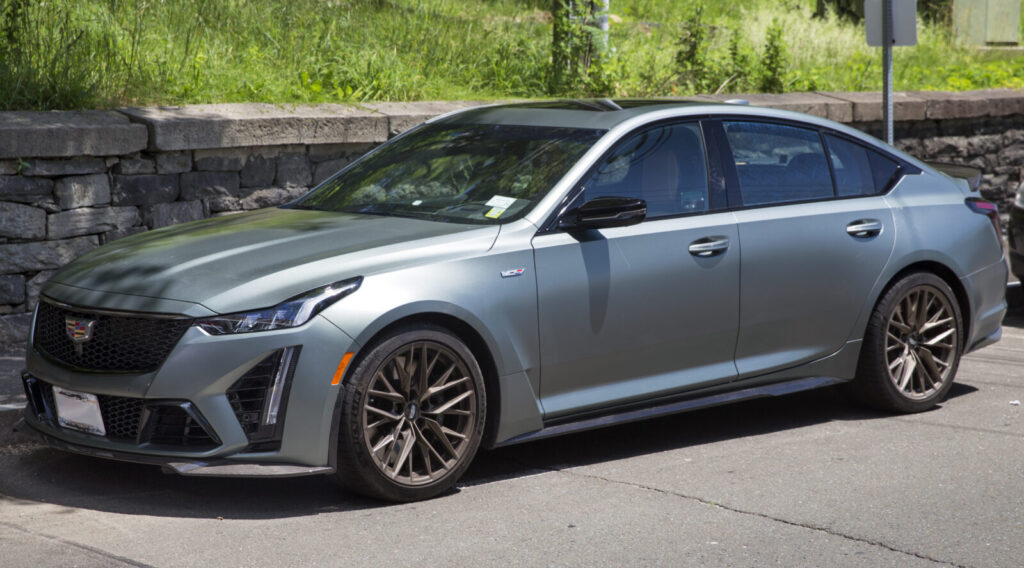
4. Cadillac CT5-V Blackwing
Cadillac CT5-V Blackwing brings the high-horsepower manual ethos to the four-door vehicle. Power comes from an supercharged 6.2-litre LT4 V8 with 668 hp and is mated to a six-speed Tremec manual transmission, offering a sedan with performance capabilities on par with many dedicated sportscars.
Why the Blackwing Stands Apart:
- 668-horsepower supercharged V8
- Tremec six-speed manual gearbox
- Comfortable clutch operation in traffic
- Strong cooling hardware
- Practical four-door performance capability
It is still intended for comfortable everyday use, however, and despite the massive numbers produced, the Blackwing is quite tractable in daily driver conditions too. Cadillac tuned the clutch pedal to allow comfortable usage in city traffic, but to still offer adequate feedback when the road requires a more aggressive driving approach.
That effect is supplemented by potent hardware and the ready availability of ubiquitous off-the-shelf parts. The result is a unique mix of raw, explosive performance, practical, user-friendly dynamics, and a drivetrain capable of both holding up under the stress of a hot lap and handling the tedium of your morning commute.
5. Aston Martin Valour
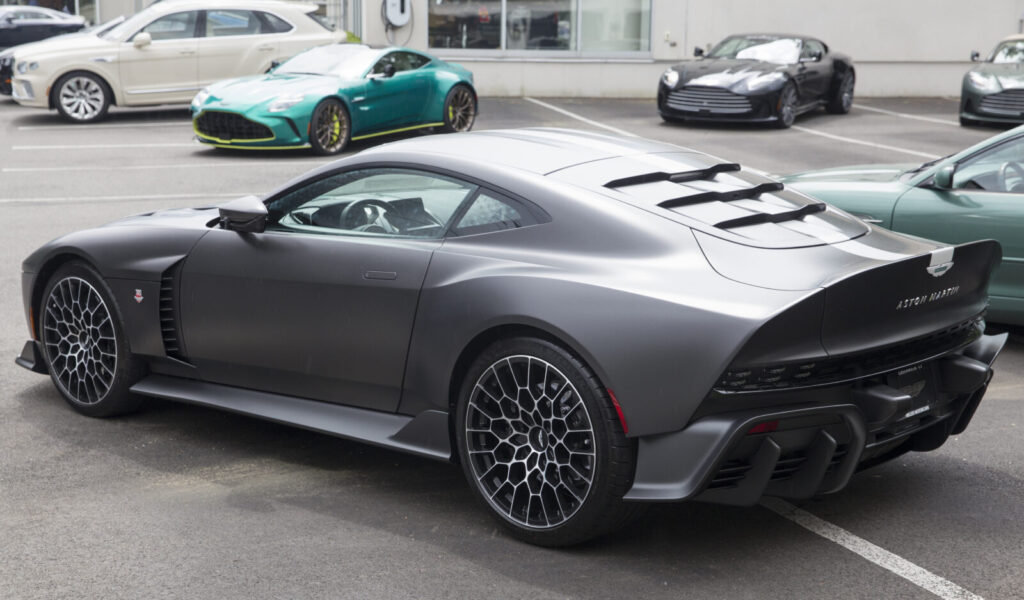
The Aston Martin Valour enters even more select territory of the big horsepower, stick-shift universe. The twin-turbo 5.2 litre V12 makes 705 horsepower and that’s a monstrous power that requires your careful and attentive command.
What Defines the Valour’s Manual Character:
- 705-horsepower twin-turbocharged V12
- Strong low-rev turbocharged torque
- Careful throttle control under acceleration
- Custom six-speed manual transmission
- Direct mechanical connection to the rear wheels
Since the bulk of the extra grunt hits from low down in the rev range, the amount of grip available in the rear tyre can become somewhat unruly. You will have to be smooth with your throttle use and up-changes this all comes into effect when you are really squeezing the life out of the vehicle rather than trundling along.
Aston Martin has commissioned a bespoke six-speed manual gearbox that features a much heavier, old-school clutch. This car isn’t striving to set the quickest electronically assisted times around a track, it’s instead designed for mechanical engagement and tactile and physical connections from driver to the rear wheels.
6. Pagani Utopia
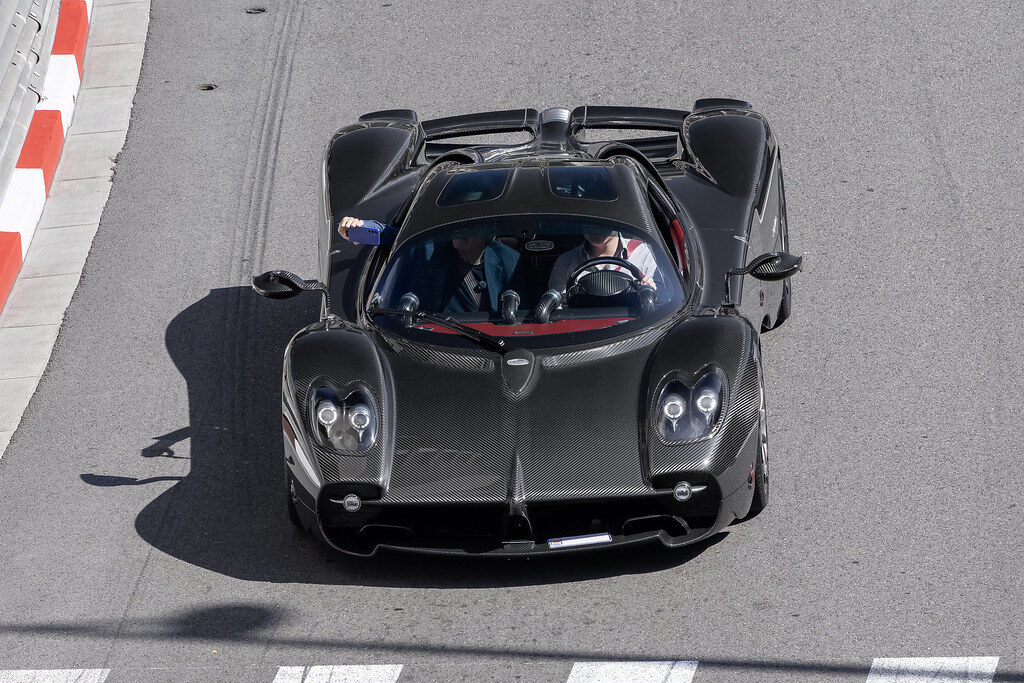
Taking to the far end of the three pedal performance has been Pagani with its Utopia, with an AMG 6.0-litre twin-turbo V12 producing an phenomenal 864Bhp, this vehicle takes performance over and beyond just about any other manual out there.
Engineering Behind Its Extreme Power:
- 864-horsepower twin-turbocharged V12
- Carefully controlled low-gear torque delivery
- Seven-speed manual transmission
- Exposed mechanical shift linkage
- Progressive multi-plate clutch
Handling that kind of power means managing the delivered torque. Fortunately, Pagani enlisted AMG engineers to calibrate how the engine responded in the lower gear to keep its burst of torque from overwhelming the rear tires.
Also part of the visual and mechanical character is the Utopia’s seven speed manual box. The external linkage makes the gearchange mechanism a work of art that also gives you tactile feedback and a progressive multi-plate clutch makes the immense power more tractable.
7. The Mechanical Limits of Manual Gearboxes
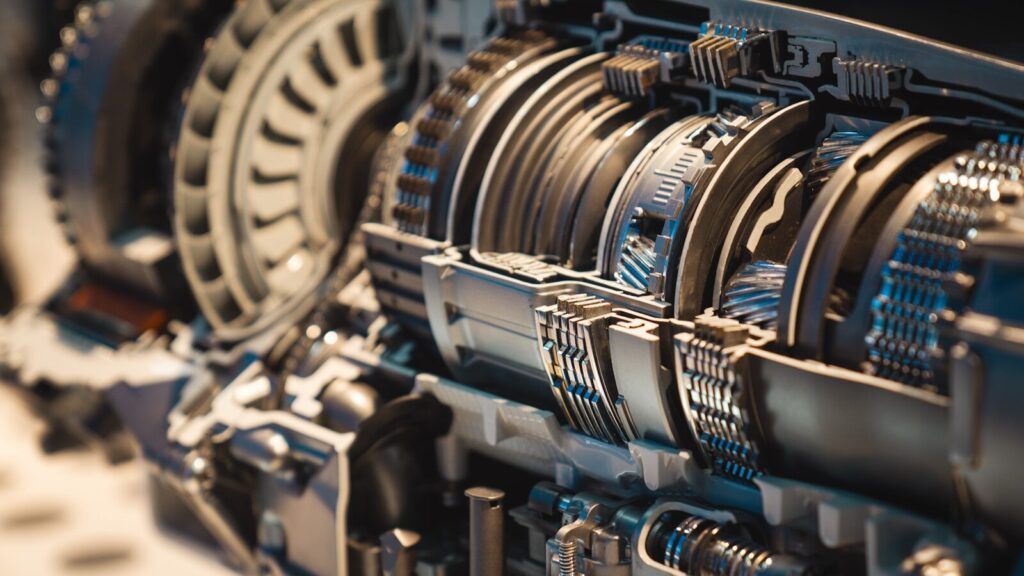
Even with the absurd power, getting it to the front wheels in a manual car presents another, perhaps bigger hurdle. Most of the torque that will stress a manual is made with boost, which can easily deliver more than 600 lb-ft on a modern mill.
Challenges Facing High-Output Manual Transmissions:
- Repeated high-load gear changes
- High torque levels from forced-induction engines
- Hard launches and aggressive downshifts
- Stronger components and increased transmission weight
- Higher production costs and complex packaging
Still, our chosen gearbox needs to endure plenty of slams on its lever back and forth to get from 1st through to 6th, plenty of launches off the line (some from higher RPMs than others), brutal down-shifts coming to roundabouts and some occasional track days without failing its task. All of that requires bigger and beefier gears, along with more robust bits holding them in position all the more metal equals more of the pounds.
Furthermore, extra weight impacts fuel efficiency, curb weight and packaging. As such, engineers are put in the difficult position of compromising when designing a manual transmission for a high-output engine a combination being built for a finite number of vehicles.
8. Emissions Regulations and Calibration
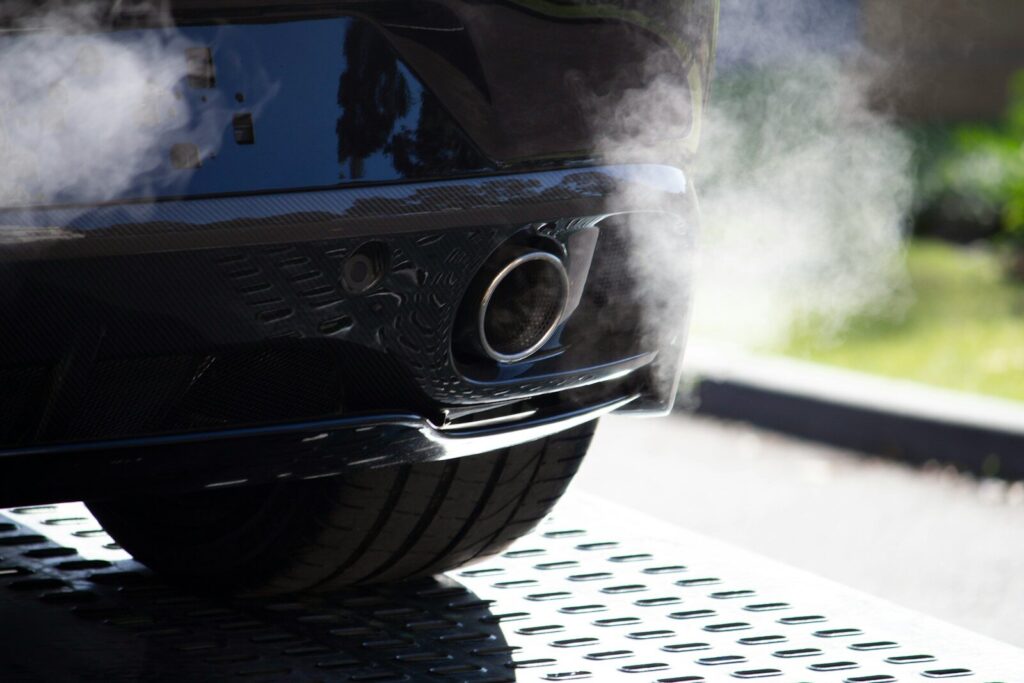
A second huge problem for high-horsepower manual vehicles lies with newer emissions legislation. With automatic transmissions, and particularly dual-clutch gearboxes, the engineers have tremendous control over shift points, engine load, and throttle settings during the official test to achieve favorable emissions data.
How Manual Gearboxes Complicate Calibration:
- Inconsistent driver shift points
- Different throttle inputs between drivers
- Variable engine loads during testing
- Rev-hang and softened throttle response
- Skip-shift systems and other compromises
A human driver isn’t this consistent. Different drivers may or may not shift the car at, say, 2000 rpm. They will may have varying amounts of throttle input and different degrees of loads upon the drivetrains. So in a manual transmission, this all is a greater complication when it comes to calibrating.
As a result, engine engineers could find themselves having to dial in some attributes over a wide spectrum of potential driving patterns. Features like rev-hang, damped throttle input or skip-shift logic could look like a half way meeting of legal compliance and sharp responses enthusiasts crave.
9. Why Buyers Are Moving Away From Manuals
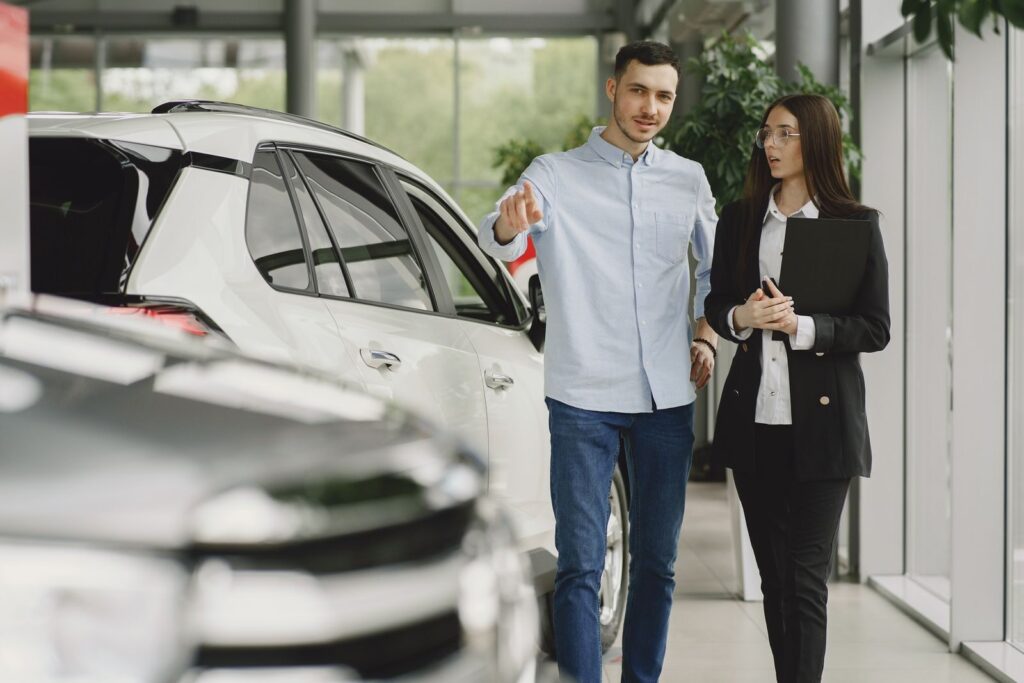
While manuals may have a cult-following in select circles, the marketplace seems to have universally abandoned this old-school setup for modern automatics and dual-clutch technology. They give buyers the best of both worlds: quick gear changes and impressive performance without requiring effort from the driver.
Reasons Automatic Transmissions Dominate:
- Greater convenience in daily traffic
- Faster and more consistent gear changes
- Easier driving for a wider range of buyers
- Lower demand for manual configurations
- Reduced justification for separate manual development
With just a handful of shoppers choosing the manual: When only a sliver of buyers pick the stick-shift version, manufacturers have a complex financial equation to consider. It’s challenging to justify the effort to design, test, homologate and support an entirely different set of transmission hardware if almost everyone is buying the automatic.
That’s why those few high-horsepower manuals who survive tend to do so, not through maximum profit, but by keeping a certain brand identity alive for brands focused on performance and certain models. Emotional ties, to three pedals, can justify, and do, justify the cost in engineer hours for those special cars.
10. The Human Element of Extreme Performance
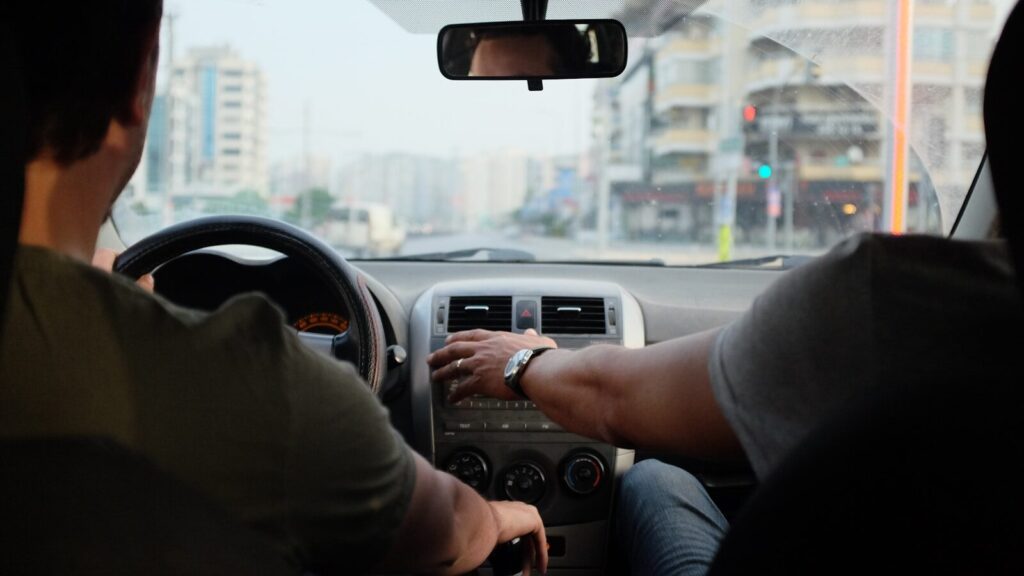
There’s much more to driving a high-horsepower manual than just mashing an accelerator pedal. Getting off the line from a standstill relies on finding the precise sweet spot between clutch slip, engine revolutions, drivetrain forces, and the amount of traction afforded by the tyres often with no launch-control gizmos at work to help you.
Skills Required Behind the Wheel:
- Precise clutch and throttle control
- Accurate gear selection under pressure
- Careful management of weight transfer
- Smooth braking and acceleration inputs
- Awareness of mechanical wear and temperature
It’s a lot of extra work on circuit. Steering, weight transfer, braking, throtle and engine cooling all must be integrated together by the driver, this makes for both errors and improvements being more noticeable.
Mechanical considerations come hand in hand with ownership in the longer term too. High torque will do nothing for the lifespan of clutch friction plates, syncro-sleeves, and differentials, and exotic sports cars come with a whole menu of specialist services-select the six-speeder on this tier simply means you sign up to mechanical engagement and the concept of driving ability mattering more than the rest.