





What the Air Recirculation Button in Your Car Actually Does
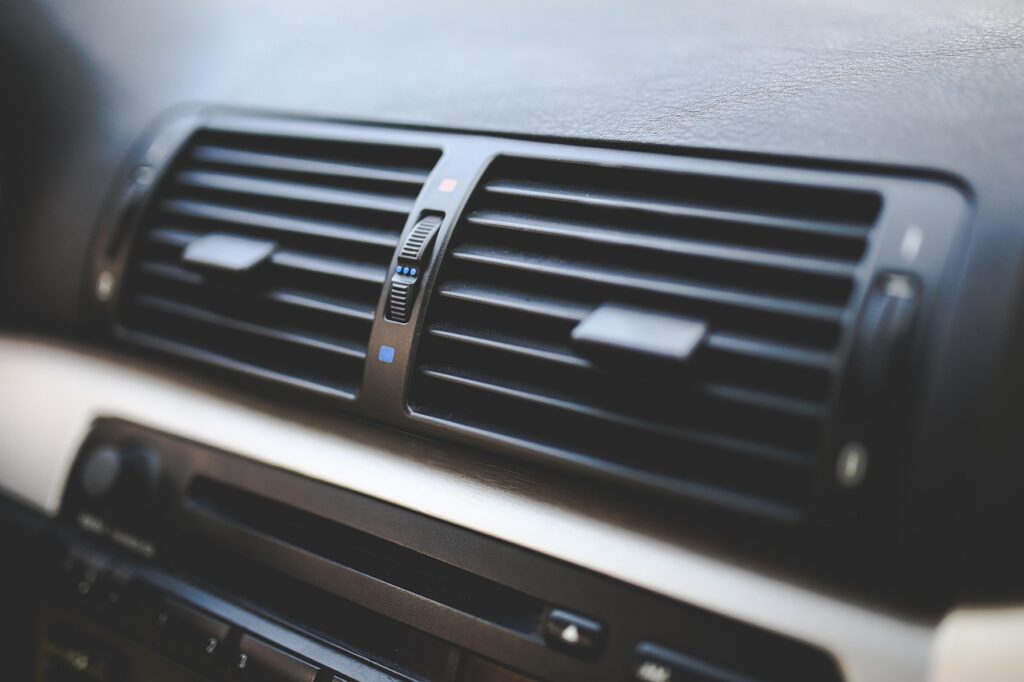
Though every car owner knows where to find the button to turn on A/C, right to it resides another button that attracts little attention to it. This button is indicated by a car symbol accompanied by a curved arrow moving along its path. Many car owners click on this button occasionally without knowing much about it, while some may never get to press it in their lifetime. Yet this button attracts much importance regarding car comfort and safety than car owners would wish to know.
Understanding this function is where the profit begins as soon as you realize how useful it is to understand that your car is working to regulate airflow at all times, whether or not you are aware of it at a particular time. Air in a car doesn’t just sit around doing nothing. Instead, it is constantly sucked in, blown out, filtered, heated, cooled, and re-circulated in a manner designed to maximize comfort and alertness. The button for recirculation allows you to get around all of this.
It is not the problem with the button itself, whether good or bad. It is based on how or when the button is used. It has the potential to result in an overall improvement in comfort, reducing your contact with pollution, and making sure efficiency is achieved within your climate system. On the other hand, problems may be caused by affecting your sight, concentration, or driving.
1. How Your Car Ventilates the Cabin by Default
Most cars come pre-designed in a manner that supports the operation of the car heating, ventilation, and air-conditioning systems in fresh air mode by default. In this design, an appliance in the entire system is left open; consequently, the fresh air constantly enters the vehicle. Despite the fact that this mode always runs independently of the weather and even when the fan is turned off, the reality is that most car users feel they receive fully fresh air, though this is not entirely the case. Efficiency in the functionality of the aspect is realized by controlling the flow of only part of the air while primarily utilizing the air inside.
How Default Ventilation Works:
- Fresh Air mode enable
- Active outside air intake
- Partial Air Recirc
- Temperature stabilization
- Continuous cabin airflow
This kind of flow of air has been incorporated into the design and not been an afterthought. This kind of design has been included by designers of the vehicle to make way for the replacement of the used air that has been circulated. This kind of system works to make sure that the level of oxygen inside the vehicle is maintained at all the time. This also prevents the buildup of other elements inside the vehicle.

2. Why Fresh Air Matters More Than You Think
In a closed car, the quality of air can change much faster than one would expect. With every breath one takes in a car, one produces carbon dioxide gas inside a car. In a closed car, the carbon dioxide has nowhere to go because a constant supply of fresh air is not entering the car.
Carbon dioxide is odorless when it is in trace quantities, and this explains why there is a lack of awareness concerning the effect of carbon dioxide. You are unable to smell the carbon dioxide; rather, there is an absence of alarm in your senses, and carbon dioxide operates behind the scenes to affect your alertness.
This explains the need to have the cabin air in modern vehicles constantly diluted. Intake of fresh air goes beyond the aspect of comfort; it also plays a significant role in driver cognition.

3. How Carbon Dioxide Builds Up Inside a Car
Generally, the concentration within the atmosphere for carbon dioxide is 400 parts per million. This affects humans very little or not at all. However, the concentration within the exhaled breath for carbon dioxide is tens of thousands of parts per million. This may seem very relevant in the context of an aerated closed system with more than one human being within it. The concentration of carbon dioxide increases very rapidly with many people in the car, particularly if the aerated mode is being utilized.
Carbon Dioxide Concentrations:
- Factors That Increase
- Multiple occupants
- limited cabin space
- Cases per recirc
- Lack of fresh air
- Traffic flow control
With the increase in carbon dioxide, there will be a low supply of oxygen that can be utilized by the brain. However, the effect will not manifest symptoms that can be easily recognized. On the contrary, the ability of the driver to react and make a decision will be impaired. In addition, there might be a loss of sharpness of the intellect that cannot be readily sensed by the driver.
4. What Happens When You Activate Recirculation
The pushing of the air recirculation button shall turn off the outer air intake completely. From then onwards, air intake shall not come from outside but from inside the cabin itself, where it is already present.
This way, it is ensured that there is an enclosed system that recirculates the same air that is cooled or heated. This air is cooled or heated faster because it is not necessary for the system to work on fresh air supplied from outside.
Even though this was quite climatic and cozy, the effect of this relationship is that the interior of the car, or the cabin, is isolated from the external atmosphere. Whatever gas or moisture was present will remain there until fresh air is let back inside.
5. Working with Recirculation in Hot Weather
Consider the instance when it is hot outside. The recirculation function shall be useful in such situations. This is because the interior of the vehicle heats up very quickly when it is left parked in the sunshine. It is easier for the air conditioning unit to cool the already hot interior than for it to go out and retrieve more hot air from outside. This makes it easier for the air conditioner to do its job in the most optimal way possible. This reduces the workload on the other parts inside the vehicle. The interior compartments of the vehicle shall be cooled evenly.
Advantages of Recirculation in Heat:
- Quick cabin cooling
- Reduction in the
- Improved cooling efficiency
- Decreased energy usage
- Higher comfort levels
However, when the cabin reaches the desired temperature, the benefit begins to slow down. The recirculation feature could have reducing benefits when it is turned on for an extended period. The potential risk for the quality of the air to become a problem increases over time. The need for fresh air grows beyond the cooling process.

6. Utilizing Recirculation During Cold Weather
When it is cold, a similar phenomenon occurs but in reverse. When the temperatures are low, the recirculation function also helps keep the heat caused by the heater to warm up the cabin.
This is very effective, especially when making a short journey or when the car engine has recently been turned on. The effect of this is that it heats up the interior of the car easily.
However, cold air is drier air. Thus, with this concept plus air recirculation, condensation from respiratory activities increases faster, causing possibly fogged windows in case fresh air is not allowed to circulate in to displace this air.

7. Prevention of Pollution and Unpleasant Odors
Another role played by air conditioning is that it works like a shield between the car and the outside air, which is sometimes full of pollutants. Even if one is driving in highly trafficked roads, dangerous pollutants from vehicles might seep into the passenger compartment if the fresh air vent is still working. Even areas around construction sites, dusty roads, and farms cause an unpleasant smell. The role played by air conditioning is to protect the passenger compartment.
Situations Where Recirculation Helps:
- Heavy traffic congestion
- Construction areas
- Dusty road conditions
- Strong external odours
- Poor air quality zones
For those with air particle allergies and sensitivities, recirculation is very useful. It is even more useful if a car is traveling and is surrounded by contaminated air. It is useful in improving the environment that is created. It is, however, most useful when it is carried out discriminatingly. It is ideal to change to fresh air if the air is improved.

8. The Problem of Moisture and Fogged Windows
The first effect associated with recirculation system use is window fogging. This is because passengers tend to exhale, resulting in water vapor within the closed compartment.
As the warm, damp air comes in contact with the cold surfaces of the glass, the process of condensation begins. This results in reduced visibility, sometimes within a matter of minutes.
But the solution is easy and absolute: simply return the operation to fresh air, which will evaporate the moisture and remove it from the windows.

9. Recirculation and Driver Alertness
The long action of the recirculation option may also affect the alertness of the drivers. The carbon dioxide concentration will accumulate, causing the drivers to become sleepy. Sometimes, this happens for no apparent reason. This is difficult to recognize. Nevertheless, research has confirmed that this is true. The moderate carbon dioxide may affect some mental functions.
How Alertness is Affected:
- Rising CO₂ levels
- Reduced mental sharpness
- Slower reaction time
- Increased fatigue sensation
- Lower driving focus
When it comes to road journeys with long distances, this loss of alertness could be an issue. Quick decision-making and consistent concentration are required while driving an automobile. Alternating between the recirculation system and another mode for fresh air is an effective way to prevent the accumulation of carbon dioxide. This is an easy habit that could help an individual maintain a healthy environment within an automobile. This habit helps a driver remain more alert mentally.

10. Pressing the Button the Smart Way
It is even better to use air recirculation as a short-term solution and not as a permanent choice. Such techniques work best if it is either hot or if the polluted air is only present for a temporary duration.
After obtaining the original benefit, turning the vehicle back to fresh air ensures that the ventilation system of the car is functioning properly. For one to enjoy the advantages of quick climate control, with optimal comfort, visibility, and safety, the recirculation of air must be done manually.