



Toyota’s Compact Pickup Concept: Evaluating the Stout Heritage and Modern Tacoma Capabilities
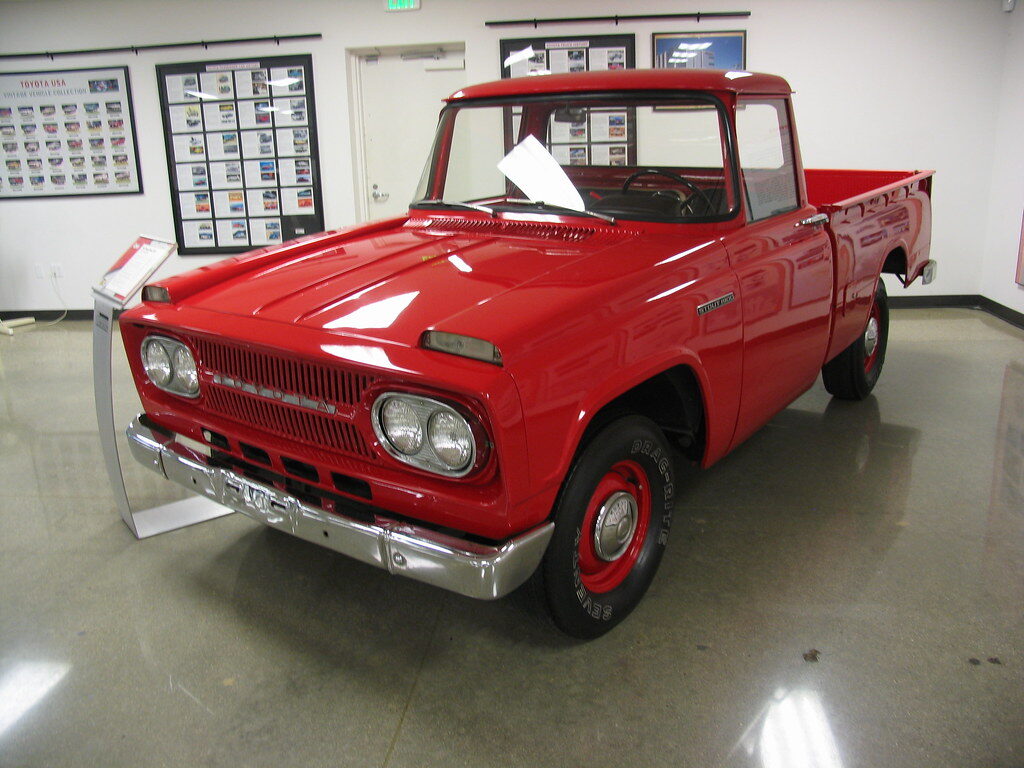
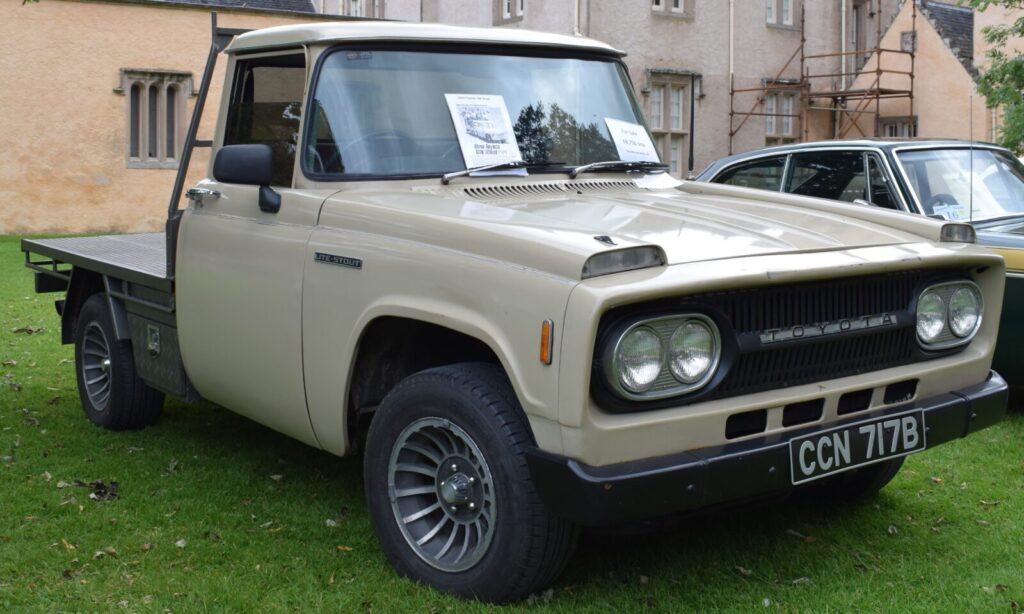
Toyota has worked for decades to earn a name as a provider of vehicles capable of enduring any obstacle-whether that’s the roughest work site or the family vacation. And with so many capable pickups, the Tacoma stands out for truck owners who want a durable vehicle they can count on with excellent off-road capability. Long before the Tacoma claimed that title, Toyota had offered up another trusty workhorse: the Stout.
For better and worse, pickup trucks have gotten bigger, faster and more niche in their appeal. While these attributes may translate to bigger towing and payload capacities and better off-road performance, they also leave a void for the sort of driver who simply requires a small, day-to-day pickup. More and more people who operate solely in the city crave the cargo utility of a pickup bed without the compromises when it comes to parking, fuel economy, and everyday ride comfort, a trend prompting Toyota to consider a smaller pickup under the Taco that plays on the Stout nameplate from the past.
A new Toyota unibody compact pickup is under development, likely with the intention of rivalling other players in the burgeoning segment. Most pickup fans call it the Stout, but Toyota has yet to commit to an official production name and launch date, though the rumor mill suggest a concept or production-ready prototype will be seen soon, before showroom availability circa 2027 or 2028. With familiar hybrid power and the latest in safety features to the mix, along with the kind of utility people expect in a truck and competitive pricing to match, it’s plausible the newcomer can live up to Toyota’s signature reliability and satisfy modern motorists in the market.
1. The Legacy of the Toyota Stout and the Evolution Toward Modern Compact Pickups
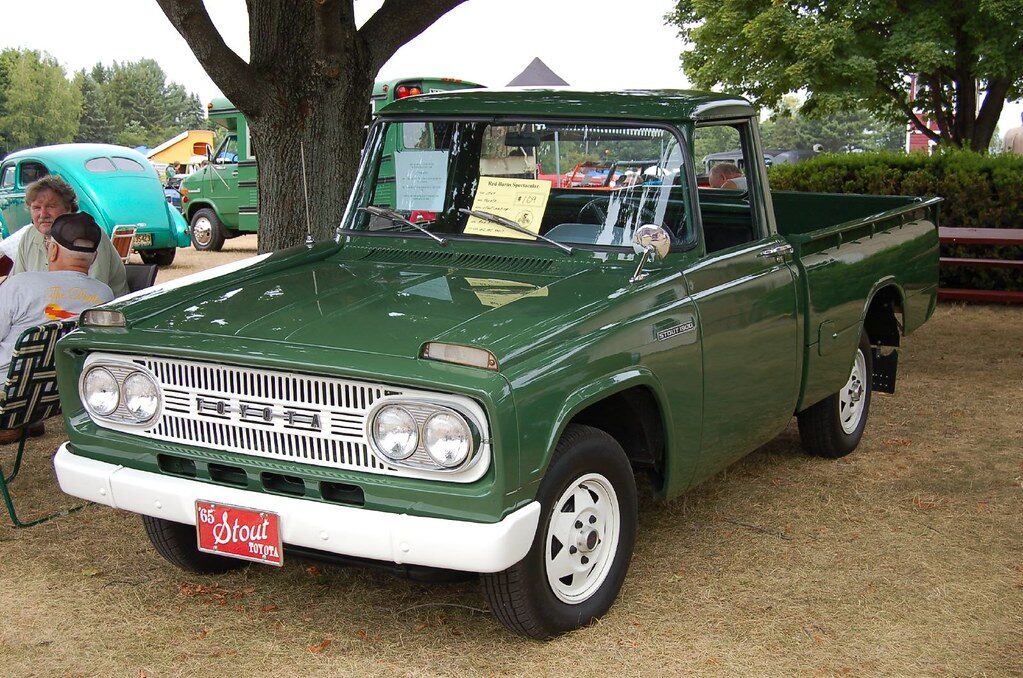
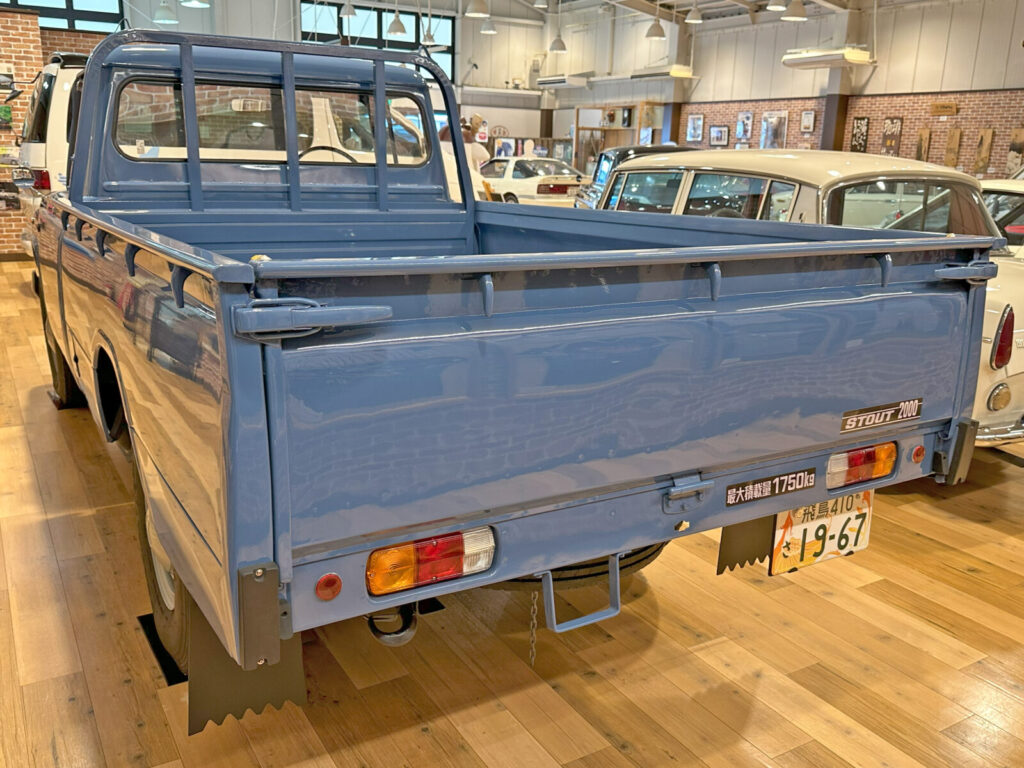
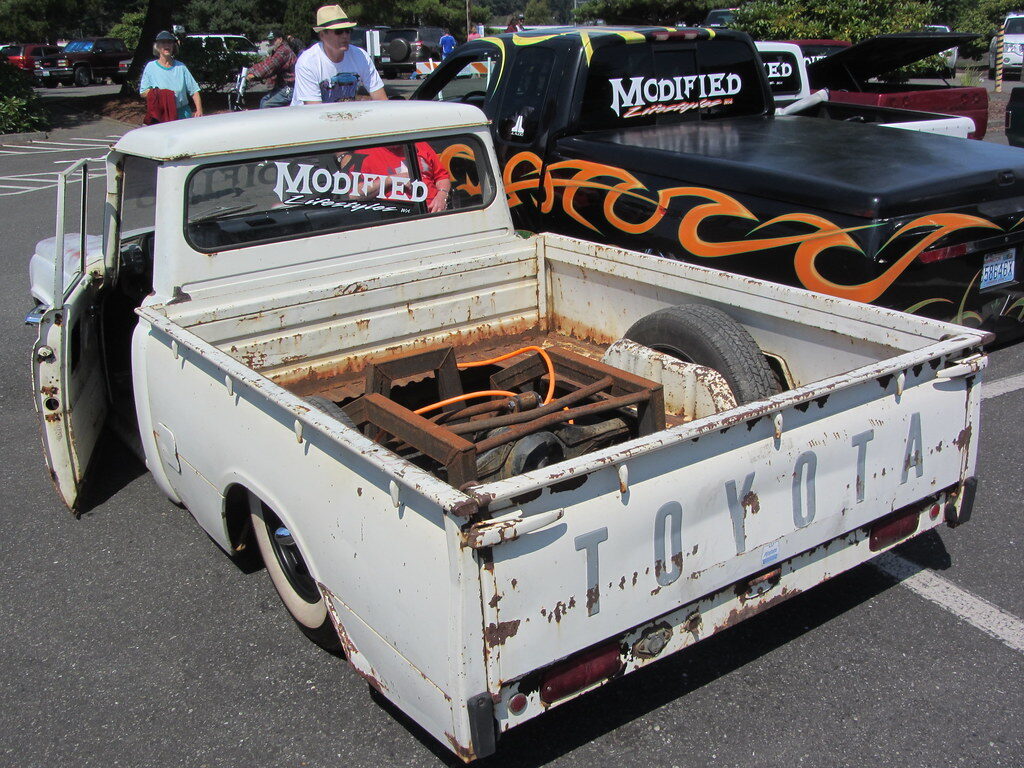
Arriving in an earlier section of history, Toyota’s Stout serves as a distinguished footnote to its legacy, ranking as one of the first Japanese-manufactured pickups to come across the pond to American shores. Built from 1954 to 1989, the Stout’s design allowed Americans to connect with Toyota’s ethos of tough utility and resilient hardware. Even its straightforward, boxy silhouette made it capable of reliably traversing farms, building sites and far-flung areas where grit beat comfort.
How the Stout Shaped Toyota’s Future:
- Early pioneer of Japanese pickups
- Built for durability and practicality
- Inspired future Toyota truck generations
- Earned lasting customer trust worldwide
- Evolved with changing market demands
Toyota trucks’ future, such as the Hilux and later the Tacoma, got its start with the name and image of the Stout. Each successive generation relied on the success of the prior truck enhancing ruggedness, performance, and reliability, all without detracting from the rugged personality that truck customers desire. Toyota is now among the more regarded truck companies on the planet today.
Given that the possibility of reviving Stout in the first place is a result of what consumers now want and have asked for for quite a while, going back and rebuilding the body-on-frame workhorse seems highly unlikely. The path they’re taking instead towards an efficiency-minded, people-friendly compact pickup which echoes the original Stout’s simple sense of practicality probably hits a sweet spot.
2. Toyota’s New Compact Pickup Strategy for Urban Drivers
The soon-to-be compact pickup, according to Toyota, could slot under the Tacoma, carving out a segment for people who don’t want or need the sheer bulk and imposing attitude of a midsize truck. These new pick ups just get bigger every year most urbanites would prefer something a whole lot easier to parallel park, easier to drive everyday and easier to live with when it comes to the fuel bill.
Designed for Everyday Urban Practicality:
- Positioned below the Toyota Tacoma
- Easier parking and city driving
- Unibody platform improves ride comfort
- Practical alternative to larger pickups
- Competitive pricing for wider appeal
Word on the street at the moment is it’ll likely utilize Toyota’s TNGA monocoque design, not the chassis-on-ladder construction you’ll find in the Tacoma, thus favoring better ride, economy and on-road use, but it will be capable and still be a pickup, letting Toyota nab those looking to jump from compact CUVs and sedans into a pickup without feeling like they’ve taken on an HGV.
In terms of pricing, sources expect the truck to range from around $30,000 to $45,000 or so depending on the level of equipment. This level of pricing allows Toyota to offer much of the reliability associated with the Tacoma at a significantly lower level and, crucially, makes it entirely separate from it in terms of cost. It would neatly fill a gap in the current toyota range, should it ever make it to these shores and go against other compact trucks.
3. Exterior Design That Blends Heritage With Modern Functionality
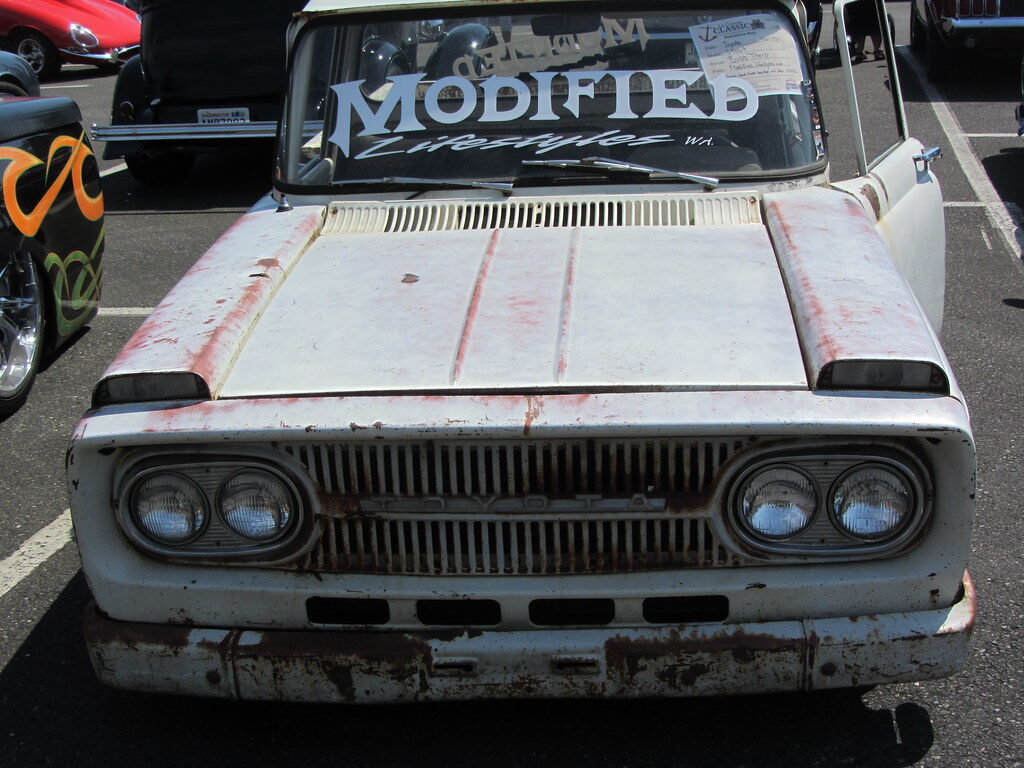
Though the automaker hasn’t yet unveiled the production version, computer sketches indicate that the smallest Toyota pickup truck’s design will remain distinctively Toyota, but with body styling optimized for urban conditions. Upfront, a sharp trapezoidal grille will anchor a face that is highlighted by LED head-lamps that are “cut-squared,” chunky wheel-wells and flat-side character lines designed to create a confident-looking but not bloated front fascia.
Modern Styling With Practical Features:
- Bold front-end truck-inspired styling
- Compact proportions for urban driving
- Multiple trims suit different buyers
- Off-road package enhances capability
- Functional cargo-focused exterior design
Similarly, Toyota should offer various appearance and capability packages to address varying needs and preferences of consumers. A street-focused trim might come with larger alloy wheels, highway tires, and subtler exterior finishes, whereas an available off-road package could come with more ground clearance, all-terrain tires, skid protection, and a different stylistic flavor designed for people that get off pavement more often.
Design It still has plenty of practical design in the name of the game. Expect for features that includes built-in bed rails, a tough and scratch-resistant bed liner, as well as small side steps and conveniently located cargo tie-downs, we wouldn’t expect many new additional features here, but more so, we anticipate better implementation of its crossovers practicality along with classic pickups styling at a smaller price.
4. A Comfortable Cabin Designed for Everyday Practicality
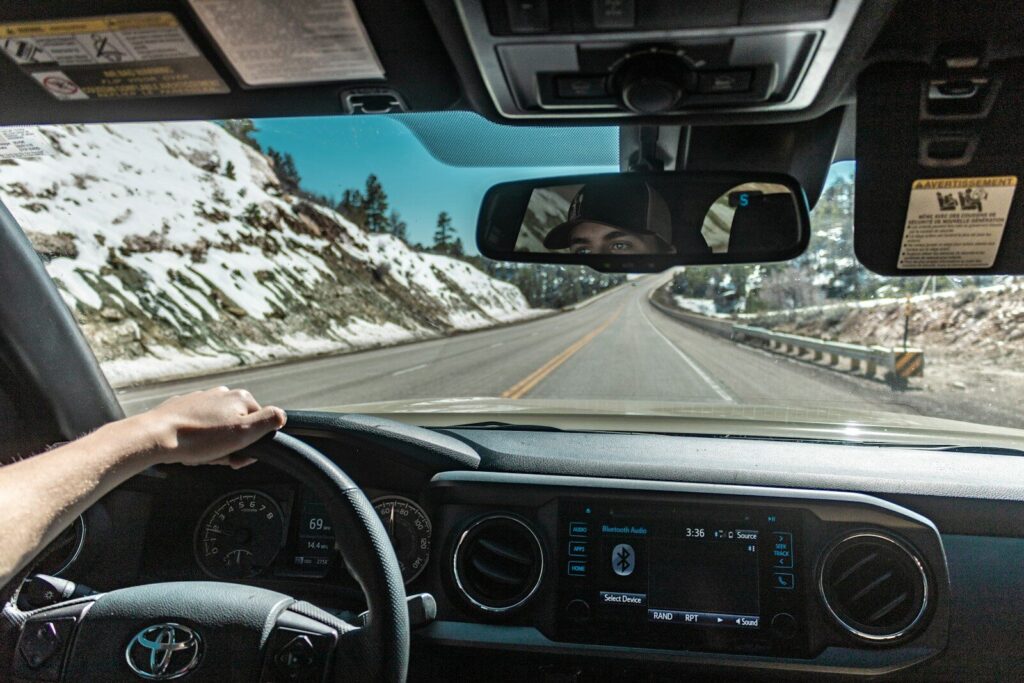
Once inside, Toyota’s baby truck is sure to continue to focus on comfort and livability for even a bit of lifestyle driving. Thanks to the new platform, the new Toyota pickup will offer many similarities to that of the car company’s other popular vehicles like the RAV4 or the Camry, providing a plush environment familiar for current Toyota loyalists. With a support seat as well as solid acoustics and a well thought out dashboard for less of a work tool like some of the traditional trucks offer the ride would be less to an annoyance.
Cabin Features Focused on Everyday Comfort:
- Supportive seating improves driving comfort
- Smart storage maximises interior practicality
- Modern infotainment enhances connectivity
- Digital displays improve driver information
- Standard safety technology boosts confidence
The interior storage is likely to be a big contributor to the truck’s attractiveness. From wide door pockets and a large center console to underseat storage bins and multiple cup holders, occupants will have ample space to stash their keys, devices, water bottle, and what-have-you. The wide center armrest and ergonomically placed controls will add to the ease of driving on short urban commutes and extended highway stretches.
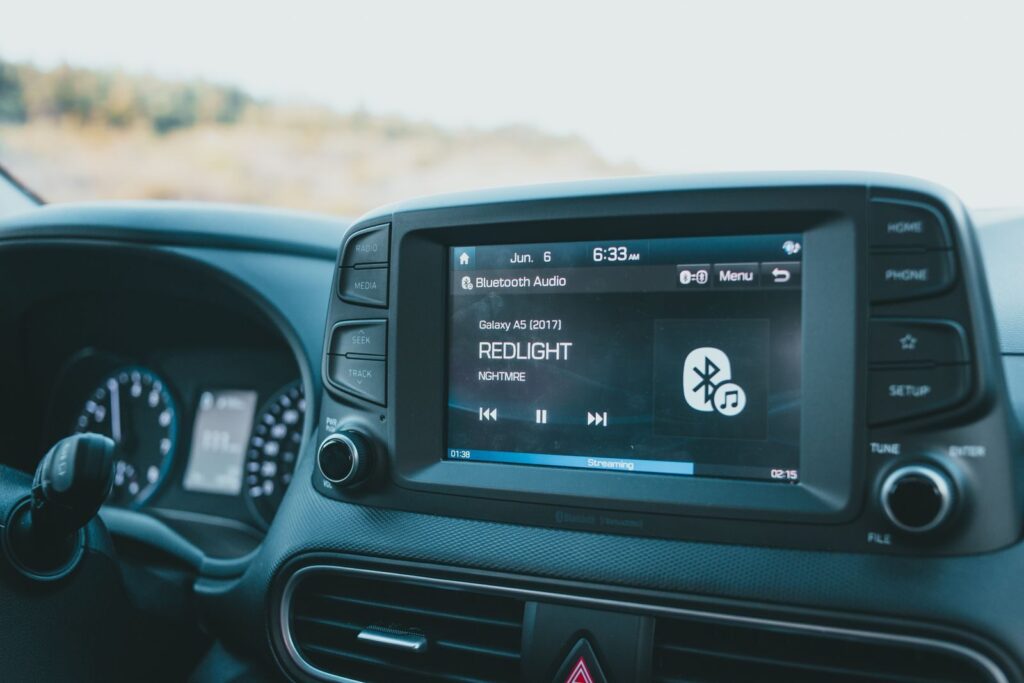
Tech will continue to make the cabin experience compelling for customers of this segment. A huge touchscreen with Apple CarPlay and Android Auto and even wireless connectivity for both should also make an appearance, along with USB-C charge points and wireless phone charging. Customers opting for higher trims can even hope for digital driver displays and, very likely, an updated Toyota Safety Sense that will include all sorts of useful features.
5. Premium Features That Add Everyday Convenience
Although base versions are likely to remain cost-conscious, upmarket models should offer luxury elements-including heated and ventilated front seats, a dual-zone climate control, upscale trim and upholstery and a surround-view parking cameras system. These are sure to appeal to drivers that spend a lot of time in the saddle and could do some nothing else for the miniature pick-em-up’s refinement.
Convenience Features for Daily Driving:
- Premium seating enhances travel comfort
- Flexible storage supports everyday needs
- Spacious cabin accommodates five passengers
- Foldable seats increase cargo versatility
- Refined interior suits diverse lifestyles
Toyota is expected to emphasize versatility for the interior, as well. The interior of the five-seater should provide storage solutions ample enough for laptops, tools, sports equipment and other daily accessories. This versatility would be enhanced with additional storage compartments, as well as fold-able rear seats that owners may utilize to store valuables that don’t necessarily have to be left inside.
That sensible interior ethos should appeal to more than a few prospective purchasers. Young families shopping for first vehicles for the gang, commuters looking for greater comfortable long haul, modest organization entrepreneurs, and new-get up buyers should appreciate a cabin which mixes SUV-style pleasant furnishings with the useful considerations of a workhorse pickup. The truck might not feel luxurious, but that’s the aim Toyota seems to offer a place to function in, not to flaunt.
6. Hybrid Performance Built for Modern Driving
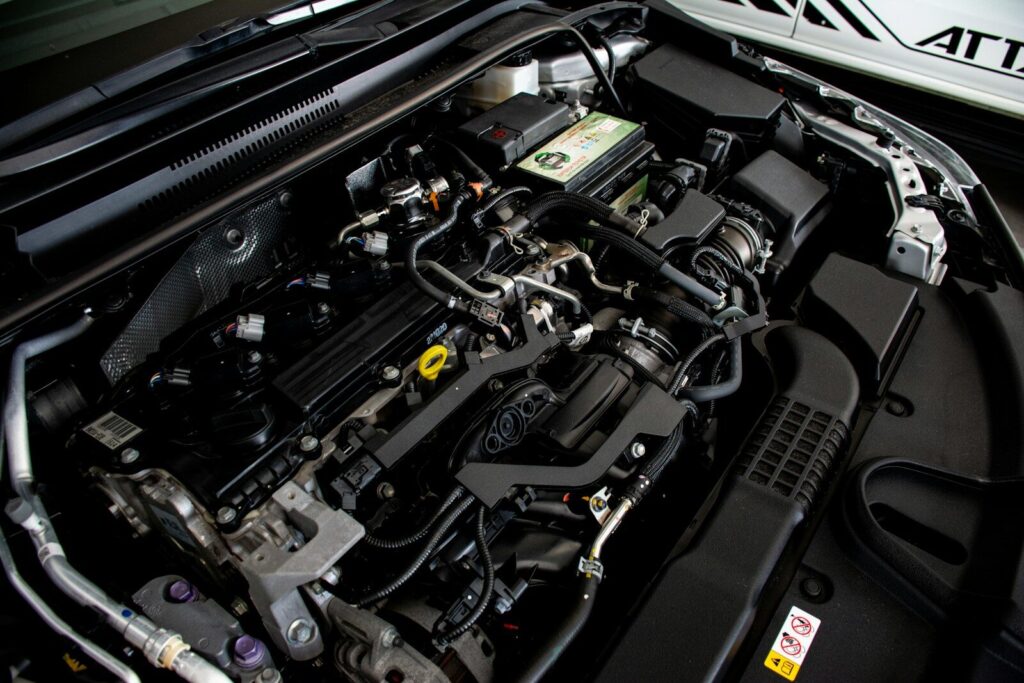
The heart of the compact truck is also likely to be centered around a hybrid strategy, a hallmark of Toyota models. News sites have indicated that the pickup is likely to adopt technology from the RAV4 Hybrid. That’s mated to 2.5-liter gas engine producing about 226-236 hp depending on the output configuration thanks to Toyota’s outstanding hybrid technology.
Hybrid Technology for Efficient Performance:
- Proven hybrid powertrain enhances efficiency
- Strong horsepower supports everyday driving
- Plug-in hybrid expands performance options
- Electric torque improves smooth acceleration
- All-wheel drive boosts driving confidence
Depending on market success, Toyota also could increase the model line up by offering a plug-in hybrid option similar to the one available on the RAV4. If such a model eventually makes the production line up, it could boast total output well in excess of 300 hp coupled with a plug-in system that enables low speed electric-only motoring. You would get both significantly faster acceleration while maintaining the efficiency benefits that has made Toyota hybrid systems best sellers all around the world.
The driving experience should lean more towards refined than aggressive. Having immediate electric torque at the foot should make for easy acceleration in stop-start city traffic, while the regenerative braking system aids smooth deceleration and also helps to ease the burden on mechanical brakes. Expect all-wheel drive to also be on offer, enhancing driver confidence during foul weather and on light off-roading scenarios effectively adding utility without detracting too heavily from the daily grind.
7. Compact Capability Compared With the Toyota Tacoma
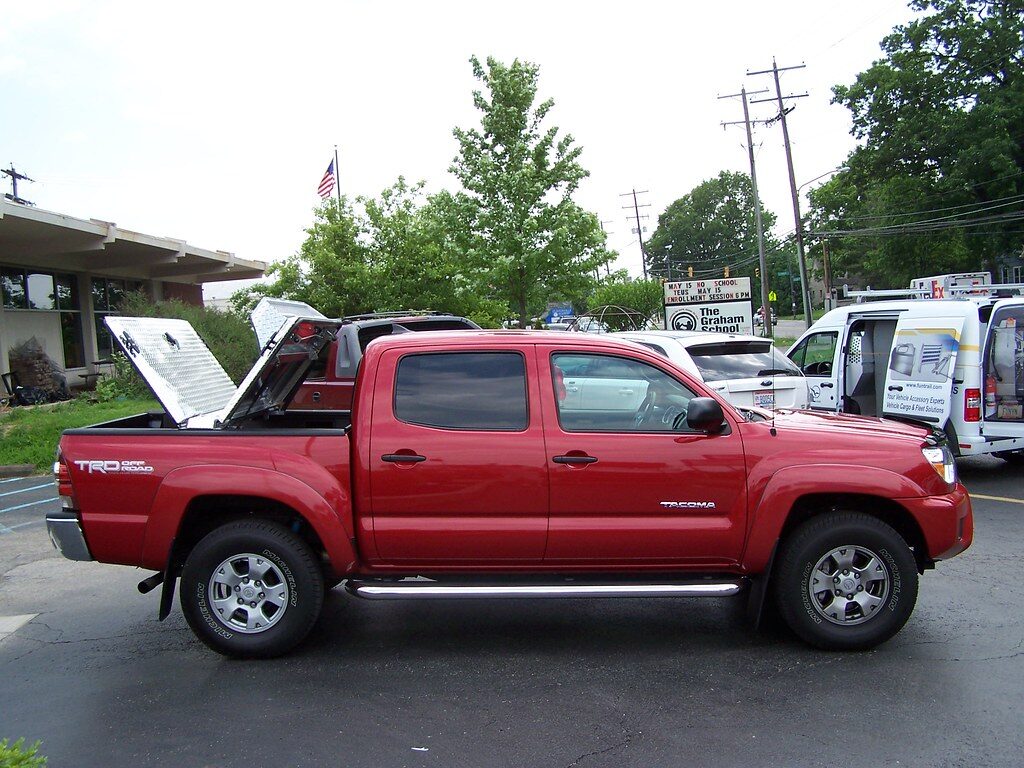
There’s no getting around the inevitable comparisons to the Toyota Tacoma, especially because it clearly is not the truck for the same job as Toyota’s upcoming compact offering. Tacoma buyers typically value body-on-frame construction, robust towing and excellent off-road prowess for use on rugged terrain or pulling heavy trailers. For the upcoming compact, however, Toyota is building it for a somewhat different consumer entirely. The Tacoma it’s hoping to introduce will complement the brand, not replace it with something leaner and greener.
How It Differs From Tacoma:
- Designed for everyday urban driving
- Lighter than the Toyota Tacoma
- Prioritises comfort and efficiency
- Handles light off-road adventures
- Complements Toyota’s truck lineup
Still with under the hood muscle, powerful and robust mechanical parts are carried out, ready for challenging duties or expeditions. The more adventurous variants now includes equipment like multi-terrain modes, crawl control, locking differentiations, a powerful suspension that let the Tacoma negotiate the worst of terrains. Those are abilities that can not be paralleled among all of Toyota’s truck.
The smaller unibody pickup balances its objectives by looking for real-world usability instead of hardcore off-road prowess. Gravel roads, camping muddy areas and weekend warrior trips likely won’t trouble it and it should navigate dense city streets considerably more easily. Someone wanting occasional capability for their sport more than serious hauling will surely find this smaller truck fit into their life better.
8. Practical Utility, Ownership Costs, and Market Position
Practicality remains one of the strongest selling points of Toyota’s upcoming compact pickup. The cargo bed is expected to include durable tie-down points, a non-slip bed liner, optional 12V or 120V power outlets, and bed rails that make transporting tools, bicycles, camping equipment, or home improvement supplies far more convenient. While the Tacoma continues to lead in maximum towing and payload capacity, Toyota is expected to engineer the compact truck with realistic capability for everyday users. Drawing from the RAV4 AWD’s proven 3,500-pound towing benchmark, it should comfortably manage small trailers, recreational equipment, and weekend hauling tasks without difficulty.
Everyday Value and Competitive Advantages:
- Practical cargo bed enhances versatility
- Hybrid system lowers ownership costs
- Efficient towing suits everyday needs
- Strong reliability builds customer confidence
- Competes effectively in compact segment
The hybrid powertrain is also expected to deliver meaningful long-term savings for owners. Frequent stop-and-go traffic allows the electric motor to reduce fuel consumption by limiting engine use during low-speed driving, making the truck especially attractive for urban commuters. If a plug-in hybrid variant joins the lineup, many drivers could complete short daily journeys using primarily electric power after overnight charging. Combined with Toyota’s well-established reputation for hybrid reliability and predictable maintenance costs, the ownership experience is expected to remain both economical and dependable over many years.
Within the compact truck segment, Toyota’s strategy positions the new model as a strong competitor against established rivals. The Ford Maverick has earned recognition for making hybrid pickups affordable, while the Hyundai Santa Cruz appeals to buyers seeking crossover-inspired styling and comfort. Toyota aims to differentiate itself through its long-standing reputation for reliability, an extensive dealer network, and proven hybrid expertise. Rather than competing directly with the Tacoma, the compact pickup establishes a new entry point into Toyota’s truck lineup, giving buyers an efficient and practical option that bridges the gap between crossovers and traditional pickups.

9. Who Will Benefit Most From Toyota’s Compact Pickup?
Toyota’s upcoming compact pickup is expected to appeal to a broad range of drivers whose lifestyles demand flexibility without the size of a traditional midsize truck. Young families will appreciate the combination of five-passenger seating and a practical cargo bed for transporting furniture, gardening supplies, bicycles, or sporting equipment. Its compact dimensions should also make everyday errands and school runs far less stressful than driving a larger pickup through crowded city streets.
Ideal Buyers for Toyota’s Compact Pickup:
- Young families needing versatile transport
- Small businesses seeking efficient utility
- Tradespeople requiring practical daily capability
- First-time truck buyers welcomed confidently
- Urban drivers preferring compact dimensions
Small business owners and tradespeople are also likely to find the truck highly practical for daily operations. Whether carrying tools between job sites, making local deliveries, or transporting equipment, the compact bed and efficient hybrid powertrain provide the utility many businesses need without the higher running costs associated with heavier trucks. Easy parking, lower fuel consumption, and reduced maintenance requirements further strengthen its appeal for professionals who spend long hours on the road.
First-time truck buyers represent another important audience. Many drivers transitioning from compact sedans or crossover SUVs want the versatility of a pickup without feeling overwhelmed by the height, width, or weight of a traditional body-on-frame model. Toyota’s compact pickup is expected to offer an approachable driving experience while still delivering genuine cargo-carrying capability, making it an ideal introduction to pickup ownership for a new generation of customers.
10. Toyota’s Vision for the Future of Compact Pickups
Toyota’s reported plans for a compact unibody pickup reflect changing consumer priorities across the automotive market. Many buyers no longer require maximum towing capacity or extreme off-road performance for their daily routines. Instead, they value fuel efficiency, advanced technology, comfortable interiors, and practical cargo space that supports work, recreation, and family life. By responding to these evolving needs, Toyota has the opportunity to strengthen its truck lineup while attracting customers who may never have previously considered owning a pickup.
A Modern Direction for Compact Pickups:
- Responds to evolving consumer demands
- Prioritises efficiency and everyday practicality
- Combines technology with versatile capability
- Expands Toyota’s compact truck lineup
- Blends heritage with modern innovation
Although the project is still awaiting official confirmation regarding its final name, specifications, and release schedule, expectations remain high. The combination of hybrid power, modern safety technology, crossover-like refinement, and everyday utility positions the truck as a compelling alternative within the growing compact pickup segment. Pricing that sits comfortably below the Tacoma would further expand Toyota’s appeal by offering buyers an affordable entry point into the brand’s highly respected truck family.
Rather than revisiting the past through nostalgia alone, Toyota appears to be building on the values that made the original Stout successful while adapting them to the demands of today’s drivers. The result is expected to be a pickup that delivers practical capability, dependable efficiency, and modern convenience in equal measure, creating a vehicle that fits naturally into contemporary urban and suburban lifestyles.