
How Tesla’s New Software Makes Your Car Radically Smarter
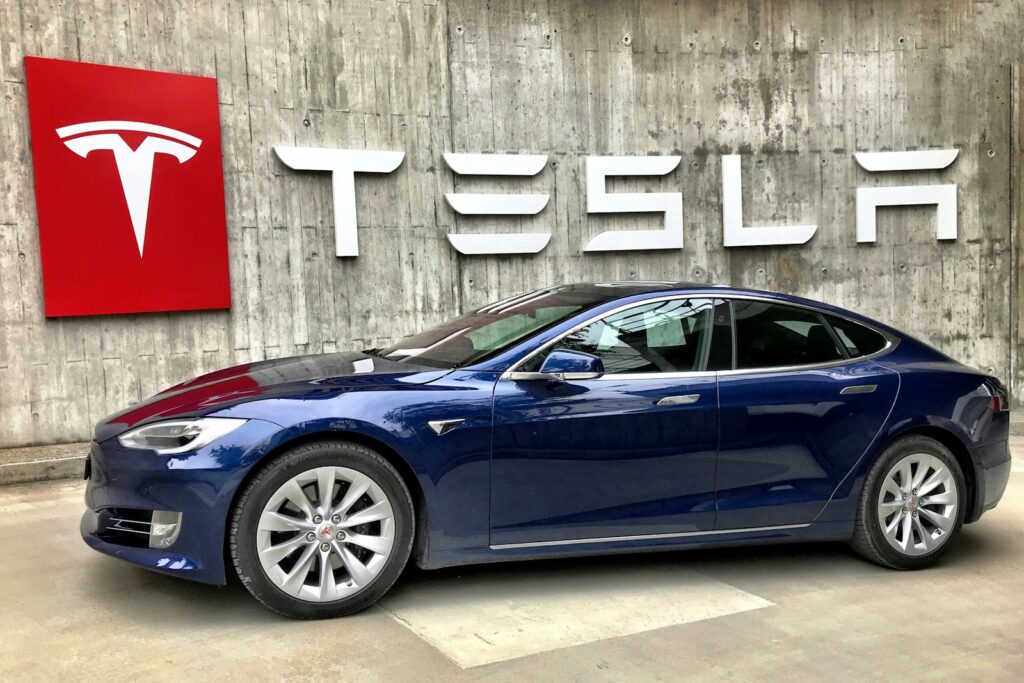
For decades, cars were static machines that barely changed after purchase. Once you drove off the dealership lot, what you bought was what you kept. Tesla completely flipped that idea on its head by turning cars into evolving digital platforms. Every Tesla functions like a high-tech gadget, continuously improving through software updates that enhance performance, safety, and enjoyment long after the vehicle leaves the factory.
Why Tesla’s Software Approach Is Revolutionary
- Cars improve without mechanical changes
- New features arrive automatically
- Ownership experience constantly evolves
- Software extends vehicle life-span
- Industry standards are being rewritten
This philosophy has reshaped how owners think about car ownership. Instead of aging over time, a Tesla matures. Features are refined, new tools show up unexpectedly, and capabilities expand-with no service visit. This has dramatically shifted expectations across the automotive landscape: Tesla vehicles are living systems, not finished products frozen in time.
1. Over-the-air updates transform ownership experience
Tesla’s commitment to constant improvement is more than marketing language. Owners wake up regularly to notices announcing new capabilities delivered wirelessly. Updates like versions 2025.26 and 2025.8.6 have brought meaningful improvements that make a difference in daily driving. These are no mere bug fixes but significant upgrades to safety, convenience, and overall enjoyment behind the wheel.
Advantages of Over-the-Air Updates
- No dealership visits required
- Access to new features right away
- Equal updates across vehicle ages
- Reduced long-term maintenance hassle
- Constant improvement cycle
With each update, they reinforce that a Tesla is never the same. Features are added in seamlessly, interfaces get smoother, functionality expands, and the traditional gap between model years disappears, ensuring that innovation trickles down to their older vehicles, not typically seen in the automotive world.
2. Grok AI Makes Its Debut Inside Tesla Vehicles
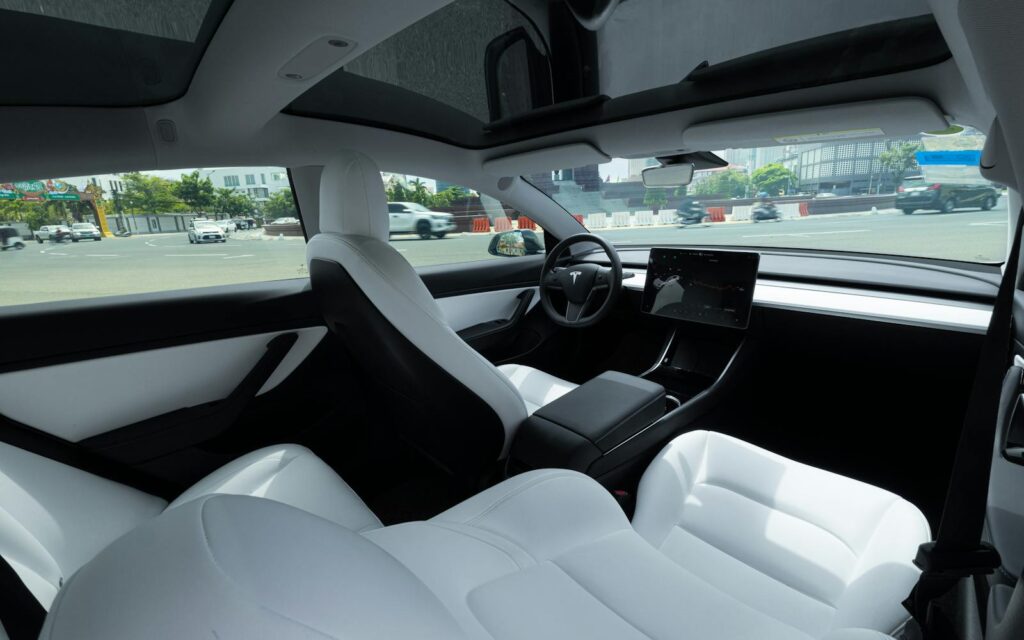
One of the most major developments in recent months has been the rollout of Grok, Tesla’s own in-house artificial intelligence from X. Now deploying in the United States, Grok is available on cars that have AMD Ryzen infotainment systems. As a beta, it resides on the central screen, providing a conversational interface for both drivers and passengers.
What Grok AI Currently Offers
- On-screen conversational interaction
- Access to general information
- Seamlessly integrate infotainment features
- Available through connectivity or Wi-Fi
- Early foundation for future expansion
Grok is a full-service AI assistant that can answer questions and provide information. It requires Premium Connectivity or a Wi-Fi connection to operate. Though still in its infancy, Grok is Tesla’s first significant stride toward deep integration of conversational AI into the driving experience.
3. Grok: Current Limitations and Future Potential
Despite its promise, Grok does not yet control vehicle functions. Drivers cannot use it to adjust climate settings, navigate, or open compartments. These are still functions managed by existing voice commands. But if anything, this separation suggests that Grok is an evolving feature rather than a fully integrated system and that Tesla’s approach to the deployment of AI remains cautious, step by step.
Why Grok’s Future Matters
- Potential for natural language commands
- Less reliance on touchscreens
- Intuitive interaction with vehicles
- Increased accessibility when driving
- Fundamentals of independent intelligence
Elon Musk confirmed that Grok’s integration is just beginning, and future updates might prompt conversational speech commands, replacing the rigid voice prompts of today. It would make interacting with the vehicle more intuitive, hands-free, and accessible, completely redefining the ways in which drivers communicate with their cars.
4. Tesla Simplifies Ownership With New Onboarding Guide
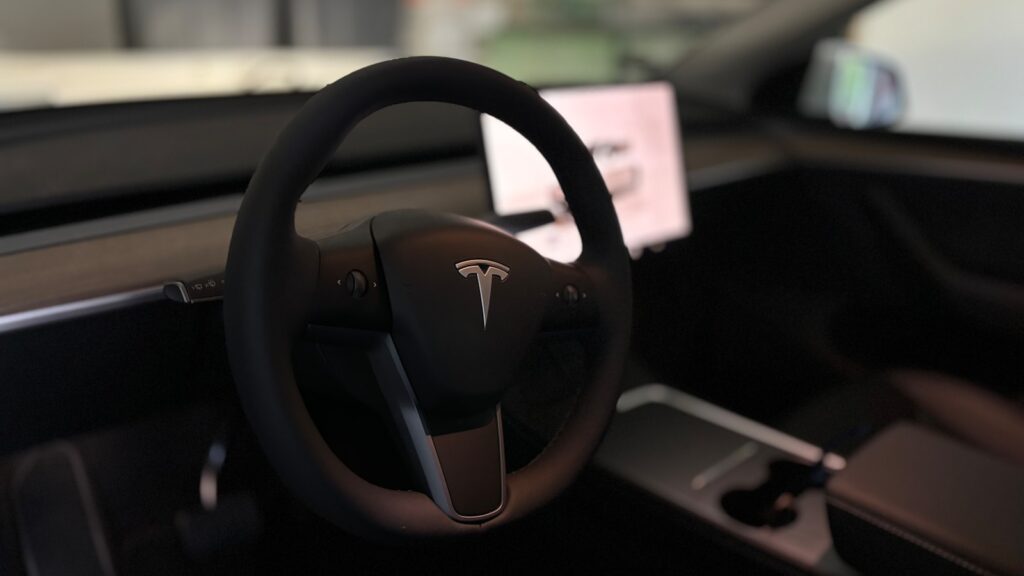
For those new to Tesla, the learning curve can be steep with regards to the advanced in-car technology. Tesla has tried to address this with a new Onboarding Guide in left-hand-drive versions of the Model 3 and Model Y. This guide steps owners through all of the essential features step by step to make the transition much smoother from day one.
Onboarding Guide – Features Covered
- Touchscreen navigation basics
- Driver profile customization
- Functions of steering-wheel controls
- Overview of autopilot operation
- Daily driving needs
The tutorial covers driver settings, touchscreen navigation, steering wheel controls, and operating the car with Autopilot. In all, Tesla limits confusion by providing structured guidance inside the car and enables owners to be able to take complete advantage of their vehicle’s capabilities without searching through instruction manuals or online tutorials.
5. Auto Shift Beta Improves Real-World Driving
Tesla’s refined Auto Shift beta makes a huge difference in daily driving. Once only capable of automatically shifting out of Park, the feature now can handle much more complex maneuvers like three-point turns. The car automatically toggles between Drive and Reverse during tight maneuvers, freeing the driver to focus solely on steering, not choosing gears.
Why Auto Shift Beta Stands Out
- Automatic gear shifting in cramped spaces
- Reduced driver workload
- Smoother low-speed maneuvers
- Better urban driving comfort
- Retains driver control
This upgrade reduces mental workload, especially in stressful environments such as narrow streets and crowded parking. The owners describe the experience surprisingly intuitive, with many owners noting it made manual shifting feel highly outdated. Tesla continues to prioritize driver assistance without removing human oversight.
6. Safety & Model-Specific Driving Enhancements
While automation is about convenience, Tesla maintains a core emphasis on safety. It advises drivers to assure the selected drive mode before accelerating. This balance ensures that technology supports and does not replace driver awareness. Tesla’s approach fosters trust while preventing overdependence on automation for complex maneuvers.
Model-Specific Improvements
- Cybertruck Steer-by-Wire Refinement
- Model 3 comfort optimization
- Autopilot ride adjustments
- Improved handling consistency
- Improved long-distance driving
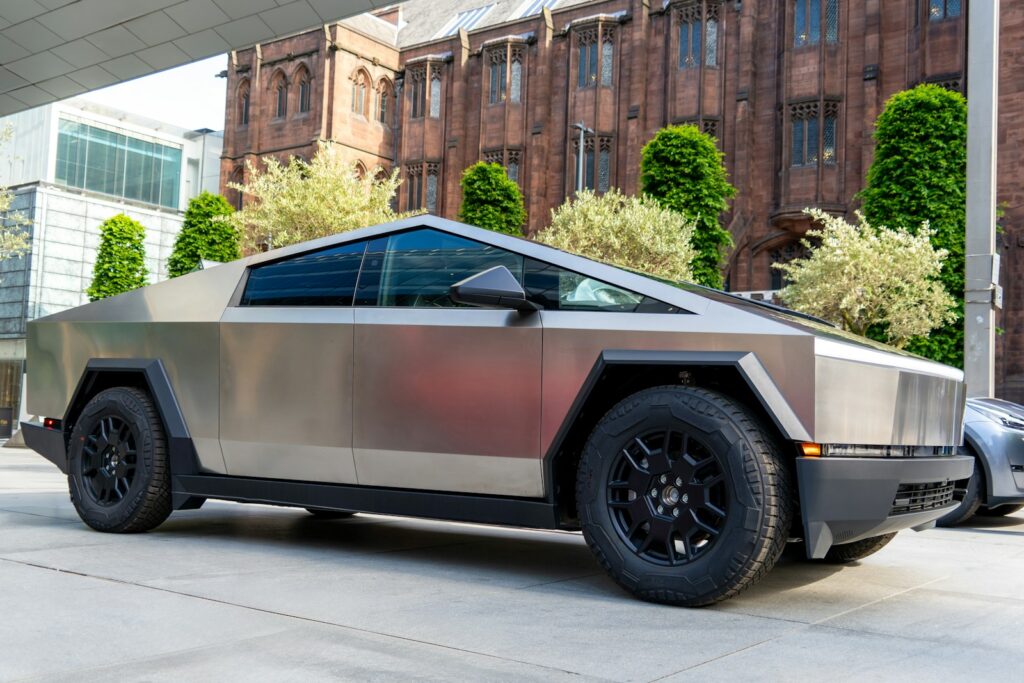
Various improvements are made to different models: Refined steer-by-wire calibration improves precision on Cybertruck; New Model 3 vehicles automatically switch to Standard Ride & Handling mode during Autopilot use, enhancing comfort on long highway drives and reducing fatigue.
7. Tesla Advances Towards Full Autonomy
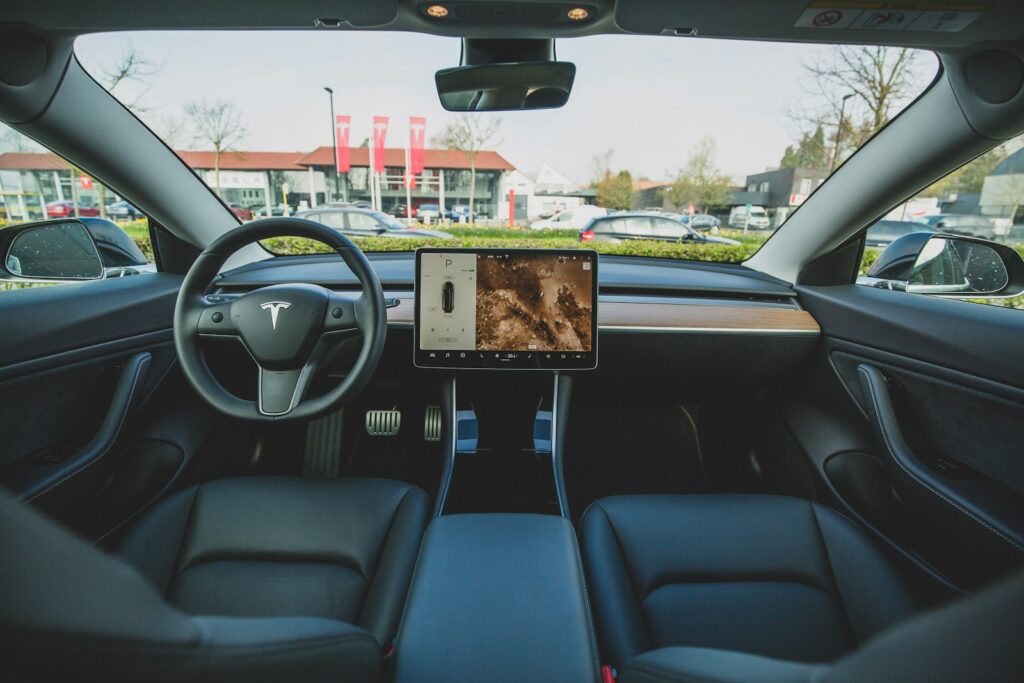
The long-term view of Tesla rests on full autonomy through continued refinement in software. Each update further enhances the Full Self-Driving (Supervised) system by strengthening neural networks, reducing latency, and improving obstacle detection. Version updates, such as v13.2.9, are incremental steps en route to that destination.
Progress in Full Self-Driving
- Improved neural network processing
- Reduced latency of reaction
- Enhanced collision avoidance
- Dynamic routing enhancements
- Continuous Fleet Learning
Now the system is at the point where fleet-based learning enables vehicles to detect road closures and reroute appropriately. This type of constant feedback loop showcases Tesla’s commitment to incremental, data-driven improvement rather than sudden, risky leaps in autonomous capability.
8. Interior experience becomes more immersive.
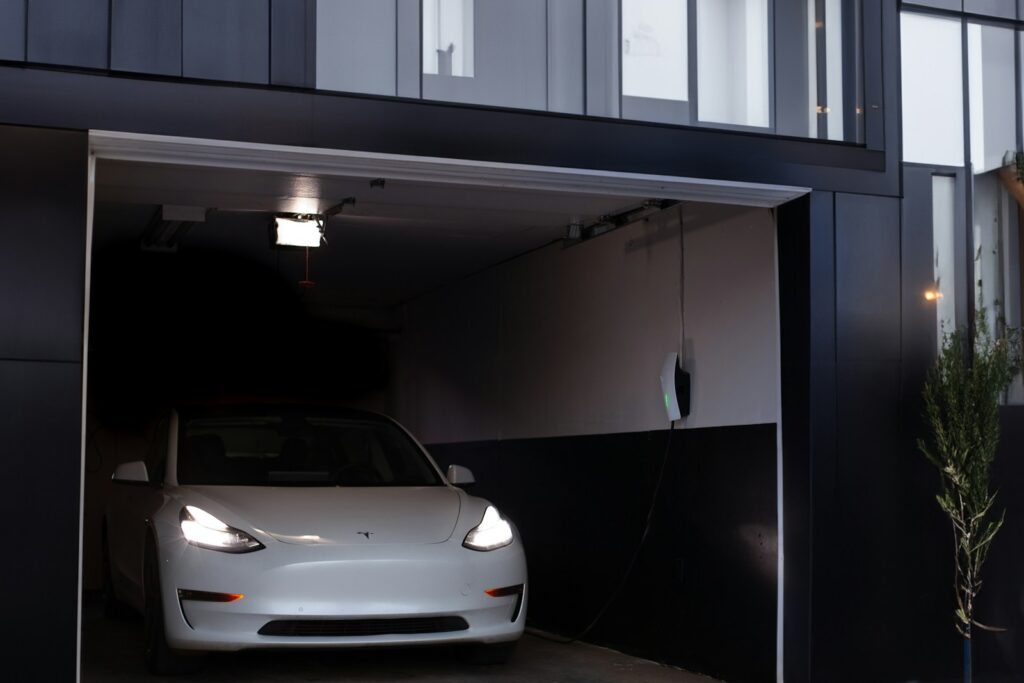
Tesla continuously breaks down the barrier between vehicle and personal space as it upgrades the in-cabin experience. For instance, Light Sync, a new feature, allows the ambient lighting to react to music by pulsating to the rhythm and reflecting album artwork colors, creating an immersive atmosphere that makes each drive an engaging sensory experience.
Interior Personalization Highlights
- Music-reactive ambient lighting
- Album Artwork Color Syncing
- Increased model availability
- Improved Cabin Atmosphere
- Increased emotional involvement
Currently available on the latest Model 3 and Model Y, Light Sync will expand to Model S, Model X, and Cybertruck. These updates further reinforce Tesla’s belief that driving should feel enjoyable and customizable, rather than purely functional.
9. Audio Customization and Playful Features
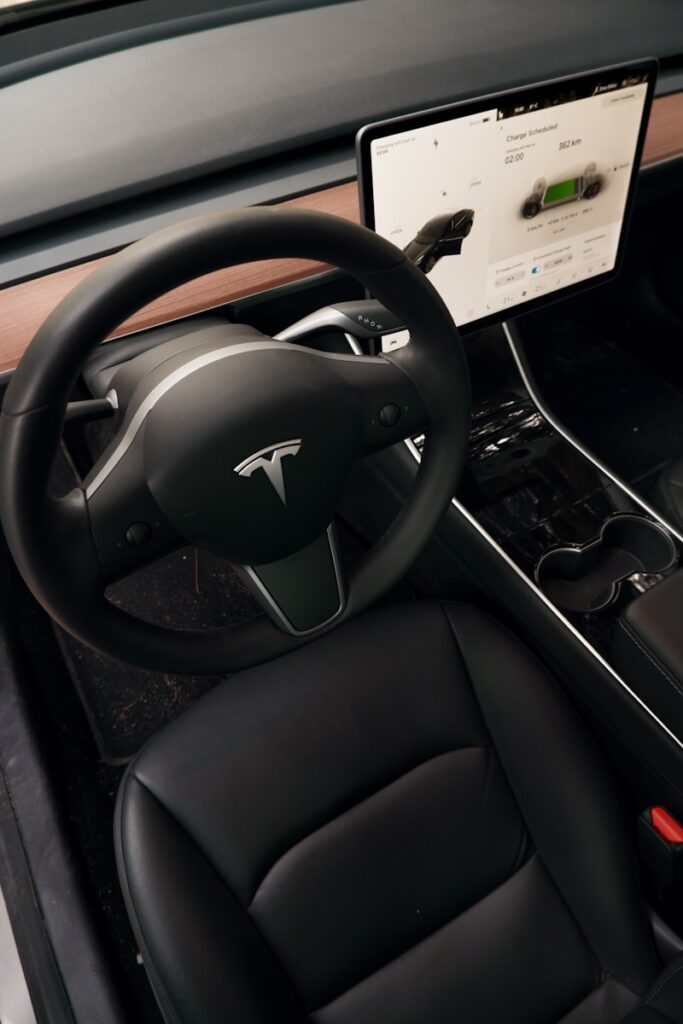
Tesla has expanded audio personalization with custom sound presets. Drivers can now save different EQ profiles for podcasts, classical music, or bass-heavy tracks. This small addition really makes a big difference in day-to-day enjoyment, especially for audiophiles who appreciate good sound quality across a variety of content types.
Fun & Custom Features
- Custom audio EQ presets
- Easy profile switching
- In-Car Photobooth
- Shareable content via app
- Digital automotive personalization
Beyond audio, Tesla injects a few playful features such as the Photobooth, which enables cabin camera selfies with filters and stickers. Among these, users can also personalize digital car avatars by adding wraps and license plates, reinforcing how Tesla melds utility and entertainment.
10. Entertainment expands during charging stops.
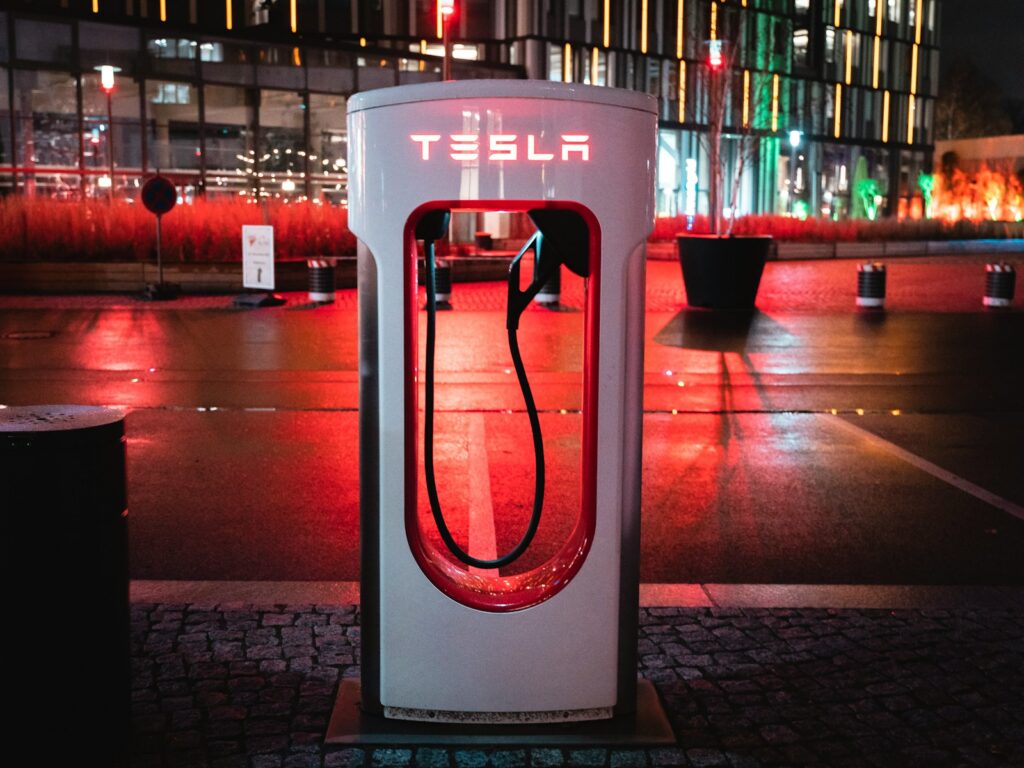
Long sessions of charging become more entertaining with the expansion of options for entertainment. This SpaceX Docking Simulator game lets users guide a space vehicle through controls similar to real-life NASA systems. While playful, this also reflects Tesla’s commitment to making downtime engaging rather than tedious.
Entertainment When Idle
- SpaceX Docking Simulator
- Realistic control mechanics
- Ideal for charging stops
- Engaging stationary experiences
- Increased ownership enjoyment
These features reinforce Tesla’s belief that a car can be much more than just transportation. Driving or parked, the vehicle becomes a place to relax, play, and enjoy time, setting a new benchmark for electric vehicle ownership.