







China’s C919 Jet: The Dawn of a New Aviation Contender

The COMAC C919 story resembles one of those rare occasions when nation ambition collides with the actual situation in the aviation industry. I have always been impressed by the way in which a single airplane could carry so much more than people it carries dreams, pride, and years of hard work. It was not just another flight when that first commercial C919 departed Shanghai Hongqiao Airport on May 28, 2023, heading to Beijing. It was China making its courageous entry into the big league of commercial jet production and threatening the domination that Boeing and Airbus have had. 16 years of preparation, thousands of challenges, and a giant portion of will combined in that takeoff and 130 thrilled passengers on board signaled the beginning of something really big.
The C919 owes its specialness not only to the engineering but also the human factor the pride on the cabin, the gentle ride which left even experienced flyers shocked, and the silent assurance which it gave to an industry that is otherwise dominated by two giants. Since such jets have continued to enter service in greater numbers, the original buzz has translated into reliable steady service. Customers continue telling about comfortable cabins, fine meals on short routes, that consistent lack of noteworthiness that in fact translates to everything being superb. It is the type of milestone that makes us remember that aviation is all about the connection, the progress and at times, it is about proving that something is possible when a nation puts its heart into a project.
1. The Original First Commercial Flight
There was something special in that maiden voyage on May 28, 2023. The glossy white jet, boasting of being the first C919 in the world, made a roll at Shanghai Hongqiao, with passengers holding those red boarding passes, which are so rare. It was not an average fly between Shanghai and Beijing, it represented the birth of China into the era of manufacture of huge passenger planes without depending on the foreign companies, decades of depending on the west was over. The two hour journey seemed to be full of anticipation, and when it landed in Beijing with a time-honored water cannon welcoming, it was possible to feel that history was being made.
The atmosphere in the cabin was merry enough. Themed cuisine, birthday cake, waving the national flags, and even a song or two in the style of a patriot were bursting out in the altitude of the cruise. Passengers such as the Zhang Keli of Beihang University spoke of being so excited and proud because he found the takeoff, landing, and more generally the flight so smooth than most of the narrow-bodies of the time. It established a good and encouraging tone of anything that followed.
Highlights of the First Excursion:
- Onboard snacks that were served onboard were festive in nature.
- Large body comfort was equal to smooth performance.
- Otherwise, experienced travelers were taken aback by the quieter cabin.
- Patriotic pride enhanced excitement among passengers.
- Water salute in the entrance was a great welcome.

2. Passenger Experience and Impressions
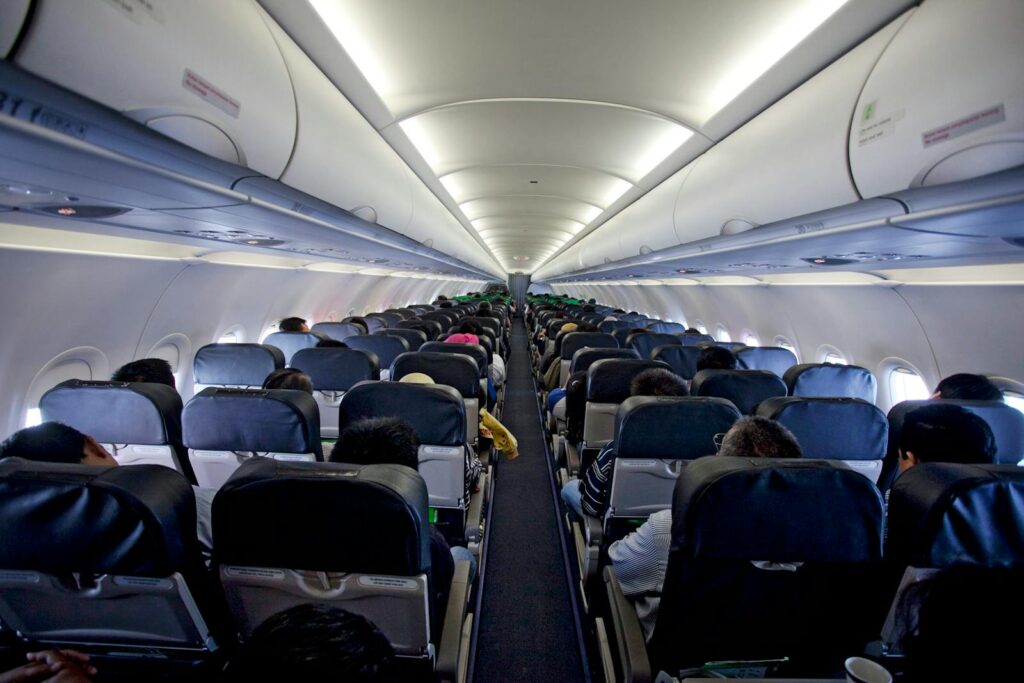
The C919 had become an object of anticipation to its aviation enthusiasts as they flew on it. Another fan who had already covered more than a million miles needed no persuading to have a taste of the first example in the Air China fleet of a month-old jet that still smelled of fresh paint. The design was immediately recognizable, as an airbus A320, with 158 seats: eight in first class and the rest in the economy. To a tall person whose height is 180 cm, the emergency exit row had ample space of stretch-out.
Little things such as comfort mattered as well. These days, thin seats are the norm in the industry, although free pillows, convenient USB-A/USB-C ports, and a hot meal were also welcomed on short flights. Washrooms were also bright, clean, and not as crowded as on a few competitors. Experienced flyers usually referred to the experience as being unremarkably remarkably safe and comfortable with the experience rock-solid.
The Things Passengers Valued the Most:
- Large interior even though it has a normal narrow-body design.
- Easy-to-charge device ports.
- Hot meals on local domestic flights.
- Clean, roomy lavatories.
- Comfortable, bumpy ride.
3. Development of Domestic Network and Fleet Development
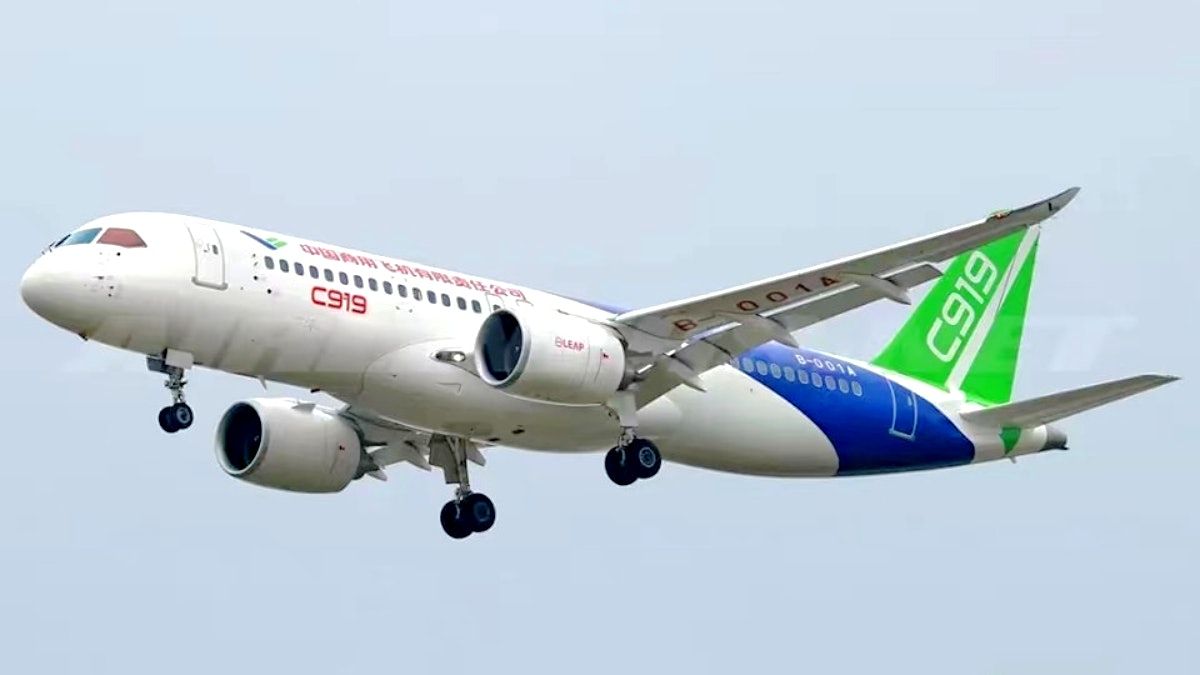
By the beginning of 2026 C919 has reached out to more cities in China and has become a common sight on the busy domestic routes. It has gradually found its way into the fleet of airlines such as China Eastern, Air China and China Southern, serving routes including major hubs such as Shanghai, Beijing, Guangzhou, Chengdu, Chongqing, Xi, and the latest new addition the recent addition on Guangzhou-Nanjing. This expansion of the network indicates increased confidence in the day to day reliability of the aircraft following its successful flights in thousands.
The fleet alone has increased significantly as well and deliveries are being made despite the difficulty in achieving high targets. There are several aircraft in service through China Eastern, then Air China and China Southern and the number of aircraft in operation by C919 has reached into the dozens. This accumulation enables the airlines to rotate the jet on routes of high demand providing more travelers with opportunities of experiencing it personally and aiding the collection of valuable operational data by the COMAC.
Indications of Stable Domestic Growth:
- Nine or more major cities are now served on regular routes.
- Growth of fleet in the three major airlines in China.
- Strong reliability of thousands of flights.
- New city pairs added in early 2026.
- Passengers of reaching up to millions in total.
4. The earliest Stepping out of Mainland China
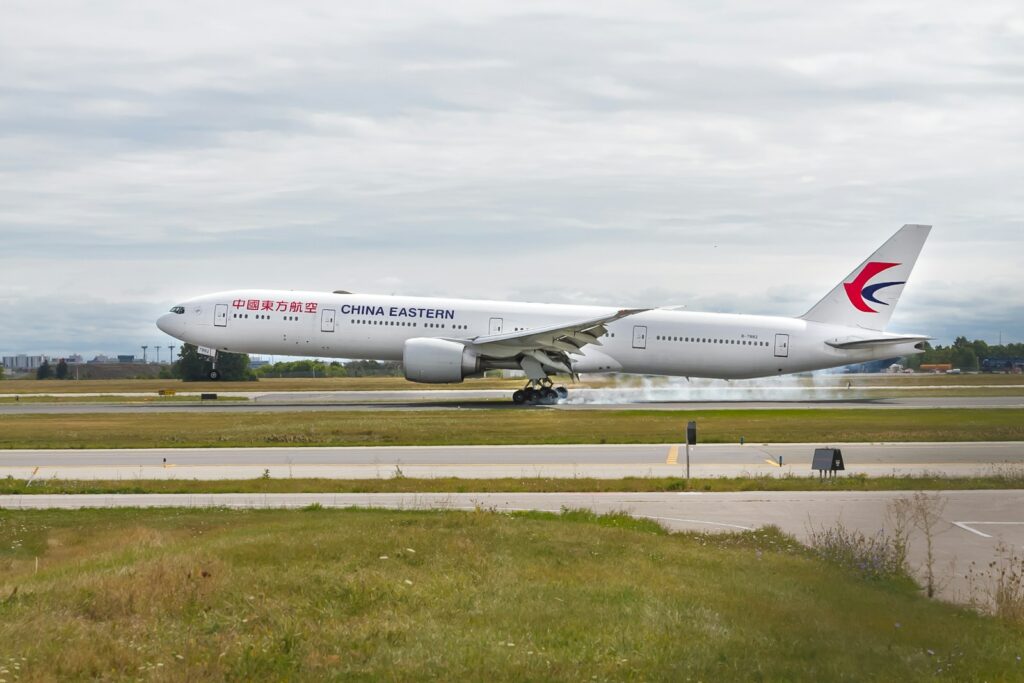
The push of the C919 out of the mainland was one of the hottest topics of discussion. Since January 1, 2025, China Eastern has been operating consistent daily flights between Shanghai Hongqiao and Hong Kong with the C919, the first day of the jet to a regular commercial operation outside of the mainland. The route which was previously served by other types has been a smooth sail and well received by the passengers who enjoyed the modern cabin in this short but symbolic hop area.
This relocation to Hong Kong created even more opportunities of regional ambitions. COMAC has publicly expressed its plans to enter Southeast Asian routes by 2026 and work together with the airlines in the neighboring countries to conduct business operations. Although only in the planning phase, these steps indicate how the program already plans to create international experience step by step beginning nearer to home where logistics and support can be handled much easier.
Milestones in Regional Outreach:
- Daily Shanghai-Hong Kong service launched.
- First regular ops outside mainland China.
- Plans for Southeast Asia routes in 2026.
- Positive feedback from initial cross-border flights.
- Builds operational trust for future expansion.

5. Progress Toward Global Certification and Challenges Ahead
On the certification front, 2026 kicked off with encouraging news: European Union Aviation Safety Agency (EASA) test pilots conducted validation flights on the C919 in Shanghai in mid-January. These hands-on evaluations mark a key phase in the long process toward European type certification, which COMAC has been pursuing since 2019 (with pauses during COVID). Experts estimate full approval could still take three to six years, but the increased technical exchanges signal real forward movement.
Challenges remain, though production ramp-up has lagged behind early goals due to supply issues and external factors, with 2025 deliveries lower than planned and 2026 forecasts more modest (around 25-50 units depending on sources). COMAC isn’t actively chasing FAA certification yet, focusing first on EASA and building a solid track record. Still, the ultimate goal is clear: prove the C919’s safety and reliability to open doors worldwide.
Key Certification and Hurdle Updates:
- EASA test flights completed in January 2026.
- Validation activities advancing steadily.
- Timeline for European approval: 3-6 years.
- Production targets adjusted for realism.
- Focus on building global support network.
6. Strength of Order Book and Ultrasonic Production in a rush
The C919 order book is also quite impressive and there are more than 1,000 firm commitments on the aircraft (primarily Chinese carriers and lessors), which are also indicative of high domestic demand. The key carriers such as China Eastern, Air China, and China Southern have big orders which tend to be 100 plus indicating the drive by Beijing to incorporate the type into domestic fleets. With this sense of confidence, the program will continue to go regardless of the external pressures.
The scaling of production has not been as easy as it was expected. In 2025, COMAC had big goals, but produced significantly lower (3-18 units according to reports), due to supply problems, geopolitical aspects, and reliance on components. The 2026 plans are for gradual rises of maybe 25-57 aircraft with the company looking at an eventual increase of 150+ aircraft per year in the later years of the decade. It is a practical trade-off, that is, quality and reliability are put in the first place, rather than quantity.
Present-day Dynamics of Order and Production:
- Backlog of over 1,000 mostly local aircraft.
- Big Chinese airlines have majority of commitments.
- The number of 2025 deliveries was less than the targets.
- 2026 ramp-up projected at 25-57 units.
- Long-term objective: 150 and above per annum by year-end
7. Reliability and Passenger Milestones
One of the strongest attributes of the C919 up to this date has been day to day performance. By early 2026, the fleet will have completed thousands of commercial flights and delivered millions of passengers without any significant safety events, which will create actual trust with operators and travelers. It is steadily increasing in the utilization rates as maintenance networks are becoming more established and crews become more experienced.
The cabin quiet, comfortable and modern continue to receive positive feedback among the passengers when being compared to the established narrow-bodies. Statistical data indicates that the type can adequately serve the high-frequency domestic routes, and airlines, such as China Eastern, have reported that the type operates smoothly on the is busy links. This track record is essential in future credibility outside of China.
Evidence of Increasing Trustworthiness:
- Millions of passengers flown cumulatively.
- Millions of flights realized without any accidents.
- Increasing daily rates of utilization.
- Excellent cabin comfort feedback.
- No significant operational upheavals mentioned.

8. Path to International Markets and Certification Timeline
The extensive push towards global access is focused on Western certification, and the tangible move was made recently with EASA test flights in Shanghai (mid-January 2026). These validation sorties on handling, avionics, and systems are based on the resumed process in 2023 following COVID setbacks. The officials of EASA are very hopeful but at the same time realistic and have given it a time frame of three-six years (it may be 2028-2031) to get a complete approval.
In the meantime, the target of the first international activities is Southeast Asia by 2026, continuing the success in Hong Kong by COMAC. There are plans to collaborate with regional airlines in routes, which involve the advantage of proximity and convenient logistics. FAA certification is not the primary concern, but possibly the advance of EASA will open the doors to the wider acceptance in markets with European equivalent standards, such as parts of Africa and the Middle East.
Strategies Towards Global Acceptance:
- EASA test flights in January 2026.
- Certification: 3-6 years to come.
- Southeast Asia routes planned to be operated in 2026.
- Hong Kong operations true first move.
- At first concentrate on regional partnerships.
9. Production Future plans and order certainty
In the future, the production of the C919 by COMAC has a positive future after certain changes within the past few years. Although 2025 deliveries were lower than the first targets of between 13-15 units because the company is still struggling with supply issues, it is concentrating on gradual increase. It is projected to reach approximately 25 units in 2026 followed by rising slowly to higher volumes later in the decade, possibly 50 and above per year by making the supply chain mature.
The order book is still offering powerful support having more than 1,000 commitments that are majorly of the Chinese carriers such as China Eastern, Air China and China Southern who have 100+ slots each. This home demand creates a firm base and COMAC will be able to polish its processes and then be more aggressive beyond its borders. It is a pragmatic thing that they focus on reliability as opposed to hasty growth.
Outlook for Production and Orders:
- 2026 delivery projections around 25 aircraft.
- Steady ramp-up planned for late decade.
- Backlog exceeds 1,000, mostly domestic.
- Major Chinese airlines maintain large commitments.
- Focus on quality and supply chain improvements.

10. The Road to True Global Presence
The biggest question for the C919’s long-term success is breaking into the wider world, and 2026 is shaping up as a pivotal year for that. Recent EASA test flights in Shanghai (mid-January) represent meaningful progress in the validation phase, with increased technical exchanges signaling steady advancement. While full European certification could still take 3-6 years (potentially 2028-2031), these steps build credibility and address any early teething issues through tweaks rather than major redesigns.
COMAC’s strategy emphasizes starting close to home: after the successful Hong Kong route, Southeast Asia is the next target, with plans for commercial operations by 2026 via partnerships with regional carriers. This gradual expansion focusing on markets that may accept Chinese certification or bilateral approvals helps gather more operational experience while Western processes continue. Ultimately, when the C919 becomes a routine choice for airlines and travelers globally, that 16-year dream will feel fully realized, offering real competition and more options in the skies.
Path to International Breakthrough:
- EASA validation flights advanced in January 2026.
- Certification timeline: 3-6 years estimated.
- Southeast Asia commercial routes targeted for 2026.
- Regional partnerships prioritized for early wins.
- Long-term goal: routine global operations.