



Rivian’s New Lease Deals: A Glimpse into EV Ownership’s Future

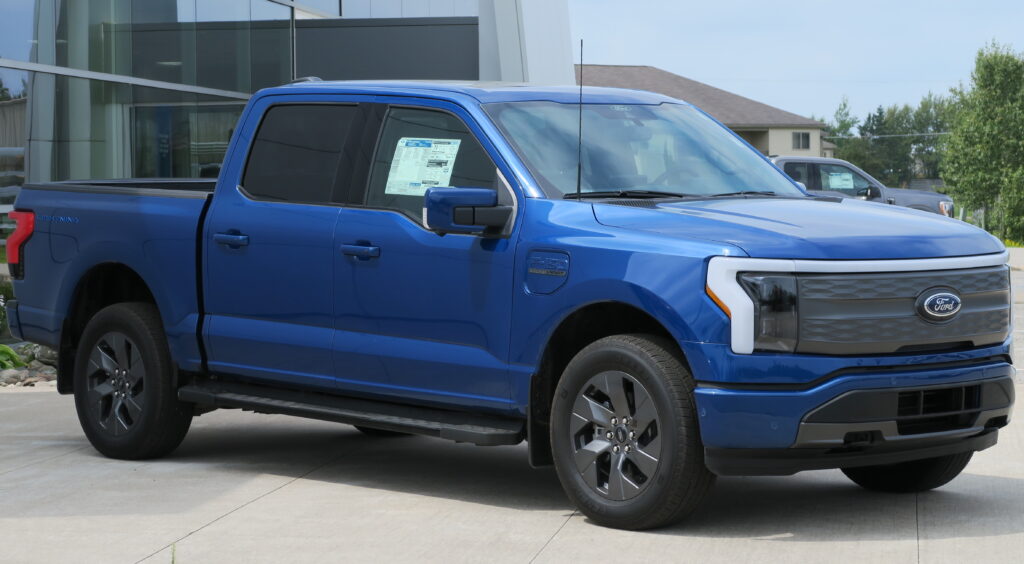
The market of electric vehicles is rapidly changing. It no longer focuses only on ambitious sustainability claims but increasingly discusses price and long-term investment in realistic terms. What felt futuristic yesterday is now a normal purchasing decision for families and businesses. Automakers are no longer selling innovation alone; they are selling accessibility. This emerging phase shows how electric mobility is becoming a competitive and customer-oriented industry.
Major Market Changes Driving Growth
- Shift from innovation hype to affordability focus
- Increasing competition among EV manufacturers
- Rising consumer demand for flexible ownership
- Global supply chain challenges creating pressure
- Greater emphasis on strategic pricing models
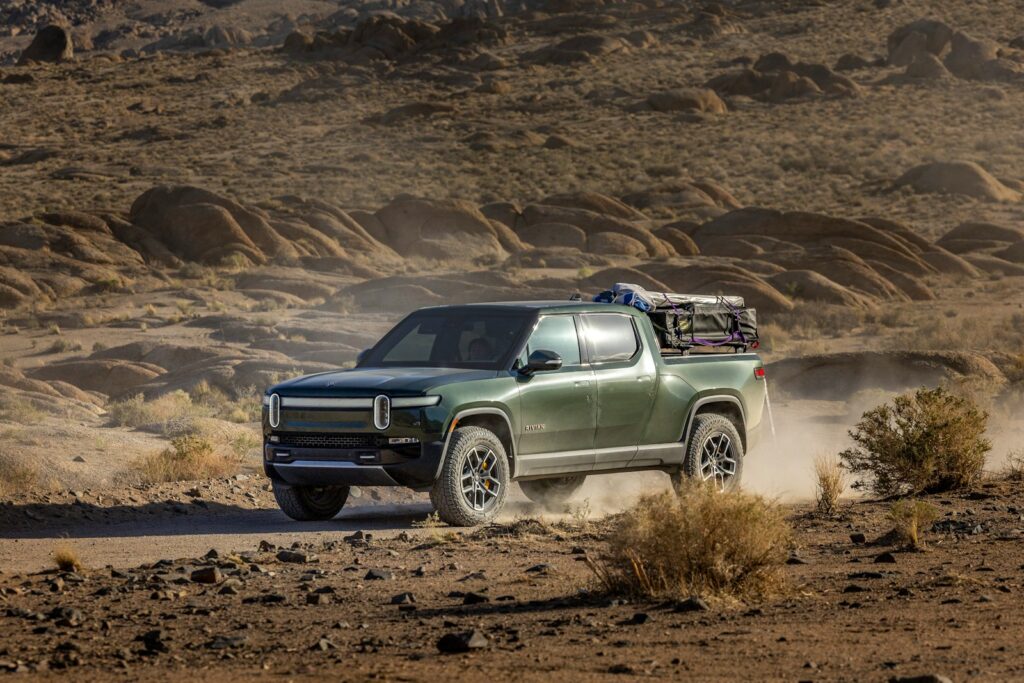
Rivian stands at the center of this transition, appealing to both adventure enthusiasts and technology-focused drivers. The company is not simply reacting to market realities by promoting high-tech engineering. Its recent leasing strategy is a calculated move to stay competitive while helping more drivers enter the EV market with confidence.
1. Managing in a Cloudy Market Environment
Evolving consumer expectations, shifting government subsidies, and tariff uncertainties are placing the broader EV industry in a complex position. Manufacturing costs remain under pressure due to global supply chain disruptions, and buyers are scrutinizing their financial decisions more closely. Strategic flexibility has become essential for automakers aiming to sustain growth in fluctuating economic conditions.
Market Headwinds Impacting EV Growth
- Tariffs increasing imported component costs
- Changing federal and state incentives
- Consumer economic uncertainty
- Competitive pricing from new EV brands
- Inventory management pressures
Rivian has chosen aggressive leasing over traditional discounting. This strategy stimulates demand without weakening long-term brand value. By lowering entry barriers instead of reducing sticker prices, Rivian demonstrates that affordability and flexibility now play a central role in purchasing decisions.
2. The Rivian Aggressive Leasing Strategy
Rivian’s consolidated summer lease offers are valid until September 1, 2025, providing significant savings for qualified customers. Instead of relying on a simple rebate, the company has layered incentives to maximize value. Combined savings can reach up to $15,500 on select models, making premium electric performance more accessible.
Elements of the Lease Savings Package
- Direct manufacturer lease contribution
- Application of federal EV lease credit
- Trade-in bonus incentives
- Adjustable model discounts
- Limited-time promotional pricing
This structured approach helps Rivian manage inventory while encouraging timely purchasing decisions. Customers benefit from clearer cost reductions, while the company maintains delivery momentum in a competitive landscape.

3. Lease Offers on the R1T and R1S
The strongest incentives apply to Tri-Motor variants of the Rivian R1T and Rivian R1S. Rivian contributes $6,500 toward lease down payments, which can be combined with the $7,500 federal EV lease credit and a $1,500 trade-in bonus. These combined incentives significantly reduce upfront expenses for drivers seeking premium electric capability.
Tri-Motor Lease Incentive Breakdown
- $6,500 manufacturer lease contribution
- $7,500 federal EV lease credit
- $1,500 trade-in bonus
- Lower initial out-of-pocket cost
- Greater access to premium trims
Dual Motor variants also benefit from summer lease promotions. Depending on configuration, discounts range between $3,000 and $5,000, with total savings reaching up to $14,000 on Max battery options. This ensures flexibility across multiple trims suited to families, commuters, and adventure-driven buyers.

4. Impact on Monthly Payments
The financial impact becomes especially clear when examining monthly payments. The R1T lease, previously priced at $779 per month, now starts at $566. Meanwhile, the R1S decreases from $809 to $586 per month. Reductions exceeding $200 per month significantly improve affordability perceptions.
Monthly Payment Reductions
- R1T reduced by $213 monthly
- R1S reduced by $223 monthly
- Lower entry cost for premium EV ownership
- Improved budget predictability
- Increased appeal for new EV drivers
These payment reductions shift the conversation from luxury aspiration to practical attainability. For many households, a $200 monthly difference determines whether a vehicle fits within their budget. Rivian’s repositioning reflects an understanding of financial realities while preserving brand strength.

5. Leasing or Buying in the EV Era
Rapid EV innovation has reshaped consumer perspectives on ownership. Leasing provides access to evolving software, hardware updates, and warranty coverage without long-term commitment. In an industry where battery performance and efficiency improve regularly, flexibility offers meaningful value.
Advantages of Leasing
- Lower monthly payments
- Warranty coverage throughout the lease term
- Easier access to technology upgrades
- Simplified incentive application
- Predictable short-term commitment
Buying, however, delivers long-term equity and full ownership control. Owners can customize their vehicles, drive unlimited miles, and sell at their discretion. For drivers with extensive travel needs or long-term usage plans, ownership offers unmatched freedom. The final decision depends on lifestyle priorities, financial goals, and comfort with evolving technology cycles.
6. Inside the Rivian R1T and R1S
The R1T redefines expectations for electric pickup performance by combining durability with remarkable acceleration. With a range of up to 420 miles and towing capacity of 11,000 pounds, it balances utility and performance. Its rapid 0–60 mph acceleration highlights how electric engineering has transformed traditional truck standards.
R1T Performance Highlights
- Up to 420-mile driving range
- 11,000-pound towing capacity
- 0–60 mph in under 2.5 seconds
- Five-passenger seating
- Starting price around $69,900
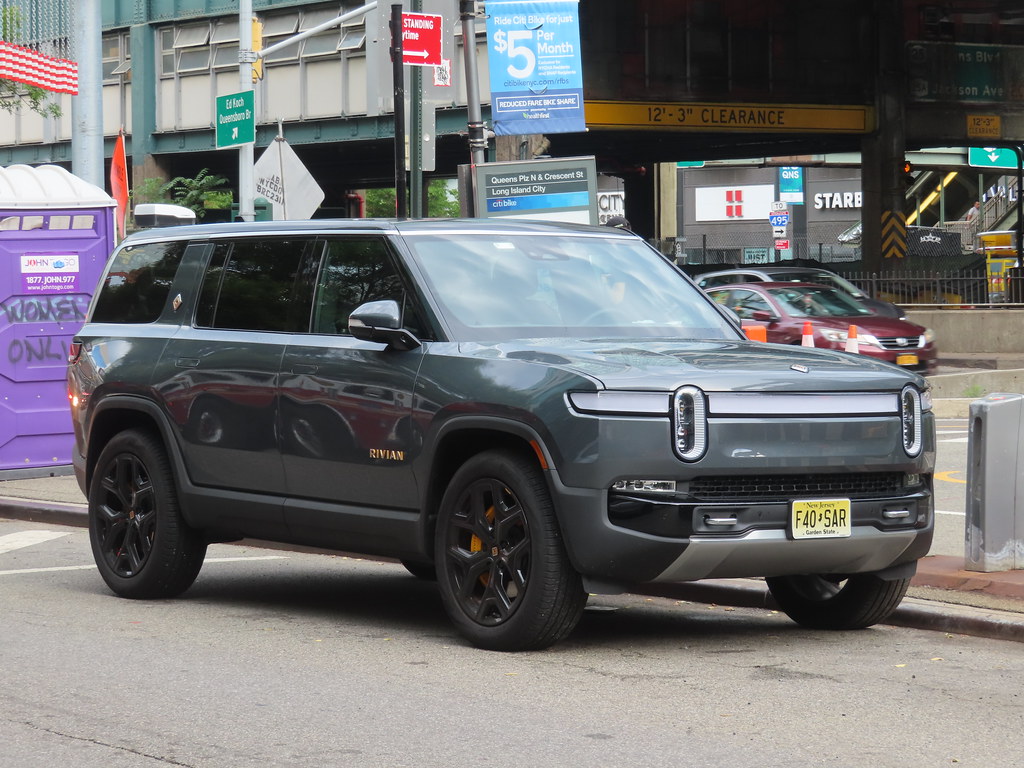
The R1S extends this capability with family-focused versatility. Offering seating for seven and a range of up to 410 miles, it blends adventure readiness with everyday comfort. Despite its spacious SUV design, it accelerates from 0–60 mph in approximately 3.0 seconds.
7. The Rivian Ownership Ecosystem
Beyond the vehicles themselves, Rivian has developed a comprehensive ownership experience. Its direct-to-consumer model removes traditional dealership layers, allowing customers to complete financing and paperwork digitally. Delivery options include home service or guided walkthroughs at service centers for added clarity and convenience.
Ecosystem Benefits
- Digital purchasing process
- Home or service center delivery
- Trade-in acceptance across brands
- Loan payoff handling for trade-ins
- Simplified documentation
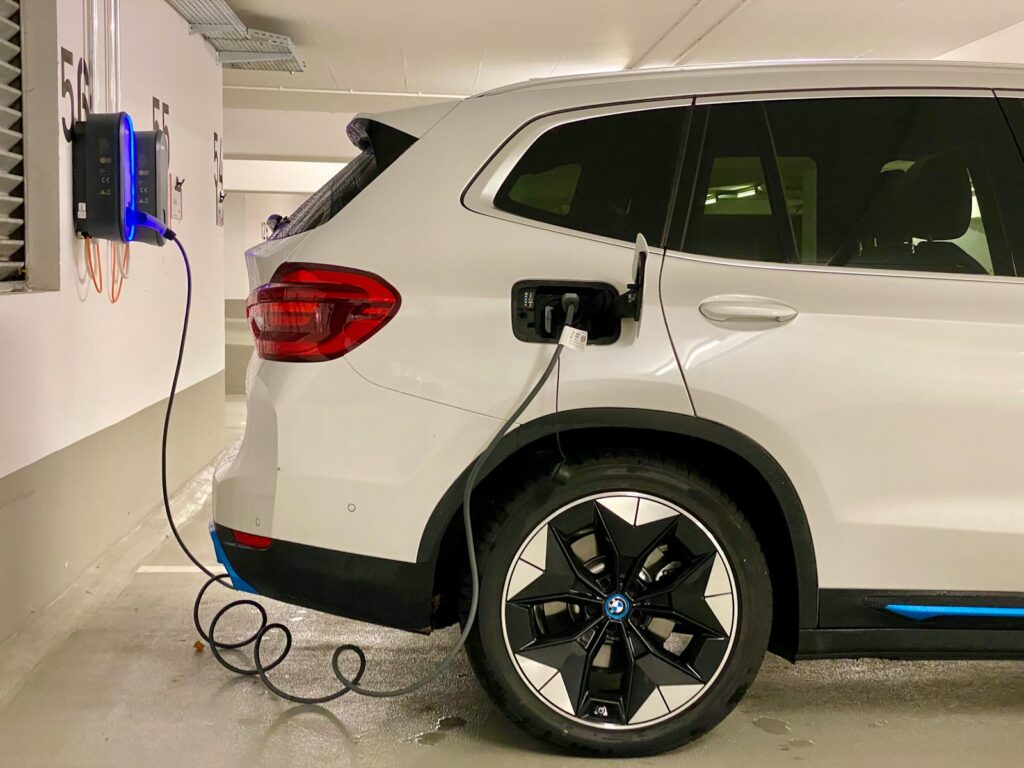
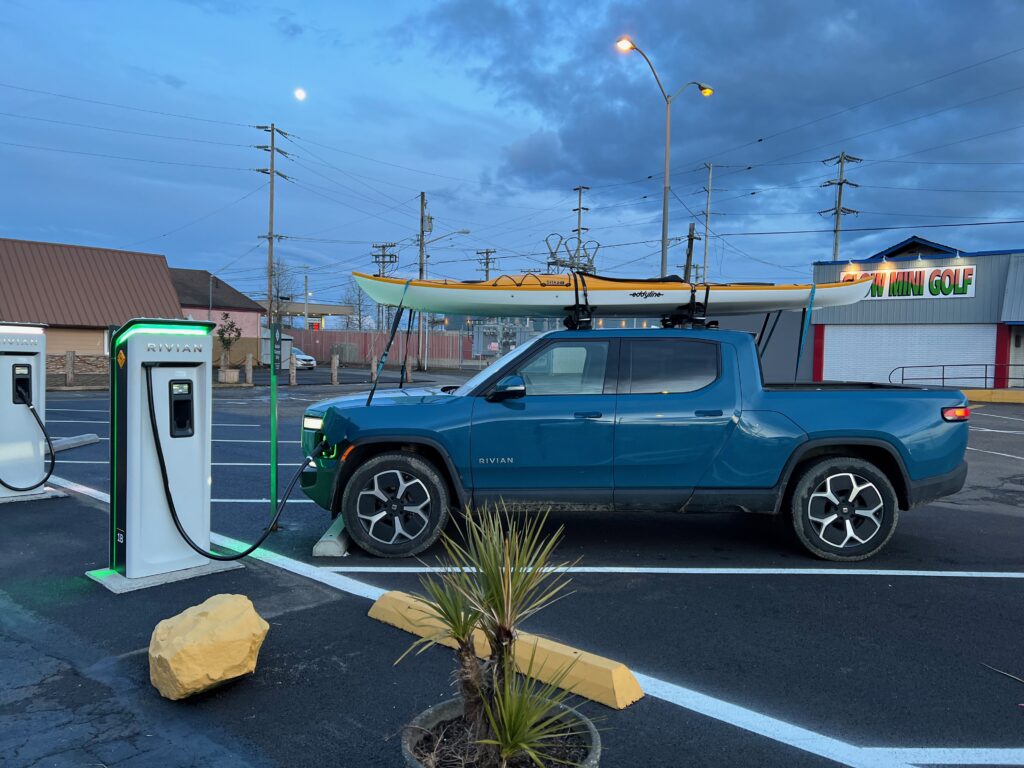
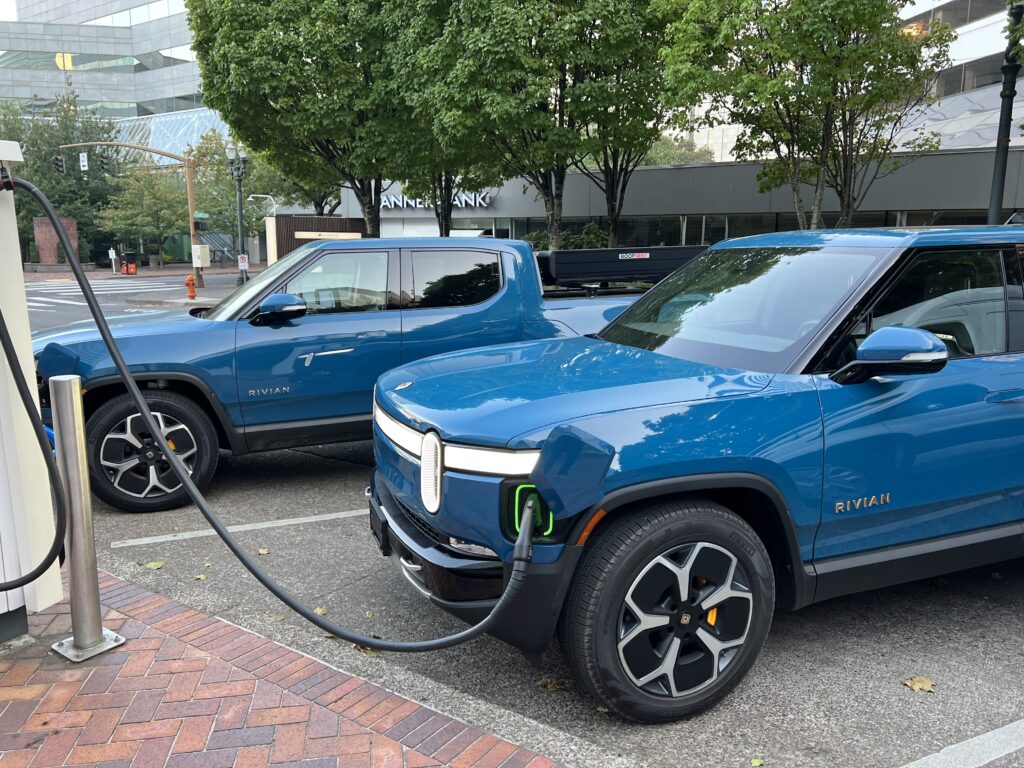
Charging infrastructure further strengthens ownership confidence. Rivian owners access the Adventure Network fast chargers and destination Waypoints at parks and hotels. Compatibility with third-party networks, along with future adoption of Tesla’s NACS connector, expands charging convenience across North America.
8. Warranty Coverage and Customer Confidence
Rivian’s warranty program reinforces its premium positioning. The 2025 models include a 4-year/50,000-mile comprehensive warranty and an 8-year/175,000-mile battery and drivetrain warranty. Five years of roadside assistance further demonstrate long-term commitment to customer security.
Warranty Highlights
- 4-year/50,000-mile comprehensive coverage
- 8-year/175,000-mile battery warranty
- 5-year roadside assistance
- Drivetrain protection
- Long-term durability assurance
Transparent warranty coverage helps reduce hesitation among prospective buyers and lessees, particularly those concerned about battery longevity. Rivian’s structure reflects confidence in its engineering and supports consumer trust during the transition to electric mobility.
9. Preparing for the 2026 Model Year
Rivian’s strategy aligns with the upcoming 2026 model refresh. Updated R1T models will start at $70,990, while R1S pricing begins at $76,990. Current 2025 lease promotions help balance inventory while smoothing the transition to slightly higher pricing.
Strategic Transition Goals
- Manage outgoing 2025 inventory
- Introduce refreshed 2026 lineup
- Support pricing adjustments
- Maintain delivery momentum
- Preserve competitive positioning
At the same time, Rivian is preparing its more affordable R2 platform for the future. With delivery guidance between 40,000 and 46,000 vehicles for 2025, the company balances realism with ambition. Leasing supports short-term stability, while product expansion positions Rivian for broader accessibility and sustained growth.

10. The Bigger Picture: EV Market Maturation
Rivian’s leasing strategy illustrates how the EV market is evolving from novelty to normalization. Consumers now expect value, flexibility, and convenience alongside sustainability. Leasing bridges innovation and affordability, aligning with modern financial preferences that emphasize access over ownership.
Signs of Market Maturity
- Focus on competitive pricing
- Expansion of charging infrastructure
- Greater consumer choice
- Inventory-based promotions
- Shift toward flexible acquisition models
Electric mobility is steadily maturing. Rivian’s approach demonstrates confidence that flexible access models may define the next phase of vehicle adoption. By strengthening community presence and expanding accessibility, the company positions itself for sustained relevance in a competitive and evolving market.