


A Guide to Every Car, Truck, and SUV Assembled in America

The global automotive supply chain is an intricate system of manufacturing and suppliers and logistics. It has taken decades of manufacturers to strike the right balance between regulations, tariffs, and monetary gains to decide on where the vehicles would be manufactured. The issue of where is it made has never been more topical in the recent days due to the changes in the import taxes and the trade policies. The consumers are listening and manufacturers need to change their production strategies.
The reason why U.S. Manufacturing Matter:
- The local manufacturing protects motor vehicles against tariffs
- Favors community jobs and the economy
- Streamlines the supply chains and minimizes transportation periods
- Improves brand name recognition among the US customers
- Gives it easier access to federal incentives and regulations
Knowledge of the vehicles manufactured in the United States assists consumers and automotive analysts to sort through the evolving automobile market. The domestic assembly is not merely a marketing fact; it influences the pricing, source of parts and even the environmental aspect. With the industry changing U.S.-based plants are becoming more strategic and efficient but they balance between efficiency and serving local as well as global markets.
1. BMW: Spartanburg Strategy Hub
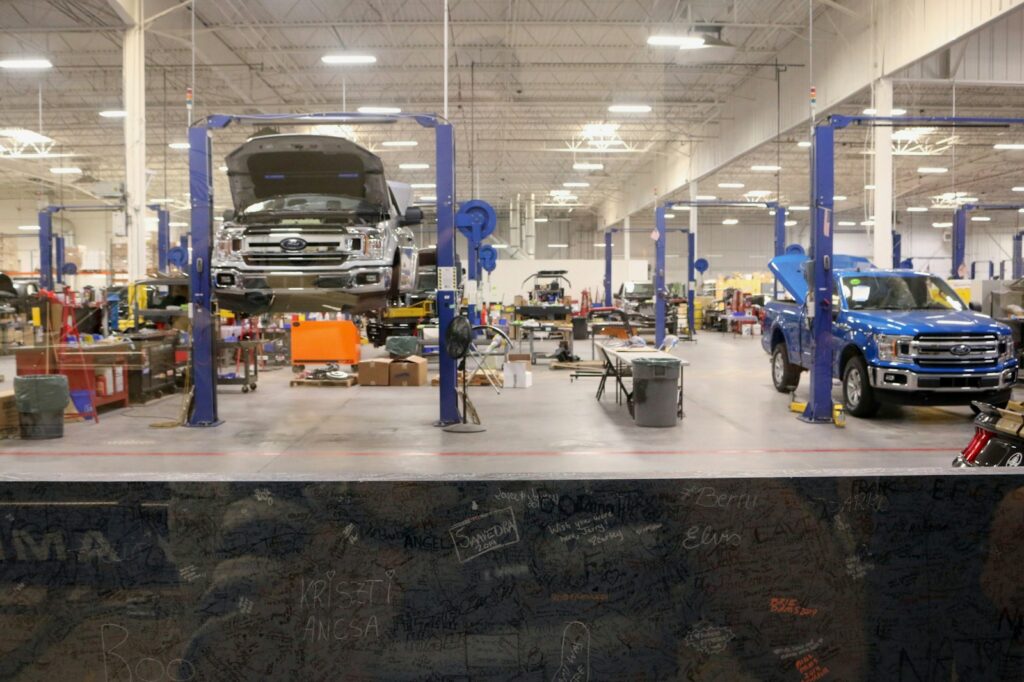
The biggest world-wide plant of BMW is in South Carolina, in Spartanburg. It is also the manufacturing base of the majority of the brand Sports Activity Vehicle (SAV) products such as the X3, X4, X5, X6, X7 and high-performance XM. It is not merely a local manufacturer; it is a major export center that distributes the cars to its markets across the world showing that BMW is willing to combine local production with a global supply chain.
The U.S. production highlights of BMW have been:
- BMW has the largest manufacturing plant in the world at Spartanburg
- Majority of SAV lineup is produced
- Cars are sold to foreign markets
- Domestic is different in models such as 9 percent in X3, and 32 in X5
- Exempts Shields BMW in U.S. import tariffs on popular models
This plant will see BMW being able to produce high quality vehicles and still have a significant presence in the American market. The local assembly, coupled with global standards, gives BMW a balanced approach between global and domestic advantage, and Spartanburg is a crucial pillar in the manufacturing strategy.
2. Ford: Deep roots across America
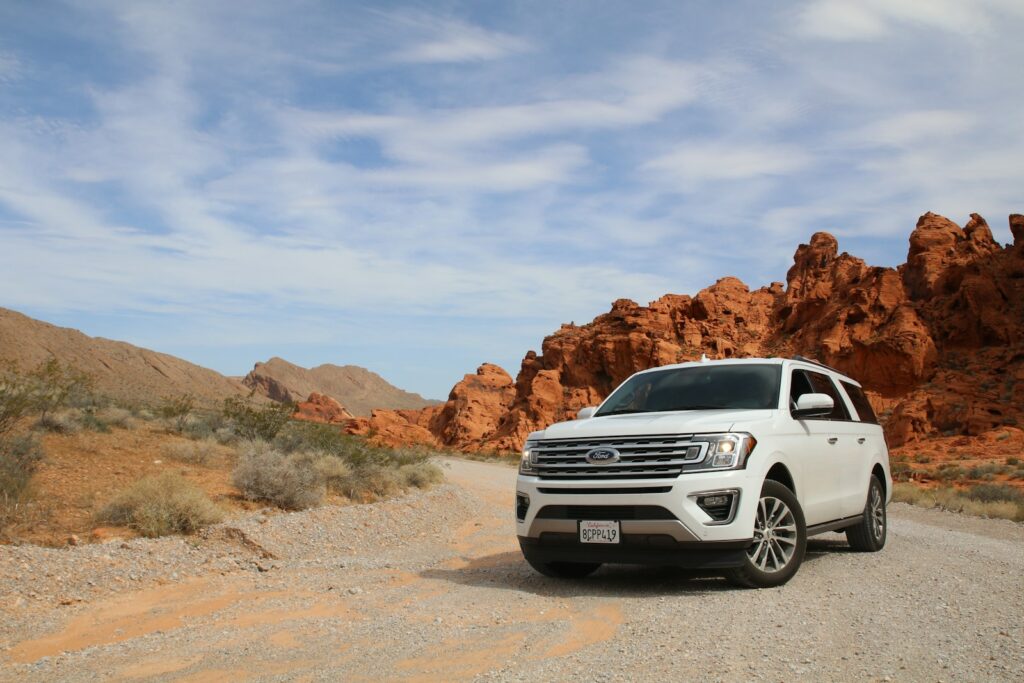
Ford has a manufacturing presence in the U.S. of several states, such as Michigan, Illinois, Kentucky, Missouri, and Ohio. F-150, Mustang, Bronco, and Explorer are iconic brands that are produced in the USA, which is a long-running tradition of American production. This large network enables Ford to exert quality control as well as ensuring that the production is close to the major consumer markets, with the focus on the identity of the brand as a quintessentially American manufacturer.
Ford U.S. Manufacturing Highlights:
- The F-150, Mustang, Bronco and Ranger are manufactured at Michigan plants
- Kentucky plants put together the Escape and Expedition
- The Explorer is constructed in Chicago Assembly Plant
- Aviator, Corsair and Navigator are all locally manufactured Lincoln models
- Key models have a domestic parts content of between 42 and 45 percent
It is not just the tradition that Ford focuses more on domestic manufacturing, it is strategic. Local vehicle manufacturing provides resiliency to global supply chain shocks, quicker reaction to client requests, and provides the brand with a firmer sense of American identity in an ever-globalizing market.
3. General Motors: Nationwide Manufacturing Network
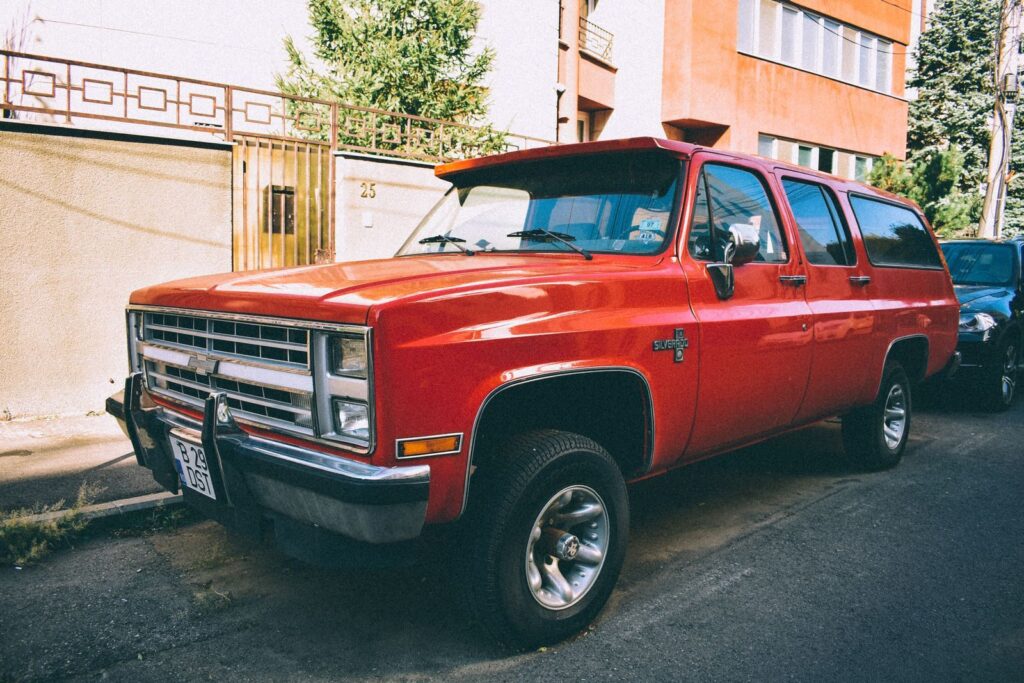
The General Motors has an enormous system of assembly plants in the United States spread across states, such as Texas, Michigan, Tennessee, and Kansas. The vehicles produced in these plants are under Chevrolet, GMC, Cadillac and Buick brand. Through the strategic investments in domestic manufacturing, GM can effectively deal with the tariff changes and pressures encountered in the international supply chain and offers the company a competitive advantage in North America.
GM U.S. Assembly Highlights:
- Escalade and Suburban are manufactured in Arlington, Texas
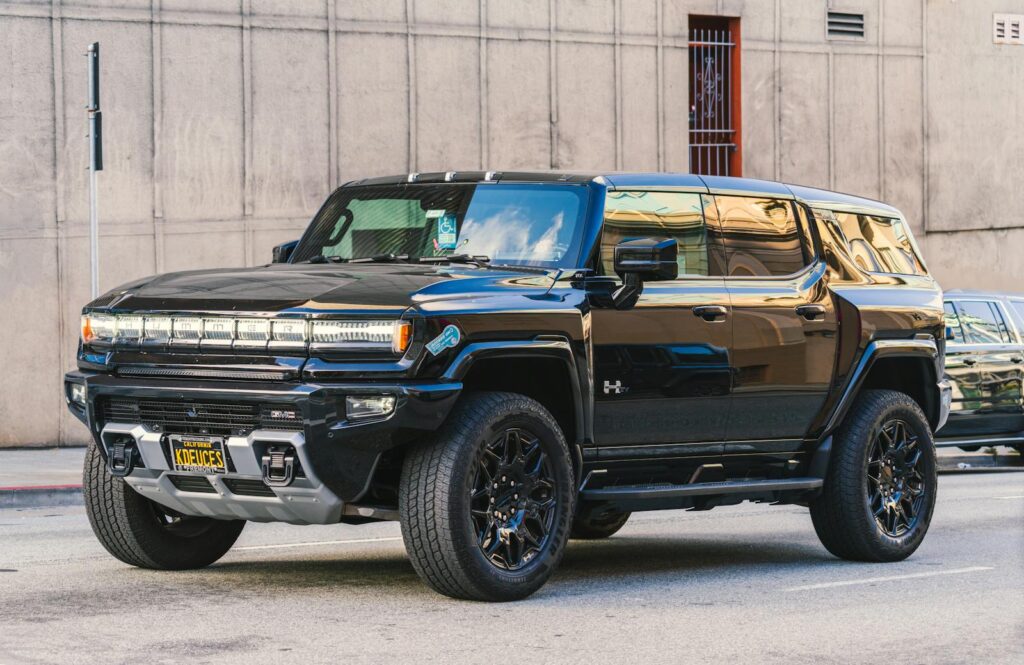
- Silverado EV and Hummer EV are made in Detroit-Hamtramck Factory ZERO
- The plants in Lansing assemble Cadillac CT4, CT5, and Buick enclave
- The average of domestic parts content is 37%
- The target is a combination of electric, SUV, and luxury cars
The strategy of GM emphasizes the role of balancing between the traditional vehicles with the innovation of electric cars. As a company that has decades of experience at home, GM will be flexible yet still able to address the changing consumer preferences and regulatory demands.
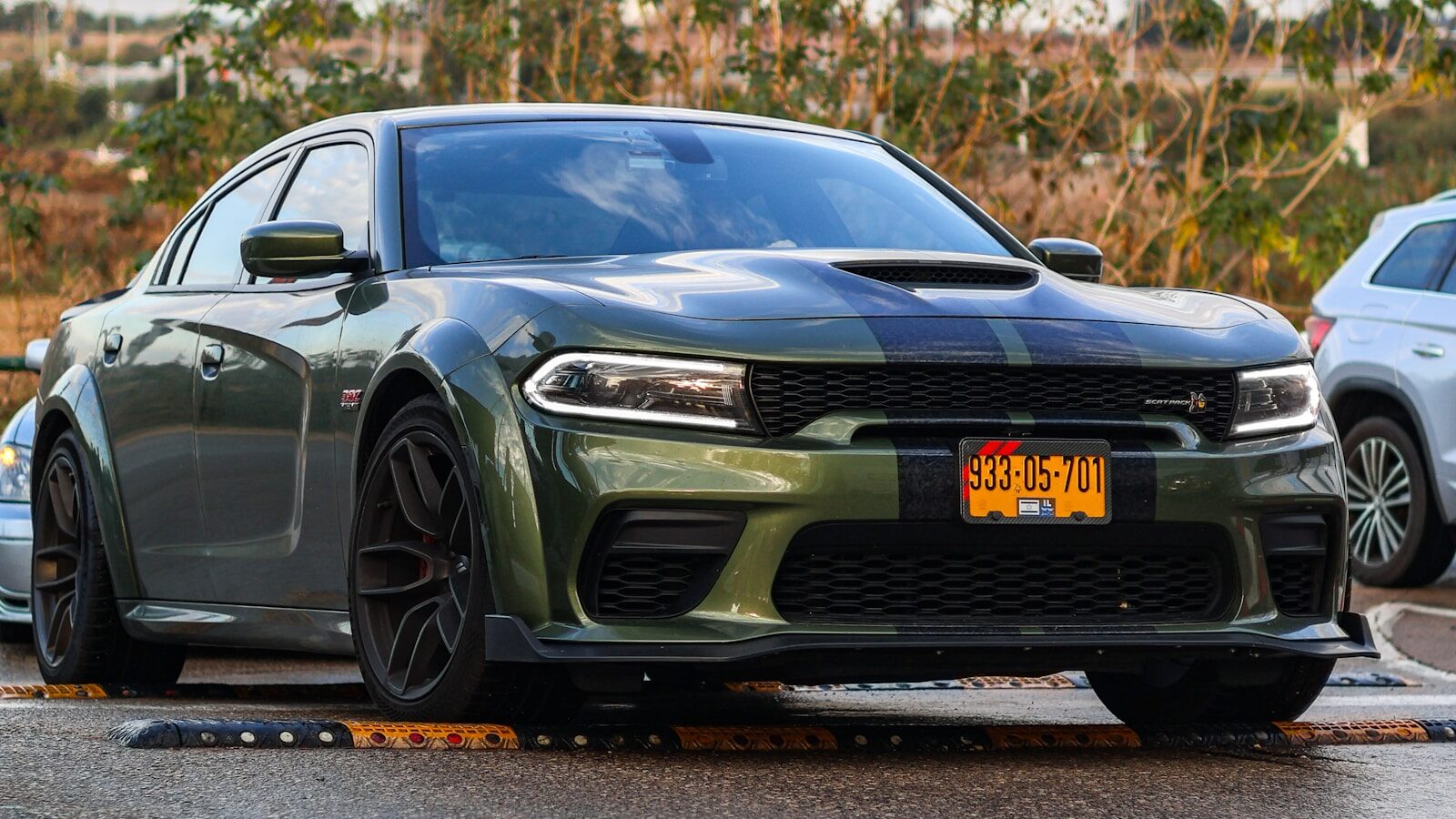
4. Stellantis: Pure American Brands
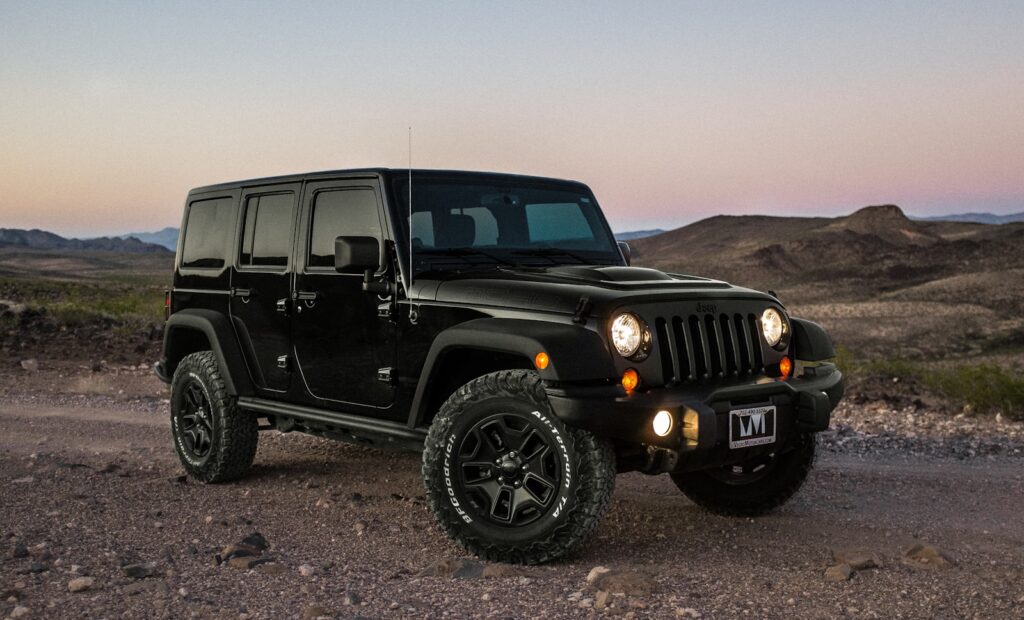
Stellantis uses its facilities in the United States to manufacture truck and SUVs branded under Dodge, Jeep and Ram. The Jeep Wrangler, Gladiator, Grand Cherokee, and Dodge Durango are among the major models assembled in Illinois and Ohio by the plants of the company. The company is concentrating on high domestic content whereby these cars carry a high Made in America identity and in the eyes of consumers in the United States who are interested in vehicles that are built locally.
Stellantis U.S. Manufacturing:
- Toledo, Ohio: Jeep Wrangler and Gladiator (68-74 domestic content)
- Jefferson North, Michigan: Jeep Grand Cherokee (71%), Dodge Durango (73%)
- Ram 1500 and Wagoneer vehicles are assembled in Warren Truck Plant
- Target SUVs and pickups that are vital in the U.S market
- Good equilibrium between the traditional brands and the innovations
With a focus on domestic production, Stellantis reinforces its position in the market and enjoys the federal benefits and does not have to pay some of the import tariffs, which makes its trucks and SUVs remain competitive in terms of price and image.
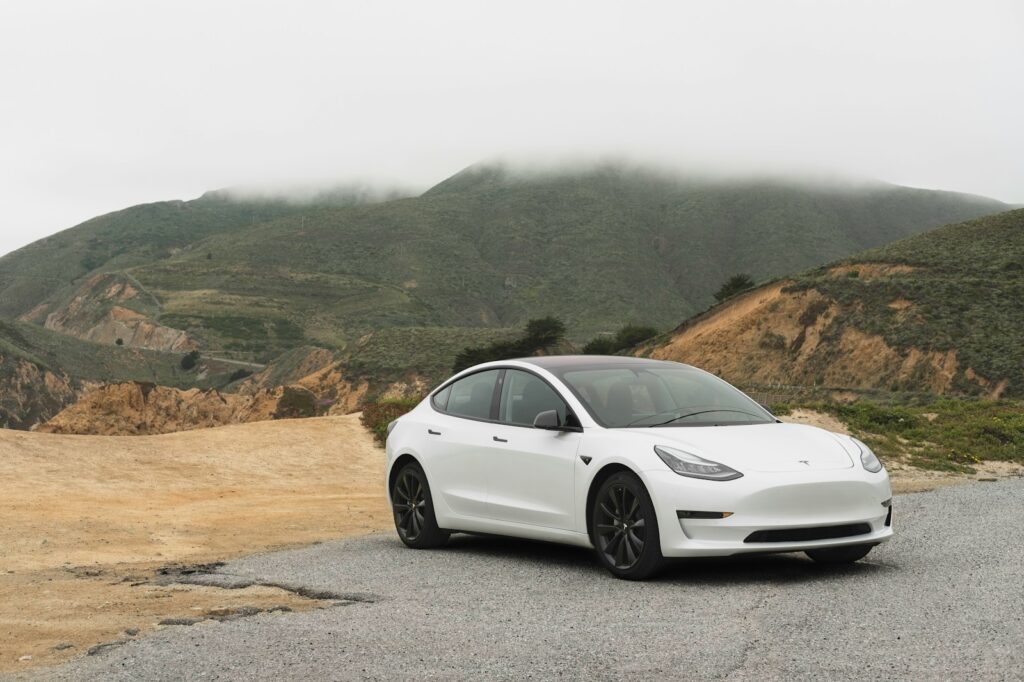
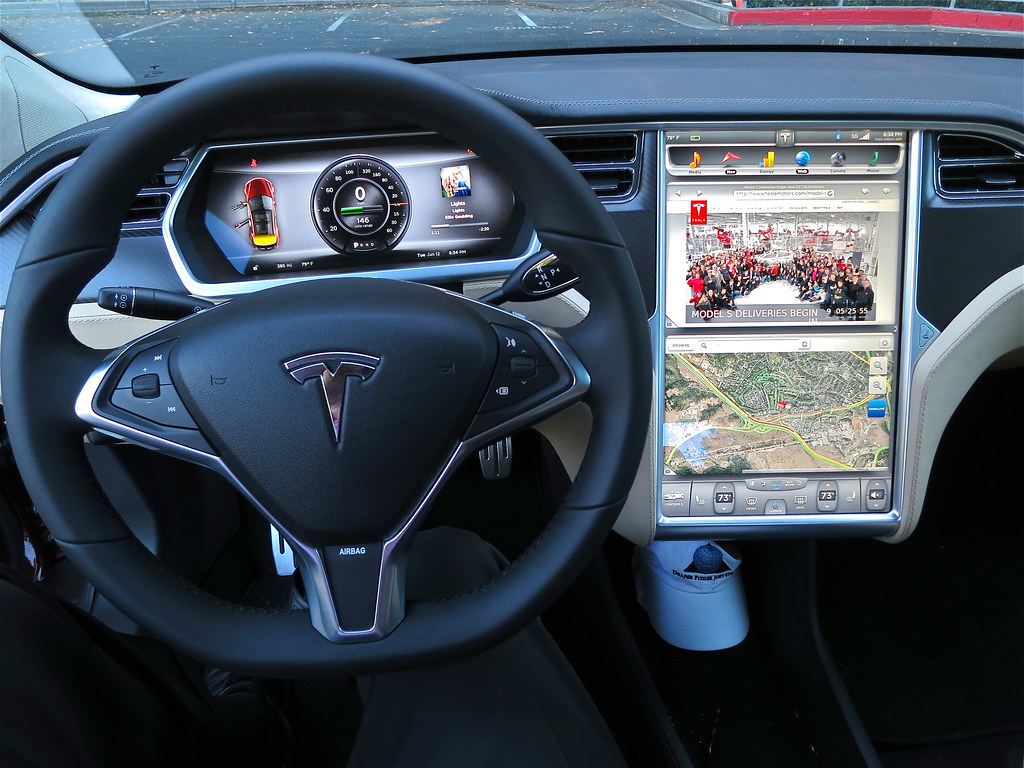
5. Tesla: All-U.S. Based Manufacturing
Tesla stands alone among the automakers because it manufactures 100 per cent of its cars in the U.S. Its Fremont, California, and Austin, Texas, plants manufacture the entire range, such as the Model S, 3, X, Y and Cybertruck. Tesla domestic assembly would enable the company to have close control over the supply chain, is eligible to receive federal EV incentives, and is also able to have uniform quality and production timelines.
Tesla Production Facts:
- Fremont Factory manufactures Model S, 3, X and Y
- Model Y and Cybertruck are only manufactured by Austin Gigafactory
- All the vehicles are manufactured in the U.S
- Large content of parts (U.S. and Canadian up to 75 percent)
- Enables EV incentives by facilitation
The strategy of Tesla shows the advantages of the fully domestic strategy. Through central production Tesla has the ability to control all points of assembly, limit vulnerability to worldwide upheaval, and offer a high degree of compliance with U.S. policy incentives to use electric vehicles.
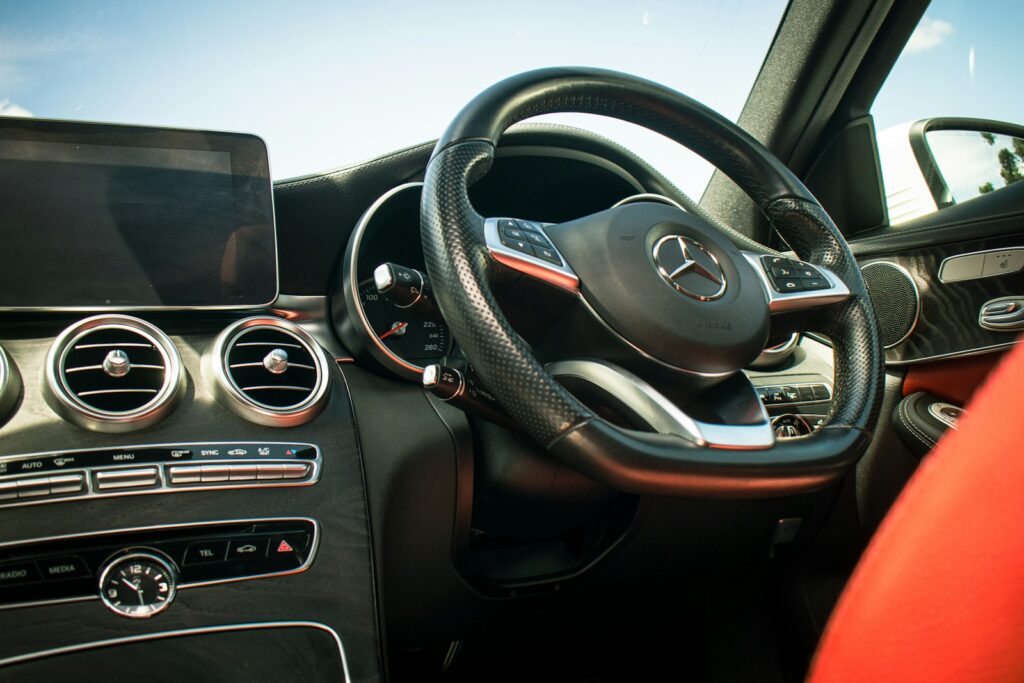
6. Mercedes-Benz: Tuscaloosa SUV Hub
Mercedes-Benz has a number of major SUVs produced in Tuscaloosa, Alabama such as GLE, GLS, EQE SUV, and EQS SUV. Even though the facility helps in exports, high-performance AMG cars are vehicles made in Europe. This is a commentary on the balance that the company has in localized production to meet the U.S. market, and the specialized production to niche performance model overseas.
Highlights of the Mercedes-Benz U.S. Assembly:
- Tuscaloosa plant specializes on SUVs
- Favors exports to the foreign markets
- The average of domestic and Canadian parts content is 10%
- AMG fast-performance models made in Europe
- Major assembly centre of mid- and large-size SUVs
Tuscaloosa is a key point of Mercedes-Benz, which can customize SUVs to the North American preferences and use the plants in Europe to produce high-performance and specialized models, proving the intricacy of the contemporary automotive companies.
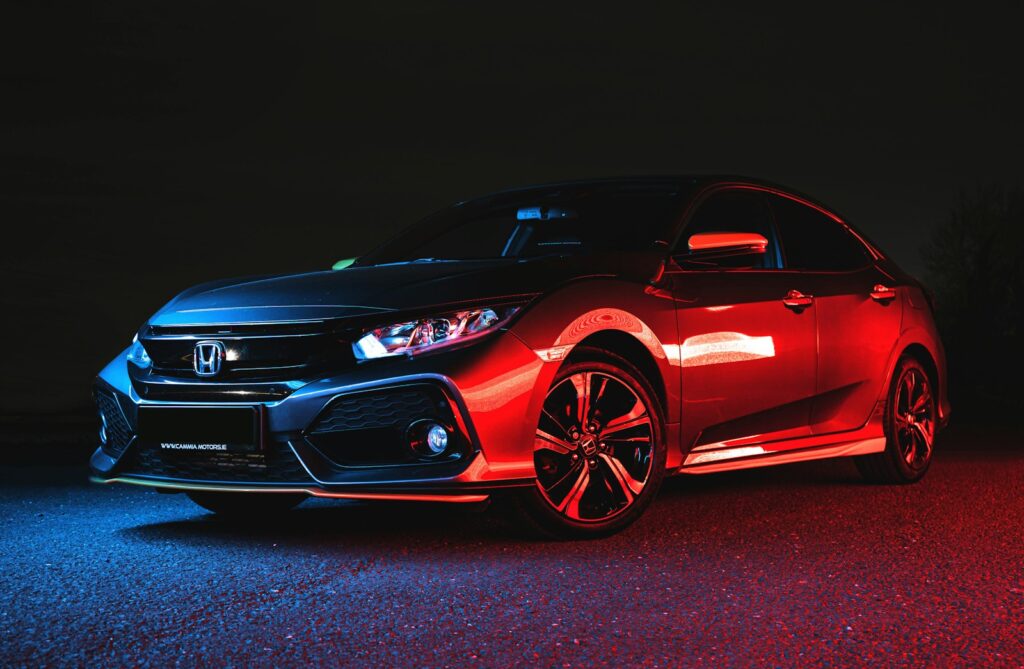
7. Honda: A Robust U.S. Presence
Honda has several plants in the United States which are located in Ohio, Alabama, and Indiana that manufacture models under Honda and Acura brands. These plants are put together with vehicles of family sedans and SUVs, as well as minivans and luxury cars. Domestic content is very high which contributes to the fact that Honda is devoted to the idea of the local production and hence regional jobs and the advantage in the field of the regulation.
Honda U.S. Manufacturing Highlights:
- Marysville and East Liberty, Ohio: Accord, Integra, CR-V, Acura MDX
- Alabama plants: Odyssey, Passport, Pilot, Ridgeline
- Domestic content 60-70% averaging
- Sponsors mass-market and luxury cars
- Market positioning advantage of United States
The manufacturing presence in the U.S. indicates both the operational strategy and brand identity of Honda that enables it to satisfy the demand of its consumers in the U.S. as well as maximizing the supply chain and utilizing the domestic benefits.
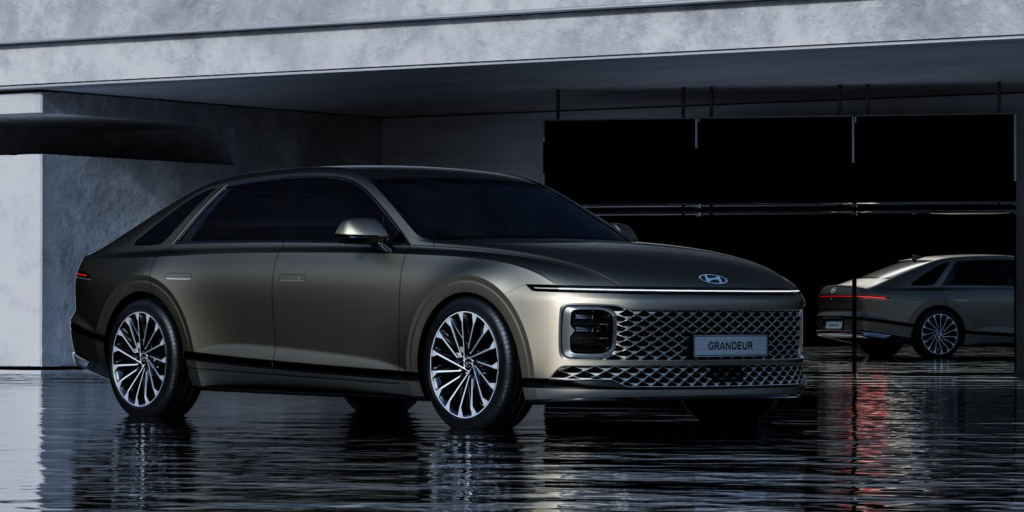
8. Hyundai and Kia: Increasing Domestic Presence
The Montgomery, Alabama factory of Hyundai produces SUVs and the Santa Cruz pickup, with 47 to 60 percent of domestic content. The West Point, Georgia plant of Kia manufacturer makes the Telluride, Sorento, Sportage, and EV vehicles such as the EV6 and EV9. The two brands are increasing U.S. manufacturing to increase supply chain efficiency and meet EV incentives and further address North American markets.
Hyundai- Kia Manufacturing U.S.:
- Hyundai: Santa Fe, Tucson, Santa Cruz and Genesis GV70
- Kia: Telluride, Sorento, Sportage, EV6, EV9
- Domestic is 17% to 80% depending on model
- Target SUVs, electric cars
- The growth initiatives are an indication of increased investment in the U.S. operations
The plants make Hyundai and Kia to be capable of responding to the market demand fastly, decrease the dependency on imports, and enhance their competitive positions in the scene of the automotive industry in the U.S.
9. The Complicatedness of Made in America
Made in America label is much more intricate than a mere sticker on the car. Every car, truck or SUV entails a worldwide chain of suppliers, components and logistics. Tariffs, regulations and incentives affect every level of decision making and thus, U.S. assembly is a strategic decision as well as a logistical problem. Location of final assembly is now defining more than origin to consumers and automakers alike – it has an impact on cost, availability, and even incentives.
The significance of U.S. Assembly today:
- Affects federal and state incentive programs on vehicles
- Eases the effects of tariffs on imported components
- Influences consumer opinion on quality and dependability
- Favors the local economies and employment
- Is a reflection of the bigger supply chain and logistics strategy
The history of U.S. manufacturing is something that a person interested in the automotive industry is expected to know. It is a tale of logistics, international cooperation, and business strategy, defining the types of vehicles, their prices, and place in a competitive economy that is changing.