






Motability Scheme Pivots to Champion British-Made Cars

One of the most significant recent developments in the UK’s mobility landscape is the transformation of the Motability Scheme. For decades, the programme has supported disabled individuals by providing accessible transport as a pathway to independence. Now, it is undergoing a strategic reset. Premium brands such as Audi, BMW, and Mercedes-Benz are being removed from its vehicle list.
This change represents more than a catalogue update. According to Motability Operations, future offerings will prioritise vehicles that meet essential mobility needs while remaining cost-effective and practical. The goal is to protect the long-term sustainability of the scheme and keep it firmly focused on accessible, dependable transport.

1. A Return to Core Principles
The announcement marks a clear shift in direction. Rather than offering high-end models alongside practical vehicles, the scheme will now emphasise affordability and function. Officials say the move reflects the original purpose of the programme: preserving independence for individuals who rely on accessible vehicles for work, healthcare, and daily living. The decision follows political scrutiny over the scheme’s scope. Rachel Reeves publicly supported removing luxury vehicles, arguing that the initiative is designed to assist those in need rather than subsidise high-end cars. Her comments reinforced wider debates around public spending and value for money.
What the Changes Include
- Removal of premium marques from the scheme
- Elimination of coupe and convertible models
- Greater emphasis on practical family vehicles
- Stronger focus on affordability
- Alignment with government fiscal priorities
2. Government Influence and Economic Context
Government positioning has clearly influenced the transformation. The broader objective is to ensure taxpayer-funded initiatives deliver measurable social value. By narrowing the vehicle range, officials aim to realign the programme with its original intent while also supporting national economic priorities. Chancellor Reeves emphasised that the scheme should prioritise those with genuine mobility requirements. While premium vehicles often required additional upfront contributions from customers, their presence within a disability support programme generated political debate.
Policy Drivers Behind the Change
- Desire to safeguard public funds
- Accountability to taxpayers
- Public perception of fairness
- Reassessment of luxury eligibility
- Focus on essential mobility needs

3. Consumer Choice and Emotional Impact
For many users, the issue extends beyond economics. Participants exchange part or all of their disability allowance for a leased vehicle. In the case of higher-end models, customers typically paid significant advance payments from their own funds. To them, the decision reflected personal preference rather than extravagance. Public testimonies highlight how vehicle choice can influence confidence and self-worth. For some wheelchair users, selecting a well-equipped vehicle adapted to their needs represented restored autonomy rather than luxury.
Why Choice Matters to Users
- Personal freedom in vehicle selection
- Emotional value of independence
- Sense of equality with other drivers
- Willingness to contribute personal funds
- Pride in driving a preferred model

4. The Advance Payments Debate
Advance payments remain a contentious issue. Although the scheme covers insurance, servicing, and maintenance, certain models require substantial upfront contributions. These payments are non-refundable and can amount to several thousand pounds. For many families, a vehicle is not optional but essential for employment, medical appointments, and daily tasks. Rising upfront costs have intensified concerns about affordability and fairness.
Financial Pressures on Families
- Advance payments exceeding £3,000 in some cases
- No refund at the end of the lease
- VAT exemption policies under review
- Lower average incomes among disabled households
- Repeated costs every three years

5. Practical Requirements Over Prestige
Not all higher-spec vehicles represent status. Some customers require specific features such as higher seating positions or larger interiors to accommodate mobility aids. Compact crossovers like the Nissan Qashqai have gained popularity because they combine accessibility with manageable size. Lower-profile cars can pose challenges for individuals experiencing chronic pain or limited flexibility. In many cases, what appears to be an upgrade is actually a functional necessity.
Why Vehicle Specifications Matter
- Elevated seating improves entry and exit
- Spacious interiors accommodate mobility equipment
- Automatic transmissions reduce strain
- Advanced safety systems enhance reassurance
- Compatibility with adaptive modifications
6. Commitment to British Manufacturing
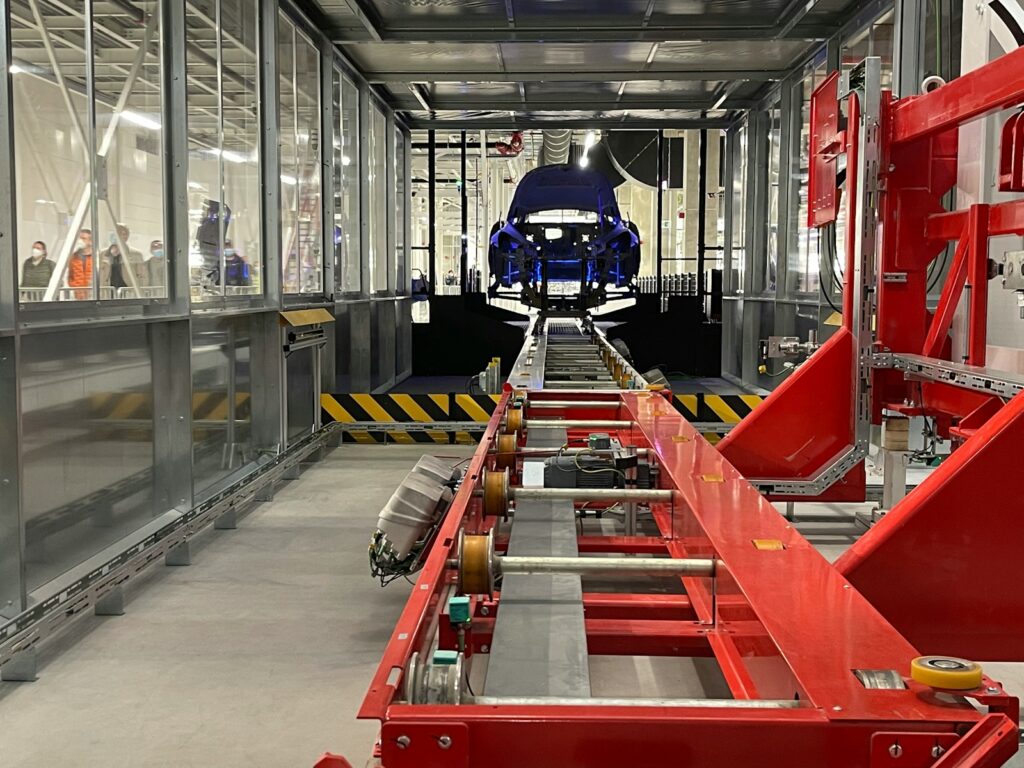
Alongside limiting premium brands, Motability has announced an ambitious domestic manufacturing pledge. By 2035, the organisation aims for 50 percent of its fleet to be built in Britain. The current proportion is around 7 percent, with an interim target of 25 percent by 2030. Motability accounts for roughly one in five new car registrations in the UK each year. Redirecting a significant share of that demand toward domestic factories could strengthen supply chains and sustain employment.
Production Targets Announced
- 25 percent UK-built vehicles by 2030
- 50 percent UK-built vehicles by 2035
- Estimated 130,000 additional vehicles annually
- Increased demand for local production plants
- Support for skilled manufacturing jobs

7. Industry Response and Support
Manufacturers with UK production facilities are expected to benefit. Companies such as Nissan, Mini, Toyota, and Vauxhall may see increased demand. The Sunderland-built Nissan Juke is often cited as a model aligned with the scheme’s future direction. Industry leaders have broadly welcomed the move, framing it as an opportunity for closer collaboration between mobility support and domestic manufacturing.
Potential Economic Benefits
- Higher production levels at UK plants
- Long-term manufacturing stability
- Growth in skilled employment
- Stronger domestic supply resilience
- Alignment with industrial strategy

8. Reassurances for Existing Customers
Despite the removal of certain brands, Motability states that customers retain a wide selection of options. More than 840 models from approximately 30 manufacturers remain available. Orders placed before the policy shift will be honoured, and existing leaseholders will continue receiving support until contracts expire. The organisation acknowledges that change can feel disruptive but maintains that the revised list still provides diversity while prioritising affordability and accessibility.
Customer Guarantees
- Existing orders will proceed
- Current leases remain fully supported
- Over 840 vehicles still offered
- Emphasis on low or zero advance payments
- Premium marques will not return

9. Efficiency Debate and Reform Proposals
Some experts suggest additional reforms could further improve cost efficiency. A former adviser to the Department for Work and Pensions proposed exploring nearly-new vehicle leasing rather than exclusively brand-new models. Since its launch in 1977, the Motability Scheme has grown to support more than 800,000 vehicles nationwide. Its comprehensive package including insurance, servicing, road tax, and repairs offers stability and reassurance. Structural adjustments therefore carry significant economic and social weight.
Ideas for Future Reform
- Introduce nearly-new vehicle options
- Extend lease durations beyond three years
- Reduce depreciation-related costs
- Increase renewal flexibility
- Improve transparency around funding

10. A New Chapter for a Lifeline Programme
These reforms represent the most substantial shift in a generation. They attempt to balance fiscal discipline with social responsibility, and personal autonomy with public accountability. As the programme evolves, it faces the challenge of maintaining trust while adapting to political and economic expectations. For some users, reduced choice feels restrictive. For others, the renewed emphasis on practicality and British production signals necessary recalibration.
Defining the Next Era
- Renewed focus on essential mobility
- Reinforced affordability principles
- Expansion of domestic manufacturing
- Preservation of user independence
- Alignment of social support with industrial policy