


Hyundai’s Bold 2026 SUV Lineup Redefines Family Vehicles
Brands that are only released with incremental changes are likely to fade away. Another way has been taken by Hyundai Motor Company. With a record-breaking sales volume, leading quality scores, and increasing leadership in the area of electrification, the company is about to roll out a drastic change in design in the 2026 model year that changes the impressions in its SUV and trucks range.
Strategic Direction for 2026
- Complete SUV and truck maintenance
- Increase in hybrid and electric products
- Vigorous emphasis on family cars
- Adoption of high technology
- Performance and efficiency commitment
It is not a regular refresh cycle. The 2026 Hyundai line is an attempt that is calculated to achieve the refinement of existing strengths and enter the new segments aggressively. Out of three-row family haulers to alternative-fuel innovators, each of the major nameplates undergoes significant changes. The strategy is an indicator of assertiveness, self-confidence, and readiness to take on a challenge to existing leaders in virtually all the categories Hyundai competes in.
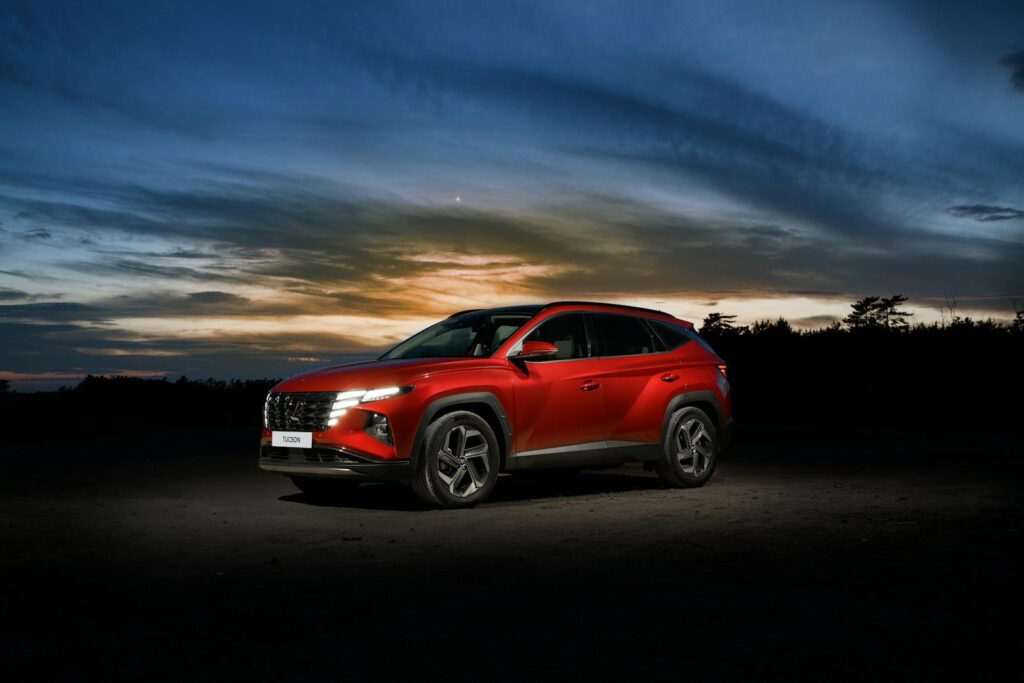
1. The Redesigned Hyundai Palisade Center Stage
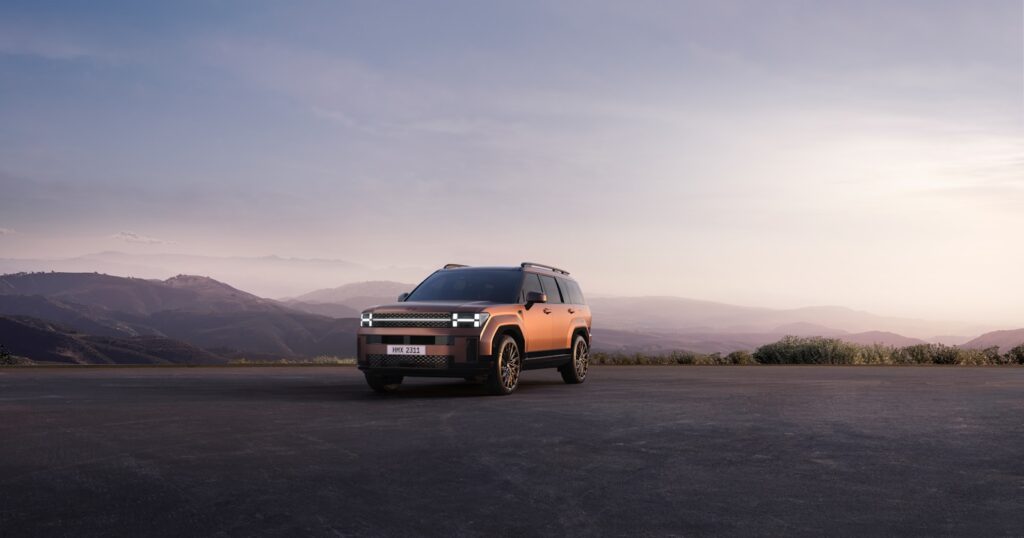
At the head is the all-new Hyundai Palisade, which is already ranked highly as three-row SUVs. Hyundai has done a ground-up redesign, rather than maintaining a winning formula untouched. The 2026 palisade comes with a sophisticated powertrain line-up, improved technology, and a radical new design that is aimed at making it even more dominant in the family SUV market.
The New Palisade has made significant improvements to it
- New 3.5-liter V6 engine
- Implementation of hybrid powertrain
- Expanded interior space
- High safety and technological enhancements
- New rugged XRT Pro variant
The hybrid system is the headline upgrade, which combines 2.5 liters of a turbocharged engine with two electric motors. It combines efficiency and strength as it makes 329 horsepower and 339 lb-ft of torque. Such a gesture places the Palisade in opposition to the most fuel-conscious of its competitors in the segment and preserves the assurance the families need in a flagship SUV.
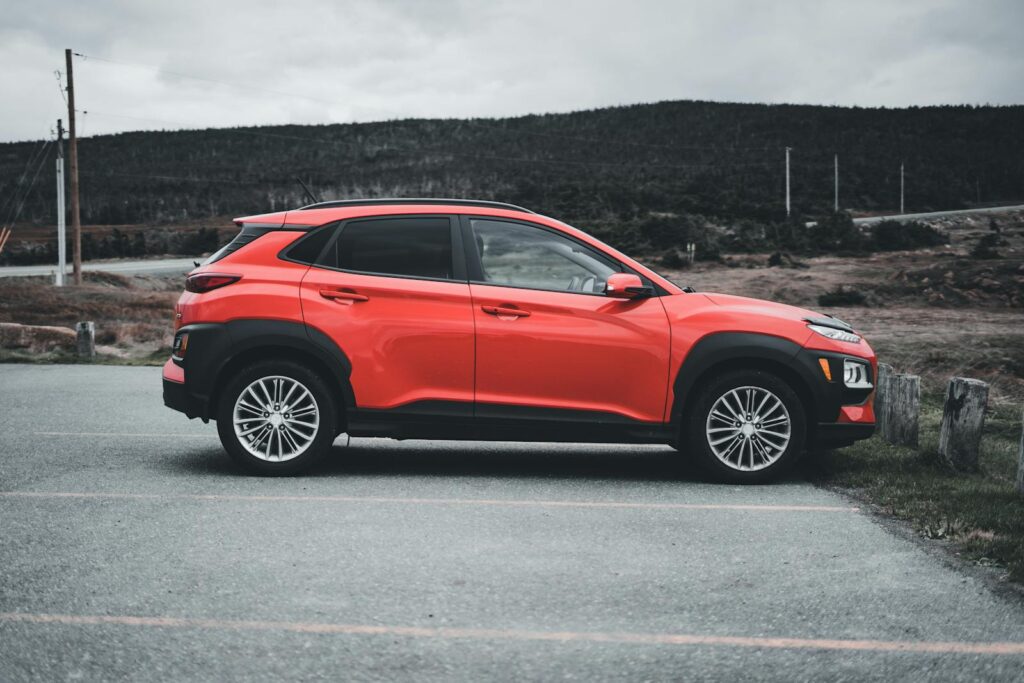
2. Luxury and Technology in the 2026 Palisade
In addition to performance, redesign of the Palisade is much more of a refinement. The exterior acquires the vertical LED daytime running lights, shutters on the grill to enhance aerodynamic efficiency, and optional 21-inch wheels. Internally, Hyundai brings it to the next level with more passenger and cargo capacity making the long family trips even more comfortable.
Interior and Tech Features
- Dual 12.3-inch displays
- Wireless Apple CarPlay and Android Auto
- First and Second rows are heated and ventilated
- UV-C sterilizer compartment
- Dash cam Integrated dual-camera dash cam
The three rows of seats have also been given power adjustments which, once again, strengthens the high end status of the Palisade. The cabin is a mixture of comfort and usefulness that has considerate elements that make life easier. The focus on easy to use innovation makes the Palisade both capable and luxurious to the modern families, who need convenience without sacrificing it.
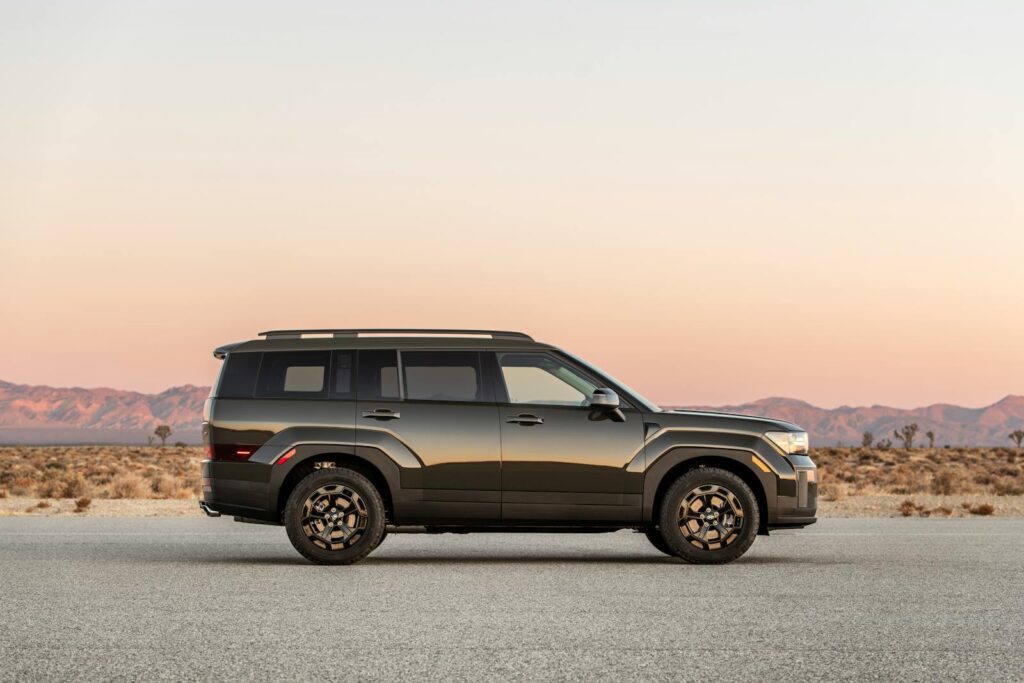
3. Palisade XRT Pro: Adventure Capability
Hyundai adds the all-new XRT Pro trim to the personality of the Palisade. This version goes even further and proposes real off-road equipment. Its ground clearance of 8.4 inches and all-terrain tires make the Palisade a weekly adventure, as well as maintain its daily usefulness.
Off-Road Features of XRT Pro
- Electronic rear limited-slip differential
- Mud, Sand and Snow Terrain modes
- All-terrain tires 18-inch rugged tires
- Exposed red recovery hooks
- Reinforced suspension tuning
The XRT Pro provides the transition between suburbia and adventure. Separate cars are no longer required by families in their daily tasks and in adventure travelling. The move by Hyundai to incorporate true off-road capability shows that it knows lifestyle conscious consumers who value versatility and do not have to compromise refinement.
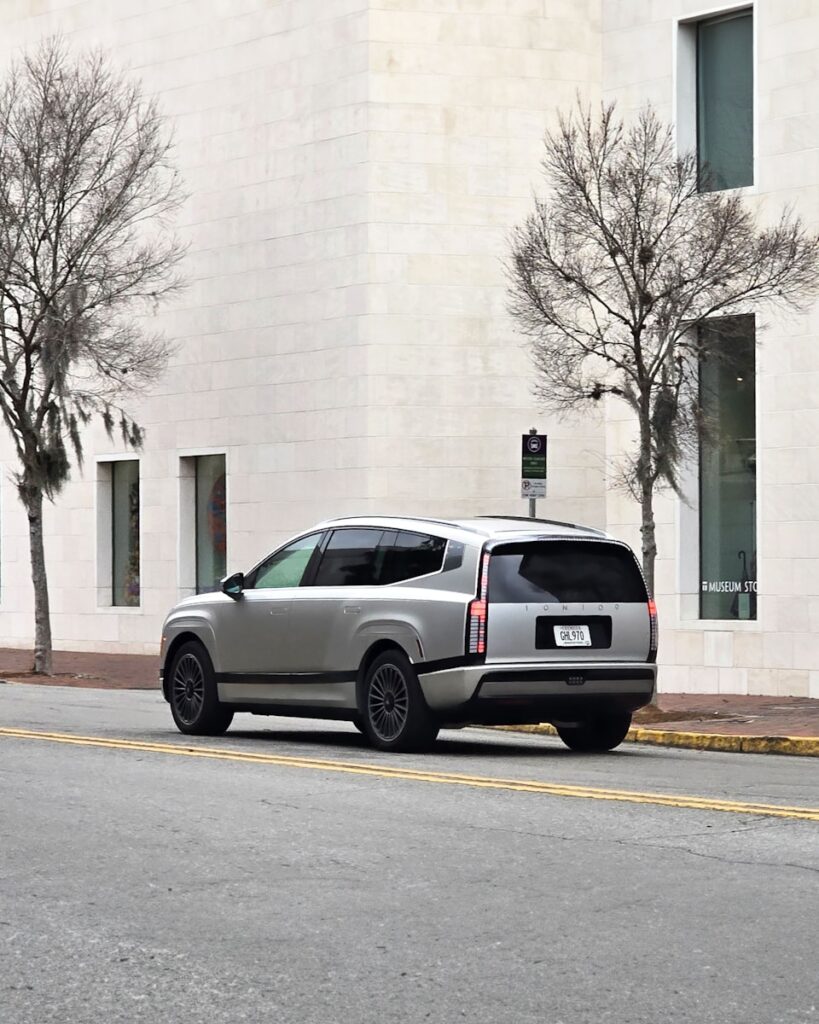
4. All-Electric Hyundai Ioniq 9 Arrives
As the Palisade reinforces Hyundai in its combustion line, the completely new Hyundai Ioniq 9 is an indication of electric aspirations of the brand. Being the first all-electric 3-row SUV of Hyundai, it ventures into a segment that is yet to be innovated. As an EV, it is designed and constructed to provide the latest design and performance.
Ioniq 9 Core Specifications
- 110-kWh battery pack
- Tesla-type NACS Charging port
- Up to 232 kW fast charging
- 10-80% charge in about 24 minutes
- There are three different drives trains
The introduction of the NACS charging port makes it easier to charge on the electric lines, which is also characteristic of Hyundai as far as its foresight is concerned. The Ioniq 9 is a real rival to the family who has to change to the electric mobility without losing the practicality due to the rapid charging and long-range feature.
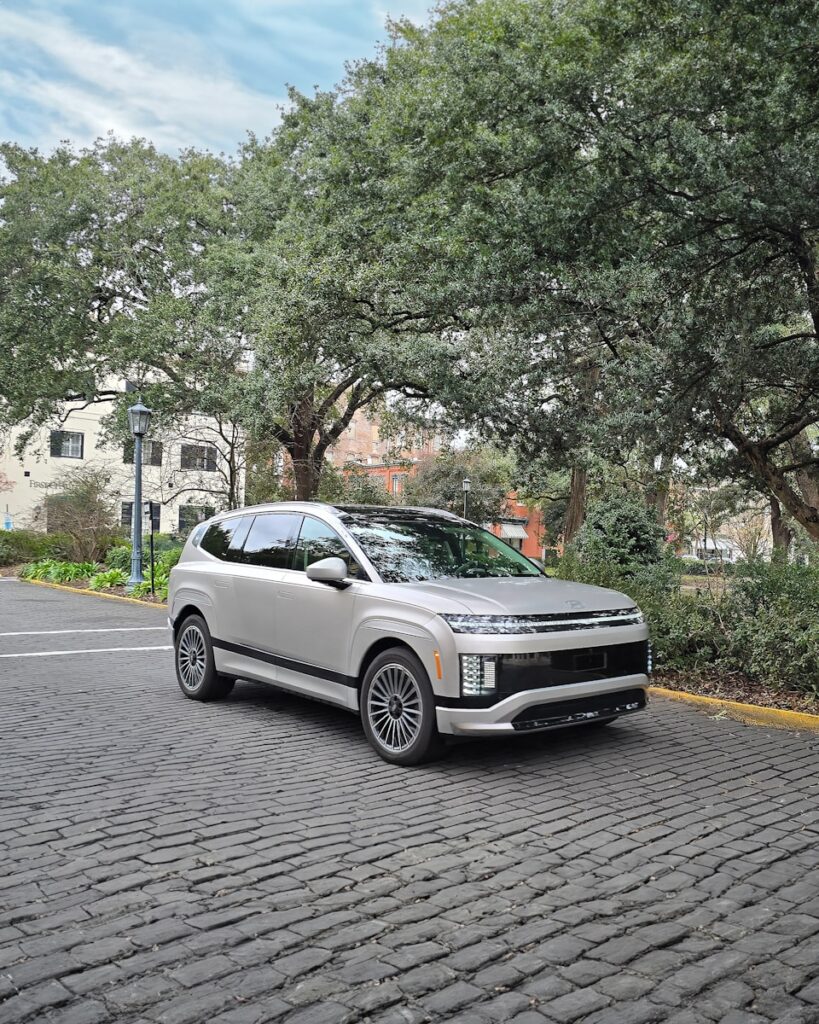
5. Performance variants of the Ioniq 9
Hyundai has three configurations that accommodate diverse needs. The Long Range RWD has a power of 215 horsepower and is aimed at 335 miles of range. The AWD version raises the power to 303 horsepower and it is also highly efficient. To be the most exciting the Performance AWD offers 422 horsepower.
Powertrain Selections Deciphered
- Long Range RWD: 215 hp
- Long Range AWD: 303 hp
- Performance AWD: 422 hp
- Carried a range of at least 300 miles
- All-wheel-drive dual motors
This diversity is a guarantee of wide popularity. The buyers are flexible regardless of whether they value efficiency or acceleration as the Ioniq 9 provides. The strategy of Hyundai does not imply a big-fits-all-crowds approach and proposes a solution aimed at meeting the requirements of modern EV buyers, which are numerous and varied.
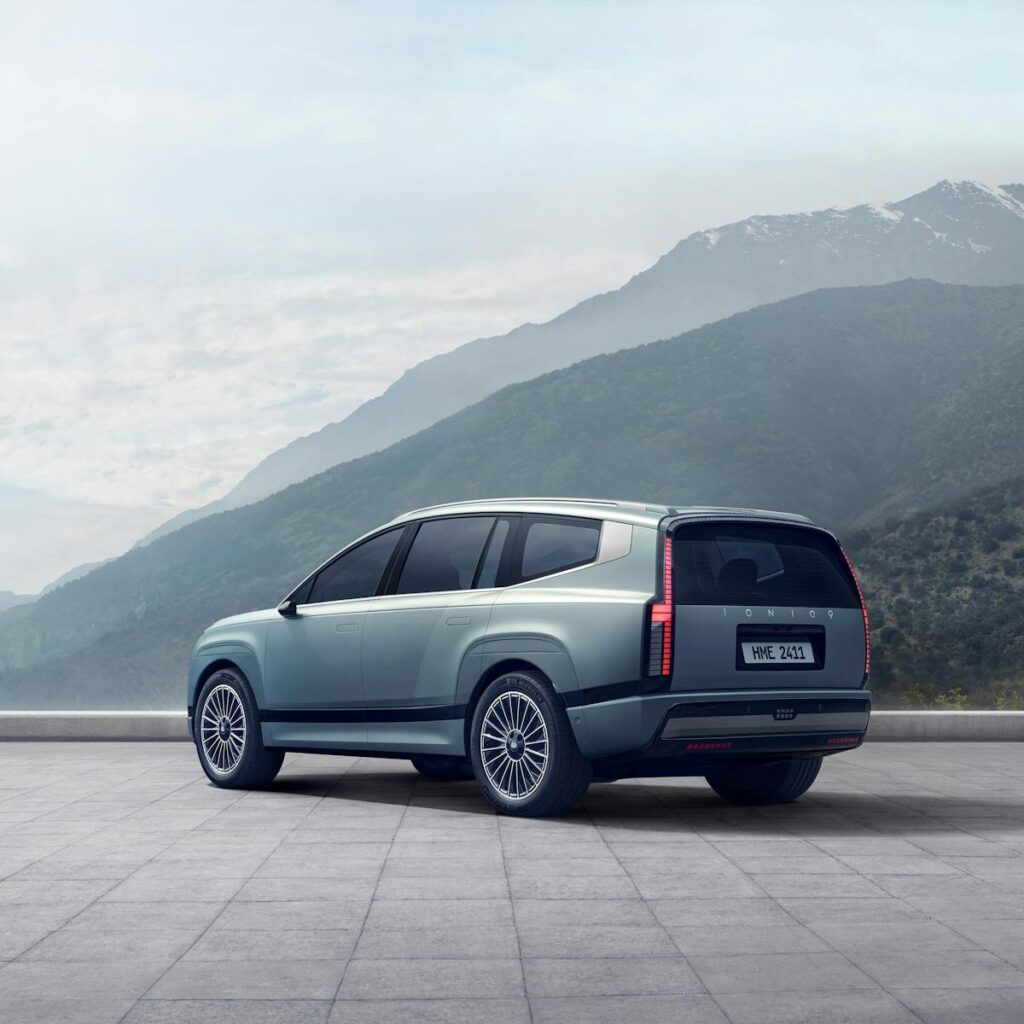
6. An Electric Cabin in the Sanctuary
Hyundai focuses on coziness and calmness in the Ioniq 9. The cabin is spacious and futuristic and comes in either six or seven-passenger models. Two 12.3-inch screens give it a smooth digital interface, and USB-C fast-charging drops are located in every row.
Premium Interior Features
- Seat front and second row massaging
- Premium sound system (14 speaker)
- Panoramic glass roof
- Multi-zone climate control
- Advanced driver assistance systems
The panoramic roof improves openness and puts the interior under natural light. The Ioniq 9 is obviously marketed as a convenient and luxurious vehicle, yet Hyundai tries to target the comfort and entertainment needs of families who are interested in the latest technology sustainability but without sacrificing comfort and entertainment features.
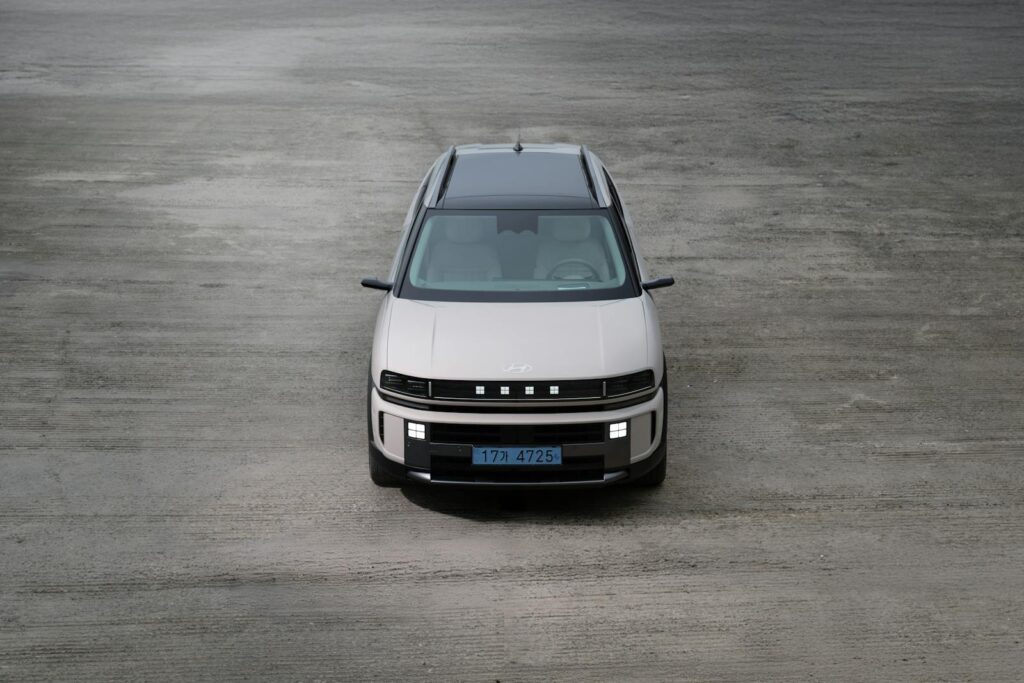
7. The Hyundai Nexo of the Next Generation
The redesigned Hyundai Nexo is another car that hyundai is experimenting with alternative fuel. This hydrogen power cell SUV is larger and more advanced, with better performance and commanding the road image. Its fueling mechanism of about 10 minutes is also a considerable benefit compared to the traditional EV charging.
Hydrogen Innovations
- Still larger hydrogen storage tank
- Greater electric motor power
- Enhanced battery output
- Extended driving range
- 10-minute refueling capacities
Though there is a lack of hydrogen infrastructure, the investment of Hyundai is an indication of long-term dedication to diversified clean-energy solutions. The Nexo demonstrates the engineering ambition, showing that Hyundai is not restraining its electrification approach to battery only.
8. Refinements to Santa Fe and Santa Cruz
The 2026 updates extend to the Hyundai Santa Fe and Hyundai Santa Cruz. Turbocharged trims now feature a traditional eight-speed automatic transmission instead of a dual-clutch unit. This change promises smoother operation, particularly in urban traffic.
Mechanical and Trim Updates
- Replacement of dual-clutch gearbox
- Smoother torque-converter automatic
- Improved drivability in traffic
- New affordable hybrid base trim
- Broader market accessibility
This seemingly subtle transmission swap addresses customer feedback about refinement. Hyundai’s willingness to make practical improvements rather than flashy changes reflects a brand attentive to real-world usability and long-term owner satisfaction.
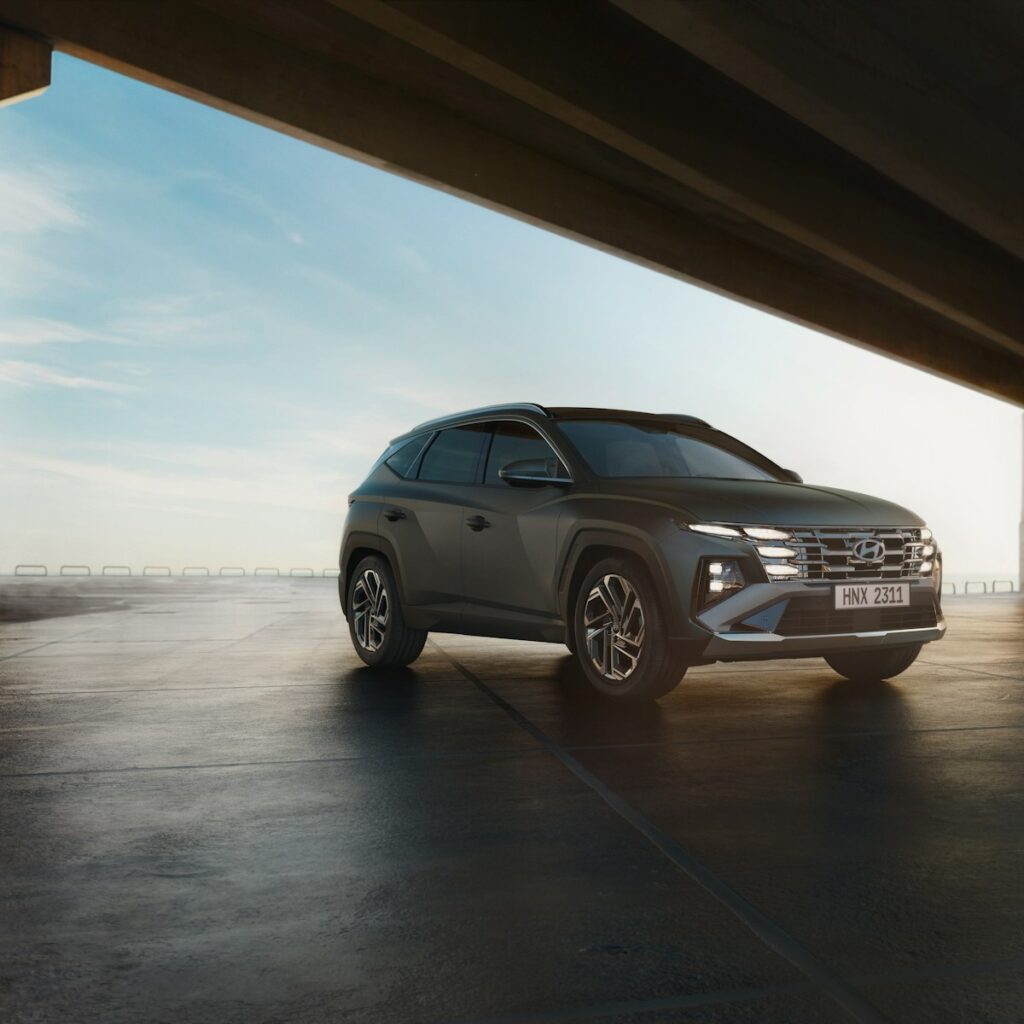
9. Tucson’s Practical Enhancements
The Hyundai Tucson also receives meaningful updates. Non-hybrid towing capacity increases from 2,000 to 2,750 pounds, expanding its practicality. Minor trim adjustments and new hybrid entry models further optimize the lineup.
Tucson Improvements
- Increased towing capacity
- Updated trim structure
- Enhanced hybrid accessibility
- Continued safety leadership
- Balanced compact SUV versatility
These changes may not grab headlines, but they matter to buyers who rely on towing for recreational equipment. Hyundai’s attention to detail strengthens the Tucson’s competitive position in one of the most crowded automotive segments.
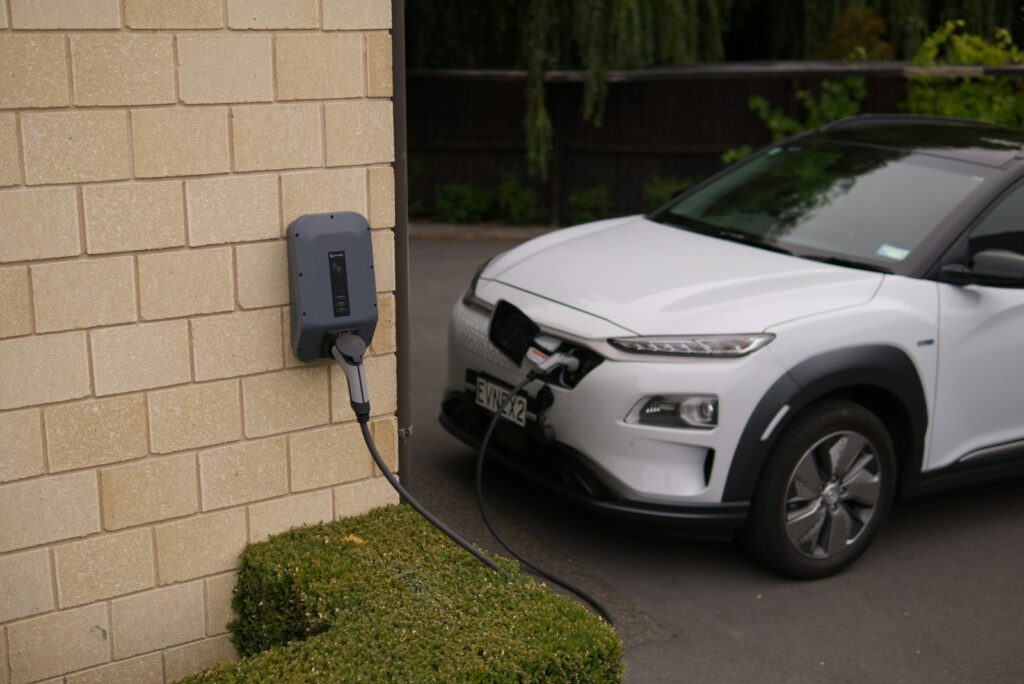
10. Kona’s Strategic Repositioning
In the subcompact category, the Hyundai Kona lineup becomes more streamlined. Two new trims replace several outgoing versions, simplifying decision-making. The Kona Electric now focuses on affordability by retaining the 48.6-kWh standard-range battery with approximately 200 miles of range.
Kona Lineup Adjustments
- Introduction of SEL Sport and SEL Premium
- Standard 12.3-inch touchscreen
- Heated front seats on base trims
- Simplified trim structure
- Affordable EV entry point
By discontinuing the long-range variant, Hyundai positions the Kona Electric as a budget-friendly gateway into EV ownership. This move carves a distinct niche beneath higher-priced electric offerings, broadening accessibility without undermining the premium Ioniq lineup.