




10 C2 Corvette Facts You Probably Don’t Know

The Chevrolet Corvette C2, commonly known as the Sting Ray, represents one of the most important chapters in American automotive history. Produced between 1963 and 1967, this second-generation Corvette transformed the model from a stylish weekend cruiser into a serious performance-driven sports car capable of rivaling Europe’s best.
Key Themes of the C2 Era
- Radical shift toward performance-focused engineering
- Design inspired by aircraft, marine life, and racing cars
- Internal conflicts shaping the final production models
- Engineering breakthroughs that improved handling and speed
- Innovations that continue to influence modern Corvettes
Every aspect of the C2 reflected ambition from its bold design language to its advanced engineering. Chevrolet set out not just to evolve the Corvette, but to redefine what an American sports car could be.The C2 was more than an upgrade; it was a reinvention. It balanced beauty with brutality, comfort with competition, and vision with realism, laying the foundation for Corvette’s long-standing identity as America’s Sports Car.
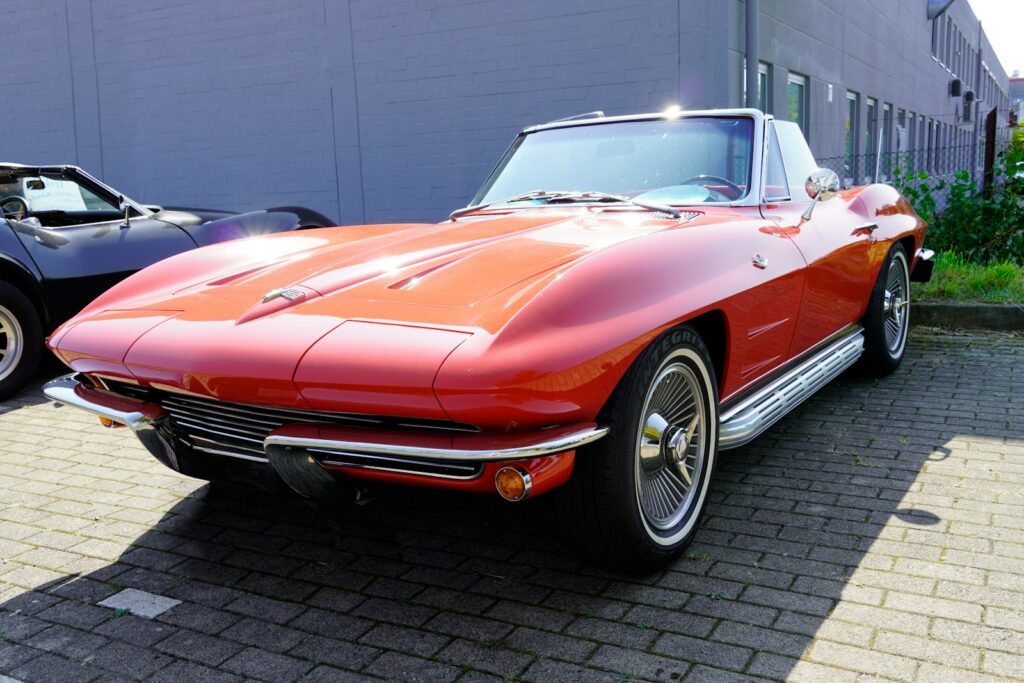
1. The Name Comes From a Warship
Long before it became associated with high-performance automobiles, the word corvette referred to a small, fast, and highly maneuverable naval vessel used primarily for coastal defense. These ships gained particular prominence during World War II, especially in British naval operations.Chevrolet adopted the name to symbolize agility, strength, and precision qualities the brand wanted embedded in its sports car identity.
Nautical Inspiration Behind the Name
- Derived from high-performance naval vessels
- Popularized during World War II
- Symbolized speed, agility, and combat readiness
- Reflected post-war American confidence
- Closely aligned with Chevrolet’s performance ambitions
For post-war consumers, the name carried deep emotional weight, evoking military efficiency and engineering excellence. While the Corvette was far more refined than its naval namesake, the shared traits of speed and precision helped forge a powerful identity.
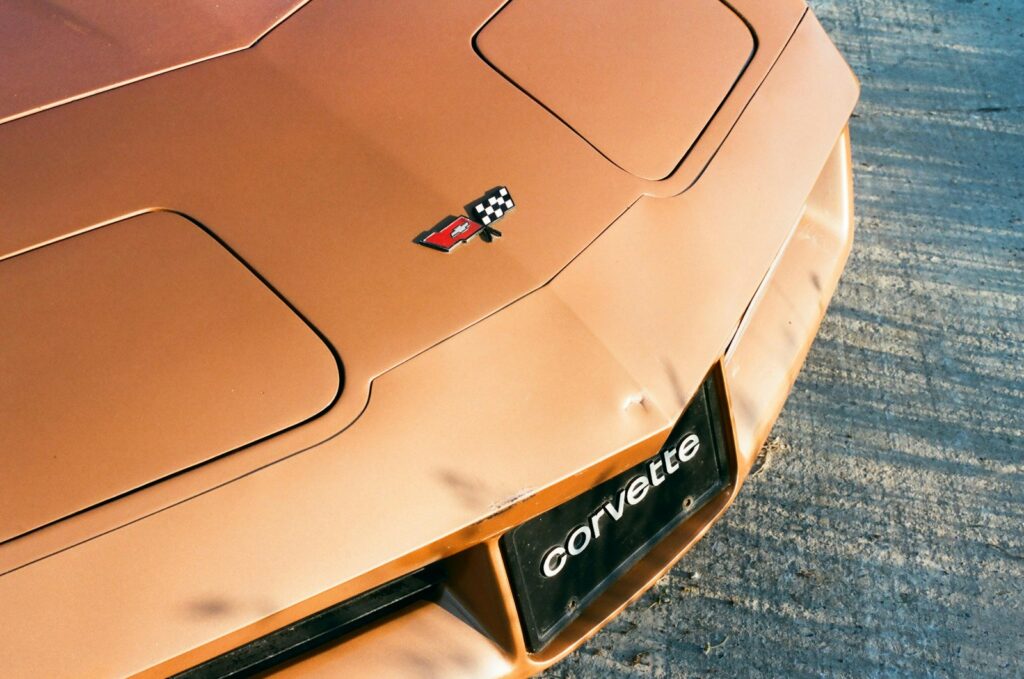
2. The Original Logo Was Illegal
When designing the Corvette’s identity, Chevrolet wanted a badge that celebrated both racing heritage and American pride. The original crossed-flags logo combined a checkered racing flag with the Stars and Stripes, but the design violated the U.S. Flag Code, which prohibits the use of the American flag in commercial branding.
The History of the Corvette Logo
- Early logo featured the U.S. flag
- Flag Code restricted commercial use
- Issue discovered before full-scale launch
- Flag replaced with Chevrolet bowtie
- Fleur-de-lis added to honor heritage
To comply with the law, Chevrolet replaced the American flag with its bowtie emblem and introduced a fleur-de-lis. This change preserved the emblem’s symbolism while adding historical depth and brand identity.
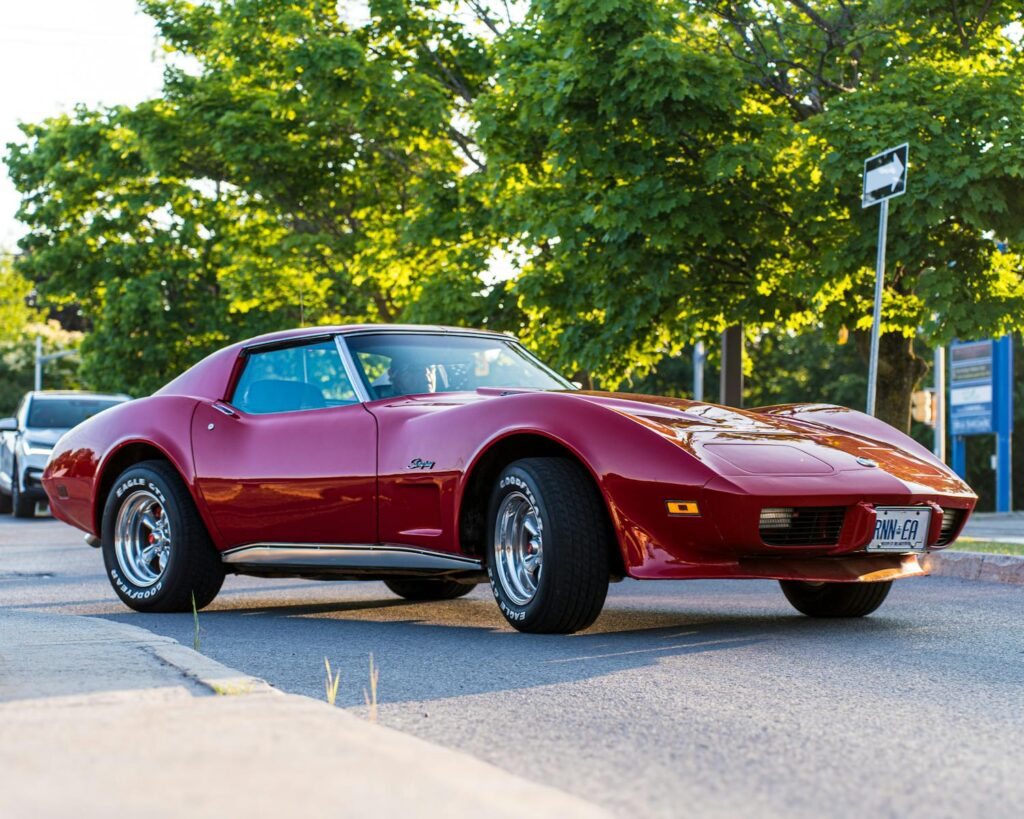
3. The Unlikely German Muse of the Split Window
The 1963 Corvette split-window coupe is one of the most iconic designs ever produced by Chevrolet. Interestingly, its inspiration did not come from American automotive styling, but from a rare 1938 German race car known as the Adler Trumpf Rennlimousine. This vehicle featured a distinctive rear spine that later influenced the Corvette’s design.
Design Inspiration Sources
- Based on a unique 1930s German race car
- Studied through GM reference photography
- Featured a central rear spine
- Captured the interest of Bill Mitchell
- Adapted into American performance styling
The Adler was brought to the United States after World War II and used by General Motors as a reference vehicle. Its unusual rear-window treatment caught the attention of Corvette designers and planted the seed for one of the most recognizable design elements in Corvette history. Bill Mitchell instructed designer Larry Shinoda to adapt the concept into the Corvette. Although controversial, this decision created a timeless silhouette that continues to define the C2’s identity.
4. A Clash Between the Rear Window, the Rearview Mirror, and the Dashboard
The split rear window became a major point of contention within General Motors. Bill Mitchell supported the design for its dramatic visual appeal, while chief engineer Zora Arkus-Duntov opposed it due to concerns over rear visibility and safety.This disagreement reflected a deeper philosophical divide between styling and engineering priorities during the C2’s development.
Design vs. Engineering Conflict
- Styling vision driven by Bill Mitchell
- Safety concerns raised by Zora Arkus-Duntov
- Rear visibility issues affected daily usability
- Heated internal debates took place
- Engineering concerns eventually prevailed
Duntov’s objections led to the removal of the split window after the 1963 model year. Ironically, this short-lived feature later became the most desirable and collectible aspect of the C2 Corvette, adding to its legend.
5. Sting Ray vs. Stingray: A Name with an Identity Crisis
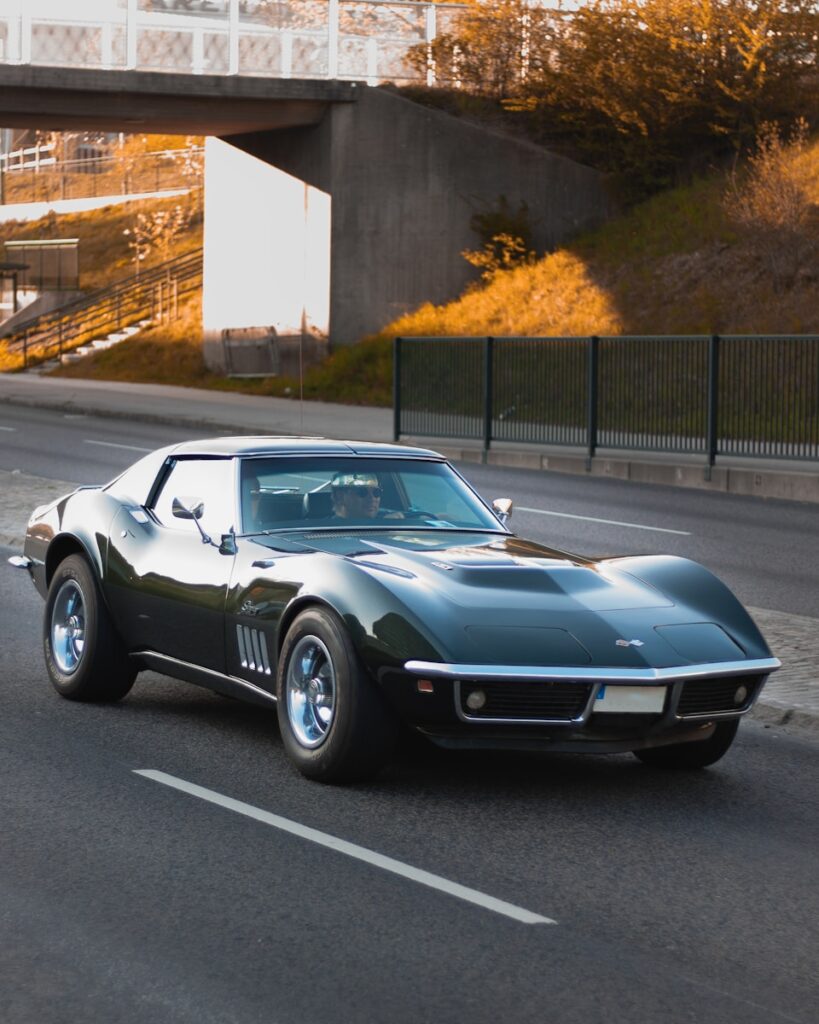
During the C2 era, Corvette branding officially used the name Sting Ray as two separate words. The name was inspired by marine life observed by Bill Mitchell during deep-sea fishing trips, reinforcing the car’s fluid lines and aggressive stance.Over time, Chevrolet adjusted the branding to better align with evolving marketing strategies.
Evolution of the Name
- Originally marketed as Sting Ray
- Inspired by ocean wildlife
- Dropped temporarily in 1968
- Returned as Stingray in 1969
- Revived in later Corvette generations
The transition from Sting Ray to Stingray may seem minor, but it reflects the Corvette’s broader journey of balancing heritage with modernization while maintaining a strong emotional connection to its past.
6. A Breakthrough in Independent Rear Suspension
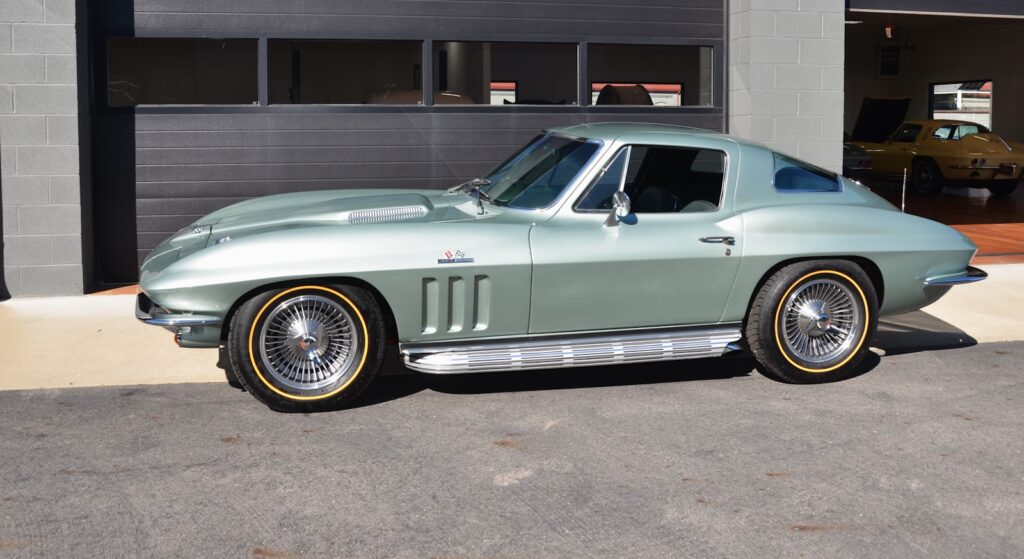
The C2 Corvette marked a major engineering milestone by introducing independent rear suspension, replacing the solid rear axle used in earlier models. This change dramatically improved ride quality, traction, and cornering performance.With this upgrade, the Corvette could finally compete with European sports cars not only in straight-line speed but also in handling and balance.
Advantages of Independent Rear Suspension
- Improved tire contact during cornering
- Enhanced ride comfort
- Reduced body roll
- More predictable handling behavior
- Increased competitiveness on the track
This innovation, strongly advocated by Duntov, transformed the Corvette into a true world-class sports car and signaled Chevrolet’s serious commitment to performance engineering.
7. The Arrival of the Big-Block Era
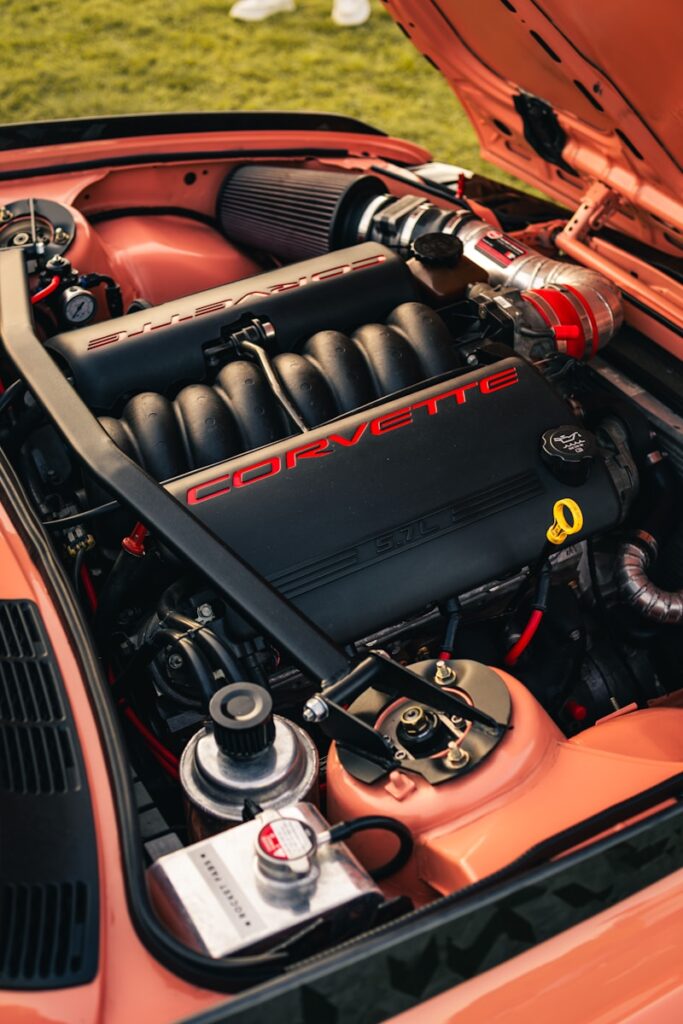
In 1965, Chevrolet redefined American performance by introducing big-block V8 engines to the Corvette lineup. These engines emphasized displacement and torque, delivering brutal acceleration and an unmistakable exhaust note.The big-block era shifted the Corvette’s reputation toward raw power and dominance.
Big-Block Performance Highlights
- Introduction of the 396 cubic-inch V8
- Massive torque output
- Aggressive and thunderous engine character
- Legendary 427 cubic-inch variants
- L88 emerged as a racing benchmark
The L88 engine, officially underrated, was essentially a street-legal race motor. It solidified the Corvette’s status as a performance icon and remains one of the most sought-after engines in automotive history.
8. The Z06 Was a Turn-Key Race Car for the Public
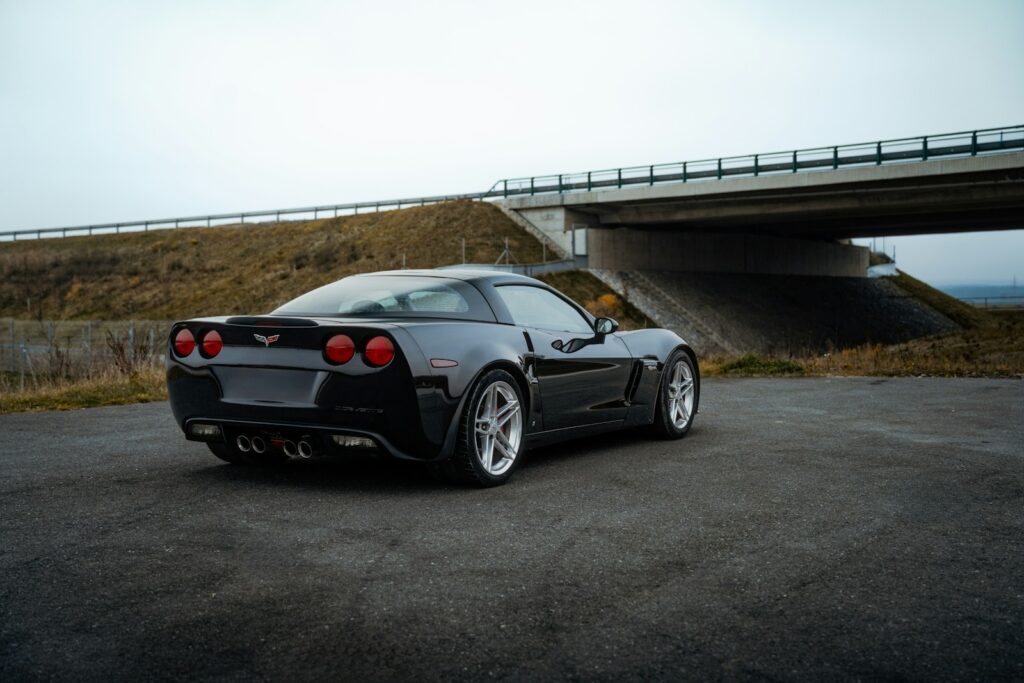
The RPO Z06 package was developed as a clever workaround to General Motors’ corporate racing ban. Designed by Zora Arkus-Duntov, it allowed private buyers to purchase a race-ready Corvette directly from dealerships.Rather than offering individual upgrades, the Z06 combined performance enhancements into a complete system.
Z06 Package Features
- High-performance fuel-injected engine
- Heavy-duty suspension components
- Larger brakes with racing linings
- Optional oversized fuel tank
- Track-focused reliability upgrades
The Z06 transformed the Corvette into a formidable competition machine, empowering private racers and strengthening Corvette’s presence in motorsports worldwide.
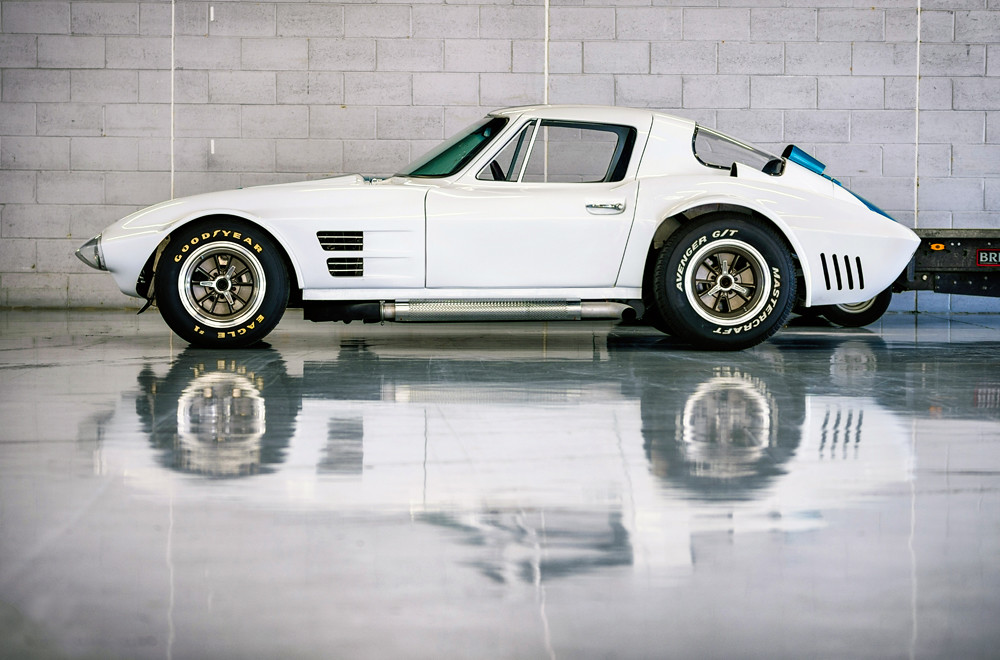
9. A Secret Lightweight Racing Program That Ended Too Soon
The Corvette Grand Sport program was a covert initiative aimed at defeating the Shelby Cobra on the track. These cars were engineered with lightweight construction, advanced materials, and extreme power output. Despite their promise, corporate leadership shut down the program before it could reach its full potential.
Grand Sport Program Highlights
- Purpose-built racing prototypes
- Emphasis on lightweight construction
- Aluminum V8 engines with massive output
- Designed specifically to challenge the Shelby Cobra
- Only five cars ever completed
The sudden cancellation turned the remaining Grand Sports into legends. Today, they symbolize one of the greatest missed opportunities in American racing history.

10. Its Frame Was Both Stronger and Lighter
The C2 Corvette featured a redesigned chassis that increased structural strength without adding weight. Engineers introduced a five-crossmember frame and reinforced the central structure, improving rigidity and handling performance.This new design enhanced stability while maintaining the Corvette’s agility.
Chassis Engineering Advances
- New five-crossmember frame design
- Lower engine placement
- Increased structural rigidity
- Reduced body roll
- Improved power-to-weight ratio
Despite the added strength, Chevrolet used thinner fiberglass body panels to reduce overall weight. This careful balance of durability and efficiency showcased the brand’s holistic approach to performance engineering.