


Tata Motors Reshapes India’s Auto Market, Securing Second Place
Indias passenger vehicle market is going through a change that is changing the way things have been for a long time. For a time the top companies stayed in the same position with Maruti Suzuki in the lead followed by Hyundai and Mahindra which were very close to each other. Some new things have happened that have changed this balance in a big way.
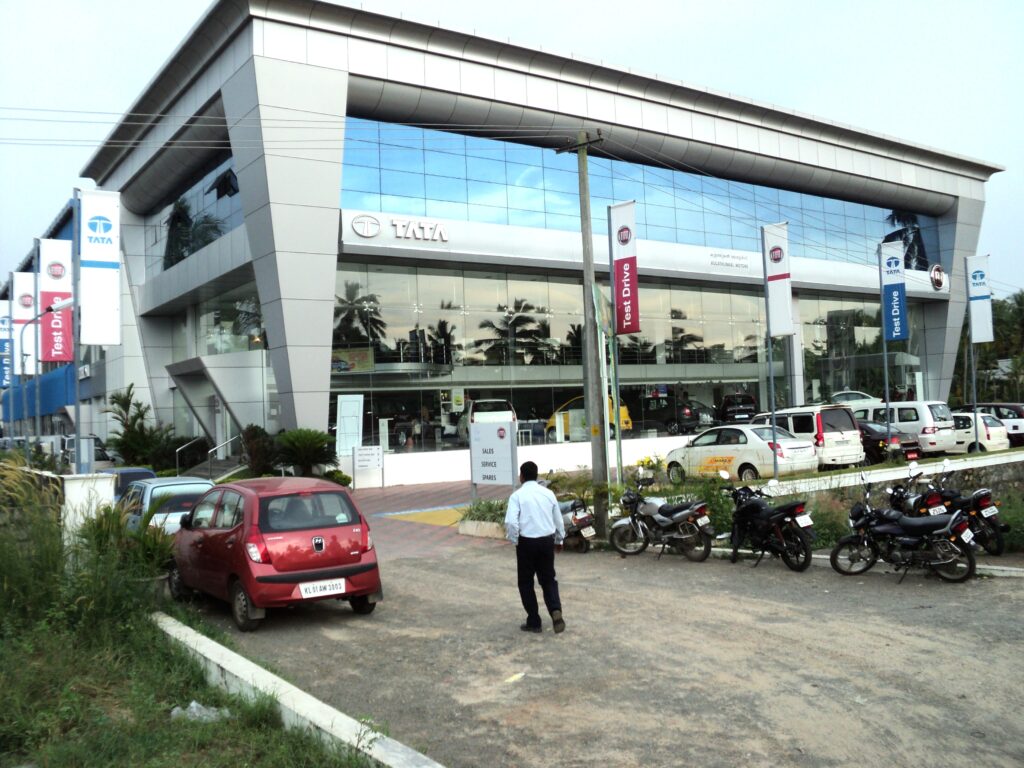
Tata Motors has become a company moving ahead of the companies that were already established and it is now in the second position for selling passenger vehicles. This change is not about the numbers it is about how people are thinking and what they want to buy and how the Indian car industry is getting better in a very competitive market.
What makes this time very important is that Tata Motors has been growing steadily. It is not just because a lot of people bought cars one time it is because Tata Motors is doing well with vehicles its SUVs are very popular the cars are safer and the prices are right. All these things together are changing how people, in India decide which car to buy.
1. India’s Auto Market Shifting Shape
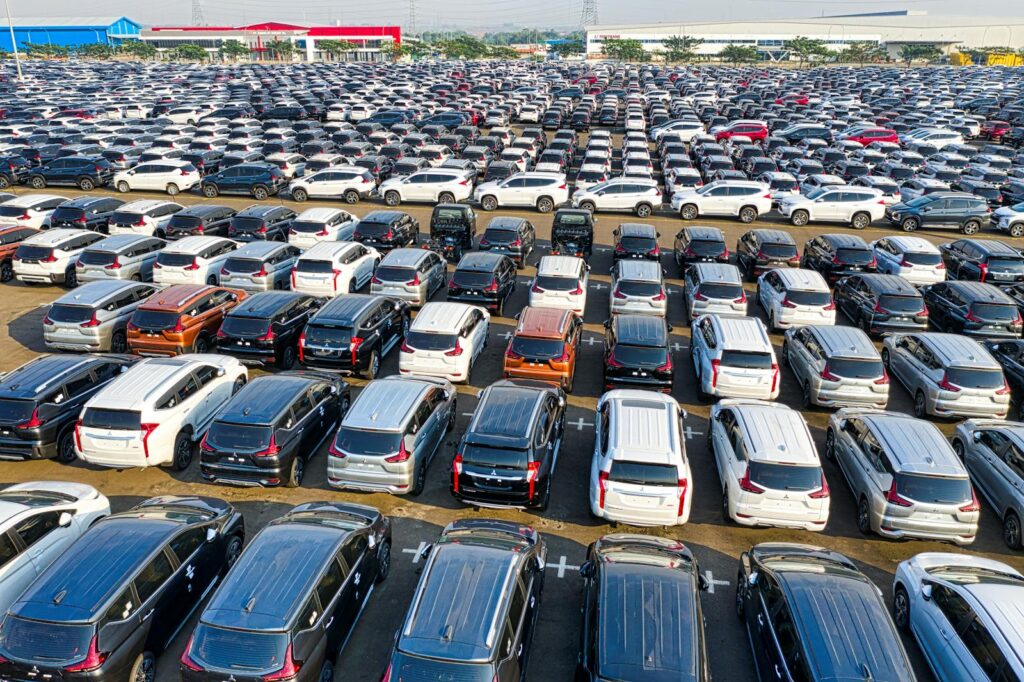
Change sweeps through India’s car sector as old names lose their grip on buyers’ choices. Once, past success and familiar logos kept companies ahead of rivals. Now, what people want day to day pushes brands forward more than history ever did. Shoppers weigh real benefits heavily when deciding which vehicle fits their life. How firms face off against one another shifts quietly under these new pressures. Power moves based on usefulness now matter just as much as name alone.
Forces Shaping Market Shifts:
- Shift from legacy to innovation focus
- Rising demand for safety features
- Strong emphasis on value delivery
- Growing preference for domestic brands
- Dynamic monthly sales fluctuations
Now driving much of this change, Tata Motors shaped its lineup around what people actually want today. Safety sits alongside smart features, while lasting quality builds trust over time. Because of that, customers choose homegrown models instead of imported names more often. Slowly but clearly, how folks pick cars is changing-across city centers, suburbs, even smaller towns.
Month by month, India’s car scene keeps shifting under fresh pressures. Preferences flip fast, reshaping which brands rise or stall in sales tallies. Leadership isn’t steady anymore wins now hinge on how sharp the latest model feels. Constant change marks this stretch, not just expansion but fiercer battles across showrooms and design studios alike.
2. Tata Motors Holds Second Spot
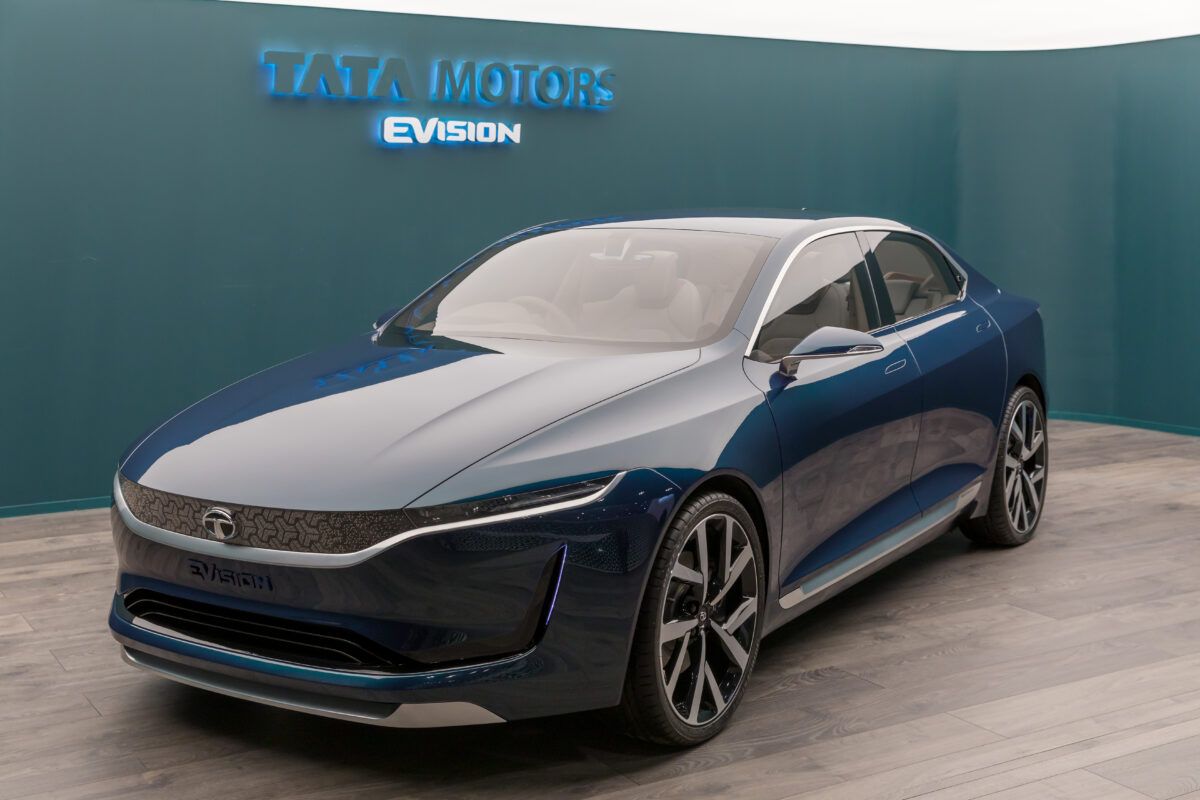
Now sitting second in India’s car race, Tata Motors climbs past familiar names like Hyundai and Mahindra. Fresh numbers show the jump happened just recently. Old rankings start to wobble under new pressure. Buyers change minds faster than ever before. What felt stable now shifts without warning.
Key Factors Behind Tata’s Growth:
- Consistent multi-model demand growth
- Strong retail sales performance
- Improved registration numbers
- Competitive product strategy execution
- Expansion across multiple segments
Now showing up in numbers, gains stem less from any standout hit and more from reliable results through various models. Month after month, better outcomes appear not just in deliveries made, but also in official registrations recorded. Across city SUVs, sedans, and utility vehicles, buyers are spreading their choices. Far from resting on a single popular type, enthusiasm stretches wide into most corners of what Tata offers.
Out of nowhere, Tata Motors proves that patience pays off when plans meet real-world demand. Even though prices matter most here, steady progress still happens if products match what people actually want. Watch closely each move aligns with shifts in buyer habits across India. Slowly but surely, their presence reshapes the car scene without loud announcements.

3. Sales Growth Market Performance
In October 2025, Tata Motors moved past rivals like Hyundai and Mahindra after selling 74,705 vehicles. That number wasn’t just high it showed a shift in how buyers see the brand. While others held steady, Tata gained ground fast. People now seem more willing to choose their models over time. A quiet confidence appears to be building around what they offer. Not loud, but noticeable in the numbers.
Sales Performance Key Highlights:
- October 2025 strong unit sales
- 74,705 vehicles sold total
- Outperformed major competitors
- Consistent month-on-month growth
- Broad model-wise demand strength
Even beyond one month, the rise kept going through earlier times too. Strong figures came in again during September, pointing to ongoing gains in how the market does. Instead of jumping around, interest in Tata cars seems to be growing steadily. People from various parts of India, buying different models, are keeping this shift alive.
One steady result after another suggests the company’s approach works just right. Growth shows up among different buyers, not just one group. Success comes through many vehicles, not resting on any single hit. From top to bottom, their footprint grows without leaning too hard on luck.

4. Momentum Grows With Time
One reason stands out less than the slow climb Tata Motors made in India’s car scene. Not a flash moment, but steady steps forward pushed their place upward. Each new version brought better fit and finish, sharper looks, sometimes even smarter features tucked inside. Over months, these changes stacked up quietly. A stronger standing emerged not from noise, but from doing more right each turn.
Drivers of growth momentum:
- Steady improvement in product quality
- Continuous design enhancements
- Technology-driven upgrades
- Rising retail sales trends
- Expanding market share base
Back then, numbers at stores began climbing, while pieces of the pie grew in several areas. Step by step, those gains laid down something solid underneath what came next. Not flashes of speed, but slow steps forward marked how things moved. People buying felt surer, piece by piece, thanks to this steadiness.
Nowhere has the climb been sudden Tata Motors inches forward with quiet persistence. Step by step, choices made years ago shape today’s results. Because each move connects to the next, progress feels steady instead of rushed. Over months, small wins stack without fanfare. With rivals shifting fast, this pace holds firm simply by refusing haste.
5. Electric Vehicle Leadership
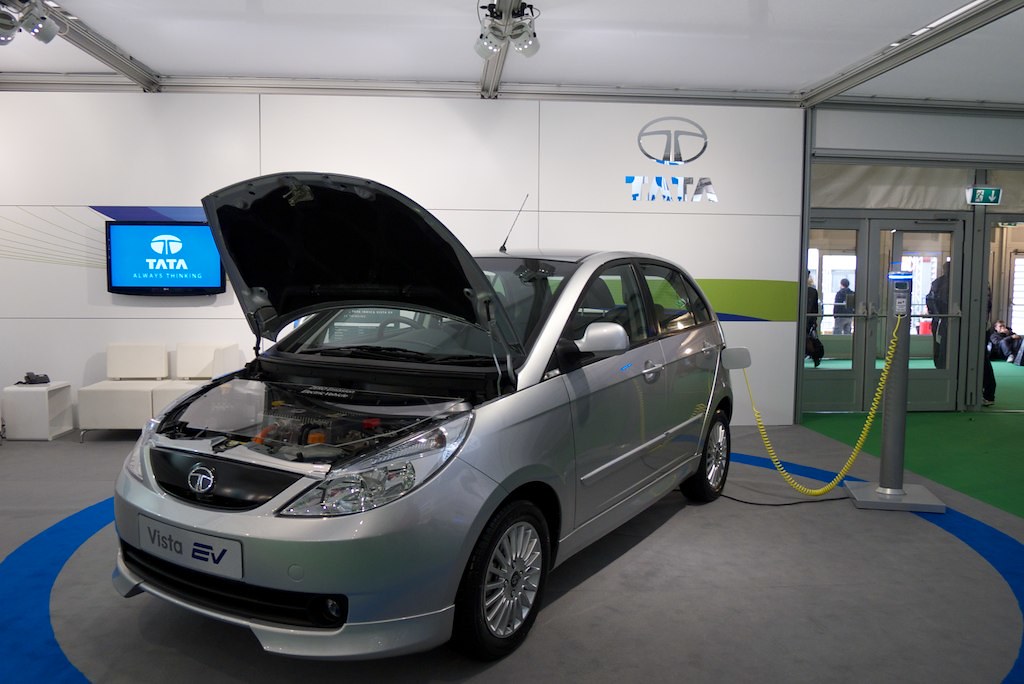
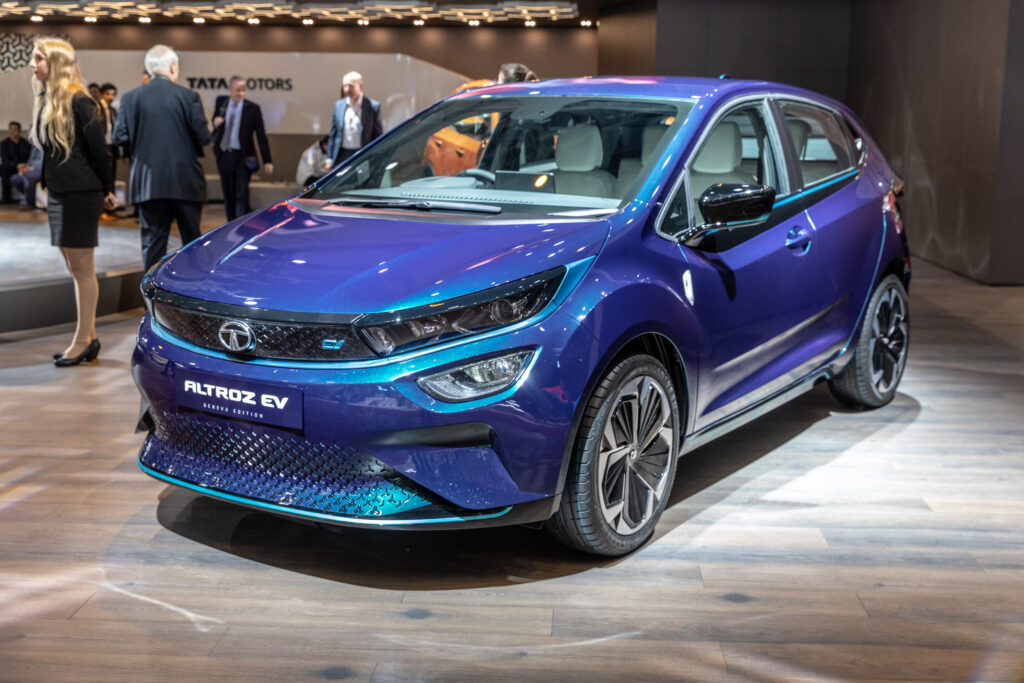
What lifts Tata Motors ahead rests heavily on its grip within the electric vehicle market. Not just entering fast but moving smart, the firm opened doors to EVs for regular buyers across India. Because of that jump forward in timing, confidence grew between customers and the brand. A deep pool of users now backs their charge into new territory. One outcome stands clear: they hold ground where growth surges hardest in auto manufacturing.
What Helps Electric Cars Work Well:
- Early entry into EV market
- Strong product lineup expansion
- Affordable electric mobility focus
- High market share dominance
- Rising demand for green vehicles
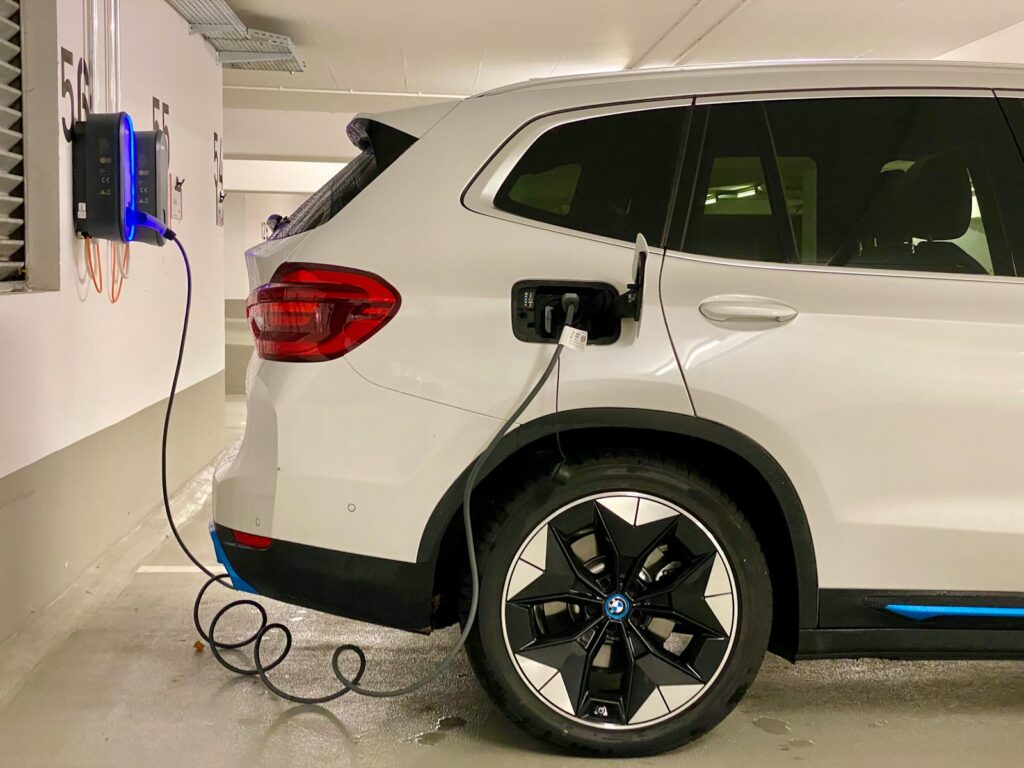
Small cars like the Nexon EV, Tiago EV, and Tigor EV changed how people see electric vehicles in India. Because they go far enough on one charge, cost less than many others, yet still work well every day, lots choose them. Since more folks trust these models now, moving away from petrol engines feels less risky. Growth in India’s EV scene owes much to their steady rise.
Most of the electric car market now belongs to Tata Motors, giving it a powerful edge in a fast-changing sector. Fuel costs climbing higher has pushed more buyers toward EVs, along with growing concern for the environment. Because Tata moved quickly and stuck to a clear plan, gains have followed naturally. Holding such a lead helps lift its standing across India’s broader vehicle landscape.

6. How Electric Vehicle Plans Affect Where Companies Stand
Not just rolling out new models, Tata Motors is quietly shifting how people see getting around. Because of budget-friendly electric cars, drivers now view EVs as something they can actually use every day. Thanks to these moves, more Indians are saying yes to electric faster than before. What stands out is how this path has sharpened Tata’s image modern, clear-eyed, not chasing trends but setting them.
How Electric Vehicle Plans Change Things:
- Shift in consumer buying behavior
- Increased EV affordability focus
- Growing urban market demand
- Strong early investment returns
- Brand image got better in general
Now paying off, the early bet on electric transport sees rising demand, particularly across city areas. Switching happens slowly but surely, with people choosing cars that cost less to operate while easing harm to nature. Higher petrol expenses mix with growing eco-consciousness, pushing even cautious buyers into change. Mainstream appeal grows electric vehicles belong in everyday life today.
From behind the wheel of change, Tata’s push into electric cars shaped how people see the whole lineup. Because buyers now expect innovation, faith in older models grew too. Riding that shift, rivals find it harder to keep pace. Step by step, going electric stopped being just one move among many instead, it lifted everything else up.
7. Strong SUV Lineup Fuels Demand
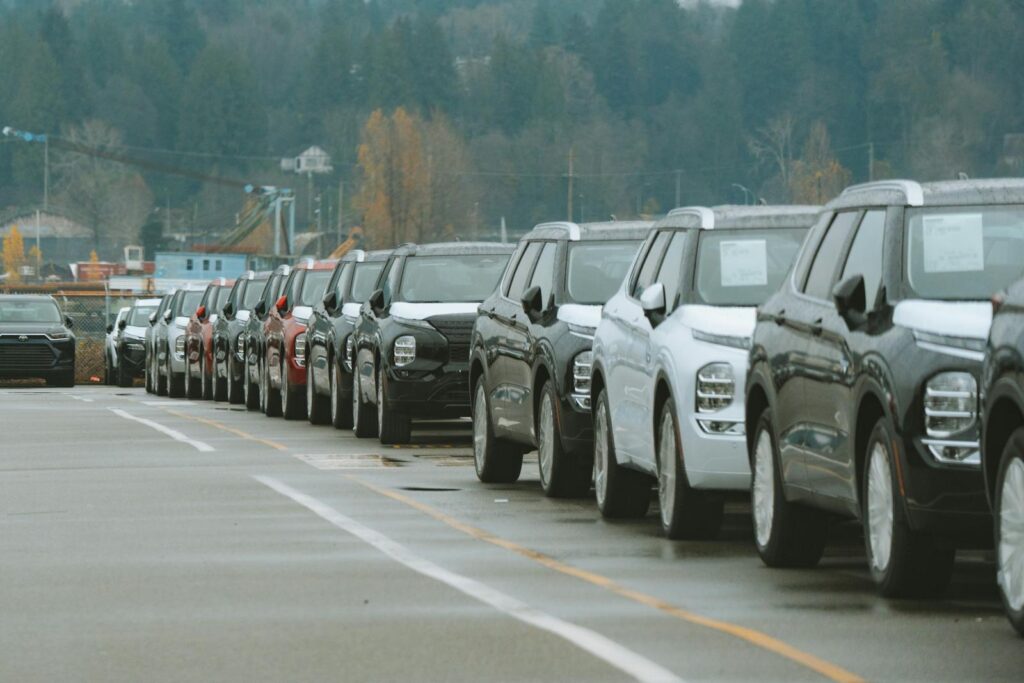
Out on India’s roads, SUVs now matter more than ever Tata Motors noticed early. Instead of chasing trends, it shaped its own path with models for nearly every budget. Because choices stretch wide, buyers keep turning their way. Growth in this space doesn’t slow down, and neither does Tata’s grip on it. What others see as shifts, they treat as chances.
Tata SUV Strength Key Features:
- Wide SUV model range coverage
- Heavy-duty small SUV power
- Premium SUV offerings available
- Multi-segment customer targeting
- Consistent demand across models
Small SUVs such as the Nexon and Punch keep showing strong results, pulling in city dwellers along with those from smaller towns. Meanwhile, roomier choices like the Harrier and Safari find favor among buyers wanting more legroom, plush interiors, and tech upgrades. By backing different kinds of SUVs, Tata manages to cover both budget shoppers and those after something pricier.
Wide choices in size and setup keep Tata Motors visible to many kinds of buyers. Because it covers several pricing levels along with varied features, its footprint grows stronger in the marketplace. High interest in SUV models pushes total sales numbers up while lifting brand recognition too. That steady pull means these vehicles stay deeply tied to how Tata wins ground locally.

8. Safety As A Core Brand Identity
Safety sits at the heart of what sets Tata Motors apart in India’s car scene. Because of this, many households now see the brand as someone they can rely on. As more people pay closer attention to how well cars protect their occupants, priorities have shifted. Where comfort or price once led choices, protection matters just as much today. That change lines up neatly with where Tata already stood. Gaining ground wasn’t luck it followed a clear direction taken years ago.
Tata’s Approach to Safety Priorities:
- Strong emphasis on vehicle safety
- Multiple 5-star NCAP ratings
- High customer trust levels
- Safety-first product positioning
- Competitive market advantage
Nowhere else on Indian roads has safety become such a quiet priority like it has with Tata owners. Because crash test results speak louder than ads, trust grew without promises being made. When cars survive impacts so well, people start expecting more from every drive. Not just protection during accidents peace of mind matters too. What once seemed rare now feels necessary, even normal. Through consistent performance, one brand shifted what buyers consider basic.
Safety wins have quietly shaped how people see Tata Motors. When buyers weigh their choices, knowing a vehicle protects matters more than most features. Trust builds slowly each crash test passed adds weight. People now link the name Tata with rides that guard lives. Growth follows naturally when confidence grows seat by seat.

9. Pricing Strategy and Festive Demand
Market conditions have played an important role in strengthening Tata Motors’ recent performance in the Indian automotive sector. Policy-driven price reductions following GST-related reforms made vehicles more affordable for a wider base of customers. This improvement in affordability helped increase overall market accessibility. It also created a more favorable environment for car buyers across different income groups.
Key Factors Driving Demand Growth:
- GST-linked price reductions impact
- Improved vehicle affordability
- Higher customer booking volumes
- Strong festive season demand
- Broader market accessibility
Tata Motors strategically passed on these pricing benefits to customers, which resulted in a noticeable increase in booking volumes across its entire product lineup. As vehicles became more financially accessible, more buyers entered the market or upgraded their existing plans. The effect was especially visible across popular segments where demand tends to respond quickly to price changes. This helped strengthen short-term sales momentum significantly.
The festive season further amplified this demand surge, as it traditionally represents a peak buying period in the Indian automotive market. The combination of reduced prices and seasonal purchasing sentiment created highly favorable conditions for sales growth. Together, these factors contributed to a strong overall performance for Tata Motors. This alignment of pricing strategy and market timing supported a notable increase in customer activity.
10. Competition and Future Outlook
Despite Tata Motors’ recent rise in the Indian automotive market, competition remains extremely strong and closely contested. Hyundai continues to maintain a solid presence with high-performing models like the Creta, while Mahindra remains a dominant force in the SUV segment with vehicles such as the Scorpio, XUV700, and Thar. The overall market environment continues to be highly competitive and fast-moving.
Key Competitive Landscape Factors:
- Strong Hyundai market presence
- Mahindra SUV segment dominance
- Aggressive new product development
- Expanding EV strategy focus
- Continuous market competition
Both Hyundai and Mahindra are actively working on new product launches and strengthening their electric vehicle strategies to regain or expand their market share. This ongoing innovation ensures that competition in the Indian automotive industry remains dynamic and unpredictable. Every major player is investing in technology, design, and electrification to attract modern consumers. As a result, the market continues to evolve rapidly.
Looking ahead, Tata Motors’ upcoming pipeline of new electric and SUV models indicates that the company is preparing to further strengthen its position. With continuous innovation and product expansion, the brand aims to maintain its competitive momentum in a highly evolving market. The future outlook suggests sustained rivalry among major manufacturers, keeping the Indian automotive sector active and competitive.