




Why Automakers Are Offering Huge Discounts Before Prices Climb

The automobile industry is normally sensitive to the usual cycle of demand and supply where an increase in production costs directly translates to increased prices to consumers. The kind of relationship has been stable over the years, influencing the actions of both manufacturers and consumers. But what is happening in the American auto industry is happening in a manner which is abnormally different. Major automakers are also not increasing prices before the cost increase, but rather they have been giving deep discounts.
This has left buyers and those in the industry confused. With the tariffs set to make cars much more costly, firms are striking openings to deals previously reserved for employees. Such pricing is not an ad hoc or temporary action, but a calculated action meant to react to a fast-evolving economic world.
The timing is even more interesting. This is an opportunity that the buyers might not be able to take long because the stocks that are available still have the pre-tariff prices. When the inventory is depleted, the pricing environment will change radically, and today discounts will seem more like a time bomb in an otherwise unpredictable market.

1. The Surprising Change in Pricing Policy
It might sound odd to the idea of reducing prices immediately before costs increase. Generally, when firms face rising costs, they often increase the prices slowly to save on profit margins. Automakers such as Ford and Stellantis are however opting to do something different, by providing aggressive discounts. This change can be seen as a strategic rather than a reactive action, demonstrating the way in which businesses respond to the variability of the market and consumer demands.
Major causes of Pricing Shift:
- Reduce the prices to stimulate demand
- Prevent slowdown in customer purchases
- Ensure that there is a good competition in the market
- Respond to changing consumer behavior
- Make sales when they are safe
The basis on which this strategy was crafted is the fact that buyer sentiment is prone to rapid changes during periods of uncertainty. Through powerful incentives today, the automakers attempt to retain customers by keeping them active and make them purchase products on the spot. This is an initiative to avoid hesitation which would otherwise lower the volume of sales.
Meanwhile, the relocation underscores the stiff competition in the auto sector. The companies are not only struggling to cope with the increasing costs but also struggling to hold their market share. Providing competitive prices today enables them to capture consumers early enough so that in the future; there would be stability even in case the market conditions are more difficult to stabilize.
2. The Tariff Effect on Market disruption
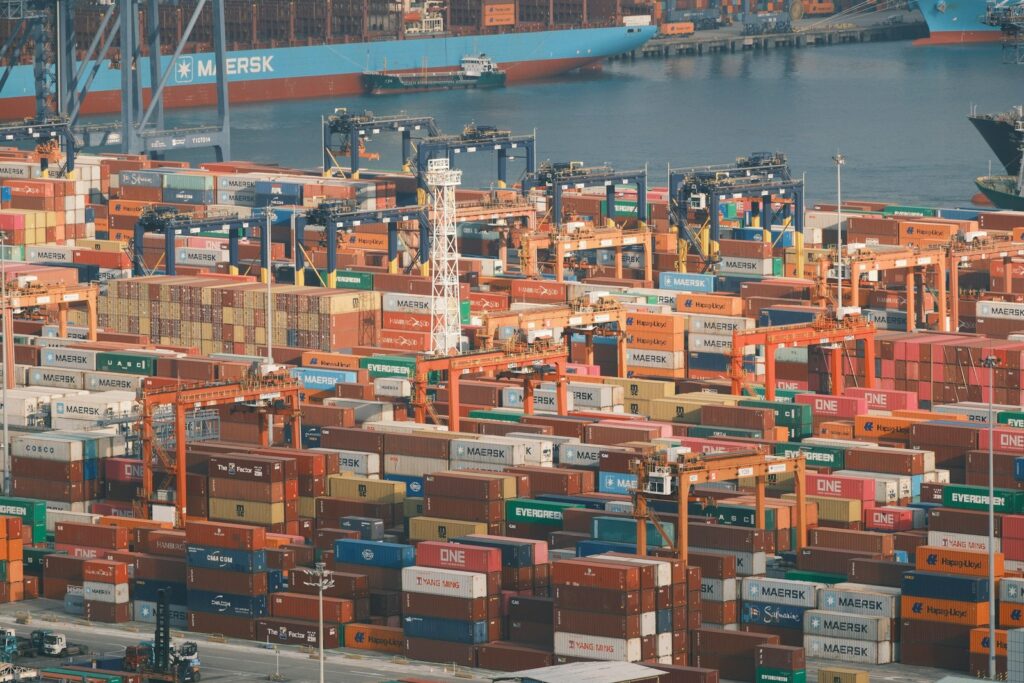
Tariffs are at the centre of the present market condition, being a major cause of anticipated price rise. The imposition of a 25 percent tariff on imported cars and parts and some other basic tariffs will increase the cost of production tremendously. This change is not merely a transient problem but a structural one, impacting the automakers in the way they strategize pricing and production plans.
Major implications of Tariffs on Industry:
- Higher price of imported parts
- Increased costs of production by manufacturers
- The global supply chains are made costly
- Domestic price pressure on cars
- Sense of urgency in market adaptation strategies
The tariffs do not just apply to imported cars but the whole automotive ecosystem is affected. Contemporary vehicles are highly dependent on internationally sourced parts, which implies that even locally-assembled ones are more expensive. This networked supply chain multiplies the impact, which disseminates the financial strain among the manufacturers, suppliers, and eventually consumers.
This will lead to an observable increase in the price of vehicles and it is estimated that the prices would be increased by several thousand dollars per car. This puts a rush on both the manufacturers and the buyers and to make decisions early before the costs all start shooting up. The case shows that policy modification can have a quick impact on the market and transform the industry.

3. Learn about the Scale of Price Increases
The increase in the cost of vehicles is projected to be high and may have a drastic impact on buyer behavior. According to analysts, new tariffs can raise the cost of a vehicle between $4,000 and $12,000 based on the model and components of the vehicle. This is not a small scale adjustment but a change that could impact on the affordability and buying choices throughout the market.
Major Forces that have promoted price growth:
- Duty on significant automobile parts
- Increased engine and transmission prices
- Higher costs of batteries and components
- Average cost increases the overall cost of a vehicle
- Large dispersion depending on the models of vehicles
These growths have been substantially contributed by the escalating prices of the individual components. Critical components like engines, transmissions, and batteries are also affected, as well as a myriad of smaller components that make up the finished structure. With such costs accruing, they greatly increase the overall cost that consumers have to incur in purchasing new automobiles.
Another area of concern is the timing of these changes. New vehicles will be priced at the increased cost after current inventory sold, decreasing the supply of lower-priced vehicles. This puts a time pressure on buyers, which may lead to a rush to buy before the prices can adjust.
4. Clearing Pre-Tariff Inventory
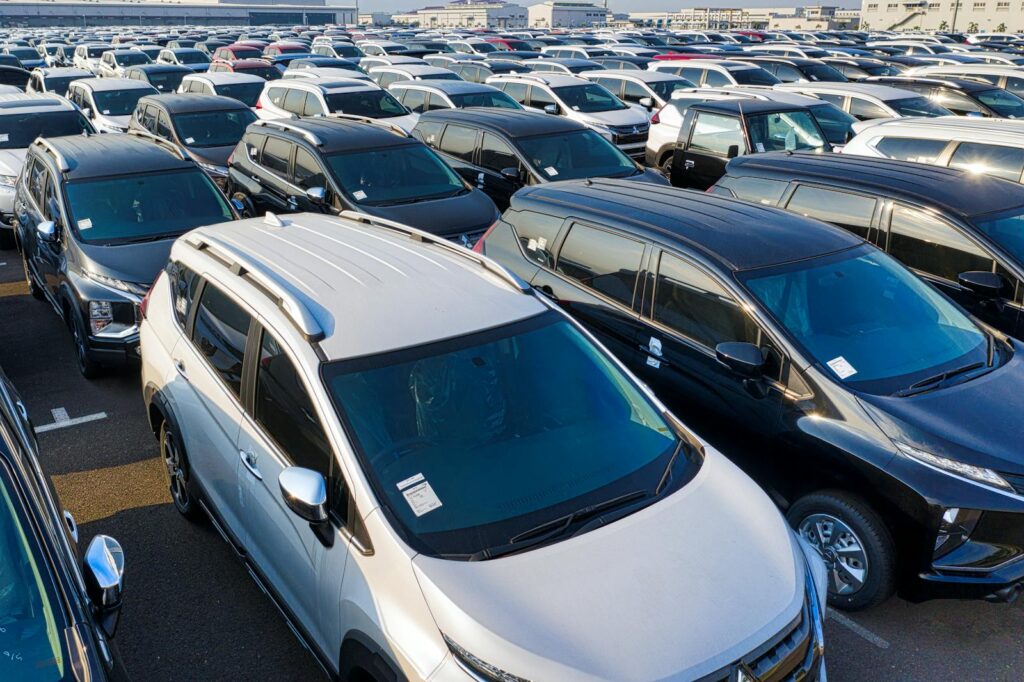
The necessity to sell the existing inventory before new expenses come into force is one of the most crucial reasons which lead to modern discounts. The cars that are now at dealerships were made prior to the introduction of tariffs as such they are cheaper than future inventory. This presents a strategic leverage to automakers to ensure that they have a steady sales base in anticipation of a change in pricing structures.
Clearing Reasons:
- Pre-tariff cars reduce the cost of production
- Avoid un-sold inventory in transition
- Keep sales on the upswing
- Get market ready to make price changes
- Promote instantaneous customer purchases
Car manufacturers are taking this time to match production with the market in the future. They also minimize the risk of not selling vehicles that might become more difficult to sell when more expensive models come into the market by marketing existing stock. Such a proactive strategy will stabilize the supply and demand in the wake of economic transformation.
This is a definite benefit to the consumers. Individuals who purchase now will be able to buy cars at comparatively low prices before the increment sets in. It gives a short-term span of opportunity with a greater value whereby the purchase can be made faster in fear of increasing prices.

5. Maintaining Consumer Interest
Uncertainty in the economy usually causes reluctance especially in regard to making big purchases such as cars. Buyers can be hesitant to make a purchase due to news of tariffs and price increases, waiting until they have more information. Automakers can reduce this hesitation rate, which will help to speed up sales and increase the activity of the overall market.
Plans to keep the Buyers interested:
- Discounts generate a sense of urgency in buying
- Competitive prices minimize buyer reluctance
- Promotes swift decision making
- Maintains a high level of showroom traffic
- Retains a consistent sales in times of uncertainty
To eliminate this problem, automakers are providing powerful incentives to attract customers. Competitive pricing assists in changing buyer attitude of holding back to taking action where they can buy before the situation escalates. This urgency is essential in maintaining the demand stability even in periods of uncertainty.
Meanwhile, these measures make sure that dealerships are alive and involved. The regular flow of customers assists in maintaining business activities and aids in the stability of the entire market. Automakers can avoid uncertainty and safeguard sales performance by ensuring interest and taking action.

6. Supporting Dealership Operations
Dealerships are a vital part of the automotive ecosystem, and their stability directly impacts manufacturers. The supply chain may be slackened when dealers are afraid to take orders of new inventory as a result of uncertainty. This has an impact that spreads to production, distribution and general market performance.
Strategies to stabilize dealerships:
- Discounts promote steady car sales
- Rapid movement of inventory enhances confidence
- Ordering among dealers is more frequent
- Ensures the flow of supplies
- Eliminates expensive production delays
To prevent interruptions, car manufacturers adopt discount schemes to ensure that vehicles roll out of the dealerships. High sales will be a good confidence booster to dealers as they are now certain that they can make new orders and keep the business momentum. This continued process contributes to stabilizing operations even in uncertainties of the market.
Lack of this balance may cause production to reduce to very slow levels, which will result in increased costs and inefficiencies. Maintaining the activity and involvement of dealerships safeguard the continuity of the automakers functioning and contribute to the well-being of the industry in general.
7. Moves by Key Automakers
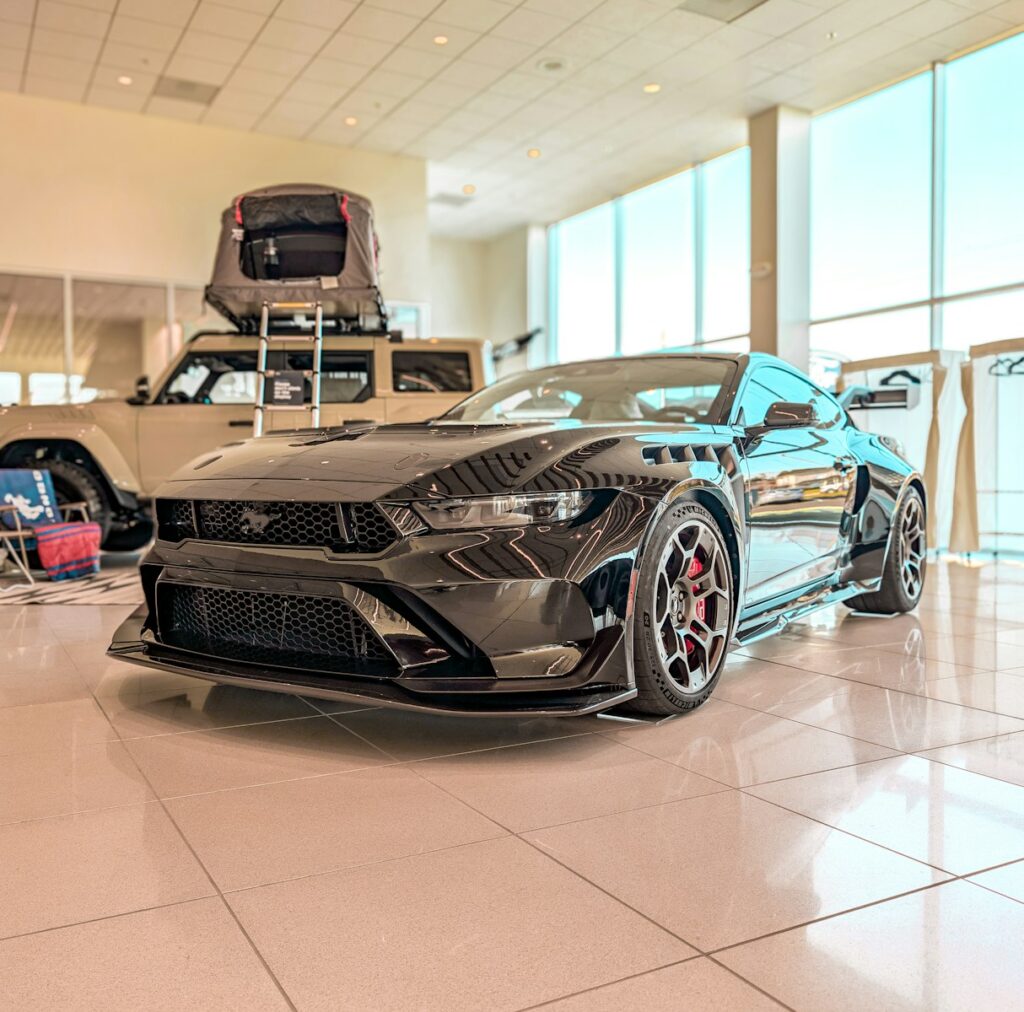
Ford and Stellantis have been at the forefront in terms of adopting aggressive discounts as a way of responding to the changing market conditions. They are providing offers that were initially enjoyed by a few by giving employee pricing to the masses. This action is an attempt to increase sales, taking into consideration the possible slowdown by the economic uncertainty and the increase in cost.
Major components of Automaker Strategies:
- Prices given to employees to everyone
- Great discounts on most models
- Included in high-demand vehicles sometimes
- Concentrate on increasing the short-term sales
- Provision of long-term market stability
These are big incentives, which can save buyers thousands of dollars and make new cars more affordable. Although some of the popular models might not be encompassed, there is a broad scope of inventory encompassed by these programs. This general strategy is beneficial in attracting more consumers and ensuring high sales.
The fact that these strategies were implemented when is an indicator of keen planning by car manufacturers. Not only are they trying to make instant sales; they are also anticipating challenges in the market in the future. Early intervention helps companies to stay afloat as conditions in the industry keep changing.
8. Effect on production and labour force
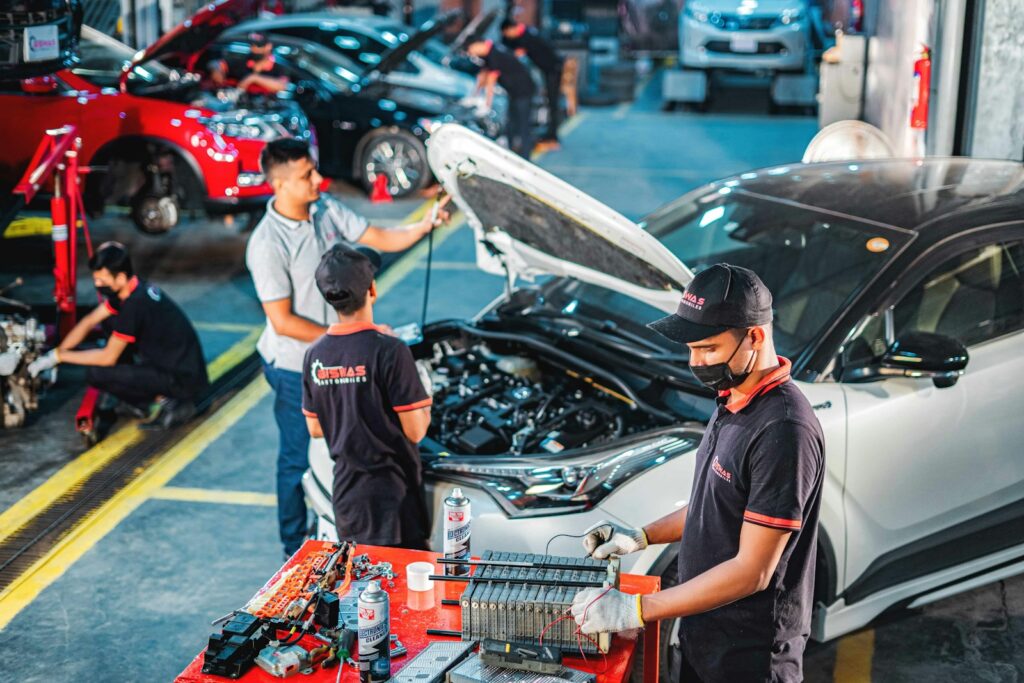
Discounts can be helpful to consumers but it is more complicated with the case of the workers in the automotive industry. Carmakers are already responding to changing demand and increasing costs by changing production levels. These modifications are needed to keep the balance, but they may cause confusion to employees and manufacturing processes.
Significant Impact on Production and Workforce:
- Adjustments in production to changes in demand
- Plant shutdowns, at least temporarily, in certain areas
- The layoffs of industry workers
- International influence throughout supply chain
- Automobile cost management issues
The developments underscore the interconnectedness of the automotive ecosystem. With the slowing down or a temporary halt of production, the effect extends to various areas, impacting suppliers, employees, and local economies. The ripple effect demonstrates that the changes in the demand and cost can impact the whole industry even with minor changes.
Striking the optimum ratio between production and cost management is a key concern to automakers. They have to balance operations with care that does not disrupt operations in the long term, but allows adaptation to new economic conditions. The decisions that will be taken within this period will be strategic in determining the future stability of the industry.

9. Competitive Reactions of the other brands
The other auto manufacturers are also pursuing strategy changes to adapt to the changing market environment. There are other companies that are reducing prices to make them more affordable and to attract more customers and others are opting to keep prices constant as a way of preserving trust and confidence of the current customer base. Such contrasting strategies underscore the way the two brands are navigating uncertainty according to their priorities and positioning.
Major Competitive Strategies in the market:
- Discounts to entice customers
- Predictable prices to gain confidence
- Emphasize price and quality
- Various strategies of positioning
- Increased options for consumers
These diversified strategies depict a trade-off between stability and growth. Organizations that reduce prices to attract short-run demand, whereas those that do not reduce prices are interested in long-term customer relationships. The purpose of each approach is based on different purposes, according to the goals and the strength of the company in the market.
With the increase in competition, customers are enjoying more options and reduced prices. This dynamic environment will make the environment conducive to the consumer to enable them to compare and make better buying decisions as the market undergoes a transition.

10. A Great Chance for Buyers to Save Money
The way thingsre right now in the market is really good for buyers but it will not last forever. The discounts you can get today are because of the cars that were made before it started costing more to make them. As these cars get sold you will not be able to find as cheap cars so buyers need to act fast.
Why You Should Not Wait to Buy:
- The discounts are for the cars that are already made
- These cheaper cars are selling quickly
- New cars will cost more to buy
- You only have a short time to get the best deal
- If you wait you will probably have to pay more
As the old cars get sold new ones will come out and they will cost more because it costs more to make them. This means that the prices of cars will go up and people will not be able to afford them easily. It will not happen at once but it will definitely happen.
For people who want to buy a car this is a decision. If you buy now you can save a lot of money. If you wait you will probably have to pay a lot more later. The market is changing now and if you make a decision quickly you can get a better deal, on a car.