



America’s Grounded Eagles: Canceled Fighter Jets of History
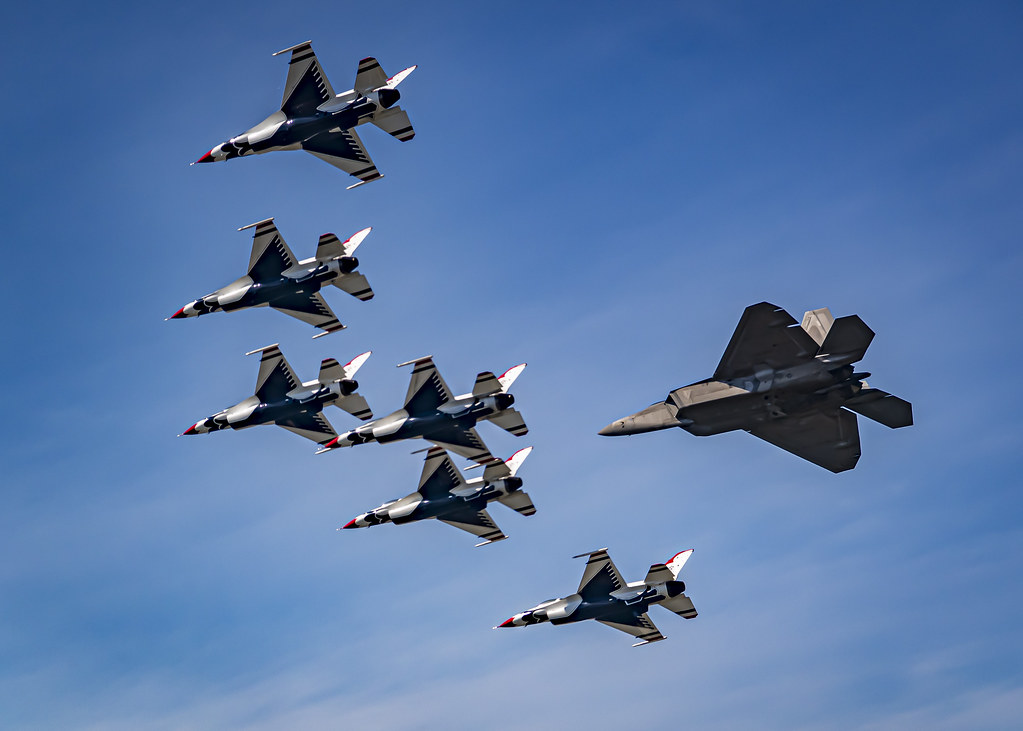
The United States has been known to have the highest capabilities in designing and developing advanced military aircrafts. The country has been on the frontline of aviation technology with world-class engineers, state of the art facilities and organisations such as the Skunk Works of Lockheed Martin. Skilled test pilots and good funding support these efforts, which means that only the most competent aircraft continue to be developed.
The Major Drivers of the Success of Aircraft Development
- Well-developed engineering and research ecosystem
- The support of key defence contractors
- Strict testing and evaluation procedures
- Well-trained and competent test pilots
- Government support and funding
Though these have their benefits, not all projects come to fruition. Numerous aircrafts despite their impressive potential do not see the light of the day or even a prototype. Such cancellations can usually be attributed to budget constraints, or shifting military priorities, or sudden technological changes. This dismal fact underscores the challenge of putting even the most promising aviation ideas into active service.
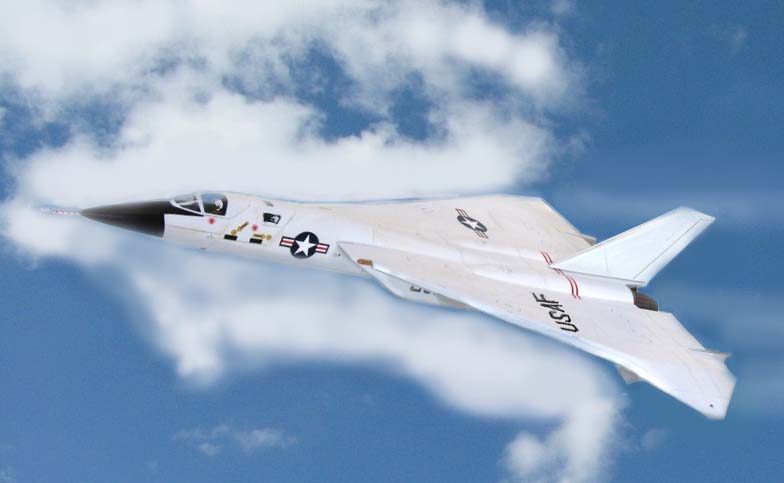
1. North American XF-108 Rapier
The North American XF-108 Rapier was developed in the cold war era, which was characterized by stiff competition between the United States and the Soviet Union. The aircraft was built as a high speed interceptor to rule the skies with speeds of up to Mach 3. With a high-speed engine, it was likely to reach enemy bombers fast and effectively before they could pose a threat.
Interesting Details of the XF-108 Rapier
- Created to travel at Mach 3
- Fitted with the high power turbo jet engines
- Had an internal rotary missile launcher
- Constructed to intercept on a long range
- Concentrated on the counter to the Soviet bomber threat
The most innovative part of the XF-108 was its internal weapons system that enhanced aerodynamics and minimized drag. It however lost its relevance as the role of the aircraft became less important given the shift in military strategy to deterrence using missiles. As intercontinental ballistic missiles began to rise, the necessity to have such an interceptor waned, and the interceptor program was finally cancelled before it could be fully developed.
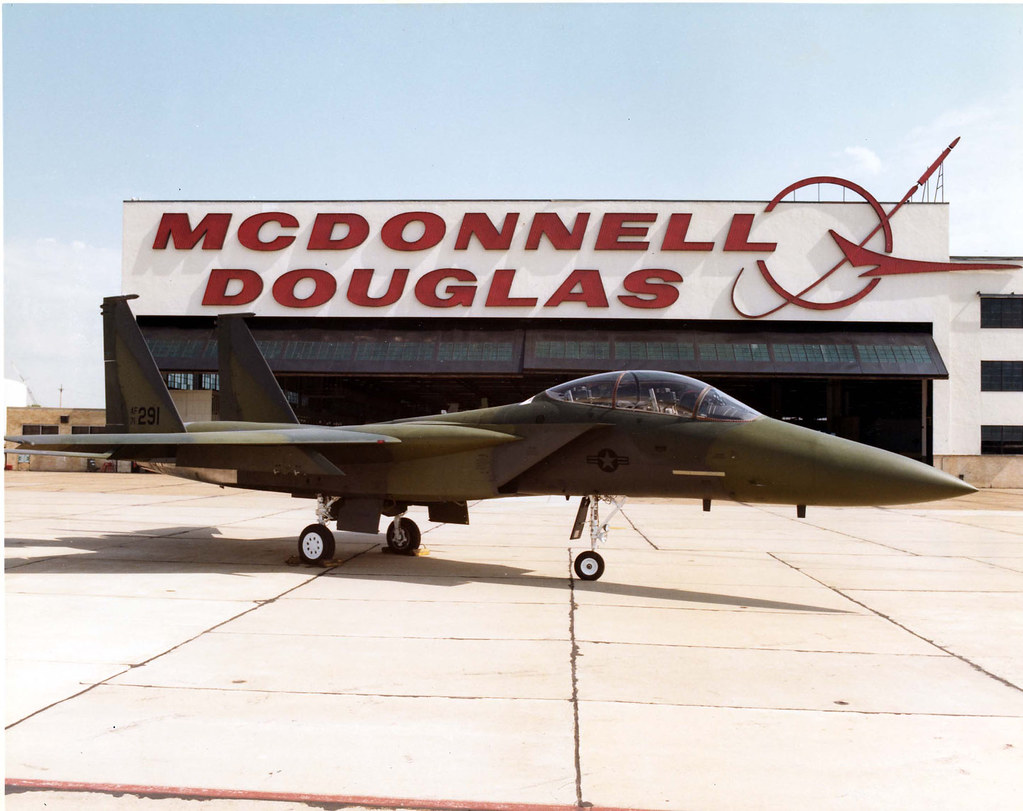
2. F-16XL Fighter
The F-16XL was a radical development of the popular F-16 Fighting Falcon, aimed at improving its performance and capability. The most characteristic feature that it had was the cranked delta wing that gave it more lift and also enabled the aircraft to carry more fuel and weapons. This design had a longer range and better mission than the normal F-16.
Highlights of the F-16XL Design
- Unusual cranked delta wing design
- Increased payload capacity
- Extended operational range
- Improved aerodynamic efficiency
- Constructed to be fast and versatile
The F-16XL had a hard competition with the F-15E Strike Eagle in spite of its impressive upgrades. It was finally the F-15E with its twin-engine reliability and strike capability that the Air Force liked. Moreover, the heavier design of F-16XL also created some performance trade-offs, and was thus not as attractive to be used operationally, leading to its retirement.
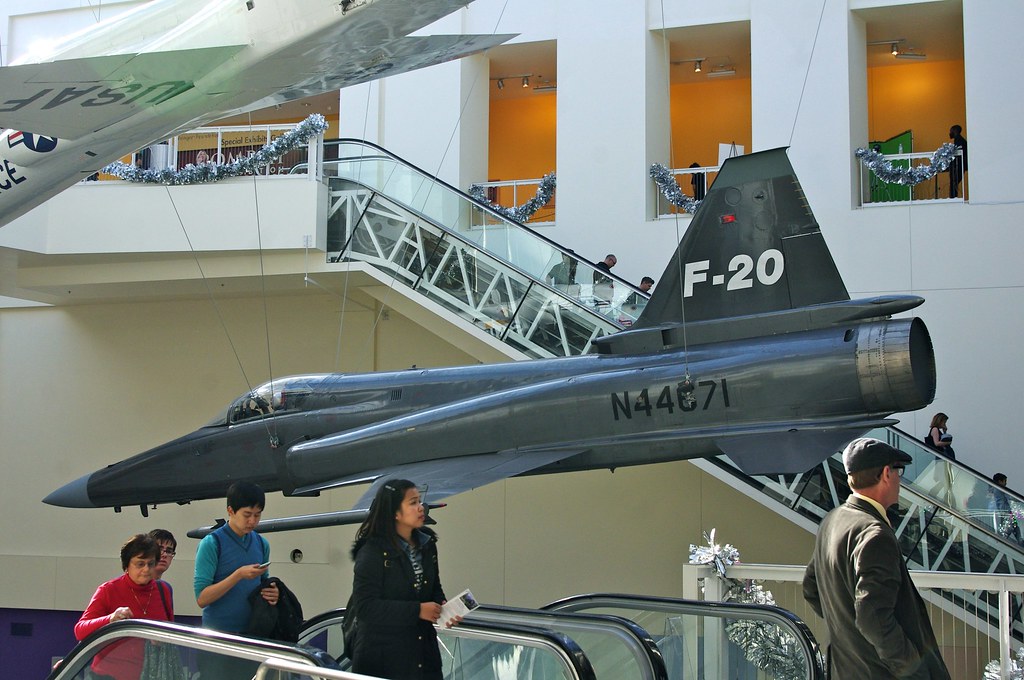
3. Northrop F-20 Tigershark
The F-20 Tigershark was created as a low cost and lightweight fighter mainly to be exported to other countries. It was to be maintained easily and yet provide good performance thus making it an appealing choice to its allies. The aircraft had advanced avionics and was much faster, which made it a competitive substitute to other fighters of the period.
Major F-20 Tigershark Strengths
- Lightweight and efficient design
- Lower maintenance requirements
- Advanced avionics systems
- Good export market orientation
- Competitive performance capabilities
The F-20 however, did not find buyers since F-16 dominated the international markets. This was aggravated by the loss of prototypes and pilots due to testing accidents. These failures in conjunction with the evolving government policies saw the cancellation of the program, which had great promise initially.
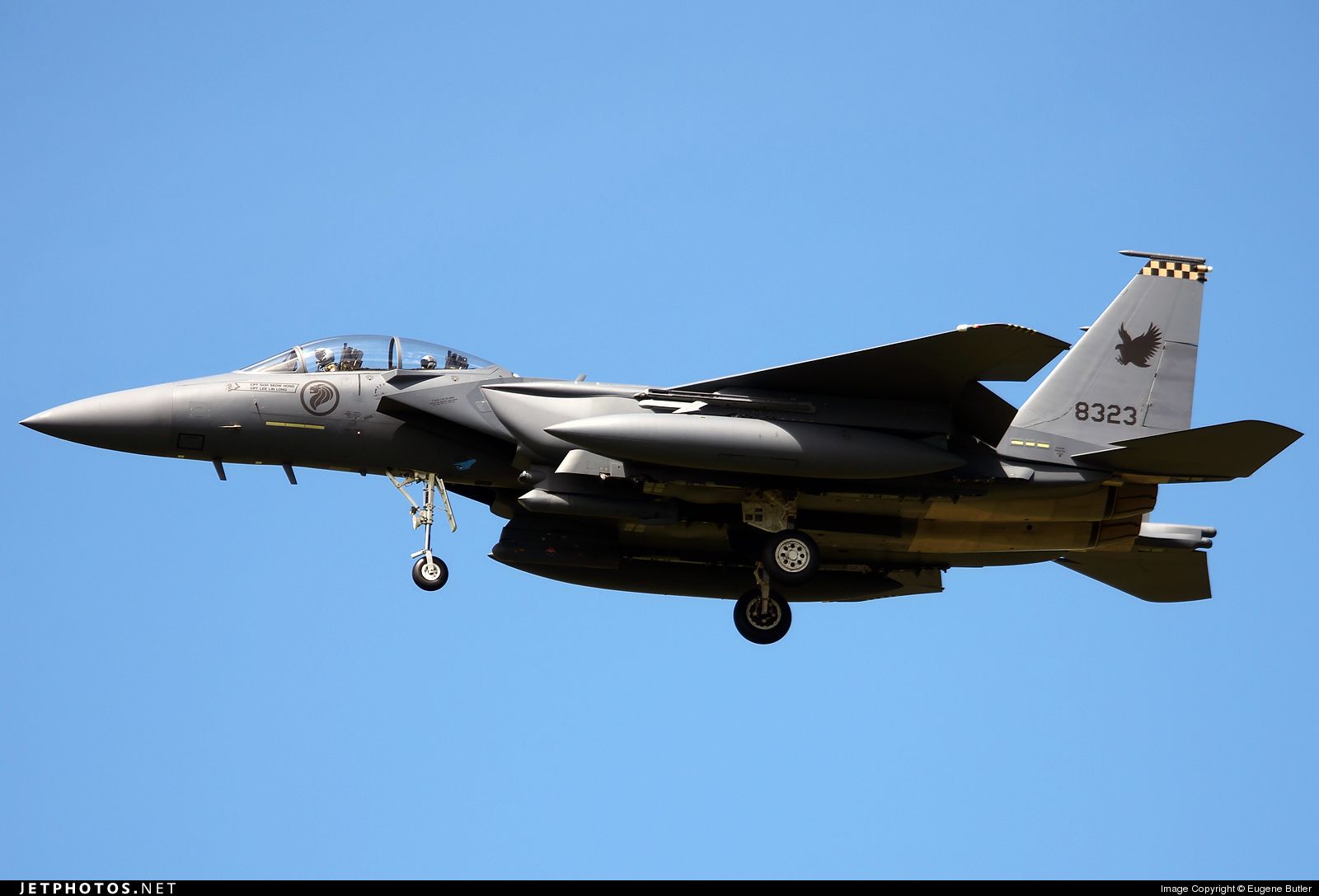
4. Boeing F-15SE Silent Eagle
The F 15SE Silent Eagle was an attempt to revitalize an already successful aircraft by adding stealth capabilities. The Silent Eagle was a precursor to the Silent Thunderbird based on the time-tested F-15E platform, which sought to fill the gap between older and newer stealth aircraft. It was made to maintain the strength of the original but to have a lesser visibility to radar systems.
The Silent Eagle Concept innovations
- Introduction of conformal weapons bays
- Decreased radar cross-section design
- Use of radar-absorbent materials
- Modified vertical stabilisers
- Concentrate without complete redesign
Though technically impressive, it could not find buyers. Meanwhile, the United States moved to all-stealth aircraft such as the F-35. Consequently, the Silent Eagle was never turned into a functioning aircraft, being just a concept, and this proves how timely things can affect even the most robust ideas.
5. Lockheed Martin X-44 MANTA
One of the most radical aircraft designs was the X-44 MANTA which planned to have no conventional control surfaces at all. It did not use tails and rudders but employed high-tech thrust-vectoring technology to move up and down. This strategy assured a higher agility and less weight as well as better stealth features.
The X-44 MANTA has revolutionary aspects
- Tail less aircraft design
- Advanced thrust vectoring control system
- Reduced radar signature
- Improved manoeuvrability potential
- Partnership between key aerospace organisations
Although the X-44 was designed with a groundbreaking design, it had issues involving cost, complexity, and evolving military priorities. Following the 9/11 attacks, attention changed to counter-insurgency missions as opposed to sophisticated air superiority fighters. This change coupled with technological constraints resulted in the cancellation of MANTA program.