


Ford Maverick Hybrid: Our Definitive 40,000-Mile Verdict
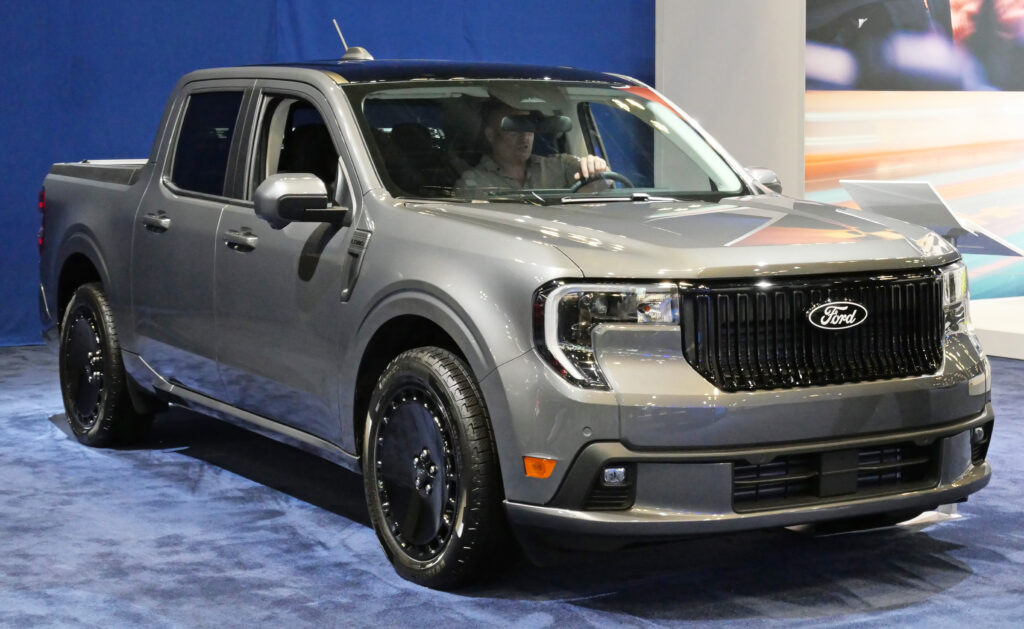
The Ford Maverick did not make its grand entrance the way one might expect a new pickup truck to do. There was no attempt to command the road by imposing a hulking profile or by wielding styling cues that screamed ‘eat my dust.’ Instead, it entered with a quiet assurance, as if it instinctively understood what most drivers actually want. A modest footprint, a no-nonsense utility and an attractive price point were all it needed to be instantly distinctive in a market segment that had somehow lost its way by taking the concept of ‘truck’ to absurd extremes. From the get-go, it felt less like a marketing ploy and more like a sensible response to where full-size trucks had ended up.
The public response was rapid, even deeply emotional, a quality not typically associated with the pickup segment. Folks didn’t just appreciate the Maverick; they were enchanted by it. In it they recognized the absence of a fundamental element in the modern automotive design language: smart simplicity. A compact, fuel-efficient pickup that was still capable of doing actual truck stuff resonated with an unexpected number of people. This wasn’t a bid to displace full-size trucks; rather, it subtly posed a question about precisely how much truck an average person really needs, a debate that alone secured its status as the vehicle generating the most talk in years.
To discover whether the initial fervor surrounding the Maverick was indeed merited, a lengthy test was the only course of action. A fleeting test drive or the briefest of reviews would never reveal the full truth. The Maverick Hybrid, therefore, was placed through a brutal 40,000 miles worth of daily commuting, road tripping, exposure to all sorts of weather, and plenty of rigorous work. The mission: to see if its magic was indeed bona fide, or simply the result of infatuation.
1. A Simple Idea That Stood Out Immediately
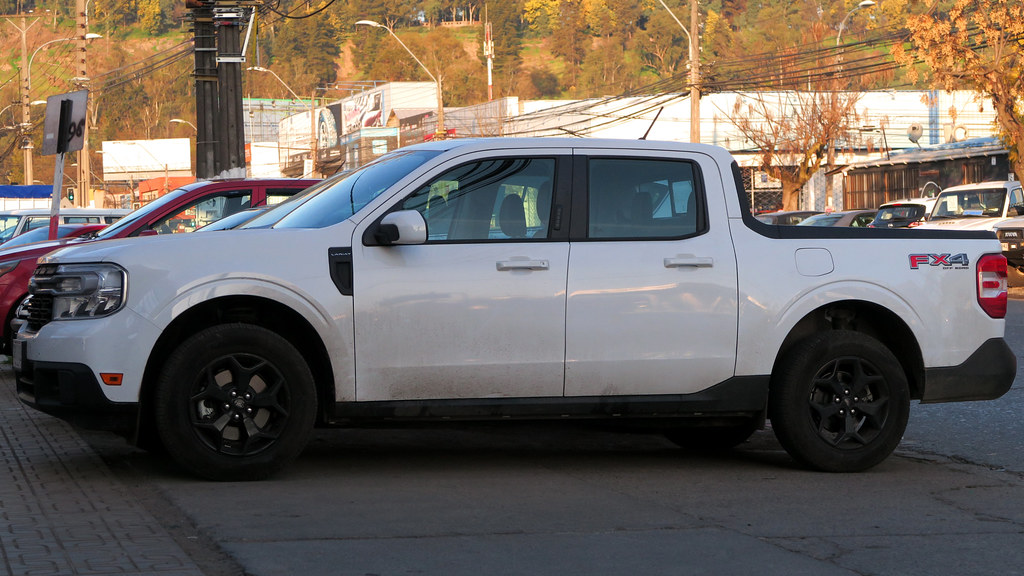
The essence of the Maverick Hybrid comes down to simplicity and function. There is nothing superfluous, and only what is necessary is incorporated. There are no excess “bells and whistles,” and the result is ease of use and efficiency on a daily basis. From the moment of inception, it seemed as though this was something made for driving, not showing.
Core Design Philosophy of Simplicity:
- Focus on essential functionality
- Avoid unnecessary feature overload
- Prioritize real-world usability
- Designed for practical ownership
- Balanced and efficient approach
This defines a coherent and assertive personality to the Maverick Hybrid. All components of this model feel like they belong rather than an afterthought to achieve marketing differentiation. The uncomplicated nature of the systems makes them easily comprehendible and usable. It also allows the driver to focus on driving rather than the myriad of complex systems.
Thus, it forms a relationship with a user concerned with functionality rather than technology. The nature of the design philosophy also increases the longevity and satisfaction of the vehicle’s owner. The number of superfluous components and the implications it brings is significantly reduced. Its performance and usage can be easily predicted when compared with that of a highly complex vehicle. This would also enhance its efficiency and suitability to drivers of typical needs such as for daily work or personal tasks.
2. Choosing the Hybrid for the Long Haul
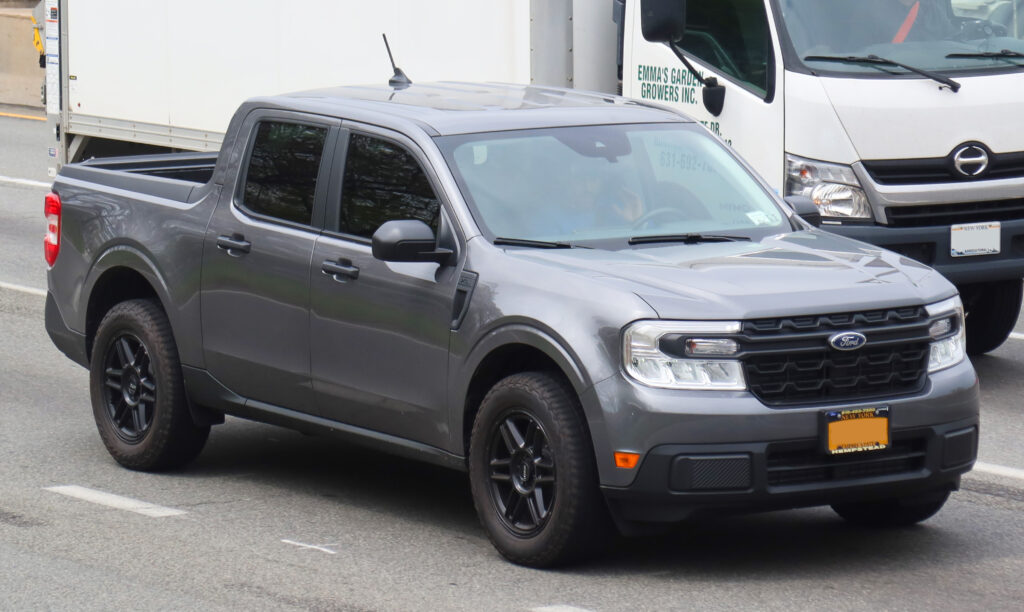
Among all of the powertrain configurations, it was only natural that I selected the hybrid option, given the overall intentions. It wasn’t the quickest trim configuration by any means; but quickness was never one of the objectives for the build. Rather, the main concerns involved efficiency, durability, and drivability as daily transportation, which lent itself well to ownership and prolonged daily driving needs.
Key Reasons for Hybrid Selection:
- Prioritizes fuel efficiency over speed
- Supports long-term reliability goals
- Better suited for daily driving use
- Reduces overall fuel consumption
- Ideal for mixed driving conditions
Also useful in urban environments are many of the same attributes that make this hybrid drive particularly pleasant on longer journeys. This ensures stop-start driving is more refined and economical than an equivalent non-hybrid vehicle, and the savings add up over the long term. In fact, this combination of petrol and electrical driving provides a smooth all-round experience that’s well suited to users with a diverse range of needs. Used consistently for many thousands of miles, you are likely to save on running costs thanks to efficient fuel consumption. The hybrid system is also well suited for daily use and is engineered not to be excessively stressed.
3. A Configuration Built for Everyday Life
I have picked this XLT trim as it seems to be in the right place for price and comfort. This is neither too sparse like an entry model nor too plush like a higher spec model. This will do without all of the unnecessary luxury and concentrate on being functional for real life use rather than just being plush. The configuration does not seem over-the-top when the overall expectation of real life ownership are considered.
Key Practical Features of the Setup:
- Balanced comfort and affordability
- Avoids base model limitations
- Includes useful daily features
- Supports year-round usability
- Focus on real-world practicality
The optional additions such as heating elements and assistance systems contribute to an ease of use in day to day activities and protective accessories add to the longevity for normal use. The additions will serve to create a more versatile vehicle that will contribute more comfort in all conditions and seasons. This leads to an arrangement that prioritizes comfort without sacrificing simplicity, maintaining its focus on beneficial features that assist in vehicle ownership.
Rather than pushing for an extravagant list of luxury equipment this arrangement allows the ownership to achieve satisfaction. Each feature that is specified adds an element of practicality to the normal day to day activities. By minimizing useless additions this arrangement helps achieve comfort and safety while keeping life easy during day to day ownership, resulting in an efficient yet beneficial setup.
4. First Impressions on the Road
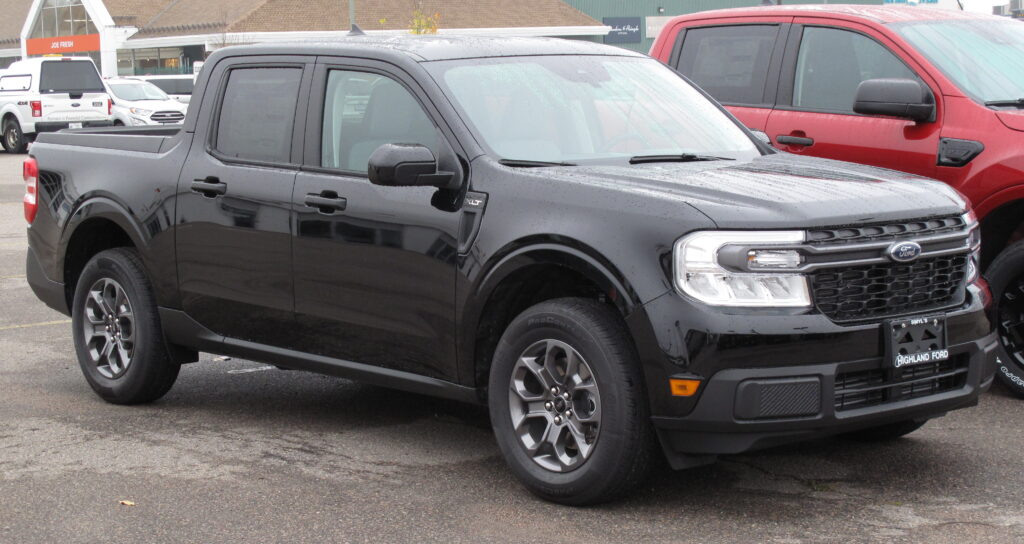
The first driving impressions indicated an exceptionally comfortable ride. A feel of security, which is the first thing that comes to mind when driving in different environments is perceptible from the first minute in traffic. In either situation, the car seems very composed, and is quite predictable when put under load, be it light cornering or hard breaking, inspiring confidence.
Key On-Road Characteristics:
- Natural steering response feel
- Predictable handling behavior
- Balanced ride comfort setup
- Easy city driving experience
- Confident road stability feel
The steering response is light and predictable; this makes the driver more relaxed in every situation. It does not feel to light nor to heavy thus striking a fine balance. The ride quality is slightly firm yet controllable and keeps the body roll at its minimum without making it bumpy even over long distances, hence remaining a good blend of practicality and poise.
It is the effortless drive which stands out right from the start; no long initial setting up required, no significant learning curve, in other words everything functions just how it should be expected. Such simplicity gives the driver confident almost instantly. The car, therefore, comes across as approachable to even the new drivers right at the initial stage of use.

5. Fuel Efficiency That Changed Expectations
Perhaps one of the most compelling initial attractions of the car was the economy from the hybrid setup. On most journeys the fuel consumption figures were remarkably good over different conditions and driving styles. In fact a mixed journey, which often resulted in a lower figure, would see the fuel consumption return better than expected numbers. Over the ownership period fuel economy played a greater role than initially apparent.
Key Factors Behind High Efficiency:
- Consistently strong hybrid mileage
- Effective city driving economy
- Reduced overall fuel expenses
- Improved long-distance efficiency
- Lower frequency of refueling
Even long commutes and highway driving become surprisingly more cost-effective. You are actually going to gas stations much less frequently than you might think. Having fewer places to stop to refuel also begins to affect how you drive on a day-to-day basis. This all happened while continuing to achieve good efficiency even during suboptimal driving conditions. It works at all driving distances (short and long).
Efficiency wasn’t just a specification of the car, it was something that actually makes a difference in the daily operation of the car. The fuel savings do not start showing up for a little while, but eventually it does become significant and starts to have a real effect on your wallet. With the hybrid system consistently delivering a balanced amount of performance for efficiency, efficiency truly becomes a pillar of the overall value of the ownership.
6. Practical Use in Real Daily Life
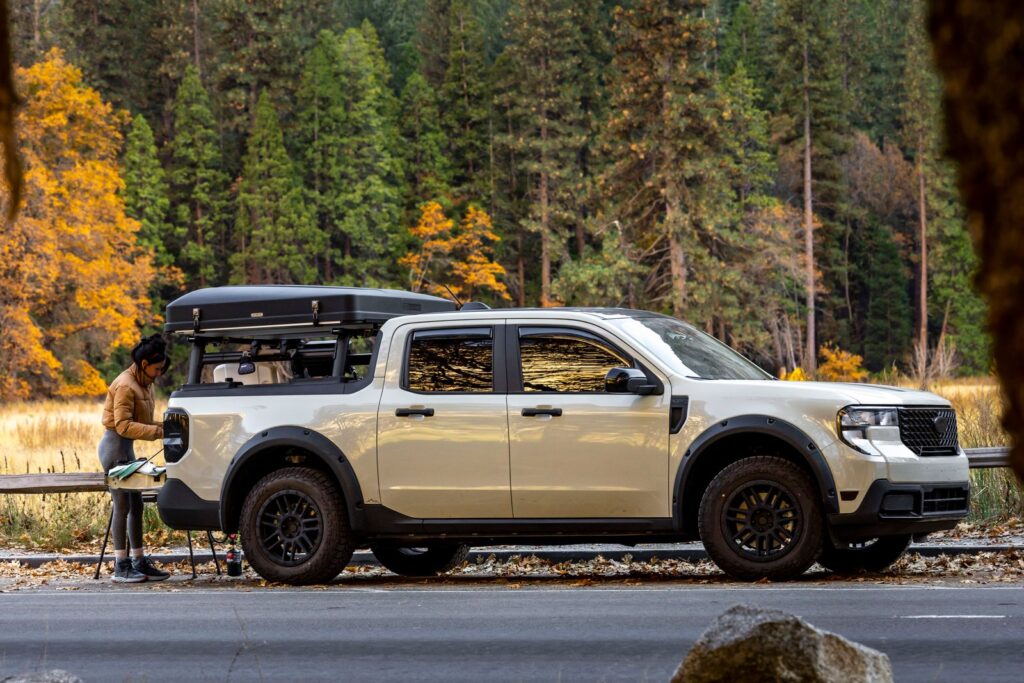
With its mileage increasing over time, Maverick soon replaced everything that used to be standard for nearly any daily job. It performed as well for minor errands as for those unusual heavy-duty tasks, taking varied cargo as the weight, without complaint. Gradually it emerged as the vehicle of choice for regular transportation.
Key Everyday Use Advantages:
- Handles varied daily tasks easily
- Supports home improvement transport
- Works for recreational gear loading
- Efficient compact truck packaging
- Surprisingly strong cargo capability
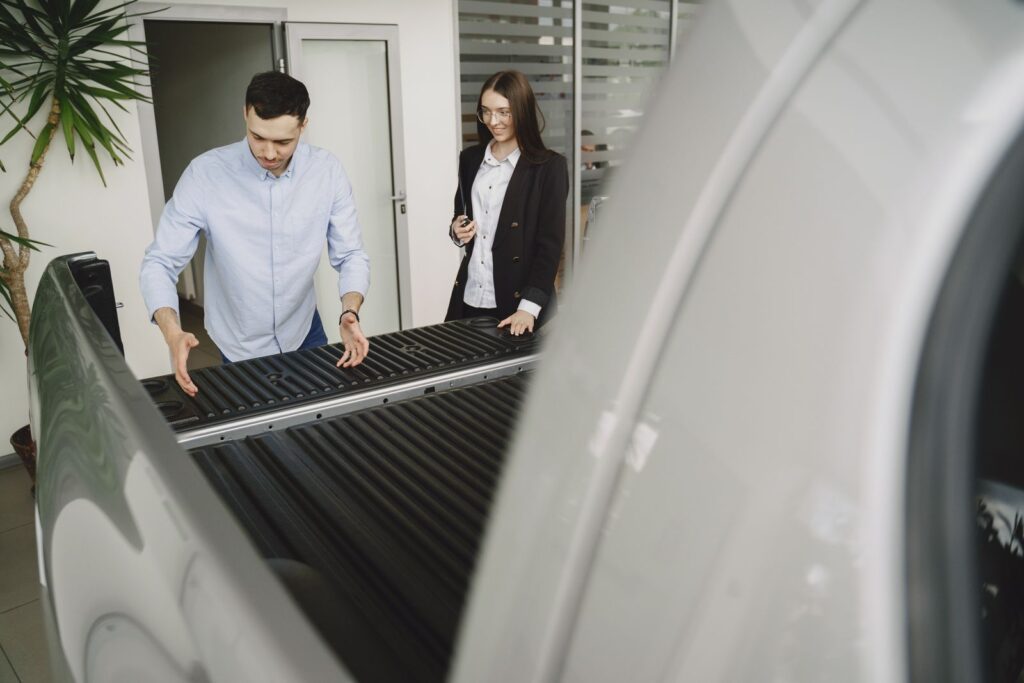
From household remodeling materials to sports equipment, the F-150 handled it all. Larger items commonly needed to hitch a ride were simply fit into the bed without issue. Even though bed size is usually a concern to, the ingenious space management skills coupled with good stacking procedures came through. Not to say bed space isn’t still at a premium. The compact yet smartly designed packaging in the truck proved that sometimes smaller isn’t a disadvantage in the first place.
7. Performance in Real Conditions
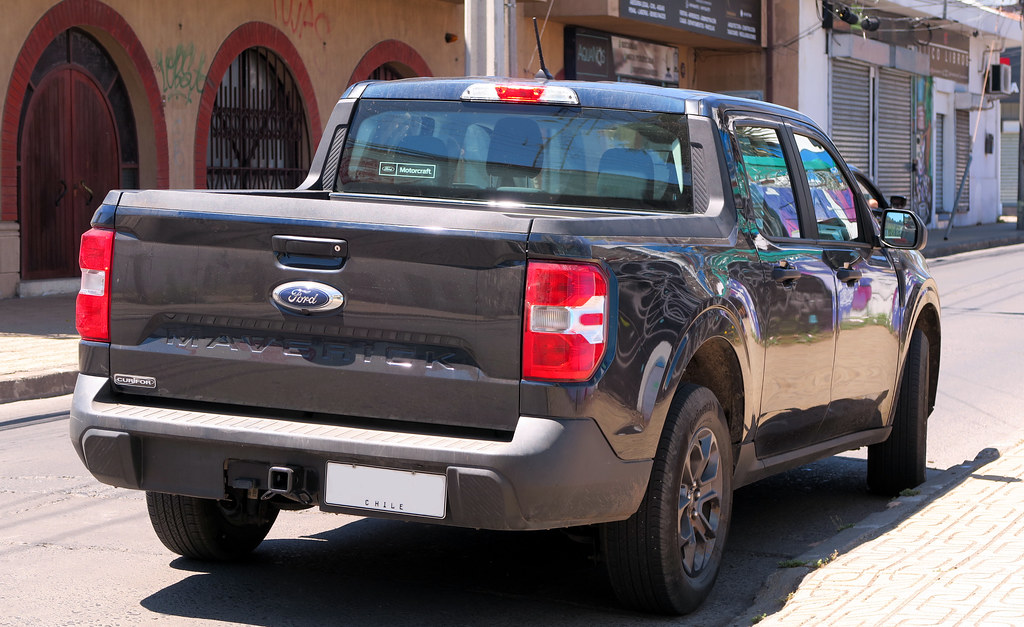
The acceleration and performance figures were never going to be eye-catching on paper. Power delivery was aimed at balance and ease of use for day-to-day driving, and the hybrid system delivered this very well under normal conditions. Power was sufficient for normal daily driving and the routine hauling requirements.
Key Real-World Performance Traits:
- Smooth hybrid power delivery
- Predictable acceleration response
- Adequate commuting performance
- Stable light hauling capability
- Confidence in daily driving
The power delivery from the hybrid system was smooth and even. It was not designed to feel like a sport car on acceleration, however the system handled merging and overtaking situations with absolute consistency. It never faltered even with a reasonable load. This system was well suited for regular daily use not hard driving.
With the demands on any vehicle in a daily driver, the ability to have consistent usable power delivery was paramount over speed numbers, it performed to every demand without hesitation, this system offered a very smooth comfortable and worry free driving experience in all circumstances.
8. Winter Challenges and Real-World Limitations
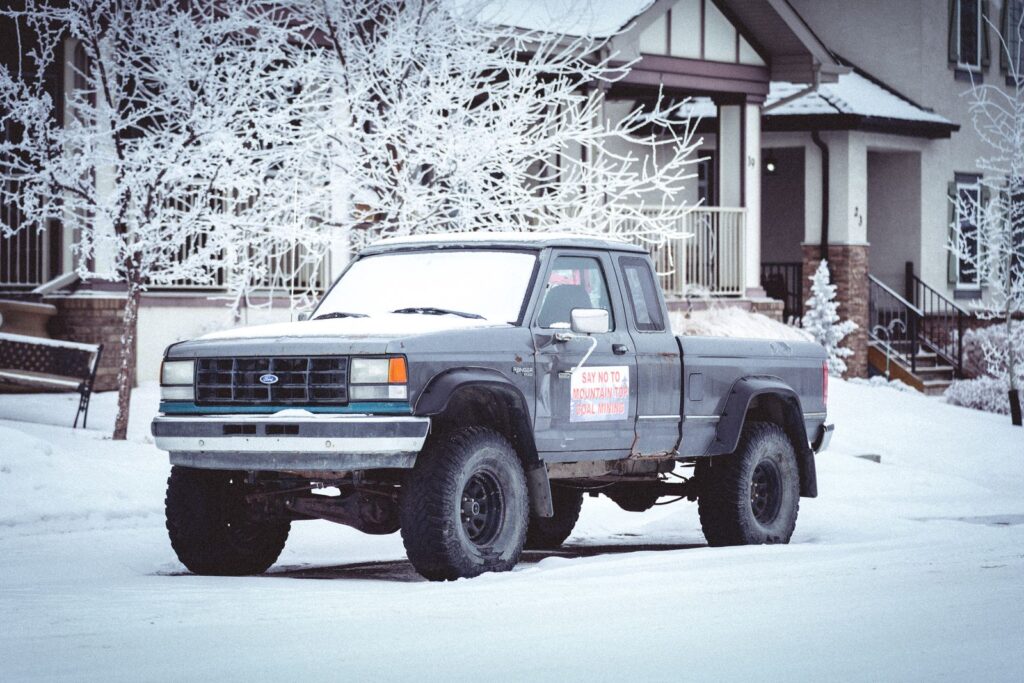
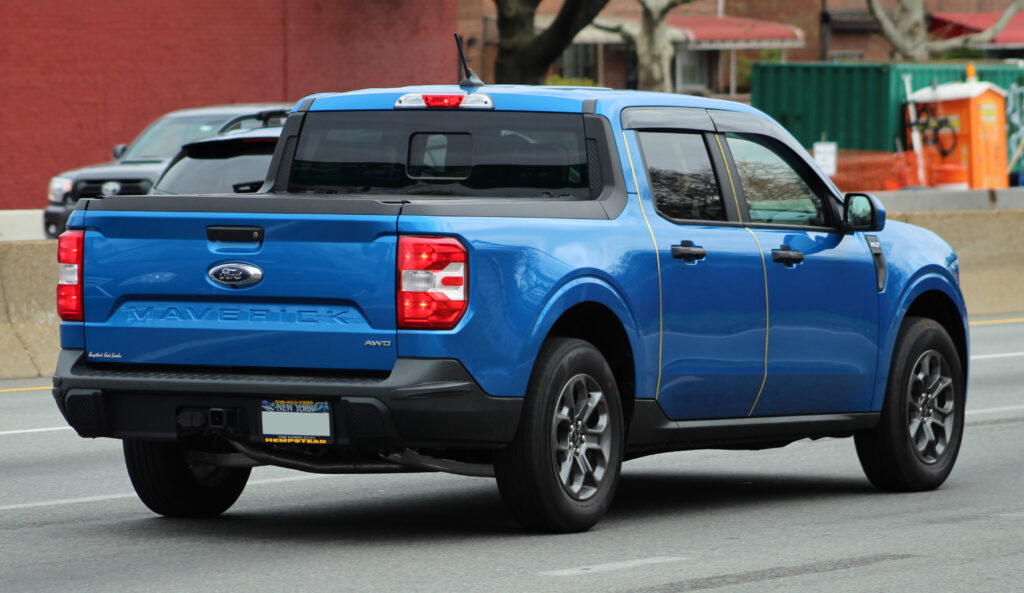
However, the cold weather also demonstrated the most evident weakness in the hybrid’s front wheel drive system. The snow and ice of the winter weather conditions clearly showed that this hybrid’s front wheel drive had difficulty maintaining traction when conditions did not favor it. Despite winter tires, some steep and icy road conditions proved to be too much to manage at times. The conditions showed how strongly the environmental conditions affect the vehicles’ abilities in the real world and gave a useful reminder about the system’s limits.
Key Winter Driving Challenges:
- Reduced traction on icy roads
- Front-wheel-drive limitations
- Slippery steep surface handling
- Dependence on winter tires
- Weather-sensitive performance behavior
For routine winter driving the system still worked but not as confidently. Acceleration and grip were not as good in low-friction environments and drivers still had to adapt their driving style. Winter tyres provided more confidence in conditions where limits are reduced, but did not entirely remove them. Driving style in winter therefore became more critical.
The system didn’t fail or become unreliable. Under most normal winter driving conditions it continued to operate as intended. It did demonstrate, though, that there is no single drive arrangement that is appropriate for all conditions and that all-wheel-drive does provide inherent advantages. It also proved that vehicle configuration needs to be decided taking the most likely climatic conditions and usage patterns into account.
9. Long-Term Reliability and Ownership Costs
Over extended use, the Maverick proved to be remarkably low-maintenance in everyday ownership. Routine servicing remained simple, predictable, and relatively affordable. The vehicle did not demand frequent repairs or complex interventions. Most of the time, it operated without unexpected interruptions or mechanical concerns. This steady behavior contributed strongly to its long-term dependability.
Key Ownership Cost Advantages:
- Low routine maintenance requirements
- Affordable servicing and parts
- Minimal unexpected repair issues
- Simple long-term upkeep process
- Strong overall reliability record
Aside from a minor software-related update early in its lifecycle, the vehicle remained consistently dependable. There were no significant recurring issues that affected usability or ownership experience. This stability helped reduce both stress and long-term maintenance planning. Owners could rely on predictable servicing schedules without surprises. It reinforced confidence in daily operation over time.
This consistency played an important role in shaping its overall positive long-term impression. Lower maintenance complexity also helped reduce overall ownership costs. The absence of major problems allowed the focus to remain on everyday use rather than repairs. Over time, this reliability became one of its strongest advantages. Ultimately, it demonstrated how practical engineering can support both durability and affordability.
10. The Final Verdict After 40,000 Miles
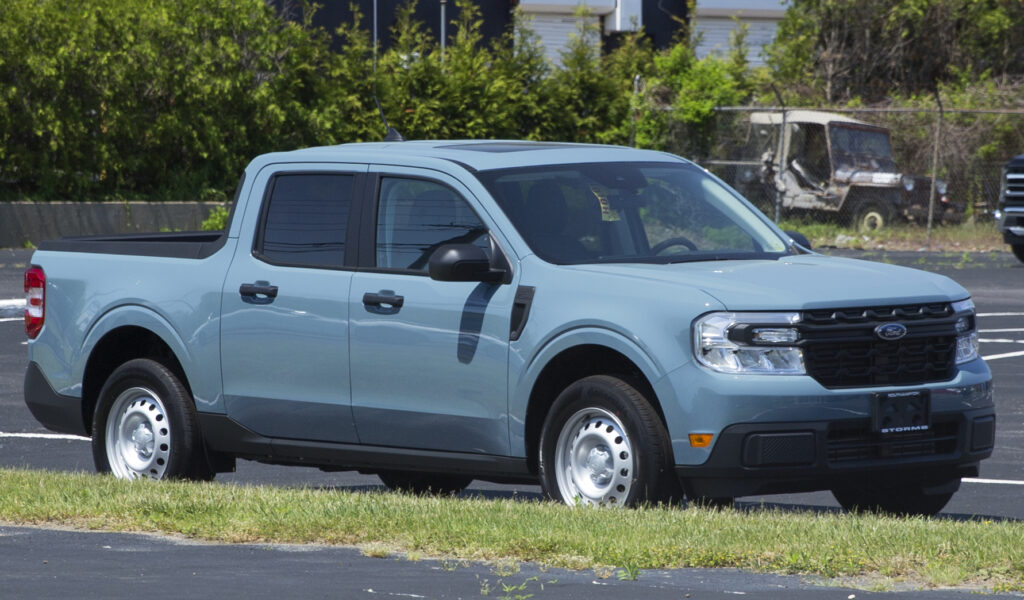
After extensive real-world use, the Maverick Hybrid proved that its appeal was not temporary or situational. It consistently delivered strong results in the areas that mattered most, including efficiency, usability, and everyday practicality. Rather than attempting to compete with larger trucks, it focused on redefining what a compact pickup can realistically offer. This clear sense of purpose helped it maintain a strong identity throughout long-term use. Its design philosophy remained consistent from start to finish.
Key Takeaways From Long-Term Use:
- Strong real-world efficiency results
- Highly practical daily usability
- Focused compact truck identity
- No unnecessary overcomplication
- Consistent long-term performance
The long-term experience revealed a vehicle that integrates smoothly into everyday life. It does not demand extra attention or special effort from the driver. Instead, it performs its duties quietly and consistently without unnecessary drama. This simplicity makes it easier to rely on for regular transportation needs. Over time, it becomes less of a novelty and more of a dependable tool.
Rather than relying on extreme performance or exaggerated capabilities, it succeeds through balance and honesty. It focuses on what most drivers genuinely need from a truck in daily use. After 40,000 miles, that straightforward formula continues to prove effective. The result is a vehicle that feels practical, grounded, and purpose-built. In the end, its greatest strength is how naturally it fits into real-world ownership.