

Ford’s Massive 2026 Recalls: A Guide for Owners

It has now been an undisputed and alarming trend that Ford Motor Company, one of America’s most famous car manufacturers, is being forced to recall cars at astronomical figures once again as the manufacturer continues to dominate vehicle recall numbers in safety campaigns. With 2026 only being in its infancy and not yet six months past, the Dearborn company has already managed to issue a dizzying 50 separate recalls covering 11,271,100 vehicles, a rate that has left regulators, owners and even industry observers in a cold sweat. These aren’t simply figures and numbers in a report, they are millions of customers who are, even if they don’t know it yet, now exposed to dangers when driving their motor vehicle and face inconvenience to make sure their vehicles are safe, because in large parts, these vehicle owners don’t. It begs the question of why so many vehicles from the same manufacturers are being pulled back onto dealerships and into service departments.
The record-smashing recall efforts seem to have continued into 2026 after Ford already had a record-breaking 2025 where the company produced 153 separate recall campaigns and affected nearly 13 million vehicles figures which dwarf anything recorded previously in history by not only Ford itself but in fact anything any competitor even came close to producing, almost double that of previous record-holder, General Motors, further solidifying the reputation Ford did not want. While a 2025 pace with the 2026 numbers so far might not ultimately reflect the volume of 2025’s recall campaigns, the scale of vehicle involvement has potential to eclipse last year’s levels and will keep manufacturers of all kinds under severe pressure going into the remainder of the decade.
1. A Troubling Start to 2026
These ongoing, never-ending safety notifications put several fundamental points into stark relief, namely questions about quality control and the complexity of vehicles, and also, what this means to the millions of owners counting on their Ford everyday vehicles. For consumer owners, what is the easiest thing to do on a relatively constant barrage of recalls being released all year round? Is it really their vehicle and, “what do they have to do if it is.”
The Scale So Far in 2026:
- 50 recalls issued already
- 11,271,100 vehicles affected
- Follows a record 2025
- 2025 saw 153 recalls
- Nearly 13 million vehicles in 2025
To give every Ford owner a clear explanation of the biggest problems, tell you the reasons why the problems occurred, and offer simple, concrete steps for any Ford owner to take to stay safe and assured that the problems won’t arise in your car, please read this. Knowing what is going on and why will certainly help every Ford owner feel assured of safety in your own car. With that, below is exactly what is and isn’t affected by each of the Ford model’s safety defects.
2. Following a Record-Breaking 2025
As if Ford doesn’t want anything close to record, they announced a 2025recall of 153 different campaigns involving close to 13 million vehicles. To say that Ford is far from the normal is to compare their recall total to what’s been the worst on record and that would have been back when GM recalled almost 6.2 million of their automobiles back in 2014. Even comparing with another auto company that boasts a somewhat substantial and diverse lineup of vehicles on the market the sheer scope of such a recall would set the news ablaze in Detroit and spark considerable concern from the government looking for signs of flaws in automobile construction.
2025’s Record-Setting Numbers:
- 153 total recalls issued
- Nearly 13 million vehicles
- More than double GM’s prior record
- Set an industry benchmark
- Drew heavy regulatory attention
Even though 2026 is still likely to finish behind last year’s total number of campaigns affecting individual vehicles, the sheer number of vehicles impacted this year is significant, suggesting the fundamental problems are still not gone. Doing this two years in a row feels like a deeper issue that goes beyond just one thing that went wrong and should lead to further examination of Ford’s process for testing and vetting cars.
3. The Massive 4.4 Million Truck Trailer-Brake Recall
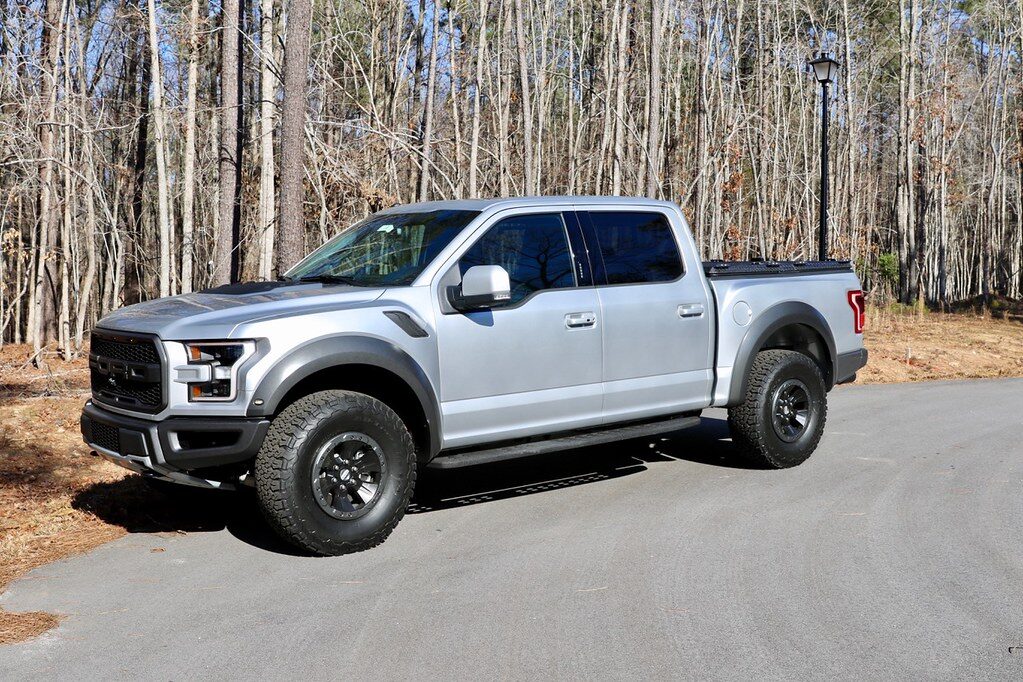
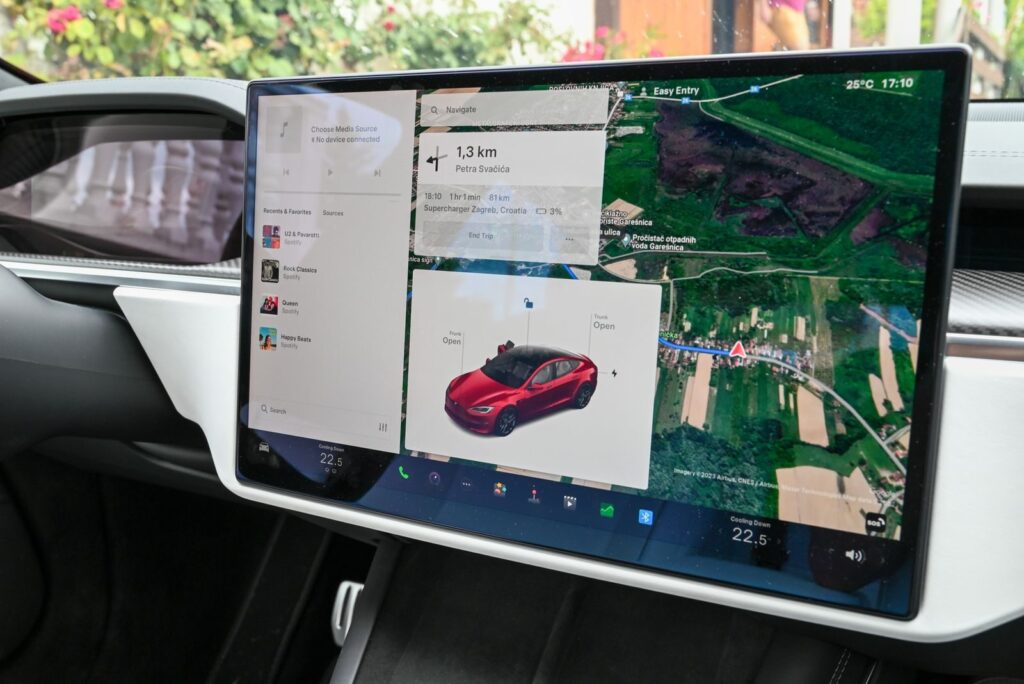
2026 Recalls Ford Motor Company The recalls issued throughout the 2026 are all tied together in a singular, massive recall campaign, and illustrate just how dependent and exposed modern cars, driven by software, really are. Ford’s biggest recall of the year so far impacted a huge 4.4 million trucks – a single campaign recall for the truck manufacturer that ranked amongst the single largest recall campaigns of all time for Ford. The recalls are concentrated on its most profitable models including the 2021-2026 Ford F-150, the 2021-2026 Ford F-Series Super Duty trucks, and even its 2022-2026 Ford Maverick, as well as a number of its best selling SUVs which support the company’s bottom line, in a campaign named the “Drive-by Wire”recall.
What’s Affected and Why It Matters:
- 4.4 million trucks affected
- Includes F-150, Super Duty, Maverick
- Software glitch identified
- Trailer brakes can fail
- Indicator lights can stop working
Underneath it all, the problem is one of software. According to documents about the recall, an electrical issue in the software controlling the trailer system can lead to the unexpected failure of trailer brakes and turn signals, and that’s “dangerous news for anyone towing a trailer whether it’s a contractor with a work trailer, a family towing an RV, or anything in between. The loss of trailer-assisted braking or even working turn signals can lead to a much higher likelihood of a collision on the road.”
4. How a Software Glitch Creates Widespread Risk
“The reason this specific recall is so telling is not just because of the size, but how the fix works, too,” says a knowledgeable technician. “A remote (over the air) software update is today’s answer that demonstrates just how integral software has gotten to modern-day vehicle operations, so when the technology goes south, an over-the-air fix (which most vehicle recalls are) requires the same work from us as an actual physical hardware issue…”
The Software Risk Explained:
- OTA update used as the fix
- No dealership visit required
- One coding error, millions affected
- Software now runs core functions
- Reflects an industry-wide challenge
Because software now controls the most essential functions in cars, a single coding bug is now capable of introducing a vulnerability into hundreds of thousands of cars at once-a level of exposure unthinkable for the mechanically driven automobiles of decades past. This case is typical in many ways of how the benefits of sophisticated technology now come with equally pervasive and previously unknown risks that both companies and their regulators are struggling to tame.
5. Fire Risks From Engine Block Heaters
While that one prominent recall would be bad enough, a closer look at the 50 total campaigns issued this year shows that they represent a concerningly wide array of problems all over Ford’s model lineup. There’s no particular vehicle or one specific system; issues range from fire hazards to mechanical failures that could cause vehicles to completely die in all corners of the brand’s vehicle production.
Fire-Related Recall Details:
- Engine block heaters can short circuit
- Fire risk identified
- Affects 2013-2019 Ford Escape
- Also affects 2013-2018 Focus
- Separately sold heaters included
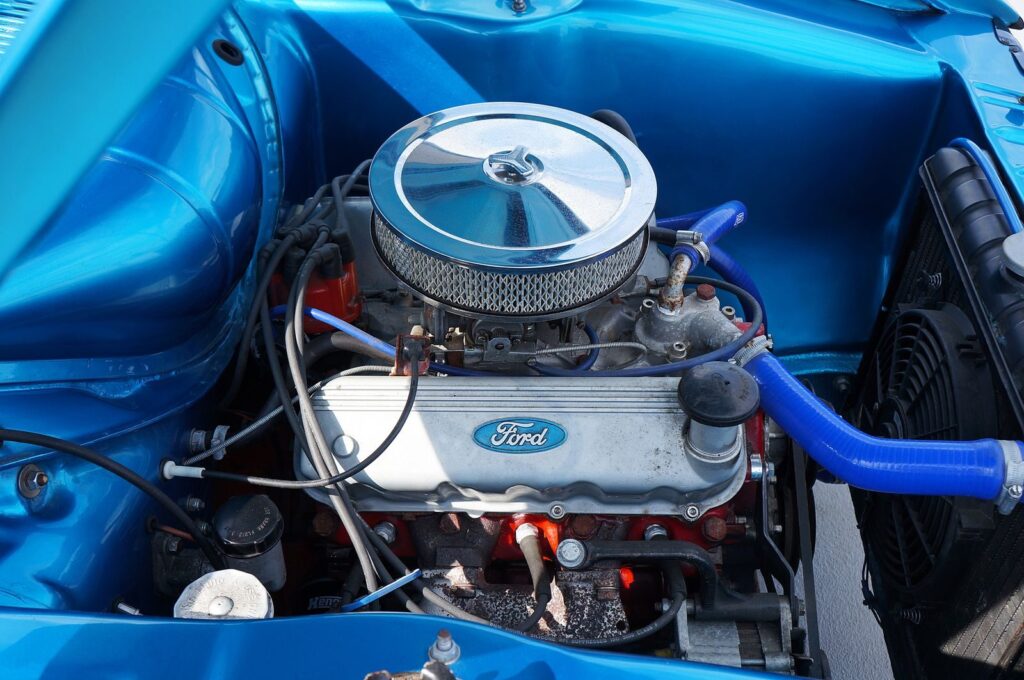
An example of this trend includes several recalls of engine block heaters which are prone to short circuit and ignite fires; a hazard so dangerous that both factory-installed models and accessories sold to consumers have had to be recalled to avert danger on vehicles like those of a 2013-2019 Ford Escape or 2013-2018 Ford Focus – just some of the many vehicles that had recalls issues which were of life-threatening conditions and necessitated action even from people that didn’t have a vehicle that was still relatively new in order.
6. Loss-of-Control Recalls: Downshifting and Control Arm Failures
Another huge issue is unexpected vehicle control, maybe even one of the worst issues a manufacturer can deal with. Ford is recalling nearly 1.4 million F-150 trucks (2015-2017) following complaints that they are unexpectedly downshifting while being driven on the highway, which could cause the vehicle’s rear wheels to lock up and lose control while going at dangerous speeds.
Control-Related Safety Issues:
- 1,392,935 F-150s recalled
- Model years 2015-2017
- Unexpected highway downshifting
- Separate “Do Not Drive” warning
- Affects Bronco Sport, Maverick
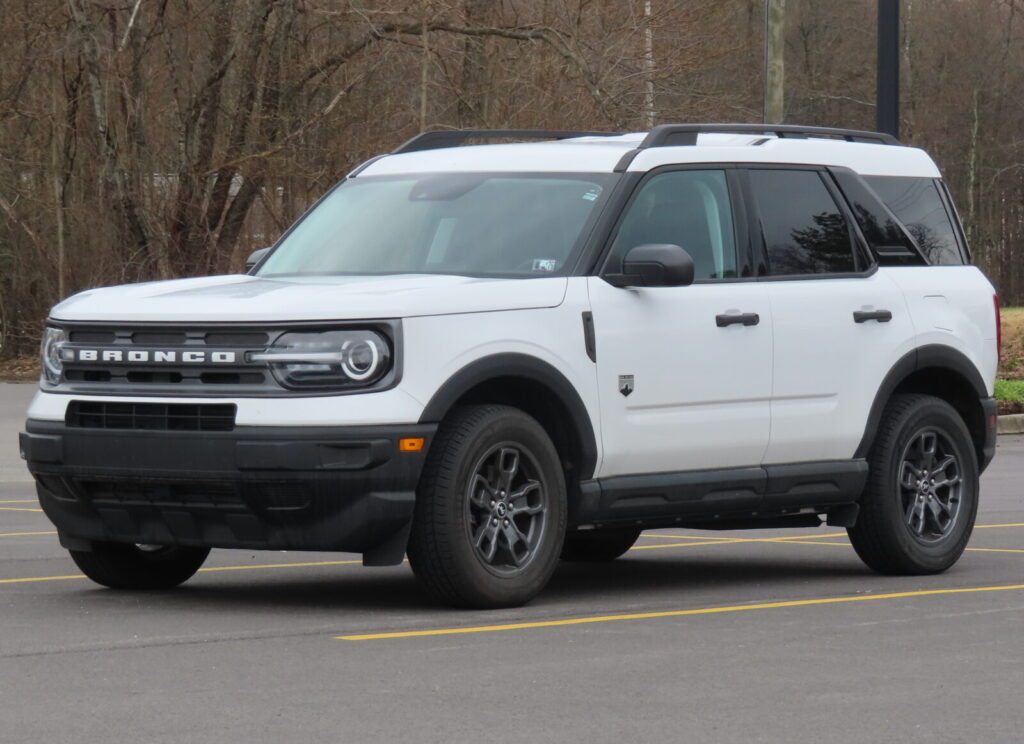
Separate and more concerning: Ford issued a “Do Not Drive Warning” to over 4,653 vehicles (ranging from 2021-2026 Broncos Sport to 2022-2026 Mavericks) for the “risk that a front control arm could separate”, which could result in complete steering loss. Safety recall warnings of this magnitude are very unusual and signal Ford believes the danger is imminent to issue a “Do Not Drive Warning”.
7. Rearview Camera Failures Across Multiple Models
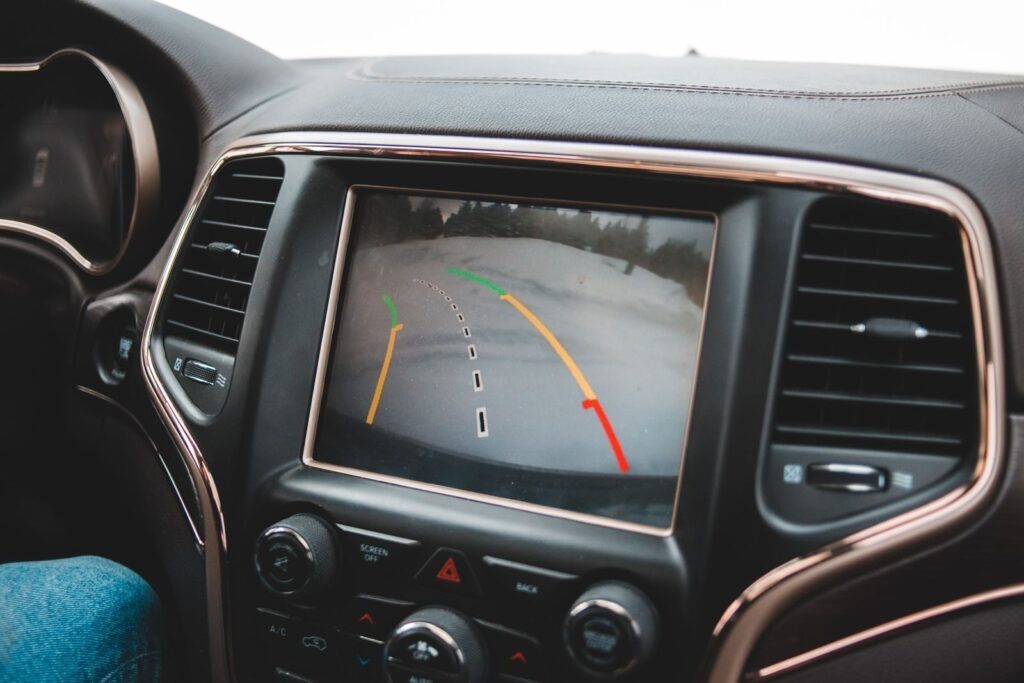
The second recall also addresses a broken display as more than 1 million units are impacted in this particular recall for a backup camera system that may not display an image at all, resulting in no visual confirmation when drivers operate in reverse in a 2021-2024 Bronco and edge vehicle series and various different Bronco models including 2021-2026 in nature..
Two Distinct Camera Defects:
- 849,310 vehicles: no image shown
- Affects Bronco, Edge models
- 889,950 vehicles: inverted image
- Affects Escape, Explorer models
- Both raise reverse-crash risk
A separate, 889,950-vehicle recall covers 2020-2022 Ford Escapes and 2020-2024 Ford Explorers, because of an error in their software that could lead to an upside-down rearview camera display. This presents as disorienting and a major hazard just like not having an image at all and both flaws substantially raise the chances of having a fender-bender while attempting to back up at a busy parking lot or in a driveway.

8. Windshield Wiper Failures in Poor Weather
Additionally, another two recalls for faulty windshield wipers cover more than a million vehicles combined and continue Ford’s trend of targeting safety-related issues for its 2026 model year campaign. A recall covering 604,533 units of the 2020-2022 Escape and Explorer models due to their windshield wipers ceasing to function unexpectedly can be particularly alarming during a critical moment.
Wiper Recall Breakdown:
- 604,533 units: Escape, Explorer
- Model years 2020-2022
- 422,613 units: Expedition, Navigator
- Model years 2021-2023
- Wipers can stop suddenly
Yet another recall, this time for 422,613 copies of the 2021 and 2023 Ford Expedition and the 2021-2023 Ford Navigator, cites the exact same issues windshield wipers that could suddenly go dark during inclement weather, obliterating your ability to see. Again, these are not minor irritations but essential safety design defects that can turn into something catastrophic when conditions on the road get particularly nasty like, for instance, heavy rain or snow.

9. Federal Scrutiny and Ford’s Response
Federal regulators are well aware of the trend of recalls. Late last year NHTSA fined Ford $165 million dollars for violating federal regulations requiring that known defective vehicles be recalled timely, and the penalty was large enough to indicate how seriously authorities took the situation with the vehicle manufacturer. As part of a three-year consent order, Ford will be under the oversight of federal authorities until 2027 and be required to restructure its entire safety procedure and hold meetings with NHTSA quarterly.
Regulatory Oversight in Effect:
- $165 million NHTSA fine
- Fined in late 2024
- Three-year consent order
- Oversight continues through 2027
- Quarterly NHTSA meetings required
But the wave of recalls continues right into 2026, and it brings into doubt if the consent order has actually affected Ford’s speed to pinpoint and also fix issues. Ford, encountering the scrutiny, has said the uptick in recalls shows a “pro-active program… to get better, quicker discovery as well as resolve hardware and software program concerns,” and that the company “has greater than double” the number of basic as well as technical experts.
10. What Every Ford Owner Should Do Now
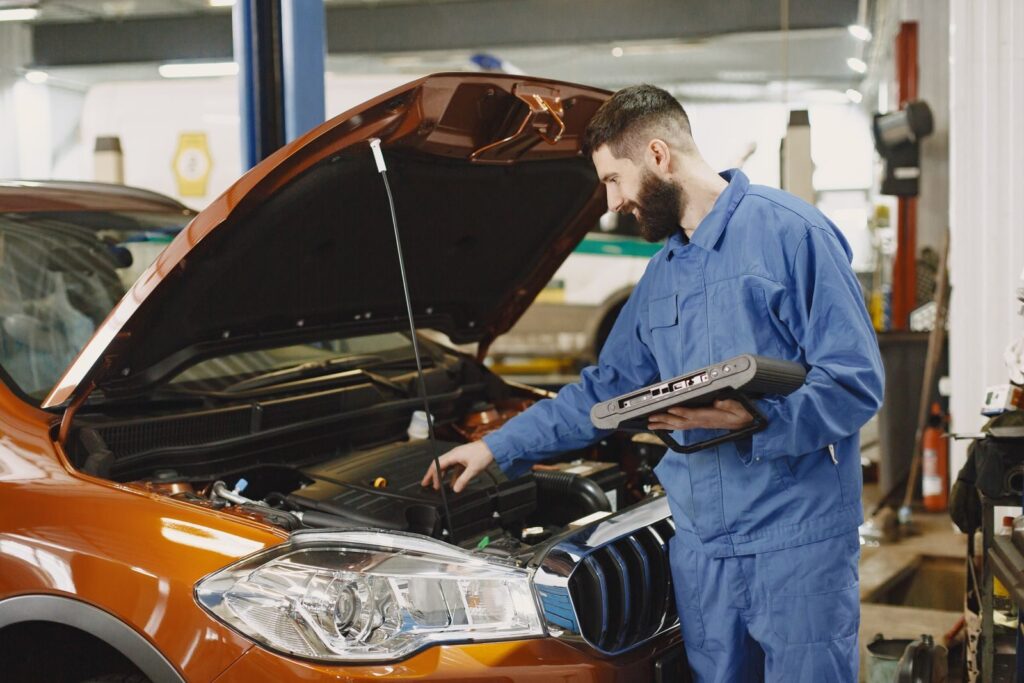
Most importantly for any Ford driver; don’t proactively wait it out just because no letter hasn’t popped through yet. Don’t get us wrong, it’s easy enough to find the relevant data, and there’s no need to worry as the recall repair process and of course, the car itself, doesn’t cost you a penny. All Ford owners simply need to find out if their car is one of the ones covered in this safety program. First off, you can check via the official NHTSA website of your particular vehicle and will need its 17-digit Vehicle Identification Number (VIN) to complete.
Steps Every Owner Should Take:
- Check NHTSA’s recall website
- Enter your 17-digit VIN
- VIN is on dashboard or documents
- Call Ford at 1-866-436-7332
- NHTSA hotline: 1-888-327-4236
Generally, you’ll discover your VIN on the lower edge of the driver-side dashboard (you can see it from outside through the windshield) or on your registration and insurance information you do not require prior notice of a recall or to find an exact model year/trim to find it, which makes it relatively simple to search. You can also contact Ford by telephone (1-866-436-7332) or call the NHTSA’s Vehicle Safety hotline(1-888-327-4236). After the issue has been recognized as a safety recall,Ford must notify affected vehicle owners by mail with repair info, and in some cases,like4.4 million trailer braking controllers,the recall remedy could be performed wirelessly (Over-TheAir, or OTA) at the auto’s home base of operations the dealership.