


Honda’s K-Series: The Engine That Earned Its 25-Year Legacy
Even some engines, however, are still built simply because manufacturers can’t find a good enough excuse to ditch them, or it’s too expensive to replace them with newer designs. But Honda’s K-Series falls into a class of its own. For close to a quarter of a century it has continued to earn its keep thanks to its incredible durability, flexibility, efficiency and performance. It wasn’t a placeholder engine or a substitute to buy Honda time it was a fundamental platform which Honda has spent the last quarter century iterating on as the car world has evolved around it.
When Honda unveiled the K-Series engine line in 2001 it was in search of something new and improved to eventually replace the workhorse B and H Series engines of years past. The world had begun demanding higher levels of efficiency, reduced emissions, greater refinement and better longevity, while the battle with rivals like Toyota was far from over. So instead of making tweaks to old engines, Honda created a brand new engine family that stressed four primary goals: greater durability, more usable power, reduced friction and a base architecture that supported subsequent refinement. This philosophy gave the K-Series some of the best genes an engine could ever have.
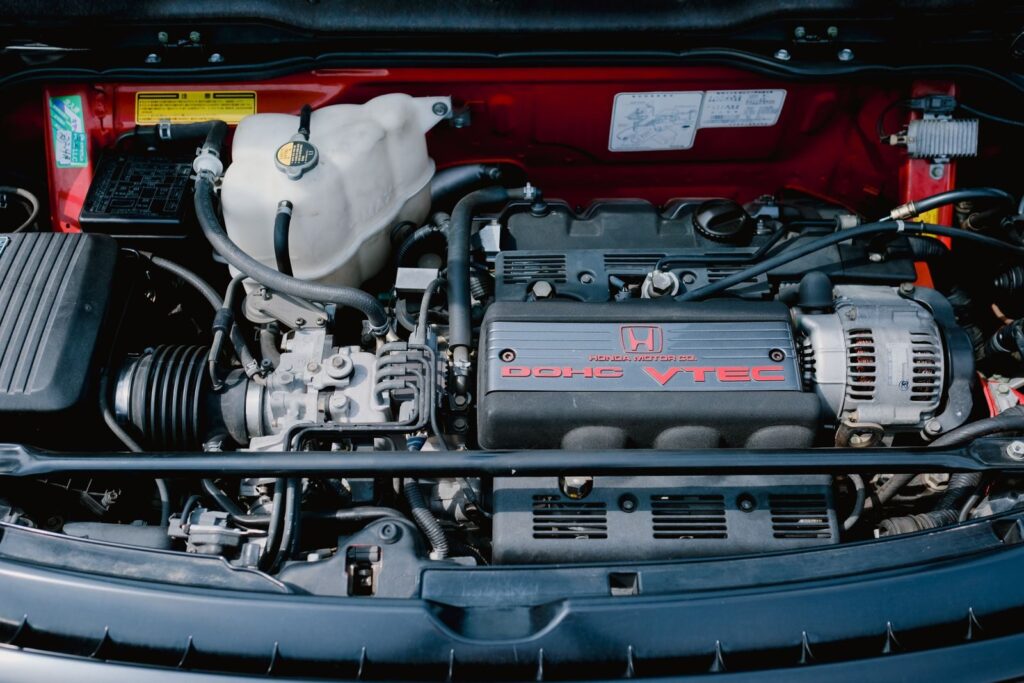
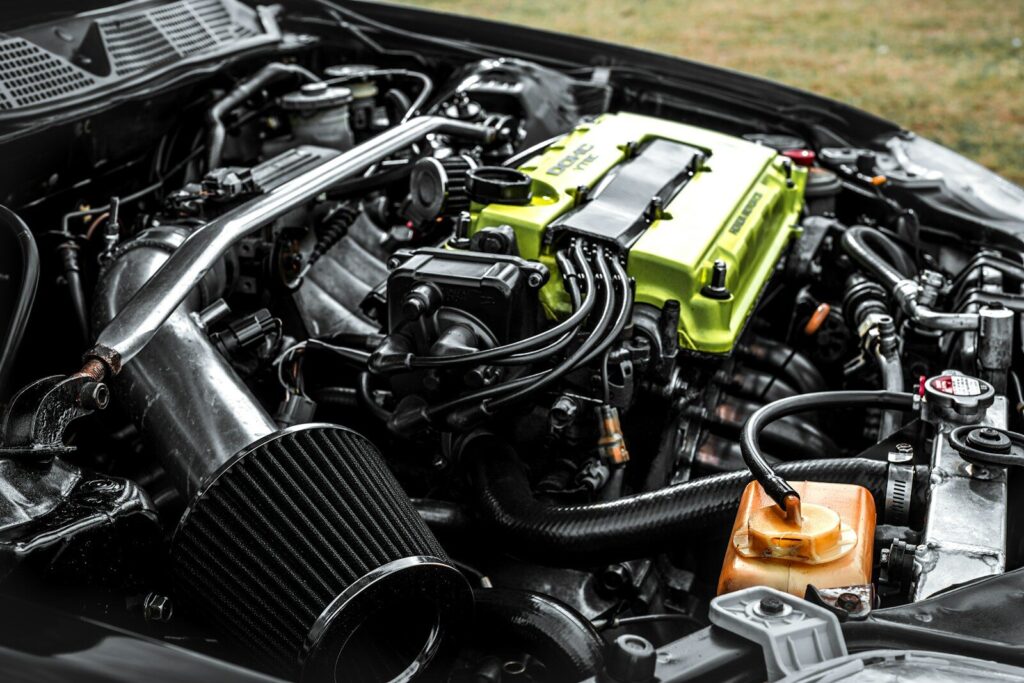
The K-Series long lifespan all comes down to the delicate balance Honda struck with its various objectives. It wasn’t a one-off engine built for one incredibly advanced, quickly obsolete feature. Instead, the K-Series was engineered for the long game with an emphasis on a durable structure, tight control of the engine’s valves, efficient fuel burning and architectural support for future adaptations. Innovations like the chain-driven DOHC timing system, a lightweight aluminum block with a deep skirt, roller rocker arms, electronic throttle control and coil-on-plug ignition defined the original platform’s character, and even when Honda eventually boosted output and added turbocharging to subsequent applications, they never lost sight of the foundational principles that made the original so successful.
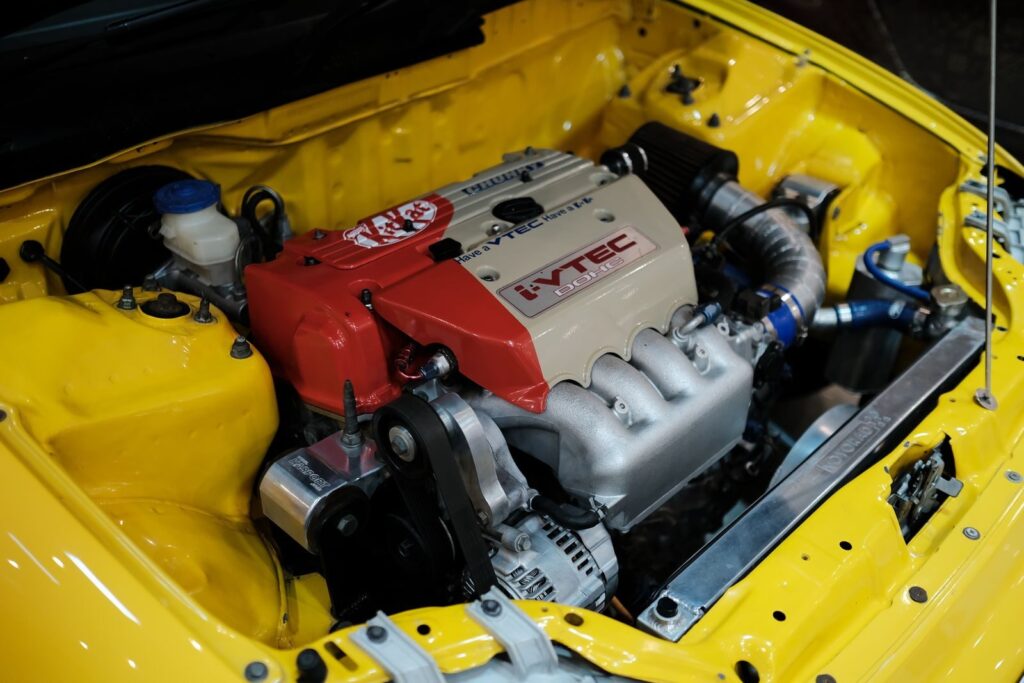
1. A Clean-Sheet Replacement for Honda’s Older Engines
The Honda K-Series began life in 2001, at a very pivotal time in Honda’s engine history. Honda require new, and revised engine platforms to replace its old B-and H-Series design, while accommodating new and existing customer demands, and tight new regulations, the new engine was treated not so much as an improvement on, but a completely fresh design concept; durability, economy, power delivery, and longevity of design was sought, such that this engine would eventually need to support Honda vehicles as wide ranging as possible; a strategy, which the K-Series design had far greater scope than it perhaps might have had if the engine’s application had been limited from the outset.
Key Engineering Foundations:
- Clean-sheet four-cylinder engine architecture
- Designed to replace older engines
- Aluminum deep-skirt engine block
- Chain-driven DOHC timing system
- Built for future development
In the philosophy, this would turn out to be even more critical for Honda as it did not seem to be after “short-term numbers.” “We were endeavoring to build a mechanically-sound engine package,” the statement, presumably from the Honda team at the time read, “that will be of some value to us as long as vehicles evolve. An aluminum-block block with a deep skirt to enhance rigidity and stability was used in a deep, DOHC valve train configuration, which, unlike certain earlier Honda engines, utilized a chain timing drive rather than a belt.” This was to offer a reliable and versatile package for now and provide a solid basis for an engine that Honda was likely already planning.
Thus the K-Series launched with its characteristics more than as merely the ‘replacement’ engine; it launched as a ‘platform’. And it was with this distinction that its real power truly lay, once Honda began its widespread deployment into models of all shape and sizes, and vehicle categories the same architecture Family-for use in every day driving as well as up-market performance applications, and then turbocharged. And so, without requiring Honda to create an all-new 4 cylinder architecture every year or two the K-Series provided it with an already-established foundation for continued development over many years. The design was fundamentally prepared for longevity from the very start.
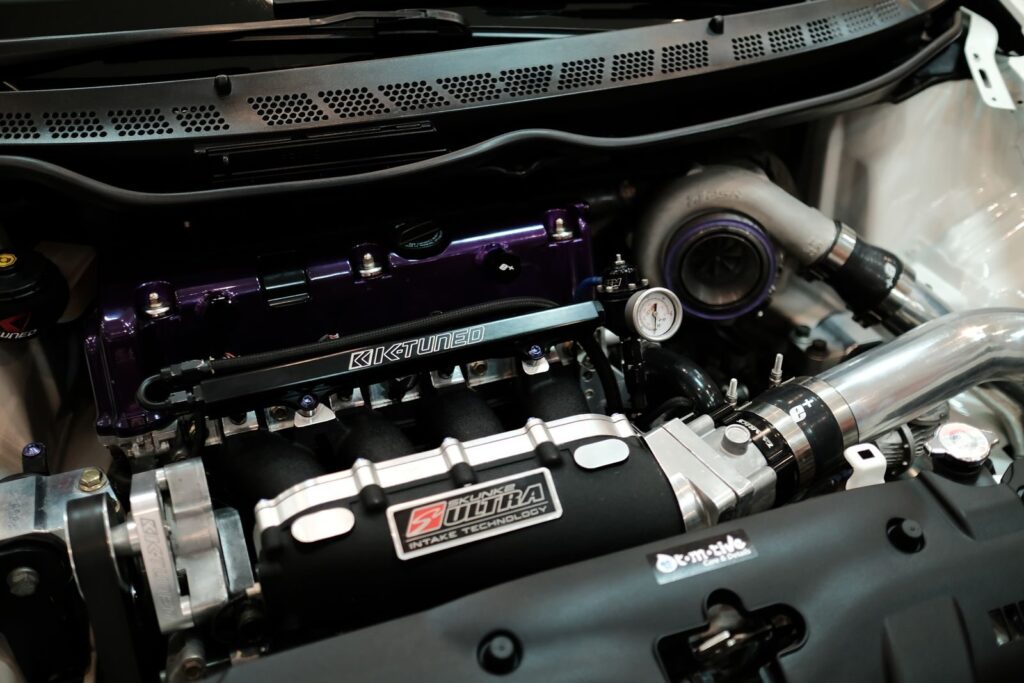
2. An Architecture Focused on Durability
Of all the qualities the K-Series has a reputation for, few are more characteristic of the powerplant than this: durability and it’s a characteristic born from the architecture of the block itself and not really from one particular component. The aluminum block with a deep-skirt construction offers a rigid base to keep the engine as stable as possible as the RPM climbs. Similarly, the chain driven DOHC setup speaks to the emphasis that Honda placed on long-term mechanically, it was not about building a motor for maximum output, but for a structure capable of handling daily abuse and capable of being used under pressure.
Durability-Focused Components:
- Rigid aluminum engine construction
- Deep-skirt block design
- Chain-driven DOHC system
- Low-friction roller rockers
- Coil-on-plug ignition system
It wasn’t just the biggest friction points that got considered though. Roller rockers were included within the head of the engine for reduced internal friction and limiting internal wear. Perhaps nothing anyone gets excited about like Horse Power however to an engine likely to take to the road at the rate of hundreds of thousands of miles something this is sure to make a real difference to smoothness and efficiency for a long, time. With the K-Series it shows that when enough small, common sense things, make up something, the overall effect is really rather massive, and builds on an engine’s reputation.
Modern electronic throttle controls and innovative ignition system contributed to the engine’s ability to act like it was designed to be a primary engine for typical driver. Coil-on-plug ignition means that Honda controls sparking and ignition events individually and efficiently, and electronic throttle control provides a more precise and efficient method of controlling engine airflow when driver input is applied. Coupled with the K-Series’ internal mechanical structure, these two systems give the engine the sort of refined and efficient power delivery expected from a modern commuter vehicle, but with the potential for spirited performance. This synergy proved to be one of the factors why the K-Series could be used in many different models for bothHonda and Acura.
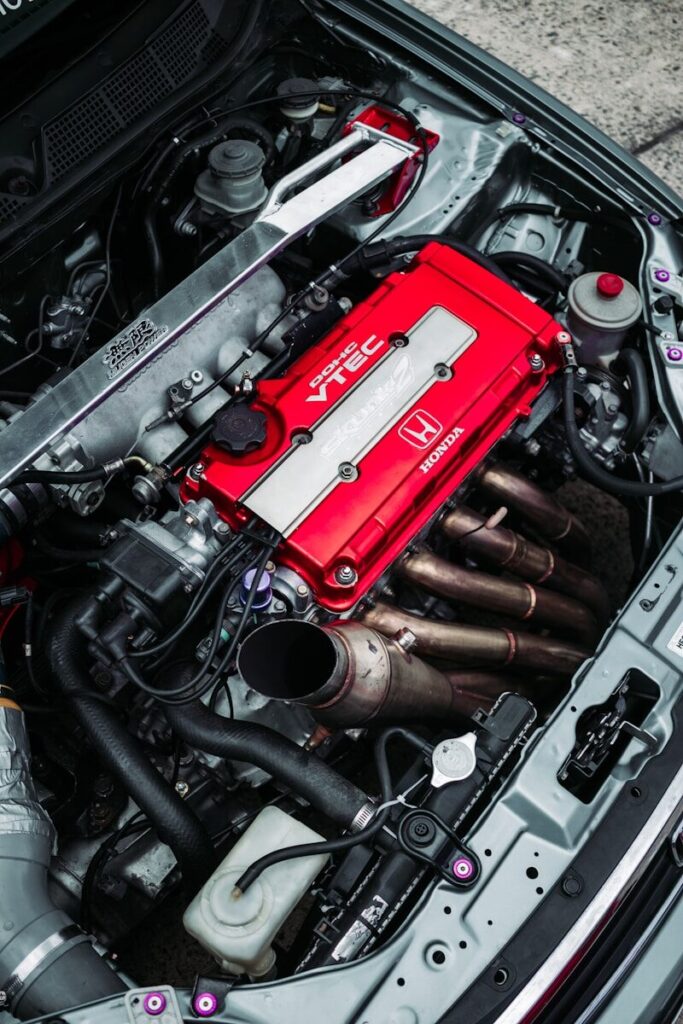
3. The Flexibility of i-VTEC
And then we get onto the variable valve timing. Honda employed two of their highly developed intelligent i-VTEC set ups on the family of engine family. There’s variable timing control to the intake camshaft, and the reason for this, wasn’t to make an inherently racey engine, but to give the engine a much wider operating band than it was historically capable of doing. Different valve timing figures can have significant affects on how an engine operates at different revs and by utilising a range of figures at different operational characteristics Honda gave the K-Series a wide operating band that is demonstrative of the engine’s desirable characteristics in everyday driving conditions, yet capable of breathing at high revs.
i-VTEC Performance Benefits:
- Intelligent variable valve timing
- Improved engine operating flexibility
- Strong everyday engine response
- Better high-rpm breathing characteristics
- Broad usable power range
That flexibility helped to give the K-Series its unique Jekyll-and-Hyde capability. The valve control let the engine deliver the sort of manageable torque and throttle response that makes for an easy driver in stop-and-go traffic for a passenger car. But as engine speed increased, the valve control system allowed the engine to become more willing to take charge and to more effectively exploit its intake tract. The driver didn’t have to trade engine driveability for a fun engine at high rpms-it was the same fundamental engine package that would offer both, appeal to an audience as wide as Honda’s own.
But the K-Series design’s significance is revealed when you consider the sheer breadth of vehicles that employed these engines over time. Honda engineers required engines that could respond gracefully to different vehicle sizes, driving conditions, and a range of customer performance preferences. A variable valve control system proved instrumental, as engineers could tailor the same basic engine’s personality to specific models without deviating radically from its fundamental design-it could be comfortably casual in a family sedan, or bracingly aggressive in a high-performance coupé, all using very nearly the same block. This agility would prove to be the K-Series’ biggest success, and would allow it a production lifespan stretching long beyond its original conception.
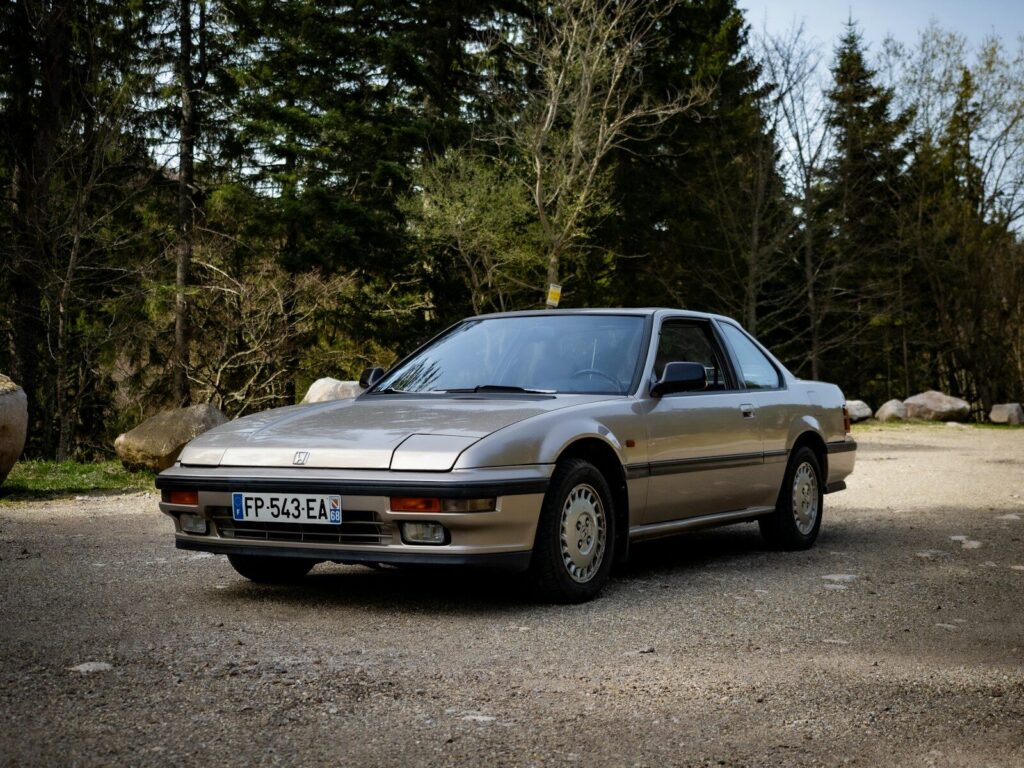
4. From the Honda Stream to a Broad Family
The K-Series made its initial debut in the 2001 Honda Stream, a compact vehicle sold in Japan’s domestic market. It was not an obvious performance showcase, and that relatively modest introduction actually fits the engine’s broader philosophy. Honda first placed the new architecture into an everyday vehicle where reliability, efficiency, refinement, and practical operation mattered. Once the engine had established itself, the company could expand its use across additional models. The platform soon appeared in important mainstream vehicles, demonstrating that its design could meet a variety of requirements without major changes to its fundamental identity.
Applications That Expanded Its Reach:
- Debuted in Honda Stream
- Later used in Civic
- Used across Accord models
- Supported Acura applications
- Adapted for performance vehicles
The engine’s expansion into vehicles such as the Civic and Accord demonstrated just how useful the architecture could be. These models required engines capable of serving ordinary drivers, dealing with commuting, and operating efficiently over long periods. At the same time, the K-Series also found applications in more performance-focused Honda and Acura products. This range of uses was significant because it showed that the platform was not limited to one specific purpose. An engine capable of supporting both everyday transportation and enthusiast-oriented vehicles naturally has more opportunities to remain relevant.
That versatility became one of the simplest explanations for the K-Series’ unusually long life. An engine designed for only one type of vehicle can become obsolete when that vehicle disappears or market demands change. The K-Series was different because Honda could continually adapt it to different applications. Its architecture could support practical cars, sportier models, and later turbocharged engines without requiring the company to abandon the basic platform. That broad usefulness gave Honda a reason to continue investing in the family instead of replacing it whenever automotive trends shifted.
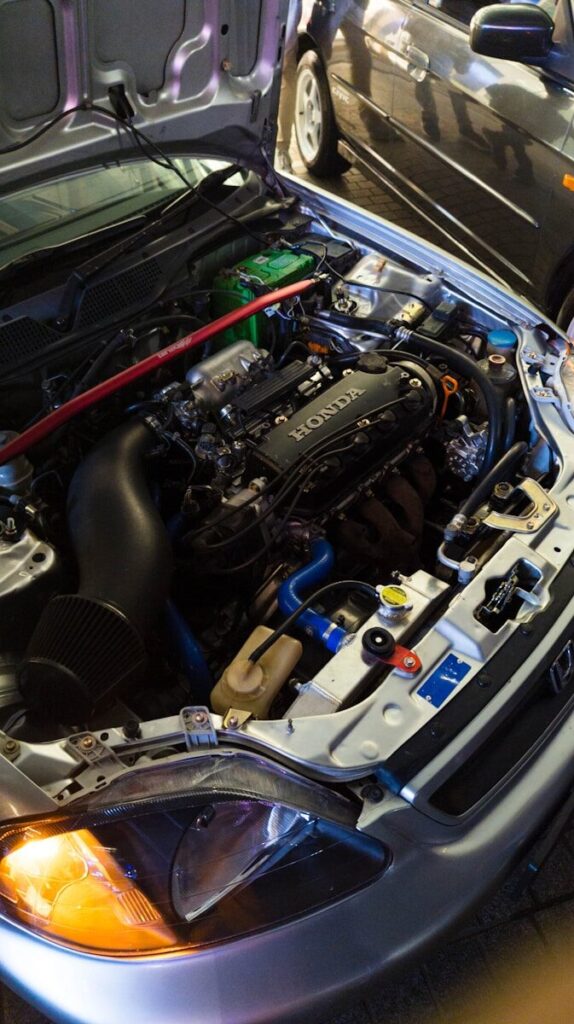
5. Evolution Instead of Replacement
An engine cannot remain competitive for decades by staying completely unchanged. Automotive regulations, fuel-economy requirements, customer expectations, and powertrain technology continued to evolve after the K-Series appeared. Honda’s response was not to discard the platform and begin again every time the market changed. Instead, the company continued developing the architecture. This approach allowed the K-Series to gain newer technologies and support different performance targets while preserving many of the mechanical qualities that had already earned the engine a strong reputation.
Major Development Milestones:
- Continuous architecture refinement
- Improved efficiency technologies
- Stronger modern engine construction
- Support for turbocharged applications
- Adaptation to changing regulations
The most important transformation arrived with the redesigned K20C in 2015. This version represented a substantial modernization intended to meet contemporary efficiency requirements while supporting turbocharging reliably. One of the most significant structural changes was the use of a stronger closed-deck aluminum block. Turbocharging increases cylinder pressures and places greater loads on an engine, so the reinforced construction provided a more suitable foundation for those demands. Rather than simply attaching a turbocharger to an old design, Honda substantially reworked the architecture to handle the new operating environment.
The result was an engine family capable of moving into a new era without losing its identity. The K20C demonstrated that the K-Series was not merely surviving because Honda was reluctant to replace it. It was surviving because the underlying architecture could be developed. The platform had enough structural strength and engineering flexibility to accept major changes while retaining its familiar advantages. This evolutionary strategy is one of the clearest reasons the K-Series remained competitive long after its original 2001 introduction.
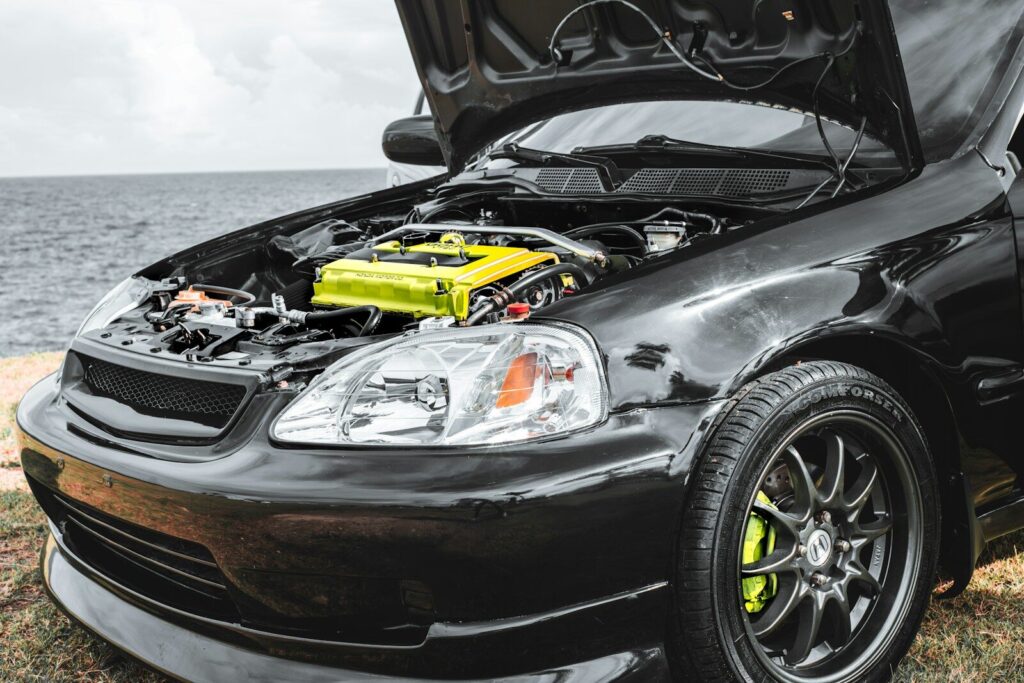
6. The Modern K20C and Turbocharged Development
The K20C brought several technologies designed specifically for modern combustion and turbocharged operation. Direct fuel injection uses precise multi-hole injectors to improve fuel delivery and combustion control, while low-friction pistons help reduce internal resistance. Honda also paid close attention to the rotating assembly and turbocharging system. Rather than concentrating exclusively on maximum peak output, the design emphasized usable mid-range torque, responsive turbocharger behavior, and reduced thermal strain. These choices made the engine better suited to real-world driving, where broad performance and predictable response matter more frequently than a single maximum horsepower figure.
K20C Modernization Features:
- Direct fuel injection technology
- Multi-hole fuel injectors
- Low-friction piston design
- Stronger closed-deck engine block
- Modern turbocharging system
Turbocharging changed the demands placed on the K-Series, making structural strength especially important. The closed-deck block gave the K20C a more robust foundation for increased cylinder pressures and sustained loads. This was a major departure from the requirements of the earlier naturally aspirated versions, but the engineering philosophy remained recognizable. Honda continued to focus on balancing performance with durability rather than treating the engine as a disposable high-output component. The K20C therefore represented a continuation of the K-Series philosophy under significantly different technical conditions.
The scalability of this modern architecture is visible in the vehicles that use different K20C variants. Applications include models such as the Honda Accord and Acura RDX, along with enthusiast-focused vehicles including the Acura Integra Type S and Honda Civic Type R. These vehicles place very different demands on their engines. A family-oriented crossover needs smoothness and dependable operation, while a performance model requires strong output and sustained high-load capability. The K20C’s ability to accommodate both extremes demonstrates how much development potential remained within the K-Series architecture more than a decade after its redesign.
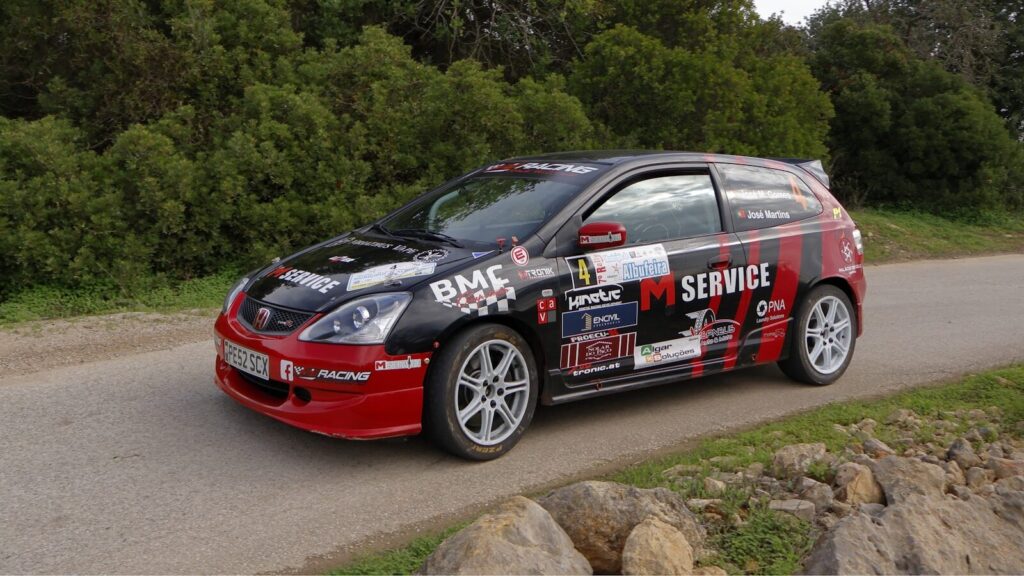
7. Motorsports Put Its Durability to the Test
The K-Series’ reputation for durability was not created entirely through ordinary road use. Honda also exposed versions of the engine to the severe demands of motorsports, where engines must operate under conditions far more stressful than typical commuting. Racing applications require consistent thermal management, reliable power delivery, and the ability to maintain performance during extended periods of high engine load. The K-Series entered high-level touring car competition, including applications involving Civic race cars in series such as the British Touring Car Championship. This environment provided a demanding test of the platform’s fundamental engineering.
Motorsport Demands It Faced:
- Sustained high engine loads
- Severe operating temperatures
- Extended high-speed running
- Consistent power delivery
- Demanding thermal management
Motorsport experience can reveal weaknesses that may remain hidden during normal road driving. A street engine might operate comfortably for years without repeatedly experiencing the extreme temperatures, high engine speeds, and sustained loads encountered in competition. Racing versions of the K-Series were therefore exposed to conditions that could quickly reveal problems with thermal behavior or mechanical durability. Teams valued the platform’s ability to maintain stable operating characteristics and consistent output during long stints. That experience helped strengthen the engine’s reputation among people who cared about performance as well as reliability.
The connection between racing and the tuning community became particularly important. Enthusiasts often look for engines that can tolerate modifications without becoming fragile, and the K-Series offered a strong starting point for that type of experimentation. Its architecture became popular among builders and tuners who wanted to adapt the engine to different applications. The platform’s reputation was therefore reinforced from several directions at once: ordinary owners experienced its longevity, racers tested its durability, and enthusiasts explored its performance potential. Few four-cylinder engine families have developed such a broad reputation across all three groups.
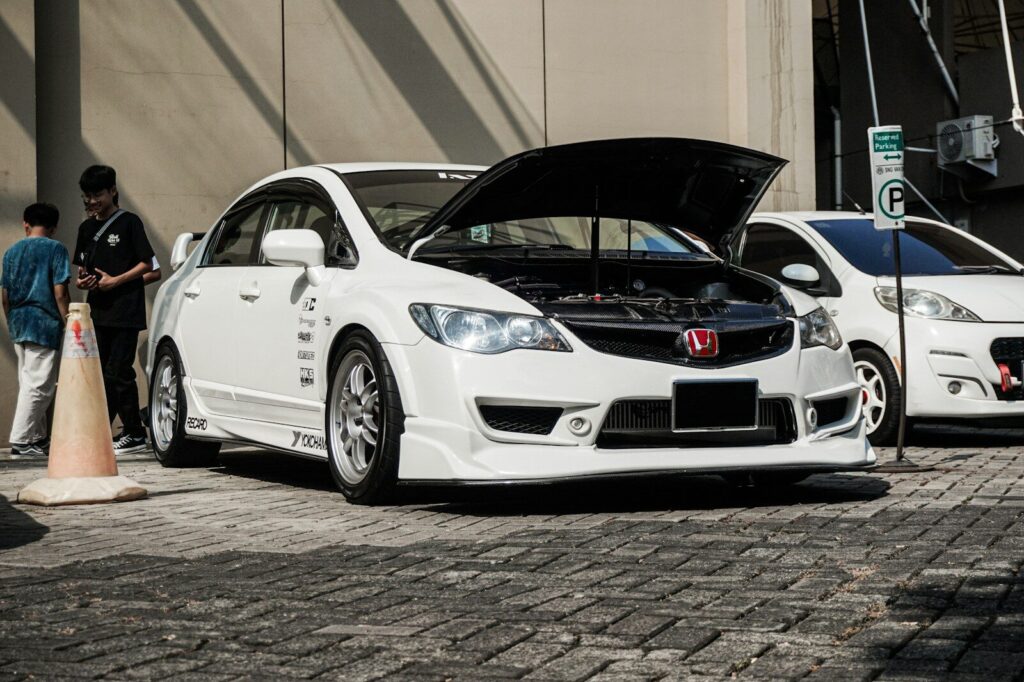
8. A Reputation Built on High Mileage
The strongest reliability claims surrounding the K-Series come from the number of high-mileage examples that have remained in service. Stories of engines covering extraordinary distances have become part of the platform’s reputation, including reports involving a 2007 Honda CR-V equipped with a K24 that accumulated more than one million miles on its original powertrain. Individual high-mileage examples should not be treated as proof that every K-Series engine will reach the same figure, but they demonstrate the kind of long-term service life that has become associated with the family. The engine’s reputation has been built through years of real-world ownership.
Sources of Its Reliability Reputation:
- Long-term everyday vehicle use
- Numerous high-mileage examples
- Strong underlying engine architecture
- Durable components and construction
- Enthusiast confidence in longevity
Long service life also changes how owners think about an engine. When drivers believe a powertrain has a strong durability margin, they may be more willing to keep the vehicle for many years rather than replacing it after a relatively short ownership period. Enthusiasts can also become more comfortable using the engine in demanding applications because its reputation provides confidence in the underlying architecture. This helps explain why K-Series engines appear in unusual swaps and modified builds. Their usefulness is not limited to the vehicles Honda originally designed them for, which has allowed the platform to develop a second life within the enthusiast community.
Engine swaps into unexpected chassis are an especially clear demonstration of this reputation. The K-Series has been adapted to applications far beyond conventional Honda installations, including enthusiast projects involving vehicles such as the Porsche 911. These projects are not evidence that every installation is simple or automatically reliable, but they show how much confidence builders have placed in the platform. A powertrain that can attract attention outside its original manufacturer and vehicle family has achieved something unusual. Its reputation becomes self-reinforcing as more enthusiasts experiment with it and demonstrate what the architecture can accomplish.
9. Preparing the K-Series for Electrification
The automotive industry is moving toward increasingly electrified powertrains, but the K-Series has continued to demonstrate potential beyond conventional gasoline applications. One reason is the flexibility of its architecture and its ability to support different combustion strategies. Atkinson-cycle tuning, for example, can prioritize efficiency characteristics that work well in hybrid systems. This gives Honda an opportunity to continue developing familiar engine architecture while combining it with electric assistance. Rather than treating electrification as an automatic end point for the K-Series, Honda can use the engine as one component of a more complex powertrain.
Hybrid-Era Development Potential:
- Atkinson-cycle efficiency potential
- Compatibility with hybrid systems
- Continued combustion-engine development
- Adaptable underlying architecture
- Electrification without immediate replacement
This approach reflects the broader reason the K-Series has lasted so long. Its value does not come from one specific fuel system, valve-timing configuration, or output level. The platform has repeatedly demonstrated that it can be modified when the surrounding technology changes. Naturally aspirated versions established the original reputation, turbocharged K20C variants demonstrated that the architecture could handle modern forced induction, and hybrid-oriented development creates another potential direction. Each stage changes the engine, but the basic strategy remains centered on maintaining a strong and adaptable foundation.
Future hybrid applications also show why an engine does not necessarily need to remain unchanged to preserve its identity. Honda has expressed interest in hybridization for future performance models such as the Civic Type R, indicating that electrification does not automatically eliminate the role of a combustion engine. If the K-Series architecture can continue adapting to these requirements, it may remain useful even as the industry’s powertrain priorities change dramatically. Its survival therefore depends less on resisting technological change and more on being flexible enough to participate in that change.
10. Why the K-Series Has Become a Long-Term Honda Icon
The K-Series’ journey from an everyday Japanese-market engine to a modern turbocharged performance platform represents an unusual example of long-term engineering success. Its endurance was not based on one revolutionary component or a single record-breaking specification. Instead, Honda created a strong architecture and repeatedly improved it as new challenges appeared. The engine gained modern ignition and throttle technologies, advanced valve control, stronger construction, direct injection, turbocharging, and other refinements while maintaining the fundamental durability and flexibility that defined the original family.
Reasons Behind Its Longevity:
- Strong foundational engine architecture
- Exceptional development flexibility
- Broad vehicle applications
- Proven performance and durability
- Continuous technological evolution
Its continued relevance also comes from the wide range of roles it can perform. The same engine family has been associated with practical transportation, family vehicles, enthusiast cars, motorsport applications, and heavily modified projects. That broad spectrum makes the K-Series more than simply a reliable Honda engine. It has become a platform that different groups can appreciate for different reasons. Everyday owners value its service life, performance enthusiasts value its responsiveness and tuning potential, and engineers can continue adapting its architecture to meet new technical requirements.
After approximately twenty-five years, the K-Series remains a strong example of what happens when an engine is designed with long-term development in mind. Honda did not simply preserve an old design unchanged; it strengthened and modernized the platform whenever the automotive environment demanded something new. That balance between continuity and evolution is the real secret behind its longevity. The K-Series has survived because it repeatedly proved useful, adaptable, and durable, turning what began as a successor to older Honda engines into one of the company’s most enduring four-cylinder families.