








Ten High-Powered American Hypercars That Surpass the 2026 Chevrolet Corvette ZR1X
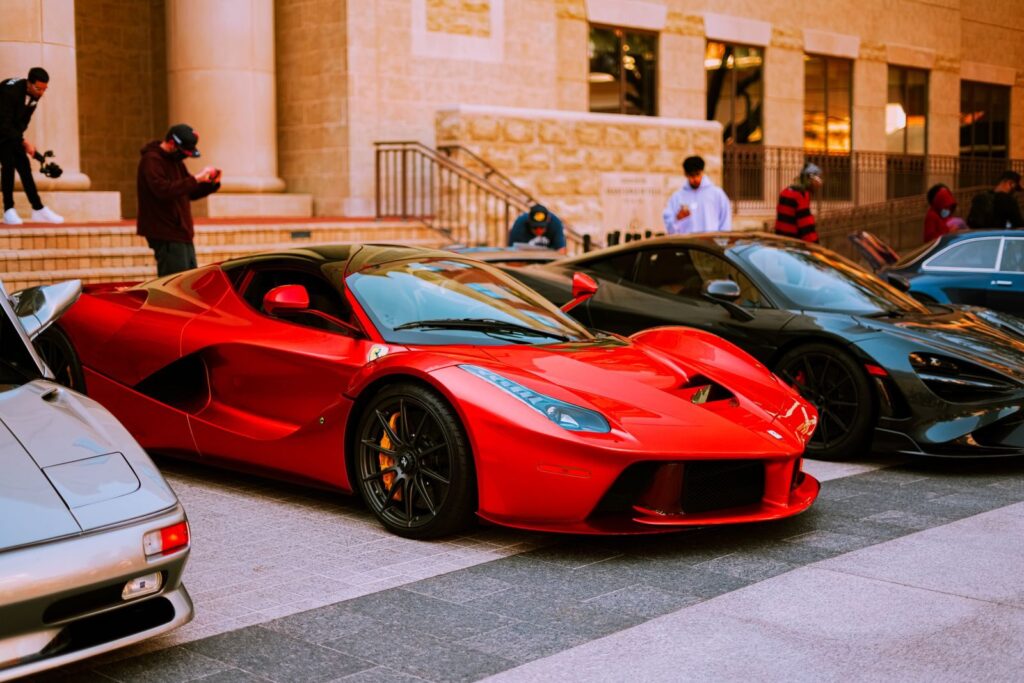
The 2026 Chevrolet Corvette ZR1X has launched American performance into a whole new era of awe-inspiring speed. Powered by a 1,250-horsepower hybrid V8 engine, the ZR1X pairs a twin-turbocharged V8 with a front-axle-mounted electric motor. That couples a ton of horsepower with the traction advantages of electric propulsion a bold new way to go very fast and shows just how much the Corvette platform has advanced. But the ZR1X isn’t the only American performance car holding down the fort at such a high level. Small builders, niche engineering firms and aftermarket tuners have been working on cars that aim for fantastic horsepower numbers and phenomenal straight-line speed for years.
They use everything from massive twin-turbocharged V8s to high-end electric drivetrains to heavily modified current-day American muscle cars. All of these machines prove that the rush to performance goes far past vanilla factory cars. Many surpass the ZR1X’s 1,250 horsepower, and some get their advantage from light weight, aerodynamic design, electric torque, or aggressive engine tuning. All serve as proof of the myriad directions American performance engineering has taken to push past a very good threshold.
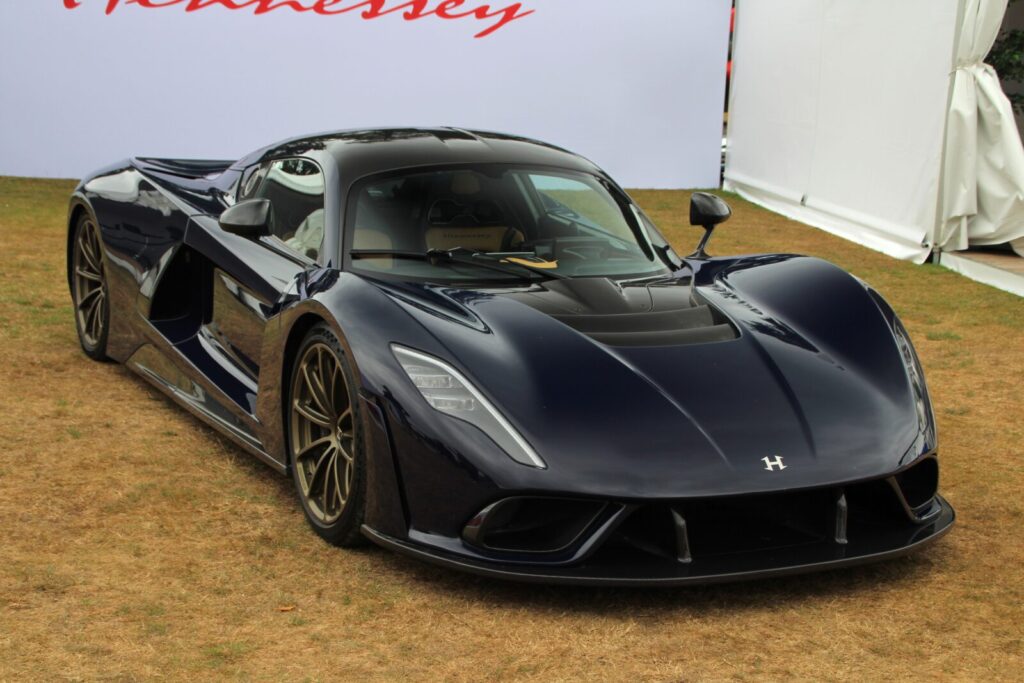
1. Hennessey Venom F5
Manufactured in Texas, the Hennessey Venom F5 is one of the most intense American muscle cars ever built. Powered by a twin-turbocharged 6.6-liter V8 with 1,817 horsepower, the Venom F5 is way above the ZR1X’s 1,250-horsepower rating. While the ZR1X uses hybrid technology to deliver its performance, the Venom F5 does not and instead leans heavily on a lightweight body and an enormous internal-combustion engine to blast the driver down the track. It is engineered for pure, old-fashioned speed.
Hennessey Venom F5 Performance Highlights:
- 1,817-horsepower twin-turbo V8
- Lightweight performance-focused construction
- Tested beyond 300 mph
- No hybrid assistance system
- Built for extreme straight-line speed
Designed for high speed, the car has already been clocked over 300 mph in a full throttle straight. It needed both a controlled course and track-oriented rubber for that kind of velocity, but nonetheless it also exemplifies what a boutique American hypercar can do mechanically. The F5’s large power number essentially defines it as a vehicle, characteristically very different to the electrically boosted ZR1X, which is almost all electric. If your obsession is horsepower and full-tilt speed alone, the Venom F5 is as fast as an American hypercar gets, without compromise. Short of the Velocity X and Huayra Roadster over there, it is the heaviest vehicle with a naturally aspirated engine that you can buy, with a naturally aspirated engine that weighs about half a tonne more.
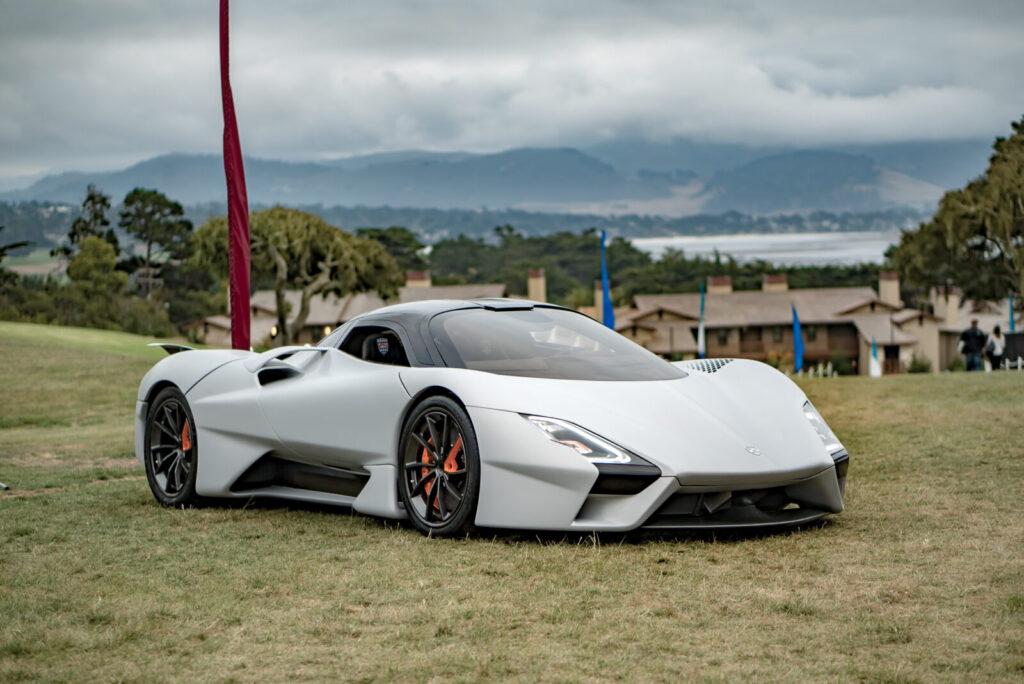
2. SSC Tuatara
Developed by the carmaker from Washington state, the Tuatara has a similarly no-holds-barred attitude for high-speed beats. Its 5.9-liter twin-turbocharged V8 can make up to 1,750 horsepower on simple 91-octane pump gas. At that level, the Tuatara is comfortably up against the Corvette ZR1X in peak engine power. That means the it has all the dog it could need for prodigious high-speed abilities without the added benefit of hybrid. Production remains extremely limited, adding to the Tuatara’s exclusivity. Its significance comes from the way SSC combines a powerful V8 with a body designed around high-speed efficiency.
SSC Tuatara Performance Highlights:
- 1,750-horsepower twin-turbo V8
- Uses standard 91-octane fuel
- Verified 282.9-mph average speed
- Focuses heavily on high-speed efficiency
- Extremely limited production
The proof is in the Tuatara’s two-way average top speed of 282.9 mph. To achieve a record number like that takes more than horsepower alone. It takes aerodynamic efficiency, stability, a smooth application of power, and a race car’s overall engineering come into play as you approach speeds where tenths of a mile per hour make all the difference. Production will be very limited, further accentuating its rarity. Its appeal is in the way SSC combines a high-performance V8 with a body optimized for high-speed efficiency. Instead of relying on hybrid support to challenge the ZR1X, the Tuatara showcases what targeted American hypercar development can do with a combustion-only drivetrain.

3. Hennessey Venom GT
Prior to the development of the Venom F5 as the centre-piece hypercar, it was the Venom GT that brought a good name to the company with such notable figures as 1,451 horsepower. The GT features a heavily modified Lotus chassis, mated to a 7.0 litre twin-turbocharged V8 with an output greater than the ZR1X of 1,250 horsepower but not as great as its hybrid cousin, the Corvette ZR1X. It also helped establish the path that eventually led Hennessey toward the even more powerful Venom F5.
Hennessey Venom GT Key Features:
- 1,451-horsepower twin-turbo V8
- Lotus-based lightweight chassis
- 270.49-mph two-way run
- Only 13 examples produced
- Extreme power-to-weight performance
During testing, the Venom GT achieved a two-way top speed of 270.49-mph (434.55 km/h), listing it among the list of legendary US performance vehicles. However, its relatively low weight and incredible V8 torque made for a brutal driving experience relying more on power-to-weight ratio and less on a sophisticated hybrid layout. Construction of just 13 units made the Venom GT virtually unique. The car’s low production volume combined with a bizarre pairing of a lightweight chassis with a heavily turbocharged V8 has made it a crucial record-setter of contemporary boutique hypercar history. It was also an early step on a road that lead to the even more formidable Venom F5.
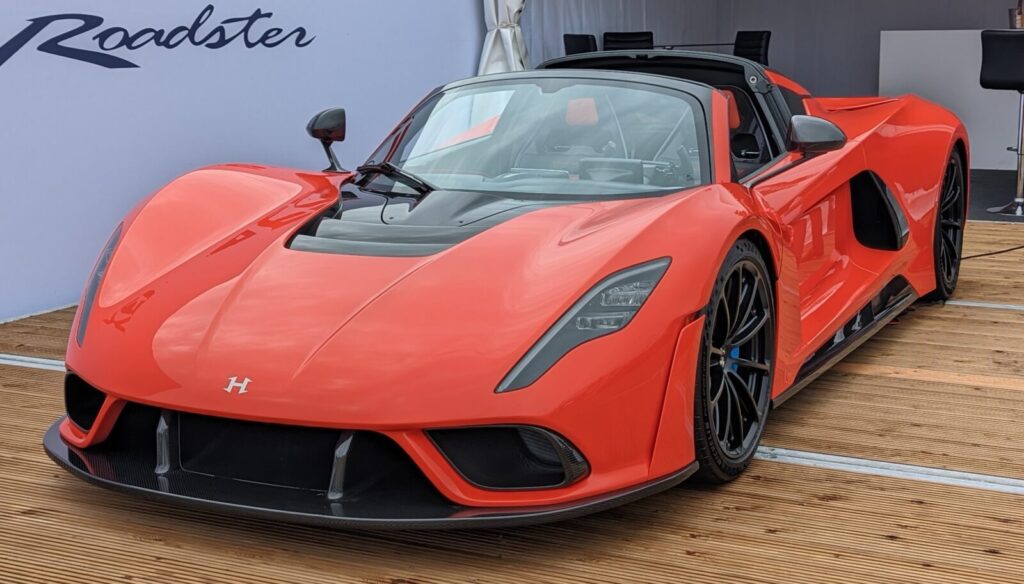
4. Hennessey Exoracing Venom F5 Revolution
The Venom F5 Revolution builds upon the most extreme of the F5 platform and puts a greater emphasis on circuit performance. The track-based layout delivers in excess of 1,400 horsepower and clearly surpasses the ZR1X in terms of peak power. Instead of merely chasing speed, the Revolution features aerodynamic development to enhance ground grip and high-speed stability. The result is a hypercar designed for drivers who want to exploit extreme power around a circuit rather than simply measure performance by top-speed figures.
Venom F5 Revolution Track Features:
- More than 1,400 horsepower
- Track-focused F5 configuration
- Aggressive aerodynamic package
- Increased high-speed downforce
- Designed for circuit performance
Its bold aerodynamic package is definitely not set up for producing significant downforce so that the vehicle can stay composed even when turning a corner at high speed. The Revolution is, instead, unlike a piece of equipment developed mainly to capture the optimal pace on a straight part of roadway. The vehicle packs breakneck V8 power and extra aerodynamic functionality. The bottom line: The Revolution is a dedicated hypercar for drivers who prefer pushing the limits of acceleration on a circuit, not necessarily breaking speed records. Targeted as a low-volume, boutique product, Revolution separates itself from all other performance machines by showing how one type of hypercar platform can be used to arrive at a new metric of speed.
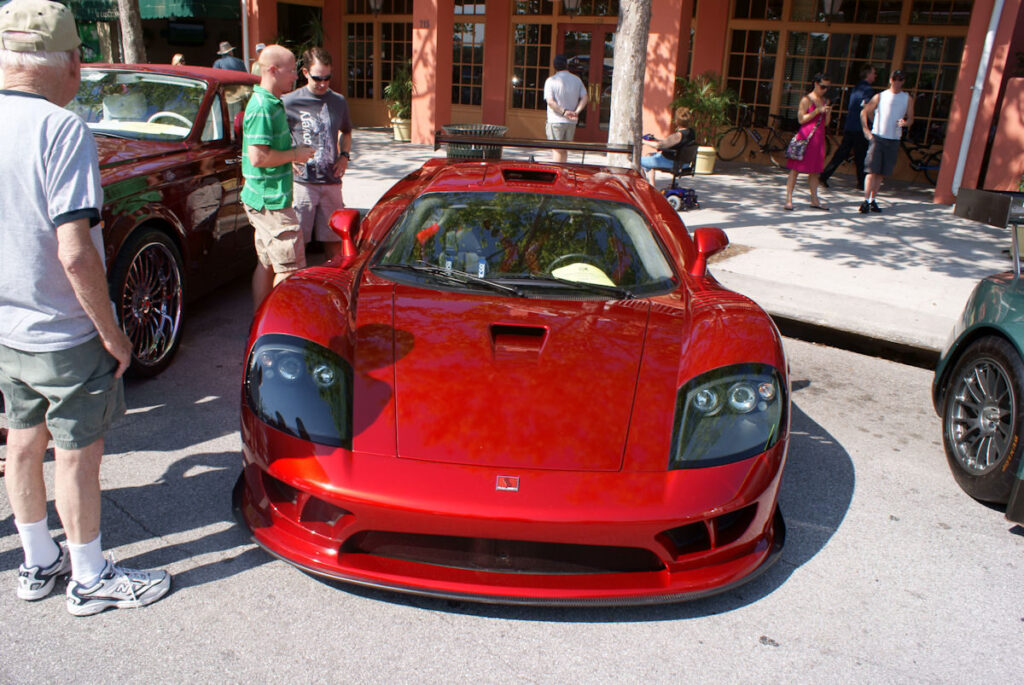
5. Saleen S7 Twin Turbo
One of the most iconic mid-engined supercars in America has to be the Saleen S7 Twin Turbo. Not created due to GM’s decision to place the Corvette mid-engined, the S7 pioneered the blend of exotic proportions, rear-wheel drive and massive V8 performance. Production road cars started at 750 hp, while the racing variants exceeds 1,300 hp. The S7 is important because it demonstrated that American manufacturers and specialist builders could create a genuine world-class mid-engine performance car long before the modern Corvette generation.
Saleen S7 Performance Highlights:
- Mid-engine American supercar design
- Twin-turbocharged V8 performance
- Up to 1,300-plus race horsepower
- Street versions reached 248 mph
- Distinctive rear-wheel-drive layout
Street legal models could hit 248 mph an astonishing speed for any American supercar of its era. The mid-engine configuration gave the S7 a more exotic chassis line and appearance, while its turbocharged engine delivered the brutality that a supercar like this was supposed to have. A V8 7.0-liter S7 (as it existed at the height of the program’s development phase) was what it took to prove American makers and creator-builders knew how to produce an authentic world class mid-engine performance machine well before any current era of Corvette was conceived. Its higher-displacement race siblings show just how much untapped promise was in the proven platform.
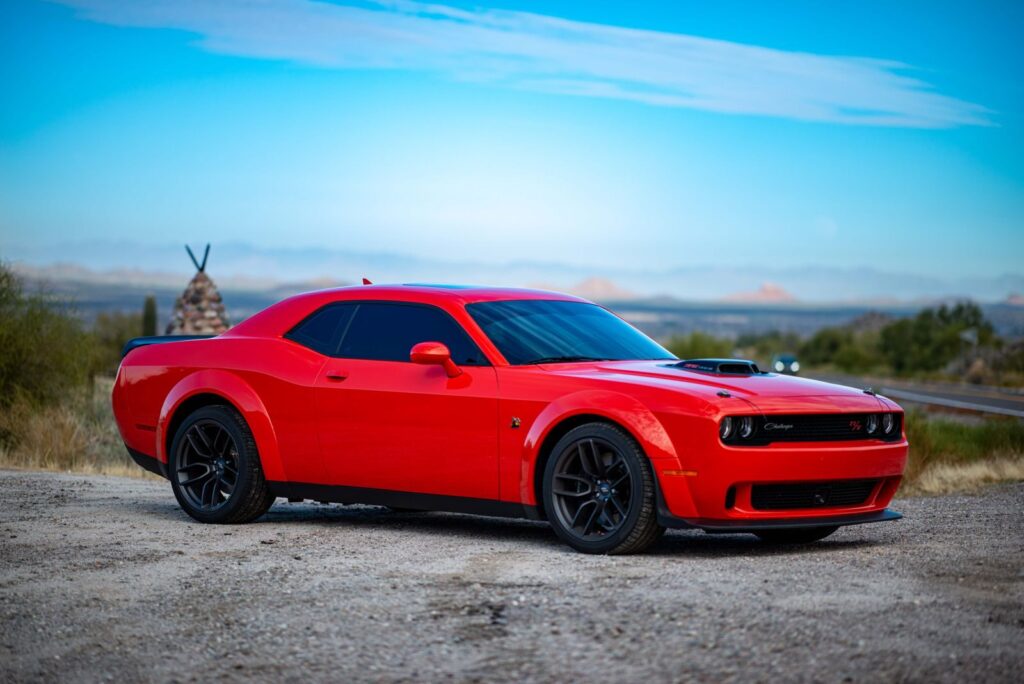
6. Hennessey-Tuned Dodge Viper and Demon 170
The stock factory Dodge Demon 170 already pumps out a mind-blowing 1,025 horsepower on E85, but tuners have the ability to push performance well beyond that on the American muscle vehicles. Custom builders apply base engines with forced induction, crate engines, and more to help turn the likes of a Viper or Demon into a machine that eclipses the ZR1X’s 1250-horsepower. These modified machines also highlight the flexibility of America’s aftermarket performance industry. A production car can become the foundation for a dramatically more powerful street-legal build when specialist engineers redesign the turbocharging, fueling, and engine components.
Modified American Muscle Performance:
- Demon 170 produces 1,025 horsepower
- E85 fuel enables maximum factory output
- Twin-turbo conversions exceed 2,000 horsepower
- Viper builds use extensive modifications
- Traditional engines remain performance-focused
For example, Hennessey’s heavily modified Viper-based creations are among the most extreme out there. One-twin turbocharger conversions have the potential to achieve over 2,000 horsepower, but they take the “powersports” nature of this performance by a scale out of hand as well. Instead of an electric motor, these installs pull tremendous power out of internal-combustion parts. They also underscore the versatility of America’s aftermarket performance industry. A production vehicle can serve as the blueprint for a far more potent street-legal beast by outside engineers reengineering its turbocharging, fueling and engine parts. The car retains its American muscle roots while building output up to the standard of hypercars.
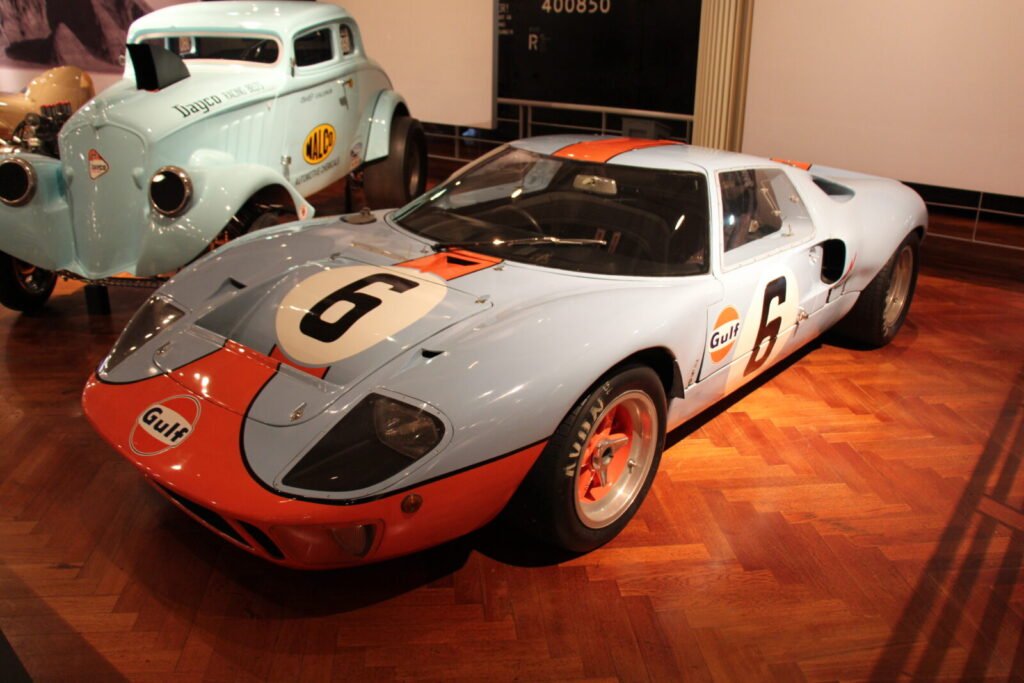
7. Ford GT Mk IV
The Ford GT Mk IV is the ultimate evolution of the modern GT line Ford has created. Its extensively modified 3.5-liter twin-turbocharged Eco Boost V6 generates in excess of 1,300-horsepower, exceeding that of the Corvette ZR1X which managed 1,250-hp. But the GTMkIV was not designed as a normal road car; it was engineered first and foremost as a track car, with core design principles centering around circuit performance, speed, and downforce.
Ford GT Mk IV Track Features:
- More than 1,300 horsepower
- Twin-turbocharged EcoBoost V6
- Aggressive aerodynamic bodywork
- Built specifically for circuit use
- Limited production of 67 examples
Its Aerodynamic bodywork is central to the entire package. With aggressive styling to create tremendous downforce coupled with the mighty twin-turbo V6 the GT Mk IV is set to take track driving to a new level of engineering rather than just horsepower. Race homologation was limited to just 67 examples, making the GT Mk IV one of the rarest examples of American road racing engineering to emerge from the 1960s. With its ties to Ford’s Le Mans victory, the GT’s legacy is fortified, and its 6-cylinder powertrain exhibits that the not-so-insubstantial 335 has something to prove speed and aerodynamic excellence can be achieved without the largest V8 on the block.
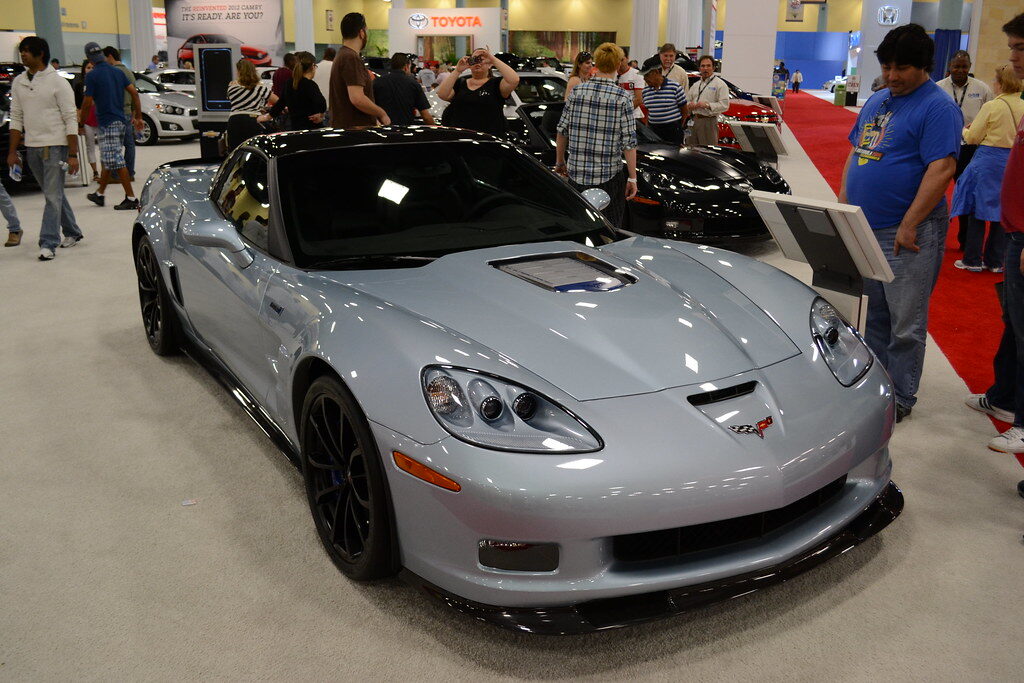
8. Tuned Chevrolet Corvette ZR1
There is already lots of performance built into the standard ZR1, yet American aftermarket specialist tuners have discovered even greater capabilities within the car’s twin turbocharged V8 engine. Performance shops like Lingenfelter and Hennessey can tune the engine to produce a claimed 1,400 horsepower, pushing the non-hybrid ZR1’s performance past the 1,250 horsepower rating of the ZR1X. The tuned ZR1 therefore provides an interesting demonstration of the underlying platform’s potential. It shows that extreme output can come from carefully developed engine modifications as well as from a sophisticated hybrid system.
Tuned Corvette ZR1 Performance:
- Around 1,400 horsepower available
- Twin-turbocharged V8 platform
- Upgraded turbocharger components
- Modified fuel system
- Enhanced engine management
These builds produce the extra power thanks to upgraded turbochargers, fuel systems and engine management. The outcome is a street legal Corvette that goes mid-engine but uses internal-combustion power instead of the front electric motor seen on the ZR1X. The ZR1 that emerges is an intriguing showcase for the platform, demonstrating that very high output can be achieved not only from thorough engine upgrades but also from a refined hybrid system. Those looking for a turbocharged twin-turbo V8 Corvette with a more old school mechanical feel will have these specialist creations as an alternative to the factory ZR1X.
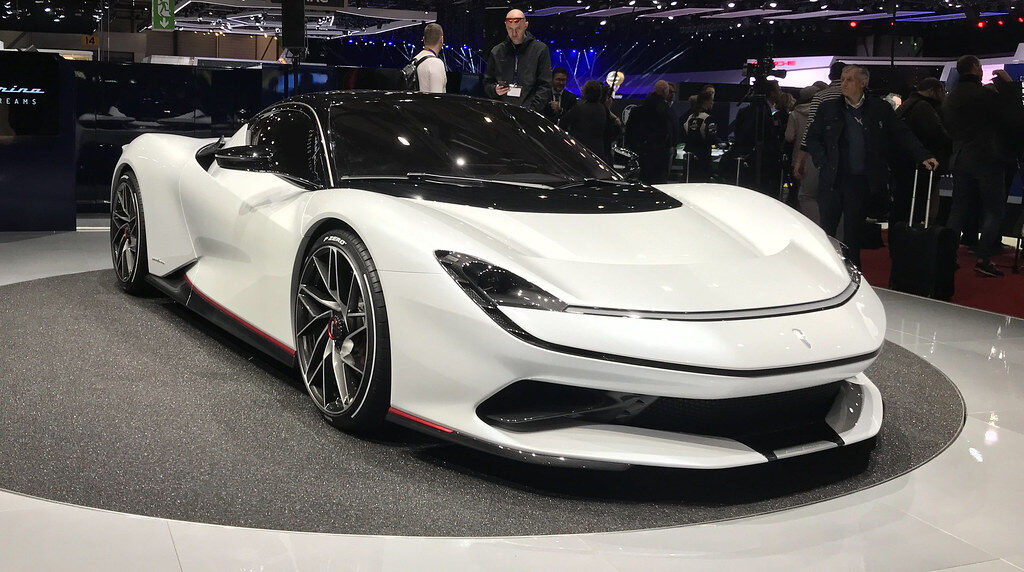
9. Pininfarina Battista
The Pininfarina Battista takes an entirely different tack. This California-built electric hypercar has four individual electric motors on board generating a combined 1,900 horsepower and 1,696 lb-ft of torque a figure far beyond the Corvette ZR1X’s output and one without the use of any kind of combustion engine. The Battista underscores how far electric propulsion can be pushed. The Battista demonstrates how modern EV technology has entered the same performance territory once dominated by combustion-powered hypercars.
Pininfarina Battista Electric Performance:
- Four individual electric motors
- Produces 1,900 horsepower
- Generates 1,696 lb-ft torque
- Immediate electric torque delivery
- California-assembled electric hypercar
An additional benefit that electric motors have when it comes to getting to the road is the instant torque provided by the Battista as well as the multiple motors which offer fine-tuning of torque to the wheels. As stated in the source, “It takes the Battista less than nine seconds to rocket from 0-186 mph, a demonstration of how quickly the electric motors can accelerate.” The Battista is a clear example of how modern EV tech has entered the same world of hypercar performance that was once a combustion market. Its Californian assembly adds a pin directly to the American performance scene. It doesn’t rely on displacement and turbo tuning to get hypercar figures, but rather, it relies on electricity and torque management.
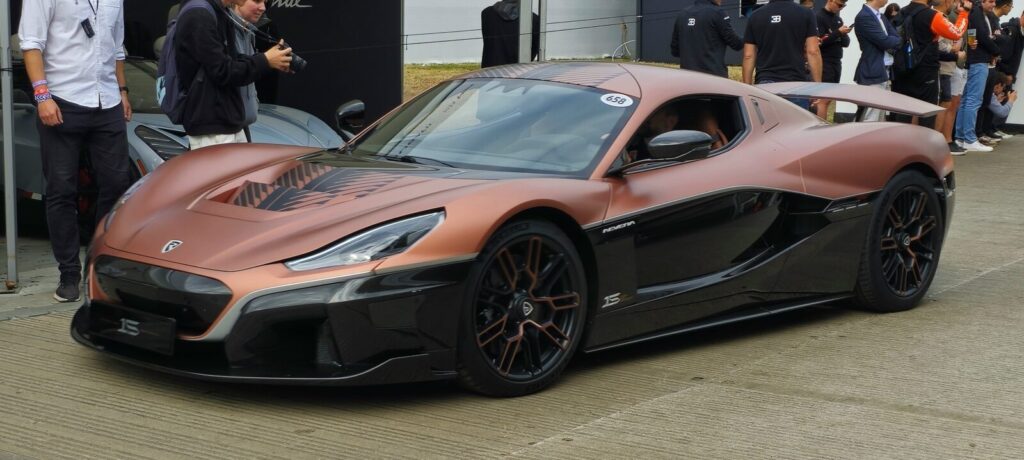
10. Rimac Nevera (U.S. Market Version)
Another highly powered electric hypercar enters from the US-market with the Rimac Nevera at the other end of the price and prestige scale. Although it claims a 1,914-horsepower-equivalent output, it is in the same league as the Corvette ZR1X at 1,250-horsepower just turning out vastly more. The four-or-five-motor electric system is focused on high levels of power with electronic traction control, unlike combustion hypercars.
Rimac Nevera Performance Highlights:
- Claimed 1,914 horsepower equivalent
- Multi-motor electric architecture
- Sophisticated electronic traction control
- Immediate electric motor torque
- All-wheel-drive performance system
From a standing start, the powertrain in the Nevera is able to come into play with high levels of acceleration thanks to its battery architecture and torque delivery from multiple motors. Electric motors are capable of generating torque instantaneously and the four-wheel-drive system translates that torque into momentum. It gives the Nevera a performance profile that is radically different to the other rear-wheel-drive, petrol-powered machines. The Nevera in the US-market line-up exemplifies how rapidly electric technology has advanced to the very peak of car performance. Just as with the Battista, it proves the definition of hypercar power is no longer solely dependent on a huge gasoline engine. While the Corvette ZR1X packs combustion horsepower with an electric drive, these pure electric cars are taking the hypercar recipe to new heights.


