
Keeping the Clutch Alive: How Manufacturers Continue Offering Manual Transmissions for Enthusiasts
Manual transmissions have all but vanished from the modern automotive landscape, but gearshifting enthusiasts aren’t quite ready to abandon the traditional clutch pedal. While automatic gearboxes reign supreme in the age of more convenient and fuel-efficient vehicles, carmakers are still developing ways to keep the manual transmission around in a handful of performance models. Readily available within the Subaru BRZ, Toyota GR Corolla, and Porsche 911 GT3 Touring, the manual transmission still appeals to many enthusiasts despite the fact that it now comprises just 3 percent of all new vehicle sales. But its consumer demand for sporty cars that can be carried out the manual way continues to motivate automakers to keep the clutch pedal.
That means making the manual stick into the future. BMW, Porsche, Nissan and Subaru are all working to keep driving a manual in their lineups from BMW’s Z4 and M cars, to the turbocharged upcoming Porsche 911 Carrera S, to Nissan’s Z NISMO and more. Not to mention crazy upgrades such as better clutches, shorter shifter throws and lighter flywheels and drive plates to make modern, high-output performance engines sing. The truth is simple: even with a market flooded with automatics, the desire for the art of driving through all the gears is still very much alive, and that is truly what keeps the manual alive.
1. The Decline of Manual Transmissions in Modern Vehicles
Over time, manual transmissions have become increasingly scarce, and once a staple in the driving world, they are now quite rare. Automakers installed manual transmissions on 35% of new cars produced in 1980, according to the 2025 EPA Automotive Trends Report. But now, only a smidge over 1% of vehicles produced have manual transmissions since 2021. The main reasons for this dramatic switch away from manual gearboxes are technology modern automatics tend to have more gears and better fuel economy, which has seen the industry abandon manuals on everything other than certain high-performance or niche vehicles. Even with that significant change, however, the clutch pedal isn’t entirely a thing of the past just yet.
Manual Transmission Market Changes:
- Manual availability has declined dramatically.
- Production fell below 1% recently.
- Manuals held 35% share in 1980.
- Automatics offer more gear ratios.
- Fuel efficiency favors modern automatics.
But that does not mean that drivers no longer love them, and certain manufacturers are willing to cater to the remaining ‘enthusiast’ population. As the market has become much more focused, 3 pedal gearboxes have been kept alive in only certain situations, mostly only where the automobile is positioned more as an experience than just a mode of transportation. Enthusiasts will support brands that keep up the tradition of having a true performance machine with a real manual gearbox. Low sales numbers speak volumes, but buyers are often choosing these cars for a very different reason. The market is split as to whether the user has an ‘enthusiast’ or a ‘consumer’ mindset, and that has led manufacturers to reserve manual gearboxes for only the enthusiast-driven offerings.
2. Enthusiast Demand Keeps Three-Pedal Performance Cars Alive
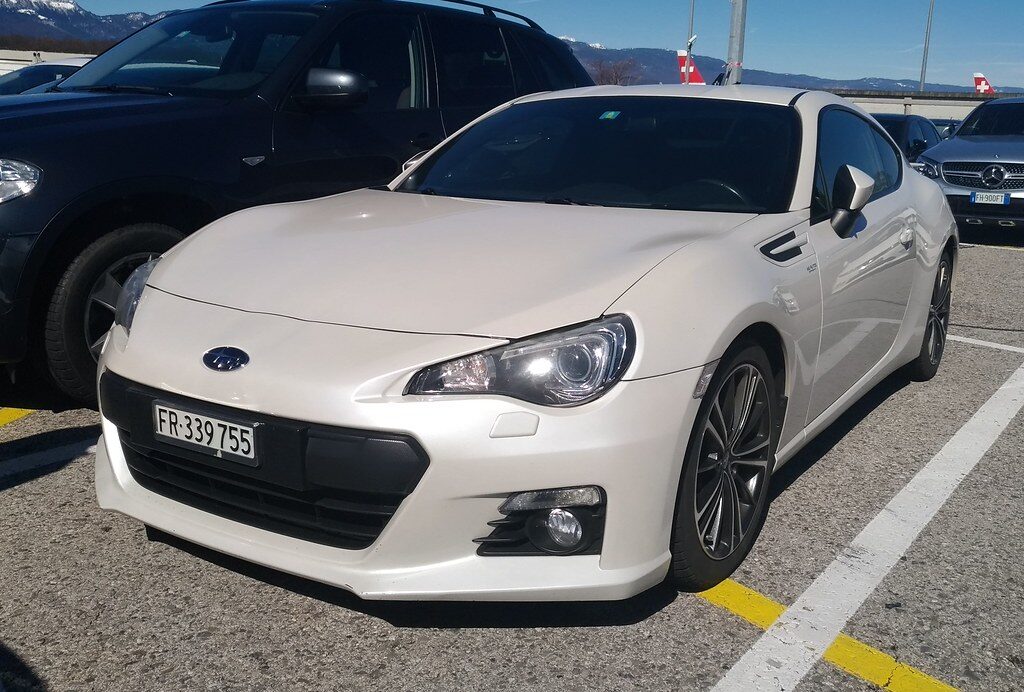
Although only making up less than 1% of overall sales, specific performance models show the highest demand for manual gearboxes. Many enthusiasts who look to these vehicles may not be concerned with automatics but instead enjoy the manual operation of shifting gears themselves. The Subaru BRZ has a current take-rate of 90% on the manual while the Porsche 911 GT3 Touring is at 83%. Even the current Toyota GR Corolla illustrates strong demand for 3-pedal operation with a 71% take-rate. To automakers, this provides them with concrete data that manual transmission is still desirable for some consumers and, perhaps more importantly, willing to spend a lot of money to get.
Performance Cars Winning Manual Buyers:
- Subaru BRZ reaches 90% take-rate.
- Porsche GT3 Touring reaches 83%.
- Toyota GR Corolla reaches 71%.
- Enthusiasts prioritize direct driving involvement.
- Strong demand supports manual availability.
Those numbers send a strong signal to automakers Drivers will purchase cars with manual transmissions as long as automakers continue to make vehicles that fit their tastes. Those eager to buy these models show that a manual gearbox isn’t just a piece of antiquated equipment with sentimental value. Shifting gears still is an integral part of the driving experience for many consumers. Performance vehicles are an ideal fit for this whole enthusiast crowd because the involvement of the driver can be a big part of the appeal. When a manufacturer offers a driver-focused vehicle with three pedals, enthusiasts have a way to support the cause in the form of real-world sales.
3. BMW Extends the Manual Z4 for Driving Enthusiasts
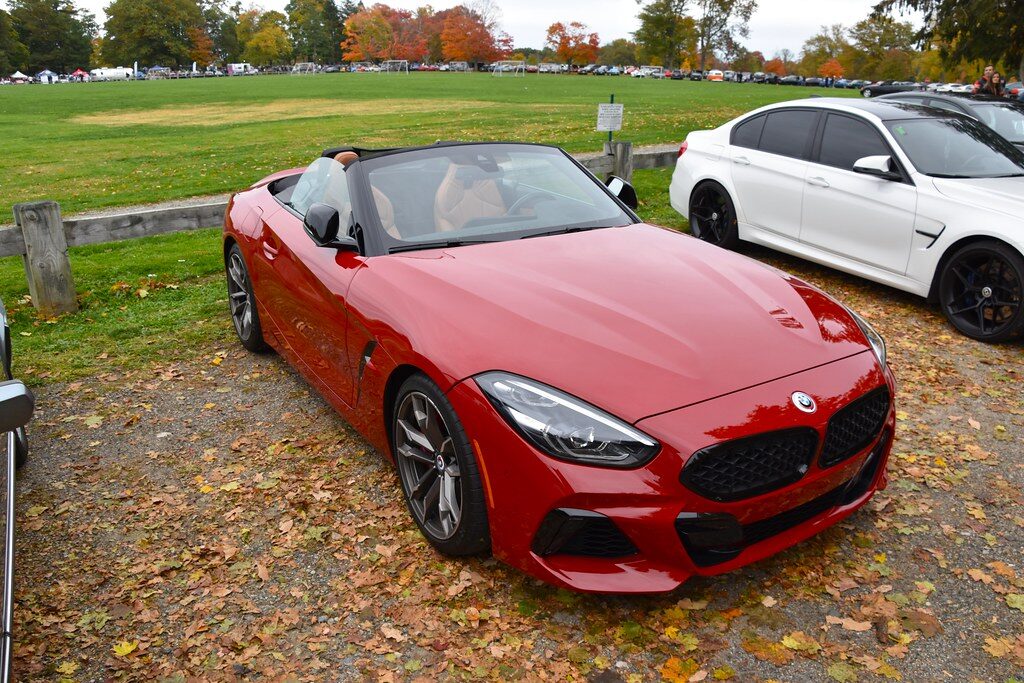
One of the manufacturers trying to preserve the clutch-pedal driving experience is BMW. According to the company, BMW sold 29 per cent more Z4 in 2022 than the previous year. It revealed that the G29 M40i Handschalter package version of its sports car would be available until May 2026 in the US, giving buyers the option of a manual and internal combustion. While the majority of buyers continue to opt for automatic options, a small group of traditionalists believe in the driving experience and have expressed concerns about the loss of the option. BMW’s retention of the G29 has been consistent in the media coverage, with many hoping the sports car will be available for drivers who want the option of a manual transmission to manage gear changes.
BMW Z4’s Manual Comeback:
- Z4 sales reportedly increased 29%.
- Production continues through May 2026.
- G29 M40i offers manual shifting.
- Enthusiasts prefer traditional driving involvement.
- BMW responds to dedicated buyer demand.
BMW’s decision to keep producing the manual Z4 is a great example of how the market for the enthusiast can sway decisions. The company has received coverage in Jalopnik praising the fact that the roadster still lives, and Car Buzz noted that it is the type of car manual-shifter lovers want. That speaks to the fact that for some drivers, a manual transmission is an integral part of what makes a sports car. It offers a two-seat convertible experience for drivers who want a more involved experience with the car. While most consumers prefer an automatic transmission, the manual is still being offered for one segment of the population, and BMW has been able to continue its production.
4. BMW Continues Offering Manual Gearboxes Beyond the Z4
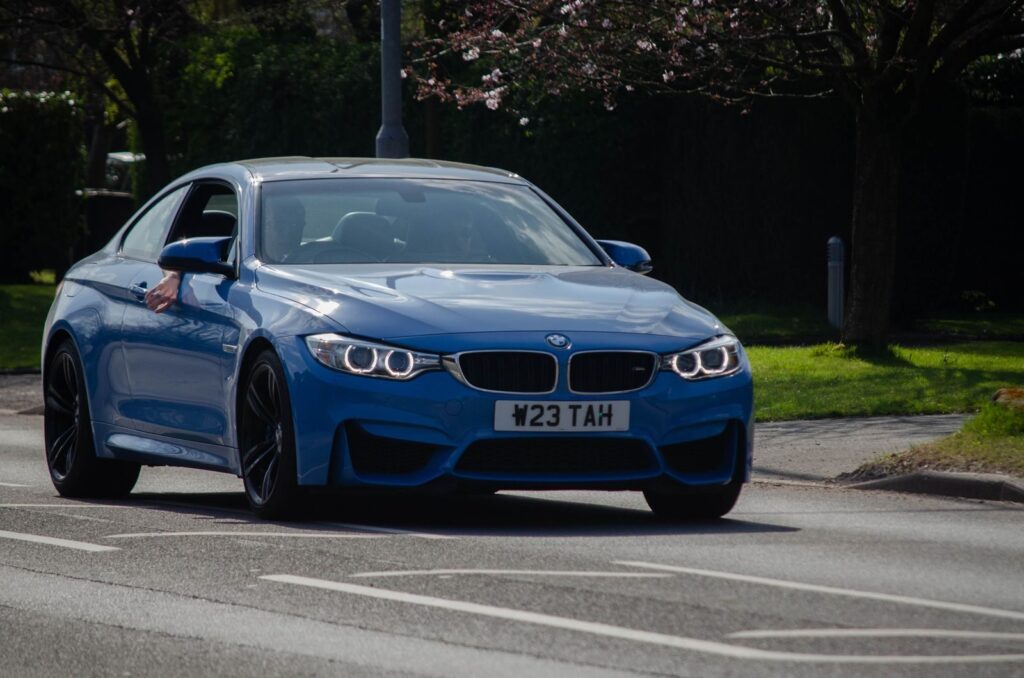
BMW has shown its continued dedication to manual transmissions beyond its Z4 roadster. If you’ve been following Autoblog’s coverage of the Z4’s decision to get an extension in its production run, you’ll see that BMW is doing its best to try to keep manuals alive. The other cars in the automaker’s stable that continue to offer a manual transmission include the M2, M3 and M4 performance models. These give people who want the thrill of a performance coupe or sports car an alternative to the typical two-seat convertible that would otherwise be available at the BMWs level. Instead of throwing out the baby with the bathwater by axing manual transmission options altogether, BMW’s willingness to keep the transmission in select models shows that it gets that there’s a niche of drivers who still want to put the car’s gears in their own hands.
BMW’s Manual Performance Lineup:
- Z4 delivers two-seat convertible enjoyment.
- M2 retains a manual option.
- M3 continues serving driving purists.
- M4 offers traditional gear shifting.
- Enthusiast demand supports continued availability.
So the availability of a manual gearbox in the Z4, M2, M3 and M4 provides different options for performance purists to enjoy some old-fashioned motoring pleasure. Of course, if you’d like a convertible car with a manual, then you’re probably already a Z4 fan, but others might prefer a slightly different type of performance machine. But it illustrates the commercial rationale for manual gearboxes being kept in production if there are sufficient customers for them to do so. As long as there’s demand from customers, there’s a reason to buy a specific product, and a manufacturer may as well sell it to them. The performance purists get something they want, and those who want an automatic get something else.
5. The 2027 Porsche 911 Carrera S Brings More Manual Performance
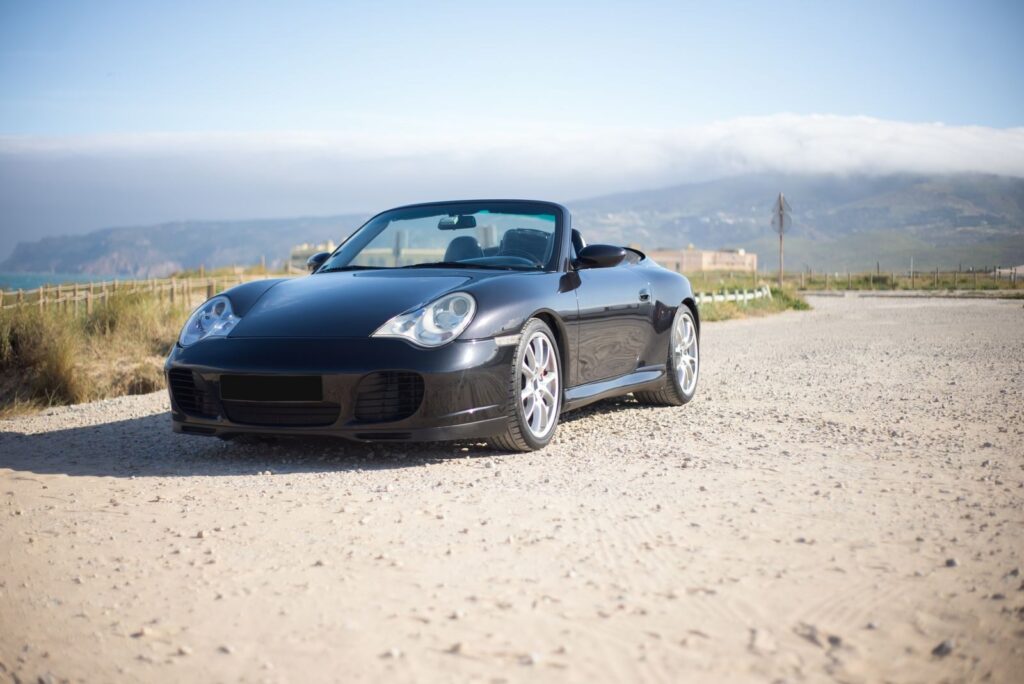
Porsche is once again catering to drivers with the 2027 911 Carrera S with the MT package. The car was revealed at the 2026 Monterey Car Week and is marketed specifically to North American customers who buy the largest number of manual sports cars. The MT model marries a six-speed manual transmission with a 3.0-liter twin-turbocharged flat-six engine producing 473 horsepower, an 85-hp jump over the 911 Carrera T. It comes with rear-wheel drive in coupe and convertible forms, with the 911 Carrera S can accelerate from zero to 60 mph in 3.9 seconds and reach a top speed of 191 mph. The model’s combination of capabilities, shifting and, including extra equipment suggests that Porsche continues to be interested in catering to manual buyers.
Porsche 911 Carrera S Highlights:
- Six-speed manual transmission comes standard.
- Twin-turbo flat-six produces 473 horsepower.
- Power rises 85 horsepower over Carrera T.
- Top speed reaches 191 mph.
- Coupe and convertible body styles available.
The 2027 Porsche 911 Carrera S MT has packaging not just with its motor and transmission. It comes equipped with a sport suspension lower by 10 millimeters, rear-axle steering, and exhaust hardware that is specifically calibrated with titanium tips. Center-lock wheels offer 17 pounds of weight savings, and a walnut shift knob offers that traditional touch of manual car ownership that many enthusiasts desire. For these discrete, performance-oriented packages, Porsche has announced a starting price of $169,450 for its North American customers. The Carrera S, then, is a significant spend for those looking to buy a high-performance sports car with the traditional manual transmission.
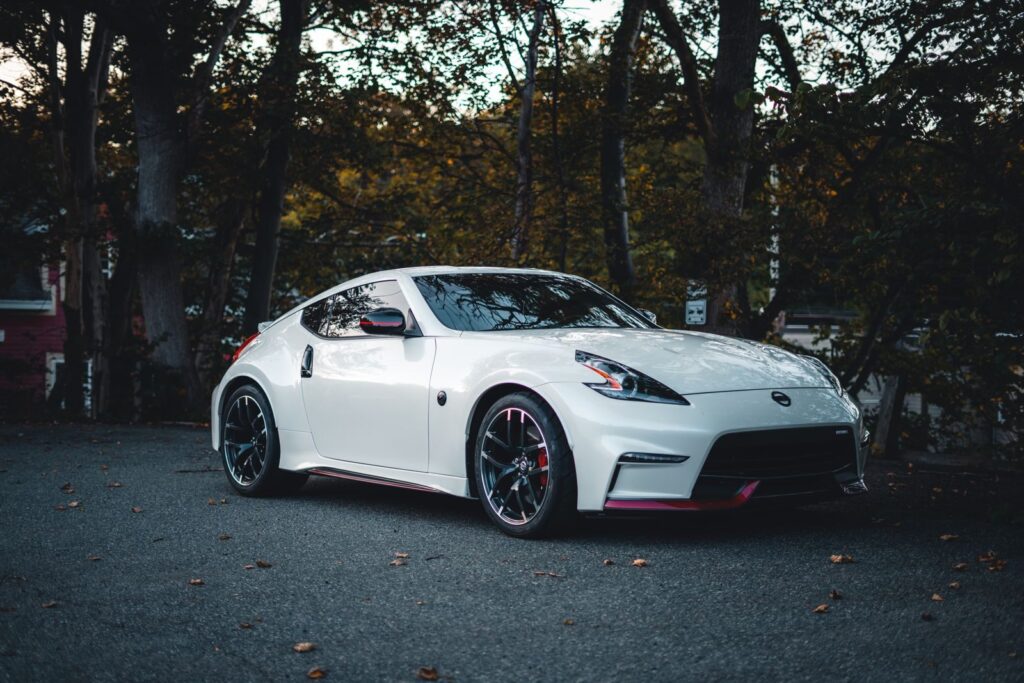
6. Nissan Z NISMO Adds a Manual Option for 2027
The second reason is responding to enthusiast interest by offering a manual transmission with the 2027 Nissan Z NISMO. Nissan had previouslythoughtperformance models were better with automatic transmissions, but feedback from customers changed the company’s opinion. The six-speed manual will be available as a complimentary upgrade, with prices starting at $68,555. This version will be powered by the 3.5-liter V6 producing 420 horsepower and needs some engineering to help it cope with the manual gearbox. Nissan has improved the clutch and pressure plate, while reducing the shifter stroke so you can change gears more quickly. It’s a good example of how car companies have had to revisit their initial product plans after customers have shown a preference for a more engaging ride.
Nissan Z NISMO Manual Upgrades:
- Six-speed manual costs no extra.
- Starting price reaches $68,555.
- V6 engine produces 420 horsepower.
- Upgraded clutch handles engine output.
- Shorter shifter stroke enables quicker changes.
Nissan has done to complement a Z NISMO with a manual Transmission. It’s treated to a retune of the shocks to better match the track-oriented application, as well as a modestly lighter front brake setup from the R35 GT-R (better for cooling) and a baffle in the fuel tank to help avoid fuel starvation during aggressive corners. It’s clear the manual is really just part of a more comprehensive effort aimed at a sporty package rather than an outright replacement, as Nissan has also upgraded the clutch and pressure plate to handle the 420-horsepower load, and cut down the stroke of the shifter to yield faster shifts. And Nissan is offering the six-speed trans without an upcharge for those who know what they want.
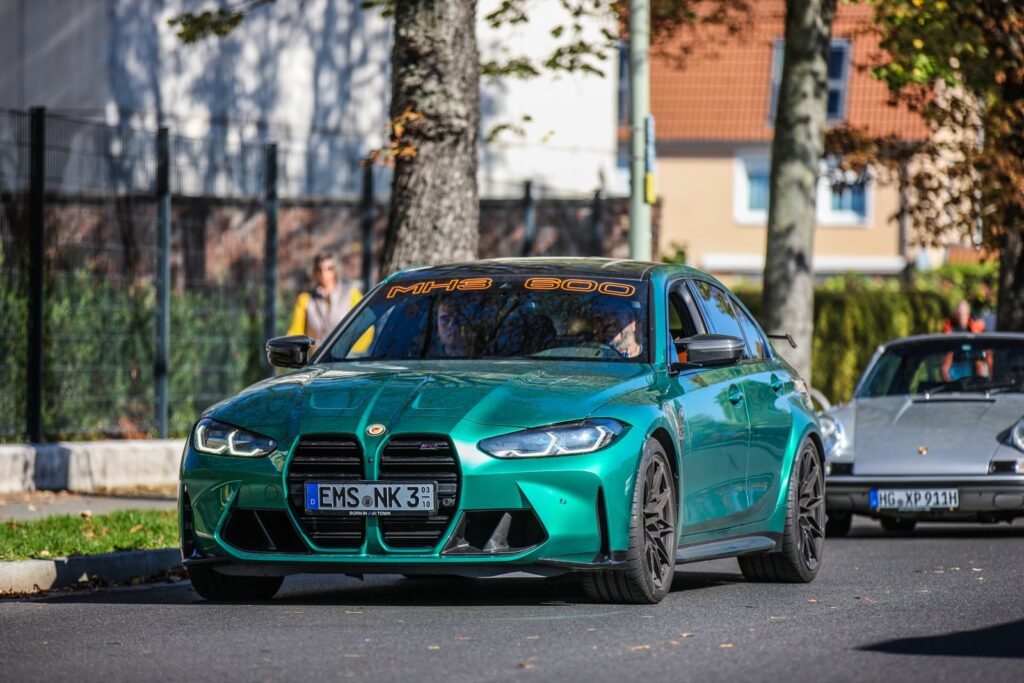
7. The 2027 BMW M3 CS Handschalter Celebrates Manual Driving
2027 BMW M3 CS Handschalter Another benchmark for fans wanting a modern performance sedan with a true manual transmission 9 hands on June 19, 2027 BMW. Really going back to the first line. Comments (0) Head of the hands is one step closer to the BMW M3 with an available manual transmission. Known as the 2027 BMW M3 Handschalter in some markets, the limited-edition model is the final chapter of the sixth-generation M3 and the only CS model with a clutch pedal. Only available to fans in the US and Canada, the 2027 BMW M3 CS delivers 473 horsepower (352 kilowatts) from a 3.0-liter twin-turbocharged S58 inline-six engine. Drive goes solely to the rear wheels via a six-speed manual transmission, with BMW claiming a zero-to-60-mile-per-hour (97-kilometer-per-hour) sprint of 4.1 seconds and an electronically limited top speed of 180 miles per hour (290 km/h).
BMW M3 CS Handschalter Performance:
- Limited edition celebrates manual driving.
- S58 engine produces 473 horsepower.
- Six-speed gearbox drives rear wheels.
- Acceleration reaches 60 mph in 4.1 seconds.
- Top speed reaches 180 mph.
The BMW M3 CS Handschalter can be had with numerous comfort features and a few track-specific bits. Starting at $108,450, including destination, the M3 CS Handschalter features forged alloy wheels, a titanium muffler, and a carbon-fiber roof and hood to shave some pounds. Inside, the M3 has M carbon bucket seats covered in Merino leather, dual-zone climate control, and a Harman Kardon surround sound system. Production is limited to very small numbers from July 2026 to summer 2027. Heritage paint finishes are available at a cost of $4,500, track tires will set you back $600, and a front strut brace costs $1,100. The M3 is the only vehicle in the North American lineup that features a specified performance gear set combined with a traditional six-speed transmission.
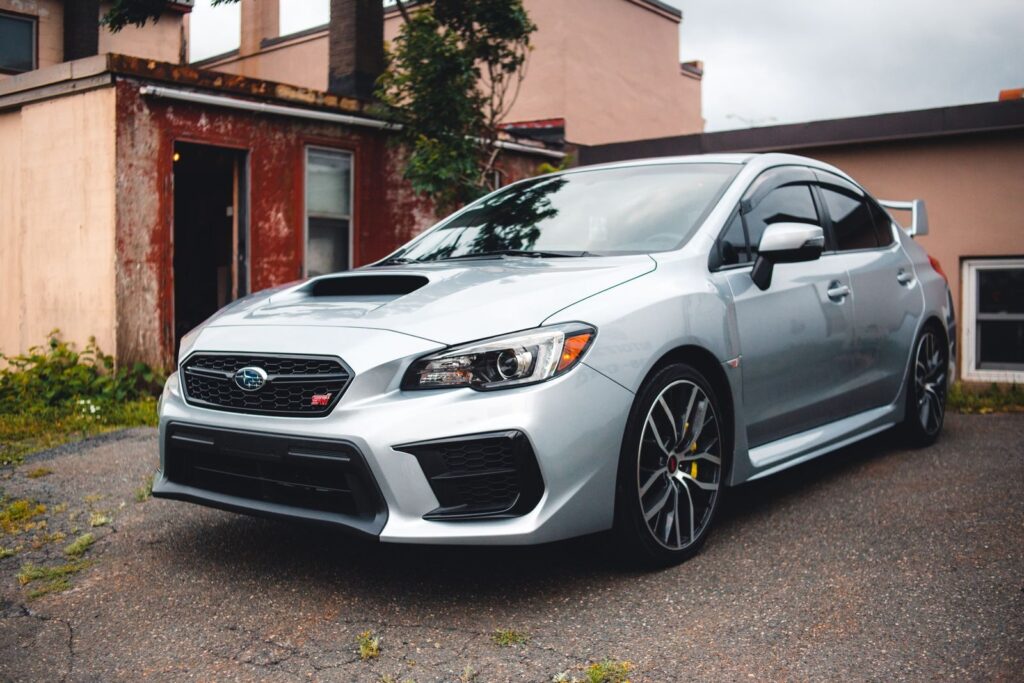
8. Subaru Prepares Three Manual Performance Cars for 2027
Car enthusiasts got excited a few weeks ago when Subaru confirmed three performance cars with three pedals for 2027 during an event to mark 24-hour race at Fuji. That announcement was eagerly awaited in part because the most anticipated reveal was the famed WRX STI rally machine. What we don’t yet know is whether the next-gen car will be a sedan or hatchback. Subaru’s Japanese parent confirmed the cars will have three pedals, though Subaru of America has not confirmed any vehicles for the US market. The announcement was still enough to give rally fans a reason to hope for yet another STI with a manual.
Subaru’s Upcoming Manual Performance Cars:
- Three manual models planned for 2027.
- WRX STI return generates excitement.
- Performance-B concept offers possible inspiration.
- Sedan or hatchback remains uncertain.
- U.S. availability remains unconfirmed.
The WRX STI’s best-to-be return is one part of the company’s plans for future manual performance vehicles. Subaru has is number three-pedal cars in the pipeline but won’t specify exactly which ones and for which markets. For the time being, Subaru of America wisely kept mum on whether it will actually be bringing the new STI to its home shores but one suspects it is not willing to take that risk. Even so, the fact that it mentions future manual performance models demonstrates that the reach of true performance cars is still keenly felt and still has a place in the enthusiast’s mindset, especially for the rally crowd and fans of manual transmissions (which has a bit of a link to the Performance-B STI Concept).
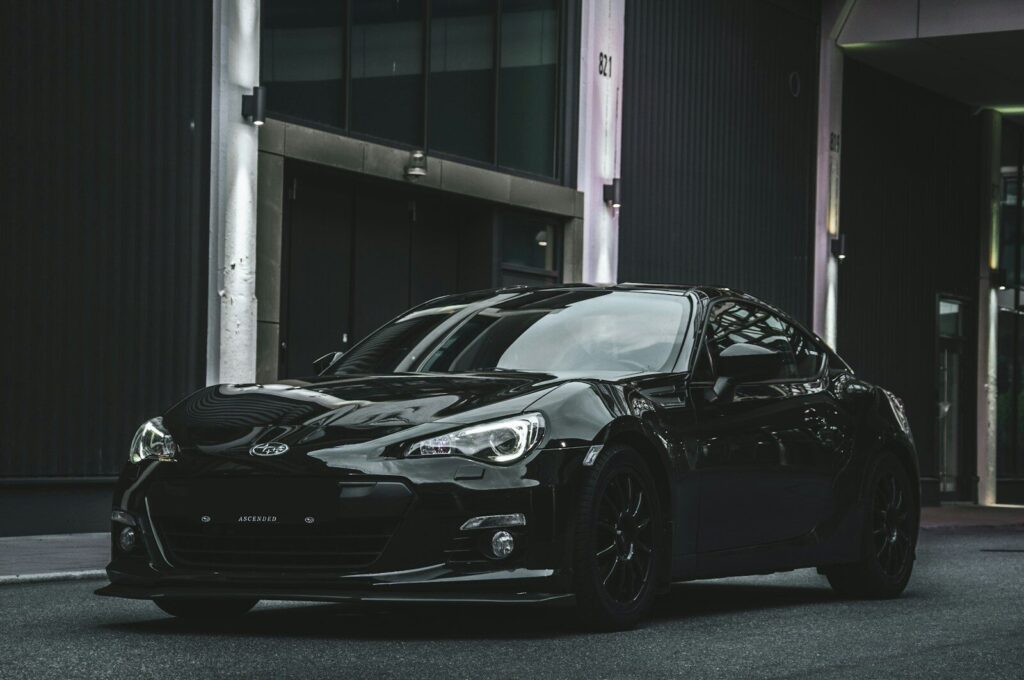
9. Subaru BRZ STI Sport Type RA Targets Track Enthusiasts
A limited edition of the Subaru BRZ is also in the works, based on the exclusively sold STI Sport Type RA in Japan. RA stands for “Record Attempt,” and just 300 will be built. It will include a package that adds underbody aero enhancements along with Brembo brakes, ZF dampers, cooling fins for the differentials, forged STI BBS aluminum wheels, chassis enhancements, and an upgraded exhaust. Subaru Tecnica International also blueprinted the track-capable motor while a lighter clutch and flywheel ensured the engine has an even freer revving tendency. These items separate the RA from a stock BRZ and highlight its tunnel vision towards the track. We are eagerly awaiting details of whether Subaru of America will import this version, or something that includes its chassis bits.
BRZ STI Sport Type RA Features:
- Limited production totals 300 units.
- Underbody aero improves track preparation.
- Brembo brakes support performance driving.
- Lighter clutch improves engine response.
- Forged wheels reduce rotating weight.
Even if the special STI Sport Type RA doesn’t make it to American showrooms, the regular Subaru BRZ already delivers a traditional manual experience. Its 228-horsepower 2.4-liter flat-four is available with a six-speed manual, which gives drivers a clutch pedal to work with and no limited-edition model required to get a traditional transmission. As for the Japan-only RA, that shows how Subaru can take a perfectly good sports coupe and add special chassis, cooling, braking, and drivetrain upgrades, with the lighter clutch and flywheel making them especially relevant for those who value response and driver engagement. Whether American buyers ever get the full special edition, or just a package of racing-styled sheet metal, we’re still not sure, but the BRZ’s second generation is already a good start for manual performance cars.
10. Manual Transmissions Continue to Have a Future Among Enthusiasts
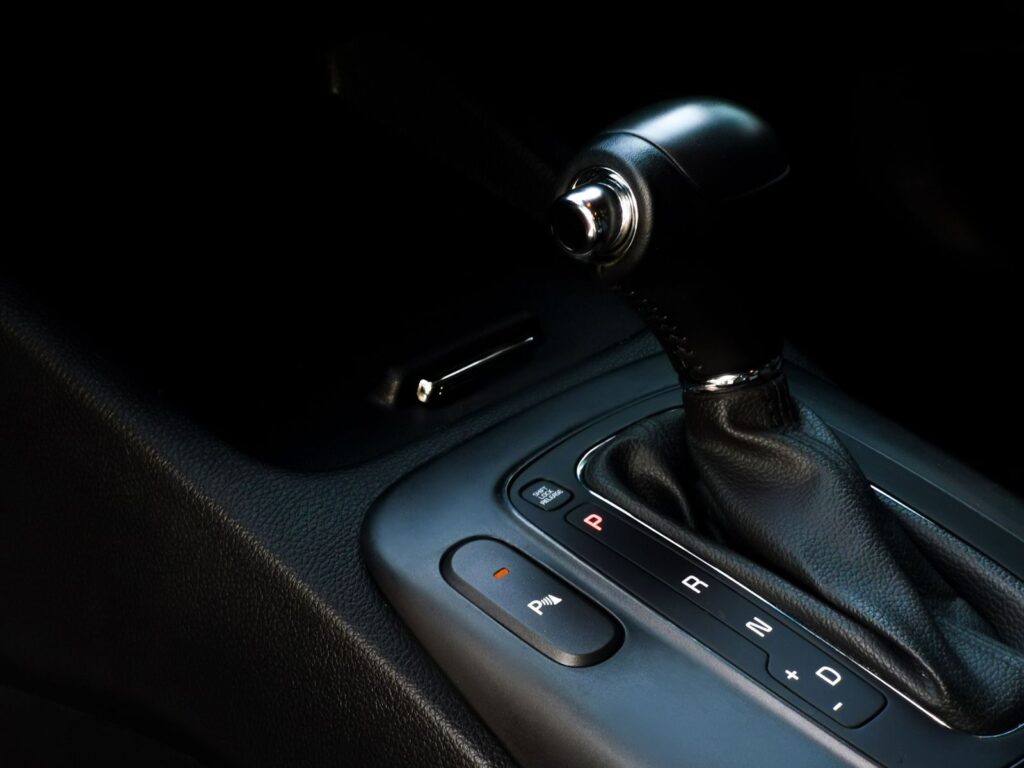
These future performance cars from Porsche, Nissan, BMW, and Subaru prove that the manual is still more than a nostalgic throwback. Automakers are still willing to put engineering resources into six-speed transmissions, upgraded clutches, shorter shifter throws, and lighter flywheels to cater to the enthusiast who wants to control each gear change. And they aren’t going to make a bunch of dirty looks to the folks who are buying the Subaru BRZ, Porsche 911 GT3 Touring, and the new Toyota GR Corolla, all of which show remarkably strong manual transmissions, available to the people who want them. For the enthusiasts, shifting each gear is still worth the inconvenience.
The Future of Three-Pedal Driving:
- Manufacturers continue developing manual performance cars.
- Enthusiasts reward engaging driving experiences.
- Upgraded clutches support modern powertrains.
- Lighter flywheels improve engine response.
- Buyer demand helps preserve manuals.
Ultimately, whether or not we’ll have an abundance of manual gearboxes in the future depends in part on owners choosing to spend thousands of dollars on such models when they buy new. The performance models mentioned here are keeping the segment alive simply by offering a handful of solid options, but not trying to rebuild the market for three-pedal performance. BMW is expanding manual transmission availability in a variety of more sophisticated performance cars, Porsche is developing a manual Carrera S, Nissan is responding to clutch pedal pleas for a manual Z NISMO, and Subaru has a handful of other (future) three-pedal performance cars in the works. No matter how you slice it, the premise is the same: a small but persistent base of drivers still wants to link clutch pedal and accelerator pedal and swing through the gears with speed and finesse the raw emotive feel of a clutch pedal that can’t be measured in torque and g-forces.