

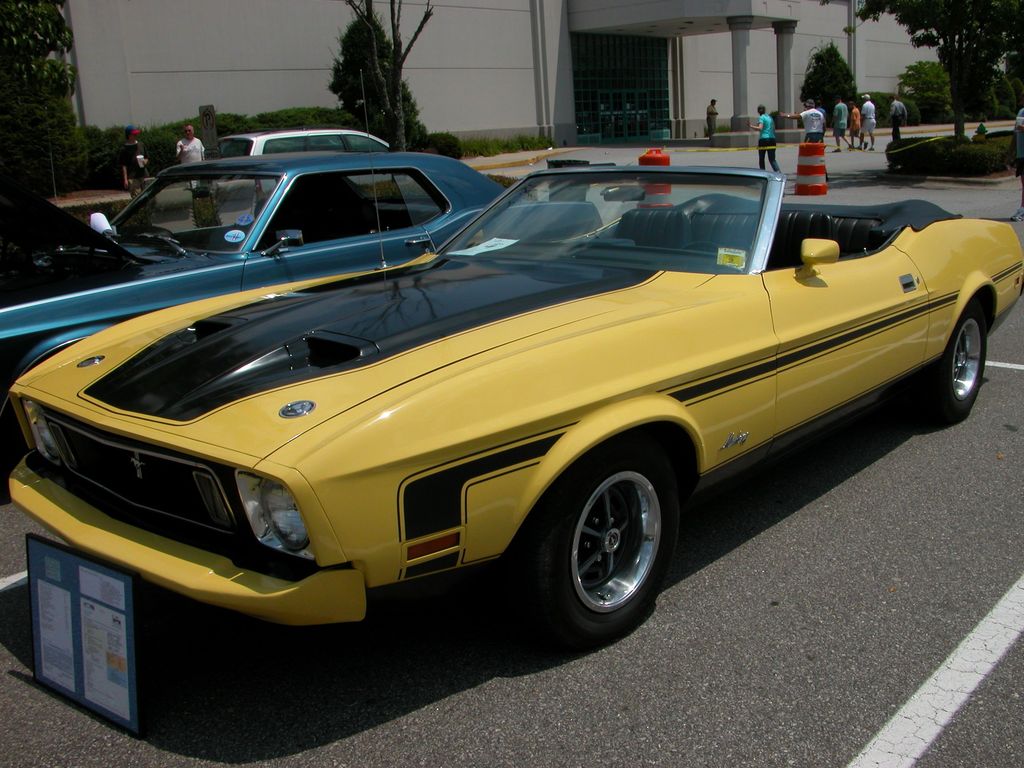
12 Muscle Cars That Were Faster Than a Hemi Cuda
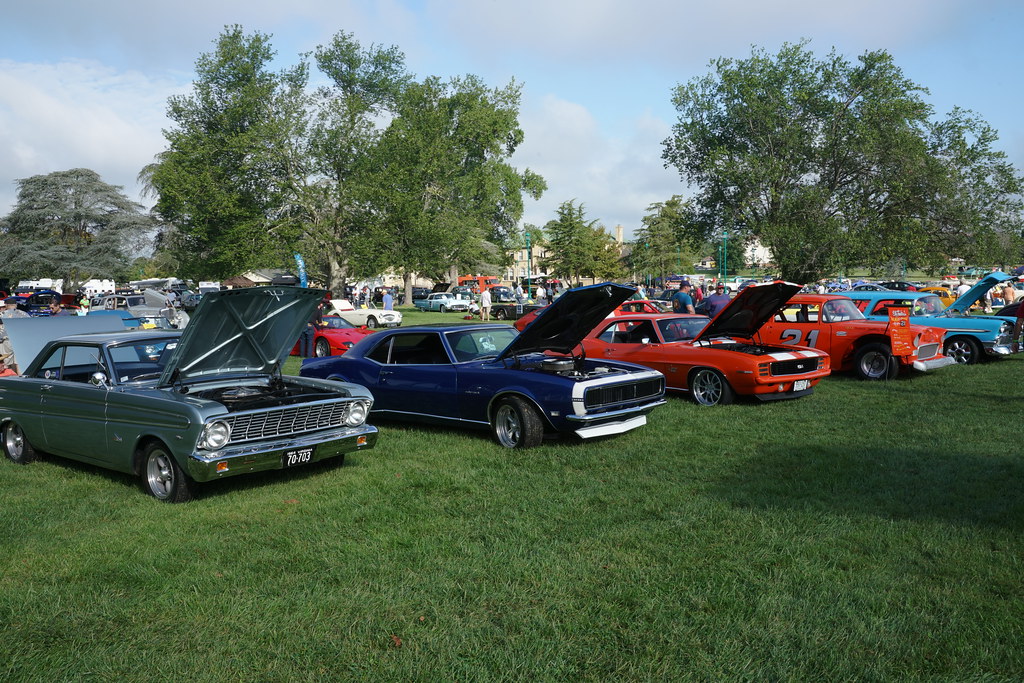
Few vehicles loom larger among vintage U.S. performance models than the Plymouth Hemi Cuda. Decades have passed, yet it still stands out as a dominant force from muscle car history’s peak years. That fierce 426 Hemi V8 under the hood paired with bold looks and undeniable attitude etched its name into legend. Among fans, it wasn’t just another fast machine; comparisons began and ended here. While others chased speed, this one defined what power on pavement truly meant.
That fame? It’s real. Still, the tale of American muscle stretches beyond just a single icon. Around the late Sixties into the Seventies, power ruled everything. Each big car company chased raw speed street dominance mattered most, so they poured effort into innovation. Huge V8s sat under hoods, paired with slim frames, sharp gear ratios, plus tricks borrowed straight from tracks. Out of that mix came machines people still remember clearly.
Out on the track, a handful of machines pushed hard against the legendary Hemi Cuda some winning outright. A few roared into view with big names and louder engines, yet quieter models sneaked up unnoticed. Only later did their speed silence doubters at stoplights and starting lines. Built like limousines but mean when revved, each of these twelve turned heads. Even icons found themselves looking in the rearview now and then.
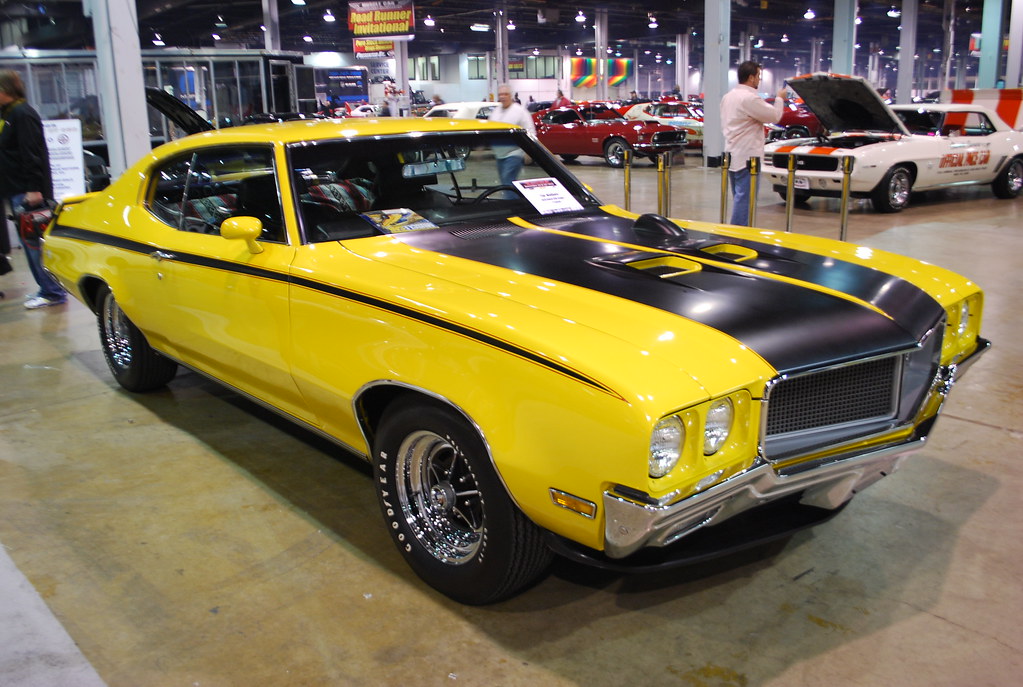
1. 1970 Buick GSX Stage 1
The 1970 Buick GSX Stage 1 appeared unexpectedly, strong and powerful like a heavyweight in a suit. It was not expected to deliver such raw performance from a brand known for comfort and luxury. But it stood out low, loud, and built for speed while still keeping a refined feel. It combined brute strength with elegance in a way few cars did. Its power and style made it unforgettable on the road. Instead of following others, it proved that luxury and performance can exist together. Even today, it is remembered as more than just a car, but as a symbol that rules can be broken when something is truly different.
Key Highlights of the Buick GSX:
- Luxury Meets Raw Power
- Distinctive Exterior Presence
- Engine Built For Dominance
- Instant Torque Explosion
- Legend Of Muscle Era
One reason it was called the “Gentleman’s Muscle Car” was its rare balance of class and raw performance. Unlike many muscle cars, it looked refined and sharp without being loud or overly aggressive. Beneath that calm design, it carried a powerful 455-cubic-inch V8 engine. Officially rated at 360 horsepower, it was widely known for producing about 510 lb-ft of torque, giving instant and forceful acceleration. This strong low-end power made it extremely quick off the line, often dominating at stoplights. It didn’t need high revs just a touch of the pedal delivered serious speed. Even today, the GSX Stage 1 is remembered for combining elegance with brutal strength, proving that performance and sophistication can exist together.
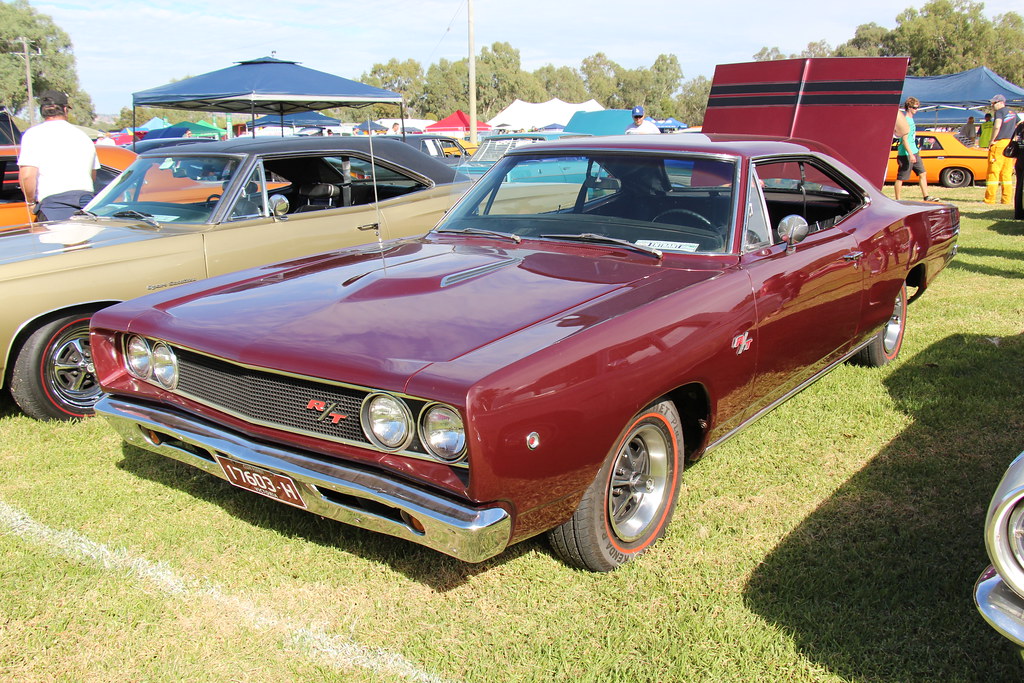
2. 1968 Dodge Dart GTS 440
The 1968 Dodge Dart GTS 440 redefined quiet power with its plain and simple looks hiding serious speed. It looked like an ordinary family sedan, but underneath it carried strong muscle performance. Because of its unassuming design, it often went unnoticed by other drivers. But once it started moving, it quickly left most rivals behind at the green light. Its performance surprised everyone who underestimated it. It proved that true power does not always need a loud or flashy appearance.
Key Strengths of the Dodge Dart GTS 440:
- Classic Sleeper Car Look
- Engine swapped successfully
- Small but very strong
- Built for fast quarter mile runs
- Rare High-Performance Machine
wasn’t just the engine that made the Dart famous; it was Dodge teaming up with Hurst-Campbell to fit a massive 440-cubic-inch V8 into a small body. This tight combination of big power and light weight turned an ordinary-looking sedan into something explosive on the road. Because of its low production around 650 units it became extremely rare and highly valued among muscle car fans. Its lightweight build helped it deliver impressive quarter-mile times in the mid-13-second range, surprising many rivals. Even though it looked simple and quiet, it often outperformed bigger and more expensive cars when the race began. It proved that real speed can hide in the most unexpected places.
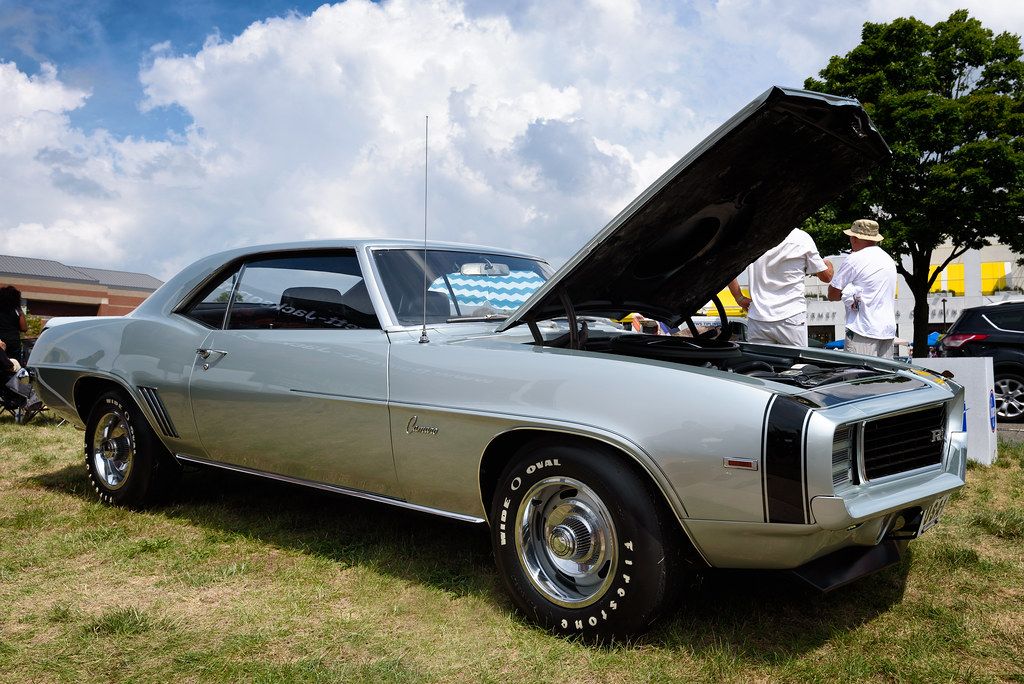
3. 1969 Chevrolet Camaro ZL1
Out of nowhere came the 1969 Chevrolet Camaro ZL1, a beast among muscle machines that blurred lines between track fury and road legality. Though wearing factory paint, it carried the heart of something far wilder than any showroom cruiser. Thanks to Chevy’s backdoor COPO system, this model slipped onto production lines without fanfare or compromise. Built not for cruising but conquering, its mission shaped every bolt and panel. Speed wasn’t just a feature it became the entire reason for being. Lightweight bones helped, yet raw power stole the spotlight under the hood. Because everything added served velocity first. Out of nowhere, Chevrolet built something wild the ZL1 something too fast for regular streets yet tame enough to drive on them. With power that hits hard and a look that dares you to blink, it stood apart right away. Only a few were made, which helped it grow legendary without trying. Even now, fans who live for big engines talk about this one like it’s more than metal and rubber.
Performance features of the Camaro ZL1:
- Race-Bred Street Machine
- Ultra-Rare Production Numbers
- Legendary COPO Engineering
- Massive Aluminum V8 Power
- Drag Strip Dominator
The Camaro ZL1 became famous mainly because of its extreme rarity, with only 69 units ever built. This made it highly desirable and almost impossible to find. Its reputation spread quickly, turning it into something people talked about and dreamed of owning rather than actually seeing. Inside, it had a powerful all-aluminum 427-cubic-inch V8 engine, officially rated at 430 horsepower but widely believed to produce over 500. The lighter aluminum engine helped improve speed and acceleration, giving it explosive performance on straight roads. It delivered instant, aggressive power that most cars of its time couldn’t match. Over time, it became a legend in muscle car history, valued for both rarity and raw strength.
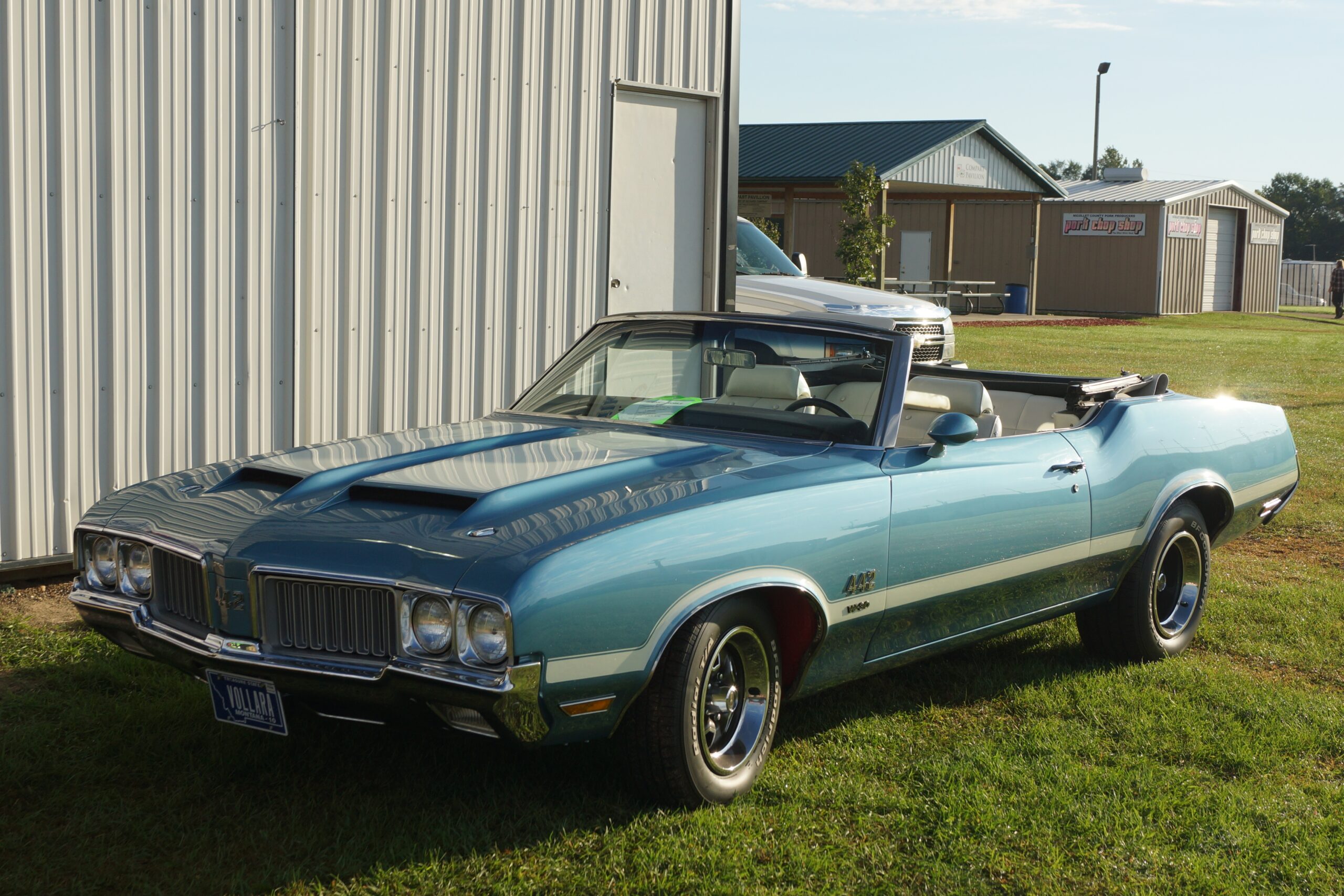
4. 1970 Oldsmobile 442 W-30
Smooth highways met brute force under the hood of the 1970 Oldsmobile 442 W-30, where comfort didn’t vanish just because horsepower rose. Instead of sacrificing ease for speed, this model walked the line like few others tame when needed, wild when asked. Similar in spirit to the famed Buick GSX, it carried real-world usability without diluting what mattered beneath the sheet metal. Drivers searching for punchy takeoffs found them easily, though they could also cruise quietly through suburbs if desired. What set it apart wasn’t only muscle it behaved itself until pushed hard, then revealed hidden claws. With little effort, it flipped from calm cruiser to roaring challenger on command. That quiet confidence earned deep respect back then; today, fans still point to it as proof performance can stay polished.
442 W 30 Key Features:
- Refined Muscle Car Character
- Powerful Rocket V8 Engine
- Performance-Focused W-30 Package
- Comfort With Aggression
- Built For Street Dominance
The W-30 package turned the Oldsmobile 442 into a sharper, more focused muscle car with precise performance upgrades. Instead of just increasing horsepower, it improved how power was delivered, making acceleration feel tighter and more responsive. At its heart was the 455-cubic-inch Rocket V8, known for strong low-end torque and quick reaction off idle. Smarter airflow and cooling improvements helped the engine breathe better and perform more efficiently under pressure. Combined with features like a fiberglass hood and Hurst shifter, it balanced raw power with control and drivability. This mix of refinement and strength gave the 442 W-30 a unique edge among muscle cars of its era.
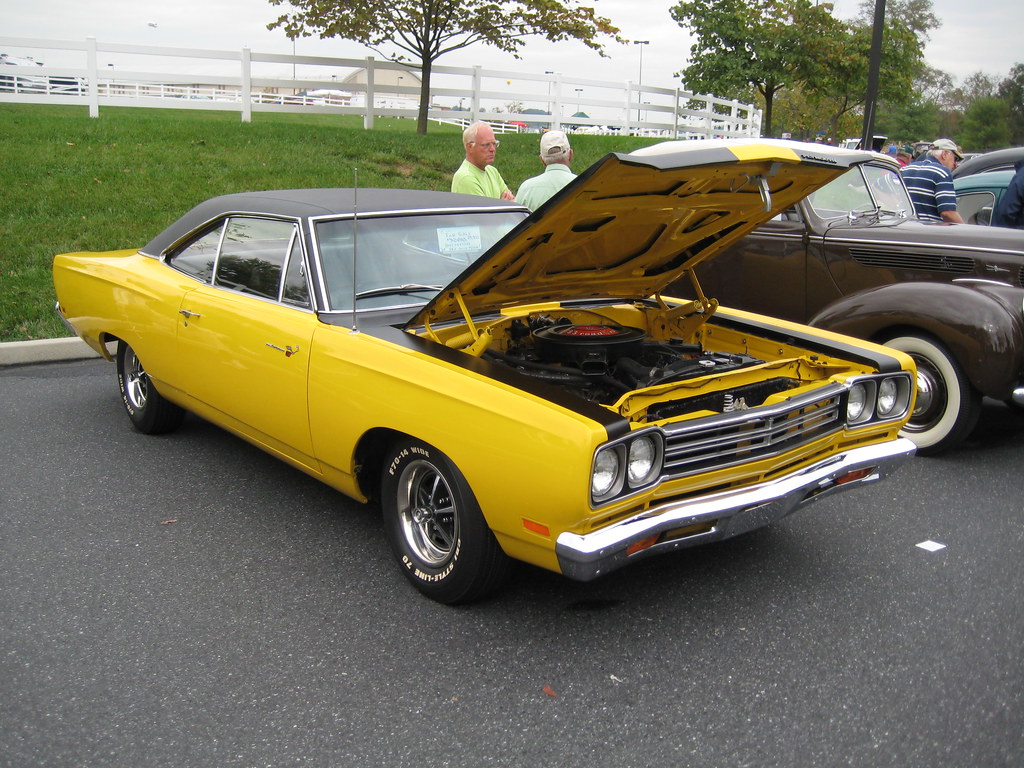
5. 1969 Plymouth Road Runner 440 Six Pack
Back in 1969, those wanting raw muscle but not the high cost found their answer in the Plymouth Road Runner 440 Six Pack. Instead of chasing the famous Hemi engine, many went for this one because it offered serious punch without draining the wallet. Because affordability mattered just as much as horsepower, Plymouth built something fierce yet within reach. Drivers who cared less about comfort and more about straight-line rush leaned hard into this model. With zero interest in fancy trim or soft touches, its design shouted only one thing go fast. That single-minded drive is what turned heads and filled driveways. Out on the streets, its bare-bones punch won over speed lovers fast. Not quite a Hemi, yet close enough to thrill without draining wallets this beast showed power did not need polish. Cheap thrills? It delivered. Muscle never felt so within reach.
Road Runner Key Strengths:
- Affordable High-Performance Option
- Legendary Six Pack Engine
- Explosive Straight-Line Speed
- Track-Focused Performance Upgrades
- Street Racing Icon Status
The 1969 Road Runner A12 featured the famous 440 Six Pack engine, fed by three two-barrel carburetors that delivered strong fuel and air flow. This setup produced around 390 horsepower, giving the car brutal straight-line acceleration. Plymouth focused on simplicity, keeping the design barebones so all power went directly to performance. The A12 package added a fiberglass hood and upgraded suspension to improve airflow and launching ability. It wasn’t about luxury or flash, but raw, purposeful speed built for serious performance. This honest, no-frills engineering helped the Road Runner A12 earn its lasting muscle car legend.
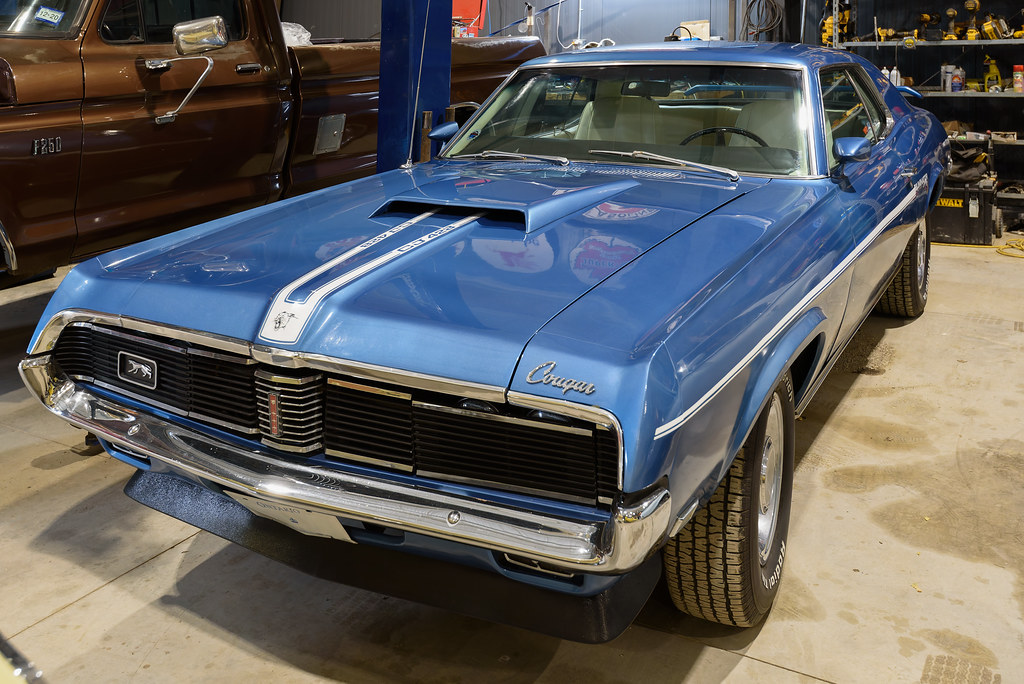
6. 1969 Mercury Cougar Eliminator 428 cj
Back in 1969, the Mercury Cougar Eliminator 428CJ showed the world it wasn’t merely a fancy version of the Mustang. While many fans spent years ignoring the Cougar, too busy chasing after Ford’s famous pony car, others began noticing something different about this model. Suddenly, thanks to the new Eliminator trim, things shifted in an unexpected direction. With sharper power under the hood, Mercury turned heads making clear that this ride belonged in the same arena as America’s top muscle machines. Confidence shaped its performance, not just raw force, giving the Cougar Eliminator a distinct edge. Style met strength in a way few rivals managed, standing out without shouting. Sophistication rode alongside speed, making it feel different behind the wheel. Presence came quietly, yet nobody missed it on the road.
Cougar Eliminator Key Features:
- Mustang’s Powerful Rival Emerges
- Refined Yet Aggressive Design
- Cobra Jet V8 Strength
- Drag Pak Performance Boost
- Rare Collector’s Dream
The Mercury Cougar Eliminator blended soft luxury styling with raw muscle car performance, giving it a unique balance. Unlike louder competitors, it kept a smooth and confident look with sleek curves and subtle racing touches. Underneath, it carried a powerful 428 Cobra Jet V8 engine, officially rated at 335 horsepower but likely much stronger in reality. This engine delivered quick launches and strong acceleration, especially with optional Drag Pak gearing for sharper performance. It could compete with larger muscle cars, proving its strength both on streets and the drag strip. Today, its rarity and performance make it a highly respected classic among collectors.
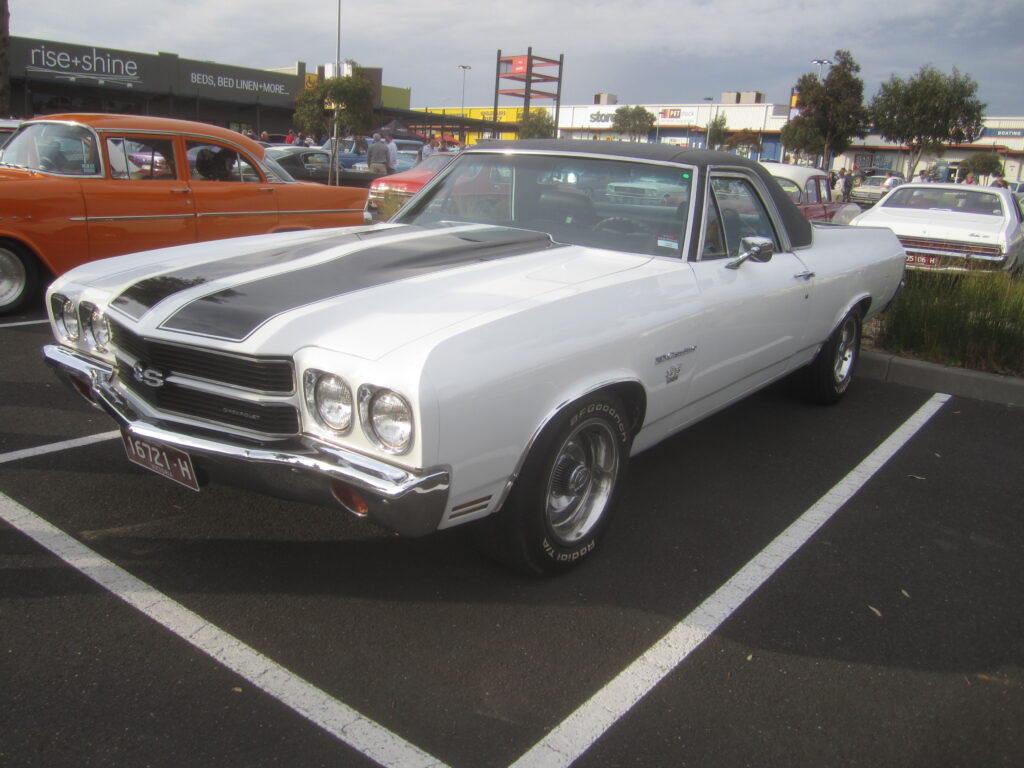
7. 1970 Chevrolet Chevelle SS 454 LS6
One look at the 1970 Chevrolet Chevelle SS 454 LS6 made clear what it was meant to do crush speed with brute force. Rather than sneak up quietly, this car announced itself loud, bold, impossible to ignore. Its wide frame sat low like it was ready to pounce, not parade. Sound poured from under the hood like something alive, restless. Chevrolet didn’t soften edges here; they sharpened them, aiming for those who cared only about how fast they could go. No tricks needed the strength showed plainly in every line and roar. Power wasn’t just added, it was built into the bones of the thing. Drivers drawn to pure intensity found exactly what they were after. These days, car lovers still see it as a top example of American muscle during its strongest years. Right from the start, it became known among the scariest street cars of the early Seventies.
Chevelle LS6 Key Features:
- Built For Pure Power
- Massive Big-Block Engine
- Aggressive Street Presence
- Dominant Straight-Line Speed
- Muscle Car Icon Status
The 1970 Chevelle SS 454 LS6 came with Chevy’s massive 454 V8 engine, producing around 450 horsepower and extreme torque. It was built purely for raw performance instead of comfort or refinement. When the throttle was pressed, it delivered instant, violent acceleration that pushed passengers back. Its relatively light body helped the engine perform even better in straight-line runs. Although it wasn’t designed for sharp handling, it dominated through pure brute force. It became a legend for its unstoppable power and road presence.
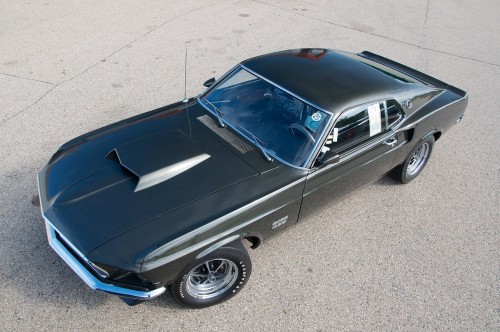
8. 1969 Ford Mustang Boss 429
Out of nowhere, the 1969 Ford Mustang Boss 429 showed up like a muscle car built for something bigger. Instead of chasing looks or comfort, this one chased checkered flags. Behind its wide hood sat a giant 429-cubic-inch engine Ford needed it in a regular production model just to qualify for NASCAR races. Since rules demanded real cars on showroom floors, engineers stuffed that beast into the Mustang body. That twist meant serious upgrades under the skin, stuff most models never got. While others played at speed, this version lived there. Its bones were shaped by track needs, not trends. Even standing still, it felt ready to break loose. Not because it wanted attention but because racing wrote its blueprint first. Out back, the Boss 429 stood apart built not just for show but shaped by speed. Among vintage Mustangs, few have earned such quiet admiration; its presence lingers like exhaust in still air.
Boss 429 Key Features:
- Built For NASCAR Glory
- Massive Engine Integration
- Advanced Engineering Effort
- Underrated Power Output
- Iconic Mustang Legacy
What stands out about the Boss 429 is how tightly packed everything was under its hood, with the massive 429 engine barely fitting into the engine bay. Ford had to rebuild parts of the frame, including reshaping shock towers and moving suspension components to make it work. These weren’t small tweaks but major engineering changes focused on performance over convenience. It showed how serious Ford was about fitting big power into a compact space. Although Ford officially rated it at 375 horsepower, many believe it produced much more in real conditions. The engine delivered strong, instant power that felt even greater on the road. Because it was rare and extremely well engineered, it quickly gained legendary status. Even today, the Boss 429 is remembered as a bold, powerful Mustang built with pure focus on speed and strength.
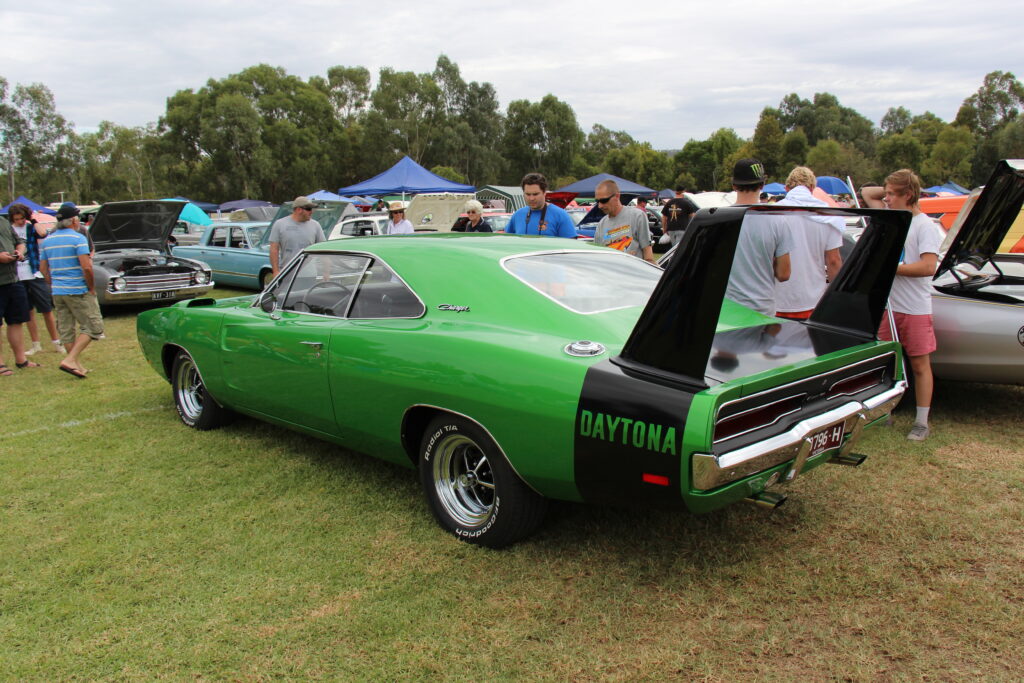
9. 1969 Dodge Charger Daytona 426 Hemi
At the front, the long pointed nose was designed to slice through air more efficiently than anything seen at the time. It wasn’t just a loud American coupe, but a carefully engineered machine built for high-speed stability. Every curve and shape was made to reduce drag and improve performance on fast tracks. The large rear spoiler, though unusual in appearance, kept the car stable by adding downforce at extreme speeds. Under the hood, it carried the powerful 426-cubic-inch Hemi V8, delivering massive horsepower without hesitation. Unlike many muscle cars focused only on brute force, this one was built around aerodynamics and racing efficiency. Even the smallest design choices followed a clear purpose: performance over appearance. Its extreme look made it stand out, but every feature existed to win races and push speed limits of its era.
Daytona Key Performance Traits:
- Built For NASCAR Dominance
- Radical Aerodynamic Engineering
- High-Speed Stability Advantage
- Historic Speed Achievement
- Rare Mopar Masterpiece
The Charger Daytona was more than just a muscle car it was shaped specifically to cut through air efficiently. Its long pointed nose helped reduce drag, while the massive rear wing kept it stable by pressing the rear tires down at high speed. Unlike most muscle cars that struggled with lift, the Daytona stayed planted thanks to its advanced aerodynamic design. These improvements helped it perform better on high-speed oval tracks without needing extra engine power. It brought race-focused technology into a street-legal car, proving that design mattered as much as raw horsepower. Under the hood, it carried the powerful 426 Hemi V8, built for extreme performance. In racing, it even broke the 200 mph barrier and became the first factory car to do so. With only 503 street versions made, it remains one of the rarest and most iconic Mopar machines ever built.
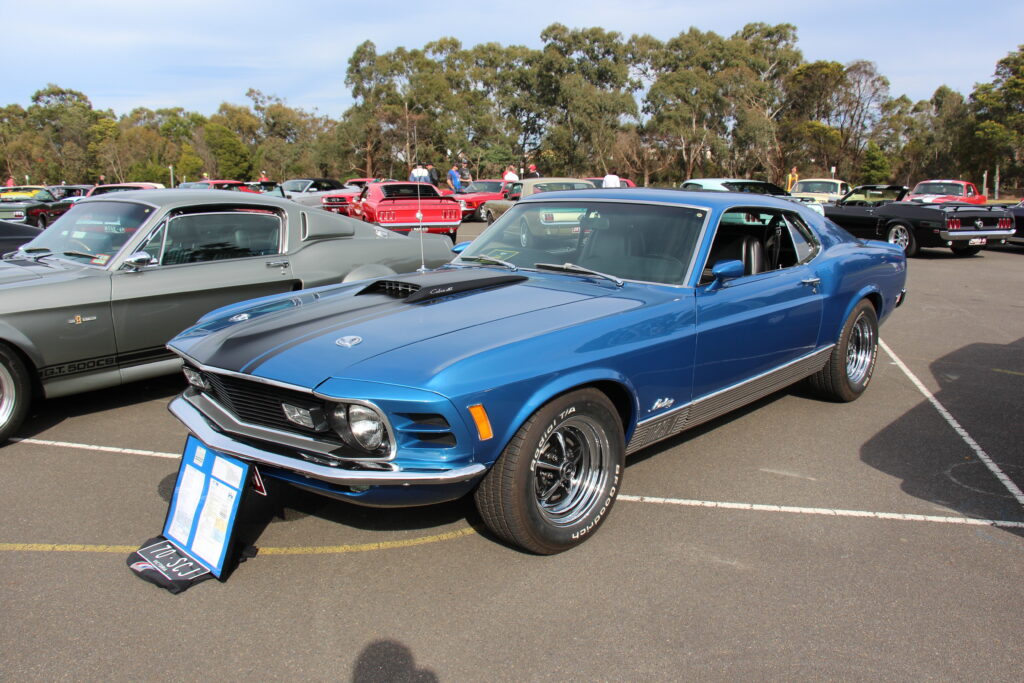
10. 1970 Ford Torino Cobra 429 SCJ
Though everyone talks about the classic Ford Mustang, the 1970 Torino Cobra 429 SCJ flew under the radar despite packing just as much fire. Back then, when magazines filled their covers with Mustangs, the Torino worked hard without applause. Bigger than the pony car, bulkier too, yet it moved like something twice as angry. Built tough on purpose, it roared down strips with weight behind every lunge. Under that hood sat fury crafted not for show, but raw shove off the line. Its shape crouched low, wide, mean, shouting strength without saying a word. While others danced in spotlights, this one simply did what heavy metal does best. Out front, it carried itself like trouble. Big engines roared under the hood, ready to push speed without asking twice. Instead of shrinking down, this one leaned into its bulk, moving fast despite the heft. Muscle wasn’t just for small frames anymore proof rolled on wide tires and a long nose pointed forward. Power lived up top, where heavy metal met quick motion.
Torino Cobra Key Strengths:
- Overshadowed By Mustang Fame
- Massive Big-Block Performance
- Impressive Straight-Line Speed
- Drag Pack Advantage
- Ford’s Hidden Powerhouse
Right in the middle of the Torino Cobra sat the 429 Super Cobra Jet V8, a powerful engine built for raw speed and hard acceleration. Because of this big motor, it could go from 0 to 60 mph in under six seconds, which was very fast even by today’s standards. Despite its heavy size, the car delivered strong and quick bursts of power without struggle. The Super Cobra Jet was built with reinforced parts to handle tough performance use. From standing start to quarter-mile runs, it launched hard and kept pulling with force. It felt quicker than its weight suggested, almost like a lighter car. The optional Drag Pack made it even stronger on drag strips with better traction and faster runs. This helped it compete with top muscle cars of its time and earn quiet respect among enthusiasts.
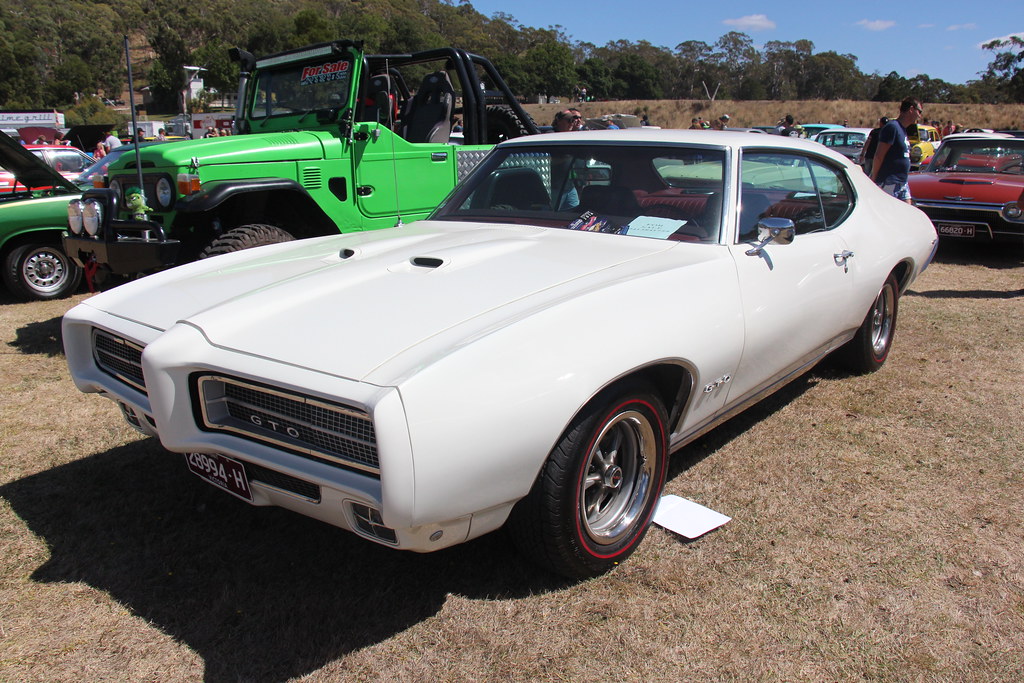
11. 1969 Pontiac GTO Judge Ram Air IV
Back in 1969, the Pontiac GTO Judge Ram Air IV hit the road as a raw display of power when muscle cars were battling hard for dominance. Though the GTO was already legendary by that point known widely as a pioneer of its class it kept evolving. Pontiac saw drivers craving extra punch, sharper presence, exclusivity baked into every panel. Because of that hunger, they built the Ram Air IV variant not just tweaked but transformed for those who cared only about full-throttle intensity. Out of nowhere, it took the GTO’s fearless attitude and mixed in track-tuned mechanics, creating something loud on city streets yet sharp when pushed hard. Right off the bat, people saw this version as a standout wild to look at but built to back up every claim.
GTO Judge Key Features:
- Ultimate Pontiac Performance Package
- Aggressive Judge Styling
- High-Revving Ram Air Power
- Exceptional Collector Rarity
- Legend Among Muscle Cars
Right from the start, what made the Judge Ram Air IV stand out wasn’t just its speed but its bold, attention-grabbing design. Pontiac added bright graphics, thick stripes, a rear wing, and unique badges that made it impossible to confuse with a regular GTO. It didn’t try to be subtle instead, it was loud, flashy, and built to stand out from every angle. The design matched its performance-focused purpose and made it look as fast as it actually was. Under the hood, it had the 400-cubic-inch Ram Air IV V8, known for strong airflow, quick response, and explosive acceleration. This engine helped the car deliver serious performance on both streets and tracks. Because only a very small number were built, especially the rare Ram Air IV versions, it became highly valuable over time. Today, it is respected for both its bold looks and rare, powerful engineering.
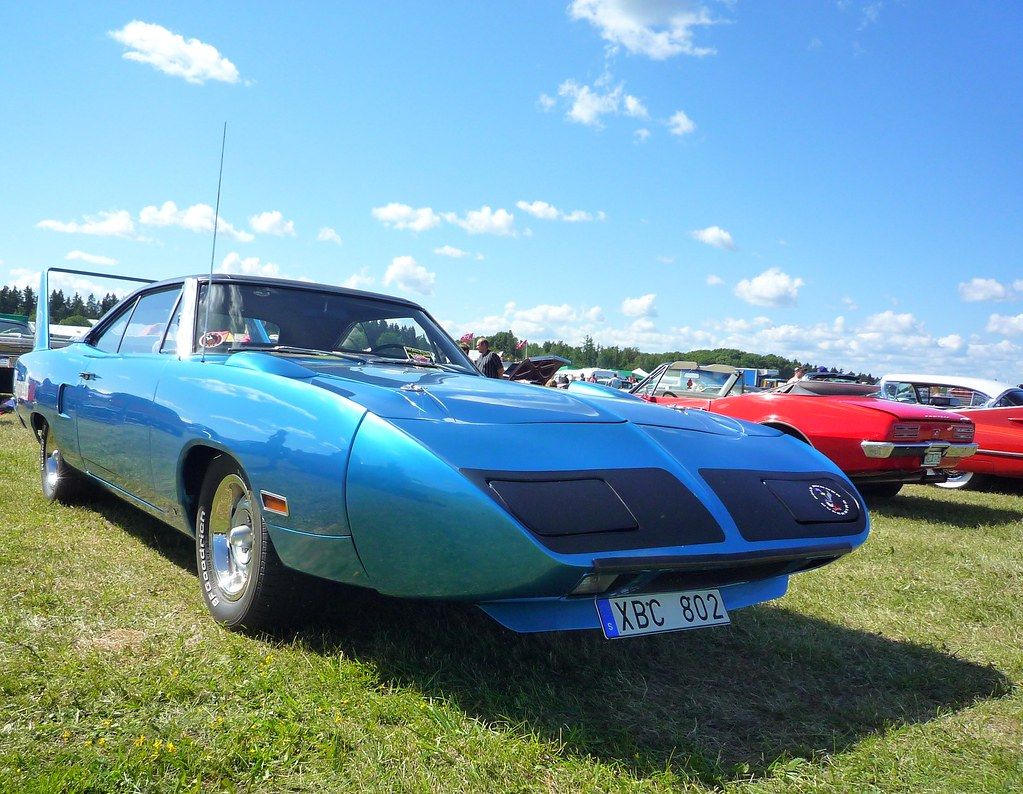
12. 1970 Plymouth Superbird 440 Six Pack
Outrageous. That’s what comes to mind with the 1970 Plymouth Superbird 440 Six Pack a standout even among the wild machines of America’s peak muscle car years. Built only to win at NASCAR, it tore up old ideas about how cars should look, arriving with a shape too bold to miss. Not one curve or wing added just for show Plymouth made sure each odd feature had a job, tied directly to speed. While others chased brute horsepower and tough appearances, this one went different, betting big on smooth airflow instead. Out of nowhere, its wild shape seemed like something from tomorrow, setting it apart from anything else rolling down the highway. Still today, after so many years, the Superbird stands as proof of daring mechanics, unchecked creativity, because speed wasn’t just a goal it rewrote how muscle cars would be seen from then on.
Superbird Key Highlights:
- Built For NASCAR Glory
- Aerodynamic Design Revolution
- Unmatched High-Speed Stability
- Powerful Six Pack Engine
- Rare Collector Masterpiece
The Plymouth Superbird was unlike anything else on the road, with a long aerodynamic nose designed to cut through air efficiently. Its most striking feature was the tall rear wing, built not for style but for real downforce at high speeds. This design helped it stay stable on NASCAR ovals, where airflow played a major role in winning races. While other cars struggled with lift, the Superbird stayed planted and controlled through fast corners. On the street version, the 440 Six Pack V8 with triple carburetors delivered strong, rapid power that matched its aggressive design. It proved the car was not just for looks but also serious performance. Its racing success, especially with Richard Petty’s victories, made it legendary in motorsport history. With fewer than 2,000 units built, its rarity adds even more value today.