




Mazda’s Radical Six-Stroke Engine Creates Its Own Hydrogen Fuel
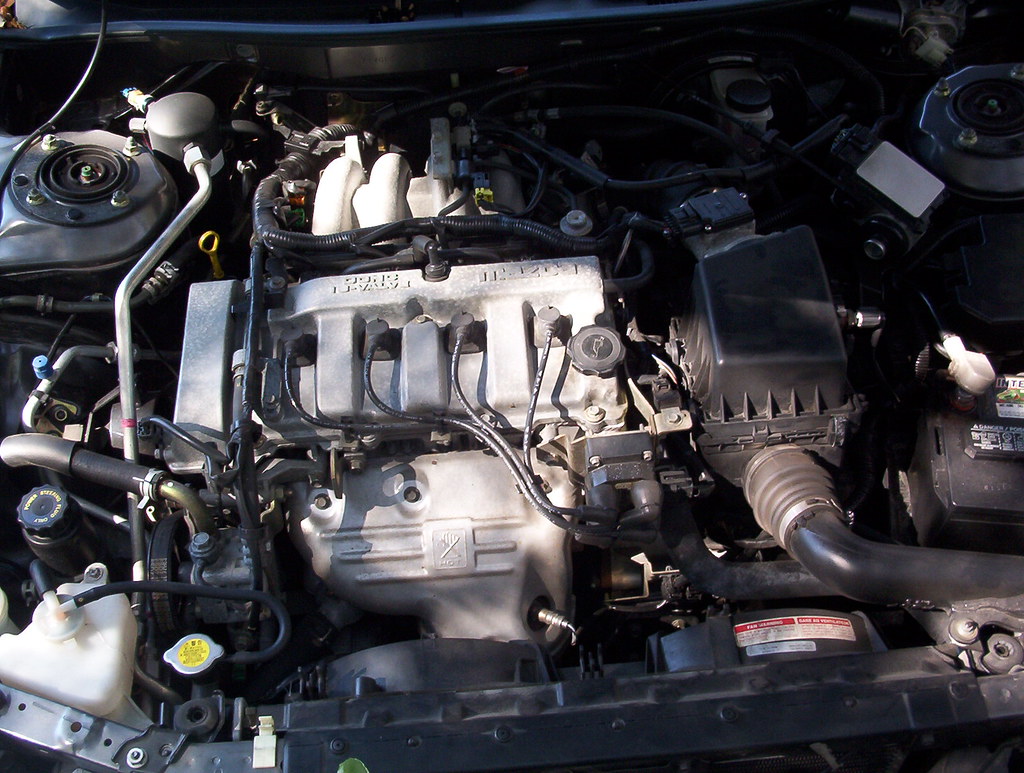
The car world is going through a change. Electric cars are not an idea anymore they are what most car companies are focusing on. A lot of money is being spent on batteries charging stations and clean energy. This is changing how we think about transportation. In this change the old type of engine is seen as something that is no longer needed something that was good but is now being replaced.
The truth is, the people who design cars are still working hard on the old engine. Even as electric cars become more popular the old engine is still being improved in interesting ways. Car companies are not just giving up on it they are still trying to make it better to make it use fuel and produce fewer bad things. This is where Mazda comes in with an idea that makes us think about what the old engine can still do.
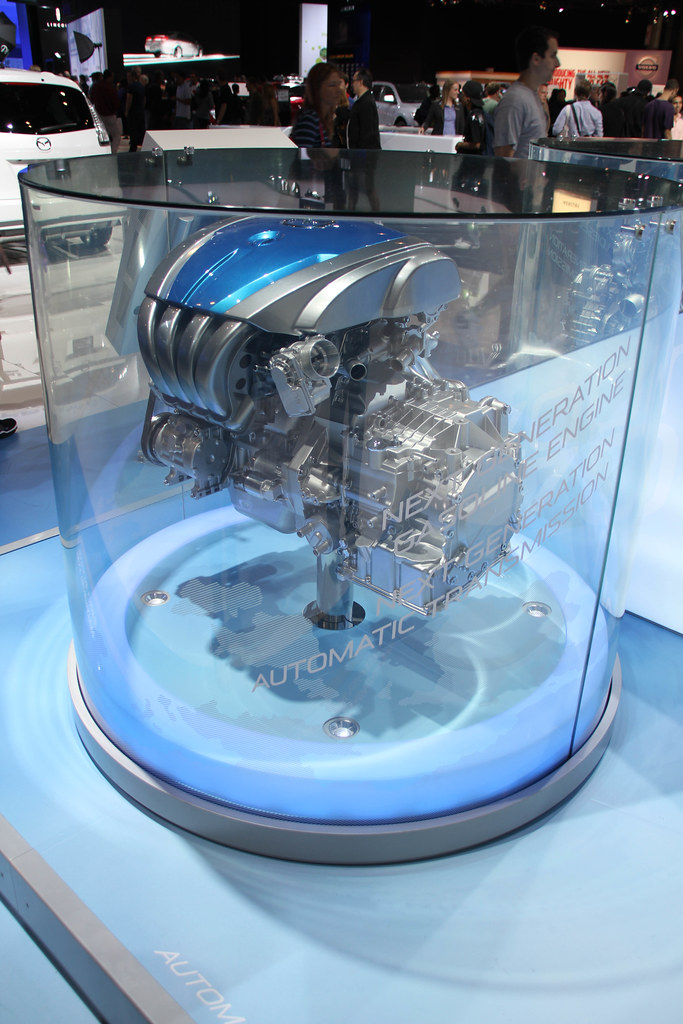
Mazda has always done things a little differently. While other companies were only working on the type of engine or switching to hybrid cars Mazda was trying new things. They have a history of trying engine ideas like the rotary engine and they are not afraid to think outside the box. The idea of an engine that can make hydrogen inside itself is an exciting idea from Mazda it is a mix of creativity and technical skill that feels new and thoughtful. Mazda is still working on the engine and they are coming up with new ideas, like the six-stroke engine that show they are committed, to making the old engine better.
1. Mazdas Engineering Mindset and Different Approach
From the start, Mazda shaped its name by chasing tough engineering puzzles others usually skip. Rather than copy what everyone else does, the automaker dives into oddball tech and fresh design thinking. Take the rotary engine famous for being small yet delivering silky performance. Still, it demanded constant tweaks to fix issues around fuel use and long-term trustworthiness. Sticking with hard paths like these? That’s exactly how Mazda shows who they really are under the hood.
Mazda Engineering Essentials:
- Focus on unconventional engineering solutions
- Commitment to long-term technology refinement
- Development of rotary engine innovation
- Continuous improvement of combustion systems
- Resistance to purely trend-based design
Still holding tight to their way of thinking, Mazda hasn’t let electric trends erase its path. Instead of ditching gas engines completely, they’ve kept refining them step by step. Getting more out of what already exists drives their choices every time. Slow upgrades beat sudden swaps in how they see progress. Building patiently on proven ideas matters more than chasing quick fixes.
Step by step, the six-stroke hydrogen idea takes shape within this mindset. Not a sudden leap, but part of a longer journey into smarter burning and better energy use. Rather than tossing aside what came before, Mazda leans on known capabilities. Because of that foundation, bold experiments seem like natural next moves. You see it clearly limits get stretched without losing touch with core craftsmanship.
2. The Weight of Car Electrification
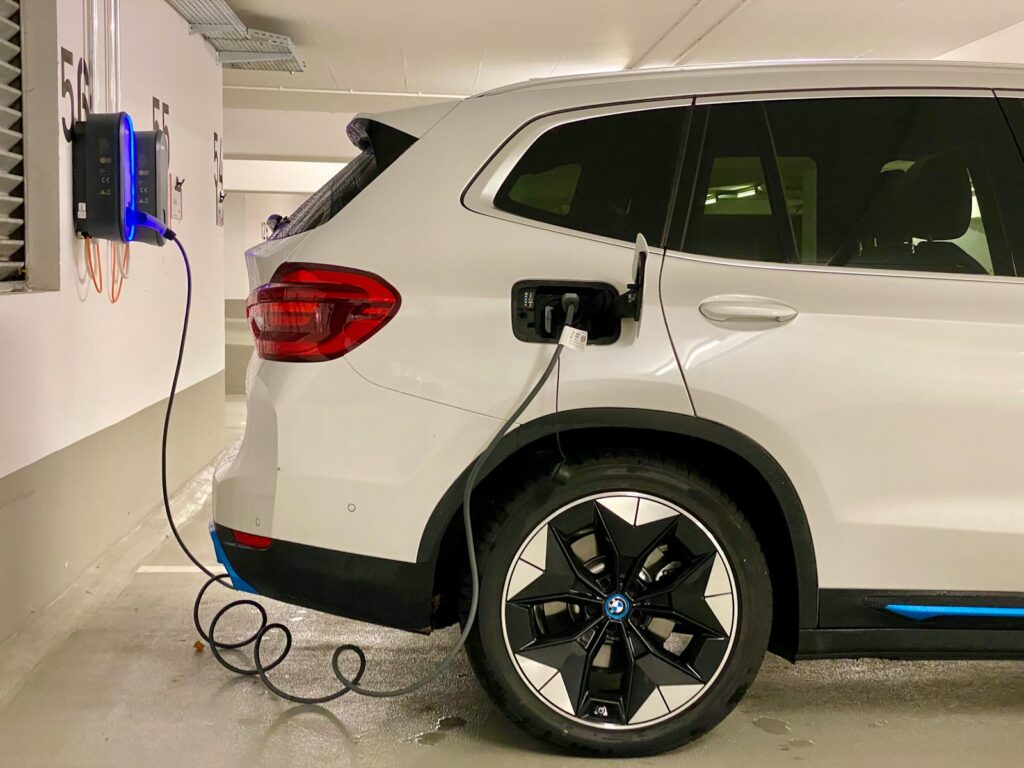
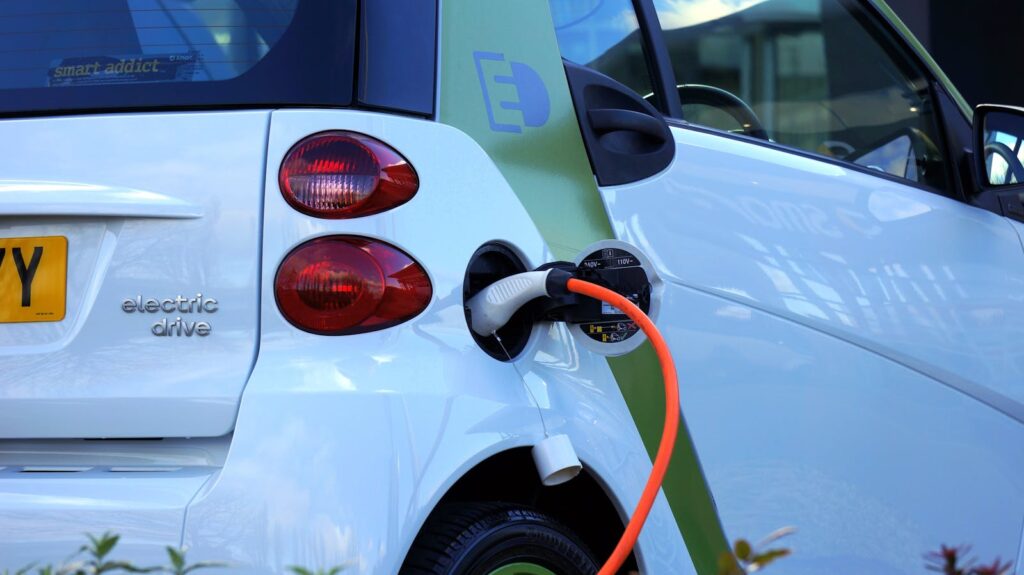
One reason cars that plug in are spreading fast? The planet needs help. Officials around the world team up with car makers both aiming lower at pollution levels. These vehicles run clean where it counts: no smoke comes out while driving, also less oil gets burned. Powering transport without gas is now the main path forward. Still, switching over brings more hurdles than expected.
Key Challenges in EV Transition:
- Uneven charging infrastructure development
- Electricity not always fully clean
- Long battery charging times
- High cost of battery production
- Limited global accessibility in regions
Even with clear benefits, electric cars aren’t always convenient everywhere. Where you live can mean fewer charging spots that uneven spread makes using them harder. Sometimes the power going into those batteries isn’t clean at all. Making each battery takes a lot of materials plus tricky manufacturing steps. All these pieces together make widespread switchovers take longer.
Charging takes far longer than filling up a gas tank, which remains a big hurdle. Even though electric cars keep getting better, progress moves slowly. Swapping old engines for batteries isn’t a quick fix. Instead of one answer winning out, different approaches will share space over time.
3. Hydrogen versus Electric Cars Different Challenges
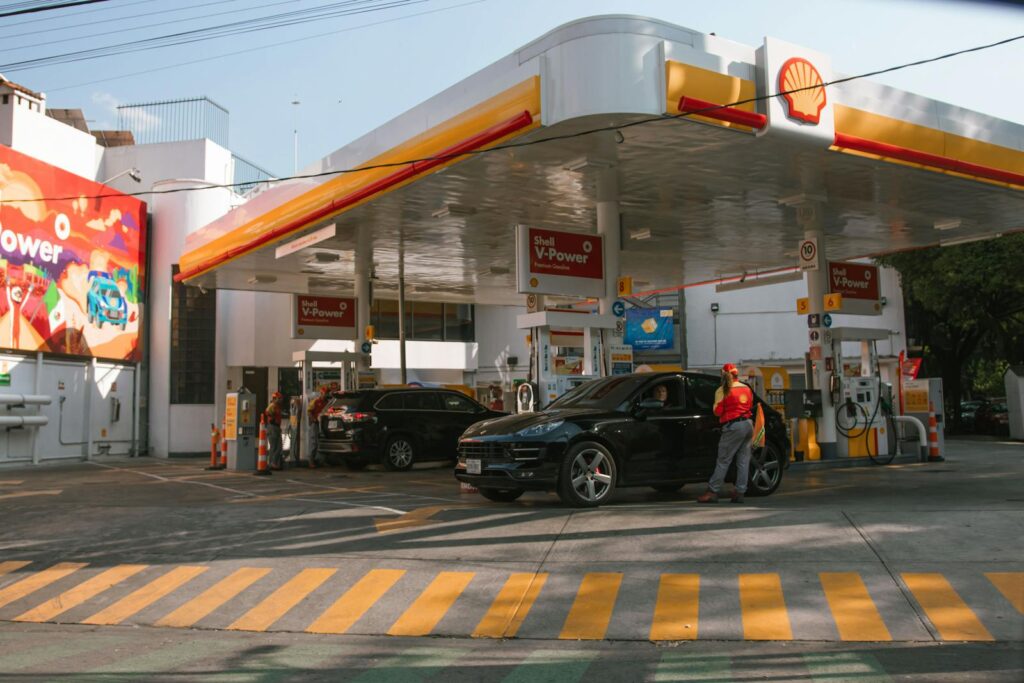
Cars that run on hydrogen fuel cells sometimes appear to offer a strong option alongside gas-powered and battery-driven models. Water vapor comes out when they operate, so emissions at street level stay harmless. Refilling their tanks takes little time, much like filling up a regular car today. Even with those pluses, hurdles stand in the way of everyday use. Real barriers remain unsolved. Growth across markets has hit slow motion because of it.
Hydrogen Mobility System Challenges:
- Limited hydrogen refueling infrastructure
- High cost of distribution networks
- Complex storage requirements
- Need for high-pressure fuel tanks
- Difficult large-scale production systems
Most people cannot use hydrogen cars because places to refill them are rare. Gas stations and EV chargers exist almost everywhere, but spots offering hydrogen fuel hardly do building new ones costs a fortune. Because of that gap, regular drivers hesitate to switch. Good performance means little when the network around it stays weak. Without widespread access, only small areas try these vehicles through test projects.
Under high pressure, storage turns tricky hydrogen demands tough containers that raise expenses and design hurdles. Because of this stress, materials wear faster, safety risks climb. Equipment lasts shorter when constantly pushed to its limit. Big rollout plans stumble, despite clever lab results. Inside the car, Mazda makes hydrogen on demand, drawing from regular fuel already available. No outside network needed at all.
4. The Core Idea A Self Generating Hydrogen Engine
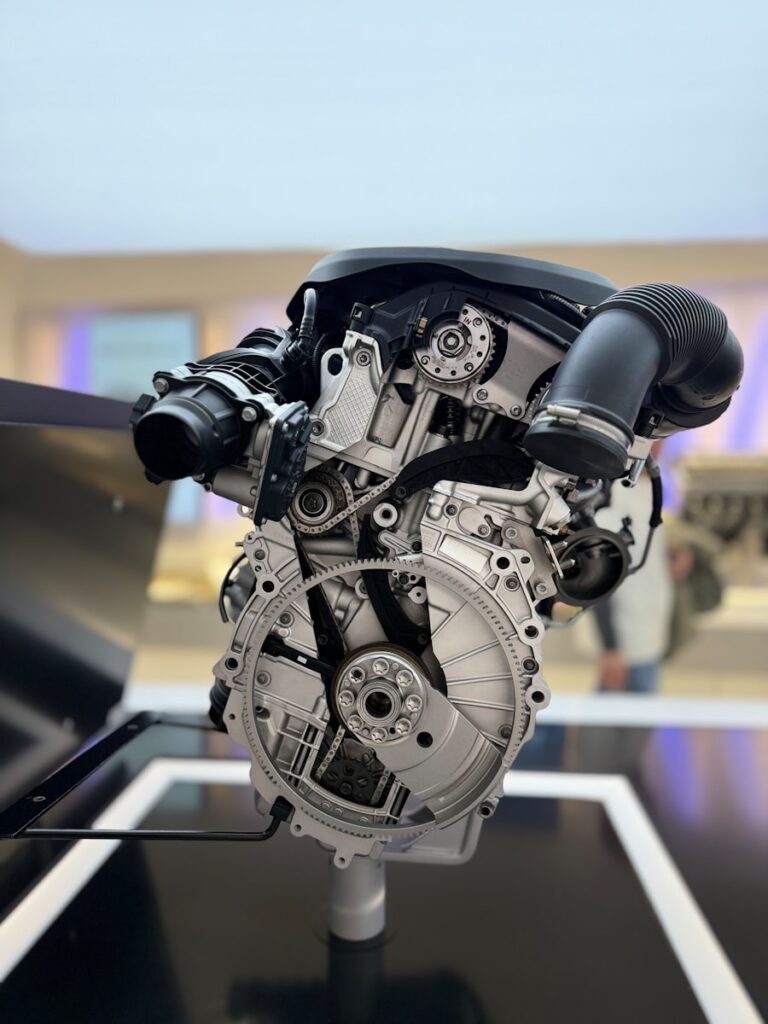
Deep inside Mazda’s idea sits a clever twist: a fuel reformer tucked right into the motor. Not just burning gas straight, the machine changes its makeup on the fly. Power maker? Yes yet also a chemical workshop under hood. While spinning through cycles, some fuel shifts form, turning into hydrogen mid-run. That transformed element feeds back into the burn, mixing with what remains.
Self Generating Hydrogen System Features:
- Integrated fuel reforming engine system
- Gasoline converted into hydrogen during use
- Power comes from the engine, while it also handles processing tasks
- Enhances combustion efficiency concept
- Uses existing fuel infrastructure
Most cars still rely on familiar gas stations, so keeping that setup helps ease adoption. Instead of demanding fresh equipment everywhere, this method fits into what’s already there. Inside the machine, tiny shifts in how fuel moves aim to boost burn efficiency. Where electric chargers or hydrogen pumps remain scarce, this flexibility becomes useful. Old pumps keep working while internal changes quietly refine performance.
Inside the engine, gas takes on a new job instead of vanishing altogether. Fuel shifts into something less raw through partial conversion. A mix forms part old mechanics, part smarter design all tucked inside the core. Old power meets upgraded thinking without tossing out what already works. Change happens by upgrading pieces, not scrapping everything at once.
5. Six Stroke Engine How It Works
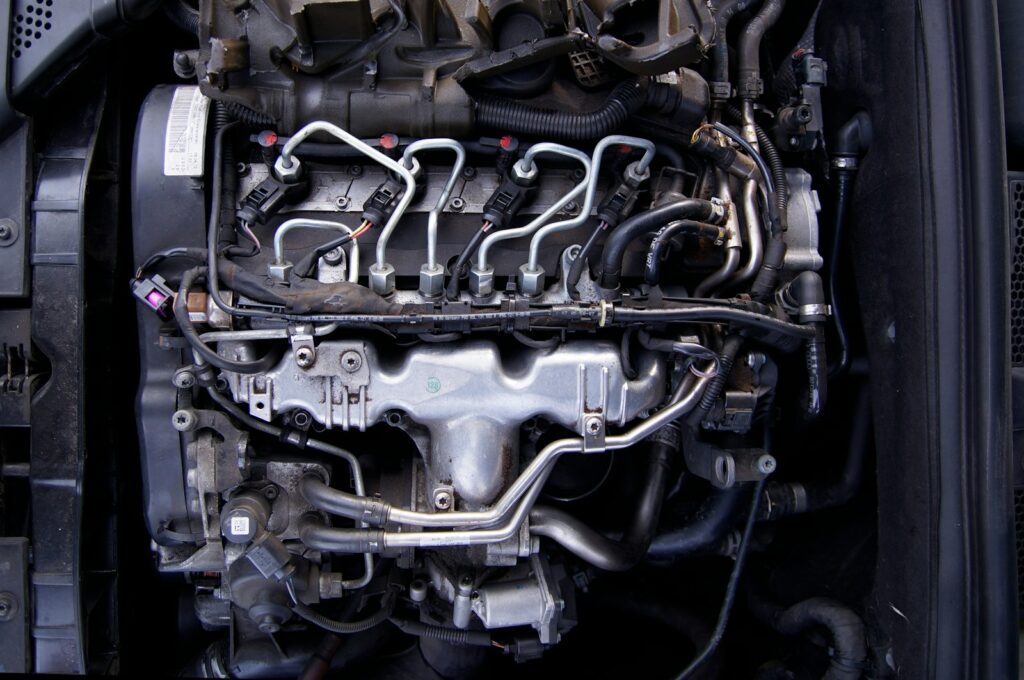
Most older car engines run using four steps: sucking in air, squeezing it down, burning fuel to push parts, then pushing out smoke. Instead of stopping there, Mazda tried adding two extra phases inside the same setup. These added moments give leftover gases another chance to do work before leaving. By stretching out what happens during each turn of the crankshaft, more energy gets pulled from the same amount of gasoline. Efficiency climbs because less heat escapes unused. Engine bones stay familiar, yet actions inside shift subtly. Wasted moments become useful ones. Progress hides in timing tweaks, not total redesign.
Stages of the Six Stroke Engine Process:
- Air intake into engine cylinder
- Compression of fuel-air mixture
- Power stroke generating energy
- Exhaust gases redirected for processing
- Additional internal fuel reforming stages
Air flows into the cylinder to kick off the process. After that comes squeezing the mix, building up force within the space. Burning fuel drives movement right afterward, releasing usable motion. Most engines send waste out straight away at this point. But Mazda keeps it looping instead, rerouting fumes for further handling.
Most engines dump exhaust, yet here it feeds back into the core processes. Because of that shift, fuel reshaping becomes possible alongside power salvage. A longer active phase emerges, pushing past standard operational bounds. With exhaust redirected, fresh ways to ignite mixtures open up. What sets apart this design sits in those altered mechanics six steps now shape each round.
6. Re Compression and the Decomposer
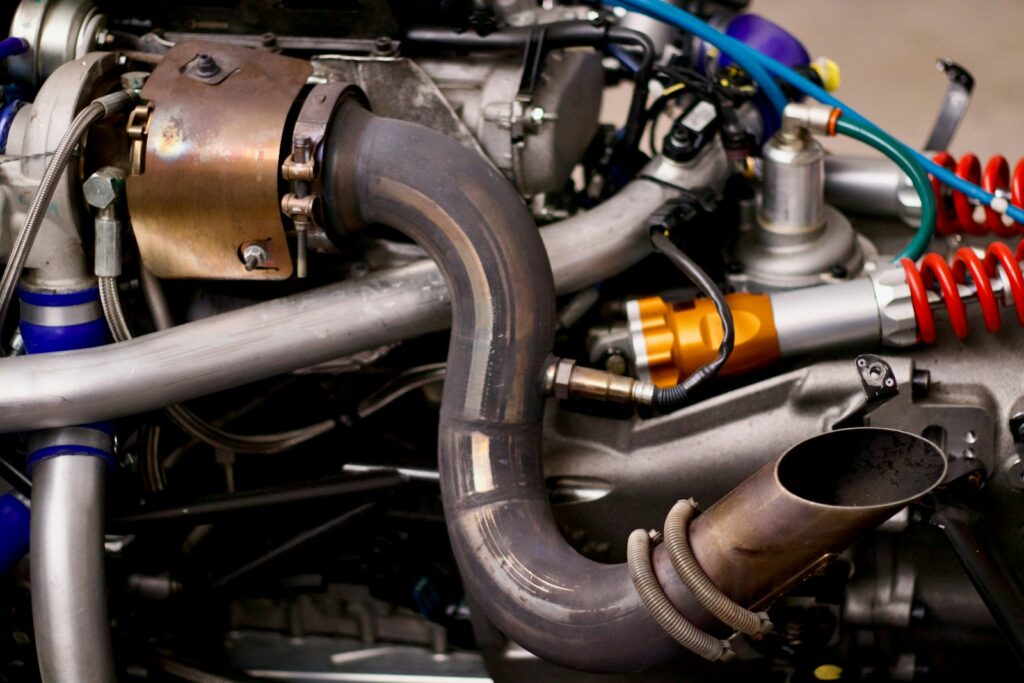
Exhaust doesn’t escape after the fourth push in Mazda’s six-part cycle. Held back, it gets pushed elsewhere into a chamber built for change. That space, called the decomposer, runs hot on purpose. Inside, heat reshapes what remains of burned gas. Energy once lost now shifts form, ready for another role.
Decomposer System Key Functions:
- Retains exhaust gases for processing
- Acts as high-temperature reaction chamber
- Breaks down hydrocarbon molecules
- Separates hydrogen from carbon elements
- Utilizes waste heat for chemical reactions
Gasoline enters the decomposer, meeting hot exhaust gases head-on. A chemical shift kicks off right there, sparked by that mix. Breaking apart hydrocarbons happens next no slow steps. Their core pieces come loose: hydrogen floats free, gathered up afterward. Carbon gets pulled aside at the same moment, held back on purpose. The engine gains extra worth from something usually tossed away. Exhaust stops being trash it becomes feedstock instead.
Heat drives the system, along with tightly managed inner settings, making those chemical changes possible. Waste warmth from burning fuels powers the engine’s own recycling space. Less power escapes this way, at least according to models, lifting total performance. At the core of longer operation lies the decomposer a turning point in design thinking. Instead of just lighting fuel up, it reshapes how energy moves within.
7. Internal Hydrogen Production Method
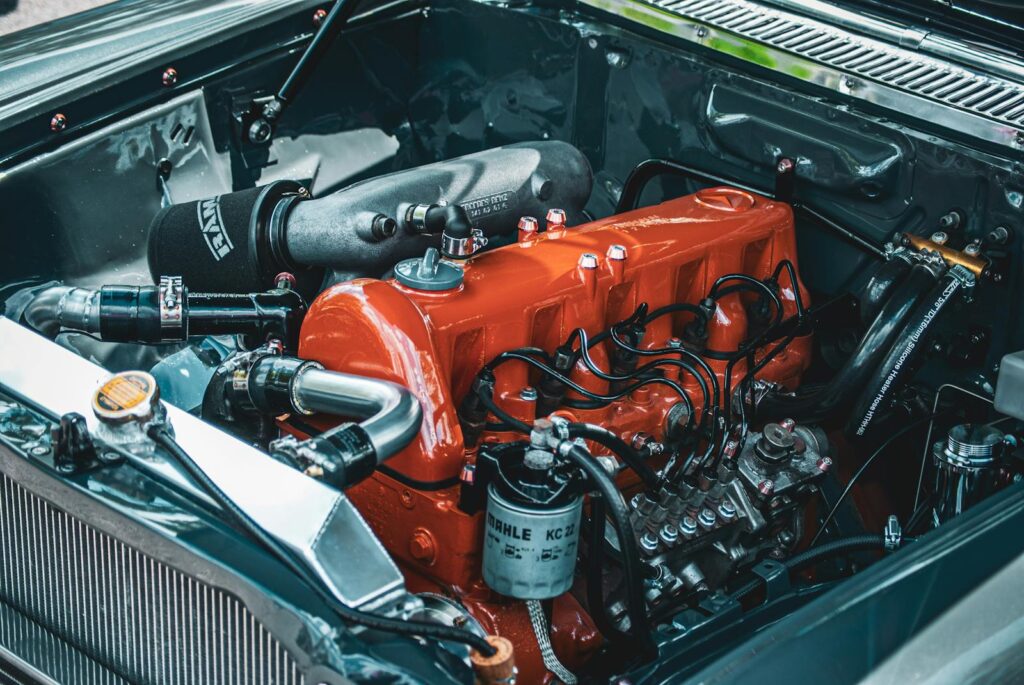
Inside the decomposer, hydrogen forms and feeds the engine as extra power. After exiting the exhaust phase, it waits in storage until needed. When the engine runs, that saved gas flows back into burning mix. Alongside regular fuel, it helps drive motion through shared burn cycles. Flexibility grows when energy shifts across stages like this.
Internal Hydrogen Use Key Factors:
- Hydrogen produced within engine system
- Temporary internal storage of fuel
- Dual-fuel combustion process
- Less carbon goes into the air
- Continuous on-demand fuel generation
Midway through its operation, the engine runs partly on hydrogen, changing how fuel mixes burn inside. Instead of depending only on gasoline, it uses a blend that cuts down soot and waste gases. Efficiency gets a quiet boost without shouting about green benefits. Inside each piston chamber, hydrogen helps flames spread faster and cleaner. Compared to older engines stuck on one type of fuel, this method feels like a small step forward, hidden under the hood.
Most crucial here? Doing away with outside hydrogen refills entirely. Rather than rely on fixed stations, the car makes hydrogen as it goes. Inside the motor setup, power flows in circles no gaps, just reuse. Simplicity drives this method, cutting supply chain headaches by design. Fuel forms where it’s burned, used right there without detours.
8. Carbon Capture and Real World Limits
Most cars would just burn fuel. Mazda’s idea takes a different turn pulling hydrogen out while leaving carbon behind. Because gas holds so much carbon, splitting it leaves chunks of solid waste. That leftover stuff can’t go into the air. It has to stay inside the car somehow. Storing it means more parts, more planning, more things that could need fixing.
Challenges in Managing Carbon Systems:
- Large solid carbon byproduct generation
- Need for onboard carbon storage unit
- Regular maintenance and emptying required
- Limited storage space inside vehicles
- Complex long-term usability concerns
You would need a special container just for holding the carbon made while reprocessing fuel. That container fills up over time, so someone has to clean it out now and then more upkeep than most drivers expect. Instead of vanishing into the air like regular fumes, this stuff piles up where people sit, turning tailpipes into trash bins. Building cars this way means more parts that can go wrong, making engineers pause before signing off. Even if factories could use the collected gunk later, getting it from car to factory without mess feels tricky at best.
Most cars lack extra room, so fitting new gear becomes tricky. Packing in a device to grab emissions might eat up space meant for people or cargo. Over time, needing regular upkeep could annoy drivers. Even if cleaner air sounds good on paper, making it work daily brings hurdles. Ideas often run ahead of what vehicles can actually handle.
9. Industry-Wide Exploration of Advanced Combustion
Mazda is not the only manufacturer rethinking the future of combustion engines. Across the automotive industry, several companies are exploring unconventional designs to improve efficiency and reduce emissions. Instead of fully abandoning internal combustion, many are refining it through advanced engineering approaches. This reflects a broader belief that combustion technology still has untapped potential. The focus has shifted toward evolution rather than replacement.
Key Industry Approaches to Engine Innovation:
- Mazda exploring internal fuel reforming systems
- Porsche studying advanced six-stroke concepts
- Ferrari testing hydrogen and hybrid combinations
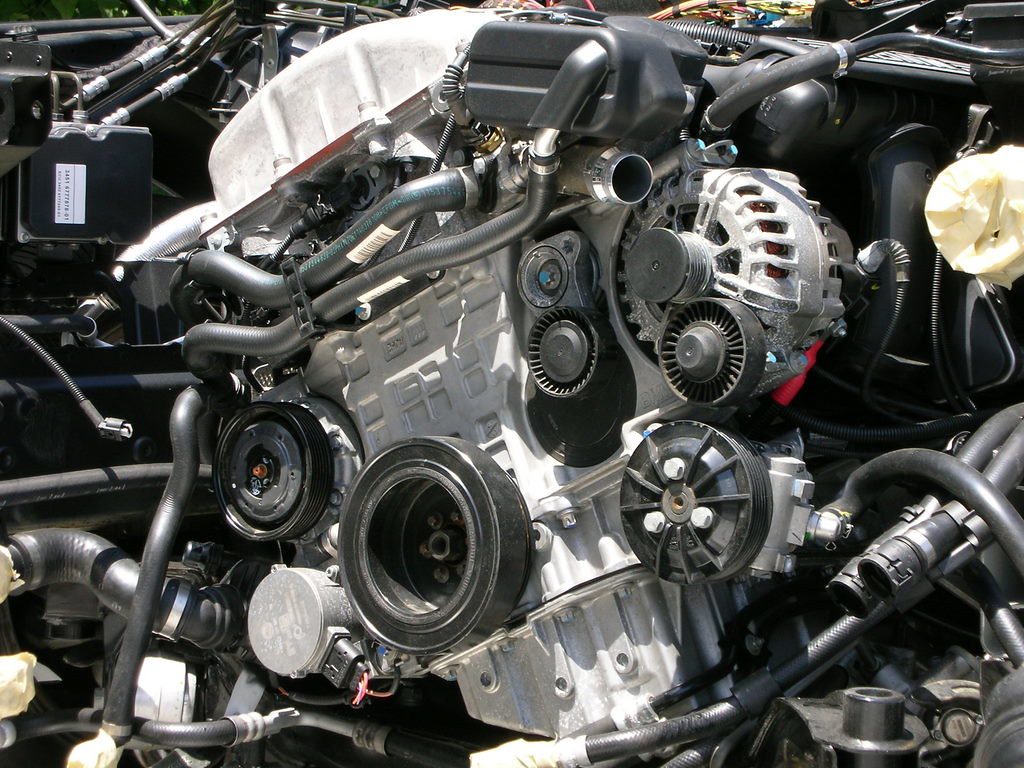
- BMW improving combustion ignition efficiency
- Focus on emission reduction through innovation
Porsche has explored six-stroke engine concepts that aim to re-burn exhaust gases using mechanical processes. This approach focuses on improving efficiency by extending the combustion cycle. It differs from Mazda’s chemical reforming idea but shares the goal of extracting more energy from fuel. Meanwhile, Ferrari has experimented with hydrogen combustion engines and hybrid systems that combine electric and traditional power in advanced configurations. These efforts show a strong interest in alternative fuel strategies within high-performance engineering.
On the other hand, BMW has focused on improving combustion efficiency through refined ignition systems inspired by diesel engine behavior. This includes more precise fuel combustion techniques to reduce waste and emissions. Each manufacturer is taking a different path, but all are targeting the same core problem: making combustion cleaner and more efficient. These parallel developments highlight that internal combustion is still evolving in multiple directions.
10. Future Possibilities and Real-World Feasibility
Despite its technical creativity, Mazda’s six-stroke hydrogen engine concept faces significant challenges when it comes to real-world production. The system requires highly complex components, precise thermal management, and additional onboard storage units for byproducts like carbon. These added layers increase both manufacturing cost and mechanical complexity. As a result, large-scale commercial adoption appears difficult in its current form. The idea remains more experimental than production-ready.
Key Barriers to Real-World Implementation:
- High system complexity and precision requirements
- Increased manufacturing and production costs
- Need for advanced thermal control systems
- Additional carbon storage and handling units
- Limited practicality for mass-market vehicles
From an engineering standpoint, the concept still holds value as an innovation experiment. It reflects ongoing efforts to improve combustion efficiency while reducing environmental impact. Importantly, it also tries to work within existing fuel infrastructure instead of replacing it entirely. This makes it a transitional idea rather than a complete technological shift. Even if not directly implemented, it contributes to broader research in engine development.
In the future, elements of this concept could influence other hybrid or advanced combustion systems. Automakers may adapt certain principles, such as internal fuel reforming or waste energy utilization, into more practical designs. This shows how experimental ideas often shape long-term industry progress even if they are not directly commercialized. The six-stroke concept highlights the direction of continuous exploration in automotive engineering.