

Land Rover’s 2027 Baby Defender: Details on the New Electric SUV
The Land Rover Defender has always been positioned differently in the market. It’s more than just an SUV, it’s a combination of history, ability, and modern luxury few vehicles on this earth can replicate. Following its modern revival in 2020, the Defender has been capable of bridging the gap between the traditional off-road purists and a new-age luxury SUV audience, a combination that has strengthened its global relevance.
Over the years, the Defender name has transcended its original, purely functional role of an SUV to a product that is now more of a “lifestyle” vehicle embodying adventure with comfort. This has allowed Jaguar Land Rover (JLR) to position the Defender not as an utilitarian “workhorse” but as a premium “product line,” enhancing sales and brand appeal worldwide.
Considering the swift evolution of the automotive industry toward electrification and a smaller, urban-centric design, JLR is set to introduce more models under the Defender name. The planned “Baby Defender” which is anticipated for release around 2027 aims to introduce the “Defender spirit” into a smaller, electric SUV package.
1. The Rise of the Modern Defender
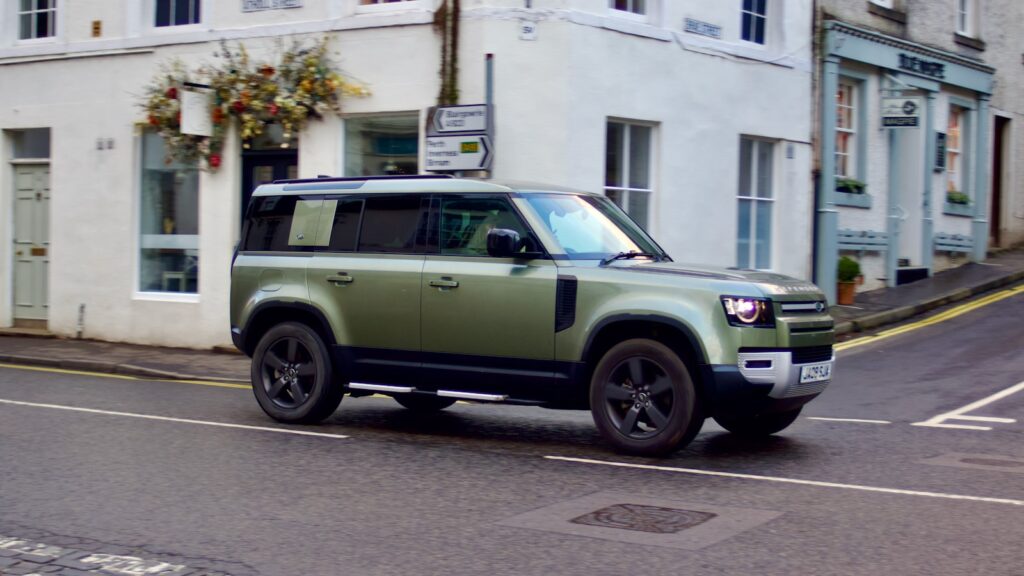
A large part of defining Jaguar Land Rover’s worldwide identity in recent years has come from the reintroduction of the Land Rover Defender. In doing so, Land Rover has balanced capability as an off-road vehicle, with the luxuries and performance required of a premium SUV, becoming equally adept on unpaved tracks and on busy streets.
Key Drivers Behind the Defender’s Modern Success:
- Strong blend of off-road capability and luxury comfort
- Global sales exceeding 114,000 units in 2024
- High demand across both urban and adventure markets
- Premium positioning within JLR’s SUV lineup
- Platform for future model expansion and variants
High demand worldwide is evidence of this change. Defender has clearly become a pivotal and high selling model in the Jaguar Land Rover model range selling well over 114,000 units through 2024. Its performance indicates a great job by Land Rover to reposition the nameplate, especially in what is a competitive market segment. It has even persuaded JLR to continue expanding the line-up rather than simply one product in this market segment. It appears more versions, even ones aimed at being more urban oriented, are planned so the Defender persona is available over a broader range of segments.
2. Concept of the Baby Defender
In essence, the ‘Baby Defender’ is what Land Rover wanted to achieve originally with the Defender, but with a smaller package that is more suited to the urban environment. The vehicle is currently under development with the aim to retain the “ruggedness, utility and capability”.
Core Design Direction of the Baby Defender Concept:
- Compact interpretation of the Defender DNA
- Focus on urban usability and ease of driving
- Retains light off-road capability
- Likely alignment with electrification trends
- Designed for a broader, younger customer base
Unlike the larger, full-size Defender, this model is thought to focus more on city usability, handling, fuel economy and can still handle more adventurous use, like light off-roading. This would appeal to customers who want a car with the iconic Defender identity and its heritage but is more practical to use on a daily basis within cities.
This decision can also be seen as part of a general trend in the auto industry to miniaturize and re-imagine historic SUV and off-road model names, including using electric drivetrains. The Baby Defender should therefore not be seen as a replacement for the original Defender, but as an extension to the brand enabling the Defender name to branch out and attract a wider customer range.
3. Naming Direction and Identity
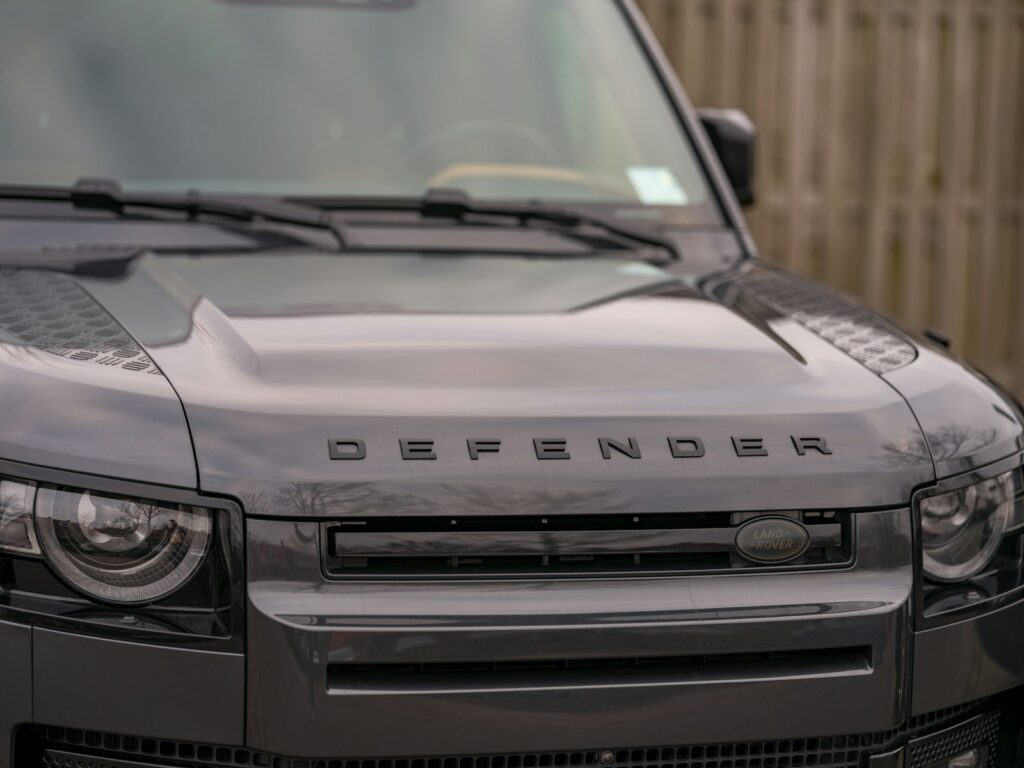
The exact branding has not been confirmed for the ‘Baby Defender’ but a range of naming options are being debated within the automotive world, to keep brand equity yet also clearly state it is part of the Defender family, yet a smaller one at that.
Possible Naming Strategies for the Baby Defender:
- “Defender Sport” as a lifestyle-focused variant name
- “Defender 80” as a smaller model below 90/110/130 lineup
- Continuation of numeric Defender hierarchy system
- Branding aligned with compact luxury SUV positioning
- Clear distinction from full-size Defender models
Perhaps the most commonly discussed option is “Defender Sport,” which would follow the current Land Rover naming structure across its entire range of models, portraying a more lifestyle driven vehicle, yet still retaining the robust nature of the Defender name.
An alternative is also a numerical reference such as “Defender 80.” This would make the perfect addition to the current Defender 90, 110, 130 hierarchy, clearly displaying the sizes available in the Land Rover Defender line-up. This would make it immediately apparent to the consumer what the vehicle was in relation to the existing models, thus providing a simple visual clue of what the vehicle offered.
Both options maintain the essence of what the Defender name stands for, whilst providing customers with an immediate insight to its smaller size and ‘city-friendly’ nature. The ultimate choice will of course remain with the styling strategy being taken on by Jaguar Land Rover and the general branding structure.
4. Design Philosophy and Exterior Language
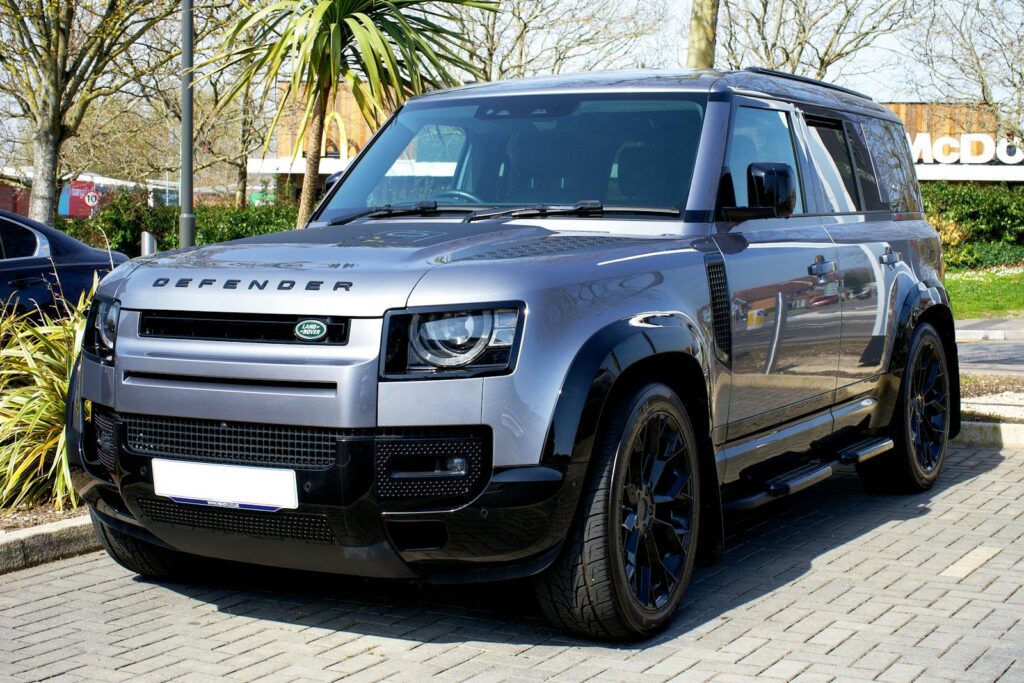
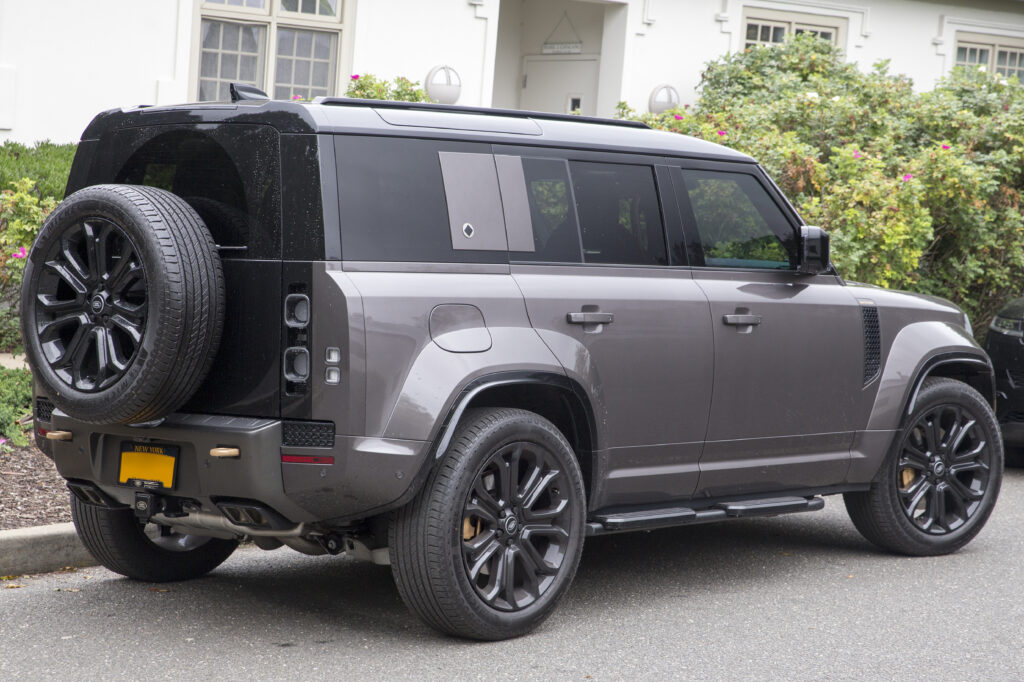
Design language the Baby Defender is likely to echo the traditional family design of the Defender. This means it should have the instantly identifiable upright and boxy shape which is a major part of its identity and help it to stay identifiable as a part of the Defender range.
Core Exterior Design Elements of the Baby Defender:
- Boxy, upright SUV silhouette
- Compact, urban-friendly proportions
- Squared wheel arches and clean body surfaces
- Simplified, functional front fascia design
- Slim modern LED lighting signature
Although we expect the dimensions to be smaller and more city focused, the styling theme will still focus on strength, durability and purpose. Body lines will be clean, and visually uncluttered in order to maintain the utilitarian and tough feel of the Defender.
Subtle modern touches like slim LED lighting and sharp detailing of surfaces should help to give it a look that is acceptable to contemporary luxury buyer; though care will be taken to ensure that this does not detract from its rugged and go anywhere feel. From any angle, the Baby Defender should be recognized as a Defender adapted for a more compact urban purpose.
5. Size, Segment, and Competition
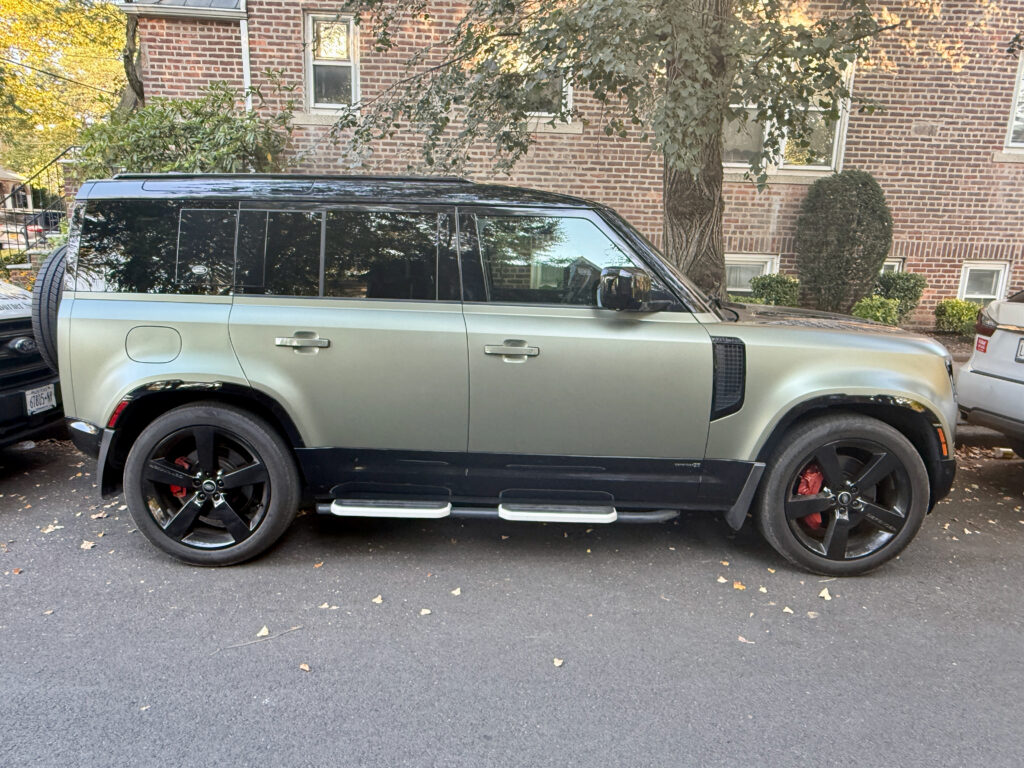
At approximately 4.6 meters in length, the Baby Defender is firmly in premium compact SUV territory. Narrower and lower than the normal Defender it should be much more manoeuvrable in congested city streets and difficult parking spaces.
Market Positioning and Competitive Landscape of the Baby Defender:
- Approx. 4.6m compact SUV footprint
- Premium compact electric SUV segment
- Urban-focused practicality with premium branding
- Positioned below full-size Defender lineup
- Strong global volume potential in luxury markets
This makes it a direct competitor for established models in premium compact electric SUV territory. Indeed, the primary competition is likely to come from the BMW iX1, Audi Q4 e-tron and Mercedes’s forthcoming range of compact EVs, all of which are already strong contenders in their segments with highly integrated electric platforms.
However, there’s a chance that the Baby Defender’s rugged styling can be used as a selling point, as it’s not a trait commonly associated with any of its premium competition, all of which appear to be focused on upmarket urban transport, while the Defender name still represents ruggedness and off-roading. This could make it a more appealing option for people considering a larger family car.
6. EMA Platform and Electric Architecture
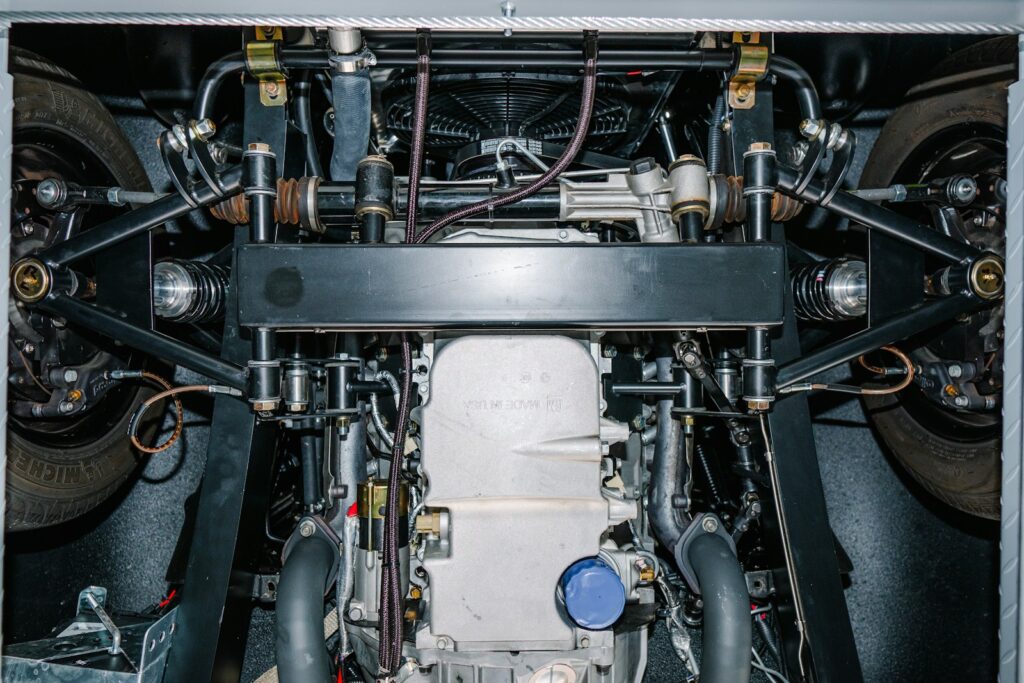
The underpinning of the Baby Defender will be Jaguar Land Rover’s all-new Electrified Modular Architecture (EMA) platform-a big step in the car manufacturer’s shift toward total electrification. Designed to underpinned a range of models, it’s a next-generation EV architecture.
Key Technical Features of the EMA Platform:
- Electrified Modular Architecture (EMA) EV platform
- Advanced 800V electrical system capability
- Ultra-fast charging potential for long-distance usability
- Multi-vehicle compatibility across JLR models
- Designed for scalable EV production efficiency
Perhaps one of the biggest advantages to the EMA platform, however, is its use of an 800V system; with this, electric vehicles can be charged significantly faster than vehicles running on more traditional architectures, thereby reducing the impracticality of electric vehicle ownership on longer trips, and reducing the time needed to stop and charge. The platform is also meant to be incredibly adaptable and, to this end, it is expected that the EMA platform will be utilized for many more future vehicles in addition to the Baby Defender. In fact, it is anticipated that the system will be utilized for Jaguar Land Rover’s next-generation models of the Evoque and Velar, amongst others, which will decrease development complexity, decrease the cost efficiency across Jaguar Land Rover’s lineup.
7. Powertrain Strategy and Future Options
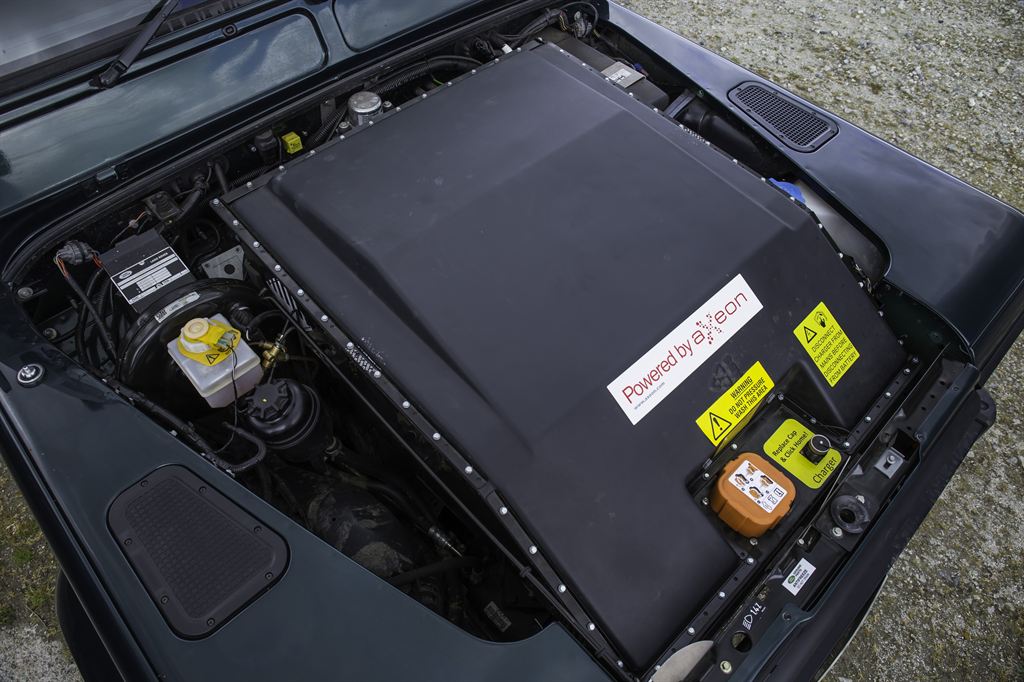
The electric Baby Defender is anticipated to be the main focus of its powertrain strategy as Jaguar Land Rover embraces its shift towards fully electrified offerings, it is expected to utilize both electric motors designed in house coupled with battery packs designed to an advanced standard and provided by Tata’s gigafactory ecosystem within the UK.
Expected Powertrain Strategy for the Baby Defender:
- Fully electric powertrain as the primary option
- In-house developed electric motor technology
- Battery supply from Tata’s UK gigafactory network
- Optimized efficiency and performance tuning
- Potential multi-energy platform flexibility
This is aimed at improving JLR’s performance, efficiency and supply-chain resilience. Vertical integration with Tata’s battery making facilities, allows the brand to keep the production costs in check and the quality and production level at consistent levels. The intention is to continue delivering a refined and able EV experience that meets global levels of luxury and performance.
Apart from the all-electric version, plug-in hybrid versions can also be looked at depending on the market. This would enable the Baby Defender to remain a desirable and appealing vehicle in areas where EV adoption still has a way to go, by providing a sensible transition between traditional combustion engines and full electric vehicles.
8. Interior Design and User Experience
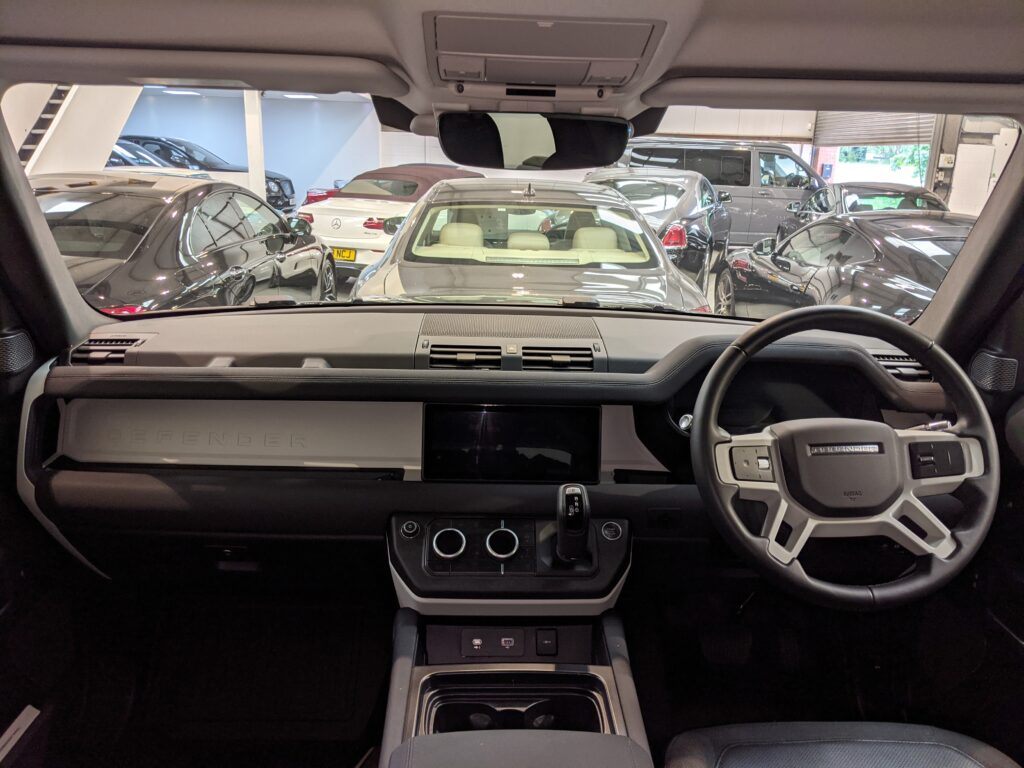
It’s anticipated that the cabin of the Baby Defender will maintain a pragmatic balance of rough and tumble durability with upscale comfort and modernity. The interior design will probably follow in the footsteps of its bigger brother, aiming for simplicity and uncluttered functionality as opposed to unnecessary fripperies.
Core Interior Experience of the Baby Defender:
- Minimalist yet premium cabin layout
- Large central touchscreen with Pivi Pro system
- Fully digital and customizable driver display
- Focus on ergonomics and ease of use
- Sustainable and eco-friendly material choices
The main interface should be one huge central touchscreen controlling Jaguar Land Rover’s Pivi Pro infotainment system, alongside a fully digital instrument cluster that will be able to show multiple views and will probably be able to change appearance and content for various drive modes and user settings. Quality of materials is a high priority too, aiming at sustainability and the new “modern luxury” aesthetic.
Expect some use of recycled materials along with a good degree of soft-touch plastic and maybe alternative non-leather fabrics for the seats. These qualities all go toward JLR’s vision of lowering its environmental impact without sacrificing the feeling of a premium vehicle. The overall cabin experience should focus on being practical, comfortable and digitally advanced for use.
9. Impact on Existing Land Rover Models
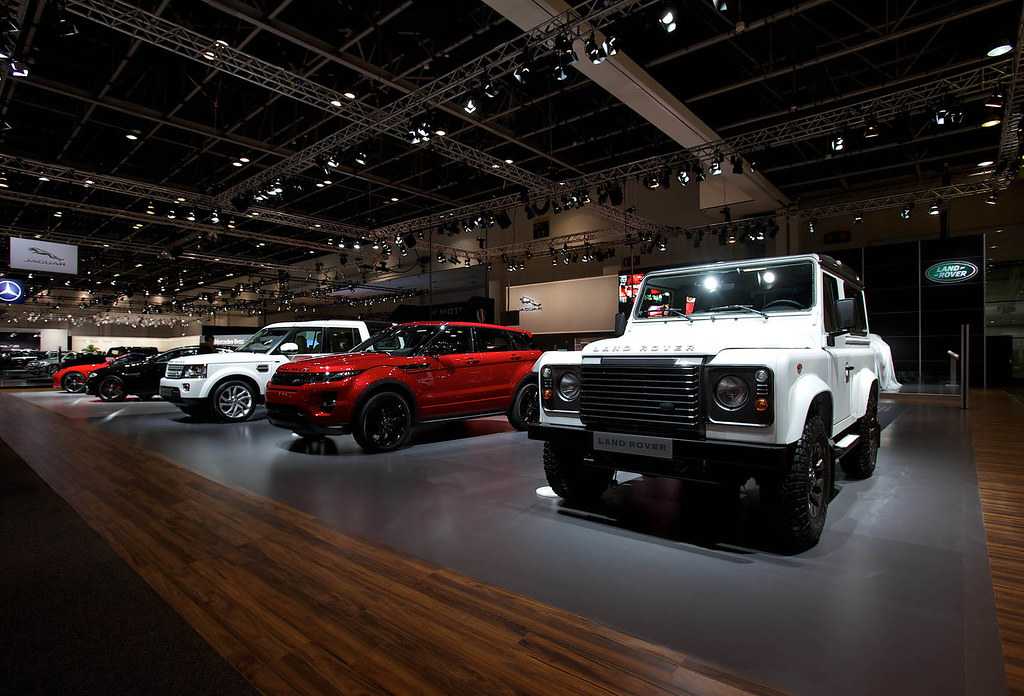
The arrival of the Baby Defender is likely to affect, and potentially alter, some elements of Land Rover’s existing SUV offering. The company’s current plan of simplifying, and electrifying, its range is surely going to necessitate some model rationalisation and redeployment.
Lineup Restructuring Impact of the Baby Defender:
- Potential successor to the Discovery Sport
- Possible spiritual replacement for the Freelander
- Reduced overlap in compact SUV offerings
- Clearer separation between Defender and Discovery families
- Streamlined electric SUV portfolio under JLR
The firmest assumption of the Baby Defender’s potential purpose in the Land Rover line-up is that it will eventually supersede the Discovery Sport. Both occupy the same kind of space in the Land Rover line-up, and an electrified offering at this position could provide the ideal means for JLR to modernize the segment and clean up its range.
Alternatively, it could represent a modern revival of the Freelander nameplate, bringing back the concept of a smaller, practical Land Rover SUV to Land Rover for just about anyone. This will likely aim to pull customers who used to buy smaller, more affordable models in the Land Rover range back into the fold. On the whole, a baby Defender would serve a key purpose in eliminating the overlap between models in JLR’s SUV line-up and modernizing it with a view to an electric future.
10. Production Strategy and Future Outlook
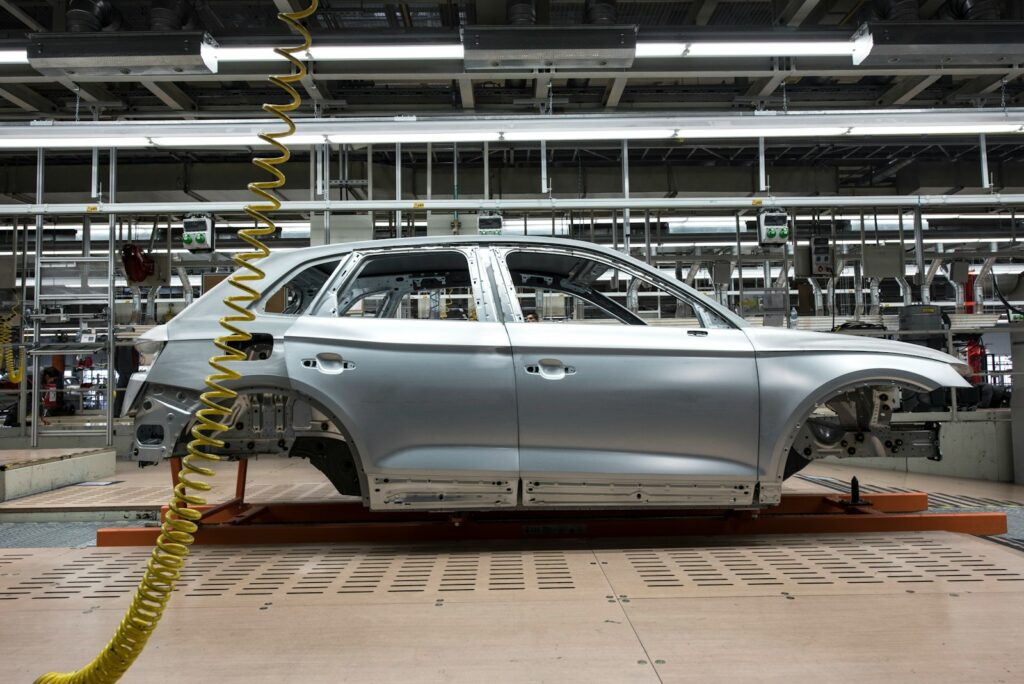
The Baby Defender will reportedly be manufactured in the Jaguar Land Rover plant in Halewood, United Kingdom. The facility is being massively upgraded to prepare for the production of the next-generation electric vehicles, which represents a crucial element of JLR’s industrial revolution.
Manufacturing Vision for the Baby Defender:
- Expected production at Halewood plant (UK)
- Facility upgraded for electric vehicle production
- Integration of EV assembly and new manufacturing systems
- Focus on localized production efficiency
- Support for JLR’s electrification roadmap
This investment also underpins JLR’s long-term plan to electrify and update its manufacturing portfolio. By investing in Halewood to support EV manufacturing, JLR is enhancing its capacity to produce its electric vehicle range domestically, thus improving supply chain resilience and cutting external production reliance.
The plans also focus on creating in-house manufacturing capabilities for EV components like motors and battery pack, leading to a vertically integrated and highly efficient manufacturing network for upcoming EVs, which would enable more scalable and quality-controlled EV production in the future. More than a mere compact SUV, the Baby Defender is seen as a landmark vehicle on the Defender brand’s journey into its electric future, merging timeless iconic styling with modern-day technology and the eco-friendly manufacturing processes of tomorrow.