



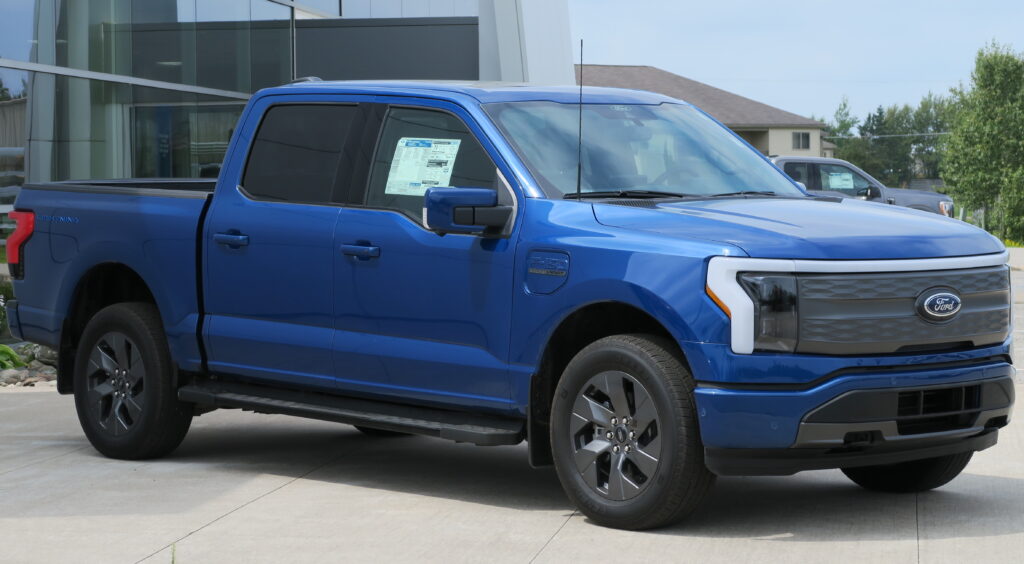
Ford’s Secret EV Project: A $30,000 Truck for Everyone
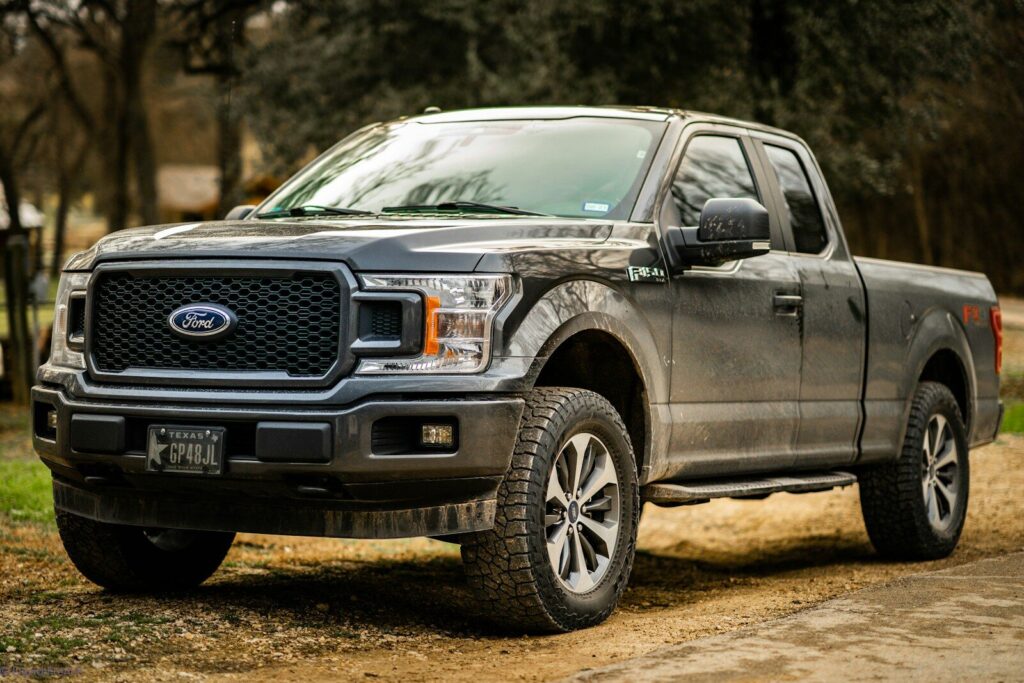
More than a hundred years after the Model T changed how individuals get around, Ford is giving another shot at reinventing cheap transit. The new approach: an upcoming midsize electric truck dubbed the Ford Fathom, anticipated to hit dealers in 2027. The Fathom will carry an MSRP of $28,350 before destination fees and, rather than modify an already established gasoline truck, Ford designed the truck around an entirely new electric vehicle platform designed to simplify manufacturing, contain costs, and put new technology in reach of more buyers.
The Fathom is not only a new model, but it’s built on Ford’s first use of its flexible and cost-effective Universal Electric Vehicle Platform. A small, relatively independent vehicle engineering group at Ford, based in California, was responsible for designing Fathom and the supporting vehicle architecture. The team reinvented aspects including the body structure, electrical architecture, battery system, controls software, cabin packaging and manufacturing build. Ford expects to achieve a combination of affordably priced, usable space and performance and an economically sustainable vehicle program.
Success has disproportionately high stakes for Ford, which showed it could build enticing electric cars with vehicles like the Mustang Mach-E and F-150 Lightning, while struggling to do so profitability. The Fathom is a different approach, one based on cost-saving measures right from the start. The plan, which involved the roughly $5 billion Ford is investing in Fathom vehicle and battery production, is not just a huge industrial gambit – it’s an early bet on whether electric America can drive itself at an affordable price.

1. The Fathom Has a Truly Aggressive Starting Price
Ford originally described its forthcoming midsize electric truck as having a target price of approximately $30,000. The company has since identified the vehicle as the Fathom and announced a starting MSRP of $28,350 for a model equipped with the standard-range battery. Destination and delivery will add $1,595, while dealer fees, taxes, optional equipment, insurance, and financing costs will affect the final transaction price. Even with those additions, the announced figure positions the Fathom far below most electric pickups currently available in the United States.
Key Advantages of the Starting Price:
- Starts below most current electric pickups
- Targets a broader group of buyers
- Reduces dependence on government incentives
- Competes with several vehicle categories
- Makes electric transportation more accessible
That pricing matters because affordability remains one of the largest obstacles preventing electric vehicles from reaching a wider audience. Electric motors can reduce routine maintenance requirements, and home charging may lower operating expenses for some drivers, but those benefits are difficult to appreciate when the initial purchase price remains beyond a household’s budget. Ford is trying to address that problem directly by lowering the cost of the vehicle itself instead of depending entirely on incentives, fuel savings, or complicated long-term ownership calculations to justify a premium purchase.
The Fathom may also compete with more than new electric vehicles. Ford expects its price and versatility to attract people considering gasoline-powered cars, compact crossovers, midsize trucks, and even used vehicles. That gives the company a much larger potential market than buyers who have already decided to purchase an EV. Delivering the advertised base model in meaningful quantities will be essential, however. A low headline price will matter only if ordinary customers can obtain the truck without being pushed toward significantly more expensive trims or equipment packages.
2. A California Skunkworks Team Reconsidered the Vehicle
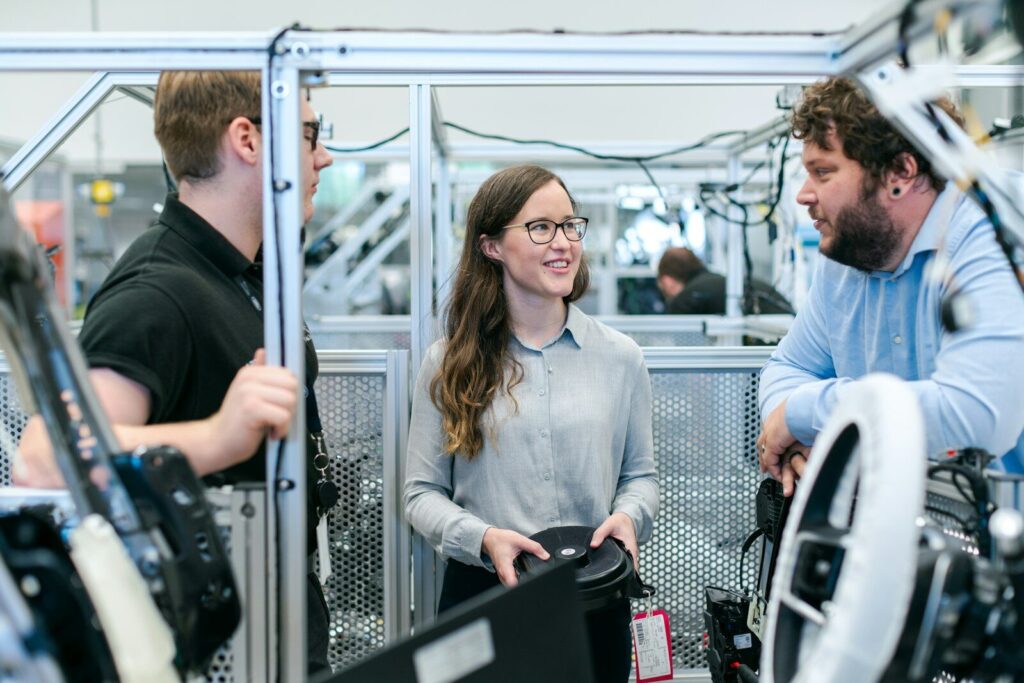
Development of Ford’s new platform began within a specialized California operation organized to function more like a technology startup than a traditional automotive program. The engineering team received the freedom to question established assumptions about vehicle construction rather than carrying forward components and processes simply because Ford had used them before. Former Tesla engineer Alan Clarke became one of the leading figures in the operation, bringing experience from a company that had already challenged conventional approaches to electric-vehicle design, manufacturing, software, and component integration.
Strengths of the Specialized Development Team:
- Operates with greater engineering independence
- Questions established vehicle manufacturing practices
- Makes important decisions more quickly
- Combines startup speed with experience
- Examines every possible production expense
A smaller organization can make certain decisions more quickly because fewer management layers stand between an engineering proposal and practical experimentation. Ford combined that agility with resources accumulated through more than a century of automotive production. The team could therefore pursue unconventional solutions while drawing on the company’s knowledge of crash protection, durability, supply chains, dealerships, mass manufacturing, serviceability, and consumer expectations. The Fathom is meant to represent a fusion of startup-style development speed with the industrial experience required to manufacture vehicles by the hundreds of thousands.
This arrangement was particularly important because Ford was not seeking a modest improvement to an existing product. Reaching a price below $30,000 required engineers to examine every fastener, bracket, casting, cable, electronic controller, manufacturing operation, and supplier relationship. Removing a single unnecessary part may save very little, but eliminating thousands of small expenses across a complete vehicle and its production system can produce a substantial advantage. The team’s role was to find those savings without turning the final truck into a fragile or unpleasant economy model.

3. The Universal EV Platform Extends Beyond One Truck
The Fathom is the opening product in a much broader Ford strategy. Its Universal Electric Vehicle Platform was designed to support several body styles rather than one narrowly defined pickup. Ford has indicated that the architecture can underpin trucks, cars, crossovers, and other practical vehicles for domestic and international markets. Spreading common engineering and components across a family of products could reduce development expenses, increase purchasing scale, simplify software support, and allow factories to build different vehicles without repeating every investment from the beginning.
Benefits of Ford’s Universal EV Platform:
- Supports several different vehicle body styles
- Shares engineering across future electric models
- Reduces repeated product development expenses
- Simplifies software and component support
- Adapts to changing consumer preferences
Platform sharing is common throughout the automotive industry, but Ford is pursuing a deeper level of integration. The battery, primary castings, electrical architecture, manufacturing sequence, and software environment have been designed as parts of the same system. This means the company is not merely placing different bodies over a common floor. It is establishing a standardized method for creating and assembling affordable electric vehicles. If successful, future models could benefit from improvements made during the Fathom’s development while avoiding many of the costs associated with unrelated vehicle programs.
The strategy also reduces the importance of predicting one perfect body style years in advance. Consumer preferences can change rapidly, especially in a developing market where charging access, battery prices, regulations, and economic conditions continue to evolve. A scalable platform gives Ford more flexibility to introduce vehicles suited to different regions and customer groups. The Fathom may begin the program as a midsize pickup, but the architecture’s lasting value will depend on whether it can support a profitable range of appealing products without compromising their individual character.
4. Ford Is Replacing the Traditional Assembly Line
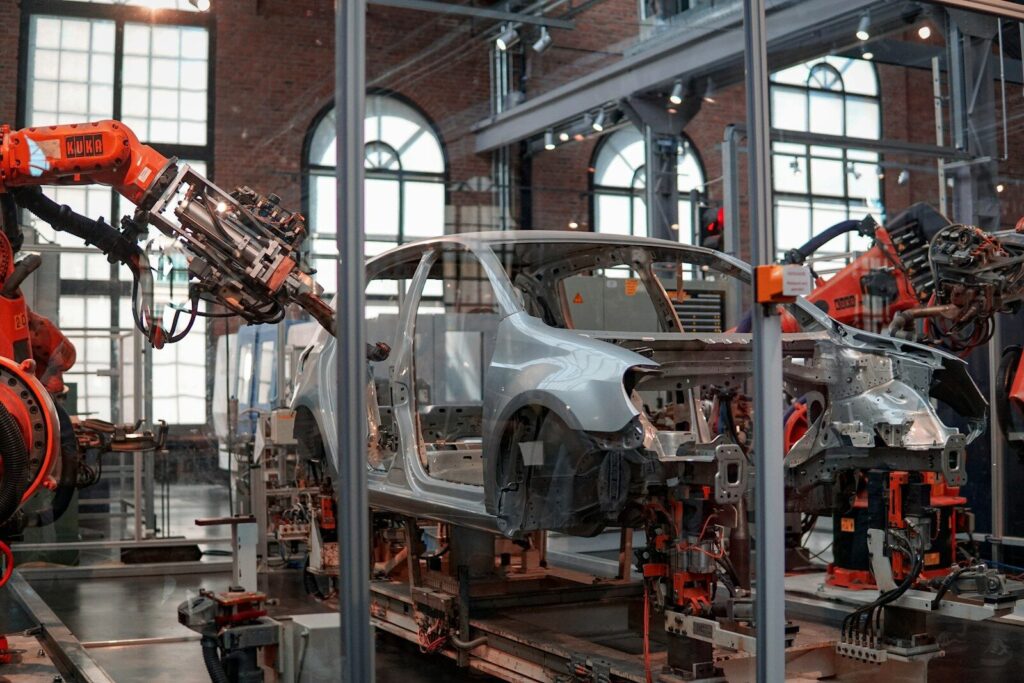
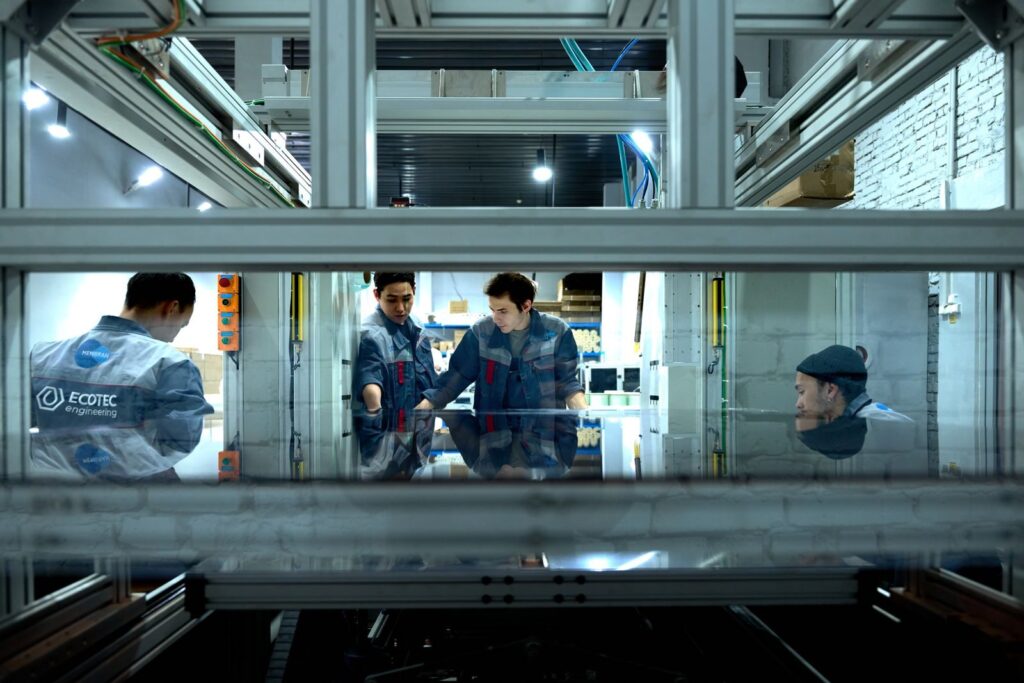
Ford’s manufacturing plan may be as important as the vehicle itself. The company calls its new approach the Universal Electric Vehicle Production System, which reorganizes assembly into a tree-like structure. Instead of moving an incomplete vehicle through one long sequence of workstations, Ford plans to construct the front section, rear section, and structural battery assembly along separate branches. Those three major modules will then come together later in production, allowing several areas of the truck to be assembled simultaneously rather than strictly one after another.
Major Changes to the Assembly Process:
- Uses a tree-like production structure
- Builds three major sections separately
- Allows simultaneous vehicle assembly operations
- Improves worker access and comfort
- Reduces workstations, parts, and fasteners
This layout is intended to improve speed while giving workers better access to components. Seats, carpeting, consoles, and other interior elements can be installed on the battery structure before it becomes enclosed by the rest of the vehicle. Employees may therefore perform certain tasks from more comfortable positions with less reaching, bending, and twisting. Ford also plans to deliver components and correctly oriented tools to individual stations in organized kits, helping workers concentrate on assembly quality instead of repeatedly collecting parts from different locations.
Ford estimates that the complete platform uses approximately 20 percent fewer parts, 25 percent fewer fasteners, and 40 percent fewer dock-to-dock workstations than a typical program. The company believes the new truck could move through portions of production up to 40 percent faster than vehicles currently built at Louisville, although some saved time will be reinvested in automation and internal manufacturing operations. Ford ultimately expects a net assembly-speed improvement of approximately 15 percent, accompanied by better ergonomics, quality control, and cost management.
5. Large Aluminum Castings Simplify the Structure
Large single-piece aluminum castings will form significant portions of the Fathom’s front and rear structure. Conventional vehicle bodies often rely on numerous stamped components welded or fastened together to create comparable assemblies. Combining many of those pieces into a smaller number of castings can eliminate joints, brackets, fasteners, handling operations, and quality inspections. Ford describes the components as unicastings, reflecting their ability to replace dozens of smaller pieces that would otherwise travel independently through the factory before becoming a completed section.
Advantages of Using Large Aluminum Castings:
- Replaces numerous smaller stamped components
- Eliminates unnecessary joints and fasteners
- Simplifies vehicle handling and inspection
- Supports Ford’s modular assembly process
- Improves structural manufacturing consistency
This method is frequently associated with gigacasting, an approach that Tesla helped popularize in modern vehicle manufacturing. Its theoretical advantages are straightforward, but successful implementation demands extremely careful engineering. A large casting must satisfy crash requirements, maintain dimensional accuracy, resist fatigue, accept surrounding components, and remain practical to manufacture at high volume. Tooling and casting equipment also require considerable investment. Ford’s challenge is therefore not simply producing a large aluminum component, but ensuring that it improves the entire vehicle-production system without creating expensive repair or quality problems.
Using separate front and rear castings fits naturally with Ford’s assembly-tree concept. Each structure can receive suspension, powertrain, thermal-management, and electrical components along its own production branch before joining the structural battery. This modular construction may allow workers and automated equipment to reach areas that would be difficult to access inside a mostly completed body. The design could also improve manufacturing consistency because fewer accumulated tolerances exist between numerous small pieces. Its real value will become clearer once Louisville begins sustained high-volume production.
6. The Structural LFP Battery Is Central to Affordability
The Fathom will use lithium iron phosphate battery cells manufactured in the United States at BlueOval Battery Park Michigan. LFP chemistry avoids nickel and cobalt, materials commonly used in several alternative lithium-ion formulations. It generally offers strong thermal stability, long cycle life, and lower material costs, making it well suited to a vehicle emphasizing affordability and durability. The tradeoff is usually lower energy density, which can require a larger or heavier pack to provide the same range as some nickel-rich battery chemistries.
Important Features of the Structural Battery:
- Uses affordable lithium iron phosphate chemistry
- Avoids expensive nickel and cobalt
- Offers strong long-term cycle durability
- Functions as part of vehicle floor
- Supports rigidity and manufacturing efficiency
Ford plans to integrate the battery pack into the truck as a structural subassembly that also serves as part of the vehicle’s floor. Making the pack perform more than one function eliminates some of the support structure that would be necessary if it were merely carried inside a separate frame. The battery can therefore contribute to body rigidity while creating a low center of gravity. Ford expects this integration to benefit handling, cabin quietness, interior packaging, weight, and manufacturing efficiency while helping the company control the most expensive part of the vehicle.
The company has not yet announced the Fathom’s battery capacities, projected EPA range, charging curve, or maximum charging speed. Those figures will ultimately determine whether the truck’s low price is accompanied by enough practical capability for its intended customers. A standard-range model could satisfy households with predictable local driving and reliable home charging, while longer-distance users may require an optional larger pack. Ford must balance range expectations against cost because adding substantial battery capacity could undermine the affordability that distinguishes the entire program.
7. The Cabin Targets Crossover Buyers
Ford says the Fathom is projected to provide more passenger volume than the Toyota RAV4. That comparison reveals how the company intends customers to understand the vehicle. Although it will possess a pickup bed, the truck is being designed as a spacious everyday passenger vehicle rather than a stripped-down commercial machine. A low electric floor, carefully packaged motors, and the structural battery should allow the interior to use its exterior dimensions efficiently, giving families useful seating space without requiring the footprint of a full-size pickup.
Practical Qualities of the Fathom Cabin:
- Offers generous everyday passenger accommodation
- Uses electric packaging more efficiently
- Combines enclosed and open storage
- Includes modern standard technology features
- Targets families considering compact crossovers
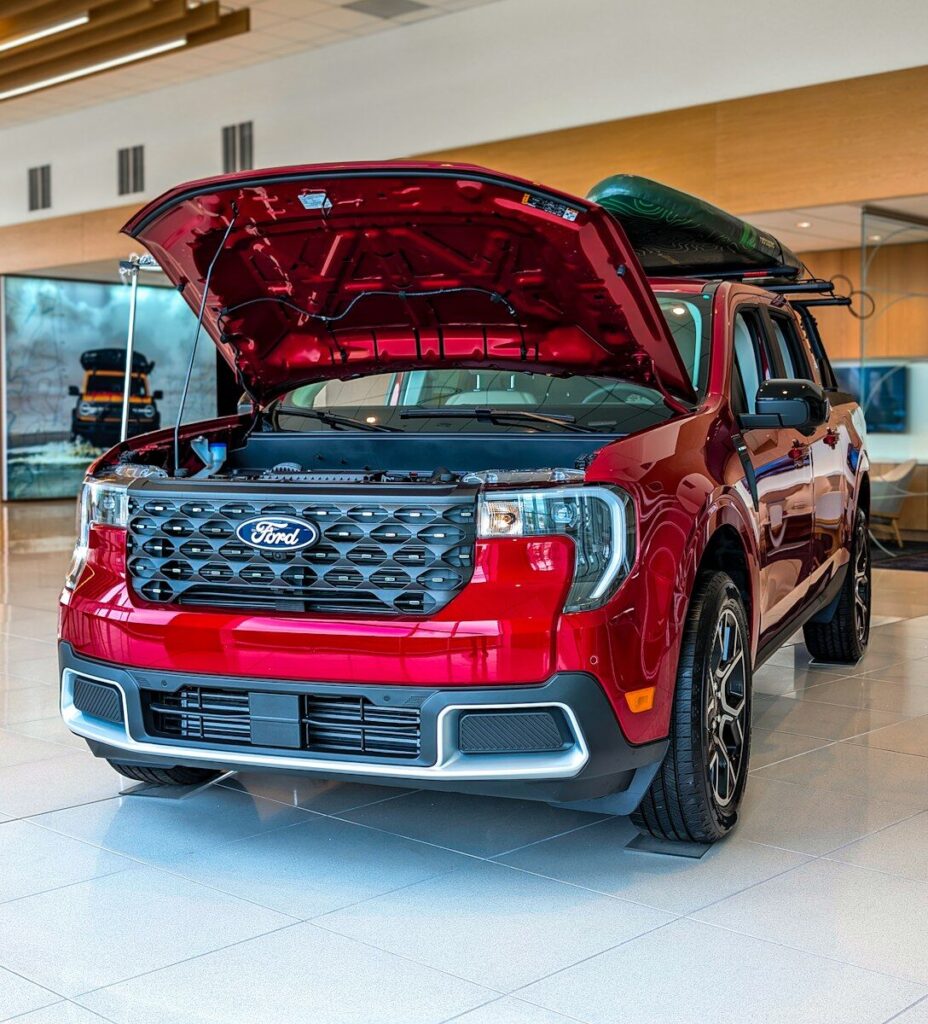
The truck will also include a front storage compartment and a conventional rear bed, providing separate spaces for groceries, luggage, outdoor equipment, work supplies, and dirty cargo. This combination could give the Fathom a practical advantage over a crossover while preserving an enclosed area for valuable belongings. Ford has emphasized that the bed can secure long recreational equipment without requiring roof racks or hitch-mounted carriers. Such flexibility may appeal to buyers who occasionally need truck utility but do not want the size, fuel consumption, or price of a traditional large pickup.
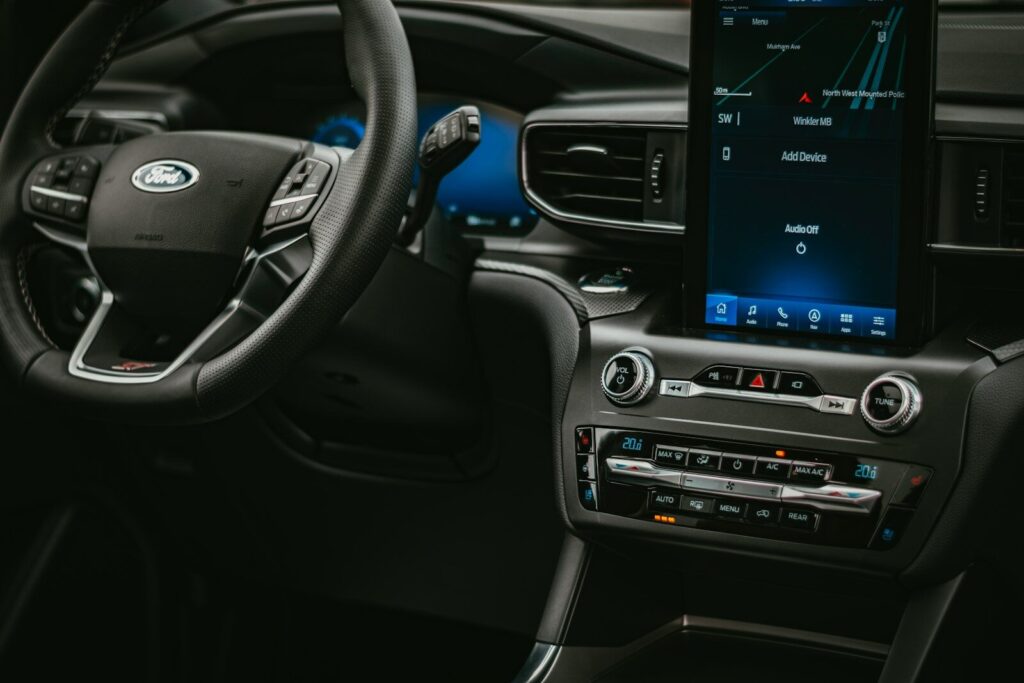
Technology will be another major part of the cabin’s appeal. Ford says a large touchscreen, Apple Maps-powered navigation, Digital Key functionality, app-based remote controls, Apple CarPlay, and Android Auto compatibility will be standard. Every Fathom is also expected to be capable of supporting Ford’s BlueCruise hands-free highway-driving system, although service availability and subscription terms may affect its use. These features reinforce the idea that affordability will not require buyers to accept an outdated or minimally equipped interior simply to reach the advertised price.
8. A Zonal Electrical System Reduces Wiring
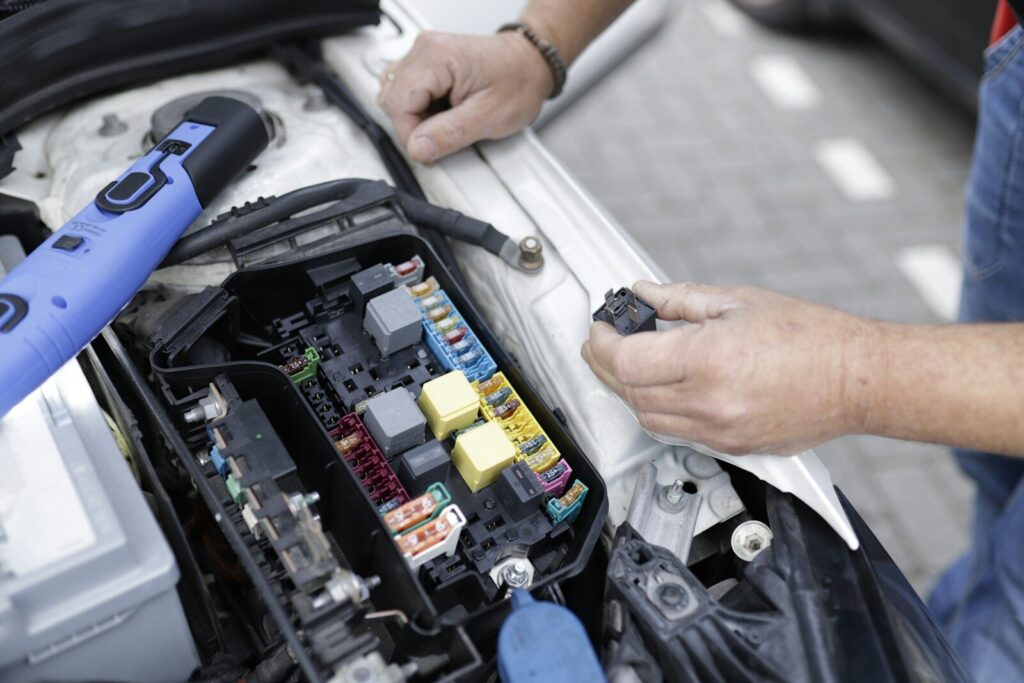
Traditional vehicle electrical systems use numerous control modules connected through extensive wiring harnesses. Ford’s new zonal architecture organizes electronic functions around localized sections of the vehicle, reducing the need for individual wires to travel long distances between every sensor, switch, actuator, and central controller. The company says the Fathom’s wiring harness will be more than 4,000 feet shorter and approximately 10 kilograms lighter than the harness used in Ford’s first-generation electric SUV, referring to the Mustang Mach-E.
Benefits of the Zonal Electrical Architecture:
- Shortens the overall wiring harness
- Reduces vehicle weight and copper
- Simplifies component routing during assembly
- Decreases potential electrical connection failures
- Supports centralized software and updates
Less wiring can generate benefits throughout the truck. Copper is expensive, and long harnesses require clips, connectors, protective coverings, installation time, routing space, and detailed quality checks. Reducing that complexity can lower material expenses and vehicle weight while decreasing the number of potential connection failures. A simpler harness can also make the vehicle easier to assemble because workers have fewer cables to route through confined body structures. These savings may appear small individually, but they support Ford’s broader effort to remove cost from every stage of production.
The zonal system also provides the foundation for a software-defined vehicle. Centralized computing can coordinate features across the truck while allowing Ford to distribute improvements through over-the-air updates. New functions, interface refinements, diagnostic changes, and selected performance adjustments may therefore arrive after the vehicle has been delivered. Software support will need to remain reliable and transparent because customers expect basic vehicle functions to work without interruption. Ford must also protect the system against cybersecurity threats while avoiding an excessive dependence on paid subscriptions.
9. The Fathom Is Intended to Be Enjoyable to Drive
Affordability does not mean Ford is designing the Fathom exclusively around economy. The company originally said the truck would accelerate as quickly as a Mustang EcoBoost, suggesting performance considerably stronger than that of a conventional entry-level pickup. Ford has not yet published a final zero-to-60-mph figure, so earlier reports of a precise 4.5-second target should not be treated as a confirmed production specification. Electric motors nevertheless provide immediate torque, making responsive acceleration possible without a large combustion engine or complicated multispeed transmission.
Expected Performance and Utility Characteristics:
- Electric motors provide immediate acceleration
- Structural battery lowers center of gravity
- Aerodynamics support stability and efficiency
- Chassis targets responsive enjoyable handling
- Bidirectional power expands practical usefulness
The structural battery places substantial mass low within the vehicle, which can reduce body movement and improve stability during changes of direction. Ford also says the truck will generate more downforce than a Mustang EcoBoost, indicating that aerodynamic development is intended to support handling as well as efficiency. Engineers must still manage the compromises created by pickup proportions, payload requirements, tire selection, suspension travel, and vehicle weight. Achieving an engaging driving experience will depend on steering response, braking consistency, ride comfort, and chassis balance rather than acceleration alone.
Bidirectional power capability will expand the truck’s usefulness beyond transportation. Ford has confirmed that the Fathom will support the technology, although detailed output ratings and equipment requirements remain unannounced. Depending on the final implementation, stored battery energy could potentially power tools, recreational equipment, selected household circuits, or other compatible devices. This feature gives the battery value even when the truck is parked. For many buyers, practical mobile electricity may become as persuasive as rapid acceleration, especially when the vehicle is used for work, camping, emergencies, or home energy management.
10. Ford Is Making a Multibillion-Dollar Industrial Bet
Ford plans to invest nearly $2 billion in Louisville Assembly Plant to prepare it for Fathom production, securing approximately 2,200 hourly jobs. The factory will receive new equipment, digital infrastructure, material-handling improvements, and an expansion intended to support the Universal EV Production System. BlueOval Battery Park Michigan represents an additional investment of approximately $3 billion and is expected to provide 1,700 jobs connected to American LFP battery manufacturing. Together, the projects create or secure nearly 4,000 direct jobs while supporting a broader domestic supplier network.
Major Elements of Ford’s Industrial Investment:
- Commits approximately five billion dollars
- Modernizes the Louisville Assembly Plant
- Expands domestic LFP battery manufacturing
- Creates or protects thousands of jobs
- Establishes an affordable electric foundation
The comparison with the Model T is ambitious but understandable. The original car did not become historically important merely because of its mechanical design. Ford combined product simplicity with manufacturing innovation to make personal transportation accessible to people who had previously been excluded by cost. The Fathom follows a similar objective for the electric era. Its new platform, structural battery, large castings, zonal electronics, and assembly tree are not independent technological demonstrations; they are coordinated attempts to produce an appealing vehicle at a price ordinary households can realistically consider.
Success is not guaranteed. Ford must launch the truck on schedule, maintain its announced entry price, provide competitive range and charging performance, establish dependable battery production, and achieve acceptable manufacturing quality. It must also persuade buyers that an unfamiliar electric model can serve as a trustworthy family vehicle while competing against increasingly capable products from American, Asian, and European manufacturers. If the company delivers on those promises, the Fathom could become more than another electric pickup. It could establish the affordable foundation Ford needs for its next generation of vehicles.