




New Auto Tariffs Could Erase Key Luxury SUVs from the U.S.
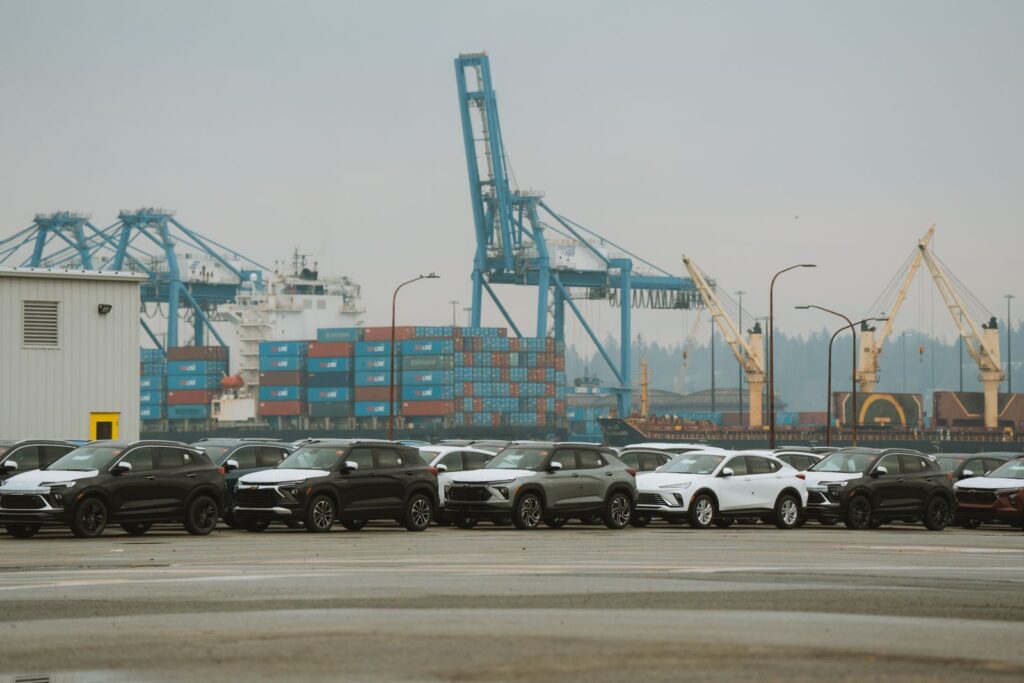
Amid the growing uncertainty of the US new vehicle market new policies on imports could redefine not only the models on offer but also the prices we’ll pay for a European. For decades luxury SUVs by European marques have become the back bone of the American premium car market; with buyers being drawn into European SUVs because of their engineers, ability, technology, and history. Yet with a proposed system of imports tariffs on new cars in the coming months, some of the very biggest industry names will become much more expensive.
While giants like Mercedes-Benz, BMW, Audi, Porsche, Land Rover have managed to build strong brands within the American premium market over many years-being associated with finely crafted and well-engineered automobiles-the new increased duties impose a tough decision that forces each automaker to evaluate pricing policies, production locations and potentially, whether some models can even remain profitable in the U.S market.
The affects of these policies are far-reaching. Consumers may soon find themselves paying more to buy fewer European luxury cars, as well as navigating a tougher transaction. Knowledge of how these tariffs operate and what vehicles will be affected the most may become a critical factor in the purchase decision of an imported luxury SUV.

1. A New Tariff Structure Changes the Automotive Market
For example, under the old vehicle import duty structure, you knew that a most typical passenger car had a flat 2.5 percent of duty attached when it crossed our border. What will now be in place are layers of rates of duties depending on where such a vehicle was sourced and the specific treatment of the trade relationship to any given import.
Key Effects of New Tariff Rules:
- Multiple tariff layers affect vehicle pricing
- Production location influences import costs
- Luxury imports face greater financial pressure
- Trade agreements impact final vehicle prices
- Vehicle origin becomes a major market factor
However the center piece to this transition is the Section 232 tariff that slaps a 25% import tax on select vehicles as a matter of national security. The highest-risk vehicles to this trend are luxury European SUV’s with overseas based factories and direct overseas shipping models. The addition of this cost of a product is surely to have implications on costs, and especially so in an ultra-premium market segment.
The separate reciprocal tariff scheme has also effected a great deal of change across the entire importing picture, and so, even though the new 15% “flat rate” tariff now incorporates the previous 2.5% duty (instead of adding an additional 2.5%) the fact remains, it’s still significantly higher than ever before, and so where a vehicle comes from can arguably now be as or even more relevant to a purchase than a lot of other factors you may be considering (Such as make, model features, or even performance).

2. European Luxury SUVs Face Growing Pressure
Another slew of well-liked luxury SUVs may take it large increase as a direct importer from Europe, with the Mercedes-Benz GLE being another among the vehicles that is underneath the more scrutiny. While Mercedes manufactures several automobiles in the united states such as for instance larger SUVs that’s constructed in the automaker’s Alabama vegetation a German-built G GLE SUV would want reliance on overseas manufacturing.
Luxury SUVs Affected by Import Costs:
- European-built models face higher tariffs
- Production location affects final pricing
- Imported SUVs may lose price competitiveness
- Luxury buyers may face higher ownership costs
- Brands must reconsider global production strategies
The BMW X5 also sees itself in this same quandary even with the large number of BMW production in South Carolina. The Spartanburg plant builds numerous BMW X-series SAV’s for the international market, but there is still the possibility of having higher tariffs added onto select models of the X5 made in Germany. This creates confusion for a consumer to have two models from the same car company with completely different price tags because they were made in two separate locations.
High profile Land Rover Range Rover is another model whose costs are rising. Being built in the U.K. Range Rover offers British opulence and off road prowess but, because it’s an import it will face a higher duty. Since the Range Rover is not produced in America there could be a very steep price increase for American owners.

3. Entire Luxury Brands Could Feel the Impact
And it’s not just specific SUV models that will be affected, as entire luxury brands with significant European production footprints could see higher prices throughout their range. For example, much of Audi’s production is carried out in Germany, Hungary, Slovakia, and Belgium a major US assembly plant, which might shelter some models from added import costs, doesn’t exist for Audi yet.
Luxury Brand Challenges:
- European production increases tariff exposure
- Imported models may require higher pricing
- Premium buyers may reconsider purchases
- Smaller manufacturers have fewer alternatives
- Global production strategies may need adjustment
Porsche is vulnerable too as most of its luxury and sports car as well as SUV’s are made in Germany and Slovakia. Porsche SUVs being a premium category already will go higher up in price, with increased cost of imports. However being richer means that purchasing power is much more.
The same is true for other ultra luxury car manufacturers such as Ferrari, Lamborghini, Maserati, Rolls-Royce, Bentley, Aston Martin, and McLaren. As these cars are nearly entirely made in Europe, there are not many alternatives they can choose to prevent additional tariffs, and though these brands operate at lower volumes and for a higher-end consumer, the additional cost is still a major shift in one of the world’s most significant luxury automobile markets.
4. Trade Agreements Create Different Outcomes for Imported Vehicles
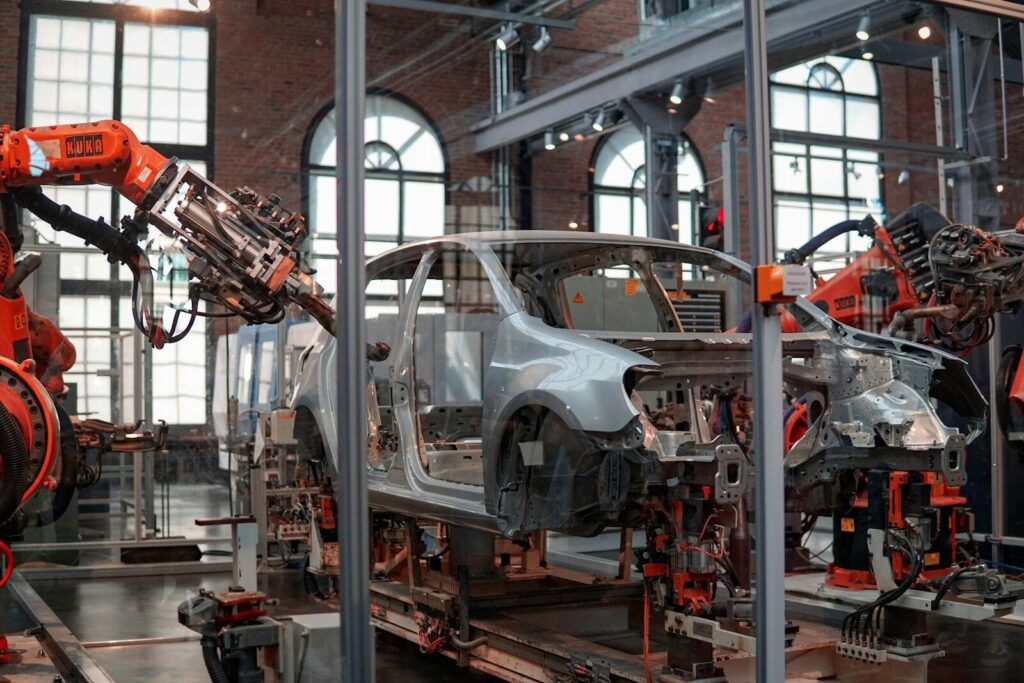
The same kind of financially strenuous situation won’t be present for all imported vehicles. Trade agreements have established varied conditions, impacting taxes based on each vehicle’s origins and its entrance into U.S. Marketplaces, therefore presenting varied burdens and levels of impact to manufacturers no matter if they may be in a comparative market for auto types.
How Trade Rules Affect Automakers:
- USMCA production offers tariff advantages
- North American factories reduce import risks
- British vehicles face separate trade conditions
- Production location influences pricing strategies
- Manufacturers may reconsider factory investments
Products manufactured in countries signatory to the USMCA benefit from better treatment. Several car manufacturers with plants in North America are spared the steepest tariffs on the goods they produce, putting these companies in a position of advantage relative to those heavily dependent on facilities in Europe. The disparate treatment may have a bearing on decisions about where future plants are situated as brands seek to minimize risk of being penalized by trade policy.
There is also another system that applies to the United States with the production of automobiles coming from the United Kingdom; some units might be subject to a smaller tariff, while subsequent production above the agreed number of units would become prohibitively expensive. These issues are just another complexity for the few luxury producers with restricted production numbers who try to implement supply and pricing strategies.
5. U.S.-Built Vehicles Gain a Stronger Advantage
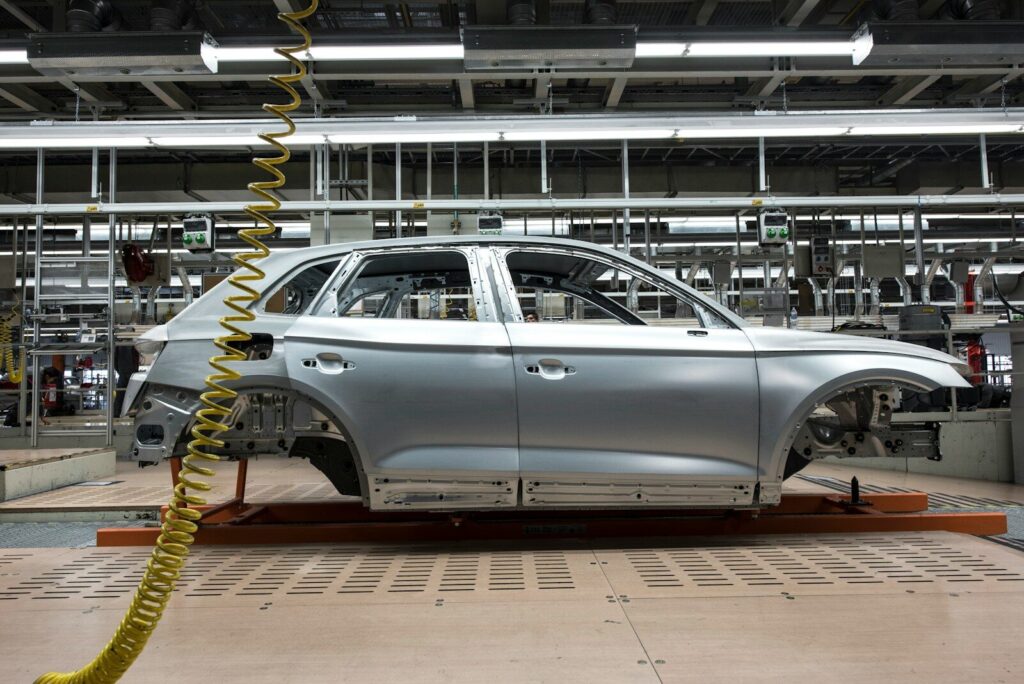
With the increased costs of imported vehicles, domestic production will become a more attractive option to consumers. Vehicles built domestically would theoretically not incur direct import taxes and thereby be able to price their vehicles competitively against those that are shipped from abroad. Buyers are thus likely to gravitate towards domestic models, even in luxury segments.
Advantages of U.S. Vehicle Production:
- Reduces exposure to import tariffs
- Helps maintain competitive pricing
- Strengthens local manufacturing value
- Benefits both mainstream and luxury models
- Encourages domestic production investment
A number of high-volume cars advantages American production sites. The Toyota Camry in Kentucky, Honda Accord in Ohio, Ford Explorer in Chicago or Jeep Grand Cherokee in Detroit fare better due to final assembly performed in the US.
Protected for luxury: BMW-built SUVs for the US-the X3, X4, X6, and X7, for example-aren’t hit by the top-tier import taxes, given they’re built at the company’s operations in South Carolina. Similarly, the Mercedes-Benz’s EQE and EQS electric SUVs (as well as its GLS SUV) produced stateside have a price gap over their counterparts imported from the automaker.
6. Even American-Made Cars Are Not Completely Protected
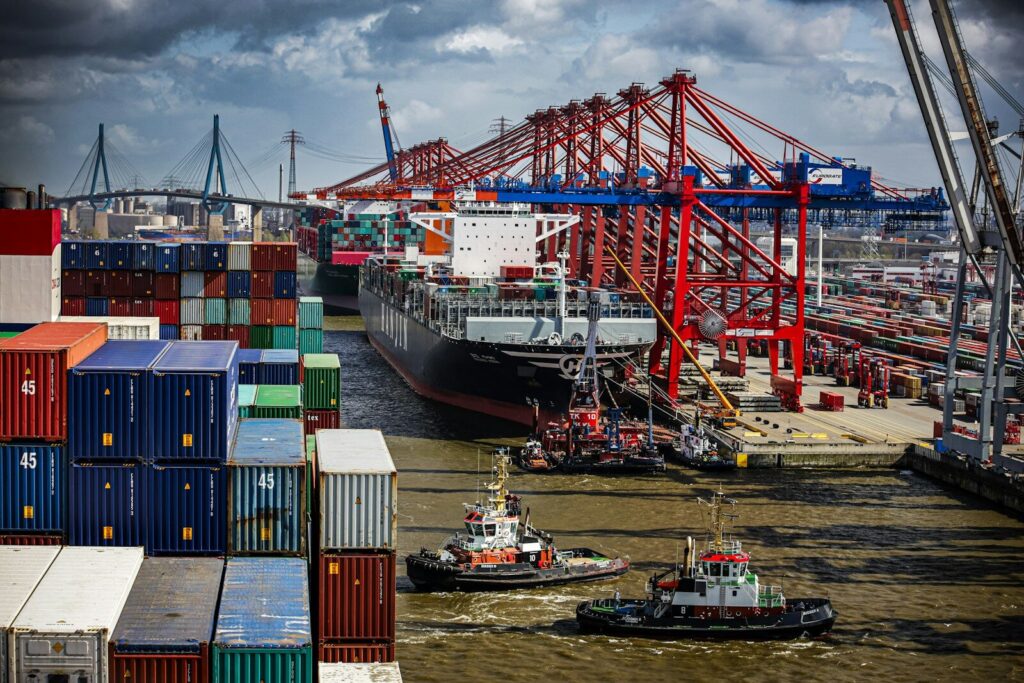
Having the vehicles manufactured within this country is still a distinct benefit but in a global economy no vehicle is entirely independent. This generation of vehicles rely quite heavily on supply chains located across multiple global territories for different components prior to their assembly at some facilities within the U.S.
Limits of Domestic Production:
- Global parts supply chains remain connected
- Imported components can increase costs
- U.S. assembly does not eliminate all tariffs
- Domestic vehicles may still face price pressure
- Finished imports experience the greatest impact
Tariff hikes could spill over to automotive componentry, affecting areas like electronics, mechanics, and materials that might be sourced for U.S. Car production even here. Still, expect a lesser increase for cars, since a tariff here will likely only affect certain inputs rather than a whole made-abroad finished car.
At the consumer level, it means basically every class of car may feel some pressure on prices. Some imported high-end SUVs could get hit the hardest by this, but domestic vehicles could go up if car makers pass along increased component costs.
7. Importing Unique Vehicles Becomes More Expensive
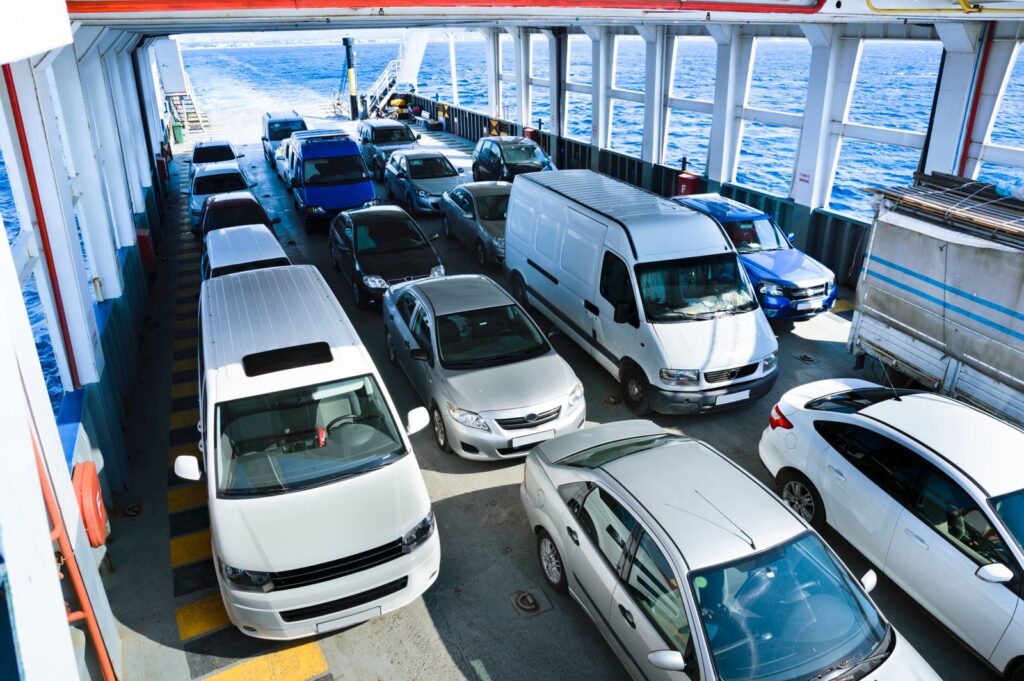
The extent of the financial burden becomes even more obvious when one considers importing a single vehicle. A buyer who wants to import an interesting European car into the U.S. May be looking at several additional costs apart from the purchase price itself; tariffs and shipping charges, fees levied by various government agencies and modifications that are mandatory can add up quite quickly.
Higher Costs for Vehicle Imports:
- Tariffs increase overall purchase expenses
- Shipping adds to import costs
- Compliance modifications can be expensive
- Rare models become harder to access
- Enthusiasts face fewer vehicle choices
A Germany imported car worth approximately $25,000 could attract thousands of dollars of import duties, without the inclusion of other duties and taxes. Furthermore, the auto part and modifications which might be needed to qualify for U.S safety and EPA standards can add additional thousands to the expenses.
The import of these vehicles, whether uncommon in U.S. Market or just plain rare in the States, is far from an inexpensive endeavor. Higher taxes and fees for compliance for car models that never came to the states make them very unattractive import for owners.

8. Automakers Are Likely to Pass Costs to Consumers
The giant question about tariffs is who actually pays for the increase cost. Many experts industry insiders have in mind that the manufacturers pass over large portions of cost and charge it to consumers instead than take losses themselves. The consumers buying vehicles could be in better stead to pay more costs, luxury automobiles purchasers more than people.
Consumer Impact of Higher Tariff Costs:
- Vehicle prices may increase
- Buyers may explore domestic alternatives
- Luxury competition could become stronger
- Manufacturers must protect profit margins
- Pricing strategies may need adjustment
A higher sticker price might also shift the way drivers consider vehicles on the premium market. They might start to consider domestic options, alternatives to current brands, or models offering the same functions without the tariffs. Increased competition could spark between luxury vehicles at home and abroad.
Manufacturers face the conflict between their own profits and their customers’ demands. If prices are increased too quickly, sales volume may go down while having the responsibility to absorb costs would ruin profit margins. It is up to firms to decide whether to increase the prices, reallocate their production or reengineer the ways they are procuring.

9. Tariffs Reflect a Larger Political and Economic Battle
The introduction of new automotive tariffs is not only about vehicle pricing or manufacturing costs. The policy is connected to broader international negotiations and political disagreements between the United States and its trading partners. Trade decisions often become part of larger discussions involving economic priorities, national security concerns, and diplomatic relationships.
Broader Effects of Automotive Tariffs:
- Reflect wider trade policy debates
- Influence global manufacturing strategies
- Affect consumer costs and businesses
- Create uncertainty for automakers
- Connect automotive markets with politics
The administration behind these tariffs has presented them as a way to protect domestic industries and address concerns related to international trade. However, critics argue that such measures can create additional costs for consumers and businesses. The automotive industry becomes directly affected because modern vehicle production depends heavily on global manufacturing networks.
Previous tariff policies have already shown that trade restrictions can influence household expenses. Research from organisations such as the Tax Foundation has highlighted that tariffs can create additional financial pressure on American families. New vehicle tariffs could add another layer of cost for buyers, whether they choose imported luxury SUVs or domestically assembled vehicles that rely on foreign components.
10. The Future of Luxury Vehicles in the U.S. Market
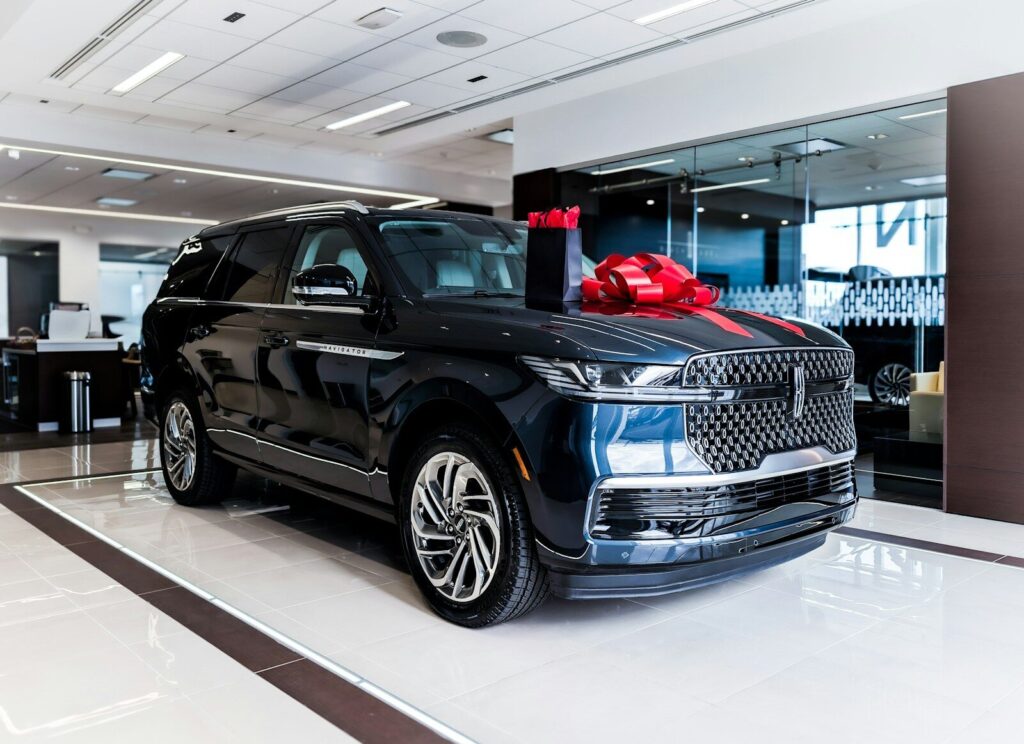
The future of imported luxury vehicles in the United States is becoming more complicated as manufacturers adjust to a changing trade environment. European SUVs and performance vehicles will continue to attract buyers because of their design, engineering, and brand reputation, but higher prices may change how consumers approach these purchases.
Future Luxury Market Considerations:
- Production location will affect pricing
- Tariff exposure will influence buying decisions
- Imported models may face higher costs
- Domestic alternatives may gain attention
- Global economics will shape vehicle choices
For buyers interested in premium vehicles, researching production locations and understanding tariff exposure will become increasingly important. The country where a vehicle is manufactured could have a direct impact on its final price, making details such as assembly location just as relevant as horsepower, technology, or interior features.
The luxury automotive market is entering a new era where global economics plays a larger role in everyday purchasing decisions. The desire to own a German-engineered SUV, an Italian sports car, or a British luxury vehicle will remain strong, but consumers may need to consider a wider range of factors before making a decision.