








12 Road-Legal Production Cars Engineered Directly from Motorsport Heritage
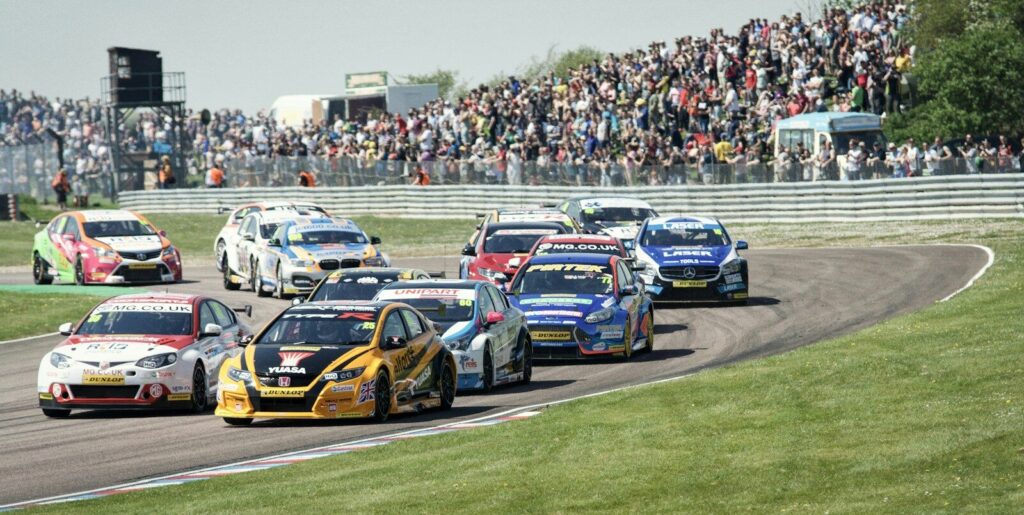
The boundary between ordinary road cars and purpose-built racing machines has produced some of the most fascinating automobiles ever created. To meet strict motorsport regulations, manufacturers sometimes had to build limited numbers of road legal vehicles based directly on their competition machinery. These cars, commonly known as homologation specials, brought race-focused engineering from the circuit onto public roads.
Lightweight structures, powerful engines, specialized drivetrains, and aggressive aerodynamic designs became defining characteristics of these unusual production models. Instead of simply adapting ordinary road cars for racing, manufacturers often developed vehicles with competition as the primary goal. The result was a remarkable collection of street-legal automobiles that carried genuine motorsport technology beneath their road-going exteriors.
1. Ferrari 250 GTO
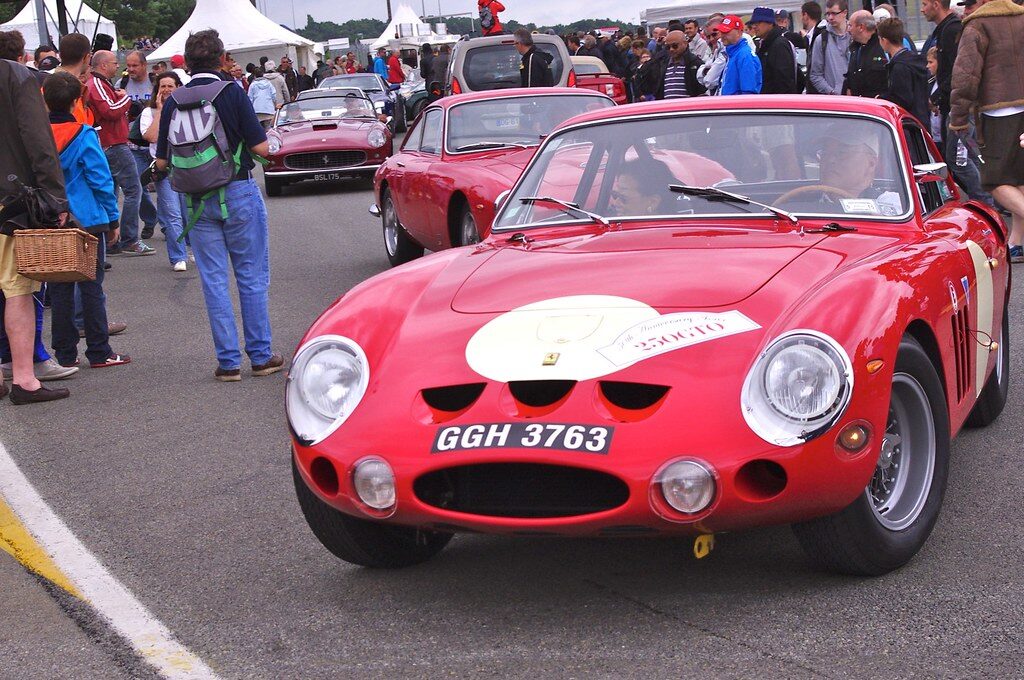
To meet the FIA’s requirements for homologation of GT racing cars, Ferrari built just 36 examples of the 250 GTO from 1962 to 1964. The name, which stands for Gran Turismo Omologato, highlighted the fact that the car was intended to be used as a race car. Designed by Scaglietti, the 250 GTO was a handsome creation of coachwork combined with a race-focused mechanical package designed to perform at speed. The all-alloy 3.0-liter Colombo V12 engine produced about 300 horsepower while the car was built to be as light as possible, with super-thin aluminum panels, a stripped-down interior, and simple canvas door pulls replacing normal door handles.
Ferrari 250 GTO Racing Characteristics:
- Only 36 examples produced
- 3.0-liter Colombo V12
- Approximately 300 horsepower
- Extremely lightweight aluminum body
- Competition-focused interior design
Thus, the new 250 GTO’s mechanical specification made it clear it was no 250 Lusso as a GT car. Buyers were given a simple short shift race gearbox, no sound deadening and suspension settings optimized for racing on circuits. The combination took it a long way from a grand tourer, even if it did remain road legal, and its racing record proved the value of the concept. The 250 GTO won the FIA GT Championship for three years in a row, from 1962 to 1964, and also scored class wins at Le Mans.
2. Porsche 911 GT1 Straßenversion
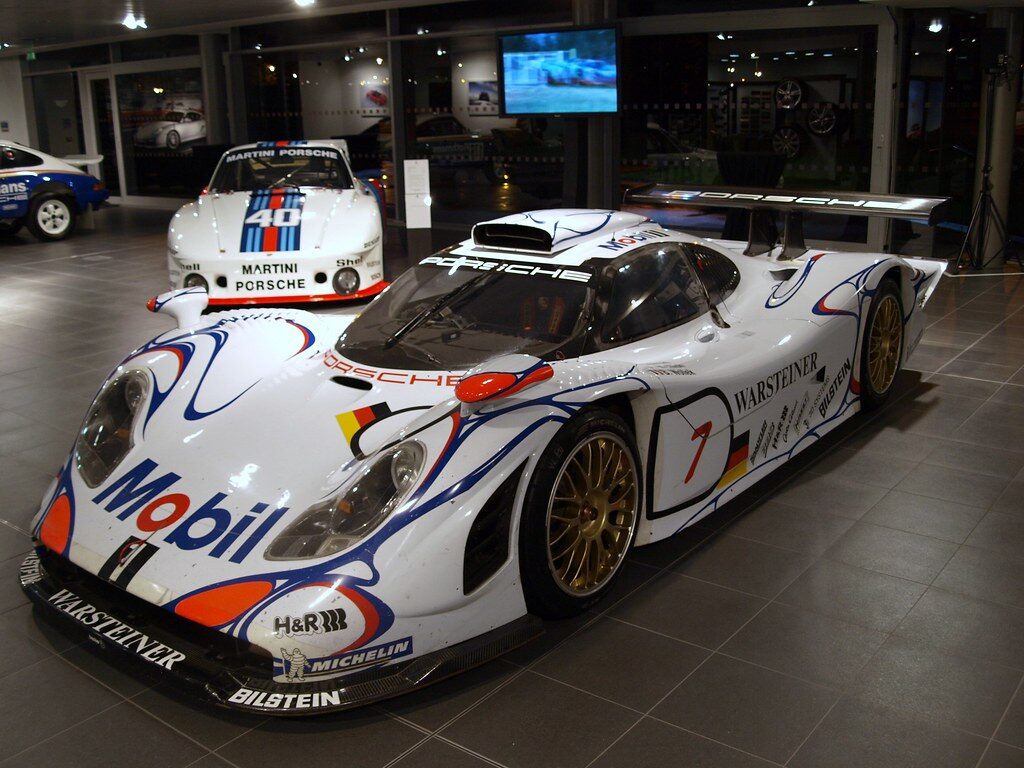
Porsche, in the late 1990s, created the 911 GT1 specifically for GT1-class racing, but in 1997 built only 25 Straenversion examples for the road. It used the same basic headlight and taillight units used by standard 911s, but was otherwise completely different. Its mid-engine layout and race-bred construction made the street version much more resemble a Le Mans prototype than a production 911. Its carbon-fiber monocoque chassis was directly descended from the race program, as was its twin-turbocharged 3.2-liter flat-six that put out 544 horsepower. Together they were good for 0-to-60 mph acceleration in less than 3.9 seconds and 190 mph-plus top speeds. Clearly, it was a racing machine.
Porsche 911 GT1 Road-Car Details:
- Only 25 road examples
- Carbon-fiber monocoque chassis
- 544-hp twin-turbo flat-six
- Under 3.9-second 0-60 mph
- More than 190 mph top speed
Porsche offered only modest concessions to everyday practicality. The cabin was equipped with modest air-conditioning and primitive soundproofing; yet compared to other regular-service premium sports cars, it was still bare-bones. Road comfort was clearly not Porsche’s priority that would be to the detriment of the racing car’s DNA but that point is integral to Porsche’s endurance-racing achievement. The GT1 project was the key to Porsche’s historic overall win at the 1998 24 Hours of Le Mans, and with the Straenversion, Porsche created a production vehicle that was clearly derived from the racing championship-winning GT1.
3. Ford GT40 Mk III
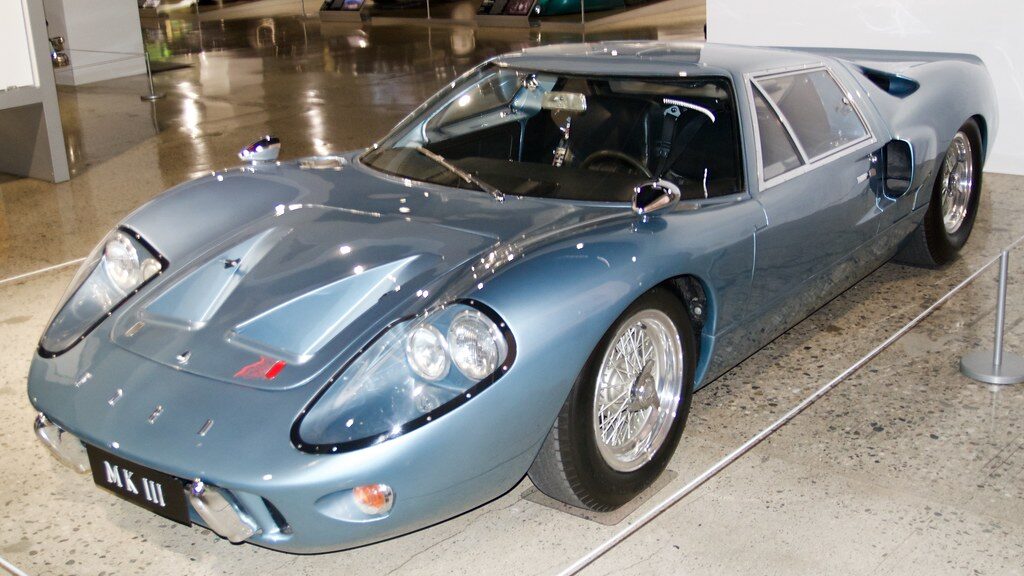
After the 1-2-3 finish by the GT40 at Le Mans in 1966, Ford built seven Mk III road cars as a more practical, civilised interpretation of the GT40. Built as road-going vehicles (but in very limited numbers), they retained the primary chassis layout and basic nature of the racing car, with some modifications to make this GT40 roadgoing model a little more practical but with the racing DNA still clearly intact. The Mk III had some visual and functional changes, like the replacement of the racing lights with round lamps, a longer back end with added luggage capacity and a side-open rear clamshell. 289-cubic-inch V8 with 306bhp with ZF five-speed transaxle.
GT40 Mk III Road Features:
- Only seven road cars
- 306-hp 289-cubic-inch V8
- ZF five-speed transaxle
- Extended rear luggage area
- Limited street-focused modifications
The cockpit was also altered slightly, with carpet and soundproofing added to make it more “road-like,” but the Mk III still was not a true grand tourer. It was still a pig of a race car, with its limited number of units, race-bred chassis, big V8, and long-hood/short-tail proportions. Despite the road bits, it still was able to give the driver a uniquely visceral “back to its roots” feeling of Ford’s endurance-racing past.
4. Mercedes-Benz CLK GTR
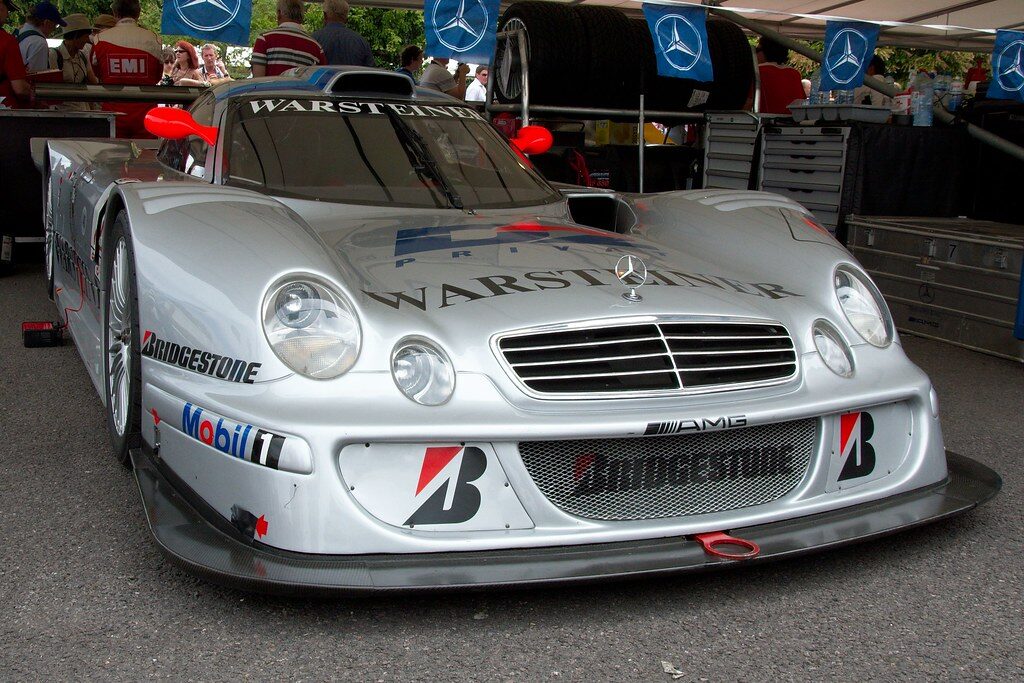
Conceived by Mercedes-Benz to meet FIA GT Championship requirements in the late 1990s, the CLK GTR came in a very limited run of 25 street versions. The development program for the road-going car took just 128 days from prototype to Track-ready vehicle, and the car still boasts a huge chunk of its racing forerunner’s structure and aerodynamics. The street model featured a carbon-fiber monocoque with dimensions retained from the racecar. An all-aluminum, naturally aspirated 6.9-liter V12 delivered 604 horsepower to propel the CLK GTR to 60 miles per hour in 3.8 seconds, and beyond 214 mph.
CLK GTR Performance Details:
- Only 25 road examples
- Carbon-fiber monocoque structure
- 604-hp naturally aspirated V12
- 3.8-second 0-60 mph
- More than 214 mph top speed
To be sure, Mercedes installed some luxury-focussed features: leather trim and air-conditioning, but these were hardly enough to mask the car’s racing origins. The cockpit was tight, you needed to squeeze in, and body-mounted, large air intakes minimized outward vision. The sequential gearbox ensured it maintained the feral nature of the racing version. Instead of softening the car too much, Mercedes retained the core essence of the structure and concept of the CLK GTR. It is perhaps the most obvious illustration of how GT racing rules could result in a wildly extreme street car.
5. Lancia Stratos HF
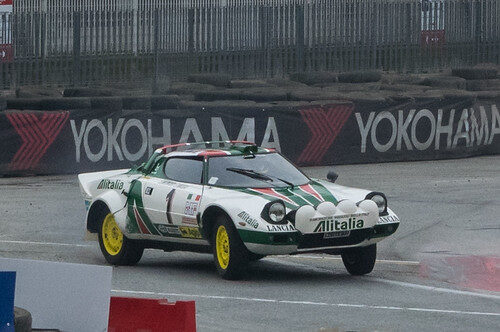
It was a Group 4 rally weapon designed by Lancia in rally director Cesare Fiorio’s era. Its striking wedge-shaped body was styled by Marcello Gandini to accommodate a 2.4 liter Ferrari Dino V6 that was mounted in the middle of the car in street form. With 190 bhp, the plant was mated to a chassis that promised no touring luxuries, just a performance package that was to allow precise car handling. With a monocoque chassis and a short 2,180 mm wheelbase, a panoramic windscreen for superior outward visibility and short overhangs in order to enable the driver to put the car down on narrow forest-based roads, the car reflected its motorsport roots in the design.
Stratos HF Competition-Focused Design:
- Mid-mounted Ferrari Dino V6
- 190-hp street specification
- Very short wheelbase
- Panoramic windshield visibility
- Minimal front and rear overhangs
During its five-year production, Lancia made an estimated 492 road versions in order to meet FIA homologation demands between 1973 and 1978. The number was small enough that the company was able to enter a highly specialized rally car into competition while providing enthusiasts with a road-legal rendition of the same basic concept. The move proved highly successful in the world of motorsports, as the Stratos captured three world rally championships in 1974, 1975, and 1976, and its utilitarian chassis and high-powered engine were extremely effective when being driven on the competition stage.
6. BMW M3 (E30)
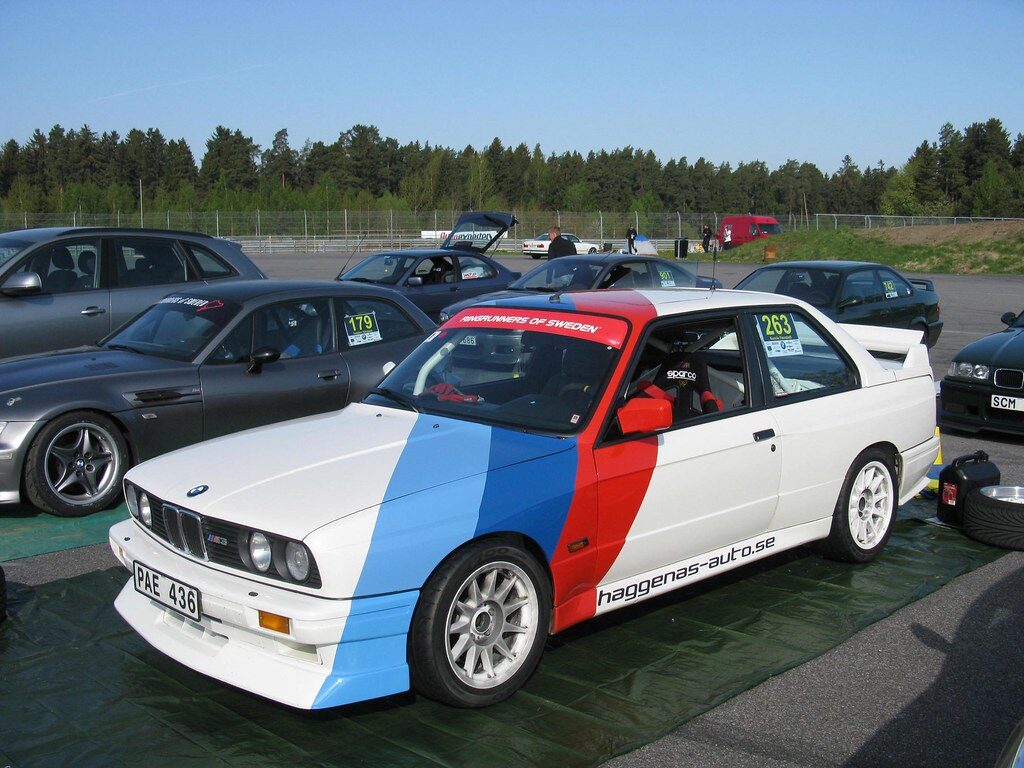
Known as the E30, the M3 was introduced in 1986 to compete in Group A touring car racing. State side, BMW had to build 5,000 street versions of the M3 to homologate the sportier model. While the M3 bore the general shape of the 3-Series coupe, only the roof, hood, sunroof, and doors carried over from the standard car. The majority of the body was custom-molded for the M3, with box-flared fenders and large rear wing for aerodynamic adjustment. Underneath the broad-riding bodywork was a high-revving 2.3-liter 4-cylinder S14 engine making 195-hp and 7,000-rpm redline. The motor and bodywork sat atop chassis adjustments aimed at aggressive handling.
E30 M3 Motorsport Engineering:
- 5,000 road units required
- 2.3-liter S14 four-cylinder
- 195 horsepower produced
- 7,000-rpm redline
- Distinctive flared bodywork
The BMW also modified the chassis geometry, brakes and attachment points to handle more aggressive motoring. The result was an M3 with sharp handling on the road and the racetrack. The design thus combined a true motorsport nature with practicality for owners to drive the car on the road, too, ending up as a benchmark for BMW M cars ever since. Rather than as a barely-race car with almost no roadability, the M3 used the homologation formula to build a true high-performance car with practical qualities for everyday use.
7. Alfa Romeo 155 V6 TI Stradale
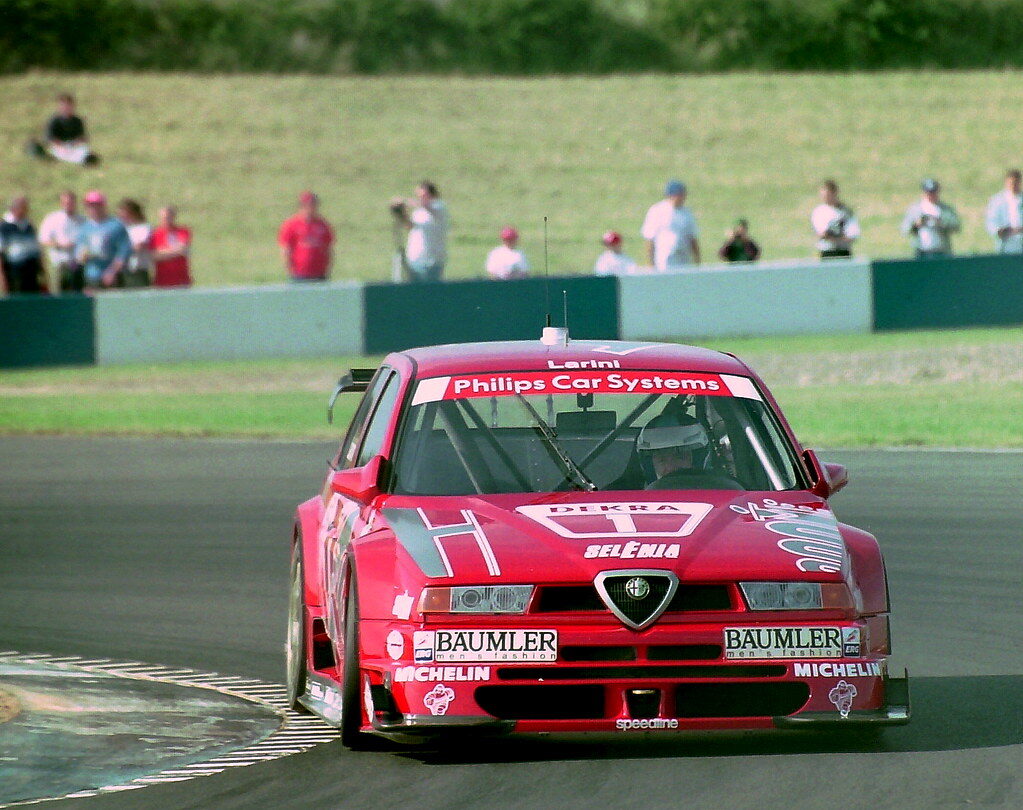
The Alfa Romeo 155 V6 TI Stradale was based on homologating the same 155 for the upcoming early-’90s DTM racing series. Only 38 were produced, making it a rather exclusive link between the racing program and the street-car effort. While the race car itself was a far more radical machine, the road-going 155 did retain elements of its motorsports brothers and sisters. The DTM racecar had a 400+ hp V6 and was all-wheel drive, yet the Stradale has a 2.0-liter turbo four, front-wheel drive and an extensive aero pack that was primarily shaped by racing considerations, including a downforce-generating, adjustable front splitter and a trunk-mounted rear wing.
155 V6 TI Stradale Highlights:
- Only 38 road-going examples
- 2.0-liter turbocharged engine
- Competition-inspired aerodynamics
- Wider body arches
- Recaro sport seats
The Stradale also had broader arches, more cooling ducts, and Recaro seats. These touches increased the connection to Alfa Romeo’s DTM effort, without replicating every extreme part of the racing car. The homologation was tightly tied to Alfa Romeo’s racing success; with Nicola Larini’s 1993 DTM championship and 11 wins, the road-going Stradale had a real-world link to a winning racing campaign. Its limited numbers and race technology made it one of the more unique examples of how motorsport rules could shape a production car.
8. Toyota Celica GT-Four ST205
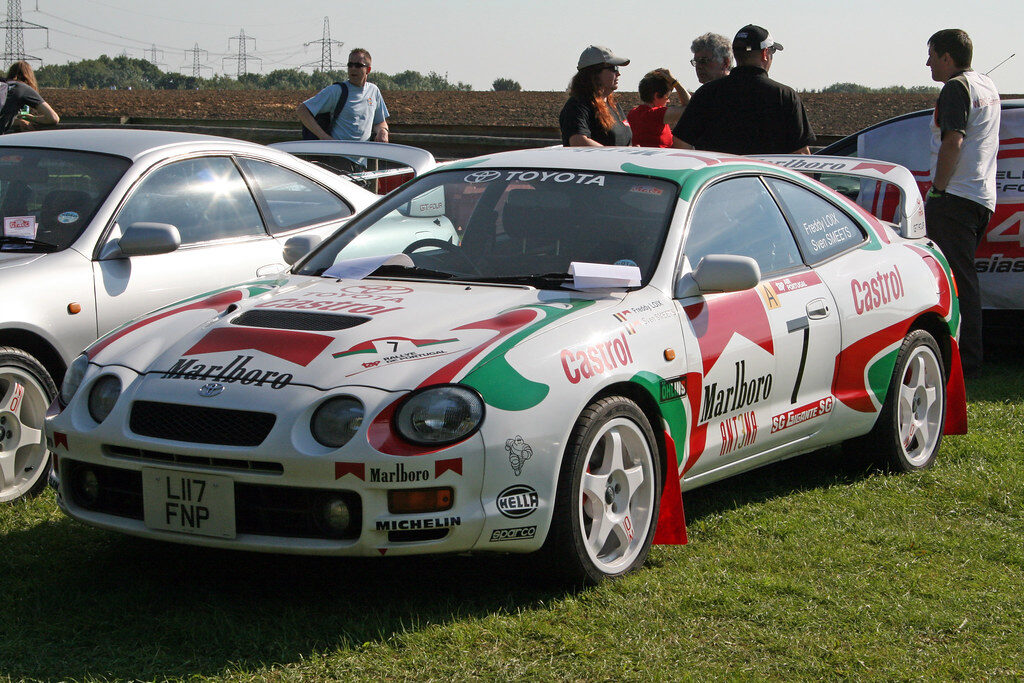
The widebody Celica was developed by Toyota in Japan between 1994-1999 for homologation in group a rallies. Around 2500 road versions were built making the ST205 the most developed racing-ready Celica over this period of time. It was packed with all sorts of mechanical and aerodynamic features made for maximum performance in the demanding world of rallying. Power was delivered through the Toyota 2.0-liter 3S-GTE turbocharged four-cylinder engine generating up to 252 hp to a full-time all wheel drive system featuring a driver-controlled center differential lock, water to air intercooler and an easy on the pre-anti lag system.
ST205 Rally-Derived Equipment:
- Approximately 2,500 road units
- 252-hp turbocharged engine
- Full-time all-wheel drive
- Driver-controlled center differential
- Water to air intercooler
The ST205 exterior left no doubt about its purpose, with larger air intakes, a hood vent, and a huge rear wing all adding to the aggressive look and function. The high wing also had intercooler water spray nozzles, a feature that seems odd in a road car but speaks to the ST205’s rally roots. The ST205 rally’s competition history was marked by the 1995 Toyota WRC team disqualification for use of turbo bypasses, but the road car history is just as intriguing. Turbocharged all wheel drive, sophisticated cooling, and rally-inspired aerodynamics all combined to make the ST205 one of the most mechanically innovative Celicas ever built.
9. Porsche 959
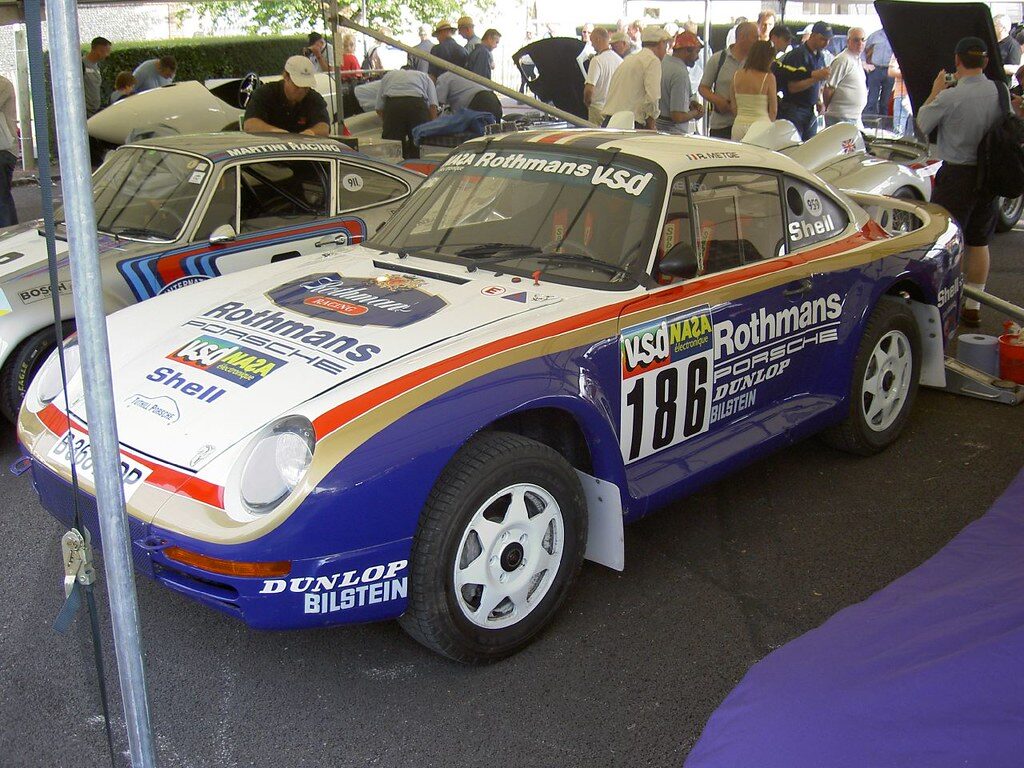
Originally designed for the Group B rally as the Porsche 959, the car became a technological display car after the rally was canceled in 1986. 345 units were made between 1986 and 1993, creating a truly road-going supercar out of the rally car. Instead of writing off the Group B technology, Porsche decided to adapt it into an incredibly advanced road car. The 959’s turbocharged 2.85-litre flat-six produced 444 horsepower. Its sequential turbochargers reduced lag at low rpm and provided greater torque at high rpm. An electronically controlled all wheel drive system had six modes to shift torque between the axles according to driving conditions.
Porsche 959 Advanced Technology:
- Twin-turbocharged flat-six engine
- 444 horsepower produced
- Six all wheel drive modes
- Electronic ride-height control
- Kevlar composite body panels
The good car’s technological sophistication didn’t end under the hood, either: The 959 had electronic ride-height control to keep the suspension agile when needed, Kevlar composite panels to suppress weight and leather-finished interior trim and air conditioning to keep the driver comfortable. Taken as a whole, the 959 proved that a race-oriented car could still have some of the comforts of a more pragmatic automobile. Instead of forcing owners into an incredibly sterile interior like many competitors would, the 959 proved that the technology developed in racing could bring both brilliance and comfort to the road.
10. Audi Sport Quattro
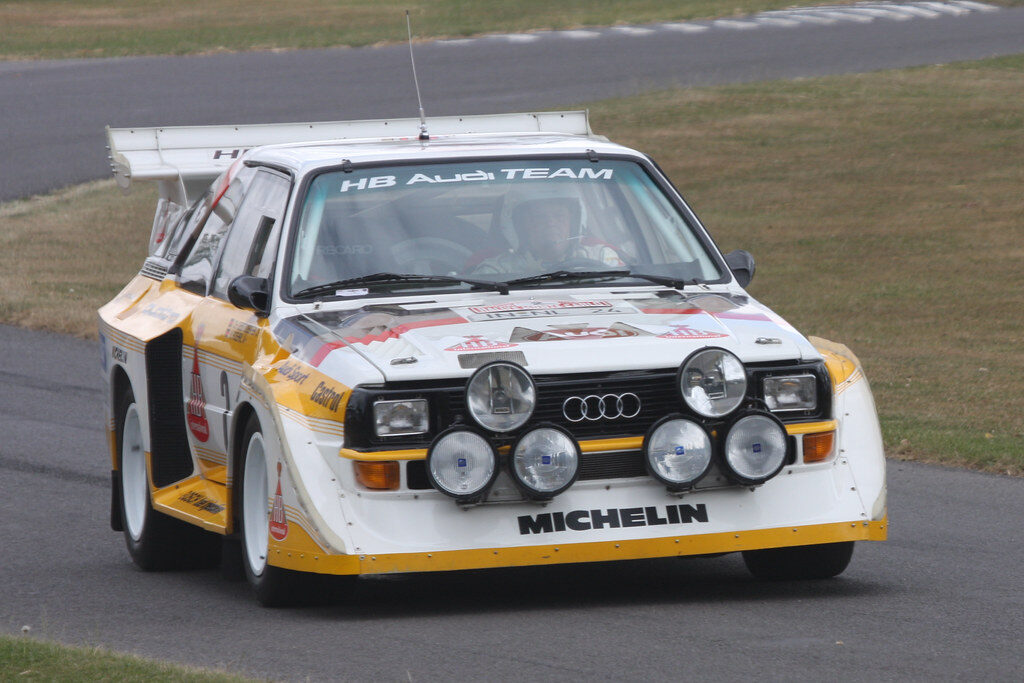
The Sport Quattro, developed for homologation in Group B rallying, built by Audi 1984-86 in a limited run of 214 cars. It was based on the Quattro but had a radical 320mm shortening of the wheelbase from standard and was thus very sharp handling in nature. The car also had steeper screen, lightweight carbon-Kevlar panels and major weight saving to make it an ultra-competitive rally car. Power from the aluminumblock 2.1 litre turbocharged 5-cylinder engine producing 302bhp was delivered through advanced Bosch fuel injection, making for a very competitive and purposeful sports car.
Sport Quattro Competition Features:
- Only 214 examples built
- 302-hp turbocharged five-cylinder
- 320mm shorter wheelbase
- Carbon-Kevlar body panels
- Full-time all wheel drive
All-wheel drive and a full-time center differential lock strengthened the Sport Quattro’s grip on the road, and the driver-controlled center differential lock allowed the driver some influence on drivetrain dynamics. Together, these systems preserved the Sport Quattro’s link to the race-bred Audi and the quarter-century of rallying innovation that came before. It was also the most expensive production Audi to date-almost three times the standard Audi Quattro-since it was a special build. The shortened wheelbase, turbocharged five-cylinder, heavy-duty all-wheel drive, and ultrapure lightweight materials made the Sport Quattro a rally homologation masterpiece.
11. Ferrari F40
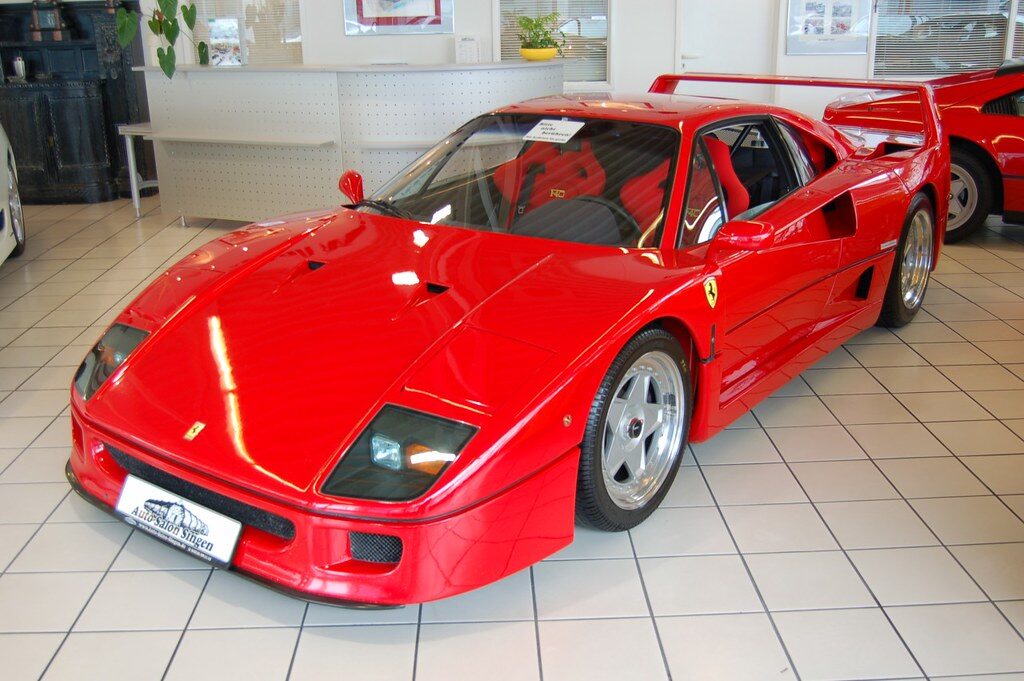
Developed initially for Group B sports car racing before the category was shut down, the Ferrari F40 became a performance car icon and the last Ferrari personally blessed by founder Enzo Ferrari. 1,315 units were built from 1987 to 1992; this lengthy production run was offset by the wide use of exclusive techniques, such as Kevlar reinforced tubular frame chassis and composite panels, while offering the same performance as many homologation specials. Its twin turbo 2.9 L V8 generated 471 hp. The angular twin-turbo lag was felt before an adrenaline rush of power, which gave the car a lot of character.
Ferrari F40 Lightweight Engineering:
- Final Ferrari approved by Enzo
- 2.9-liter twin-turbo V8
- 471 horsepower
- Kevlar-reinforced chassis
- Composite lightweight body panels
The car interior was deliberately unfinished rather than what you might call luxed up. Weightsaving all of that luxury and soundproofing (except AC, which was more of a necessity than a luxury feature, as it helped cope with the heat created in the cockpit by the engine bay) made the F40 a very almost to the point of stark performance-oriented experience. The focus of the F40 was on simplifying rather than comfort and soundproofing, so the Ferrari team focused on improving the power to weight ratio, taking some weight out by reducing the interior and body structure, mated to the turbocharged V8.
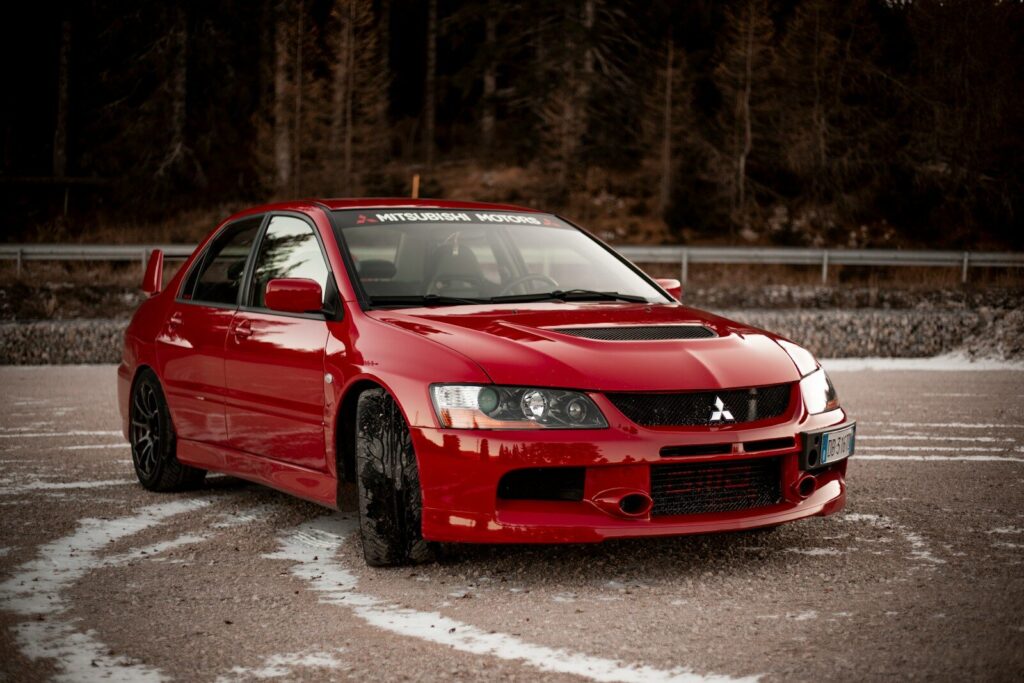
12. Mitsubishi Lancer Evolution
The Evolution bridged the gap between a four-door sedan and a Group A rally car. The Evolution name spanned 10 generations from 1992 to 2016 and became closely linked to motorsports through its turbocharged engine and all-wheel-drive system. Its rally success was especially notable in the 1990s, with Tommi Mäkinen winning four consecutive World Rally Championship Drivers’ Championships from 1996 to 1999. The Evo VI featured a 2.0L turbocharged 4G63 engine, 276 bhp, active yaw control, and special editions like the Tommi Mäkinen Edition that highlighted its rally heritage.
Lancer Evolution Motorsport Traits:
- Ten generations produced
- 2.0-liter turbocharged engine
- 276 horsepower in Evo VI
- Active yaw control
- Tommi Mäkinen Edition available
Unlike some extreme homologation specials, the Evolution remained relatively practical. It had usable rear seats, a decent boot, and enough everyday comfort to work as a road car. Fans could enjoy rally-inspired technology without accepting the harshness and compromises of a competition car. The Evolution showed how a sports car based on real competition could succeed on the road, combining everyday practicality with serious rally capability.


