








Navigating Sight Unseen Car Purchases Through Real Road Trips and Modern Buyer Experiences
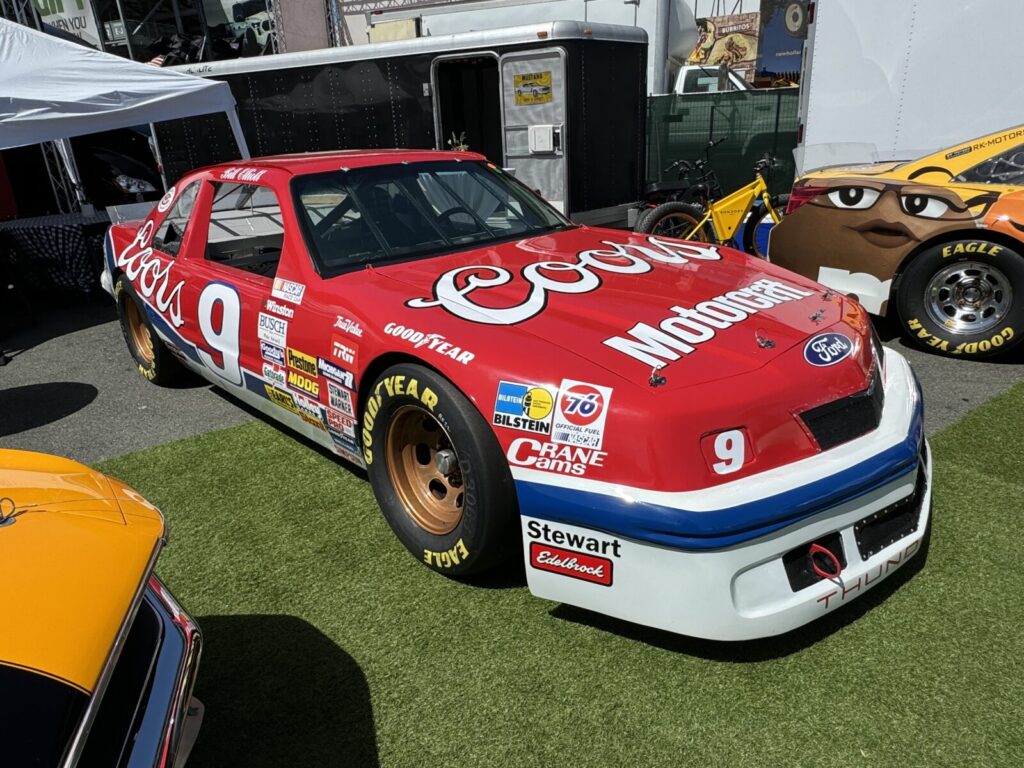
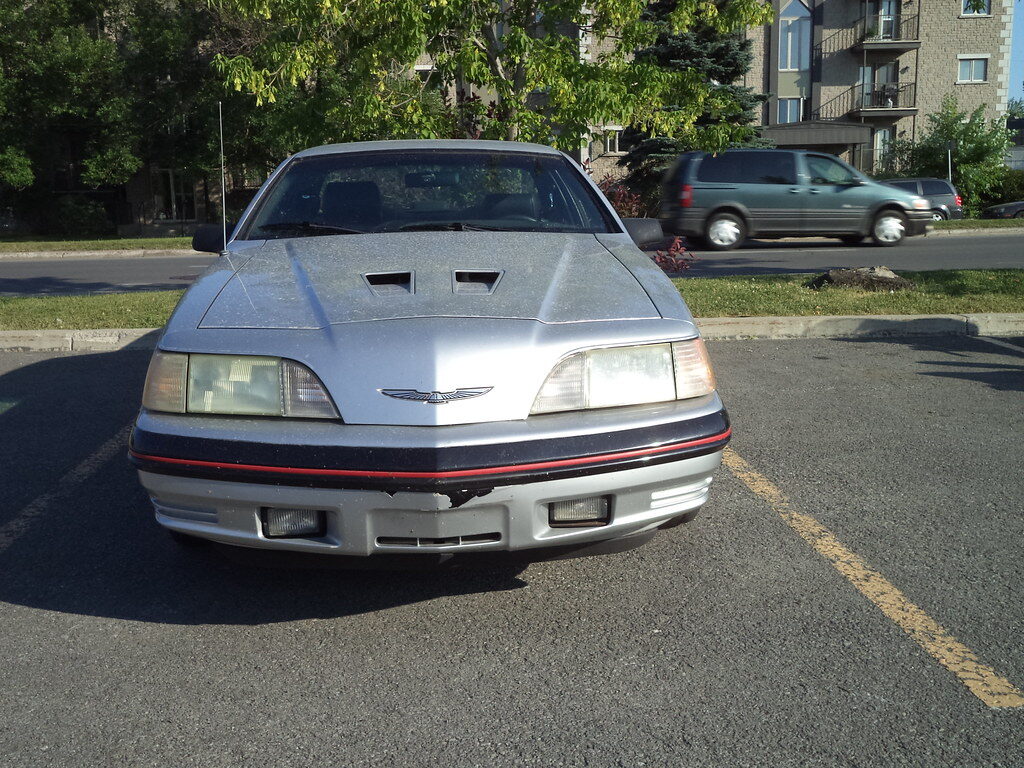
Buying a vintage car sight unseen is a big risk, but as one enthusiast learned, sometimes that risk takes you on an unforgettable car journey. The saga started when a guy bought a 1988 Ford Thunderbird Sport on Facebook Marketplace from a seller just outside Richmond, VA, with the plan to drive the car approximately 252 miles back home to Harrisburg, PA. The car was very original with its paint, Turbo Coupe wheels, 5.0-liter V8, and automatic transmission. Despite the expected age-related deficiencies, it was very clean overall, and the buyer decided to take a chance.
That deal, however, was not as simple as making the purchase and starting the trip. During a pre-trip inspection, a few electrical and mechanical issues have been discovered, including a non functioning power window on the driver’s side, a non functioning air conditioning unit, a dead cruise control and a non functioning cigarette lighter power outlet, as well as a low oil level in the 5.0-liter V8 engine, plus abnormal oil pressure. To reach the destination faster, the more heavily congested route on the I-95 was avoided and instead the U. S. Routes 17 and 15 were used.
It also shows how much has changed in vehicle buying. Car enthusiasts now can buy hundreds or even thousands of miles from their homes through online classifieds, online auctions, dealerships, and private parties without ever having to step outside of their door. Documents completed digitally, video inspections, all electronically communicated, arranged for financing and insurance, and (at least in this case) the shipping of the vehicle have eliminated much of the difficulty in buying a vehicle at a distance. But the Thunderbird case shows why there is still little substitute for preparation a seller’s list of features is good, but a mechanical inspection, documentation, and a reasonable shipping plan are all necessary.
1. The 1988 Ford Thunderbird Sport Was a Risky Sight-Unseen Purchase
Overall, the 1988 Ford Thunderbird Sport seemed too good to pass up for what was undeniably a riskier than normal used-car purchase. The driver initially found it on Facebook Marketplace from a seller based in a suburb near Richmond, Virginia. From there the new owner estimated that they’d have to make a 252-mile drive home to Harrisburg, Pennsylvania. The paint looked stock, the Turbo Coupe wheels looked right, and the car came equipped with a 5.0-liter V8 and automatic transmission – all attractive features for an enthusiast after an older American coupe.
What Made the Thunderbird Appealing:
- Original factory paint remained intact
- Turbo Coupe wheels added period character
- Five-liter V8 provided strong appeal
- Automatic transmission simplified the journey
- Overall condition appeared surprisingly clean
Avoiding an in person inspection with a private sale is always risky because no amount of images or the seller’s word can tell you the whole story. Some problems only reveal themselves after physically crawling under the car for oil leaks, crawling over the seats for tears, dragging your hands through the wiring harness to check for shorts and testing the key to the ignition to assess the oil pressure light. However, the seller’s description of the car was close enough, which allowed the enthusiast to proceed hundreds of miles away.
In addition to its practical purpose, the Thunderbird was for the buyer also more than just a means of getting from A to B. As a retired enthusiast pursuing a project car, it would be satisfying to finally tackle a restoration, while the end product is a worthy road trip tool. Not every classic needs to be immaculate when bought as long as the buyer is aware of its foibles and has a clear picture of the work needed to get there. The Thunderbird seemed to present the right combination; the practicality of the condition was offset by the sturdy appeal, original features and period accessories.
2. The Initial Inspection Revealed Several Problems
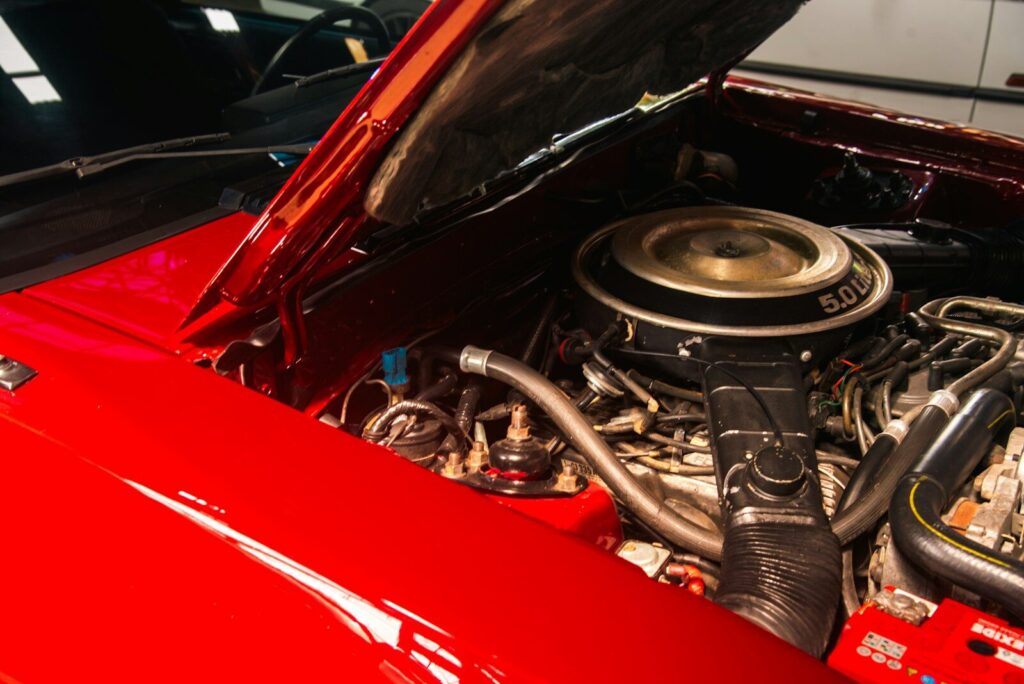
Prior to leaving for Pennsylvania, the Thunderbird was checked out and found to have several electrical and mechanical issues. The driver’s side power window was inoperative, the air conditioning and cruise control were both dead and the cigarette lighter power outlet was not powered. Although less dire than an entire system failure, these were manageable issues, but they revealed how different a sound, old car looks compared with a roadworthy old car. The 5.0-L V8 needed an oil top-up, too, with the level low and the pressure lower than you’d like.
Problems Found Before Departure:
- Driver’s power window was inoperative
- Air conditioning was not functioning
- Cruise control remained completely unavailable
- Cigarette lighter outlet had no power
- Engine oil pressure raised concerns
The fact that the oil was on the low side, and the oil pressure was somewhat below where we might hope it to be, was not as serious as the comfort and convenience issues. Even an older powerplant can have some extra wear, but if the oil pressure is a little out of whack, there may be some questions about the inside where the parts get rubbed against each other. The owner bought oil before leaving, and knew that the engine was not in the best condition it could be, but rather than head back home immediately, he was going to take it slow on the way to his destination. That’s a good plan in a used project.
Another piece of the puzzle was decide on the route. Avoiding the Friday I-95 traffic would keep things a little simpler for the driver so the choice was made to take the U.S. Routes 17 and 15 north. Taking a secondary-highway route would also put less strain on the dense interstate traffic and hopefully afford the driver more chances to watch the unfamiliar Thunderbird. With its known electrical problems, not to mention the engine that was also a bit in question, avoiding added stress was a good idea. This trip was no longer just a trip home, it was a test to see if the new to us classic could make it.
3. Rising Engine Temperature Added Tension to the Drive
The Thunderbird made it around 80 miles before the final worry, the engine temperature climbed above the usual safe range. While the engine temperature stayed out of the danger zone, it was enough to further undermine the freedom of this trip. The owner believed that the engine cooling system might be overdue for a radiator flush while some tests needed to be done to see if the electric cooling fan was running. Neither one of these two issues proved that the engine was about to take a nap but both had to be dealt with.
New Mechanical Concerns Appeared:
- Engine temperature began climbing
- Cooling system required further investigation
- Electric fan operation needed checking
- Rear driveline produced a slight clunk
- Driving speed was reduced significantly
Then about a block further back, there was another problem this time, a slight clunk coming from the car’s back end indicating a U-joint was on its way to failure. With the Thunderbird already battling a few issues, the owner was reluctant to drive the car aggressively the rest of the way, especially since they were in no rush. With the speed slowed to 55-60 mph, the car was able to continue at the reduced speed without the engine and driveline working so hard, and the driver had an increased chance of identifying engine and driveline monitoring signs.
There are certain flaws in older cars that only show up after many hours of high-mileage driving. Cooling systems, suspension elements, driveline pieces, electrical components, and seals can all start to give way when the vehicle is subjected to hours on the road. In this instance, the issues with the Thunderbird weren’t serious enough to cancel the trip, but the owner did adopt a cautious attitude that avoided relying on the car as if it were a new sedan. That professionalism was required to ensure getting the car home.
4. The Thunderbird Completed the 252-Mile Journey
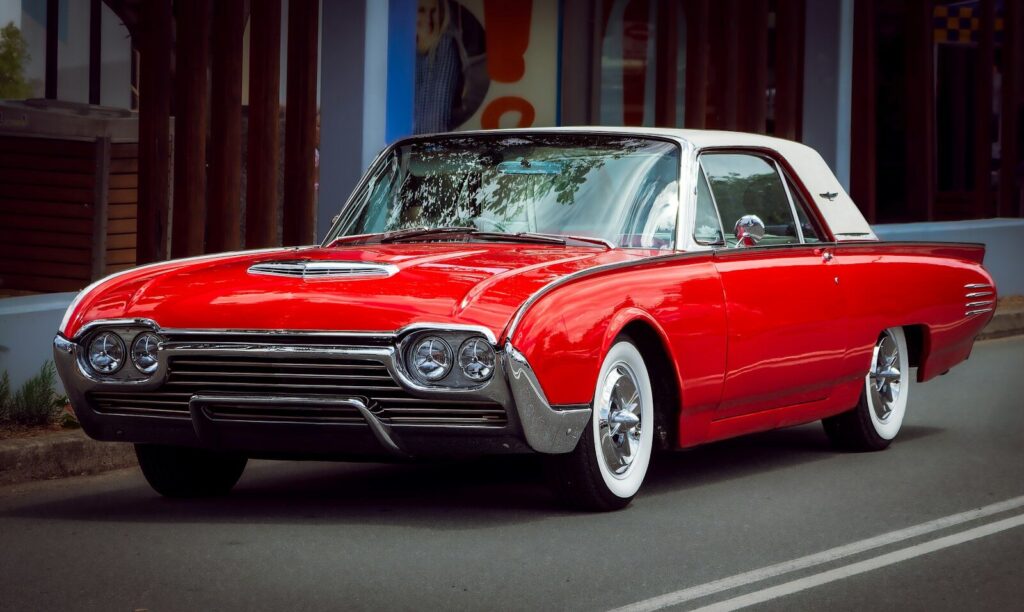
Despite the collection of problems discovered before and during the drive, the 1988 Thunderbird Sport successfully completed the approximately 252-mile journey from the Richmond, Virginia, area to Harrisburg, Pennsylvania. The car did not break down or leave its new owner stranded on the roadside. That result was particularly meaningful because the Thunderbird had already demonstrated electrical problems, low oil, lower-than-expected oil pressure, rising engine temperature, and a possible U-joint issue. Reaching home under its own power gave the owner a usable foundation for continuing the restoration.
Repairs Identified After Arrival:
- Cooling system required immediate investigation
- Loose steering wheel needed attention
- Shifter release button malfunctioned
- Power steering system developed leaks
- Noisy pump added another repair
A more detailed inspection several days after the journey revealed that the successful drive should not be mistaken for proof that the car required no work. The cooling system remained a priority because of the elevated temperature experienced on the road. The loose steering wheel also needed attention, while a faulty shifter release button affected another basic control. These discoveries helped turn the drive home into a useful diagnostic experience. The owner now had more information about the Thunderbird’s actual condition than was available before departure.
The power steering system created additional work because multiple leaks were found and the power steering pump was noisy. Other previously identified electrical and comfort problems also remained on the restoration list, including the air conditioning, cruise control, driver’s power window, and power outlet. None of these issues erased the appeal of the car. Instead, they established a practical list of improvements needed to make the Thunderbird more dependable. For an enthusiast treating the vehicle as a project, understanding those needs was part of the ownership experience.
5. The Original Interior Added Value to the Project
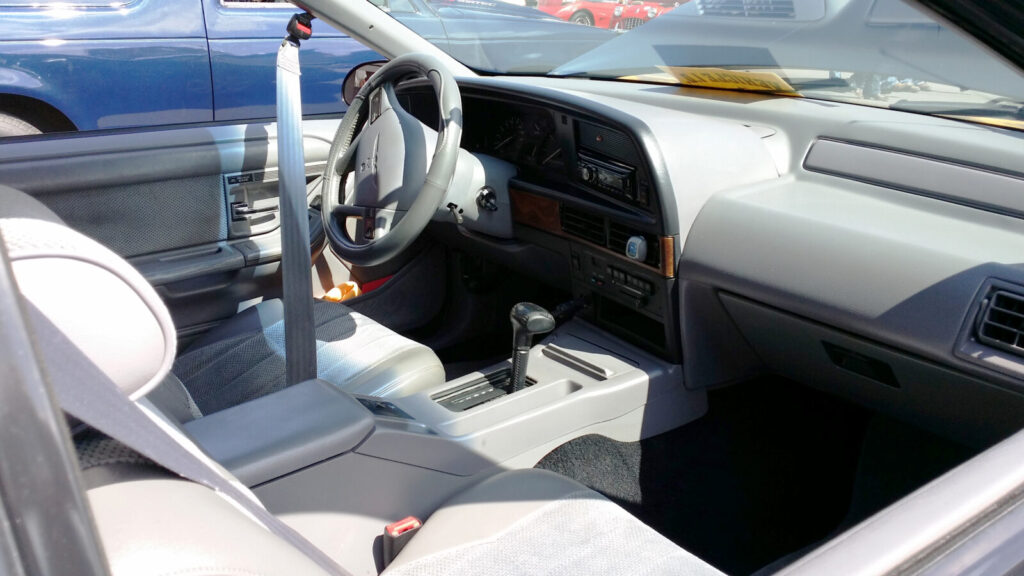
One of the Thunderbird’s strongest positive features was its interior, which remained in very good condition despite the mechanical problems affecting the vehicle. The car also retained its original owner’s manuals, booklets, and delivery documents dating from 1988. Those materials gave the Thunderbird additional historical character because they connected the vehicle to its original purchase and ownership period. Mechanical components can be repaired or replaced, but original paperwork and an intact interior provide a sense of authenticity that can become increasingly difficult to recover as an older automobile passes through multiple owners.
Original Details Worth Preserving:
- Interior remained in very good condition
- Owner’s manuals were still present
- Original booklets accompanied the vehicle
- Delivery documents dated from 1988
- Period history stayed with the car
The documentation also offered reassurance about the Thunderbird’s background. Older vehicles frequently lose manuals, brochures, delivery papers, and other original materials as they change hands over the decades. Finding those items still with the car provided something tangible for the new owner to preserve. Although paperwork cannot improve engine performance or repair an electrical fault, it can add context to a restoration. For an enthusiast interested in maintaining the vehicle’s original character, those details can be almost as rewarding as finding a clean body or well-preserved interior.
The seller’s generally honest description also helped make the transaction work. The buyer was not expecting a flawless collector car and therefore could approach the Thunderbird’s shortcomings as part of the project rather than as an unexpected betrayal. That distinction matters when purchasing a decades-old vehicle remotely. A buyer who understands that repairs will be necessary can plan around them, while unrealistic expectations can turn even manageable problems into major disappointments. In this case, the Thunderbird’s original character and documentation gave the restoration a worthwhile foundation.

6. Remote Car Buying Has Become Part of Modern Car Culture
The Thunderbird purchase reflects a broader change in how enthusiasts find and acquire vehicles. Online marketplaces allow buyers to search far beyond their local dealerships, classifieds, and automotive events. Someone looking for a particular model can now browse listings across entire states or even across the country without leaving home. Facebook Marketplace and online auction services have made long-distance purchases increasingly familiar within enthusiast communities. This expanded marketplace is especially useful when a buyer is searching for an older car that may be uncommon or difficult to locate nearby.
Why Online Buying Expands Searches:
- Buyers can search nationally
- Rare trims become easier to locate
- Unusual colors attract distant buyers
- Specific model years gain visibility
- Local inventory limitations become less important
The larger search area can be particularly valuable for enthusiasts seeking specific performance versions, unusual color combinations, rare options, or particular model years. A buyer who limits a search to nearby dealerships may never encounter the right example. Expanding the search across multiple states increases the number of potential vehicles, although it also introduces new responsibilities. Inspection arrangements, transportation, payment procedures, title paperwork, insurance, and communication all become more important when the seller is far away.
The same approach is not limited to classic cars. Newer vehicles can also be located remotely, negotiated through digital communication, and collected personally or transported by a professional carrier. Some buyers complete nearly every administrative step before traveling to the vehicle, while others arrange delivery without seeing it until it arrives. The technology has changed the process, but the underlying motivation remains familiar. Enthusiasts still want to find the right automobile, understand its condition, decide whether the risks are manageable, and eventually bring it into their own garage.
7. Digital Paperwork Makes Long-Distance Purchases Easier
Electronic paperwork has removed much of the traditional friction associated with buying a vehicle from a distant seller or dealership. Buyers can often discuss terms, exchange documentation, complete signatures, and handle other administrative requirements without spending hours at the seller’s location. Text messages and emails also create written records of important conversations. When a buyer is relying heavily on a seller’s description, preserving those communications can help document statements about the vehicle’s condition, equipment, history, damage, or other characteristics discussed before the purchase.
Useful Digital Records Include:
- Written descriptions of vehicle condition
- Messages confirming equipment details
- Statements concerning previous damage
- Electronic signatures on required documents
- Records of buyer-seller communication
A written record does not automatically guarantee that every statement made by a seller will prove accurate, but it gives the buyer a much clearer reference point. If a particular condition was explicitly discussed before the transaction, having that statement in an email or message is more useful than relying entirely on memory. Digital communication therefore provides more than convenience. It can create an organized record of what was discussed, what the buyer expected, and what information influenced the decision to purchase.
Electronic signatures can also make arrangements involving vehicle storage and delivery easier. A dealership or private seller may require signed contracts, proof of insurance, or other documents before agreeing to hold a vehicle for a distant buyer. Completing those requirements electronically can save time and reduce unnecessary travel. Remote purchasing still requires careful reading of every document, but digital tools allow many administrative steps to happen before the buyer ever arrives. That makes long-distance transactions considerably more practical than they were for earlier generations of enthusiasts.
8. Video Inspections Are Important When Buying From a Distance
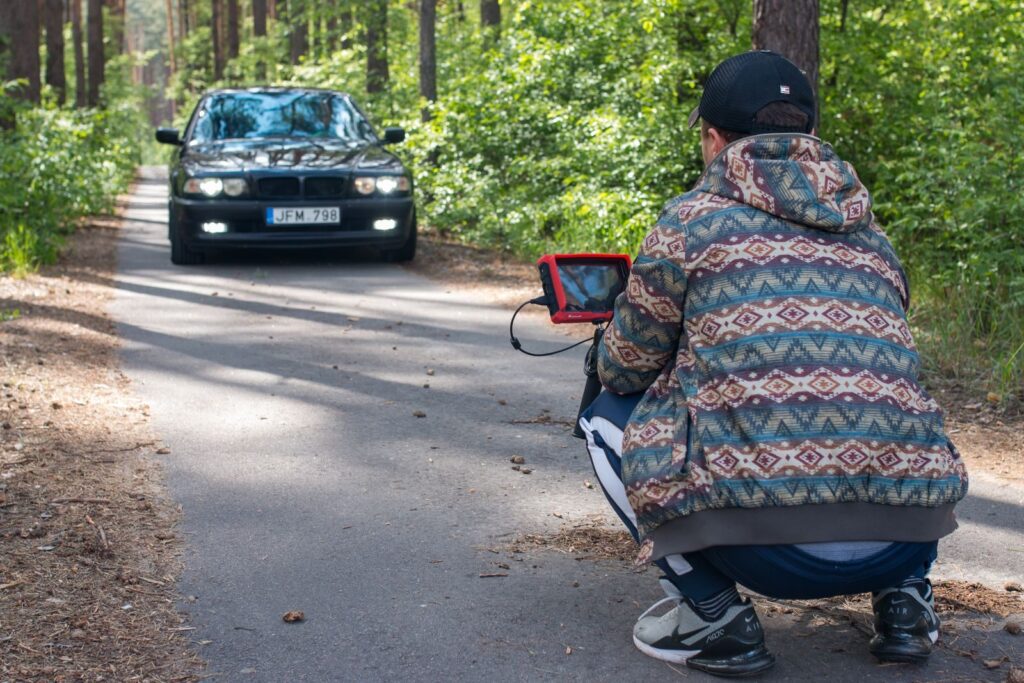
A buyer who cannot physically inspect a vehicle should consider requesting a detailed video tour before committing to the purchase. A seller can show the exterior from several angles, demonstrate the interior, start the engine, display the instrument cluster, and highlight specific areas of concern. Video cannot replace a professional inspection, but it can provide substantially more information than a handful of carefully selected photographs. It can also help determine whether the vehicle appears consistent with the written description before the buyer spends money on travel or transportation.
Details Worth Showing on Video:
- Full exterior from multiple angles
- Interior condition and visible wear
- Engine start and instrument cluster
- Warning lights and dashboard behavior
- Specific options requested by buyers
Continuous video can reveal details that still photographs sometimes hide. Paint imperfections, damaged trim, interior wear, missing equipment, warning lights, unusual noises, or other problems may become easier to recognize when the vehicle is filmed in motion. Buyers can also ask sellers to demonstrate particular features, such as power windows, lights, climate controls, or other equipment. This approach creates a more useful picture of the vehicle’s baseline condition and can help identify questions that should be answered before money changes hands.
Documentation becomes even more valuable when the vehicle will be transported rather than driven home. A detailed video recorded before loading can establish the car’s condition before it begins its journey to the buyer. That record may help distinguish pre-existing damage from problems that occur during transportation. The more unusual or valuable the automobile, the more important careful documentation becomes. Resolving disagreements after delivery can be considerably harder than establishing the vehicle’s condition before it leaves the seller.

9. Bought and Brought Mean Completely Different Things
The remote Thunderbird story also introduces a simple language distinction that frequently causes confusion: the difference between “bought” and “brought.” Although the two words sound similar, they describe completely different actions. “Bought” is the past tense and past participle of “buy,” meaning to acquire something through a purchase. “Brought” is the past tense and past participle of “bring,” meaning to carry or convey something to another location. In an automotive context, someone “bought” a Thunderbird from a seller, while someone could “bring” that Thunderbird home.
Remember the Difference Easily:
- Bought comes from the verb buy
- Brought comes from the verb bring
- Bought describes a purchase
- Brought describes moving something
- The letter “r” helps distinguish them
The spelling difference can be remembered by focusing on the letter “r.” The word “bought” connects with “buy” and contains no “r,” while “brought” comes from “bring” and retains the “r.” This simple association can help writers avoid confusion when discussing automotive purchases in articles, forum posts, emails, or social media. Forms such as “buyed,” “boughten,” or “baught” are not standard alternatives to “bought.” Using the correct word makes the meaning clear without requiring the reader to interpret what the writer intended.
There is also a historical reason why “bought” looks so different from the modern word “buy.” The word developed from the Old English “bycgan,” meaning to acquire something through purchase, and centuries of changes in pronunciation and spelling produced the modern form. Most readers do not need that linguistic background to use the word correctly, but understanding the connection can make the unusual spelling easier to remember. When describing the acquisition of a car, “bought” is the correct word for the transaction itself.

10. Remote Buying Combines Digital Convenience With Automotive Passion
The Thunderbird experience demonstrates that purchasing a vehicle remotely does not necessarily mean accepting every risk blindly. Online marketplaces, video inspections, electronic paperwork, written communication, insurance arrangements, and transportation services have created a much more connected buying environment. Enthusiasts can now search nationwide for vehicles that might once have been nearly impossible to locate locally. Sellers can also reach buyers far beyond their immediate area. Distance remains a factor, but modern digital tools have made it easier to investigate, document, and organize a transaction before the buyer ever reaches the vehicle.
Preparation Can Reduce Remote-Buying Surprises:
- Research listings before committing money
- Request detailed vehicle videos
- Preserve written seller communications
- Review paperwork carefully
- Plan transportation before purchase
The Thunderbird buyer also chose to make the 252-mile delivery journey part of the ownership experience by driving the car personally. That decision exposed several mechanical concerns, including rising temperature and a rear-end clunk, but it also provided valuable information about how the vehicle behaved under sustained real-world conditions. By the time the Thunderbird reached Pennsylvania, the owner had already learned more about its mechanical personality and potential restoration needs than a simple delivery arrangement might have revealed.
Remote vehicle buying ultimately works best when digital convenience is combined with traditional automotive preparation. A buyer can search online, request videos, preserve messages, review documents, confirm insurance and paperwork, arrange inspections, and develop a realistic transportation plan before committing to the journey. None of those measures guarantees a perfect purchase, particularly when an older car is involved. They can, however, reduce avoidable surprises and create a clearer understanding of the risks. For enthusiasts willing to accept the challenges, a distant online listing can eventually become a rewarding automotive project sitting in the driveway.


