Understanding Toyota UA80 Transmission Class Action Lawsuits and Owner Rights

If you own a Toyota, and it’s the UA80 eight-speed automatic transmission, it might be time to pay some attention to what you’ve learned recently in the law. Now three federal class action lawsuits have been filed against Toyota regarding claims about transmission design defects. The compliant refer to experiences of shuddering, slipping, noises, early disintegration and a vehicle value loss. Three lawsuits have been filed one in federal court in Texas, one in California, and one in New Jersey. For owners impacted, the lawsuits could bring a range of questions about repairs, costs, and much more.
The plaintiff’s complaints allege mechanical and software defects of the UA80 transmission. Owner concerns have included whining sounds, shaking, rough shifting, and a lag in movement. Some drivers have reported outright transmission failure and costly repair bills.The lawsuits further claim that Toyota was aware of the transmission durability issues prior to delivering the vehicles to the customers. Legal discussions also include technical service notices and customer care schemes.
Being aware of the lawsuits, will help owners stay informed of what is going on and protect their documentation. These cases are at the pre-certification stage, with no class formally certified or settlement achieved as of late 2026. Owners with transmission troubles should consider saving repair receipts and diagnostic documentation. Inspection reports, history of maintenance, and other documents could be significant in the future. This article discusses the alleged defects, impacted vehicles, lawsuit allegations, and what you can do as the owner.

1. Three Federal Lawsuits Target Toyota UA80 Transmissions
Toyota’s UA80 eight-speed automatic transmission is central to three federal class action lawsuits. The class action lawsuits allege dangerous design defects in the UA80 gearbox, with one case filed in the United States District Court for the Eastern District of Texas. The lawsuits are pending in federal courts in Texas, California, and New Jersey. These class actions allege Toyota Motor Corporation and Toyota Motor Sales USA created a design defect in the UA80 transmission that can cause transmission shuddering, slipping, premature transmission failure, and decreased vehicle value. According to filings, the defendants equipped hundreds of thousands of vehicles in the United States with transmissions vulnerable to early failure. The allegations have created concern among daily drivers, vehicle owners, and car enthusiasts. A prominent lawsuit was filed in the U.S. District Court for the Eastern District of Texas. Case number 4:25-cv-01389. It involves James LeBoutheller, who bought a 2020 Toyota Camry XSE but experienced serious transmission issues.
The Lawsuit Landscape at a Glance:
- Three federal lawsuits target Toyota
- Cases span multiple federal courts
- Owners report serious transmission problems
- Complaints allege dangerous design defects
- Vehicle value may also diminish
The California class action targets Pallaya’s initial purchase of a new 2020 Toyota Highlander in December 2020. It was powered by a 3.5-liter V6 engine with the UA80E eight-speed automatic transmission and had a five-year or 60,000-mile powertrain warranty. At 67,200 miles in September 2025, Pallaya’s Highlander began a high pitch whining noise that would not abate. Pallaya took his Highlander to a local Toyota service center, who diagnosed complete transmission failure. The dealer quoted him $7,451.33 to replace the entire transmission because the powertrain warranty had expired 7,200 miles prior. He seeks over $5 million in damages and claims that Toyota knew it was selling defective vehicles, leaving its owners saddled with the cost of repairs when their manufacturer warranties expired. A third class action also has been filed in New Jersey.
2. James LeBoutheller’s Camry Transmission Problems
The Texas lawsuit provides a blow-by-blow example of the transmission issues owners describe. Plaintiff James LeBoutheller bought a 2020 Toyota Camry XSE that eventually developed abnormal transmission noises. According to his complaint, the noise started happening at around 80,000 miles and got much worse by 125,000 miles in November 2025. His experience has also included two Toyota dealerships and a lengthy repair dispute. The first dealership kept the Camry for 30 days and then determined the car was fine. Another dealership later diagnosed the transmission and found metallic aluminum particles in the transmission fluid. Toyota told Mr. LeBoutheller it would give him a new transmission gearbox but refused to pay for the labour to install it. The end result Mr. LeBoutheller had to pay thousands of dollars to have the new transmission installed himself. The complaint alleges the replacement transmission gearbox had the same hidden design defect.
LeBoutheller’s Repair Experience:
- Noise began around 80,000 miles
- Noise worsened near 125,000 miles
- First dealership found nothing wrong
- Second dealership diagnosed transmission damage
- Replacement labour remained owner-paid
The sequence is important because it provides an example of the sort of ownership experience that led to the lawsuit. LeBoutheller’s Camry, initially made a strange noise as opposed to simply dying completely. It made it through one dealership visit, when no problem was found, and then continued to rack up mileage with the noise getting much worse before a second dealership reportedly found the aluminium particles in the transmission fluid, indicating internal part damage. Toyota’s non-condeniational solution was to provide the replacement unit, but it did not include the labour. The complaint estimates that LeBoutheller paid several thousand dollars out of pocket for labour, and finds fault with Toyota over its decision to replace the transmission instead of simply fixing the original. It argues the replacement transmission had the very same design defect, meaning owners are likely to pay out of pocket for a repair even after their transmission is diagnosed as broken and a replacement is issued.
3. Neil Pallaya Faced Complete Highlander Transmission Failure
California Class Action Further Demonstrates Transmission Problems This is not the first instance of the transmission issues outlined in the consumer suit the California class action. Consumer Neil Pallaya purchased a new 2020 Toyota Highlander in December 2020. The vehicle was outfitted with a 3.5-liter V6 engine and the UA80E eight-speed automatic transmission. The Highlander was protected under a five-year, 60,000-mile powertrain warranty. In September 2025, when the vehicle had been driven approximately 67,200 miles, it started to produce a high-pitched whine. Pallaya brought the SUV into his local Toyota dealership. The dealership allegedly told the consumer that the transmission had failed, leaving him with a bill of $7,451.33 for a new transmission, as his SUV had already driven beyond the 60,000-mile warranty coverage by approximately 7,200 miles. Pallaya is seeking more than $5 million in damages and claims that Toyota knowingly sold defective transmissions.
The Highlander Case in Focus:
- New Highlander purchased in 2020
- Whining appeared around 67,200 miles
- Dealership confirmed complete transmission failure
- Warranty had expired by 7,200 miles
- Replacement quote reached $7,451.33
Pallaya’s experience shows how mileage limits can be critical when the failure occurs shortly after a warranty ends. His Highlander developed the ongoing whine at around 67,200 miles so the reported failure took place outside the five-year or 60,000 miles powertrain warranty. The dealership then listed $7,451.33 for its replacement of the failed transmission. The complaint alleges that consumers shouldn’t have to pay that level of expense if the root of the problem has something to do with an inherent issue existing in the vehicle. The case also forms part of the broader allegations that Toyota was aware of the UA80 transmission issue but continued to sell vehicles with the problem. Along with the Texas and New Jersey cases, the California complaint provides another vehicle owner report of significant transmission problems and costs.
4. The Alleged UA80 Mechanical Assembly Defect
According to the three lawsuits, the two defects in the transmission are compounded to produce unsafe operating conditions. The central mechanical defect alleged in the three complaints is what the filings describe as an assembly mistake made in manufacture. As claimed by the plaintiffs, a locking tab that holds a counter drive gear support nut in place was not properly bent in manufacturing. When this locking tab is not bent in manufacture, it is alleged that the support nut can gradually loosen. This can cause the gear to slip and damage can occur inside the mechanical transmission. For vehicles with a four pinion gear final drive, this gear movement can produce excessive heat and friction within the transmission. As the internal gear movement continues, it can produce further damage to the transmissions. This alleged factory defect thus forms part of the basis for the plaintiffs’ argument that the UA80 transmission contained a quality issue in manufacturing as opposed to being a one-off maintenance-related issue.
Inside the Alleged Mechanical Problem:
- Locking tab allegedly bent improperly
- Support nut may gradually loosen
- Gear movement causes internal damage
- High torque increases mechanical stress
- Friction generates excessive transmission heat
What the lawsuits allege as a mechanical sequence was initiated by the bent locking tab. If the locking tab fails to hold the counter drive gear support nut properly in place, the nut eventually becomes loose. When the nut becomes loose, it allows movement inside the gearbox. In high-torque vehicles that have the four-pinion gear final drive, the lawsuits say that movement in the gearbox and driveline can lead to intense friction and heat as the gears rub against one another. The defective part is said to have a series of possible consequences rather than just one failure that ends up destroying the transmission. The legal filings link the alleged internal movement within the transmission to the pattern of internal failures that vehicle owners have reported. The alleged mechanical defect is among the key issues that the attorneys will need to prove in the developing litigation.
5. Heat and Contaminated Fluid Can Accelerate Damage
These suits allege that high temperatures lead to the transmission’s rapid breakdown and burning out of the lower quality, automatic transmission fluid in the UA80 transmission. Transmission fluid needs to stay cool in order to be effective at lubricating, but the overheating is alleged to cause the lubrication to break down. As the engine works hard and causes the transmission to overheat, parts within the transmission can begin to shed tiny shards of aluminum particles that disperse with the transmission fluid into the gearbox. The tool shed metal particles have been accused of pre-maturing the aging transmission parts, leading to the quicker wearing of the entire gearbox; it all contributes to a destructive cycle of parts failure, heat build-up, transmission fluid break down, contaminated fluid causing faster wear, and so on. The transmission fluid can also contain tiny aluminum particles in the individual owner complaints; when LeBoutheller’ tranny was inspected, metallic aluminum particles were floating within.
How Transmission Damage Can Progress:
- Excessive heat degrades transmission fluid
- Lubricating properties can break down
- Aluminum particles contaminate fluid
- Contamination accelerates secondary component wear
- Damage can become progressively worse
The suspected link between heat, fluid breakdown, and internal wear constitutes one more important aspect of the plaintiffs’ mechanical theory. Once heat begins to build up inside a gearbox, the automatic transmission fluid reportedly can burn out and no longer have the lubricating characteristics that it should. Components that have begun to move abnormally inside the transmission can begin to suffer additional wear. Small pieces of aluminum may chip off and even end up suspended in the fluid, exposing other portions of the internal transmission to contamination. This can lead to a spiral of more rapid wear that results in even more metal wearing away, a phenomenon that was apparently apparent in LeBoutheller’s vehicle when metallic aluminum particulates were found in the fluid of the transmission during the second dealership inspection. The complaints discuss such evidence in conjunction with reported shudders, noises, and breakdowns to support mechanical allegations concerning the UA80 transmission.

6. Transmission Software Is Also Part of the Allegations
The cases also allege a second defect with the transmission control module software. The complaints alleged that Toyota installed a transmission control module calibration that put the EPA fuel economy goals ahead of durability. The complaints allege that the calibration instructs the vehicle to engage in early upshifts and early engagement of the torque converter clutch. Shifting early can place stress on internal gears and clutches that may be weakened by the alleged defective mechanical assembly. The complaints further allege that when the TC clutch engages at wrong speeds, it also slips against itself instead of achieving a clutch lock, which creates yet another internal source of stress. The complaints contend that the combination of several mechanical issues, such as loose gears or degraded fluid, and the aggressive calibration created a self-perpetuating cycle of internal transmission damage.
The Alleged Software Contribution:
- Software allegedly prioritises fuel efficiency
- Premature upshifts increase internal stress
- Torque converter engagement occurs early
- Clutches may experience additional stress
- Software and mechanical defects interact
These software allegations are significant because the lawsuits do not assert that the transmission problems are necessarily caused by a single part. Instead, the complaints claim that the calibration of the transmission control module can put additional stress on hardware already affected by the alleged assembly defect. The complaints point to this as a cause of premature upshifts and the early engagement of the torque converter clutch. According to the lawsuits, when the clutch engages prematurely, it can slip instead of locking up cleanly. This put additional stress on transmission components. So the lawsuits describe it as a situation in which the “clutch engages prematurely and may slip until it locks, thereby exacerbating existing conditions.”
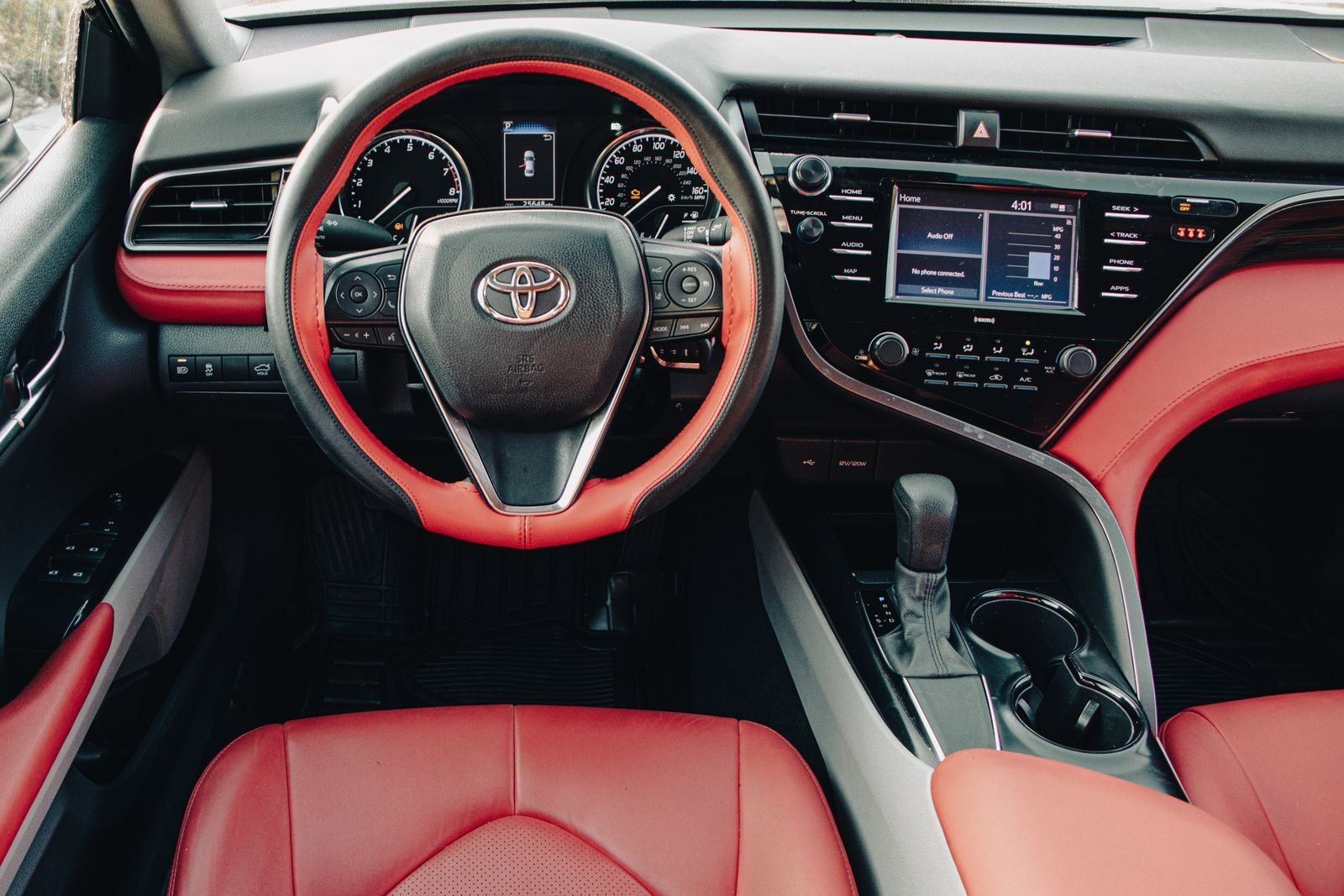
7. Owners Report Several Warning Signs Before Failure
Recommended Video Within, drivers identify the symptoms and problems they experienced with the engine failures. The earliest symptoms reported by drivers include a whining, buzzing, or grinding noise originating from the engine bay during light acceleration. Owners of the identified vehicles also share that the shuddering or vibration can be felt on the seat, steering wheel and floorboard, especially at highway speeds between 25 to 50 mph with light throttle according to the information provided to the website. At this point in the series of internal failures drivers are said to experience shifting issues, hesitation, gear slippage, lurching or jerking, etc. Acceleration and power failures during operation can be early or late symptoms depending on the severity of the internal damage with various warning lights, noises and smells and complete drive failures according to the submitted owner experiences.
Warning Signs Owners Report:
- High-pitched transmission noises appear
- Shuddering occurs during light throttle
- Gear changes become increasingly erratic
- Acceleration may cause sudden hesitation
- Severe failures can cause power loss
These symptoms can escalate from relatively obtrusive noises into very serious driving issues. Noticeable high-pitched whining, buzzing, grinding may start to be felt when the light throttle is applied, and vibration or shudder may become noticeable in multiple locations across the vehicle. The documents provided specify highway speeds between 25 and 50 miles per hour as a notably evident range of shudder while driving with the light throttle. Additional escalating issues include slipping gears, uncharacteristic gear changes, hesitation with acceleration, lurching and jerking. In the most severe cases described, owners have reported power loss while in motion, transmission warning indicators, a burning fluid aroma, or complete loss of drive.
8. Toyota and Lexus Models Identified in the Litigation
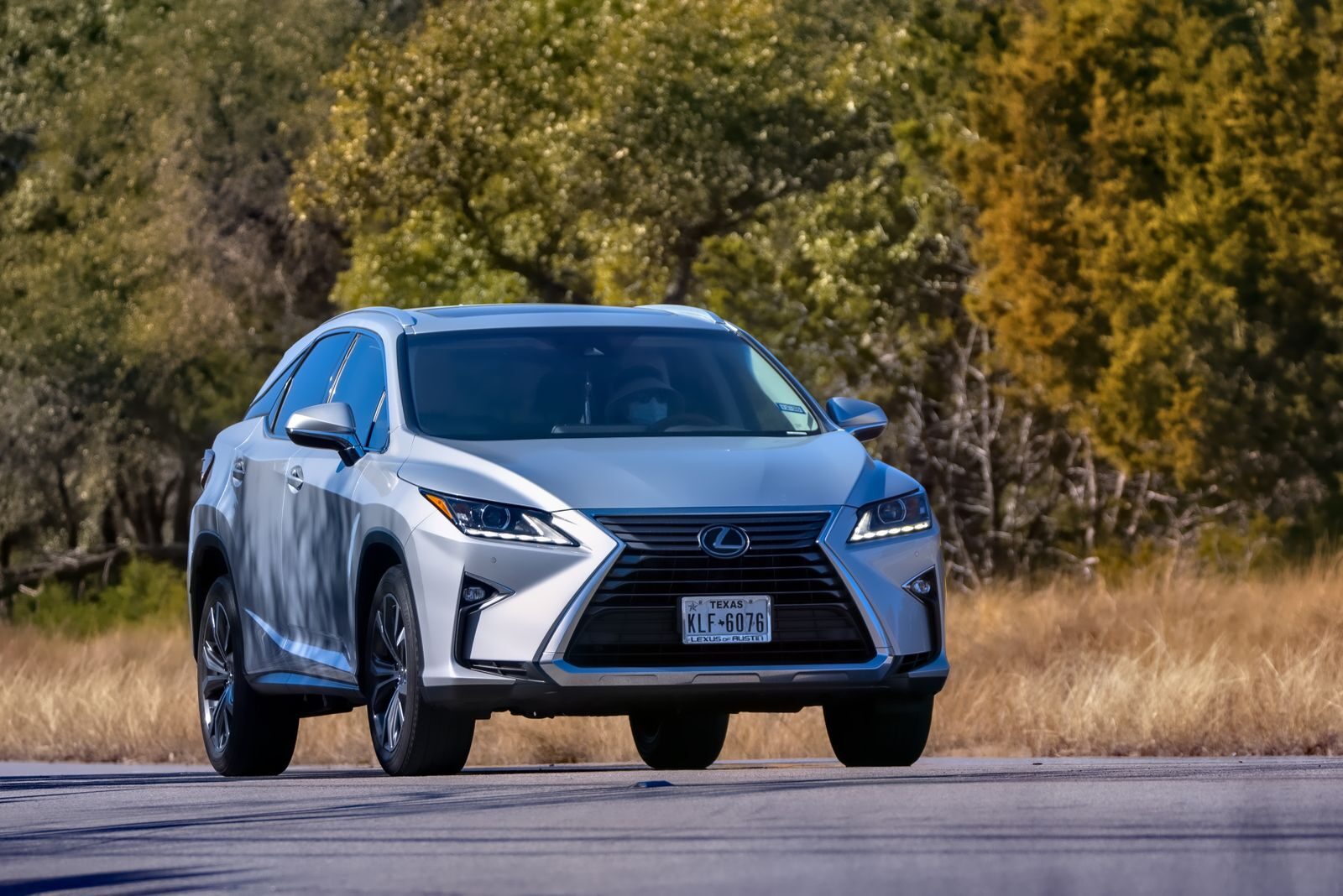
The cases specify a range of Toyota and Lexus vehicles with the UA80 transmission within the last few years of each. Affected Toyota vehicles may be the 2018-2024 four-cylinder Camry, 2017-2023 Highlander, 2018-2020 Sienna and the 2019-2023 Avalon. The suits also include 2019-2023 non-hybrid RAV4s with the 8-speed transmission, plus the 2019-2024 Corolla, 2018-2022 C-HR and the 2022-2024 Corolla Cross. The specific Lexus models listed are 2018-2024 ES 350, 2016-2022 RX 350, 2019-2021 UX 250h and the Lexus TX 350. But when it comes to the RAV4 line-up, there’s a key caveat. While the suits list the affected RAV4s, the hybrid RAV4s and the non-hybrid RAV4s in the same listing, some non-hybrid RAV4s from 2019-2025 are actually fitted with the UB80 a lower-torque version of the transmission that is listed as having similar problems.
Models Mentioned in Filings:
- 2018-2024 Toyota Camry variants
- 2017-2023 Toyota Highlander
- 2018-2020 Toyota Sienna
- 2019-2023 Toyota Avalon
- Multiple Lexus models included
The transmission difference between the UA80 and UB80 is particularly relevant in light of the RAV4 models identified in the litigation. As the supplied information states, the higher-torque UA80 transmission used in the larger Highlander, Camry, and Sienna models are constructed with a four-pinion gear final drive in which the alleged assembly defect exists. However, many of the 2019-2025 RAV4’s use the UB80, a lower-torque transmission. Based on the information currently available in the supplied materials, the vehicles with the UA80 transmission have demonstrated more extensive failure pattern indications than UB80 equipped vehicles. This differentiation presents that the use of an eight-speed transmission does not necessarily lead to a similar gearbox or identical mechanical condition. Toyota and Lexus models shown above reflect the diverse vehicle lists identified in the filings.

9. Toyota’s Technical Bulletins and Alleged Prior Knowledge
The lawsuits contend Toyota first learned about the UA80 defect before they sold the cars. According to the filings, Toyota conducted pre-sale testing to identify transmission durability problems several months before the gearboxes were installed in customer cars. Consumer complaints were received by the National Highway Traffic Safety Administration for several years after trucks equipped with the transmissions hit dealers. Even after the testing, dealership records, and submissions to federal safety officials, Toyota, according to the lawsuits, told customers the transmissions worked as intended. The document discusses technical information provided by Toyota to its dealers regarding transmission shudder and noise, including Toyota Technical Service Bulletin T-SB-0160-18 in 2018, which was intended to be used by technicians to confirm a high-pitched whining in UA80 gearboxes, though it admits the instructions did not provide a reliable fix.
The Alleged Knowledge Timeline:
- Durability concerns allegedly surfaced in 2016
- Consumer complaints increased during 2017
- Technical bulletin appeared during 2018
- Later bulletin addressed grinding noises
- Limited support programs covered specific vehicles
In 2021, Toyota also issued a Technical Service Bulletin T-SB-0008-21 that confirmed front carrier assembly pinion shaft problems following grinding and whining noises. Toyota also instituted Customer Support Program CSP ZJC that included some limited VIN ranges but excluded thousands of other vehicles with the same problems based on the information supplied. According to the complaints, these limited technical bulletins and repair programmes allowed Toyota to avoid issuing a full safety recall or other general warranty offerings. The complaints go on to state that Toyota refused warranty reimbursements after the vehicles were driven past miles restrictions despite having documented transmission problems on previous visits to the dealership. These allegations of internal testing, complaints, technical bulletins, and limited repair programmes will likely be central to the litigation of what Toyota knew and when.

10. Owner Rights, Lawsuit Status, and Protecting Documentation
Legal claims against Toyota include a breach of the implied warranty of merchantability (that a vehicle with a failing transmission isn’t fit for regular driving), breach of express warranty, federal Magnuson-Moss Warranty Act, fraud by omission, negligent misrepresentation, unjust enrichment, and state statutory fraud. The suit is seeking jury trial, a certification of nationwide class action, monetary damages, reimbursement of repair costs, restitution of resale value losses, and injunctive relief in the form of a manufacturer recall and gearbox repair. (As of Oct 2023, no settlement has been approved and the case remains in “pre-certification.”) Attorneys are currently collecting technical evidence, deposing relevant parties, and applying to the federal court to create a nationwide class of ailing owners.
What Owners Should Preserve:
- Keep every repair receipt
- Request complete dealership diagnostic records
- Document transmission symptoms carefully
- Preserve maintenance and service logs
- Submit detailed safety reports online
Transmission Litigation History Honda 9-speed Ford Dual Clutch Power Shift CVT Gearbox Nissan NTK CVT provides a history of the case that lead to litigation over nine-speed transmissions, dual clutch Power Shift transmissions, and CVT gearboxes. Information found in the note states that courts have held automakers responsible for latent design problems and internal technical documents can be used as evidence of manufacturer knowledge. Previous litigation was settled with cash reimbursements, warranty extensions, or repair programs. Just as in the past, class certification can take 6-18 months from filing after which, notices are mailed to members of the class. The overall class action process typically takes 2-4 years from filing to settlement. Owners who have paid for repair may be entitled to reimbursement if a settlement or judgement is successfully attained, while former owners can still pursue action on the basis of lost resale value and repair costs. Owners should retain proof of purchase, maintenance records, estimates, diagnostic information, and transmission fluid analyses. If there are signs and symptoms, owners should also get a certificate of inspection from a certified dealership with written results.