







Gulfstream’s Landmark Flight Across the Atlantic on 100% SAF
Indeed, the sky has always reflected human ambition, innovation, and progress. Ambition that on November 19, 2023, reached a meaningful milestone when Gulfstream Aerospace Corp. completed the world’s first trans-Atlantic flight powered completely by 100% sustainable aviation fuel. The record which this broke was symbolic of a turning point which aviation took toward long-term sustainability and environmental responsibility.
Key Highlights of the Historic Flight
- First Transatlantic Flight Using 100% SAF
- Conducted by Gulfstream Aerospace Corp.
- Achievement Date: November 19, 2023
- Demonstrated real-world sustainability feasibility.
- Set a new standard in business aviation.
This is a historic moment whose ripples are being felt outside the aviation sector. It signals that cleaner alternatives are no more theoretical ideas but real practical solutions. This flight strengthened the belief that innovation and environmental stewardship can go along swimmingly, offering hope that the future of aviation might achieve a balance between global connectivity with reduced environmental impact.

1. Gulfstream G600: The Remarkable Journey
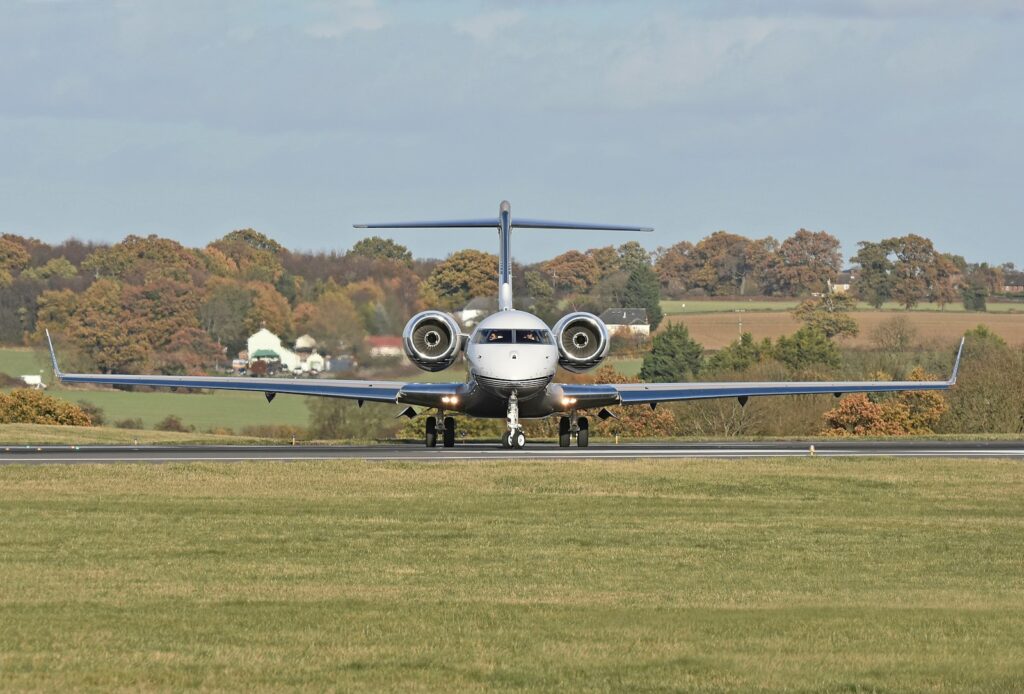
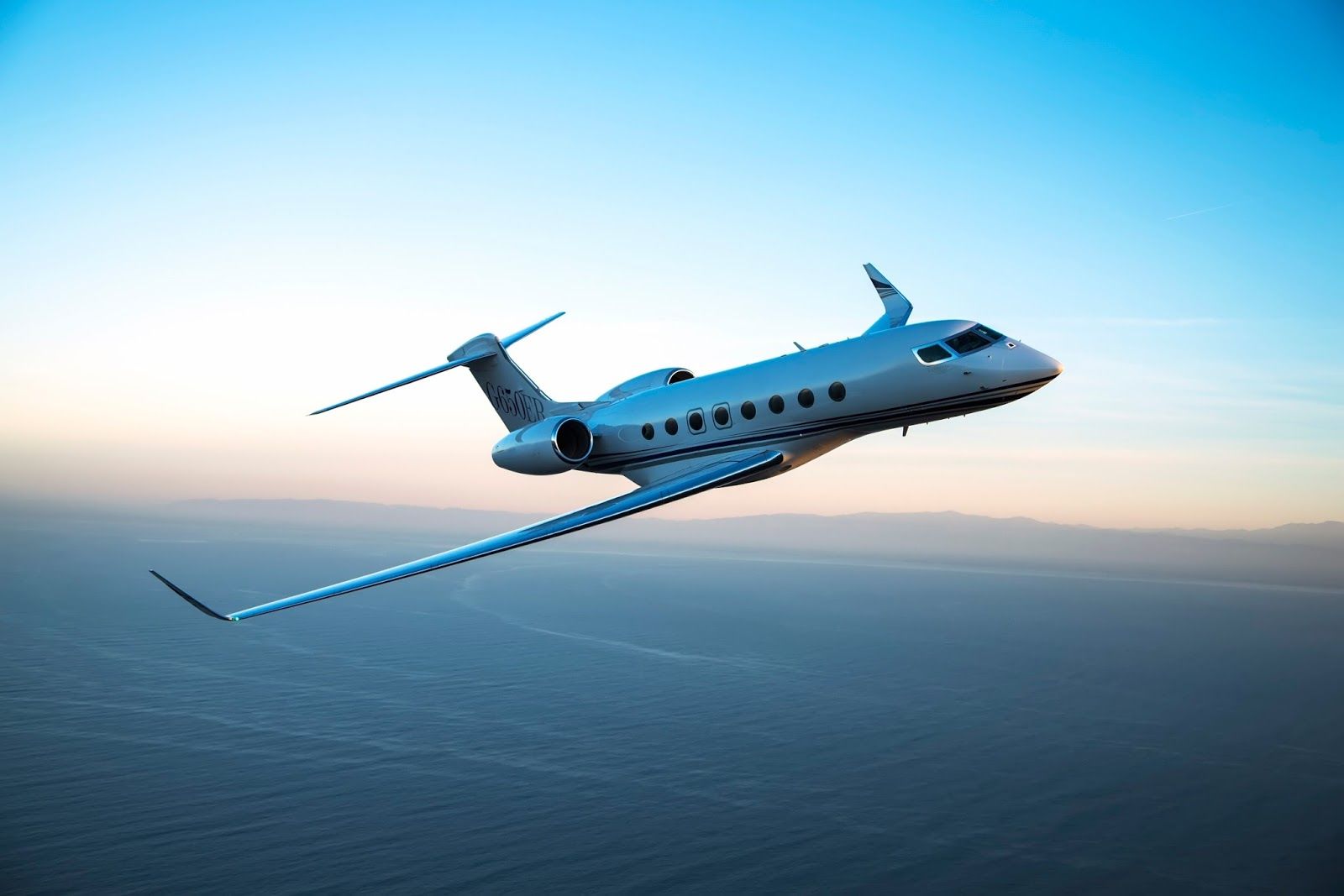
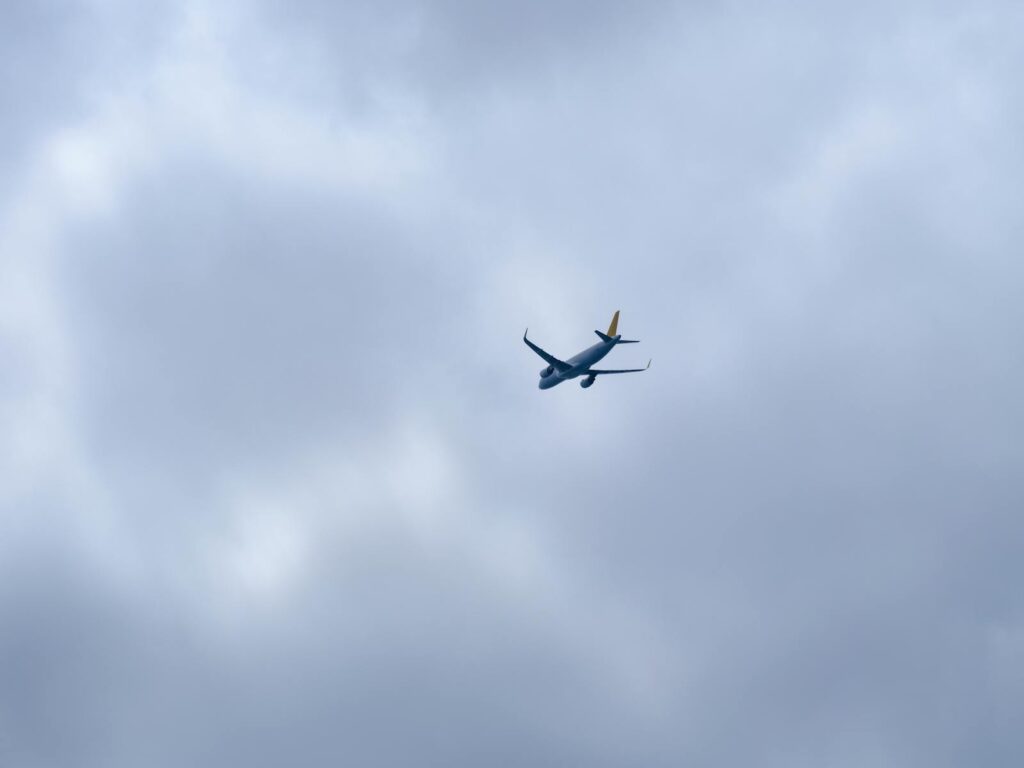
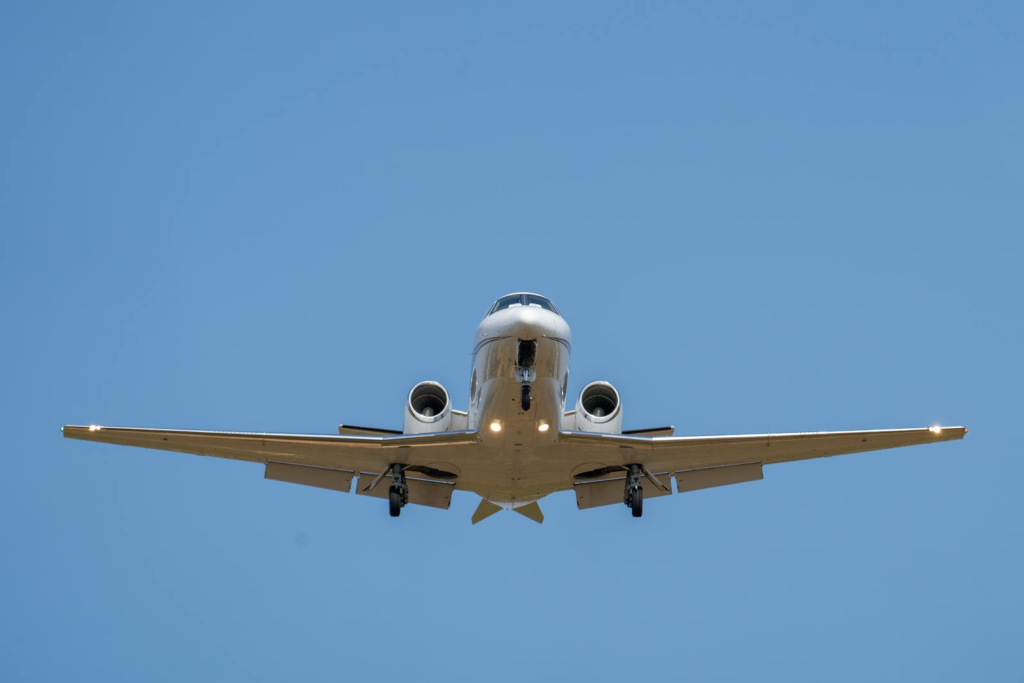
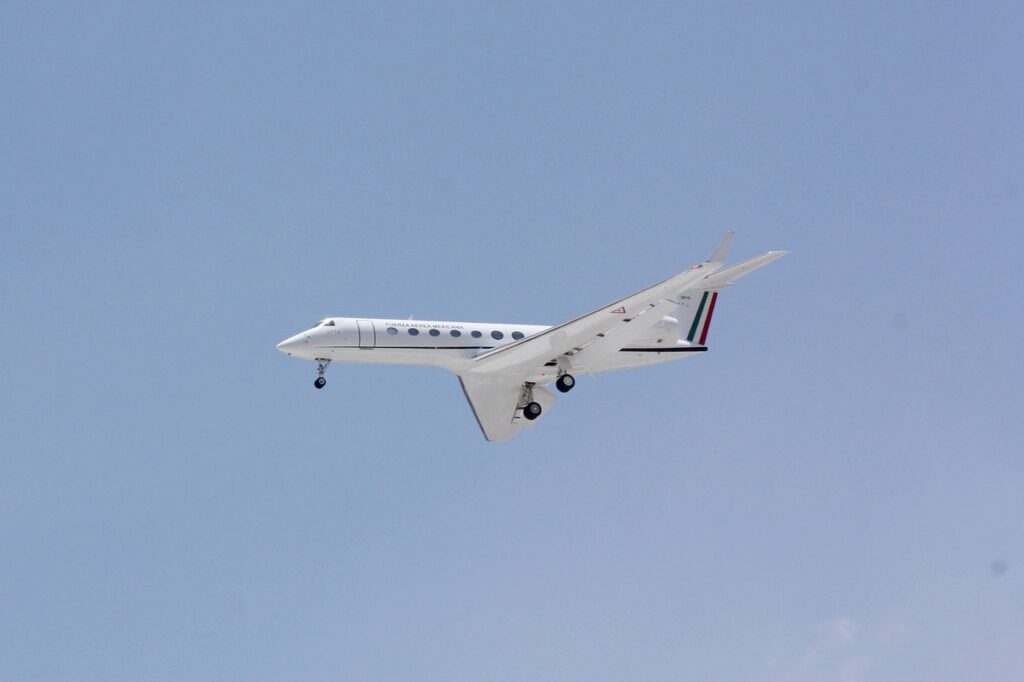
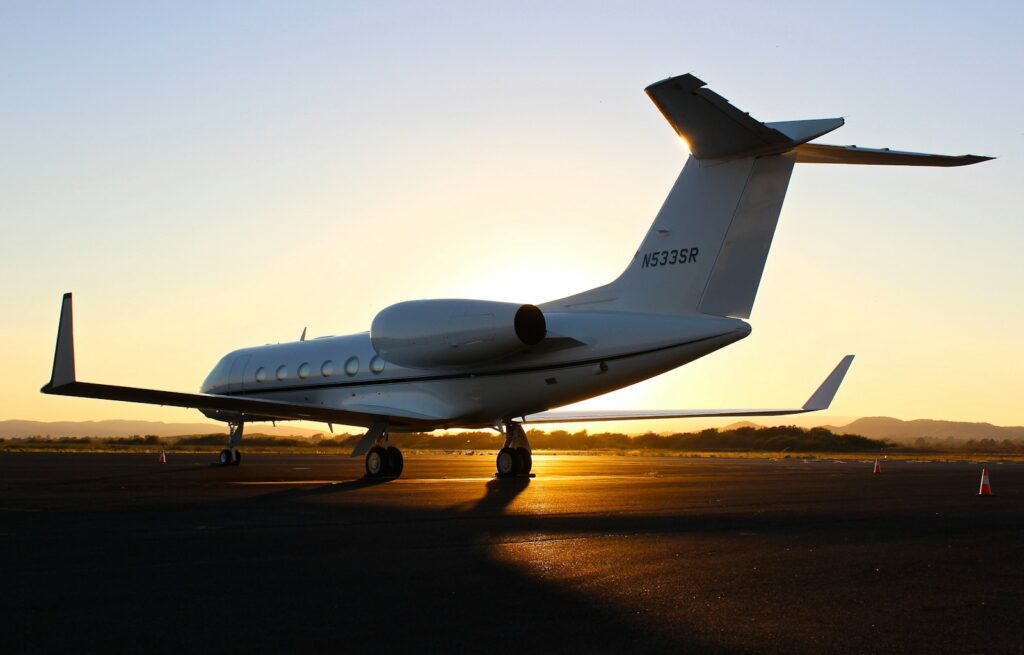
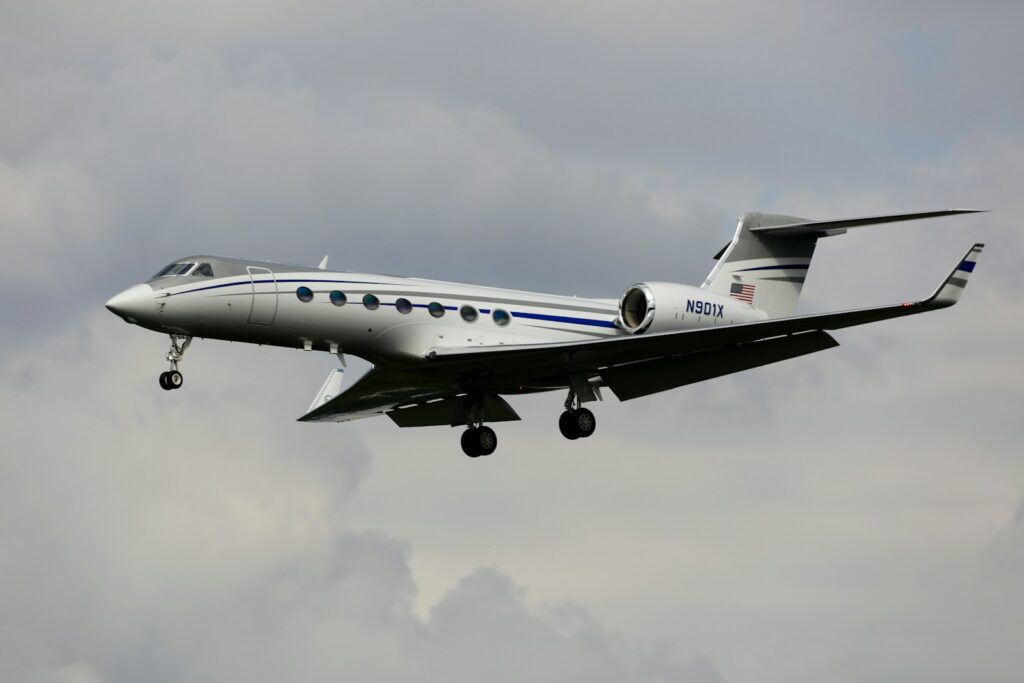
The aircraft at the center of this milestone was a Gulfstream G600 business jet. G600 took off from Savannah, Georgia, on a transatlantic flight of approximately seven hours. It did not carry conventional fuel but the promise of sustainability. As it finally landed at Farnborough Airport in England, this journey marked not just the distance traversed but the progress accomplished.
Historic Details of the Journey
- Aircraft Model: Gulfstream G600
- Departure Location: Savannah, Georgia
- Destination on arrival: Farnborough Airport, England
- Flight duration: 6 hours 56 minutes
- Fuel consumed: 100% Sustainable Aviation Fuel
This flight demonstrates that long-haul flights with sustainable fuel are possible today. This was a powerful demonstration that business aviation can maintain performance, safety, and efficiency by embracing greener solutions that greatly reduce environmental damage.
2. Aviation’s Urgent Push Toward Decarbonization
Aviation has come under increasing fire due to its carbon footprint, especially on very long-haul routes. De-carbonization has seemed a huge challenge with few immediate solutions. The SAF-powered Gulfstream flight provided an eloquent answer when confirming that on such demanding operations, renewable fuels are fully up to the task without compromising either reliability or safety.
Decarbonization of Aviation: Why It Matters
- Aviation is one of the most contributing sectors to overall global emissions.
- Long-haul flights are energy-intensive.
- With increasing regulatory pressure worldwide,
- Public demand for sustainability is rising.
- SAF delivers immediate emissions reductions.
Reaching this milestone is the tipping point in the discussion from “if” to “how fast.” It proves aviation can take measurable action now while continuing research for even cleaner technologies in the future.
3. Engines That Powered a Sustainable Vision
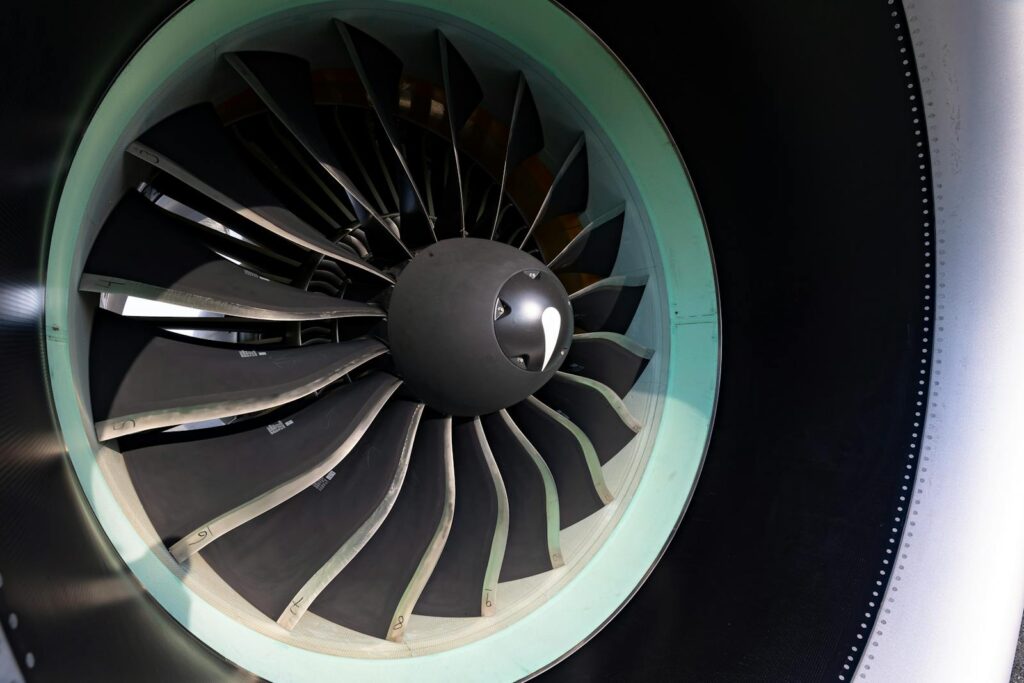
At its core, the flight included two Pratt & Whitney PW815GA engines. Throughout the flight, both these engines exclusively flew on 100% SAF to demonstrate the compatibility of the current engine technology with unblended sustainable fuel. To date, the usage of SAF has been restricted to blends. That makes this flight a bold leap beyond such established industry norms.
Engine and Performance Overview
- Pratt & Whitney PW815GA engine model
- It ran on 100% unblended SAF.
- Maintained performance during flight.
- No modifications needed to function
- Validated current engine compatibility
This further reassures manufacturers and operators that moving to cleaner fuels does not mean sacrificing performance. Success like this underlines the fact that technological readiness exists already, speeding up confidence across the aviation industry.
4. Leadership Driving Sustainable Change
Mark Burns, Gulfstream president, reiterated that sustainability is at the core of its long-term vision. As he underlined, the wide-scale use of SAF is a required condition to reach aviation’s decarbonization goals. The flight was not a publicity stunt but one strategic step toward systemic change.
Gulfstream’s Sustainability Vision
- Long-term commitment to SAF adoption
- Quantify environmental impact where appropriate.
- Alignment with industry-wide goals
- Innovation-driven Sustainability Strategy
- Responsibility towards future generations
It takes leadership commitment to redefine industries. Steps taken so far by Gulfstream indicate that sustainability is not an optional initiative but part of the corporate strategy.
5. Understanding the Power of Neat HEFA Fuel
The clean fuel used in the flight was 100% Hydroprocessed Esters and Fatty Acids-commonly referred to as neat HEFA. Supplied by World Energy, the fuel is a non-food advanced biofuel produced from renewable feedstocks, including plant oils and used cooking oil. It demonstrates lifecycle carbon emissions 70% lower than those of traditional jet fuel.
Advantages of neat HEFA SAF
- Manufactured from renewable waste materials
- Lower lifecycle CO₂-emissions by at least 70%
- Fully compatible with current engines
- Certified for aviation use
- Supporting Circular Economy Principles
Neat HEFA shows how innovation can turn waste into value. A path to less dependence on fossil-based fuels, aviation gets cleaner production cycles using sustainable feedstocks.
6. Cleaner Fuel Beyond Carbon Reduction
Beyond the carbon emissions advantage, this SAF does not have added aromatics and has very low sulfur content. The result of this is going to be better air quality in the vicinity of airports and will reduce the non-CO₂ environmental effects-a broader benefit to the environment.
Environmental benefits of low aromatic SAF
- Zero added aromatics
- Very low sulphur levels
- Reduced particulate emissions
- Improved airport-area air quality
- Lower non-CO₂ climate impacts
Such improvements highlight the fact that sustainable aviation fuels can address various environmental concerns simultaneously, strengthening their role of being a near-term solution for greener flight.
7. A Flying Laboratory in the Sky
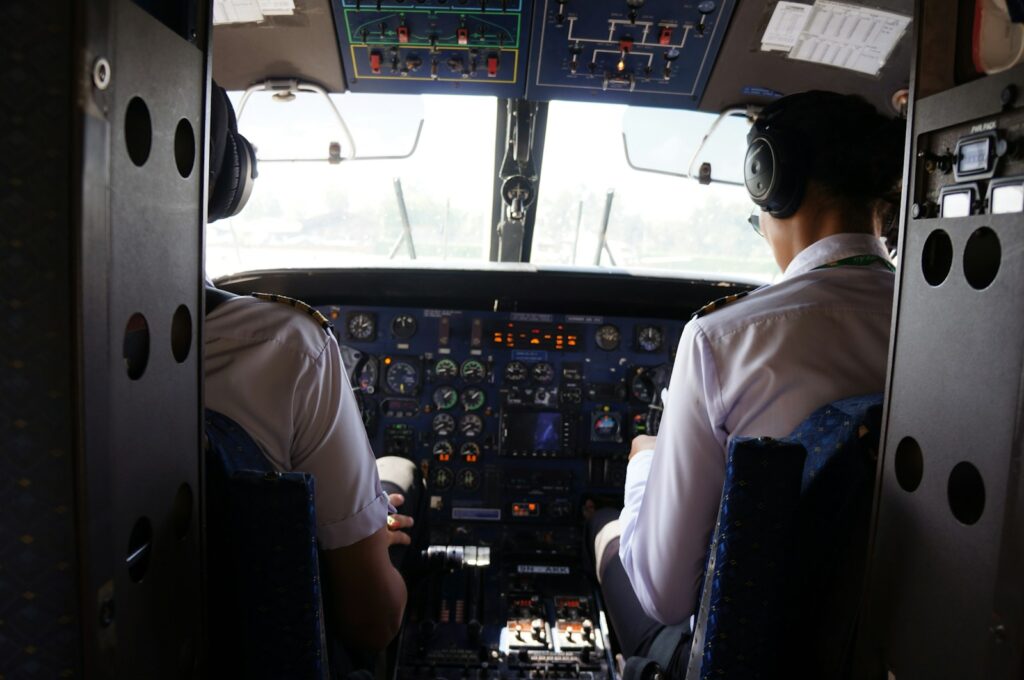
But it was also much more than a historic flight, it was a flight test. The engineers aboard recorded reams of data on the performance of the engines, fuel and systems in the high-altitude, cold-temperature environment-all very valuable for future certification efforts.
Data Collected During the Flight
- Engine performance metrics
- Fuel system behaviour
- cold-weather operating data
- High-Altitude Efficiency Analysis
- Long-duration Reliability Indicators
It is an evidence-based approach that will ensure future adoptions of SAFs occur in a data-driven manner instead of assumption-based. This work lays the foundation for scaling use of sustainable fuel across all global fleets.

8. Collaboration Behind the Breakthrough
This achievement was possible thanks to the efforts of key industry players in close cooperation: Gulfstream, working in close cooperation with Pratt & Whitney Canada, Honeywell, Safran, Eaton, World Energy, and World Fuel Services-all these players contributed to ensuring the whole test process was undertaken safely and with complete success.
Such collaboration proves that sustainability is a matter of everybody’s concern. That is when innovation starts to accelerate and meaningful progress can be realized, if manufacturers and suppliers align with fuel producers.
9. Gulfstream’s Legacy of Innovation
For generations, Gulfstream has shaped the business aviation industry. Since the very first flight of a Gulfstream I in 1958, the brand has continuously moved the boundaries. With more than 3,000 aircraft in service today, this SAF flight further supports Gulfstream’s commitment to innovating and leading the way in environmental responsibility.
Milestones in Gulfstream’s History
- First purpose-built business aircraft
- Decades of technological advancement
- Global fleet of more than 3,000 aircraft
- First OEM to fly on 100% SAF
- Ongoing investment in sustainability
That legacy lends credibility to Gulfstream’s sustainability because innovation and responsibility have been at the heart of what this company is all about.

10. Industry Momentum towards Sustainable Flight
This flight occurred largely in parallel to Virgin Atlantic’s planned 100% SAF transatlantic flight. While this title is an overall first by Gulfstream, the proximity of these events points toward increasing momentum in every aviation sector, even all the way into commercial airlines.
Regulatory interest in SAF Shared sustainability objectives The collective movement shows that sustainable aviation is no longer confined to isolated experimental projects; it is a transition within the industry now.
11. A New Direction for the Future of Flight
A New Direction for the Future of Flight But the Atlantic crossing by the G600 represents so much more than just a technical feat: it is testimony that aviation can change course without losing its ability to link people and economies together. Innovation, collaboration, and vision made what was an aspiration on sustainability a reality.
What this flight represents is Practical sustainability in action Reduced environmental impact Success through industry collaboration Foundation for future certification A cleaner future for global travel As the contrail faded across the Atlantic, so one era gave way to another. The future of flight is clean, smart, and far more responsible.