



Kia and Hyundai Thefts: A Guide to Free Repairs and Compensation
Man, I remember when this whole thing first blew up it felt almost surreal. Some executive somewhere decided years ago to skip a basic anti-theft feature on cheaper models just to keep prices down a bit. Fast-forward to the TikTok era, and suddenly kids are posting videos showing how to steal a Hyundai or Kia in like a minute flat using nothing but a phone charger cable. What started as a dumb viral challenge snowballed into a real crisis: cars vanishing from driveways overnight, insurance rates going through the roof, smashed windows everywhere, and worst of all, some joyrides ending in horrible crashes and lost lives.
We’re talking about roughly 8.3 million vehicles from 2011 to 2022 that missed out on the engine immobilizer tech most other cars had by then. Owners felt helpless, betrayed even, watching their reliable daily drivers become prime targets. The silver lining? After tons of pressure from state attorneys general across the U.S., a solid multistate settlement wrapped up in late 2025. It locks in free hardware fixes, forces better protection on all future models, and sets aside cash to help folks who’ve already suffered losses (especially thefts or attempts from late April 2025 onward). If one of these cars sits in your driveway right now, stick around this could save you a ton of headache.
1. How a Simple Social Media Trend Unleashed Chaos on the Streets
It really kicked off around 2021 when those “Kia Boyz” videos started popping up everywhere on TikTok and other apps. People would film themselves breaking into these specific Hyundai and Kia models smash a window or jimmy the door, yank off the cheap plastic cover around the steering column, then shove the metal end of a standard USB-A cable right into the ignition slot and twist. Boom, engine starts in under 90 seconds. No special tools, no expertise needed just stuff lying around in most cars.
The results hit hard and fast. Theft rates exploded in city after city. Minneapolis alone saw Hyundai and Kia thefts jump a staggering 836% from 2021 into 2022. Chicago police reported a 767% spike in one single month at the peak. It wasn’t just about money stolen cars ended up in high-speed chases, accidents, and tragedies. Reports tied at least eight deaths and 14 major crashes directly to vehicles taken in these joyrides. What looked like harmless online fun turned neighborhoods into hunting grounds for thieves hunting easy scores.
How the theft trick worked step by step:
- Smash or unlock a window/door to get inside
- Rip away the steering column’s plastic cover
- Expose the ignition cylinder
- Jam in a USB-A cable’s metal tip
- Twist like a regular key to fire up the engine
2. The Cost-Cutting Choice That Left American Drivers Exposed
Engine immobilizers have been around forever standard stuff since the mid-90s, and pretty much every car sold in North America had them by the early 2000s. It’s straightforward: a tiny chip in your key sends a unique code to the car’s computer. No matching code? Engine stays dead. Super effective at stopping hot-wiring or quick thefts like this.
But Hyundai and Kia kept building millions of base models with old turn-key ignitions and no immobilizer at all, right up through 2022 in some cases. Why? Purely to trim manufacturing costs on entry-level trims. The crazy part they put the tech in the exact same models sold in Canada and Mexico, but left U.S. buyers hanging without it. Once the videos went viral and thefts skyrocketed, that decision looked downright reckless. Owners here got the short end of the stick on something that should’ve been basic safety.
What makes an immobilizer so crucial:
- Relies on a transponder chip inside the key
- Blocks engine start without the right electronic code
- Became industry standard across brands by early 2000s
- Hyundai/Kia skipped it on many key-start models 2011–2022
- Omitted mainly to keep base prices lower for buyers

3. The Real Pain Felt by Everyday Owners Like You and Me
Picture this: you step outside one morning, coffee in hand, and your car’s just… gone. Or maybe it’s back, but windows smashed, steering column mangled, and now you’re staring at repair bills, rental car costs, and an insurance company jacking up your rates or threatening to drop you altogether. That’s the nightmare thousands of Hyundai and Kia owners lived through during the peak of this mess. Premiums spiked wildly in some areas, and a few insurers flat-out refused to renew policies on these models, leaving people scrambling to find coverage or even sell at a huge loss.
It wasn’t only about the money, though the stress was crushing. Folks felt violated, anxious parking anywhere, second-guessing if their car would still be there at the end of the day. And the scariest part? Some stolen vehicles ended up in deadly chases or accidents, with reports connecting at least eight fatalities and over a dozen serious crashes to these easy thefts. Families lost people they loved because of a shortcut that never should’ve happened. It’s the kind of thing that makes you angry at big companies for putting profits over basic safety.
Everyday hits owners took:
- Cars stolen or heavily damaged
- Insurance premiums soaring overnight
- Coverage denied or canceled by insurers
- Deep sense of violation and insecurity
- Tragic links to deaths and crashes

4. When State Attorneys General Finally Said “Enough”
By 2023, the theft numbers were impossible to ignore, and attorneys general from nearly two dozen states started teaming up to demand answers. Minnesota’s Keith Ellison was front and center, laying it out plain: this whole disaster began in a corporate boardroom, spread like wildfire online, and ended with real heartbreak on the streets. It wasn’t just one state griping 35 eventually joined in a rare bipartisan push that crossed party lines to hold Hyundai and Kia accountable.
They zeroed in on the unfairness: the exact same models got immobilizers when sold in Canada or Mexico, but U.S. customers were left vulnerable. That kind of double standard fueled the investigation, building pressure until the companies had to negotiate seriously. The result? The big multistate settlement finalized in December 2025, giving owners tangible help instead of more excuses.
What drove the multistate push:
- Started with 20+ states in early 2023
- Grew to 35+ attorneys general involved
- Highlighted U.S.-only security gap
- True bipartisan cooperation
- Emphasized public safety over profits
5. From Quick Band-Aids to a Proper, Lasting Fix
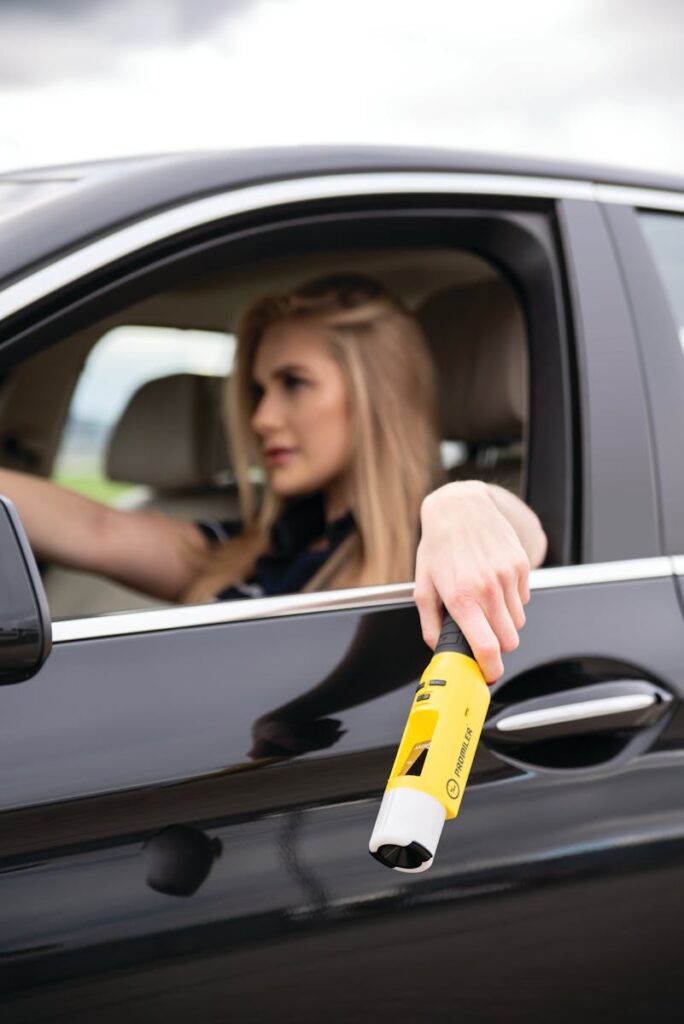
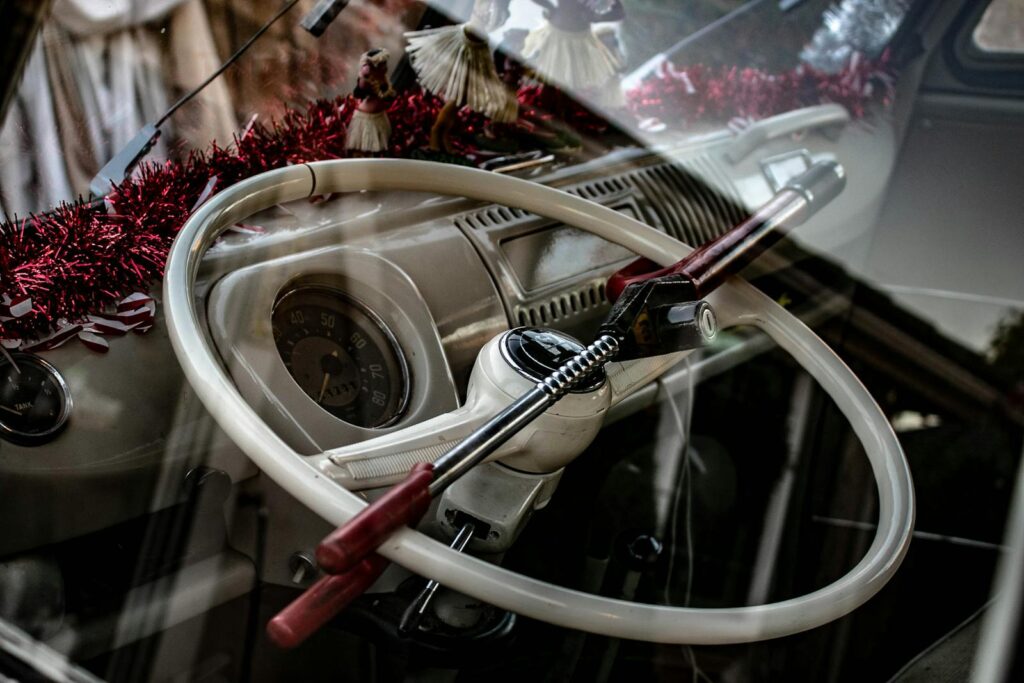
Early on, Hyundai and Kia tried to calm things with voluntary stuff: handing out free steering wheel locks at police stations and pushing a software update that stretched the alarm from 30 seconds to a minute. It was something, sure better than nothing and some owners grabbed the locks or got the update done. But honestly, most people saw it as too little, too late. Thieves adapted quickly, and the core problem (no immobilizer) stayed wide open.
That’s why the settlement went further. It mandates real engine immobilizers on every new Hyundai and Kia sold in the U.S. going forward no more skipping it. For existing owners, the standout upgrade is the free zinc-reinforced ignition cylinder protector (basically a tough metal sleeve) installed at dealerships. It physically blocks that USB trick, making the old bypass method useless. Combined with the software if you haven’t got it yet, it’s finally a solid defense.
Evolution of the fixes:
- Early: free steering locks via police
- Software alarm extension to 1 minute
- Voluntary campaigns only
- Widely viewed as insufficient
- Settlement adds mandatory hardware sleeve
6. Breaking Down What the Settlement Actually Gives You
The December 2025 multistate deal (with 35+ states on board) isn’t just talk it lays out concrete wins for owners. First, Hyundai and Kia have to slap proper engine immobilizers on every new vehicle they sell in the U.S. from now on no more cost-cutting shortcuts that leave people exposed. That’s huge for preventing this nightmare from repeating with future buyers.
For those of us with older affected models, the big perk is the free hardware upgrade: a zinc-reinforced ignition cylinder protector (folks call it the “zinc sleeve”). It bolts on at any authorized dealership and physically beefs up the ignition area so thieves can’t pull off the USB trick anymore. If you already got (or scheduled) the earlier software update that lengthens the alarm, you’re still eligible for this stronger fix. Plus, there’s a dedicated restitution fund up to $4.5 million nationwide for folks hit by thefts or attempts after April 29, 2025. The other half of the $9 million total covers the states’ investigation costs. It’s limited money, so timing matters.
Core benefits from the settlement:
- Immobilizers required on all future U.S. models
- Free zinc sleeve hardware install for eligible owners
- Builds on any prior software update
- $4.5M consumer restitution fund
- Rolling payouts until funds run out

7. How Compensation Works and Who Actually Qualifies
If your eligible Hyundai or Kia got stolen (or someone tried) on or after April 29, 2025 but before you got the zinc sleeve installed or hit the March 31, 2027 claim deadline you can file for cash help. The tiers make sense based on damage: up to $4,500 if your car was totaled and declared a loss by insurance; up to $2,250 for partial damage on a recovered vehicle (like repairs after a joyride); and up to $375 even for a failed attempt to cover stuff like police reports, broken glass fixes, or other out-of-pocket hassles.
You need proof like insurance letters for totals, repair receipts and deductible proof for partials, or a police report for attempts. This multistate fund is separate from the earlier $145 million class-action settlement (which covered pre-2025 incidents more broadly). Funds disburse as claims come in and get approved, first-come, first-served until the pot’s empty so don’t drag your feet if you’ve got a qualifying incident.
Compensation tiers explained:
- Total loss (stolen and totaled): up to $4,500
- Partial loss (recovered with damage): up to $2,250
- Attempted theft (no full theft): up to $375
- Must be on/after April 29, 2025 (pre-zinc install)
- Deadline March 31, 2027 act early for rolling funds
8. Figuring Out If Your Specific Model Is on the List
The settlement covers a bunch of 2011–2022 Hyundai and Kia models built without factory engine immobilizers and using the old-school turn-to-start key (not push-button start, since those already have the tech baked in). It’s not every single one from those years only the trims and variants that skipped the immobilizer to keep base prices lower.
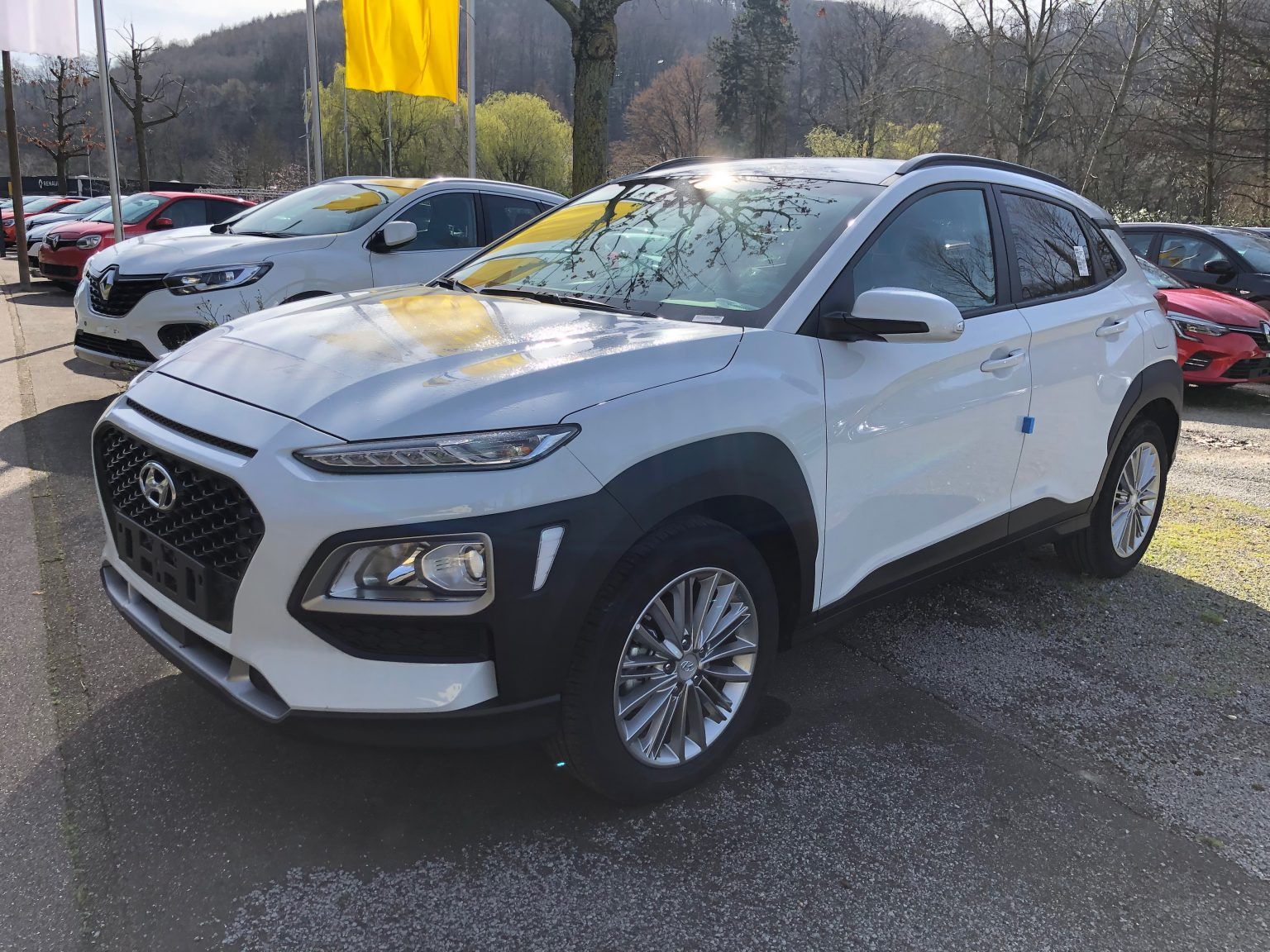
On the Hyundai side, you’re looking at popular ones like the Accent (2018–2022), Elantra (2011–2021, including GT), Kona (2018–2022), Palisade (2020–2021), Santa Fe (2013–2022, including Sport and XL), Sonata (2011–2019), Tucson (2011–2022), Veloster (2012–2017), and Venue (2019–2021). Kia covers Forte (2014–2021), K5 (2021–2022), Optima (2011–2020), Rio (2012–2021), Sedona (2011–2021), Seltos (2021–2022), Sorento (2011–2022), Soul (2020–2022), and Sportage (2011–2022). If your ride matches one of these and lacks push-button ignition, it’s likely in play best to double-check with your VIN.
Examples of covered Hyundai models:
- Accent (2018–2022)
- Elantra / Elantra GT (2011–2021)
- Kona (2018–2022)
- Santa Fe series (2013–2022)
- Tucson (2011–2022)