


Corvette C8 Crash Reveals Mid-Engine Dangers at Takeover
In recent times, street takeover culture has exploded; empty streets and abandoned industrial lots are now unofficial venues for reckless drivers to engage in dangerous stunts. Packed street events, filled with people gathered around supercars, were once seen as merely entertainment; however, the sound and speed of performance cars driving is one aspect of these get-togethers. In reality, even the slightest error made in a street takeover can quickly evolve into chaos within minutes of the cars lining up to compete.
Social media sites also play a large role in the development of street takeovers; pictures of drifting, donuts and wheelies all have viral circulation across social media. The danger presented within these short video clips however, goes unshown; normally, bystanders stand uncomfortably close to each car as they spin out with no barrier systems between spectators and automobiles. Here, it’s very thin line between controlled driving and pure mayhem as there is often no way to compensate from a slight slip-up.
However, a Chevrolet C8 Corvette accident in Michigan has sparked concerns over reckless street takeovers, and although this car is an innovative new car with its mid-engine layout and supercar-like characteristics, it participated in an act which quickly proved dangerous.
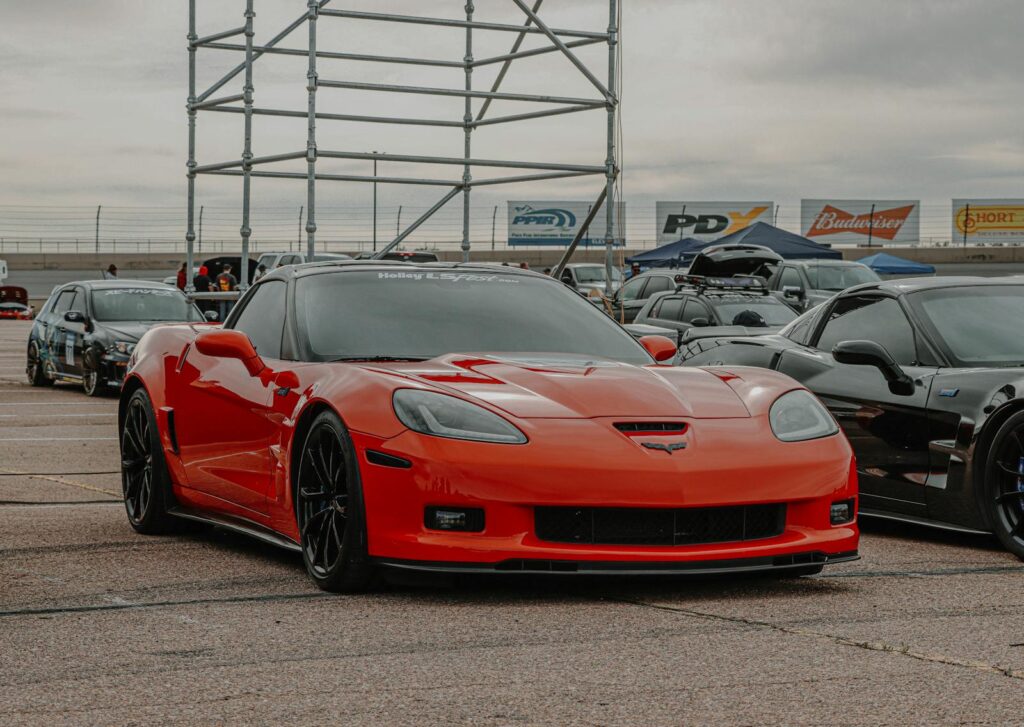
1. The Michigan Takeover Event and Atmosphere
The event occurred at an extremely busy takeover meet where a large crowd of automobile fanatics were viewing cars jumping and performing stunts in a free space that wasn’t controlled by anything. The event was at an incredibly exciting phase where engines roared, phones flashed constantly as they took hundreds of pictures of the action and cars and people were constantly moving from all sides in attempts to be at the center.
Key Elements of the Scene:
- Crowded informal takeover gathering
- High engine noise and visual intensity
- Spectators close to stunt activity
- Unregulated open performance space
- High-risk environment conditions
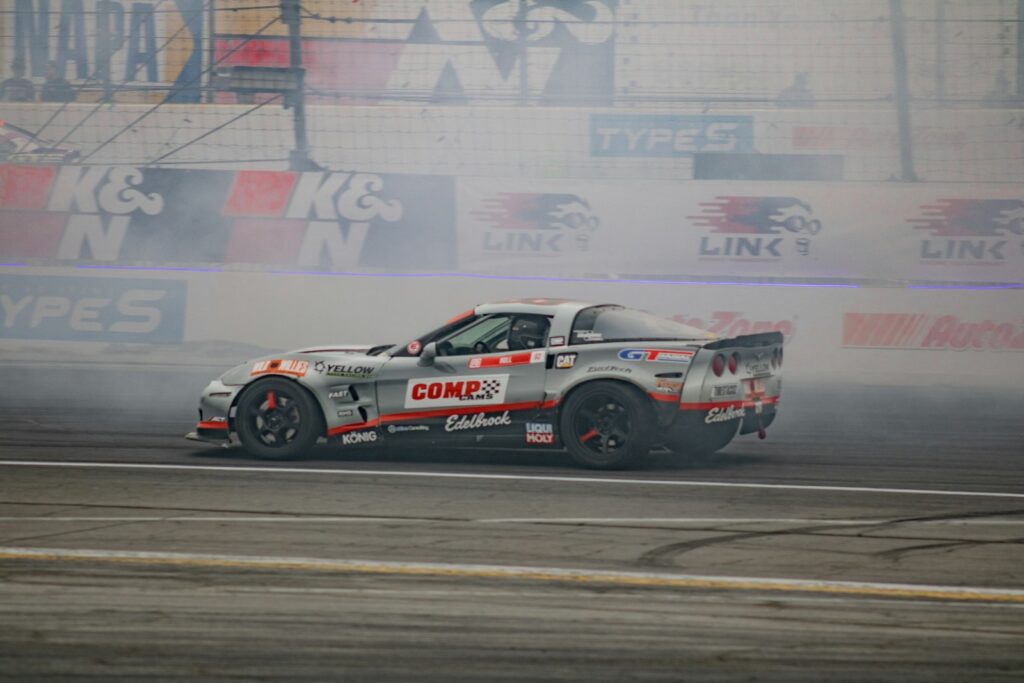
At the center of it all a blue C8 Chevy Corvette commanded the attention of all present. The driver started doing donuts around a single orange marker that was laid down at the center of it all. In a carefully manicured circle the driver seemed intent to entertain onlookers by sliding his vehicle in what seemed like a perfectly calculated manner. At least for a few seconds, the maneuver seemed stable with the car consistently spinning within the circle formed.
Nonetheless, this unstable situation was already a risky situation as-is with a multitude of things going against a stable event. These elements combined with the unstable surface conditions the car was on, spectators so close, and no proper set boundary to contain all of this ultimately put the situation in a precarious predicament where the driver could lose control in an instant.

2. The Moment Everything Changed
In seconds the direction of the Corvette had changed in such a dramatic way that no reaction was even possible. During its uncontrolled spin the Corvette had changed its pattern of circular motion in to an unplanned pattern that, “when the tail of the car swung out, it swing much more aggressively than anticipated.”
Key Moments in the Incident:
- Sudden loss of vehicle balance
- Rapid rear-end over-rotation
- No clear warning before loss of control
- Outward movement toward spectators
- Immediate escalation of risk
Before long the vehicle broke free from its circular track and swerved into the crowd around it. There was no slow, prolonged slide and warning to let the driver correct the slide and regain traction; instead it looked like a sudden loss of control that left little or no time for response. The transition was virtually instantaneous from driving intentionally, out of control, to driving unintentionally, out of control.
What ensued was an extremely hard and swift collision impacting the scene, and crowd, surrounding the drifting Corvette. Debris flew in every direction as the Corvette violently slammed into the edge of the crowd and the rear wing broke clean off; this is how hard the collision actually was, and as one can see, not very long at all to get from drifting to being violently slammed in to the audience.
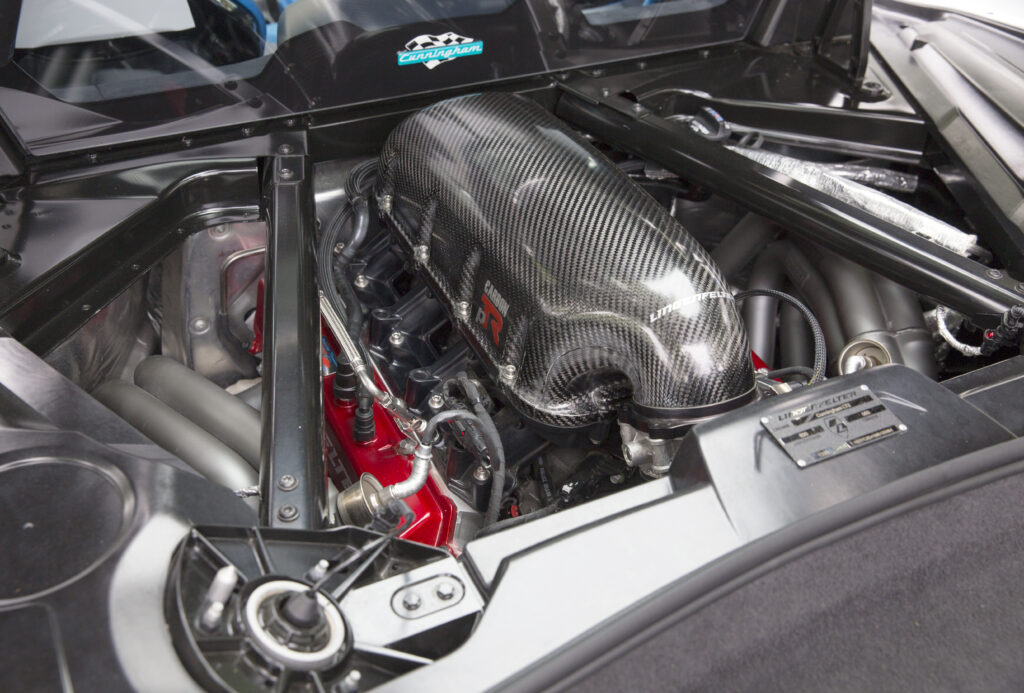
3. Understanding the Mid-Engine Layout
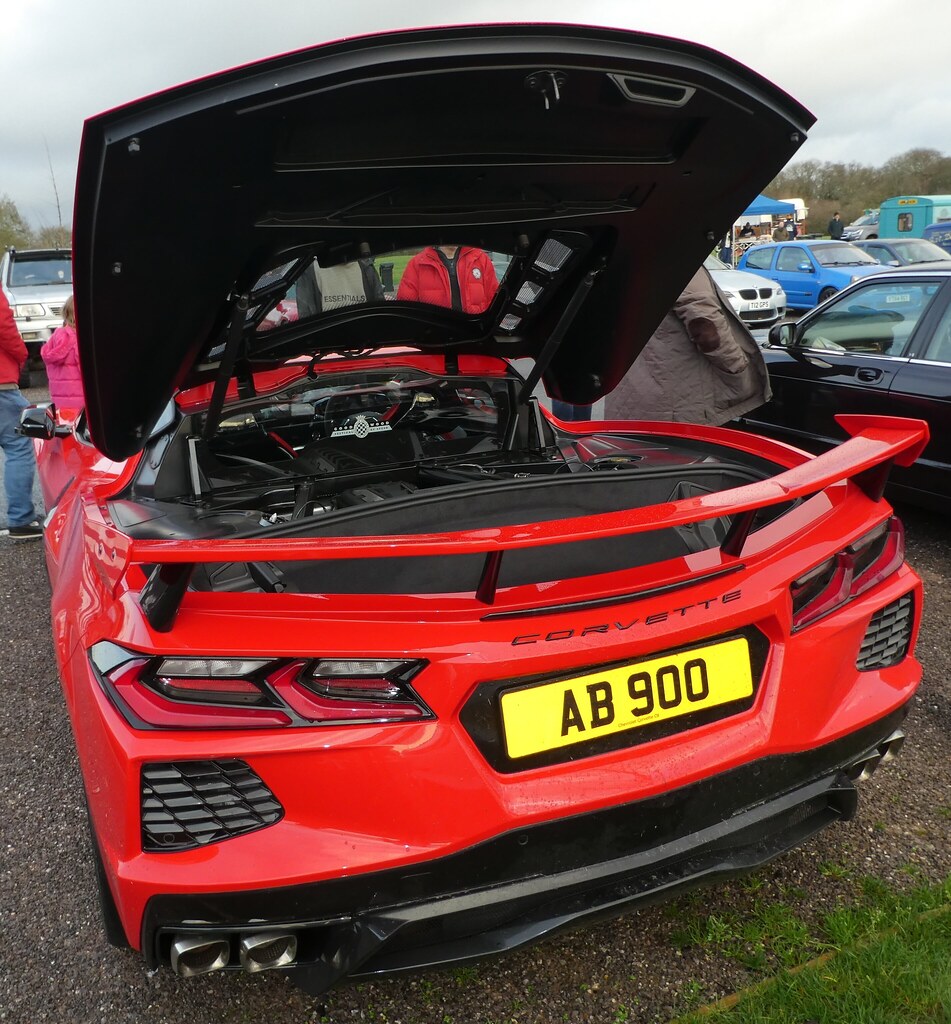
The most defining change for the Corvette with the C8 generation is its move to a mid-engine layout. This means that unlike all previous Corvettes, the engine is located behind the driver but in front of the rear axle. The most obvious impact this has is with the cars weight distribution.
Key Features of Mid-Engine Design:
- Engine placed behind the driver
- Improved weight distribution balance
- Enhanced high-speed cornering stability
- Increased traction during acceleration
- Racing-inspired vehicle architecture
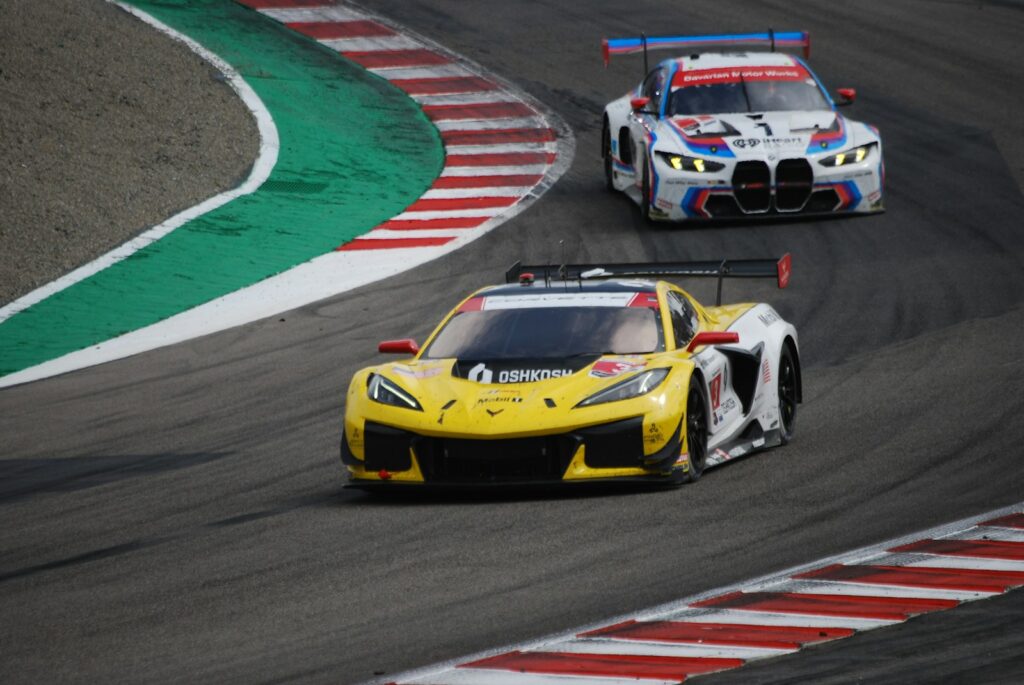
These arrangements are often favored on performance cars and race cars because of the increased accuracy in handling that is offered. By locating the mass close to the center of the chassis, the vehicle becomes more stable under cornering loads while travelling at high speeds. It also provides better traction during acceleration so that the response is more accurate while travelling around the circuit. Because of these attributes the arrangement works extremely well in controlled conditions.
The very things that the engineering set-up aims for here are the things that cause trouble outside controlled circumstances; this car is focused more on being extremely gripped and predictable and resistant to easy oversteer, rather than being playful and easy to slide, so it will tend to be resistant to a lose rear end, hence more difficult to execute donuts and drifts.
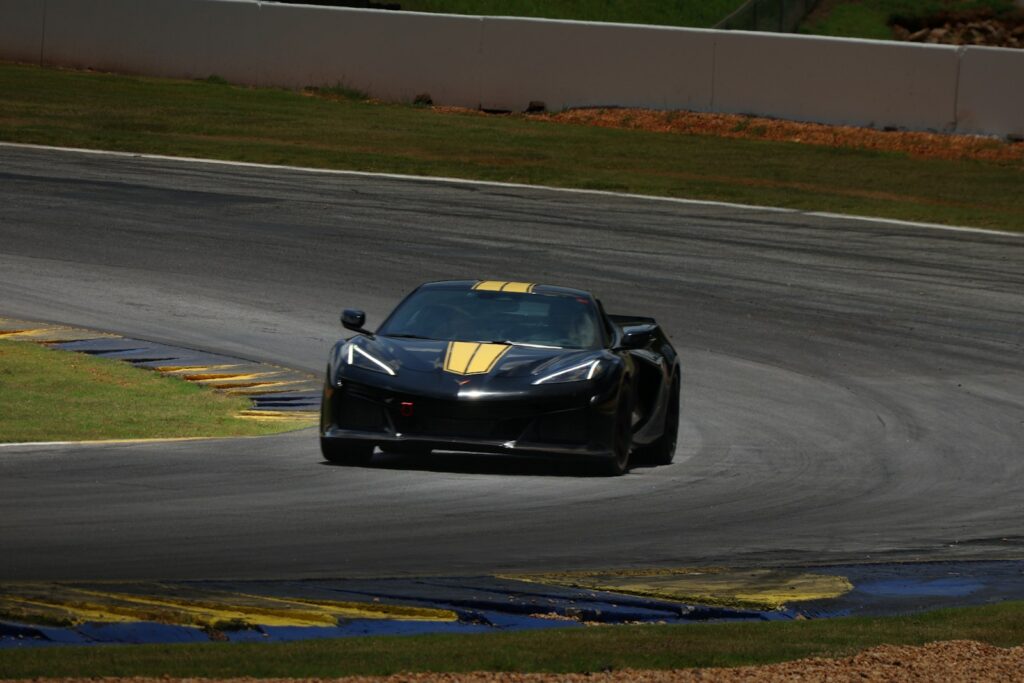
4. Why Loss of Control Becomes Sudden
When a mid-engine vehicle, such as the C8 Corvette, is running near the traction limits, the transition from having good traction to losing it may not be a smooth one, but rather an abrupt loss. The rear-biased weight of the car contributes to excellent traction, giving the tires something to cling to until a certain traction threshold is reached. The loss of grip at this point is usually instantaneous.
Key Characteristics of Sudden Traction Loss:
- Strong rear traction until limit is reached
- Abrupt break in grip behavior
- Narrow margin for driver correction
- Rapid shift from stable to unstable state
- High sensitivity in dynamic movement
This sharp change provides very little opportunity for recovery. Compared to a front-engine, or even a more centrally balanced vehicle that may slide in a more gradual manner, a mid-engine car’s handling may rapidly change from being stable to uncontrollable. This can be acceptable in a controlled track environment where drivers expect the vehicle to reach its limits, and react appropriately. It is much less predictable, and more dangerous, in a natural environment.
This likely played a role in the Michigan event, and may explain how the vehicle changed direction so rapidly. A sudden loss of traction eliminates opportunity for even precise steering input, and throttle input, to effectively correct the situation in an open environment where the driver is not always expecting it. This clearly shows how dynamically a vehicle can react very differently in a natural environment compared to a controlled track.
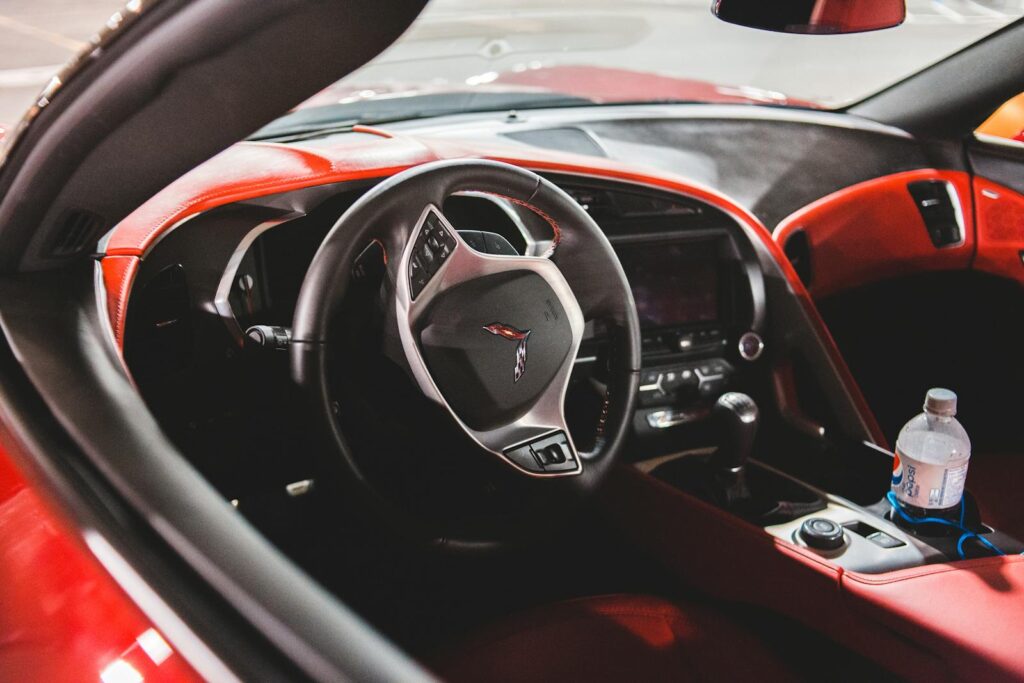
5. The Role of Steering Responsiveness
High performance, quick steering response is another factor that is central to how the Corvette performs. Chevrolet has engineered this vehicle to turn sharply with minimal input from the driver so high speed and sharp cornering are not a problem. This can contribute greatly to vehicle performance in a controlled setting, such as the race track.
Key Steering Characteristics:
- Highly sensitive steering response
- Designed for precision control
- Quick reaction to driver input
- Enhanced performance in cornering
- Amplifies effects during low traction
Whilst these rapid responses on a racetrack can be useful they exacerbate the instability when a slide is developing. In low friction situations a tiny steering input can result in large changes of direction. This makes the car highly sensitive and demanding skilled and precise inputs. During the failure it is plausible that this characteristic was to a certain extent responsible for the extent of loss of control, and, in low friction and a slide, it is possible that the small inputs that are to be expected may have actually increased the rotation of the car rather than helped stabilize it and demonstrate how a performance steering system works differently at and beyond the limit.
6. Weight Distribution and Grip Dynamics
The C8 Corvette’s weight balance contributes significantly to the character of the car, being particularly rear biased. Due to the substantial engine size and its location to the rear of the driver, traction is always good when driving normally as there is so much weight pushing the rear tires into the tarmac, aiding its power output when you step on the accelerator.
Key Grip and Balance Factors:
- Rear-biased engine placement
- Strong traction during acceleration
- Improved corner exit performance
- Higher resistance to sliding
- Abrupt grip release behavior
This layout is ideal for straight line speed and for accelerating out of a corner (where optimum traction is desired). Ironically, these attributes are exactly the cause for the car not liking to slide in a controlled way. For stunt driving situations like donuts and drifts, the rear wheels can seem to be holding much longer than expected when sliding, so it is more difficult to keep going sideways at a controlled drift speed. When the tires do finally lose grip, it will not likely happen gradually, instead you will likely experience a sharp oversteer rotation rather than a smooth slide, especially if still on throttle, becoming more violent at exhibition driving levels.
7. Influence of Wheelbase on Stability
The Corvette’s relatively short wheelbase is another key factor shaping its driving dynamics. A shorter distance between the front and rear axles allows the vehicle to change direction quickly, which is highly beneficial on technical roads and performance-focused tracks. This design improves agility and makes the car feel more responsive to driver inputs.
Key Wheelbase Effects:
- Short wheelbase improves agility
- Faster directional changes possible
- Enhanced responsiveness in cornering
- Reduced stability at limit
- Quicker rotational behavior
On the flip side of agility is stability and as is often the case, this has its own set backs. When a short wheelbase car is spinning it is prone to spinning even quicker, making it more difficult to control a slide or spin. When traction is lost on these shorter wheel based cars, the car is capable of rotating faster than a driver can respond, this will occur on situations that involve an instant loss of traction. With the mid-engine and rear biased weight, the car then becomes very responsive and quick to respond to any loss of traction but it doesn’t have much stability at all making the car prone to going into the spin and making it difficult to extract out of. This balance of stability versus agility is one aspect of the C8 that stands out.
8. The Takeover Environment Problem
Beyond the vehicle dynamics, the surrounding environment at takeover events plays a major role in the severity of incidents like this. These gatherings typically take place in open public spaces without formal safety barriers, controlled access zones, or professional event supervision. This lack of structure creates inherently unpredictable conditions for both drivers and spectators.
Key Risks in Takeover Environments:
- No formal safety barriers present
- Spectators very close to vehicles
- Lack of professional oversight
- Absence of emergency protocols
- Uncontrolled open public spaces
Spectators often stand extremely close to moving vehicles, which significantly increases the risk of injury in the event of a mistake. Unlike professional motorsport events, these setups do not include run-off areas, protective fencing, or medical response teams prepared for high-speed incidents. As a result, there is very little margin for error when vehicles are performing high-risk maneuvers.
This absence of structure means that even small driving errors can escalate into serious safety incidents. The Michigan crash illustrates how quickly a performance-oriented environment can become dangerous when proper boundaries are missing. What begins as entertainment can rapidly shift into uncontrolled risk when vehicles, crowds, and limited space are combined without safety planning.
9. Corvette’s Engineering Legacy
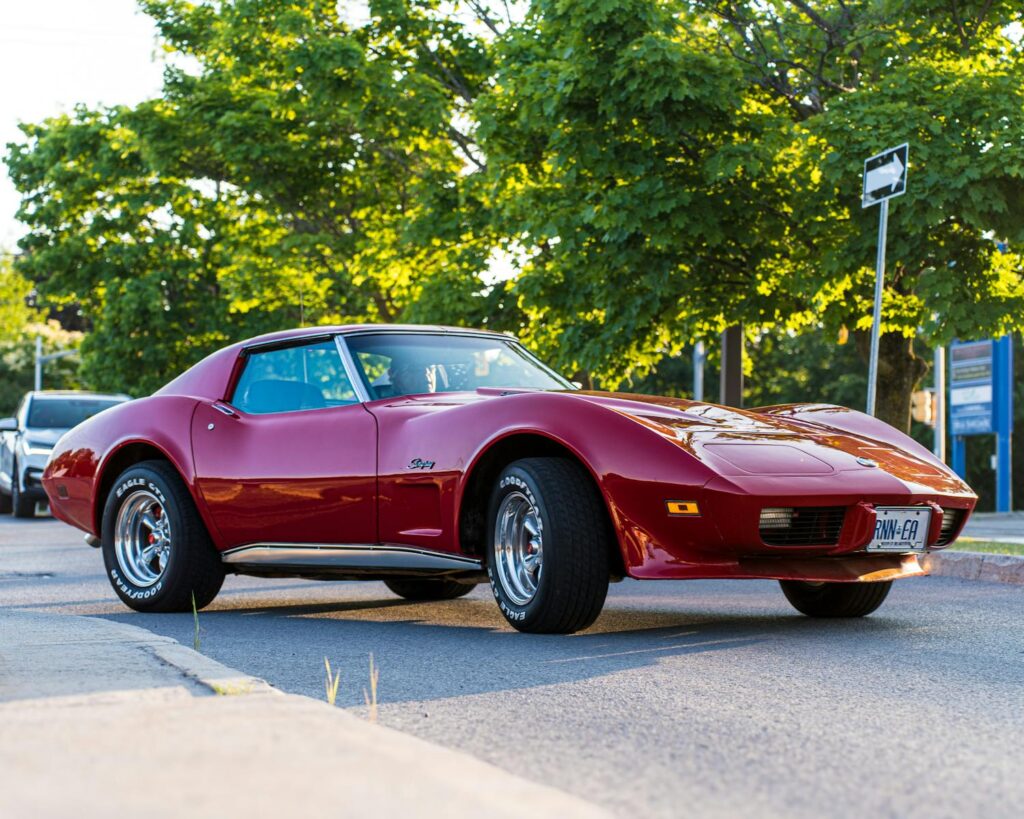
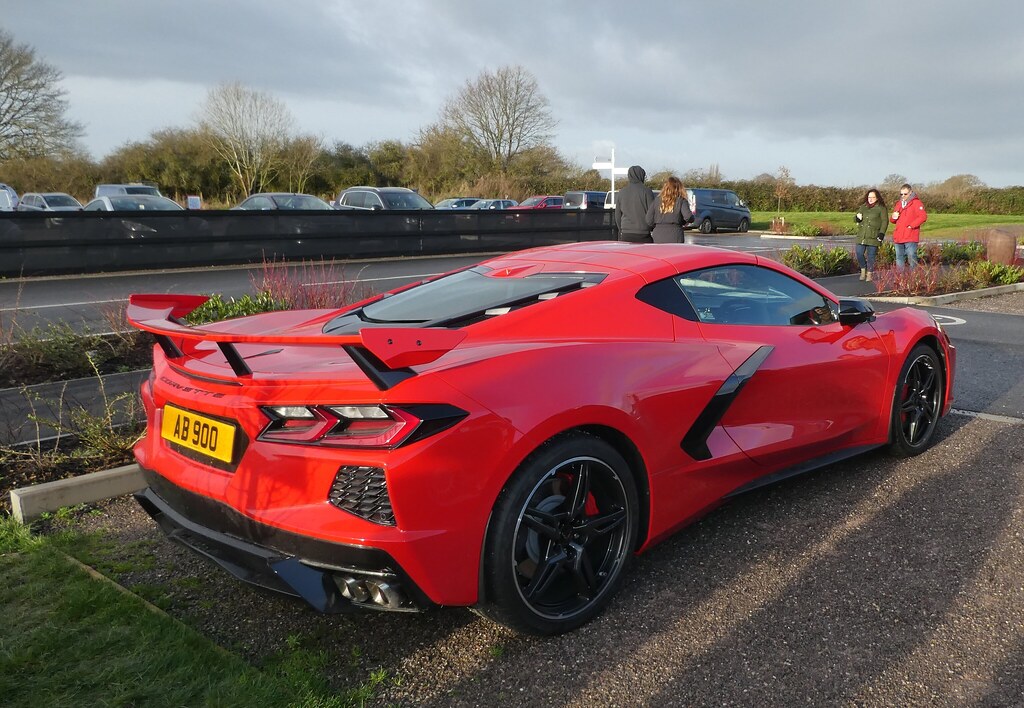
The Chevrolet Corvette has evolved significantly since its introduction in 1953, becoming one of America’s most iconic performance vehicles. Across eight generations, it has progressed from a front-engine sports car into a mid-engine supercar with the C8 model. This transformation reflects decades of engineering development and performance-focused innovation.
Key Stages of Corvette Evolution:
- Introduced in 1953 as a sports car
- Shift from front-engine layout
- C8 adopts mid-engine architecture
- Continuous performance improvements
- Blend of heritage and modern tech
This evolution represents a consistent push toward higher performance and advanced engineering standards. The C8 Corvette stands as the most refined version of this philosophy, offering supercar-level capabilities while maintaining relatively accessible pricing compared to exotic competitors. It combines modern aerodynamics, improved weight distribution, and advanced chassis design to deliver a highly capable driving experience.
Its overall design philosophy prioritizes precision, speed, and stability in controlled environments such as highways and racetracks. This reinforces its identity as a performance-oriented machine built for structured driving conditions rather than unpredictable or exhibition-style usage. The Corvette’s legacy continues to reflect a balance between heritage and modern engineering ambition.
10. A Clear Lesson From the Incident
The Michigan Corvette crash highlights an important reality: high-performance capability does not automatically translate into safety outside controlled conditions. The same engineering that enables exceptional track performance can become significantly more difficult to manage in unpredictable environments. This gap between design intent and real-world usage plays a central role in incidents like this.
Key Takeaways From the Incident:
- Performance depends on controlled conditions
- Engineering limits differ by environment
- High-speed stunts increase risk exposure
- Precision cars require disciplined usage
- Context matters more than capability
This incident is not solely about driver behavior or crowd dynamics; it is also about context. A mid-engine sports car like the Corvette C8 is engineered for precision driving on prepared surfaces such as racetracks and closed circuits. When taken into crowded, unregulated stunt environments, the same characteristics that enhance performance can make recovery from errors far more difficult.
Ultimately, the event reinforces a straightforward lesson: high-performance machines demand equally high levels of control, skill, and environmental discipline. Without that balance, even brief misjudgments can escalate quickly into serious consequences.