


Crowning the Best Cars of the 21st Century
It’s amazing how fast time goes by when you think about the car world. A quarter of the century is already over and cars that once felt brand new are now part of history. In that time the car industry has completely changed. It has changed how people think about driving owning a car and even moving around.
What makes this time special is that there are many different ideas. Car makers did not just follow one path. Instead they tried things: tiny cars for cities huge super-fast cars, electric cars and hybrid cars. Every type of car was tested in some way. That trying out new things created really cool cars.
This list is not about picking a winner. It’s about noticing cars that made people think differently made people feel something and left a mark that’s more, than numbers or specs. Some cars changed types of cars while others just made driving feel fun again.
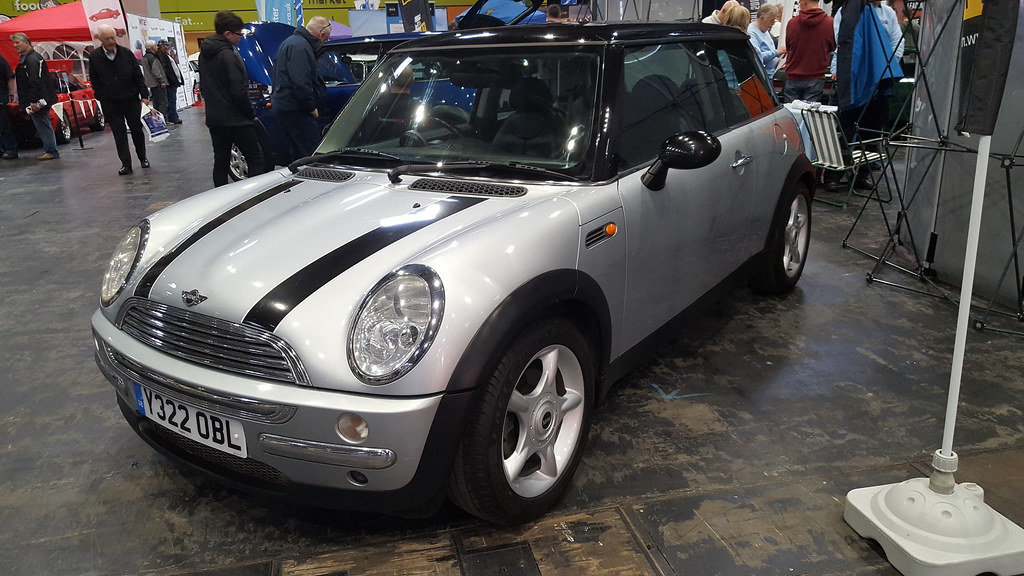
1. Mini (2001)
In 2001, the modern Mini was introduced as an ambitious redesign of an iconic car in the history of automobile, combining tradition and contemporary technology. BMW did not merely reuse an old nameplate; rather, it engineered a whole new concept. This enabled the car to retain its historical essence and also adapted to the present standards of performance and safety. The outcome was a small car with a high-end vibe. It soon found a niche in the small car industry.
Modern Identity, Retro Revival:
- Rediscovered old iconic design in new age
- Powerful combination of nostalgia and innovation
- Small but quality driving experience
- Concentrate on fun and motivating character
- International fame as contemporary icon
The most notable thing about the Mini was its personality and character of driving. It was shrunken but high-end, lighthearted but substantial, which is a low industry density. Drivers enjoyed the fun and involving driving experience that many small cars did not have at the time. It did not imitate its predecessor but gave the concept a new meaning to a new generation. This assisted it in developing an emotional bond with buyers.
As time went by, the Mini was not just a one model brand but a worldwide brand. Its popularity made numerous other producers consider retro-inspired designs. Very many, however, could not possibly rival its union of beauty and mechanical accuracy. It retained its strong identity and diversified into various variants. Eventually, it has been used as a standard of effective modernization of a classic.
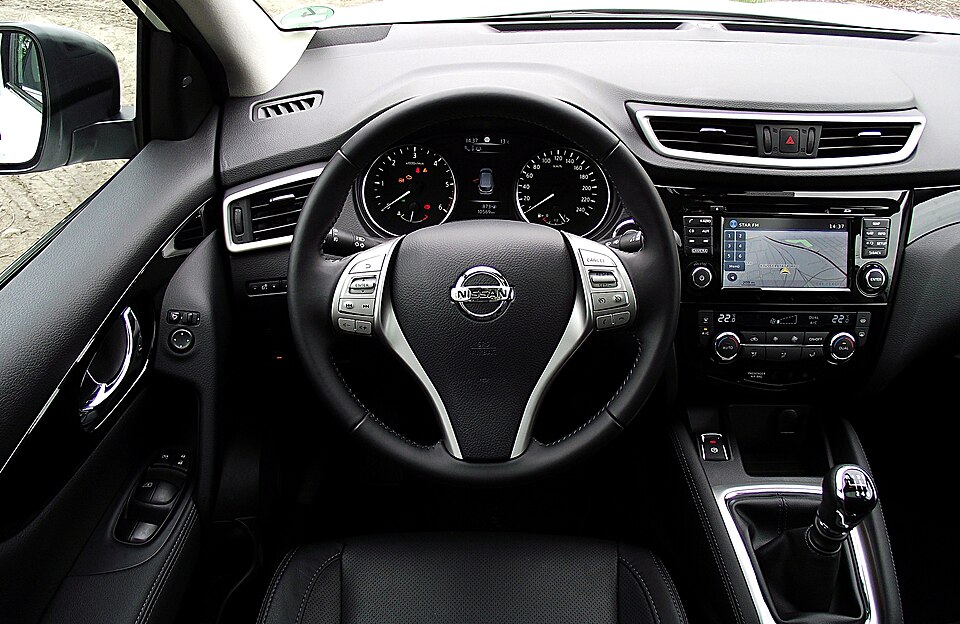
2. Nissan Qashqai
The Nissan Qashqai silently redefined the path of the conventional family vehicles by changing it to a more sensible and versatile idea. It did not emphasize on aggressive styling or high performance but rather comfort, visibility and usability. Its elevated driver seat provided better road visibility and this readily became popular with city families. This practical way of doing things made it shine in an oversaturated market. It was the landmark in the design of modern cars.
Crossover Segment Conceptualizing Family SUV:
- Pay attention to comfort and functionality
- Seated higher in the car to see
- Combination of hatchback and SUV features
- To be used in the real world in a family
- Model in crossover evolution
The distinction between hatchbacks and SUVs was obvious before the arrival of the Qashqai. The Qashqai obscured this line and actually established the crossover category today. It revealed that the customers desired a car that would be a combination of both worlds. This change of thought altered the manner in which manufacturers dealt with design. It was a significant revolution in daily auto segments.
It was not a chance success, but was founded on an extensive research of the needs of the real customers. Its design was very attractive, as it was aimed at practicality, comfort, and usability in general. Throughout the years, it has penetrated the whole car industry. Almost all large manufacturers started working on such similar crossovers. Eventually, it was one of the most powerful family cars at that time.
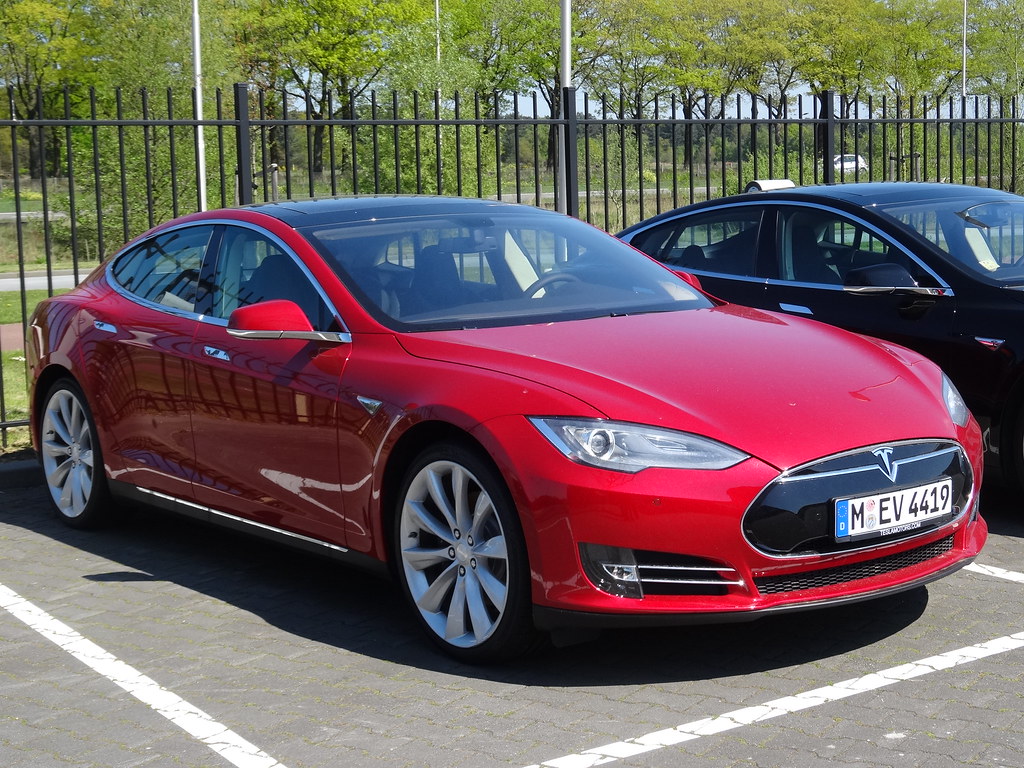
3. Tesla
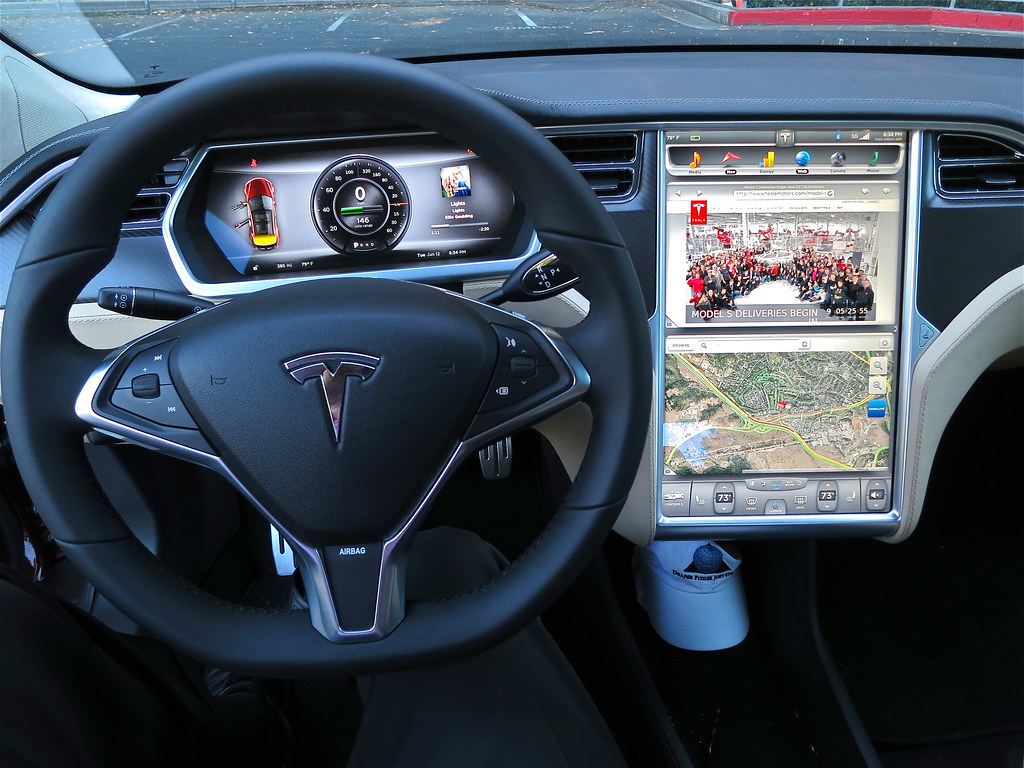
The impact that Tesla has is much further than electric mobility because it transforms the way individuals view contemporary vehicles. It changed the emphasis of the traditional mechanical engineering towards software-based performance, connectivity and immediate acceleration. This revolution re-orientated the whole automotive industry. Cars were not perceived as mere machines, but as a smart system. A significant part in this transformation was played by Tesla.
Electric Mobility Revolution of softwares:
- Restated electric car anticipations
- Concentrate on software and connectivity
- Immediate power and performance output
- Behave like technology products
- Significant impact on shift in the auto industry
Initial projects such as the Tesla Roadster proved that electric cars could be fun instead of being watered down. It dispelled the notion of EVs being slow or low-performing. The Model 3 later introduced electric mobility to the mainstream. This made the ownership of EV more feasible and approachable by the broader audience. It helped to enlarge the EV market in the world greatly.
Tesla also transformed the way cars are marketed and enhanced with time. Cars, unlike the traditional updates, are updated continuously with software updates such as the modern tech devices. This strategy transformed automobiles into dynamic products and not machines. The brand is a controversial topic, but its impact cannot be denied. Ultimately, it radically changed the course of the automotive industry.
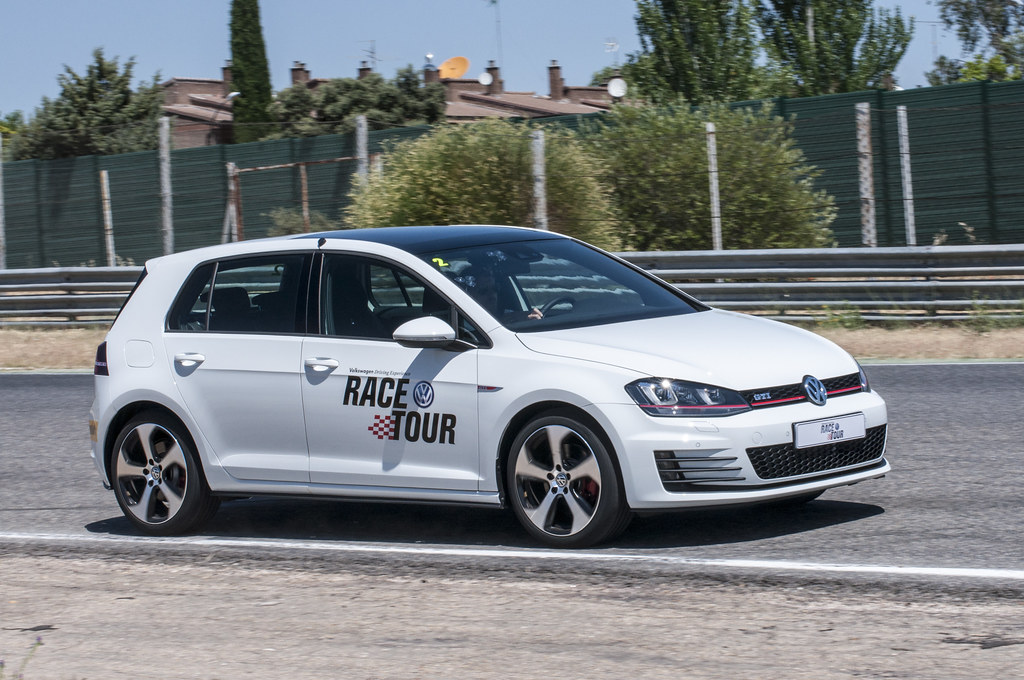
4. Volkswagen Gti Golf Mk7
The Volkswagen Golf Mk7 GTI is refinement in its purest form in the hot hatch market. It did not bring dramatic changes but rather worked on a formula that was already successful. This strategy embodied performance, comfort and usability in one well balanced package. It continued decades of evolution of GTI with accuracy. The outcome was a very refined and mature performance hatchback.
Balanced Hot Hatch Performance Refinement:
- Enhanced classic GTI formula
- Good balance between comfort and sportiness
- Daily driving and performance appropriate
- Quality interior and construction finish
- Standard of contemporary hot hatches
The Mk7 GTI was a unique car in that it had a very high degree of balance in all driving conditions. It might have the capability of comfortably and conveniently commuting on a daily basis with comfort and ease and at the same time performing with sharp and engagement when it is necessary. Not many vehicles within its category are able to balance comfort and build quality with driving fun in such a smooth way. This flexibility enabled it to be very attractive to a large number of drivers. It was practical and exciting simultaneously.
The Mk7 GTI is still regarded as a standard in its category even several years after its launch. Even many of its newer rivals are yet to match its overall harmony and driving feel. Its engineering superiority enabled it to be still relevant even after launch. It established a high level of what is expected of a modern hot hatch. Ultimately, it is among the most thorough performance hatchbacks to have ever been constructed.
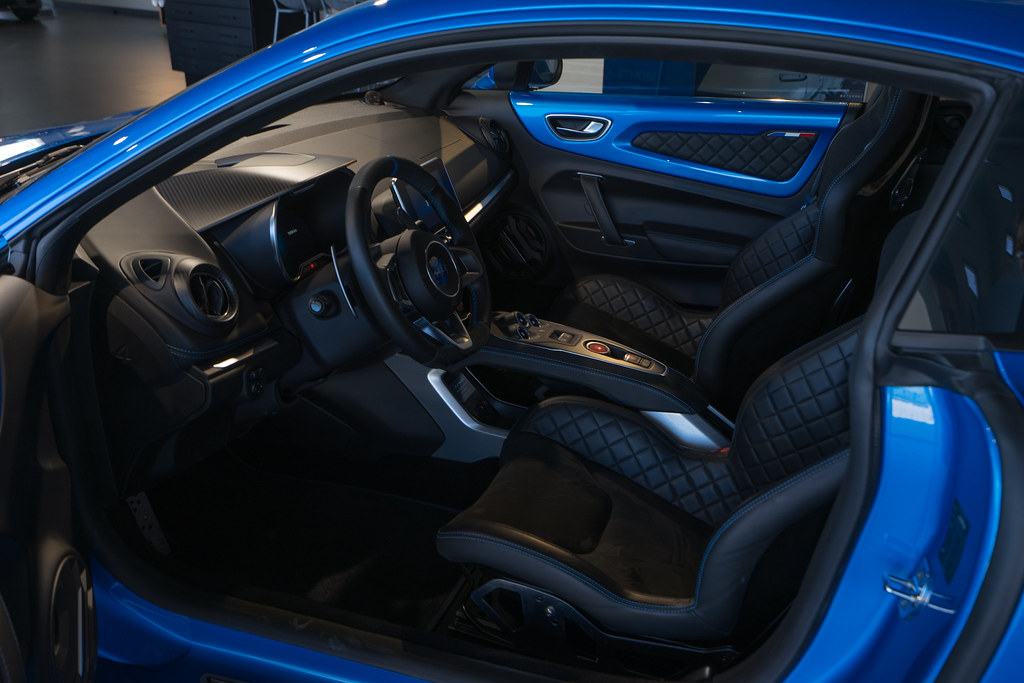
5. Alpine A110
The Alpine A110 was a timely wake-up call that driving fun does not need much power or weight. Rather, it is concerned with simplicity, harmony and precision. This philosophy differentiates it in a market that is usually dominated by the high-performance yet heavier sports cars. The car is focused on simplicity rather than intricacy. It provides a more linked driving experience.
Lightweight Pure Sports Car:
- Light frame to achieve agility
- Mid-engine balanced layout
- Emphasize purity instead of power
- Very responsive turn and grip
- Formulated to stimulate action
The agility and balance of the car are natural since it has a mid-engine and lightweight design. All steering inputs are direct and immediate, making the driving experience very engaging. This responsiveness renders it particularly gratifying on curvy roads. The vehicle focuses more on driver interaction than on raw performance data. It brings excitement, but not by means of violence.
The A110 has gained much respect among enthusiasts, although this may not be the case against mainstream performance cars in terms of sales volume. It remains faithful to a motoring ethos that has been slowly lost by many modern sports cars. It has made the simplicity and balance its defining strength. Its sincerity and innocence are valued by enthusiasts. Eventually, it has become one of the contemporary classics of light sports car engineering.
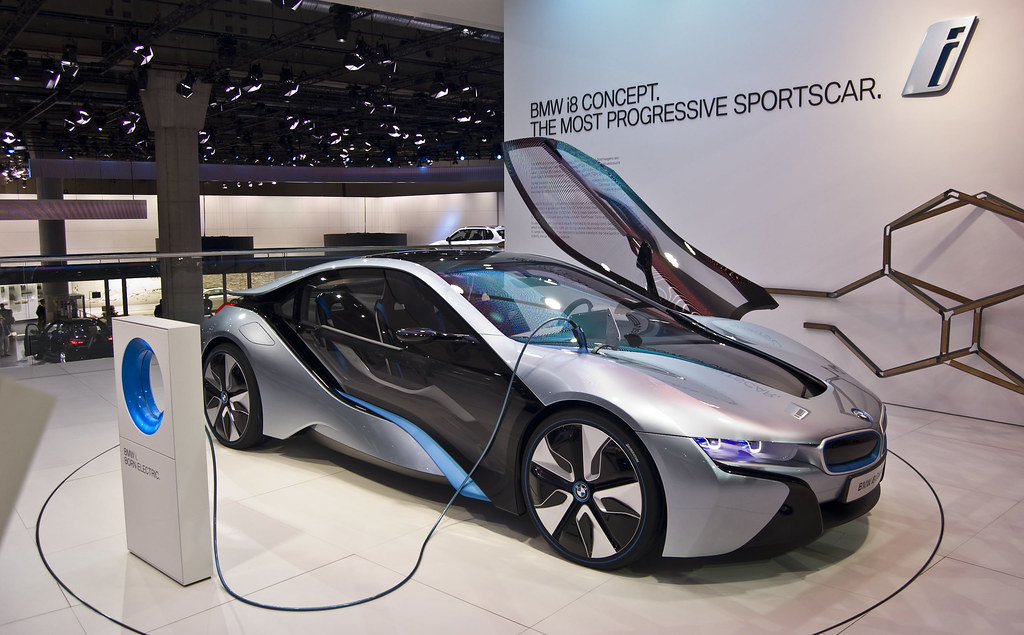
6. BMW i8
The BMW i8 came with an aggressive design that enabled it to appear like nothing on the road at the point of its introduction. Its concept-car style, low stance and sharp lines made it have an immediate visual impact. It was even noticeable among exotic and performance oriented cars. The car was created to symbolize the future of mobility. It turned out to be one of the most iconic modern designs of BMW.
Hybrid Sports Car Design Identity:
- Futuristic concept-inspired styling
- Hybrid electric and petrol drive train
- Lightweight carbon-fiber construction
- Emphasize on efficiency and innovation
- Unique butterfly door design
The i8 mixed electric power with a small gasoline engine in a manner that was experimental and futuristic. Instead of concentrating on the traditional supercar performance, it was all about innovativeness and sustainability. Its hybrid system demonstrated the possibility of the coexistence of performance and efficiency. This strategy contributed to it being a significant move towards the technology development of BMW. It contributed to reshaping the standards of hybrid sports cars.
As the years went by, BMW i8 turned out to be more of a design than a typical supercar rival. Its bold design had an effect on numerous designs of vehicles that would be produced in the future. Manufacturers started experimenting with more futuristic styling hints based on its appearance. Although its performance was not its priority, it had a great influence on design language. Ultimately, it still is a representation of looking ahead in automotive innovation.
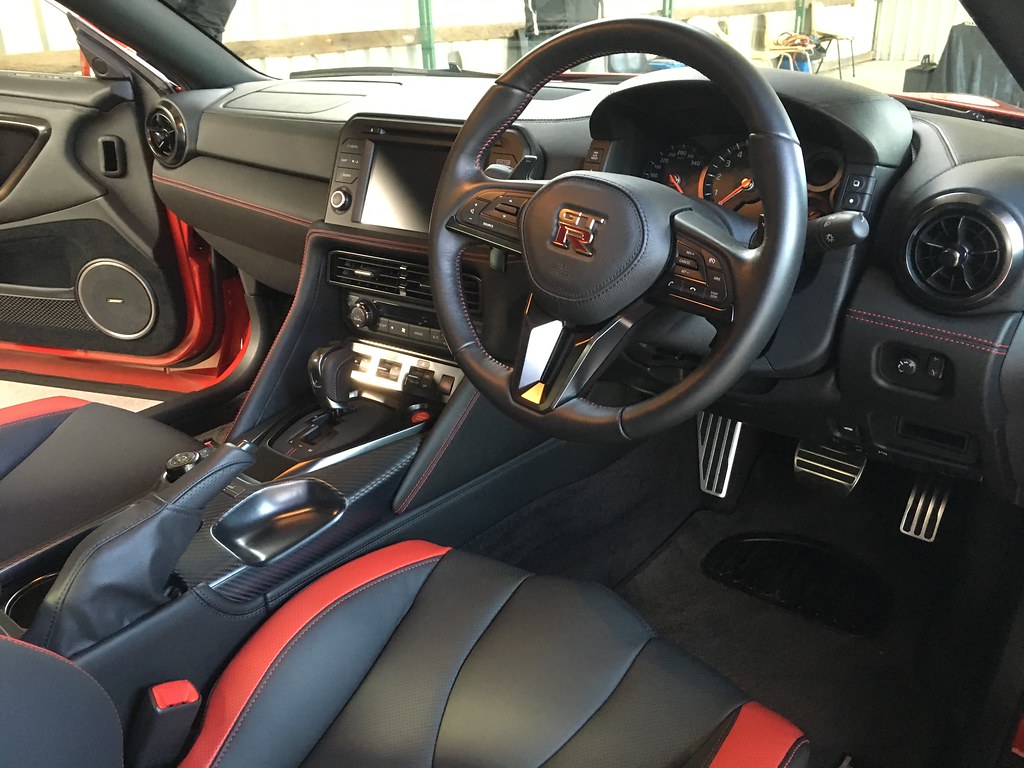
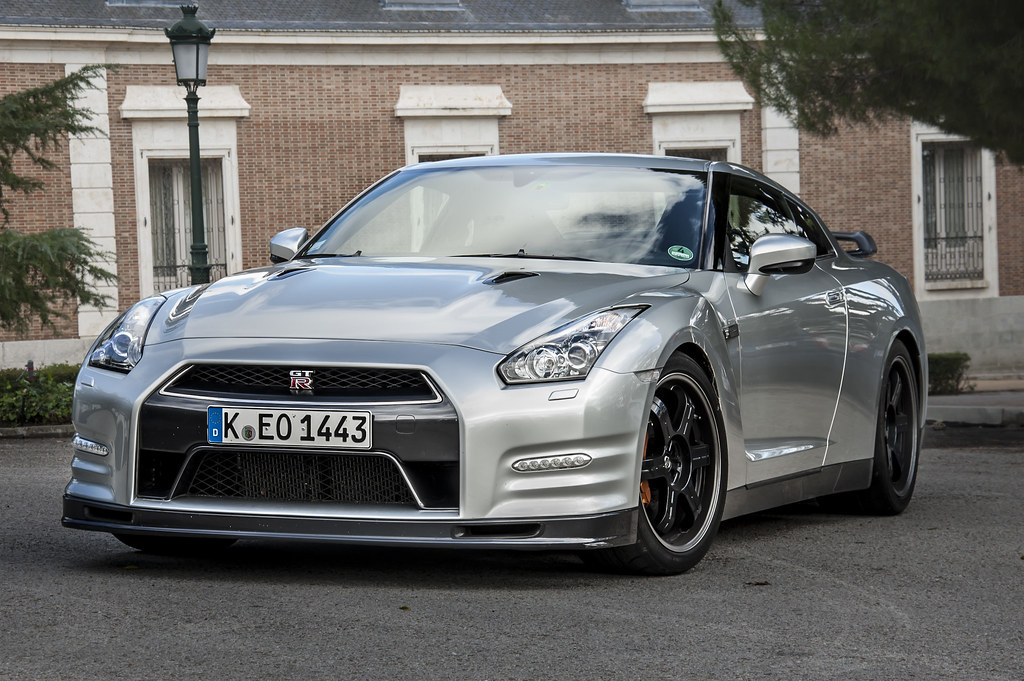
7. Nissan GT-R
The Nissan GT-R established its brand on raw performance potential, as opposed to tradition or legacy design anticipations. It was made to compete directly with the set standards of performance of sports cars that were much more expensive. This contributed to its disruption in the auto industry. It concentrated on accuracy engineering and life in the field. It rapidly turned into a performance icon in modern times.
High-Performance Engineering Platform Based On Technology:
- State-of-the-art all-wheel-drive performance system
- Power delivery of twin-turbocharged engines
- Outstanding acceleration and control balance
- A car designed to break the supercar record
- Precision-focused engineering approach
Its sophisticated all-wheel-drive mechanism as well as a twin-turbo engine enabled it to provide excellent acceleration and stability. The car also offered great grip and control particularly when driving at high speed. This enabled it to be very effective in track as well as the street. It attracted attention because of its performance in comparison with most of its competitors that were more expensive. Its functionalities redefined its segment performance capabilities.
In addition to pure speed, the GT-R was a transition to technology-based performance cars. It demonstrated that precision in engineering and electronic systems might be as crucial as engine power. The design had an impact on numerous subsequent sports cars. It contributed to a new level of performance tuning and control systems. Eventually, it transformed into a representation of technologically minded performance in cars of the times.
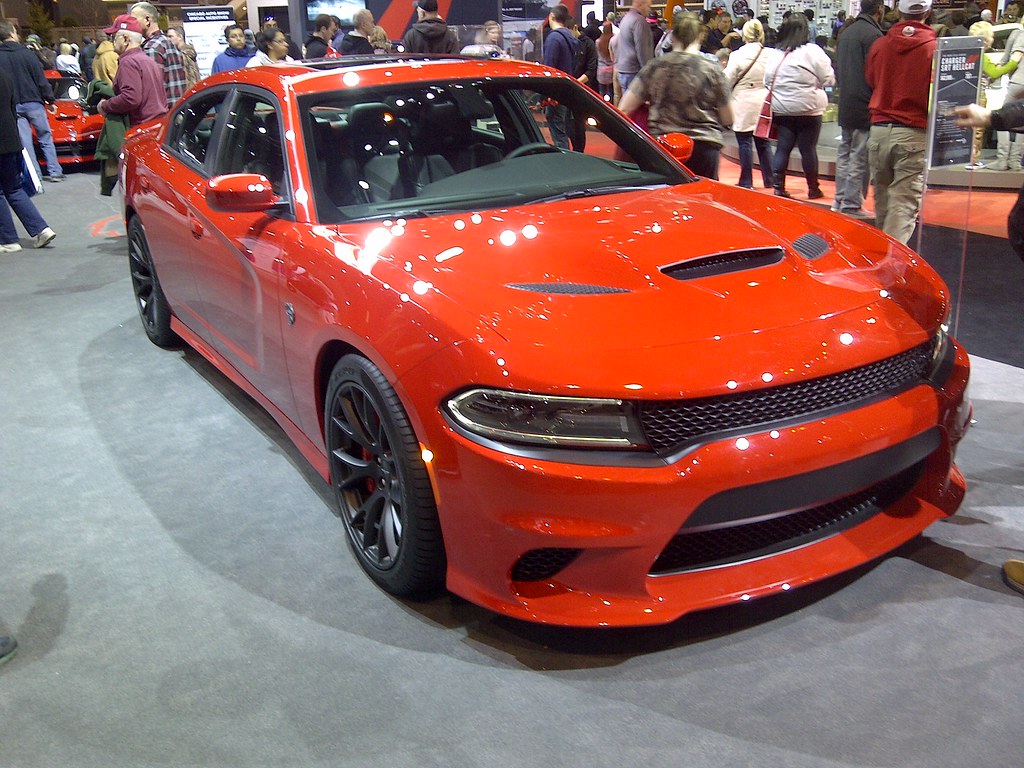
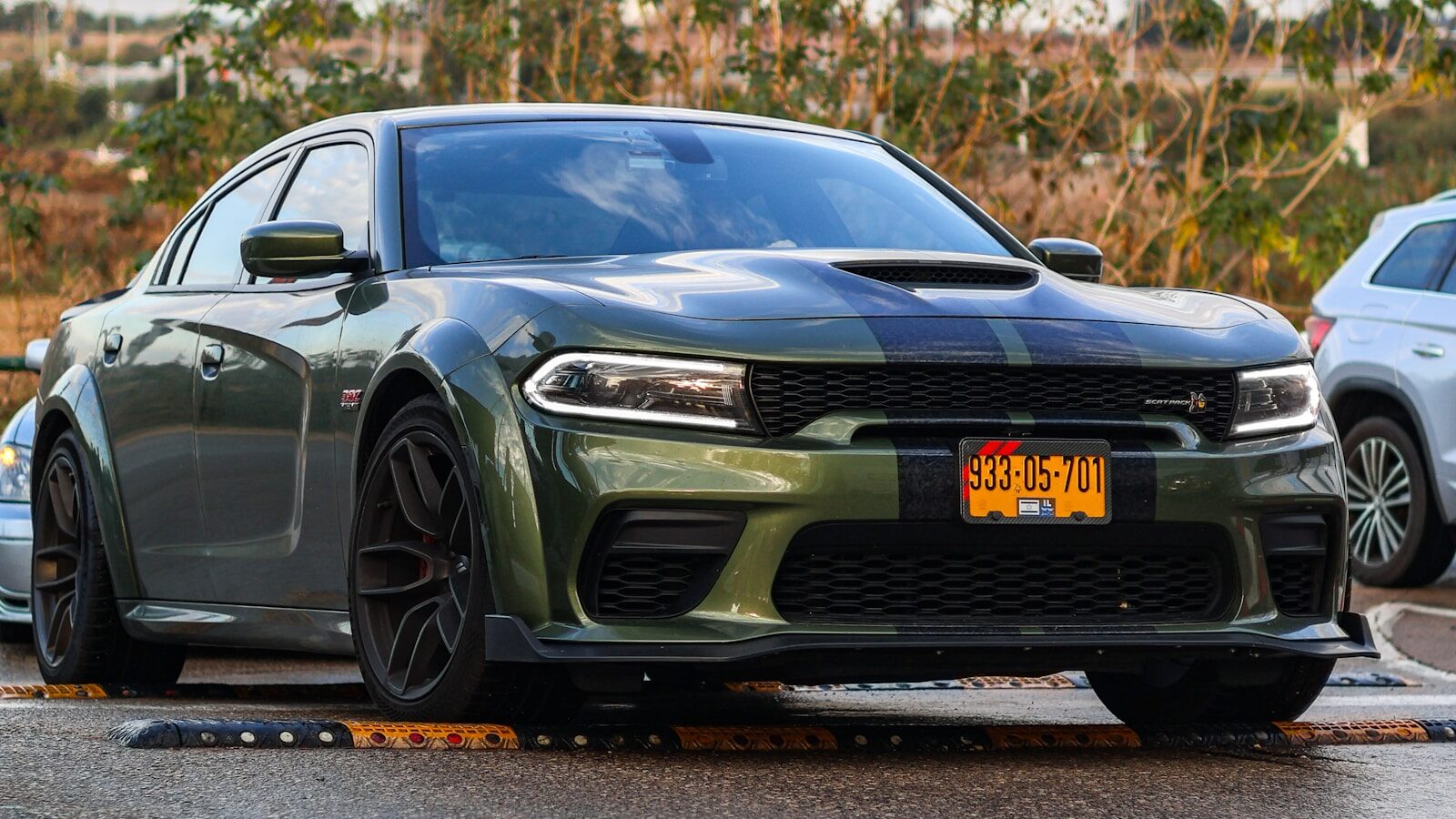
8. Dodge Charger Hellcat
The Dodge Charger Hellcat is the embodiment of uninhibited overkill in the current automotive design and engineering with an apparent emphasis on pure power over efficiency. It consciously shuns modern tendencies, which are economy and electrification-oriented. Rather it focuses on traditional philosophy of muscle cars in its purest form. The outcome is a car that puts intensity over finesse. It is a radical declaration of over the top performance.
Extreme V8 Supercharged Muscle Performance:
- V8 high-output supercharged engine
- Concentrate on bare mechanical power
- Aggressive and noisy character of driving
- Philosophy of traditional muscle cars
- Optimized to have the greatest performance impact
The Hellcat features a supercharged V8 engine, which provides an enormous amount of performance that seems more theatrical in its performance. The acceleration is fierce and the sound profile is purposeful loud and aggressive. All the features of driving experience are aimed at the creation of excitement and drama. It provides a very visceral experience of a driver and machine. This has rendered it as one of the extreme modern muscle cars.
Although it is not in line with the current efficiency or environmental focus, its charm is in its unapologetic nature. It still appeals to the fans who appreciate pure mechanical power and vintage performance. The Charger Hellcat glorifies a type of driving that is becoming less and less common. It does away with restraining in favor of power and emotion. Ultimately it is still a symbol of pure automotive performance.
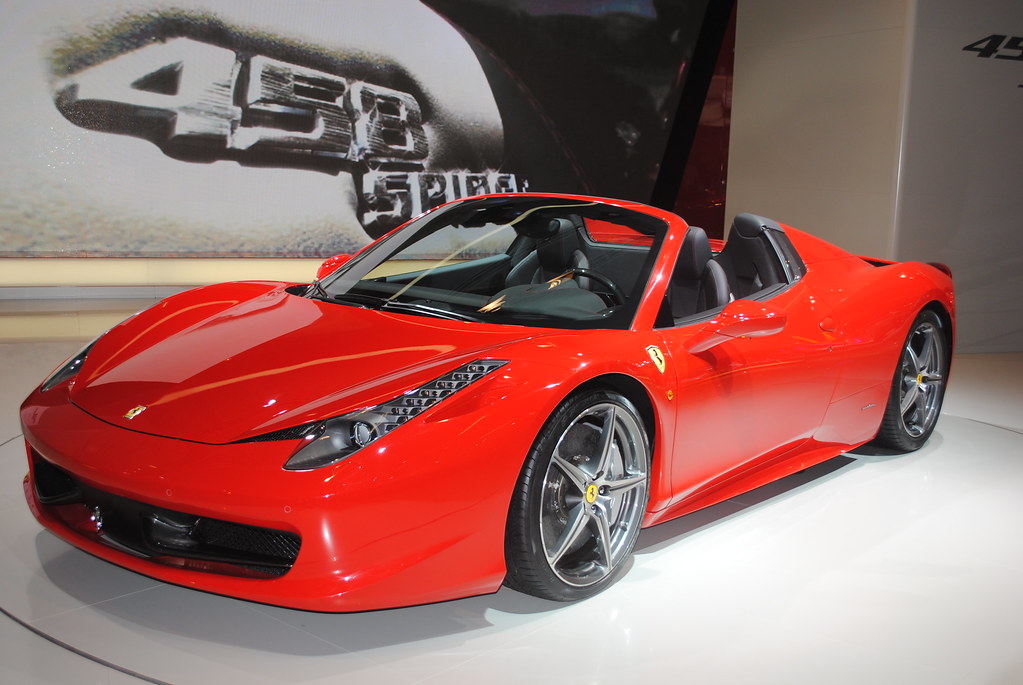
9. Ferrari 458
Ferrari 458 is commonly considered to be one of the most emotionally involving supercars of all time. It is one of the high points of performance of naturally aspirated engines before the transition in the industry to turbocharging. Its V8 engine provides instant response and unforgettable sound. The driving experience is very connected and intuitive. It has continued to be a classic in the contemporary history of Ferrari.
Naturally Emotional Driving Experience:
- Free flowing V8 engine response
- Engine sound character is highly emotional
- Even-handed supercar design and performance
- Drivers-centered control and feedback
- Ferrari driving experience
The design and performance have contributed to making the driving experience very immersive. The car does not just offer speed but also sensation and involvement of the driver. All the inputs are direct and make the driver-machine emotional bond even stronger. The appeal of the engine has a significant part to do with its sound. This renders the driving experience a very engaging and memorable one.
Although Ferrari is still developing newer and technological-savvy models, the 458 will always have a niche in the hearts of its followers. It is frequently acclaimed to possess pure and unfiltered driving nature. It is believed by many to be one of the final great naturally aspirated Ferrari. It has a history of being emotional instead of basing it on performance statistics. Finally, it will always be a classic expression of passionate driving.
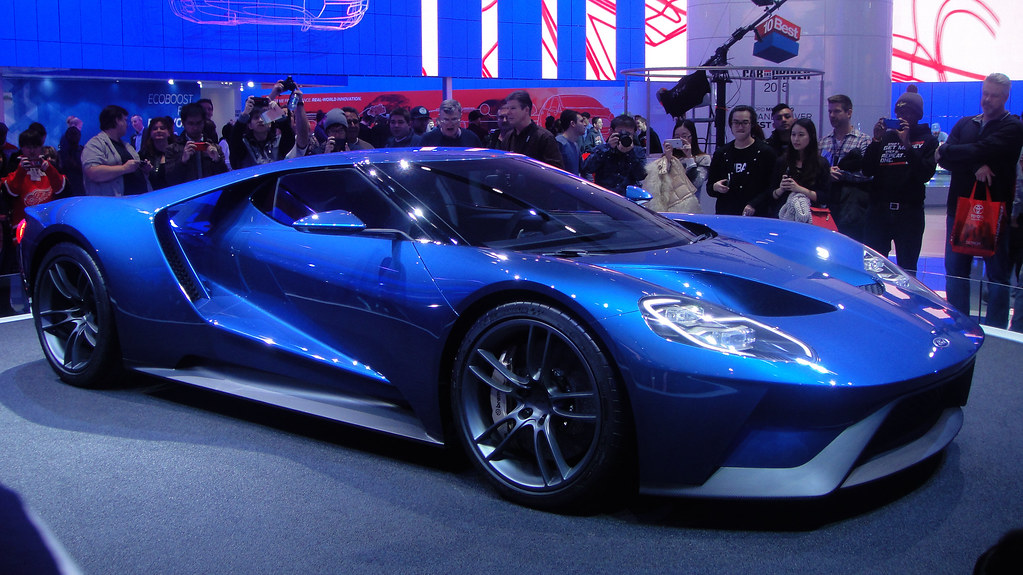
10. Ford GT
The contemporary Ford GT is a direct homage to one of the most legendary legends of motorsport, as well as being a high-performance supercar itself. It blends historical inspiration and state-of-the-art engineering to make a purpose-built machine. All its features are an expression of its racing genes. It was created with accuracy and purpose. The outcome is a contemporary version of an ancient icon.
Aerodynamic Supercar Design, Racing-Inspired:
- Based on the legendary Ford GT40 heritage
- High level of aerodynamic body design
- High-performance mid-engine layout
- Track-focused engineering approach
- Well-established linkage to racing heritage
Its aerodynamic design and high performance engine combine to provide not only impressive looks but also performance. The design is not ornamental but rather practical with each thing having a desired purpose. This incorporates down force generation, cooling efficiency and stability at high speed. The car is firmly attached to its racing origins. It is constructed with performance as the fundamental consideration.
The Ford GT is not only a tribute, but also a contemporary supercar with its identity. It shows that there is a way to rethink legacy and remain authentic. It does not imitate the past, but improves it with modern technology and engineering. Such a combination of the past and the future is why it is unique in the contemporary car world. Ultimately it is an ideal combination of tradition and performance development.
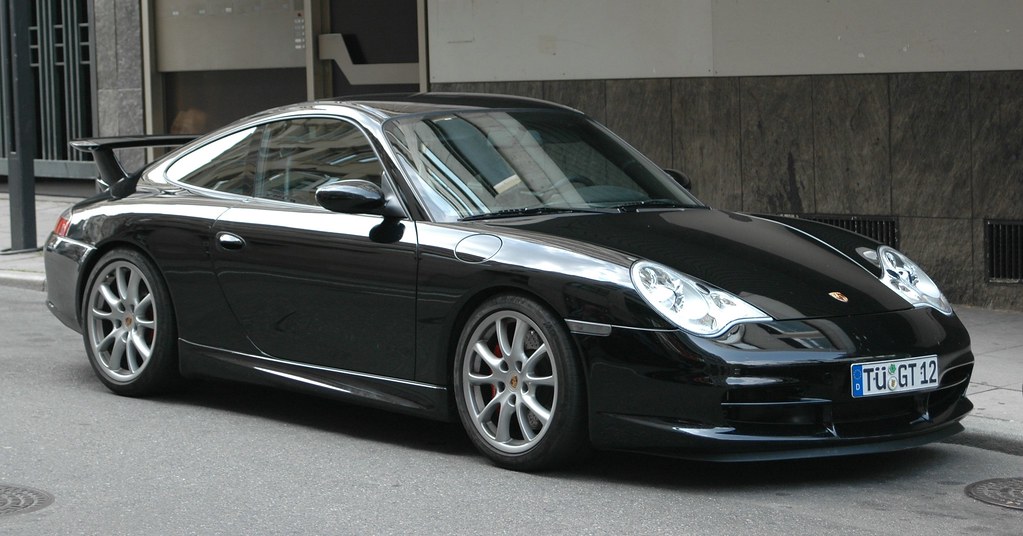
11. Porsche 911 GT3 (996)
The Porsche 911 GT3 (996) is a critical point of transformation in Porsche performance philosophy, moving towards the emphasis on pure driving. It eliminates most of the comfort-oriented features in favor of precision and driver engagement. This bare-bones methodology makes driving more focused and purposeful. It indicates the motorsport engineering dedication of Porsche. The outcome is a very mechanical and involving sports car.
Pure Performance Engineering of Drivers:
- Stripped-down performance-oriented design
- Naturally aspirated engine with high revolutions
- Responsive and balanced chassis arrangement
- Powerful motorsport engineering impact
- Concentrate on accuracy rather than comfort
Its engine is fast-revving and chassis is well balanced to reward detailed and careful driving. The car is directly responsive to the input of the driver, providing a high level of control and feedback. It provides a mechanical driving experience which focuses on connection as opposed to isolation. This renders it particularly interesting to those fans who appreciate driving purity. All the car is geared towards responsiveness.
The 996 GT3 is regarded by most fans as one of the most pure forms of the 911 formula in the history of the automobile industry. It is still closely connected to the racing tradition of Porsche and can be used on the road. It is very admired due to its simplicity and performance orientation. It remains appreciated due to pure and raw driving feel. Ultimately, it is a reference point of pure driver-oriented engineering.
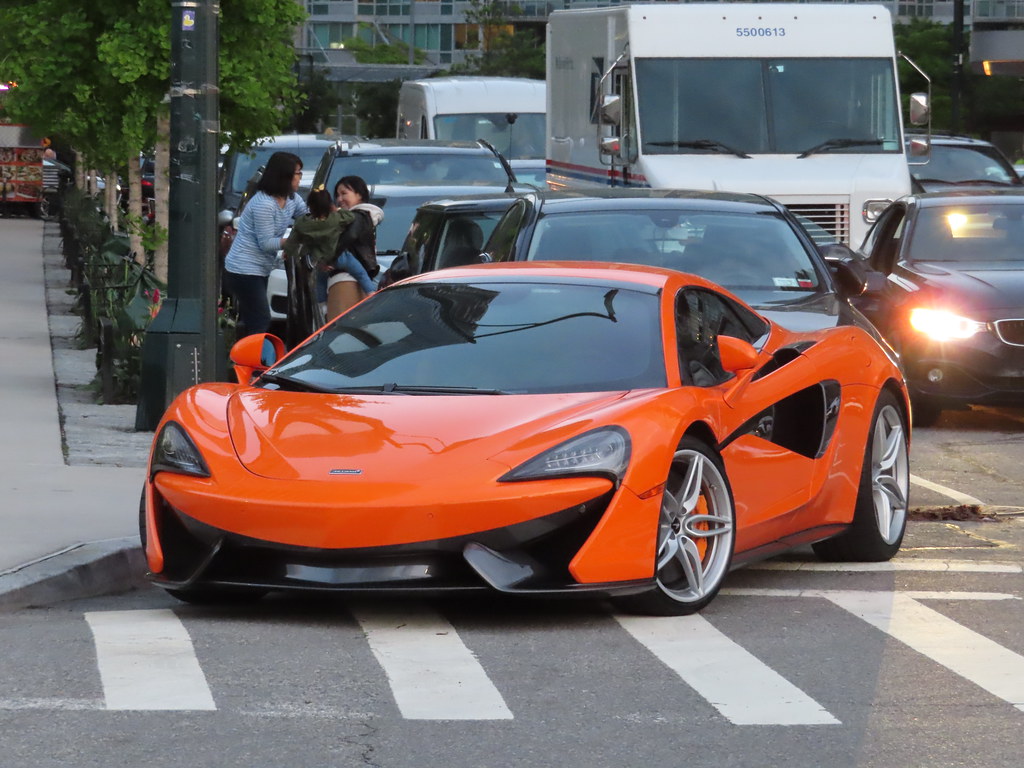
12. McLaren 570S
The McLaren 570S was the successful introduction of the brand into the competitive modern supercar category. It was a mixture of high-quality lightweight construction and amazing performance and maneuvering qualities. The vehicle was meant to provide a clean driving experience, with focus on agility and responsiveness. Its design and construction was based on the race history of McLaren. It soon found its niche in the serious competitors of its kind.
Engineering Lightweight Carbon Fiber Supercar:
- Monocoque chassis made of carbon fiber
- High-performance twin-turbo engine
- Contemporary and sensitive handling dynamics
- Agility with lightweight design
- Pay attention to active involvement
The 570S has a carbon fiber chassis and provides a very responsive and accurate driving sensation. All driver inputs are immediately converted into motion, improving control and interaction. The lightweight construction of the car is a contributing factor to its agility. It is responsive and linked to the city and high-speed driving. This is particularly interesting to drivers that are performance-oriented.
The 570S contributed to making McLaren a formidable competitor of the established supercar builders. It proved that the engineering and implementation innovation would be able to compete with the old automotive brands. The model demonstrated the way high-level materials and design can transform the level of performance. It solidified the role of McLaren in the contemporary supercar market. Finally it was proven that precision engineering and innovation can be used effectively together.