


Ten Automotive Head-Scratchers: The Dumbest Cars We’ve Seen
The automotive world comes in various flavours of dumb, and with time, fans have gotten used to it in their own weird manner. It is not always a bad car, but rather the choices behind it. Automakers enjoy going to extremes, though sometimes, they go way beyond reason and come up with machines that make no one understand how they ever got the green light in the first place.
Other times these cars are the products of daring experiments and sometimes they are the consequence of bad planning or ill-chosen ambition. It may be strange fashion, unreasonable design or finding solutions to the problems no one had, but these cars are all the wrong reasons. Nevertheless, they are very captivating to remember that innovation without moderation can become something utterly incomprehensible.
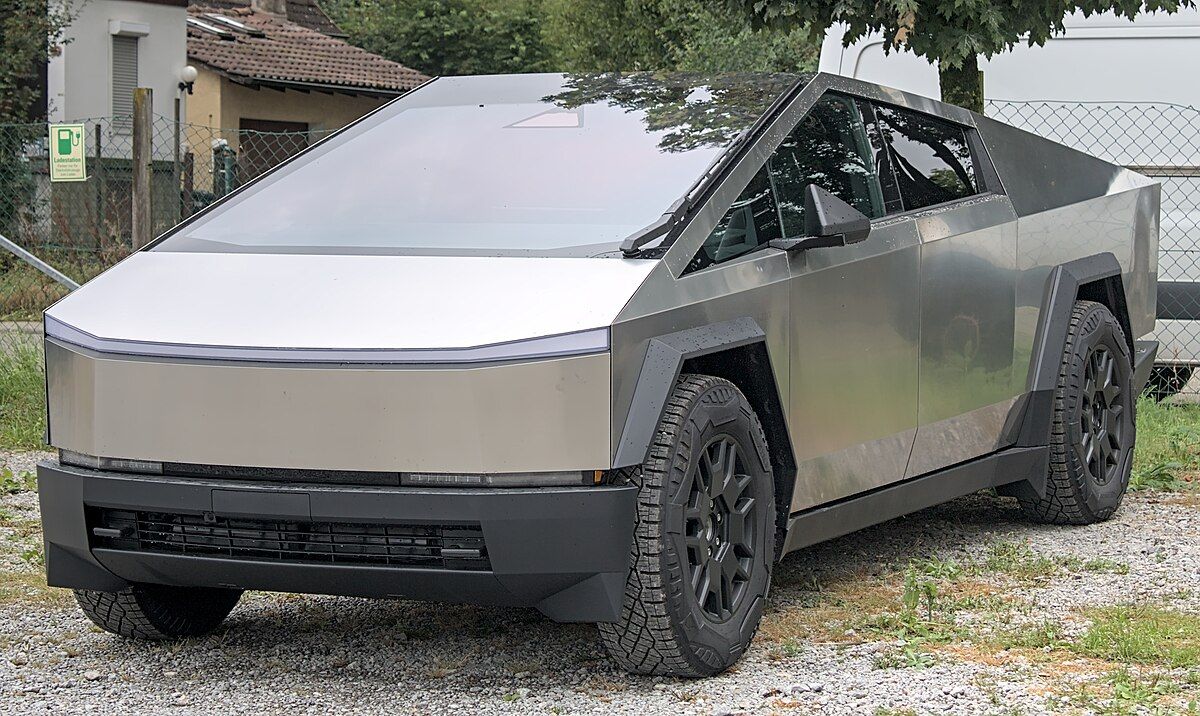
1. Tesla Cybertruck
The Tesla Cybertruck is not a traditional automobile, but a daring experiment aimed at evoking responses. Its high-tech, angular design is immediately polarizing as some admire its futuristic style and others find it difficult to tolerate its unusual appearance. It is one of the most controversial vehicles of all time that has elicited controversy throughout the automotive industry and even beyond.
Key Talking Points
- Radical exterior design made of stainless steel
- Very polarising publicity
- Aggression and controversial elements of the future
- Strong performance figures
- Ongoing reliability concerns
In addition to its looks, the Cybertruck also raises various practical issues that are more difficult to disregard. The unconventional design and sharp edges pose usability questions and the lack of conventional features such as door handles is frustrating. Its high cost and doubtful reliability may not be easily justifiable by many buyers, as it provides an impressive performance and advanced technology which gets it stuck in the middle of what is new and what is not feasible.
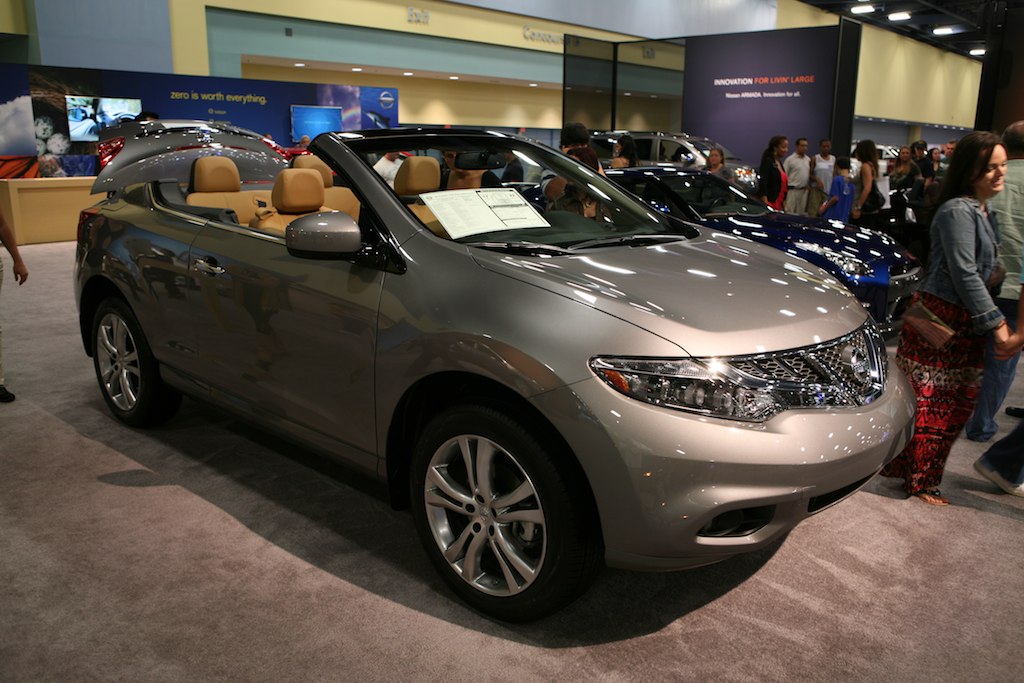
2. Nissan Murano CrossCabriolet
One of such ideas that sound odd on the paper and even more bizarre in reality is the Nissan Murano CrossCabriolet. It was a crossover SUV with a convertible top and tried to blend two totally different ideas in the world of automotive. Although the idea of innovation may be worthy, this particular experiment was more of a puzzle than an ingenious one with many people not knowing what the experiment was all about.
Key Design Flaws
- Unusual SUV-convertible combination
- Clumsy and uneasy hairstyle
- Weakness of structural rigidity
- Less feasibility and space
- Limited real-world usability
It was not only the appearance, but the performance which was the biggest problem. Taking the roof away had a great impact on structural integrity making the vibrations felt and the driving experience compromised. To top it all, its practicality was severely damaged, having less cargo space and fewer doors. It ended up being a means that gave away too much and got back too little.
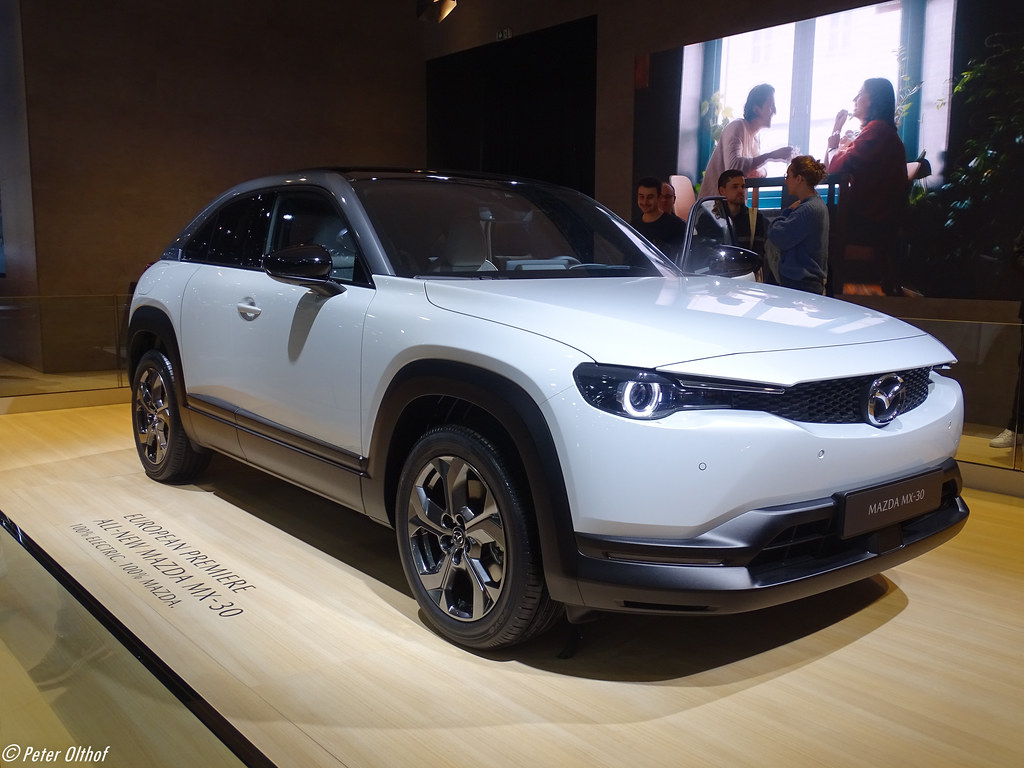
3. Mazda MX-30
The Mazda MX-30 started out in the electric car industry with a lot of potential, a sleek design, and an interior designer well. It seemed to have all the ingredients needed to compete in the growing EV segment. Nevertheless, there was one very serious flaw that dwarfed all the other aspects, which did not allow it to come out as a winner among its competitors.
Major Limitations
- Very short range of driving
- Difficulty with real world situations
- High price for its capabilities
- Outlived EV performance expectations
- Limited market competitiveness
Although the MX-30 had an attractive appearance and fun to drive, it lacked a long range, making it inconvenient to use on a daily basis. It just could not compete with its competitors who were performing much better at a time. Such price-capability disconnect eventually caused its failure and this proved the car with all the expectations was not a success without fulfilling the basic ones.
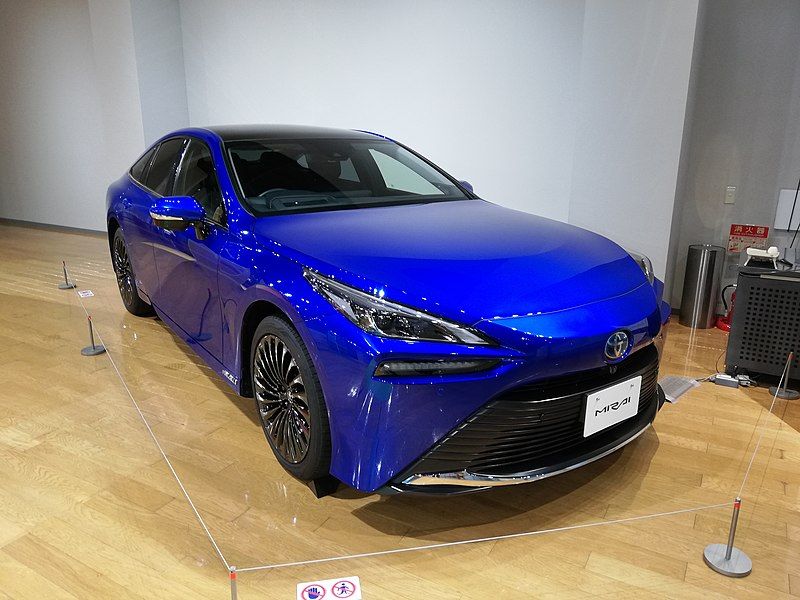
4. Toyota Mirai
The Toyota Mirai is an online projection of the future which did not exactly come to pass as envisioned. Constructed based on hydrogen fuel-cell technology, this was intended to provide an alternative to the conventional electric cars. The idea was new and progressive, but the practical issues were soon revealed.
Key Challenges
- Dependence on hydrogen infrastructure
- Limited refuelling stations
- High production costs
- Niche market appeal
- Declining industry support
Although the Mirai markedly changed in design and comfort as time passed, it was still highly reliant on underdeveloped infrastructure. Hydrogen stations were becoming more and more uncommon, making it impossible to own one to many drivers. This placed the Mirai in a challenging situation, a car that was well-designed, but with very little practical use in the real world because of some things it could not control.
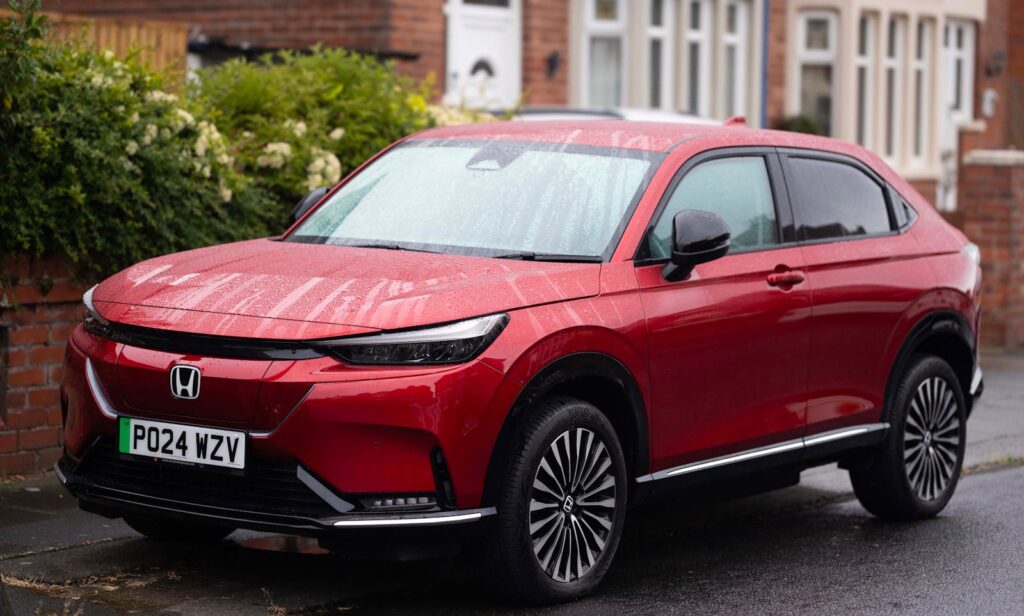
5. Honda CR-V FCEV
The Honda CR-V FCEV is no different, as it is trying to blend both the future and reality in a vehicle that is trying to be both a showcase of technological features and a utilitarian vehicle. It may seem on the surface as a regular crossover but beneath the surface, there is a complicated system which depends on hydrogen fuel, which is much less convenient than it appears.
Notable Drawbacks
- Limited hydrogen availability
- Limited range of short electric drive
- High production costs
- Lease-only availability
- Complex technology setup
Although it does have a small electric driving range, it is not significant enough to make any difference when it comes to day-to-day use. Hydrogen refuelling is still a significant barrier, limiting the places and applications of the vehicle. Consequently, it seems more of a technological experiment than an actual solution to the contemporary drivers.
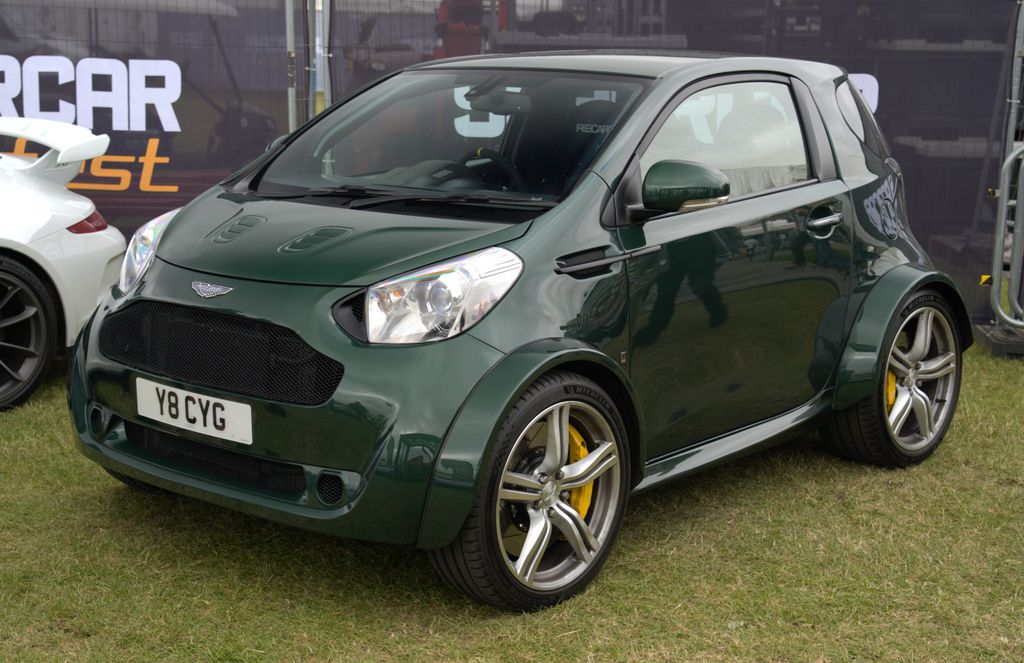
6. Aston Martin Cygnet
A bright illustration of the fact that branding will not be enough to make a vehicle transform is the Aston Martin Cygnet. It was essentially a little city car, yet it bore the label of a luxury performance brand. This strange mixture raised expectations that the car just could not live up to.
Key Issues
- Extreme badge engineering
- Lack of performance credentials
- High price for its size
- Limited differentiation
- Brand identity confusion
Though the interior was updated with high quality, the experience was not even close to what buyers would anticipate of an Aston Martin. The move to design the Cygnet was more of a regulatory imperative than actual innovation. Ultimately, it outlined the dangers of taking a brand out of the realm of its natural self.
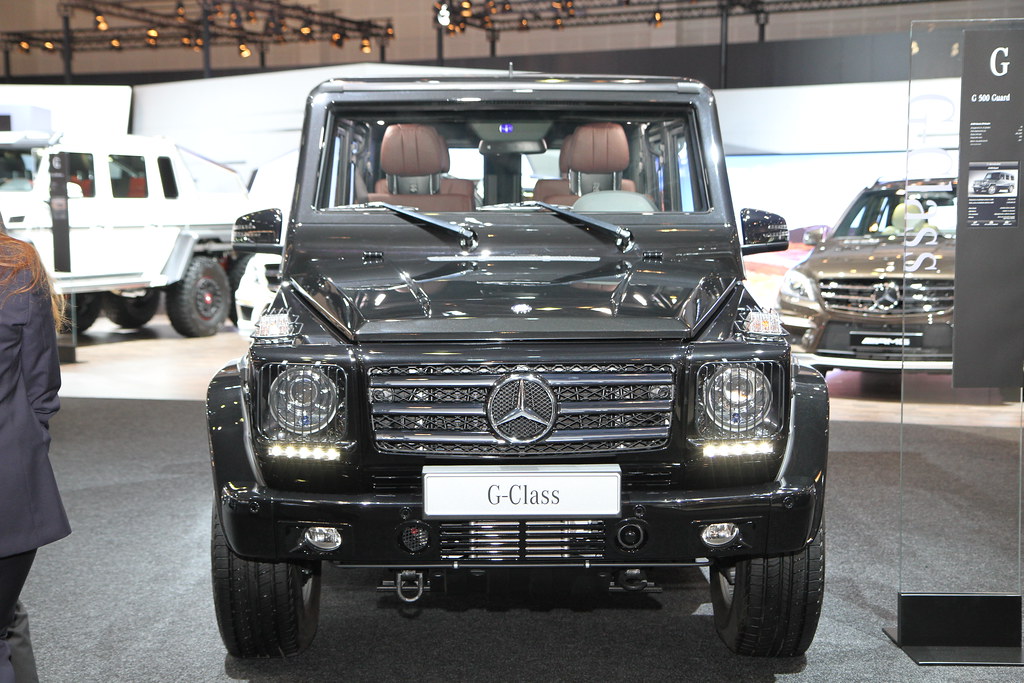
7. Mercedes-Benz G-Class
Mercedes-Benz G-Class is a car that is contradictory. It has developed out of an off-road utility to a status symbol of luxury. Although it still has its amazing features, it has a discrepancy between design and reality in the fact that the majority of owners do not utilize it as they should.
Key Contradictions
- Off-road constructed, urban purpose.
- High price point
- Ineffective and cumbersome design.
- Luxury over practicality
- Image-driven appeal
The G-Class is hardly seen to be facing difficult roads, despite its abilities. Rather, it has turned into the symbol of prosperity and prestige, frequently spurred in city areas where its merits are not utilized. This unataching to purpose and use makes it quite intriguing as well as a puzzle in the current car’s world.
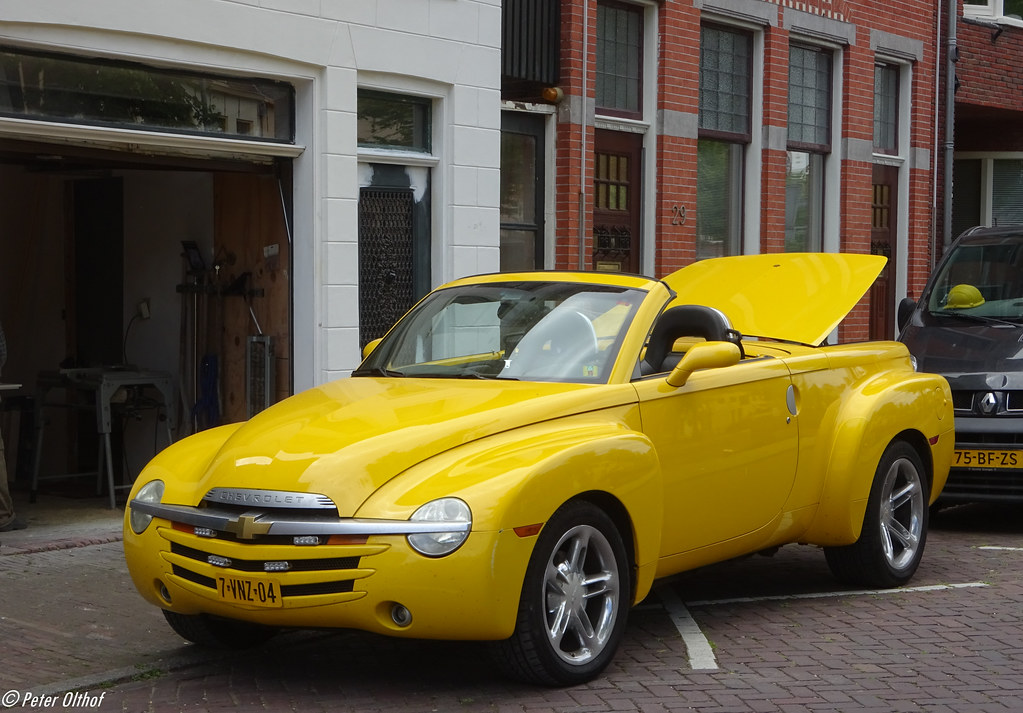
8. Chevrolet SSR
Chevrolet SSR demonstrates that in some cases being dumb can be extremely entertaining. It was a former pickup truck and a convertible, which formed a car entirely new in the automobile world. Although it did not have much practical value, it was certainly noticeable.
Unique Features
- Convertible pickup design
- Retro-inspired styling
- Limited practicality
- Weak towing capabilities
- Strong visual appeal
Even though it was not as utilitarian as a truck should have been, the SSR was a car with a splendid and unusual design. It was not constructed to be functional; it was constructed to be impressive. Through time it has built an avid following and this has proven that the strangest ideas can be appreciated in the correct situation.
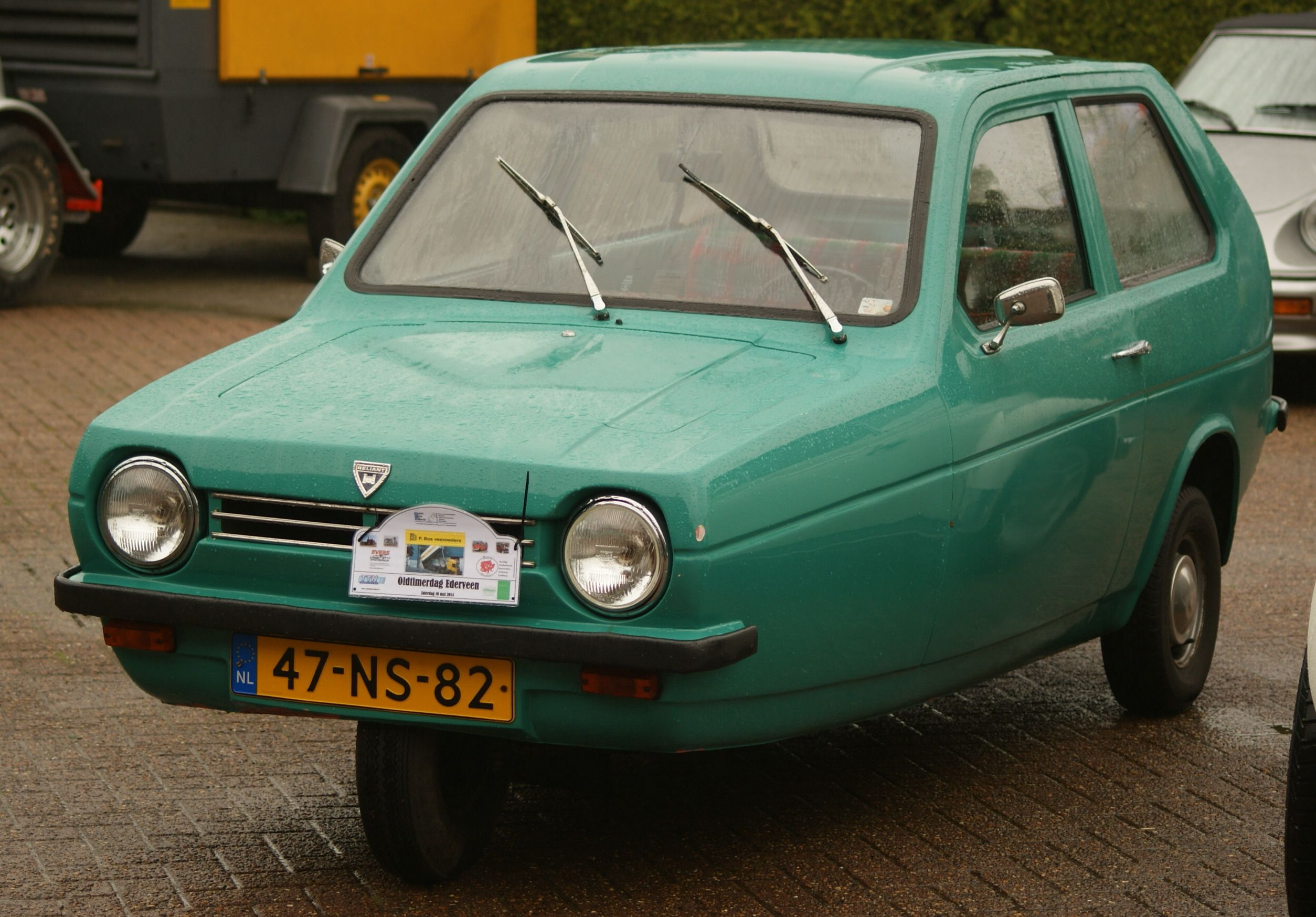
9. Reliant Robin
One of the most notorious cases of unstable automotive design may be considered the Reliant Robin. Its triangular design caused it to be immediately identifiable and at the same time, serious stability concerns were raised that compromised its overall safety and performance.
Core Problems
- Three-wheel instability
- High rollover risk
- Poor handling characteristics
- Questionable engineering choices
- Negative public reputation
Although it was popular due to its uniqueness, the design of the Robin proved to be quite unstable, particularly when taking sharp turns. Its image was also exaggerated by media images, making it a representation of bad engineering. Yet, despite its appeal, it is a good illustration of the way in which unconventional thinking may occasionally go too far.
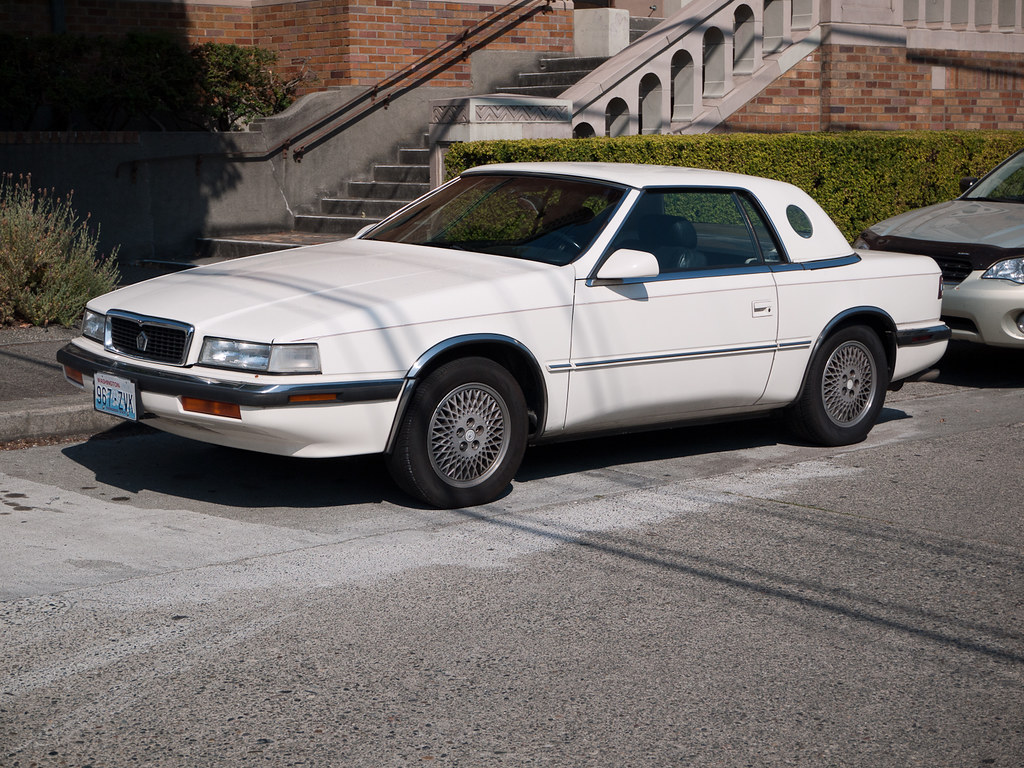
10. Chrysler TC by Maserati
The Chrysler TC by Maserati is a reminder that partnerships do not necessarily result in success. It was to be something special by blending an American platform with Italian branding. However, regrettably, the end result did not meet expectations.
Major Missteps
- Confusing brand partnership
- High production costs
- Underwhelming performance
- Identity crisis
- Poor market reception
It might have seemed like a good idea, but it was the implementation that killed it. Customers were not convinced with the car as it could not prove its price and position. Though since it has acquired a niche following, it still serves as an example of how great ideas may fail without a sense of direction.