

VW ID 2: How Volkswagen Is Crafting the Next Electric Icon
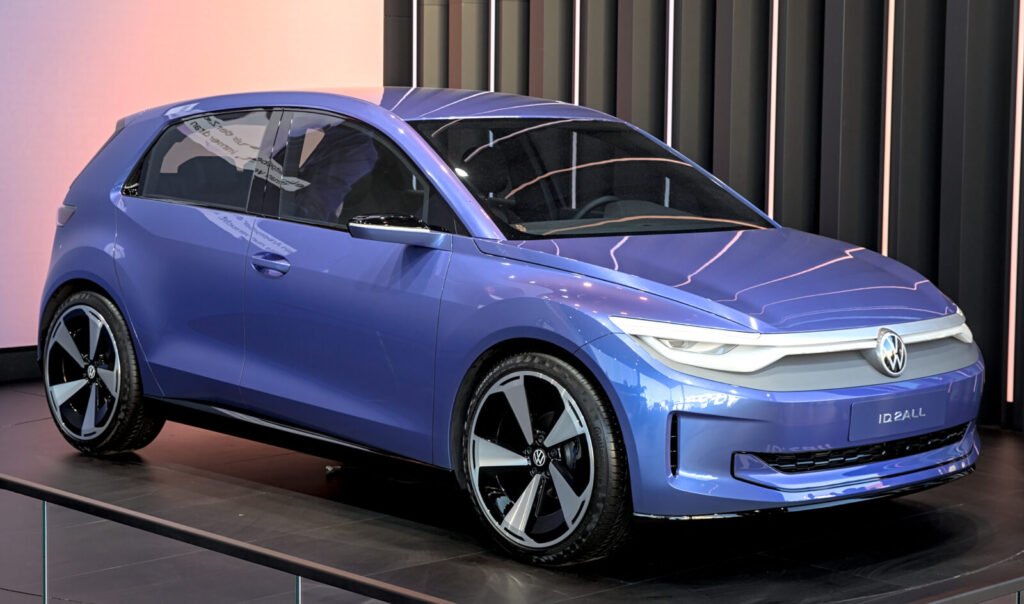
As the electric car market matures, practicality, everyday value and affordability are just as significant as space age-thinking. EVs used to mean expensive vehicles with slick styling and tech straight out of a science-fiction movie. These models played a significant role in driving uptake of electric cars, but most motorists have been waiting for a viable EV that’s compatible with their everyday life without breaking the bank.
Volkswagen thinks it may just have an answer with the ID 2: an affordable, compact electric car aimed at making zero-emission mobility far more accessible. The company’s embracing the core philosophy that has made cars like the Beetle and Golf famous across the world: designing accessible, sensible, everyday cars for the people. Aiming to offer the ID 2 for less than 25,000, Volkswagen hopes to get electric driving to the masses.
It wasn’t simply another electric Volkswagen, however but more than that, a fundamental rethinking of what Volkswagen should offer to bring electric technology to a mainstream brand. VW manages this mix through a traditional modern ID aesthetic, well-packaged usability for the interior, and familiar styling elements. Volkswagen has finalised a production design they hope will be capable of taking over from decades of Volkswagen cars that defined mobility for tens of millions.

1. A New Direction for Volkswagen’s Electric Future
Volkswagen’s EV roadmap has made a significant U-turn as it is attempting to relive the charm that has helped the company identify itself for years. While Volkswagen has the potential of designing futuristic electric vehicles with cutting-edge digital features, the firm feels an electric vehicle needs an air of recognition, utility and emotions which will make customers appreciate its value proposition.
Key Elements Defining Volkswagen’s Electric Transformation:
- Blending heritage with electric innovation
- Creating a familiar Volkswagen experience
- Building confidence through modern design
- Making electric mobility more accessible
- Attracting traditional and new drivers
We already reported several times on the ID 2 all and Andreas Mindt, the director of design at Volkswagen is optimistic, that the final production car of ID 2 beats the well-received ID 2 all and will become a great EV to be produced in future. At present it appears it is the way we thought all along that Volkswagen design direction is both familiar and novel for the brand, this for a new generation of EV buyers and for sure to recall the old good days of the brand.
“The ID 2 concept’s core task is to show that electric mobility can become affordable and at the same time a truly emotional and appealing form of transportation. For this purpose, we want to dismantle many hurdles which prevented one from and up until now and create a car that immediately feels familiar,” commented the head designer Golsch in the official ID 2 briefing. In order to get there the ID 2 is to play an important role in an “electric future that can also be within the financial reach of many.”
2. Bringing Back Volkswagen’s Iconic Design Identity
VW ID 2: back to its roots and into the EV future VW’s earliest ID designs completely broke with the past to adopt a fresh, all-new look, but the move disappointed a few fans who said current electric VWs didn’t have that character found in the brand’s most beloved historical models. The ID 2 aims for a better, more balanced result, blending clean modern design and classic EV design features.
Design Features Connecting Past And Future:
- Reviving Volkswagen’s recognisable styling language
- Combining heritage with modern electric design
- Creating familiar proportions for drivers
- Honouring classic volkswagen design elements
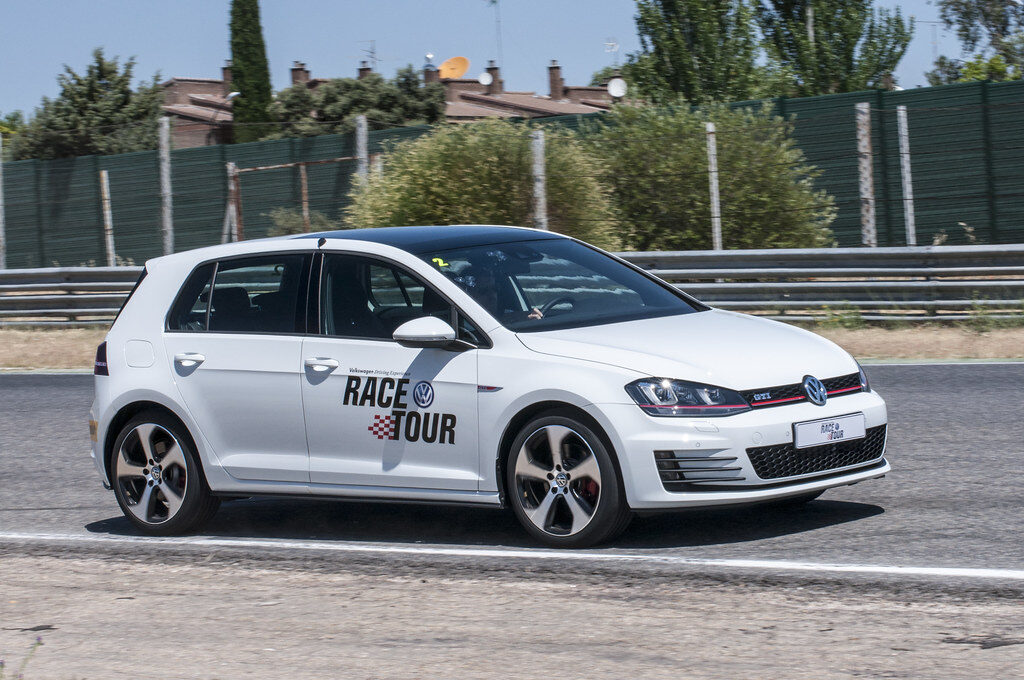
- Connecting the golf legacy forward
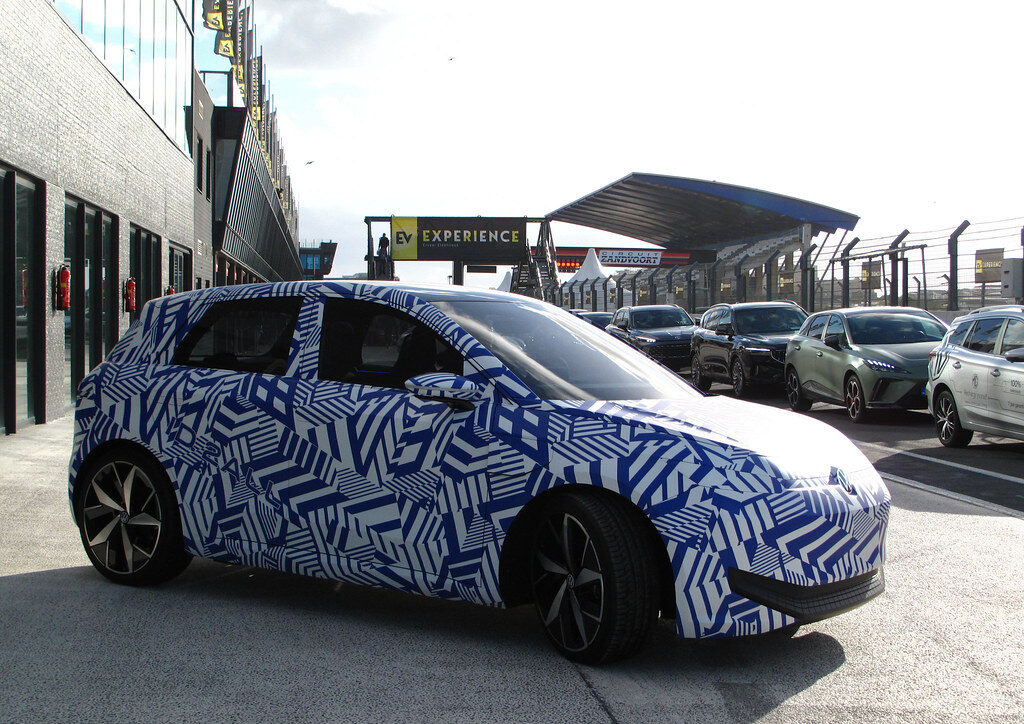
The study of design embodied by the ID 2 all proved itself in establishing connection with flagship VW models like Polo and Golf. Developed in the short of time and although the study suggested the existing design pattern which would result in a modern, familiar look on roads and the final version of the car followed this with adequate balanced forms and surfaces along with finely tuned elements, it still looks like to be able to be associated in its design approach with long standing ID concept features of Volkswagen.
Key in this design language is the Golf Mk1 C-pillar shape. A design that connects the legendary German marque’s roots with its electric future. Maintaining key visual cues while incorporating new EV elements shows us that Volkswagen can adapt without losing the qualities that make it iconic.
3. Creating a More Friendly and Emotional Exterior
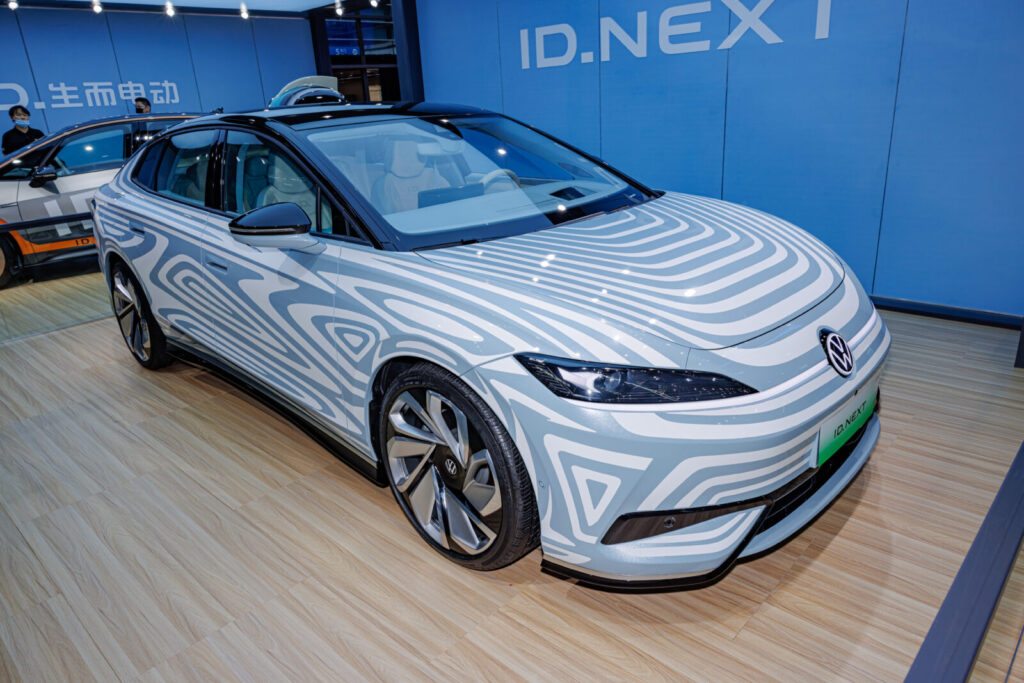
“We’re trying something fresh with the styling of this concept vehicle,” said Thomas Biermaier, lead exterior designer for the vehicle. “We want people to bond with the new ID 2. We’re working on something that can inspire emotions, rather than simply appearing technical and avant-garde.” It’s evident in the flowing lines and the shape of the lights at the front of the car, giving the ID 2 an amiable face with an air of self-assurance.
Exterior Design Focused On Human Connection:
- Creating a more welcoming vehicle presence
- Adding emotional character through styling
- Moving beyond pure technical appearance
- Balancing innovation with familiar design
- Strengthening driver and vehicle connection
While VW’s head of design, Andreas Mindt, notes that “the idea of a face is something we’ve always focused on with every vehicle. And to give a person a face means the front has character,” it reveals the shift from purely form following function, or speed and efficiency to create that owner-child-like connection that many EV makers want to have with you. In that, you could consider the ID 2 an embodiment of what VW intends.
Its potent public response prompted VW to keep numerous design aspects in production Volkswagen bosses received significant public praise for the ID 2all “Customers just want an eye-catching electric car with fresh design that has a recognizable VW feel,” commented Klaus Zywiatt prompting it to retain many elements of its innovative visual recipe on the production vehicle: The aim is, after all, to create a comfortable as well as dynamic e-model with emotional drive.
4. A Cabin Designed Around Real Drivers
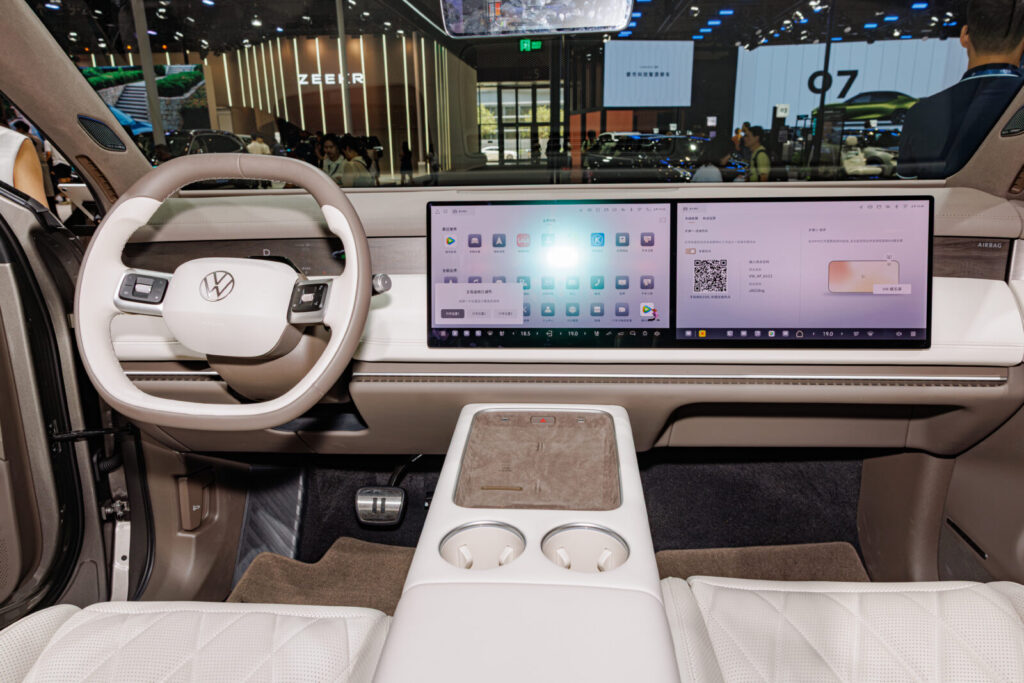
But the VW ID 2 adopts a more drivers’ focus with interior philosophy, even managing to alleviate a few issues customers flagged with previous models. The brand has tended towards digital experiences in its electric cars and while it has worked, a lack of physical buttons meant sometimes simply controlling the temperature required a dig through various screens. The ID 2 however brings in a bit more of the convenience that customers simply desire.
Interior Improvements Focused On Everyday Usability:
- Restoring simple physical vehicle controls
- Balancing digital features with practicality
- Improving driver comfort and convenience
- Creating a more intuitive cabin layout
- Combining technology with human touch
Volkswagen now realizes technology shouldn’t complicate things and only add value where it counts and the ID 2 clearly implements this. Its interior, for starters, finds that nice balance where digital and physical interactions co-exist in a cohesive manner all as a consequence to what early customers have asked for and something Volkswagen is taking its time to make on the brand’s electric-only future.
Inside, there is an emphasis on enhancing the bond between driver and car. The intention comes down to fine details like more intuitive controls, elevated material usage and better access to key controls. In the spirit of pairing physical control with cutting edge digital solutions, Volkswagen wishes the ID 2 cabin to reflect practical and user-friendly familiarity. This buyer-focused design may be beneficial when trying to widen appeal.
5. Combining Digital Features with Physical Controls
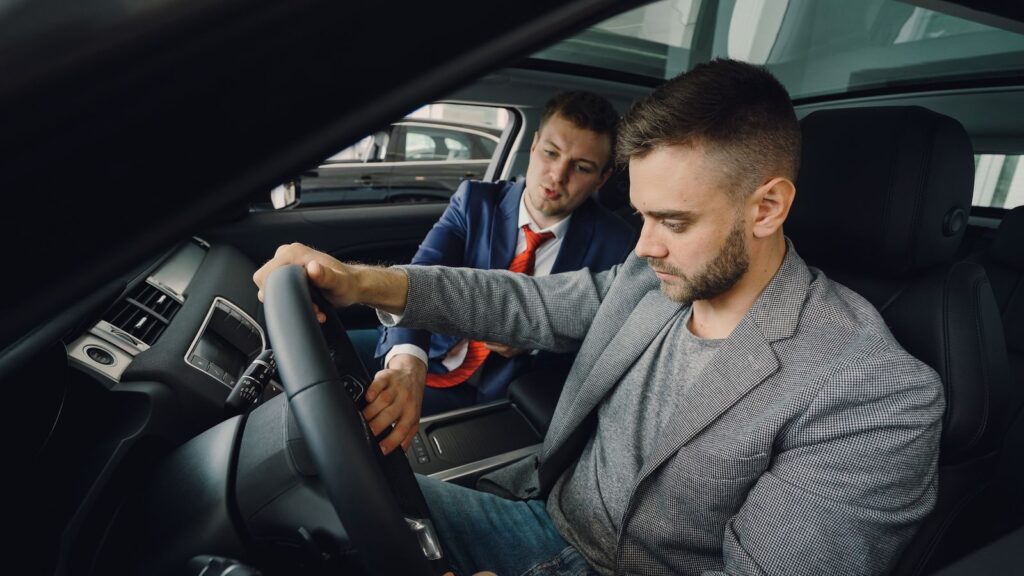
This, too, is a Volkswagen ID2 still moving with the technological times while shying away from the more all-touchscreen interior of previous electrified variants. VW will build an in-between cabin that blends touchscreens and the simplicity of real tactile switches with which you operate the car on a daily basis.
Smart Technology With Practical User Interaction:
- Integrating screens with physical controls
- Improving accessibility through tactile features
- Making everyday functions easier to use
- Creating a more confident driving experience
- Balancing innovation with familiar operation
The car will get a 12.9-inch center touchscreen ( for connectivity/infotainment purposes) but the ID 2 will also reinstate traditional buttons for quick and easy control over features like the air conditioning to stop owners digging into touch menus. This is an acknowledgement by the manufacturer that drivers want quicker control of key aspects of their vehicles at all times.
The interior has a clean, modern design, focusing on what VW terms “natural, intuitive user interfaces.” The centre console features a rotary controller that will provide you with a tactile way of interacting with various functions in the car. With our reliance on touchscreens, this return of tactile physical controls highlights VW’s philosophy of integrating sophisticated technology with intuitive usability.
6. Premium Feel Without Losing Affordability
The cabin of the ID2 needs to punch above its weight for perceived quality, but it must remain affordable. Cheaper cars, especially mainstream brands that want an interior that’s in tune with 2021 tastes, usually must have their cabins compromised. The ID2 needs to feel that little bit plusher.
Enhancing Interior Quality Through Thoughtful Details:
- Adding premium materials at accessible prices
- Creating a more refined cabin atmosphere
- Improving comfort through better finishes
- Blending nostalgia with modern technology
- Delivering value without compromising quality
ID 2 Interior will shift away from the commonly seen mass use of hard plastics in budget cars and replace them with more supple touch materials, more desirable trim textiles and thoughtful design touches. Expect to see Alcantara-esque surfaces, wood effects and touches of metal adding richness to the passenger cabin. The intent is to imbue a greater sense of quality into this family car for all circumstances.
Volkswagen is leveraging these small design cues to enhance the emotional connection between driver and car. Inspiration from classic models in the form of modern, digital themes creates this vintage flavour. Meanwhile the driving controls are modern, keeping this within an acceptable frame of reference for modern users and ensuring that this does not creep out of its designated price bracket.
7. Smart Engineering Creates Exceptional Space
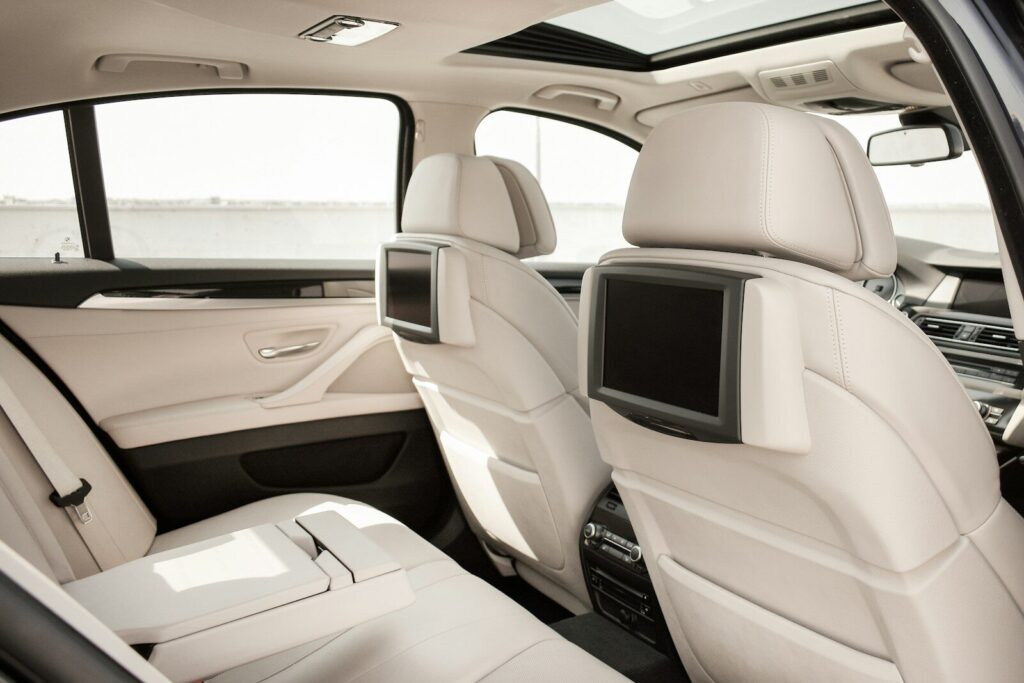
The Volkswagen ID 2 shows what can be achieved with some clever engineering if you want to cram a lot of space into a tiny electric city car. While the car is perfectly sized for urban driving by not having any room to spare on the outside, the concept of the Volkswagen ID 2 does include space and practicality that will generally be experienced in a larger car, making a potentially much more practical vehicle for use in regular life.
Maximising Space Through Innovative Engineering:
- Optimising compact dimensions for comfort
- Using advanced electric vehicle architecture
- Increasing cabin space through smart design
- Improving urban driving practicality
- Creating versatility for everyday journeys
All the effective packaging comes courtesy Volkswagen’s new MEB Entry that’s been designed for small sized electric autos. While many ID automobiles are in actuality rear wheel push, the ID 2 is a front wheel press. It assists the product engineers attain more within place even even though producing items much more convenient to utilise.
ID 2all will measure roughly 4050mm in length and despite the size (relatively) it will have a 2600mm wheelbase which gives more space in the cabin for the occupants. With the wheels pushed to the corners the ID 2all will give Volkswagen more internal flexibility while not impinging on how maneuverable this electric vehicle will be in the city and it makes sense as this compact vehicle could be fun with space for the kids or ideal for a regular car and holidays.
8. Practicality That Challenges Larger Vehicles
However, the ID2 is clearly planned as an all-round family car not merely an electric runaround purely for city miles. Volkswagen wants to design and build an EV that is flexible enough for a multitude of driving scenarios, whilst at the same time meeting consumers’ expectations of greater ease of use and flexibility from a car as compact as this one.
Delivering Bigger Vehicle Practicality In Compact Form:
- Offering spacious storage for daily needs
- Maximising interior flexibility through design
- Creating solutions for everyday convenience
- Matching larger cars with smart packaging
- Continuing volkswagen’s practical design legacy
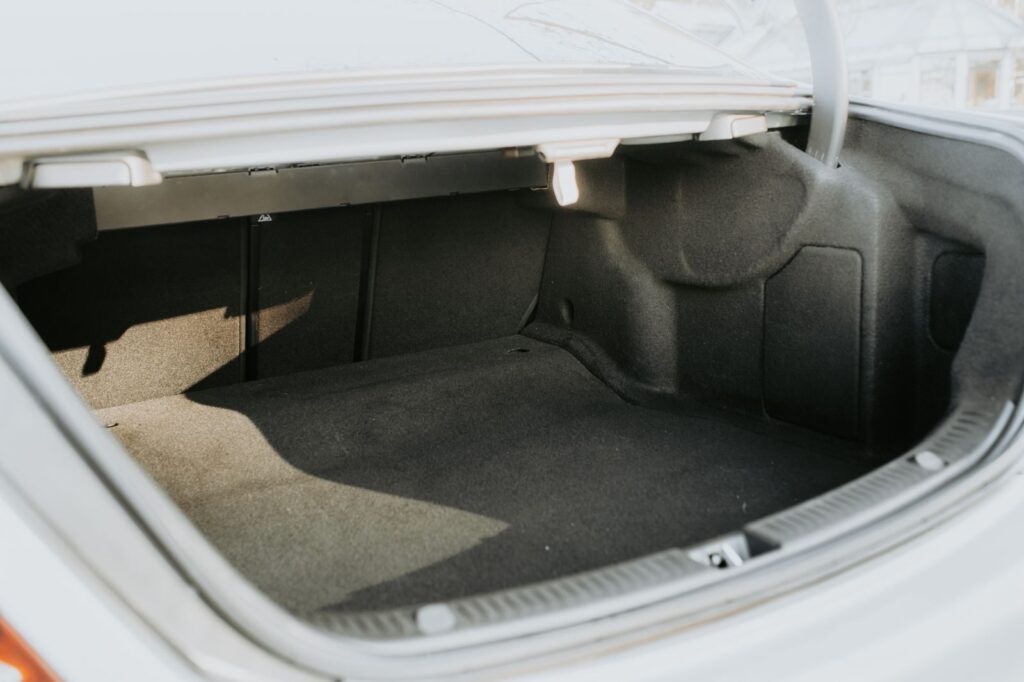
Its 490-litre trunk (with a maximum 1330-litre capacity when the back seats are folded flat for cargo) shows a commitment to daily driving Volkswagen clearly wants this small, battery-electric car to be able to challenge the boot sizes of traditionally bigger vehicles in that compact class and be a vehicle flexible enough for shopping trips, family transport and road journeys.
Volkswagen’s clever cabin storage Volkswagen hasn’t been lazy with the storage space, adding further under-seat storage in the rear, as well as intelligently laid out load space within the boot. The philosophy behind this smart packaging is no different from the one that propelled vehicles such as the original Beetle and Golf into global dominance and is the key to Volkswagen’s belief that a smaller EV does not need to sacrifice practicality and everyday usability for size.
9. Efficient Battery Technology and Everyday Performance
They are working on a variety of battery sizes on the ID2. The company is planning to avoid a single spec car so consumers can prioritize being the most affordable on the market, the most efficient, or having the longest driving range possible.
Balancing Range Efficiency And Driving Performance:
- Offering flexible battery choices for drivers
- Improving efficiency through advanced battery technology
- Supporting everyday urban driving needs
- Extending range for longer journeys
- Delivering responsive electric performance capabilities
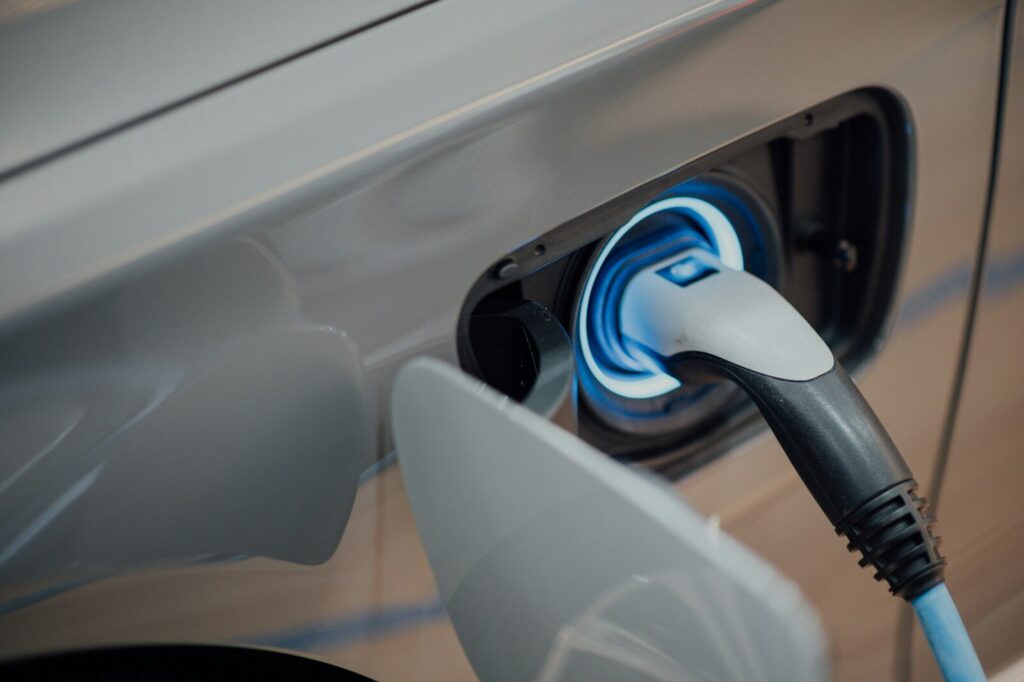
The basic option likely won’t utilize its latest tech but rely on a smaller and less expensive 38 kWh iron-phosphate battery that can offer decent efficiency to provide about 200 miles per charge-perfect for city dwellers or those who use their vehicles for their commute. This helps them produce a more affordable entry point for electric cars.
If drivers are in need of more range, Volkswagen also stated it will be rolling out a bigger 56kWh battery which can output as many as 280 miles or 450km of range so less stressful travel. In addition, other than the multiple battery options, ID 2 will also offer engaging performance as the concept car is presented with an electric motor at the front that is producing roughly 223bhp, able to accelerate the car from 0-62mph within 7 seconds.
10. Building a New Family of Affordable Electric Vehicles
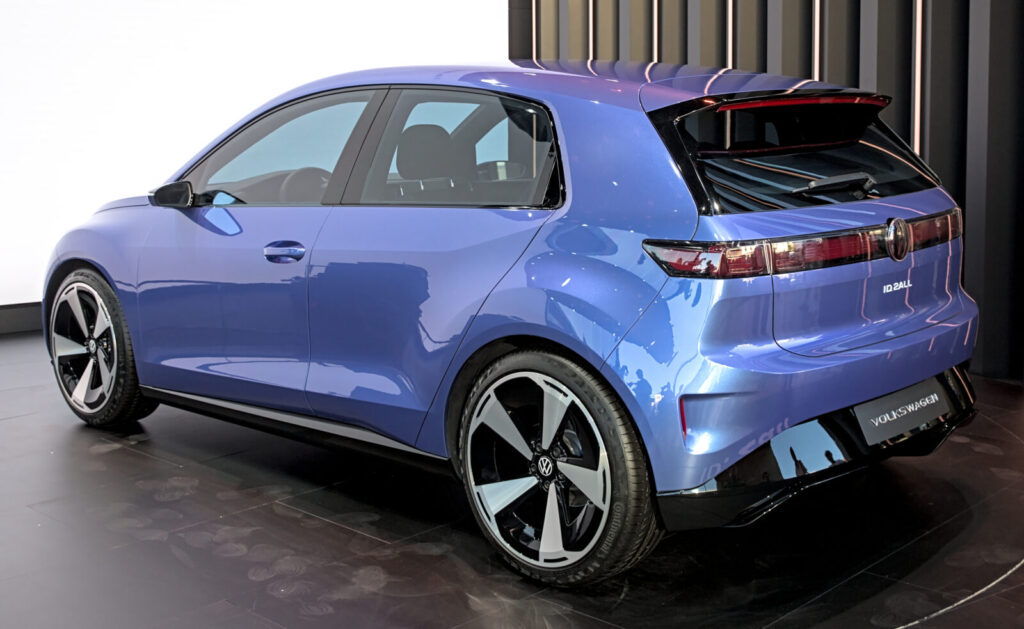
However, in reality, Volkswagen ID 2 would not just stand as the singular electric model. It aims to become an introduction for a wider family of affordable small electric cars due on Volkswagen’s new MEB Entry MEB platform, helping Volkswagen develop the affordable EV line of electric cars. This is with the strategy of promoting electric mobility among a larger segment of customers with varying demands and lifestyles.
Expanding Electric Mobility Through Diverse Models:
- Creating a wider affordable ev lineup
- Introducing performance focused electric variants
- Developing versatile models for different drivers
- Sharing technology across volkswagen group brands
- Reducing costs through platform efficiency
Volkswagen intends for the electric generation of GTI to be characterized by performance in the GTI performance GTI model that Volkswagen Volkswagen wants to deliver some of the distinctive hot hatch DNA for future to enter the all-electric world, and inspired by the concept of electric vehicle ID GTI, possibly to attract fans eager to experience some more driving involvement. The availability of an emotionally and sporty electric vehicle, at affordable cost suggests an EV that goes beyond practicality.
Meanwhile, Volkswagen is also developing a high-riding crossover version called the ID 2X, offering a unique body type on a similar architecture. Beside Volkswagen models, the MEB Entry platform is shared with related vehicle variants in other marques in the group, such as Cupra and Skoda models.