



Beyond Detroit and Tokyo: A New Car Superpower Rises
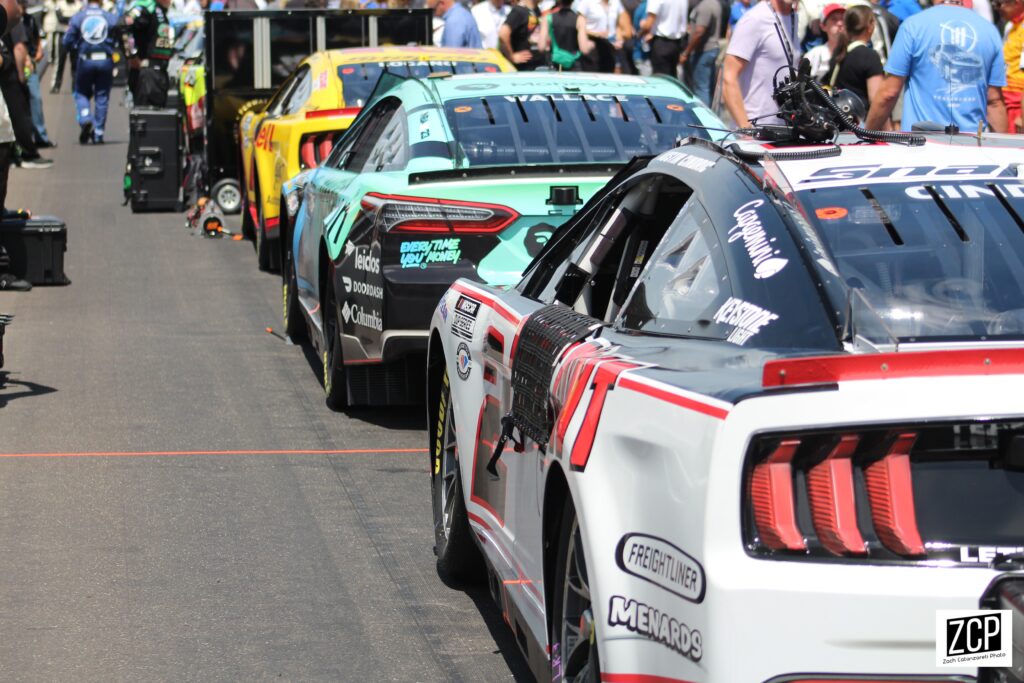
The auto industry has always been one of transition, but these times are not like ones we’ve seen before. For decades, the world looked toward great automotive cities like Detroit, Stuttgart, Turin, and Tokyo to produce the most impressive vehicles on the planet. In turn, those cities and the surrounding countries have built reputations based on decades of automotive innovation, making vehicles that changed transportation, motorsports, and pop culture worldwide. Whatever the latest automotive leap was, it always seemed to come from the established automotive elite, strengthening their status further.
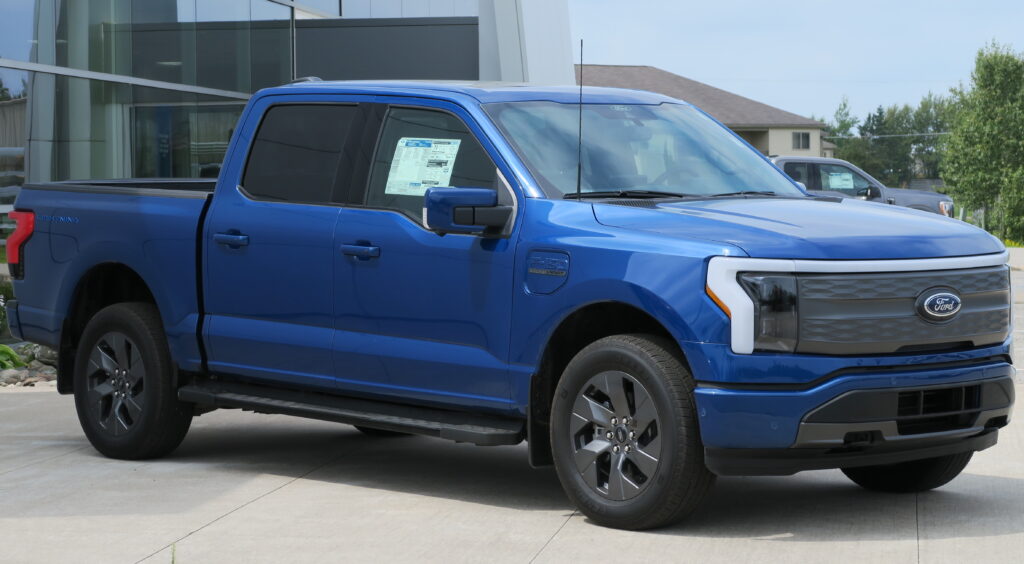
But the shift towards electrification has drastically rewritten the narrative for these traditionally elite automotive regions. Automakers both big and small, accustomed to designing with the internal combustion engine in mind, have sunk billions of dollars into developing new electric platforms, high-performance batteries, and hybrid systems for modern buyers and the environment. Now, performance and economy are only part of the recipe, alongside connectivity. This entire industry has turned into a race where technology reigns over reputation, allowing new players to chip away at the titans of industry.
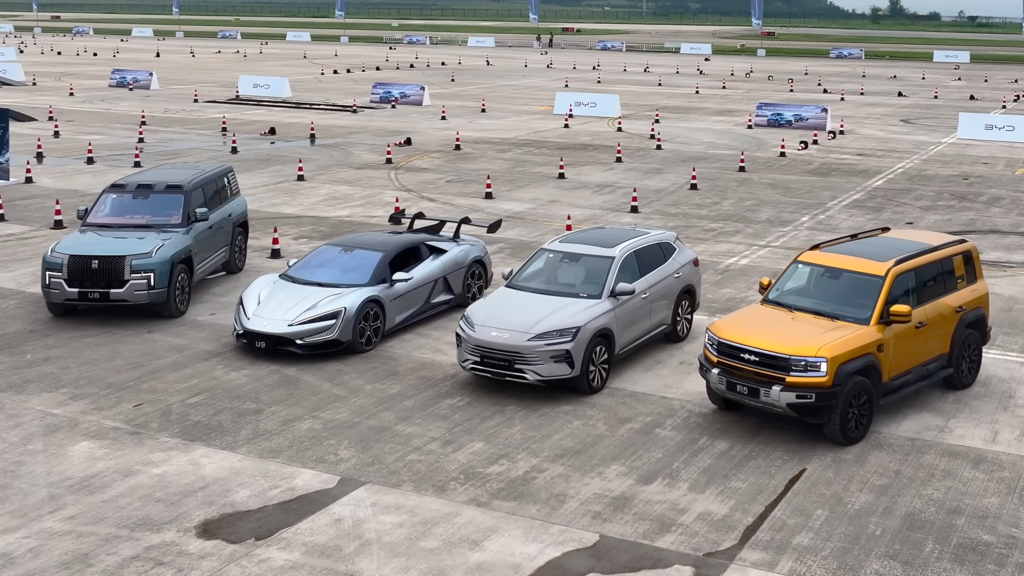
With this fundamental change in the automotive landscape, it looks like we may finally be seeing a new dominant force in the world. While the automotive giants in Europe, America and Japan continue to engineer brilliant next-generation cars and vehicles, China is rapidly becoming the top automotive technology power of the 21st century, in electric vehicles, battery technology, and high-performance vehicles. Once it was merely a manufacturing story, now it has turned into a technological one as Chinese automakers rise rapidly.
1. The Global Race Toward Electrification
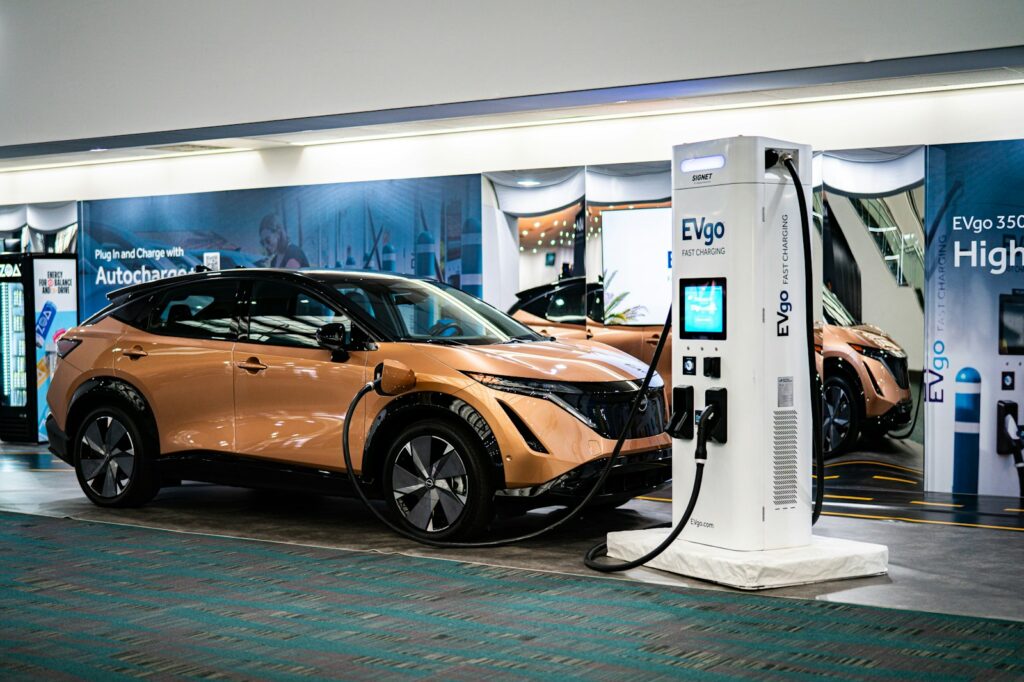
The proliferation of sophisticated electric and hybrid automobiles in recent years has irrevocably changed competition in all sectors of the car industry. The companies which relied entirely upon combustion technology before have now heavily invested in electric mobility as the key strategy for their future-more than simply emission reduction and lower fuel consumption; this signals a total re-engineering of the car in terms of the technology employed, performance output and the end-user demands made on it.
Key Drivers of Electrification Growth:
- Expansion of electric vehicle adoption
- Advanced battery technology development
- Improved efficiency and driving range
- Changing consumer mobility expectations
The brands that are pioneers of this change are now the luxury and performance car brands. The latest hybrids and electric models, featuring higher levels of complexity. Modern electric motors deliver instantaneous torque and performance, while the battery technology keeps improving at a pace to allow for good range and efficiency, enabling high performance coupled with reduced emissions. Electric and hybrid power is finding more appeal in all market segments, and innovation has become synonymous with the use of electricity as a form of propulsion.
This change results in the creation of the “new age” of the automobile, where the car becomes as much about the software, battery power and efficiency, as it is about the traditional mechanics. The cars must evolve quickly to remain competitive, and the automotive industry is evolving at a faster rate than ever before. This transformation is undoubtedly the biggest in the history of cars.

2. Japan’s Remarkable Automotive Journey
In many ways, Japan’s success in the automotive world still stands as one of the most spectacular success stories in the history of industrialization and innovation. The path followed by Japanese car manufacturers after World War II focused on producing functional, affordable, and fuel-efficient automobiles that answered the need of transport for the nation coming back to itself. Accessibility and functionality were privileged over the idea of luxury and the industry could thus expand and build solid engineering roots.
Foundations of Japan’s Automotive Success:
- Focus on affordable vehicle production
- Development of compact kei cars
- Emphasis on efficiency and practicality
- Strong government industry support
These policies by the Japanese government influenced the design of small-engine and compact cars to make the renowned ‘kei-car’ class. Kei-cars were designed with a focus on fuel efficiency and affordability, everyday usability. The design may have been crude; however, they established fundamental engineering principles based on maximum value and efficiency. This gained the Japanese makers significant experience on how to build reliable cars; they also helped them to develop further in to the realm of technology.
Slowly over time Japanese manufacturers perfected their manufacturing processes and their quality control methods and soon became globally renowned for reliability and efficiency and the principle of continuous improvement they offered also caught the eyes of other global markets. Soon trust grew and Japanese cars started to appear across world markets and Japanese brands built up reputations globally. The whole experience for Japan’s automotive industry shows how innovation, hard work and quality have a way to impact global markets.

3. Toyota Corolla and Honda Civic Change the Market
When Japanese car manufacturers began to go global they found that they exactly had the characteristics desired by buyers around the world; people were searching for a reliable means of transport, with a good mileage economy and at a reasonable price. It was precisely these aspects which provided key advantages when fuel prices soared and a recession hit, and the Japanese brands established their reputation by providing just this.
Vehicles That Shaped Global Demand:
- Reliable and affordable transportation
- Strong fuel economy and efficiency
- Low maintenance ownership costs
- Global consumer trust and popularity
The Toyota Corolla is arguably one of the most successful automobiles ever to be created because it emphasizes consistency, reliability, and practicability above all other values. Instead of trying to keep up with every fad on the market, the Corolla consistently gave car owners value year after year. Drivers recognized its dependability and the lack of complications when it came to maintenance. Because of these features, the Corolla built up a massive reputation all over the world, and has become an archetype of efficient, functional transportation.
The Honda Civic followed in the Corolla’s footsteps, albeit in a somewhat different manner, blending efficiency with rewarding driving dynamics to show that compact cars need not be boring. In years when fuel prices were very high, this car proved to be quite appealing for economical buyers, and together the Civic and Corolla propelled Japan to the forefront of the auto world and altered worldviews on compact automobiles.
4. The Sports Cars That Changed Perceptions
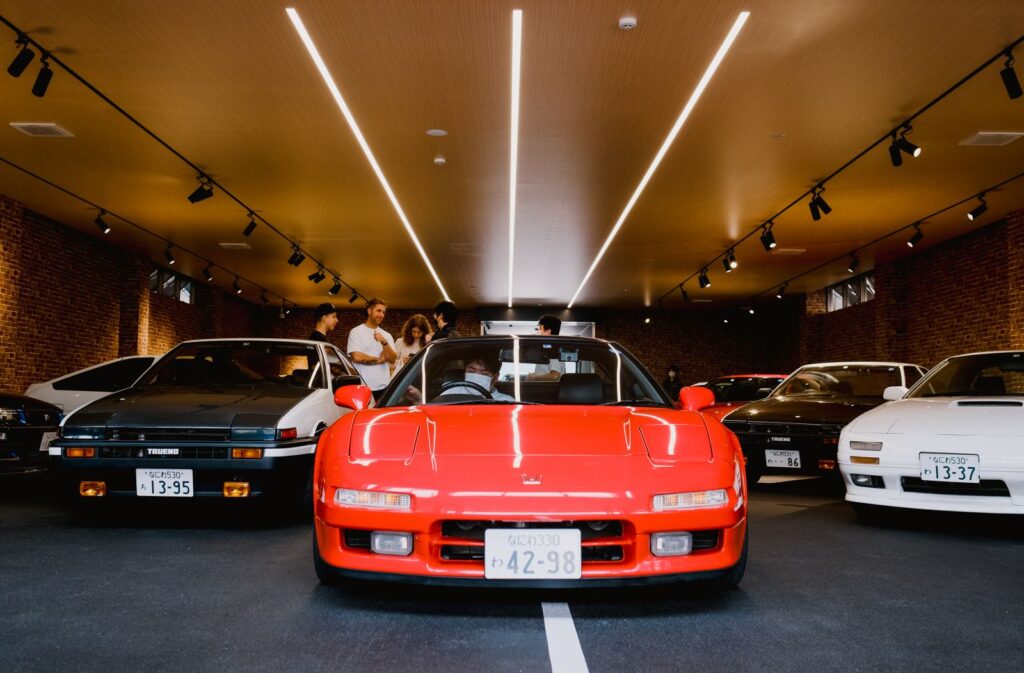
Japanese car makers eventually got beyond the “boring commuters”. The rise of stylish sports cars showed a new, driving pleasure side of Japanese engineering; design, passion and speed. And they created new perception on Japanese cars in world. The reliability and passion; these were what Japanese car makers proved that it could come in the same thing. It was a turning point in Japanese industry.
How Japanese Sports Cars Changed Opinions:
- Expanded beyond practical commuter cars
- Showcased advanced performance engineering
- Increased global enthusiast interest
- Challenged established sports car brands
The Toyota 2000GT had a large part in the new way the world saw Japanese cars. Its sleek design and high performance along with the engineering all drew people from across the globe to this car and they all liked what they saw and the car became a new status symbol of how advanced and confident Japan’s automotive industry had become even with only 351 units of this car being produced.
5. Mazda MX-5 and the Art of Driving Enjoyment
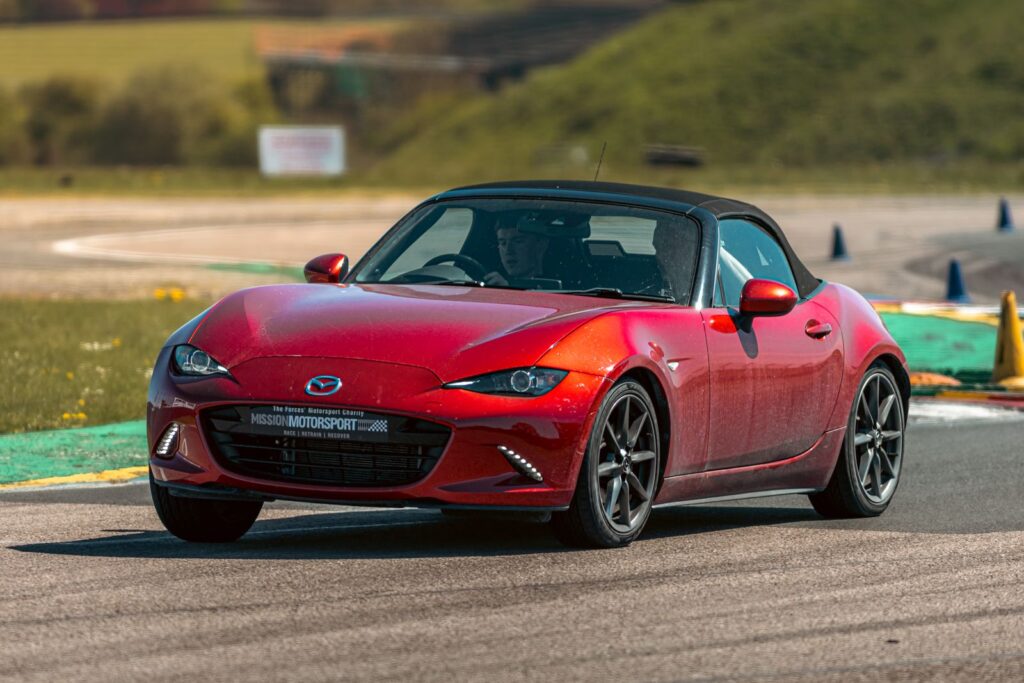
By concentrating on driver enjoyment rather than pure horsepower, the Mazda MX-5 would go on to become arguably the most successful sports car in the history of the automobile. First appearing in 1989, it recaptured the essence of classic lightweight roadsters with modern reliability and modern engineering, and its formula soon delighted drivers around the world. The car demonstrated that sensationalism does not always come in the form of the latest performance numbers.
Why the Mazda MX-5 Became Iconic:
- Lightweight and balanced design philosophy
- Focus on driver engagement and control
- Reliable and approachable sports car
- Global popularity among enthusiasts
The MX-5 has been designed to give the driver ultimate balance and responsiveness without losing predictable handling. Everything about the MX-5 was fine-tuned so as to provide a fun driving experience which was both pure and honest. The lightweight nature of the car also meant that the handling and agility could be enjoyed without need for immense amounts of power, thus appealing to beginners and expert drivers alike.
The result is a sports car that is loved for its driving style, not just the sheer speed that it could achieve. It has remained so popular for so long because it still sticks by the ethos of honesty and balance that made the original so special; drivers love the direct response it gives the driver without overwhelming them. It has been enjoyed by so many across the world (over a million sold worldwide) that the MX-5 has proven to be one of the most successful sports cars ever to be produced, a testament to the idea that a cars agility and driving feel can be just as important, if not more so, than raw performance.
6. Honda NSX Redefines the Supercar
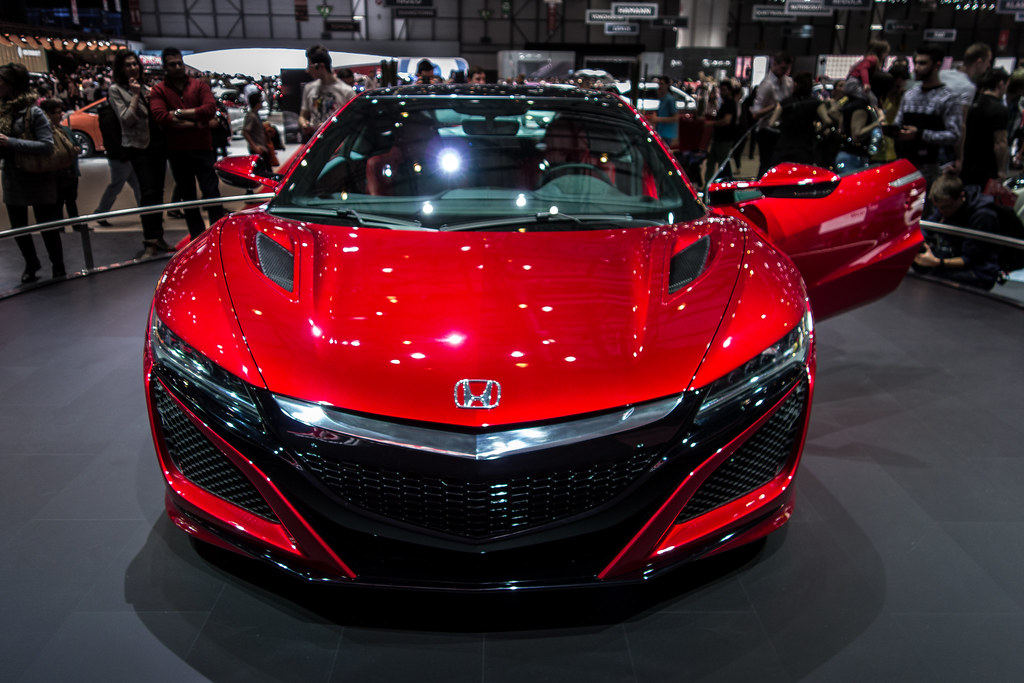
The Honda NSX has also broadened perspectives on what a supercar is, by blending extreme performance with day-to-day driveability. Motorsport expertise (with implications in regards to Ayrton Senna) have also played a part in its design, helping to develop a totally new perspective on the supercar niche. It proved that exotica does not necessarily equate to reliability and/or comfort and was to become one of the most influential sports cars to hit the market. Its reputation helped establish worldwide expectations for sports cars.
How the NSX Changed the Supercar Segment:
- Combined performance with everyday usability
- Influenced by motorsport engineering expertise
- Improved reliability in the supercar market
- Raised industry quality expectations
Most European supercars of the era asked the owner to compromise, but these were mostly concerning driver comfort and the maintenance and long-term reliability issues associated with high-performance exotic vehicles. The NSX, however, approached the class from another direction and still delivered high performance, while offering Japanese reliability. The owner was allowed to experience a truly rewarding and highly capable sports car without having to suffer all of the problems that commonly come with an exotic.
It proved to be quite unique among most competitors as it offered the most practical supercar ownership experience available. The affect the NSX had on the car world extended far beyond sales figures, however, and many feel the supercar class and manufacturer response in the years following the NSX raised overall quality standards, engineering accuracy, and drivability. The Honda NSX was an instant classic that truly raised the bar for car and enthusiasts alike.

7. Japan Leads the Hybrid Revolution
The Japanese inclination towards innovation then broadened to encompass environmentally-conscious automotive technologies. Through their dedication, Japanese auto makers were first to market and innovated with regard to hybridization technology which served to make these automobiles not only practical and dependable but fuel-efficient as well. Public attitudes were thus shifted. The hybrid market steadily moved out of the exotic market into a main stream automotive segment and thereby secured the position of Japan at the cutting edge of this rapidly changing automotive sector.
Japan’s Impact on Sustainable Mobility:
- Early leadership in hybrid technology
- Improved fuel efficiency and practicality
- Increased acceptance of alternative powertrains
- Support for sustainable transportation growth
The Toyota Prius is one of the first hybrid vehicles to become widely known worldwide. It helped show that fuel efficiency could exist alongside practicality and low cost and that hybrids were suitable for everyday use. The car instantly became an icon of the environmental movement and stimulated the development of alternative choices in relation to internal combustion engines, also speeding up the investment in hybrid systems industry wide. Its significance cemented it as a hugely influential vehicle of its era.
Japan carried on the theme of electrification with vehicles such as the Nissan Leaf which contributed to democratising electric vehicle use. Offering a viable form of electric transport, the concept, when produced at an affordable price, encouraged further use of emission-free vehicles. Japan made huge progress that would soon assist the whole world in its drive for sustainability.
8. China Enters the Performance Arena
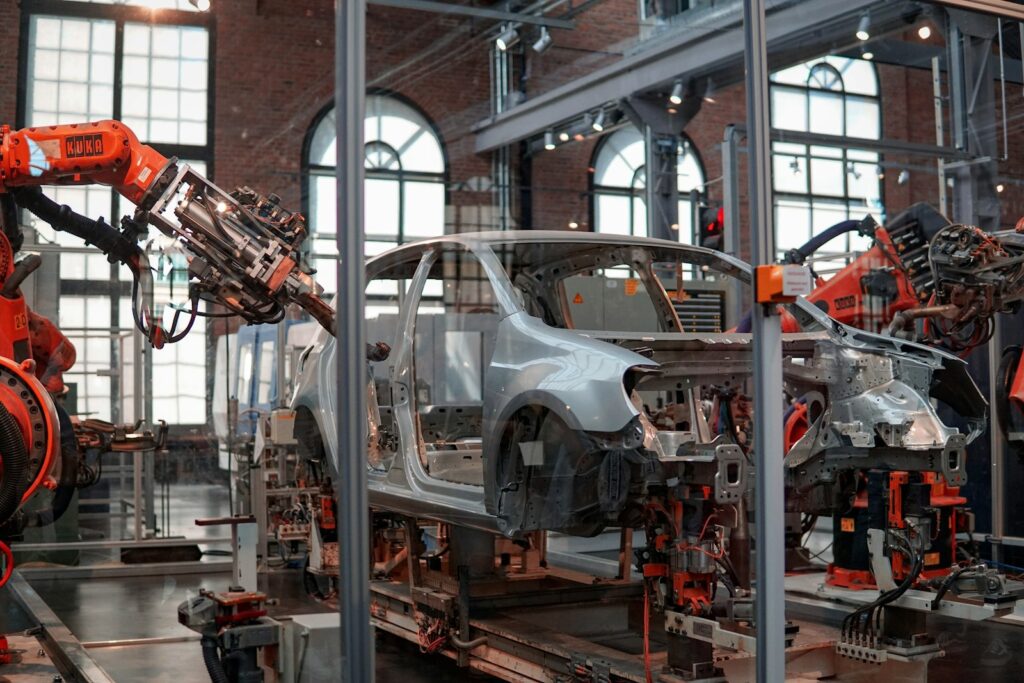
As the traditional automobile nations continued to develop, China itself was also building a strong automobile industry of its own. Through the huge investment in the technology of battery, manufacturing, and the electrical vehicle development, China established the precondition of fast development, and thus its automobile industries were developed far away from what it started-to build cars that people could afford. China soon grew into one of the most important country of EVs globally and changed the competition pattern of automobile industries.
Key Factors Behind China’s Growth:
- Large-scale EV industry investment
- Advanced battery technology development
- Rapid manufacturing expansion and innovation
- Strong focus on electric mobility
Chinese automakers quickly transitioned from producing inexpensive products to making sophisticated automobiles capable of taking on the world’s most established brands. Most industry experts did not anticipate that they would adapt to and innovate new technologies so quickly. This increase in quality, software implementation and the development of EV powertrains further advanced their presence across the world and revealed the potential pace at which the auto industry could transform if enough capital and ingenuity were involved. Chinese brands began to gain recognition as technologically advanced rather than as cost leaders.
Most of these manufacturers have a strong electric platform focus to begin with; thus not being tied to many decades of research in combustion-engine technology they can put all of their capital into electric-specific technology more quickly. This helped to advance innovation. China is proving to be an even greater contributor to the transition toward electrified mobility than many had originally believed and is now becoming increasingly significant in leading the global charge.
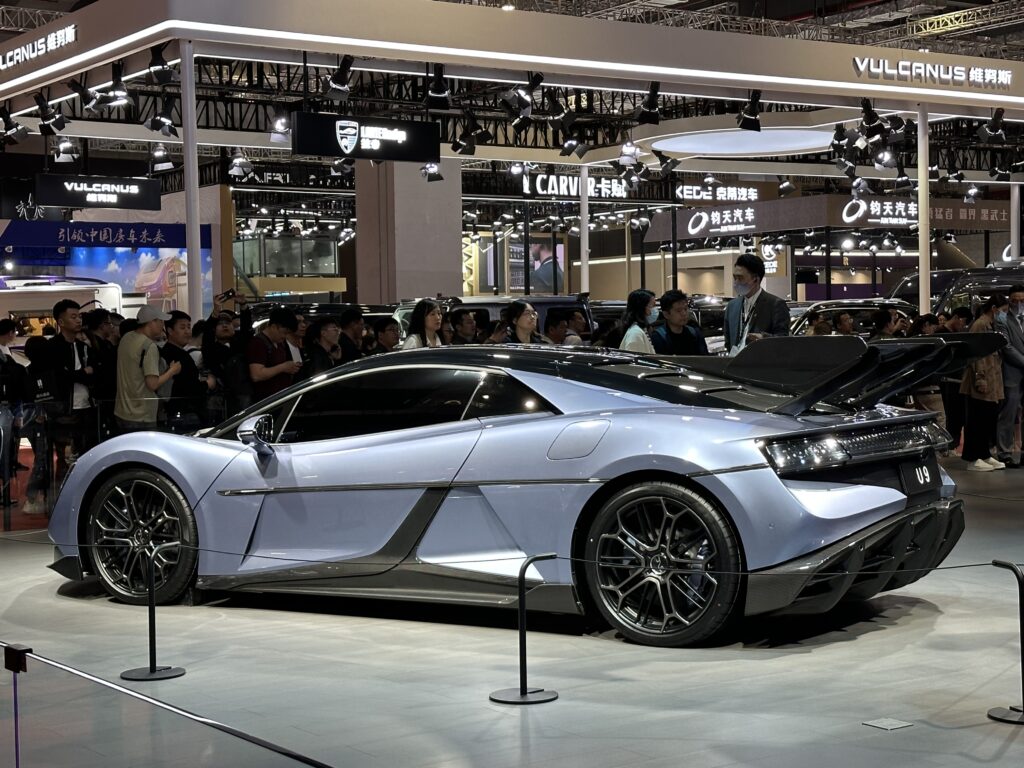
9. The Yangwang U9 Changes Expectations
The BYD Yangwang U9 is one of the best examples yet of China’s ambitions in the world of high-performance motoring. Utilising the country’s cutting edge electric powertrain knowledge, the U9 has captured the world’s imagination with its startling abilities. It proves that Chinese automakers are now beginning to push beyond everyday motoring and venture into the exotic world of sports cars. The U9 represents a new level of technological and engineering confidence for China and the car has emerged as something of an emblem of a new identity for Chinese autos.
How the Yangwang U9 Stands Out:
- Advanced electric performance technology
- Exceptional acceleration and power output
- Innovative suspension system design
- Strong focus on engineering innovation
Its figures reveal the reality, Chinese manufacturers are no longer thinking about cheap and basic models and, with its powerful electric drive and engineering solution, the U9 directly rivals against existing performance manufacturers. It really showcases how fast Chinese manufactures were mastering the electric vehicle domain. Instead of just following the industry trends, they are making the standard for the others. This has generated the attention of countless enthusiasts and critics.
However, maybe the most significant point of Yangwang U9 is that it is open to experimental technologies and wild engineering ideas, which promotes a level of creativity beyond what is normally expected for a car. And with its ability to offer outstanding levels of performance and outstanding engineering, the U9 car has made its own mark of China in the electric vehicle world. This represents an effort for technological superiority and the future of cars.
10. A New Automotive Superpower Emerges
The rise of China’s automotive industry represents one of the most significant shifts in modern transportation history. Through large-scale investment, rapid technological development, and a strong focus on electrification, Chinese manufacturers have achieved progress at an extraordinary pace. What took many traditional automotive nations decades to build has been accelerated through modern manufacturing and innovation strategies. This growth has transformed China into a major force within the global automotive market. Its influence continues to expand across multiple vehicle segments.
The Changing Global Automotive Landscape:
- Rapid growth in automotive innovation
- Strong commitment to vehicle electrification
- Increased global market competition
- Expansion of advanced manufacturing capabilities
As the industry evolves, discussions continue about the future of performance vehicles and driving enjoyment. Some enthusiasts believe lightweight designs and engaging handling characteristics provide a more rewarding experience than extreme horsepower figures alone. Others view advanced electric technology and high-performance powertrains as the next stage of automotive development. These differing perspectives ensure that debates about performance and innovation will continue. The diversity of opinions reflects the changing nature of the automotive world.
What remains undeniable is the scale of transformation currently taking place across the industry. The automotive landscape is no longer defined exclusively by traditional centers such as Detroit, Tokyo, Stuttgart, or Maranello. A new chapter is emerging, driven by electric innovation, global competition, and ambitious engineering. The balance of influence is shifting, creating an automotive future that is more international, dynamic, and technologically advanced than ever before.