


The 2026 Chevelle 70SS: A 1,500HP Ode to American Muscle
2026 comes across as one of those infrequent occasions when all good things arrive in one fell swoop. The sheer weight of the number of major global events scheduled throughout the year make it feel like one long highlight package. From a FIFA World Cup spanning three nations giving a united feeling that is hard to dismiss, to further huge European sporting carnivals it makes for a massive year of sporting celebration.
Meanwhile, the United States reaching its 250th anniversary of independence adds another milestone that carries with it a degree of nostalgia combined with modern celebration, meaning that it feels like there is a year that all continents are celebrating throughout its span where culture, sport and technology all combine.
This is more than a summation of specific events; it’s a feeling that the entire world is moving collectively through a pivotal chapter. Technology itself underlies these experiences in a subtle manner, increasing networks speeds, smarter systems, and deeper levels of automation in everyday lives. Yet even with this more smooth digital life, people continue to seek out the loud, visceral and physical.

1. A Year Built on Global Spectacle
A feeling of global intensity has a rarity to it for 2026-it’s caused by many landmark occurrences taking place over multiple continents. The FIFA World Cup serves as the nexus of this global fervor, drawing nations together in a moment of shared emotion. The host cities become centers of a culture where identity, national pride, and competition unite at an incredible size. The event surpasses sport, becoming an international moment of shared emotion.
Major Global Events Shaping 2026:
- FIFA World Cup uniting global audiences
- Winter Olympics in Italy
- U.S. 250th anniversary celebrations
- Cultural and sporting global convergence
- Increased worldwide media attention
In addition to football, the winter games in Italy present a completely different setting. This competition is based on meticulous skill, stern training, and athletic extremism where competitors must brave harsh conditions, thus testing mental and physical strength at their peak. This juxtaposition between the vibrant, fast-paced energy of a global soccer tournament and the stringent focus of winter sports adds a necessary element of balance and contrast in the year’s international flow.
Also contributing to the global ambiance of 2026 is America’s 250th anniversary. The commemoration is much more than a celebration of mere numbers; it is a symbol of national identity and change as well as evolution. Together these monumental events add up to a world stage that is so grand and so culturally inclusive, one might argue that it’s bigger than any particular industry or trend; 2026 looks to be one for the history books.
2. Technology Moving at Full Acceleration
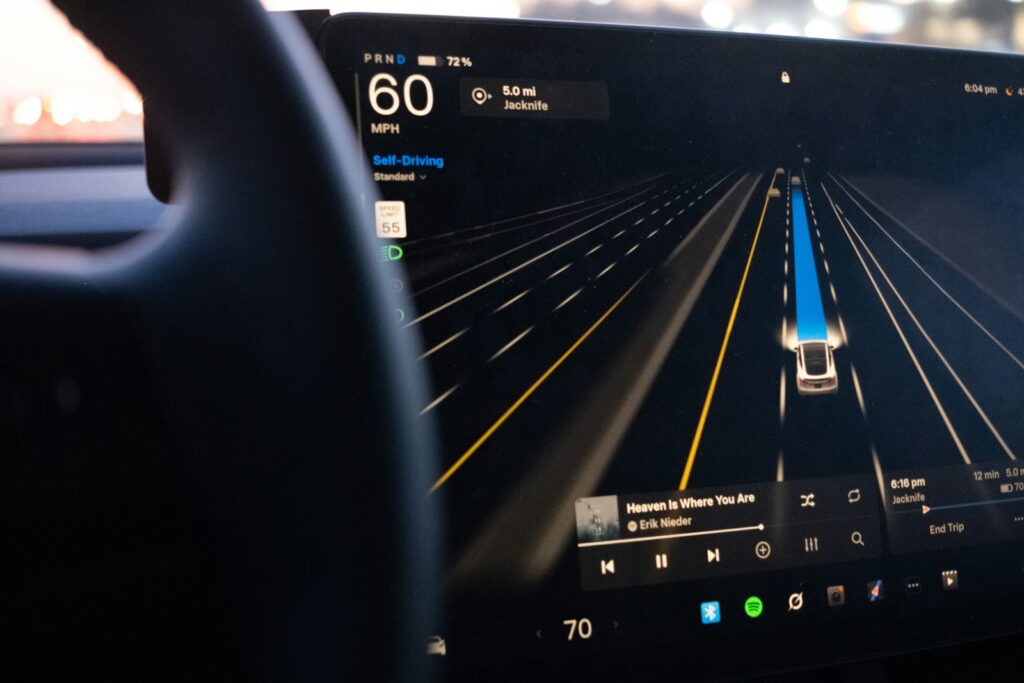
Technology in 2026 will have become ever so fluid, with all our digital lives now integrated so deeply within our environment as to become barely noticeable. This is early stage development of 6G, an entirely more interconnected future where internet speeds are faster, more constant and more inextricably part of our built world. Connectivity no longer becomes an awareness of our internet, but a hidden layer that constantly powers communication, business and recreation.
Key Technology Shifts in 2026:
- Early development of 6G networks
- AI-assisted healthcare diagnostics
- Expansion of predictive medical systems
- Growth of electric mobility adoption
- Increasingly integrated digital infrastructure
From an experimental level of development, AI is also finding a footing in practical and real-world use. One of the most beneficial applications is in the area of medical diagnosis assistance whereby systems will offer physicians additional input with regard to data processing and clinical decision-making. With the introduction of AI into the health care arena the industry is moving from a treatment to a more predictive and preventive system. AI does not eliminate professionals from the system but rather provides an extra layer of assistance.
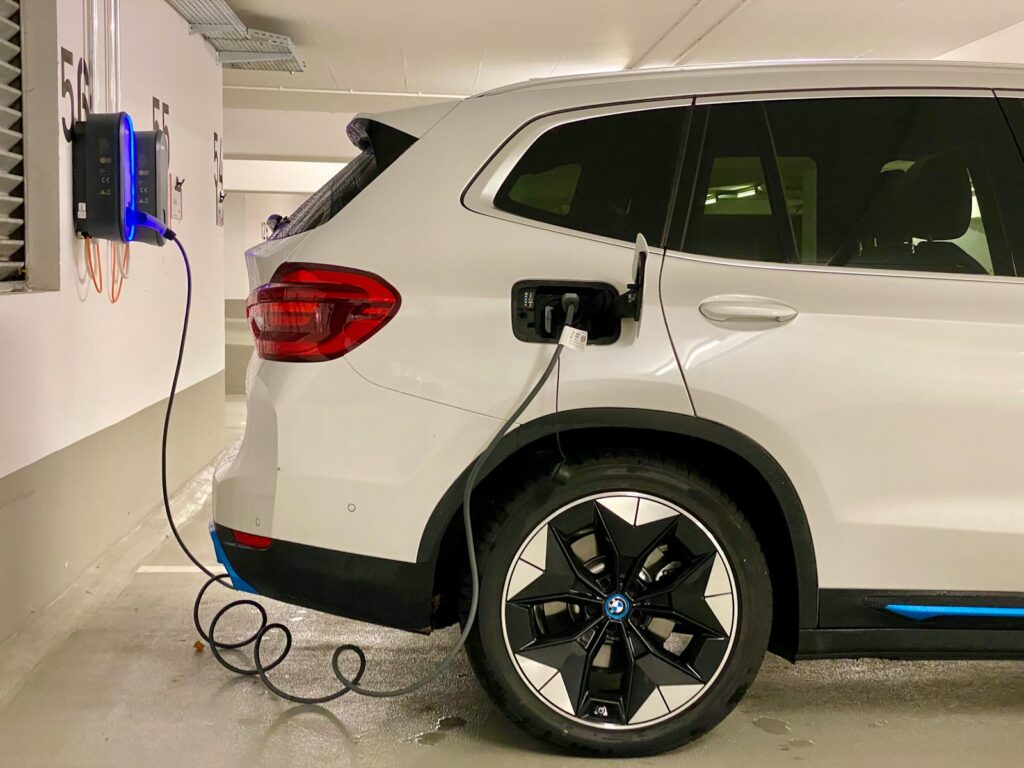
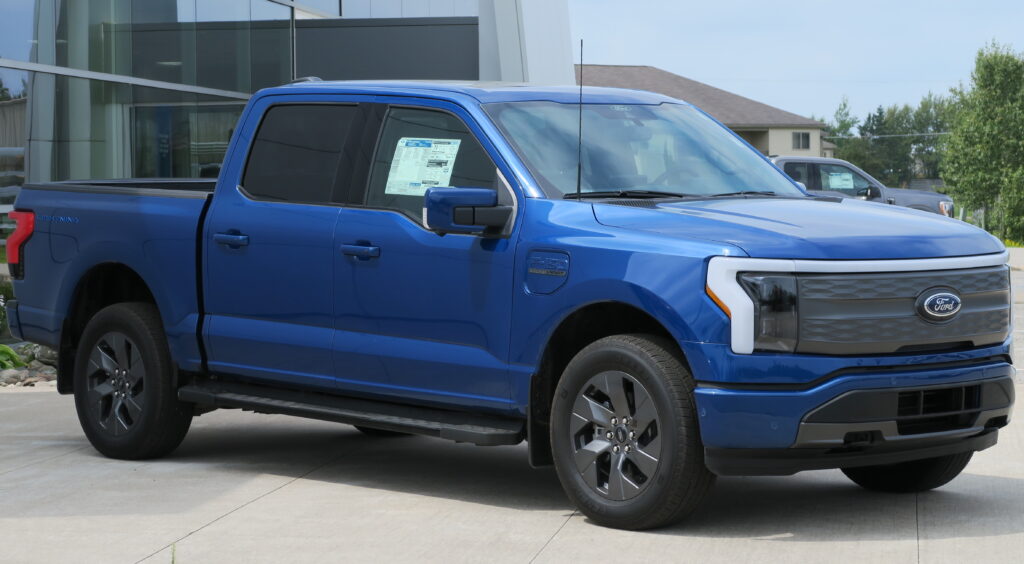
Hand in hand with this developing technology comes the increasing evolution of electric mobility through the global market. In its potential to overtake internal combustion engines, electric vehicles mark a significant point of transition for human transport and are presenting various advantages in terms of performance and environment though changing the very feel and sound of moving. As this technology spreads through our lives we can begin to wave goodbye to our mechanically powered future and embrace a new age.
3. The Return of a Mechanical Legend
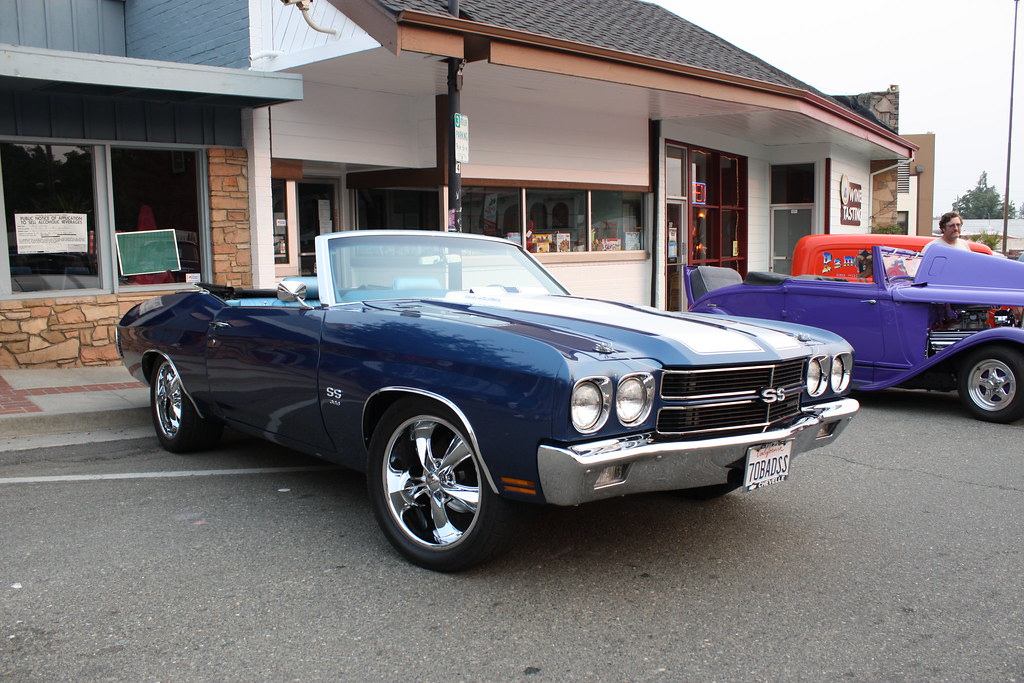
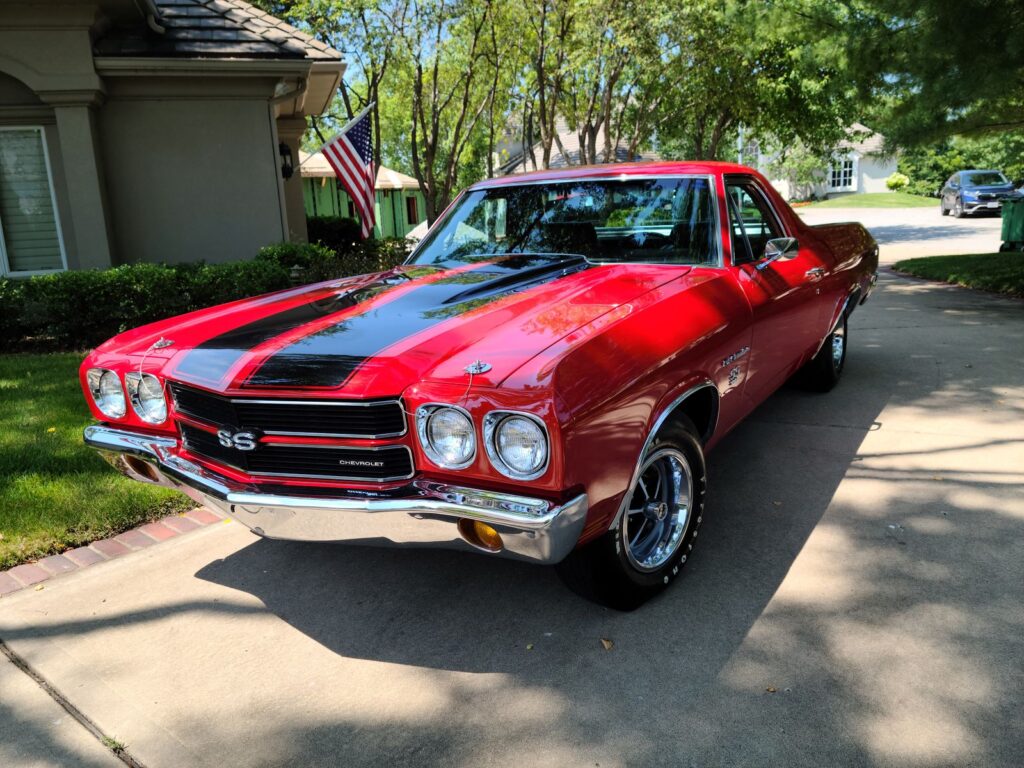
During a time in automotive design that has become almost universally silent and heavily reliant on computers, an extreme opposite has made its noisy and brash return. Instead of simply a historical reproduction, the 2026 Chevy Chevelle 70/SS aims to be an entirely new generation of the performance icon, a machine built by Trans Am Worldwide to embody the idea of the original 1970 Chevelle, but project its performance persona into the present and future. It is essentially a modern interpretation of nostalgia, with very functional purposes in mind instead of mere aesthetic flair.
Defining Traits of the 2026 Chevelle 70/SS:
- Built by Trans Am Worldwide
- Inspired by the 1970 Chevelle SS
- Modern performance engineering
- Strong focus on sound and presence
- Blend of classic and contemporary design
Instead of attempting to merge with the impending silence of electrification and subtle efficiencies, this machine thrives on noise, heft, and pure emotion. Its styling speaks volumes to its origins while simultaneously reflecting engineering and modern ingenuity, creating a deliberate link between two unique phases of the performance culture.
While most cars on the road may be heading towards minimalist design and muted performance characteristics, the Chevelle 70/SS continues to head in the opposite direction; it is unabashed about its massive power figures, noise levels and mechanical presentation-it is not a vehicle that is concerned about true efficiency but instead uses sheer performance and sheer emotion to further solidify performance culture.
4. Carbon Fiber Reimagined as Muscle
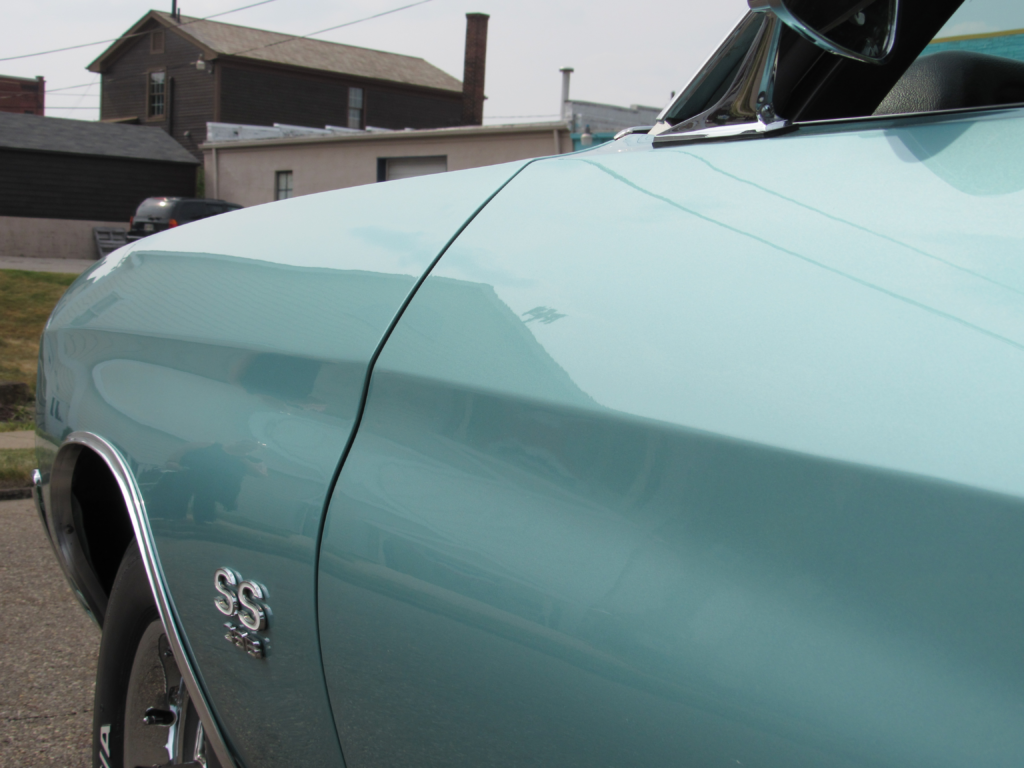
Crucial to establishing the identity of the Chevelle as a modern car, the body is. All the main body panels are made from carbon fiber rather than steel. This does not just serve to look more exotic, it significantly affects how the car feels and behaves, the reduced weight greatly improves the car’s strength, rigidity and reaction time, making the whole car feel far more modern than the styling hints at.
Engineering and Design Highlights:
- Full carbon fiber body panels
- Significant weight reduction
- Improved chassis responsiveness
- Enhanced structural rigidity
- Classic muscle car proportions
This allows for a faster, more responsive car that follows the drivers inputs more sharply, making steering feel much more direct and the car remain extremely stable under demanding driving conditions, and providing a very direct driving experience. Instead of being an interpretation of a previous era, the car now feels more like a focused, well-engineered modern day muscle car designed to appeal to a drivers sense of need, rather than nostalgia. This modern approach is perfectly complemented by design cues drawn from original classic design.
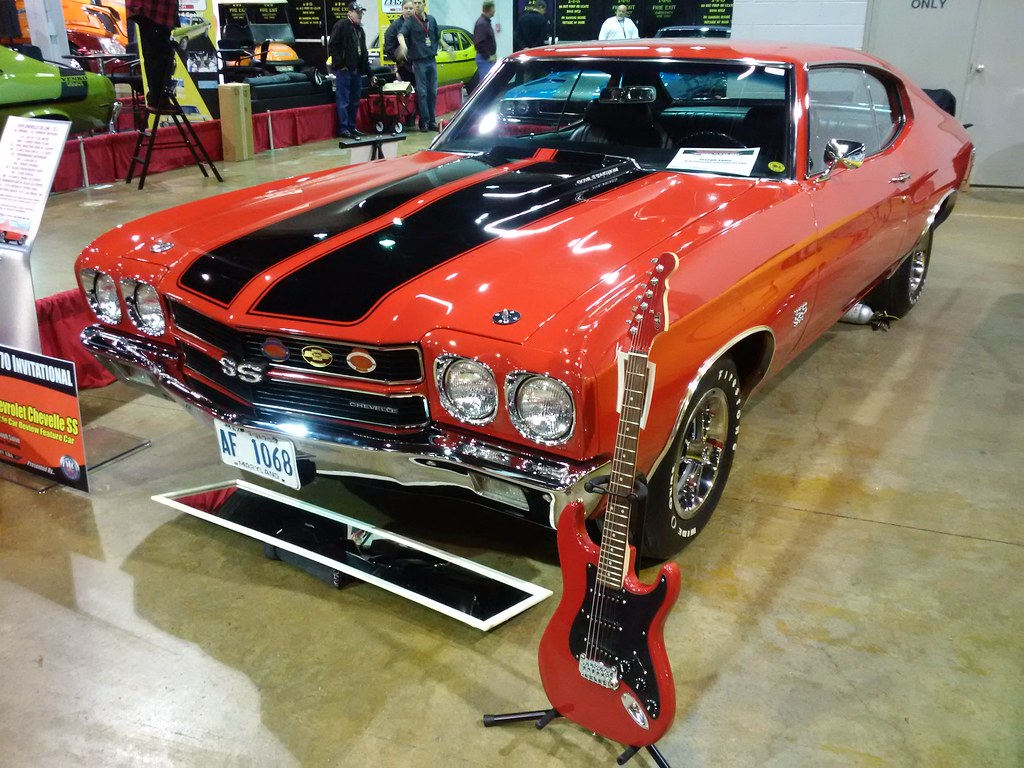
The muscular body shape, particularly with a long bonnet and very wide rear end and its forward stance will undoubtedly evoke memories and classic-themed colors such as the Hugger Orange in which this car is finished, provide an emotional link back to the 1960’s. However, modern trims and touches create a feeling of modern refinement to complement the classic roots.
5. Design That Balances Heritage and Presence
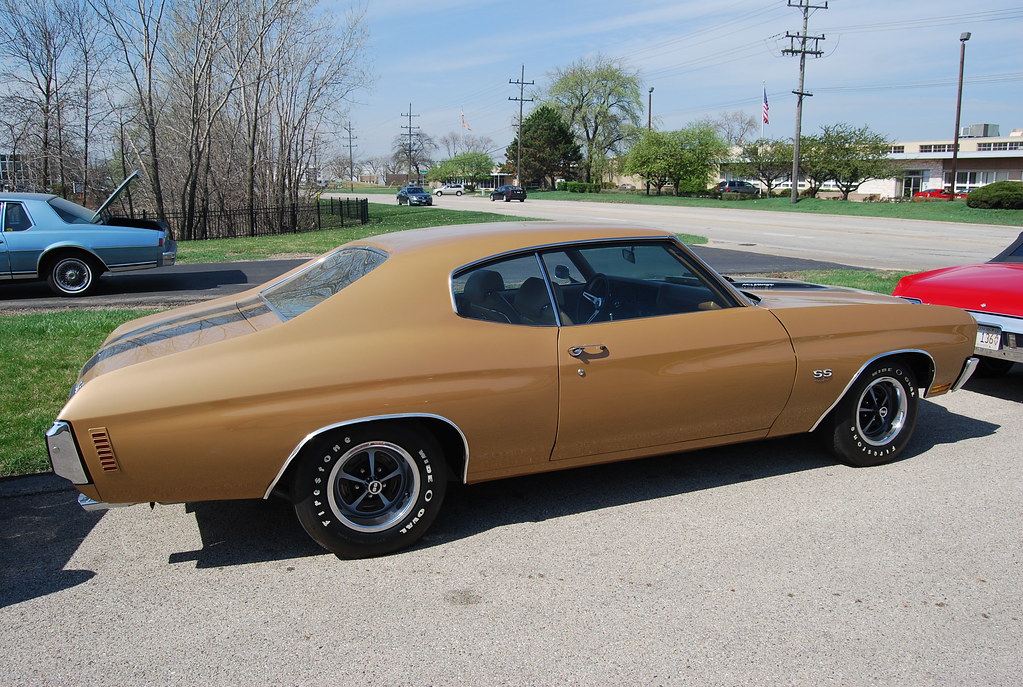
The visual identity of the 2026 Chevelle is marked by its contrast of past and present. The car keeps undeniable stylistic references to the 1970s muscle car era and the proportions and attitudes that made the first car great; however, it blends them with more angular surfacing and finer detailing taken from modern performance engineering, allowing it to be both familiar and evolved.
Key Design Characteristics:
- 1970s muscle car-inspired proportions
- Modern sharp body lines and detailing
- Aggressive cowl hood design
- Wide fender arches for stance
- Motion-focused visual tension
From every possible view, the car has design cues meant to imply motion when it is completely static. The cowl hood, exaggerated wheel arches, and worked surfaces of the body build up a tension that feels ready to be let go. It speaks of power in an intentional, not merely a stylistic, way. The result is a potent visually.
This design language allows the Chevelle to be of two time periods simultaneously. It retains the appeal of being recognizable to fans who know where it came from but maintains its position within an era of cars that define their lines by wind tunnels and pixels.
6. A Powertrain Built Without Compromise
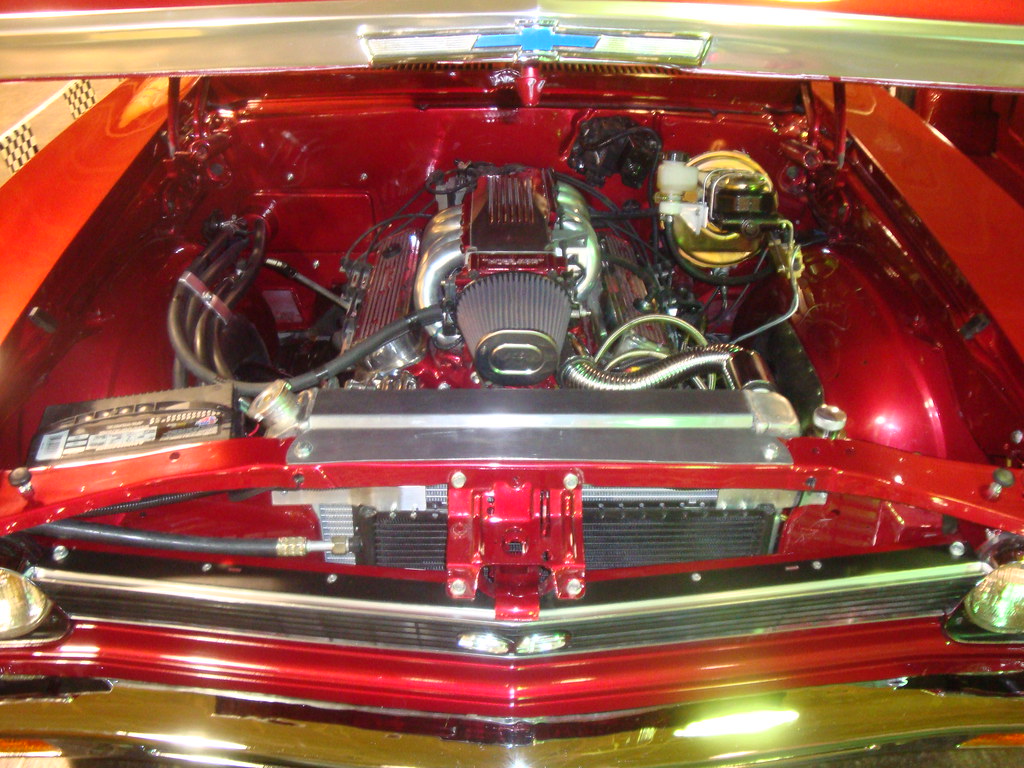
The engine itself for the 2026 Chevelle is 454 cubic-inch LT8 based V8 which is supercharged using a Magnuson 2650 to produce approximately 1500hp. This amount of power significantly exceeds the norm for a road legal muscle car and elevates the Chevelle into the realm of hypercars although still firmly as a ICE vehicle.
Key Powertrain Highlights:
- 454 cubic-inch LT8-based V8 engine
- Magnuson 2650 supercharger system
- Approximately 1,500 horsepower output
- Extreme forced induction performance
- Hypercar-level power delivery
It’s the supercharger that’s primarily responsible here; its purpose is to force vast amounts of air into the engine. That means the intensity of combustion is amplified and each power cycle becomes a tightly controlled explosion rather than an event that allows for soft, progressive acceleration-this is raw, forceful acceleration, and it’s what this car is about. There is instant, raw power under every throttle depression. It’s still a driver’s machine though, focusing less on the smooth digital manipulation so common on many performance cars and more on its pure, raw and mechanical character.

7. Control Systems Built for Extreme Output
While its output is important, how the 2026 Chevelle is managed also makes it what it is. Drivetrains are available in two configurations, manual and automatic. The manual option has Hurst components, whereas the automatic offers a performance variant of the transmission. Each configuration provides a different feel to driving.
Key Control and Performance Systems:
- Manual transmission with Hurst components
- High-performance automatic transmission option
- Strange 9-inch GForce rear differential
- Viking coil-over suspension system
- Upgraded high-performance braking system
The rear end of this Chevelle uses Strange 9-inch GForce gears which are designed for the extreme amounts of torque required. This ensures the engine’s brute force power reaches the wheels in stable and reliable fashion and offers much more reliability and grip in the most demanding driving conditions where other types of components would fail.
Holding this driveline is a thoroughly upgraded suspension system that includes Viking coil overs, with upgraded sway bars to help maintain the cars stability and composure at speed through all sorts of abuse. Even the braking system is equally enhanced so that no issues are present even during multiple, hard stops to maintain reliability and controllability with this massive amount of power that the Chevelle uses.
8. Lightweight Structure and Road Grip
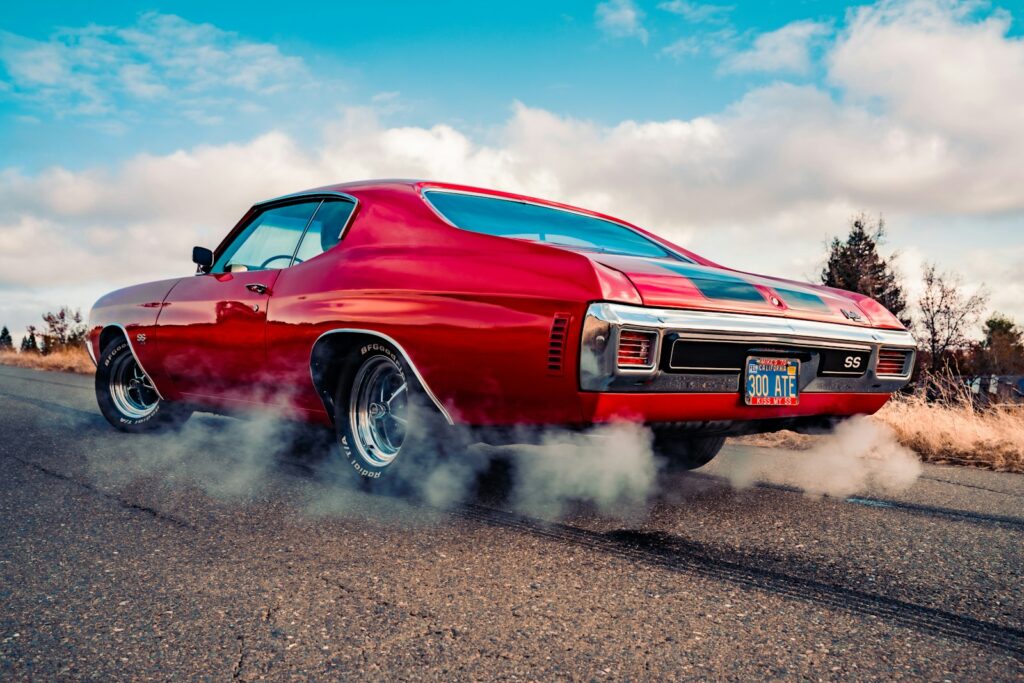
With a large amount of carbon fiber being used, this allows the 2026 Chevelle to have a curb weight of about 3,200 pounds. For the amount of power this vehicle has, that number is very impressive. It really changes the way that the vehicle acts when accelerating, breaking, and cornering, making it feel way more agile then its large muscles suggest.
Key Lightweight and Grip Features:
- Approx. 3,200 lbs total weight
- Full carbon fiber construction
- Improved acceleration response
- Enhanced braking efficiency
- Track-grade tire setup
This reduction in weight is apparent through the surprising agility the Chevelle possesses, despite its very menacing and wide body kit. The Chevelle doesn’t feel heavy or sluggish in response to a steering input, it feels much like a contemporary performance coupe in the response it offers. The lower weight helps make the direction changes much more precise and quicker at high speeds. The road grip is handled by a set of Michel Cup 2R’s, which are typically only offered for track oriented cars. These tires have been designed to ensure that all of this massive horsepower is put down onto the road, rather than lost into wheelspin.
9. Multiple Performance Personalities
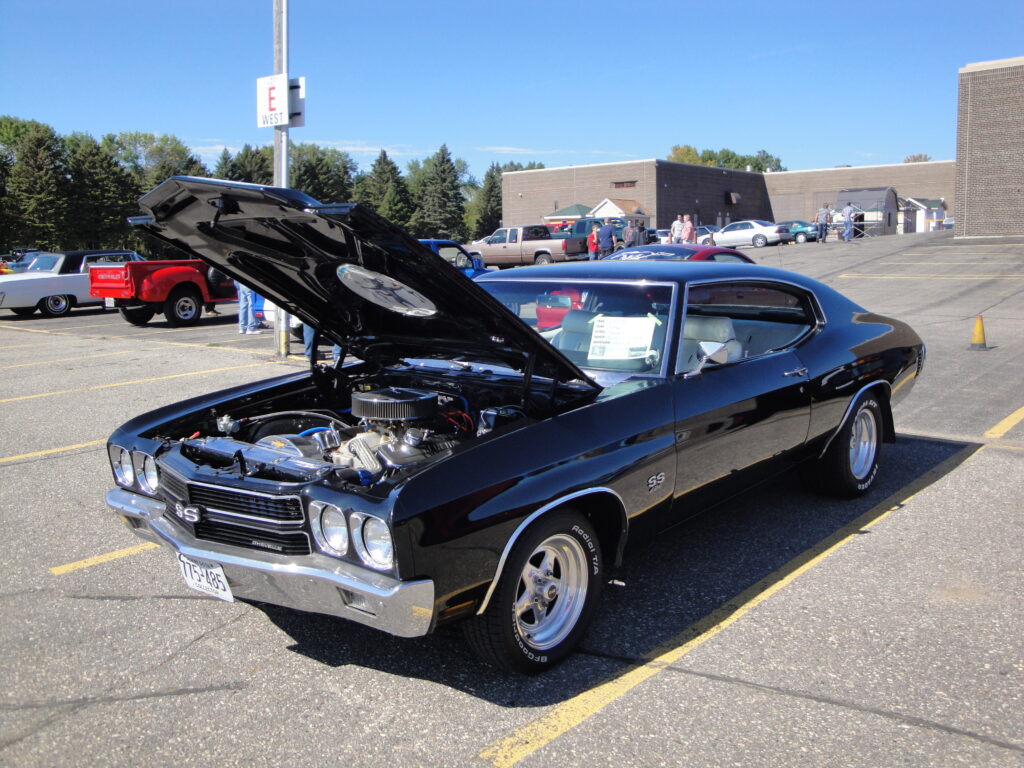
The 2026 Chevelle is more than just one trim level for performance driving. This new muscle car is being made in a few different powertrain setups to appeal to varying tastes and levels of performance. In turn, consumers will have the choice of the version that they best feel matches their tastes for power, drivability, and the overall driving excitement. Every single version of the car would be distinct yet maintain the same characteristics.
Available Performance Configurations:
- 450-horsepower naturally aspirated version
- 900-horsepower 396 performance package
- 1,100-horsepower supercharged 427 option
- Different driving experiences available
- Shared design and engineering philosophy
While the standard 450hp version provides the “classic” muscle car feel a more balanced performance package that offers strong V8 character and everyday usability without completely overwhelming the driver the 900hp 396 version allows for a more potent feel in the aggressive category. It drastically improves acceleration performance and general driving fun while still remaining usable on the street.
The supercharged 1,100hp 427 moves in more race car territory where the insane horsepower numbers force an altogether more dramatic and serious driving experience. Regardless of how much power one is getting the basic philosophy is always the same mechanical engagement and the muscle car tradition which in the end offers not really one car but rather a progression of car personas.
10. A Machine Defined by Emotion and Engineering
The 2026 Chevelle 70/SS exists at the intersection of emotion and engineering, where technical excellence serves a deeper purpose than performance figures alone. Every major component, from the fuel delivery system to the cooling architecture, is engineered to support the vehicle’s core mission of unrestricted mechanical performance. Nothing feels accidental or purely decorative. Each element contributes to creating an experience built around power, responsiveness, and driver involvement.
What Defines the Chevelle 70/SS:
- Performance-focused engineering philosophy
- Advanced fuel and cooling systems
- Strong emphasis on driver engagement
- Blend of heritage and modern technology
- Emotional connection through mechanical performance
The car also stands in direct contrast to an automotive world increasingly shaped by automation, electrification, and digital assistance. Rather than reducing human participation, it actively demands attention, skill, and respect from the driver. The experience is intentionally physical and engaging, requiring a level of involvement that many modern vehicles no longer emphasize. This creates a stronger connection between the machine and the person behind the wheel.
Ultimately, the Chevelle 70/SS represents more than horsepower numbers or aggressive styling. It serves as a reminder that mechanical intensity still holds value in a rapidly digital era. While technology continues to reshape transportation, this car celebrates the emotional side of driving that cannot be fully replicated through software or simulation. In doing so, it preserves a form of automotive passion that remains deeply meaningful to enthusiasts.