




Jaguar’s Infamous V12: A 26-Year Reign of Smoothness and Smoke
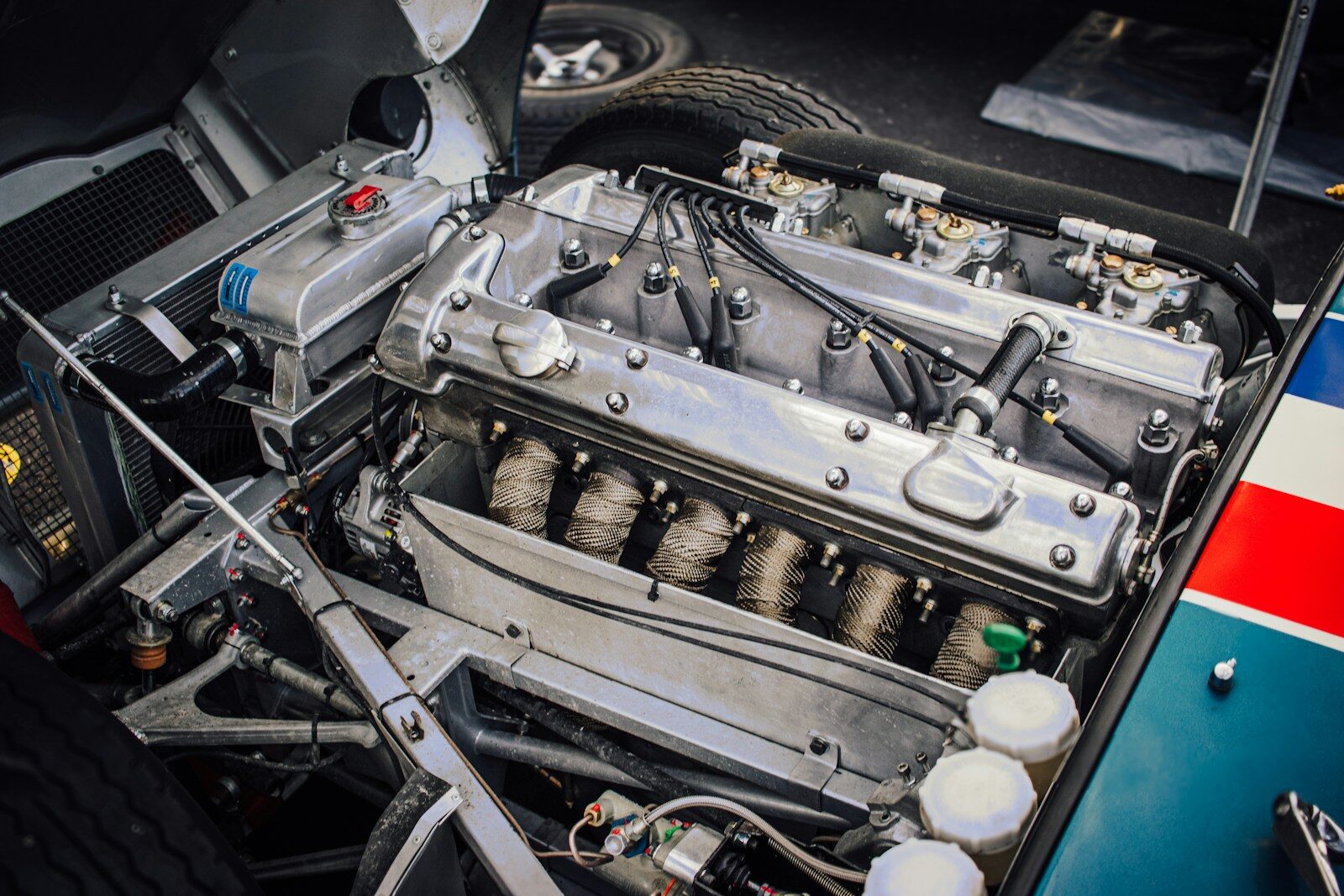
It’s a formula that can be traced back to the genesis of the modern automotive-industrial era, but the V12 has always symbolized automotive extravagance, a high-water mark of engineering desire usually found humming beneath the hood of rarefied supercars, screaming to unholy revs, emerging from Italian artisans and commanding a price outside the realm of public access. Jaguar defied that expectation. Jaguar crafted a V12 engine intended not just for limited production, not just for competition, but for ordinary consumption.
Jaguar’s engine stuffed cool sportscars, dignified luxury saloons, and marathon-running grand tourers for a generation and more. Its production of a staggering 26 years means it became one of the most enduring V12 engines to power a production road-going vehicle. The engine was impressively smooth and unstressed, and unfortunately, built up an increasingly notorious reputation for overheating and being a pain to look after.
The V12 is defined by this paradox more than any other detail. For some, this is the pinnacle of sophistication and mechanical flavour; others recall steam, weeping liquids, chronic electrical issues, and terrifying repair bills. Jaguar’s V12 is a tale of engineering excess, endurance racing class and competence, good old-fashioned luxury and enough mechanical turmoil to ensure an ongoing and interesting experience for each outing.
1. Jaguar Introduced Its Production V12 in 1971
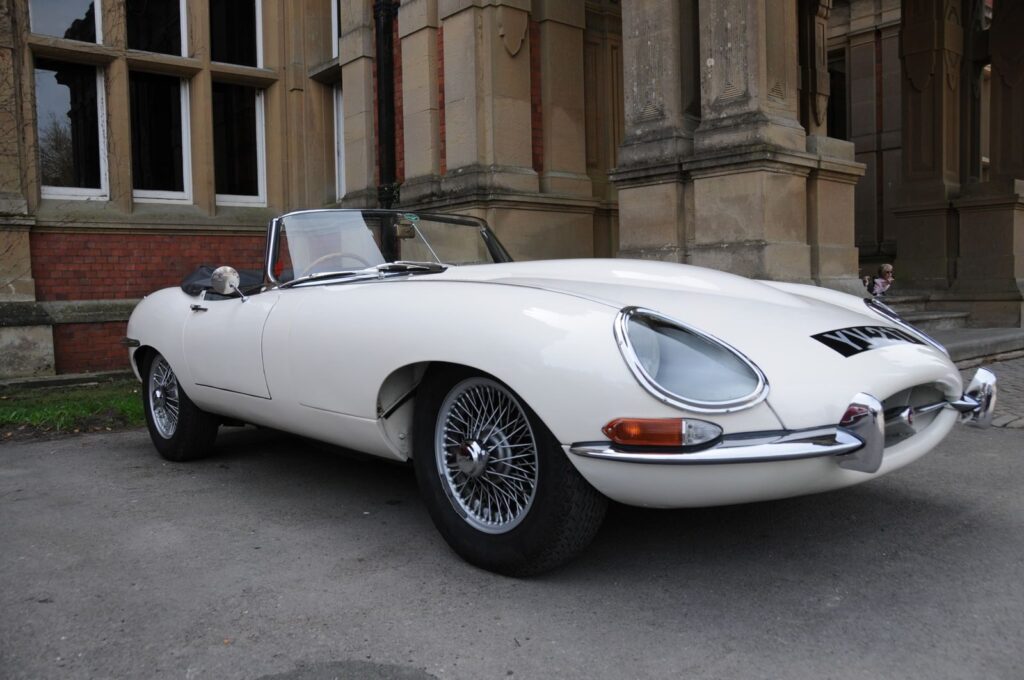
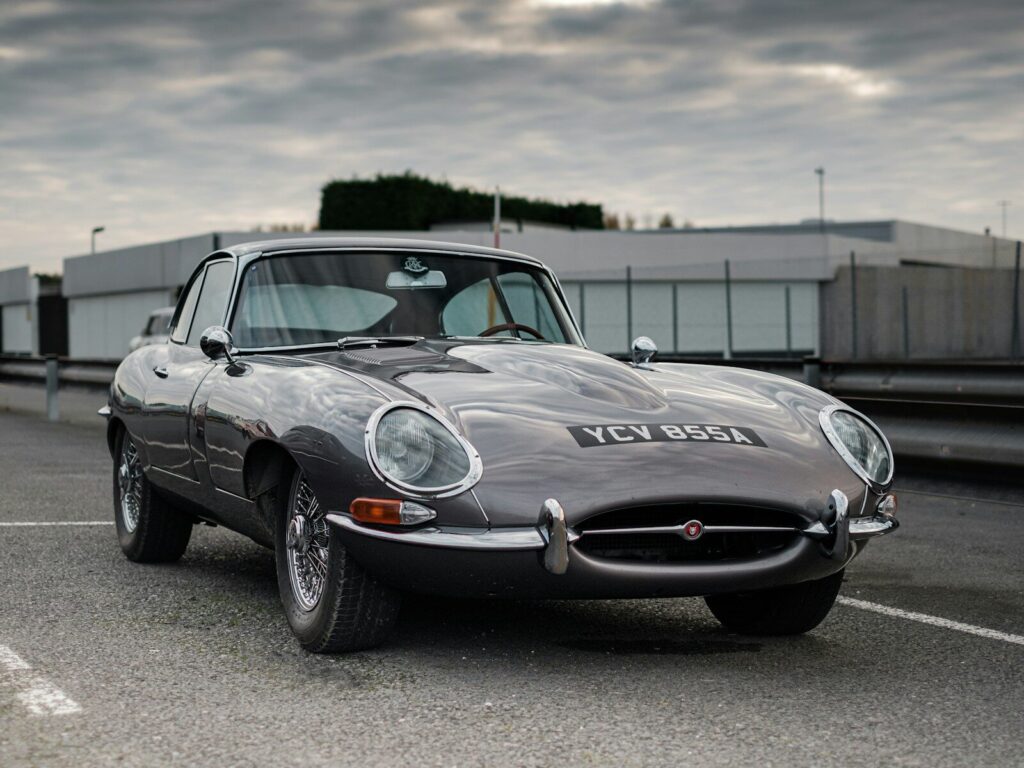
The production V12 was released by Jaguar in 1971, and was used in the final Series 3 production version of the well-known E-Type sports car. To most observers, not being an expensive, high-performance supercar or limited racing effort, this 5.3 litre engine was designed not just to fulfill the power requirements, but to be a core part of the Jaguar production road-car model range.
Models Powered by Jaguar’s Production V12:
- Debuted in Series 3 E-Type
- Used a 5.3-litre engine configuration
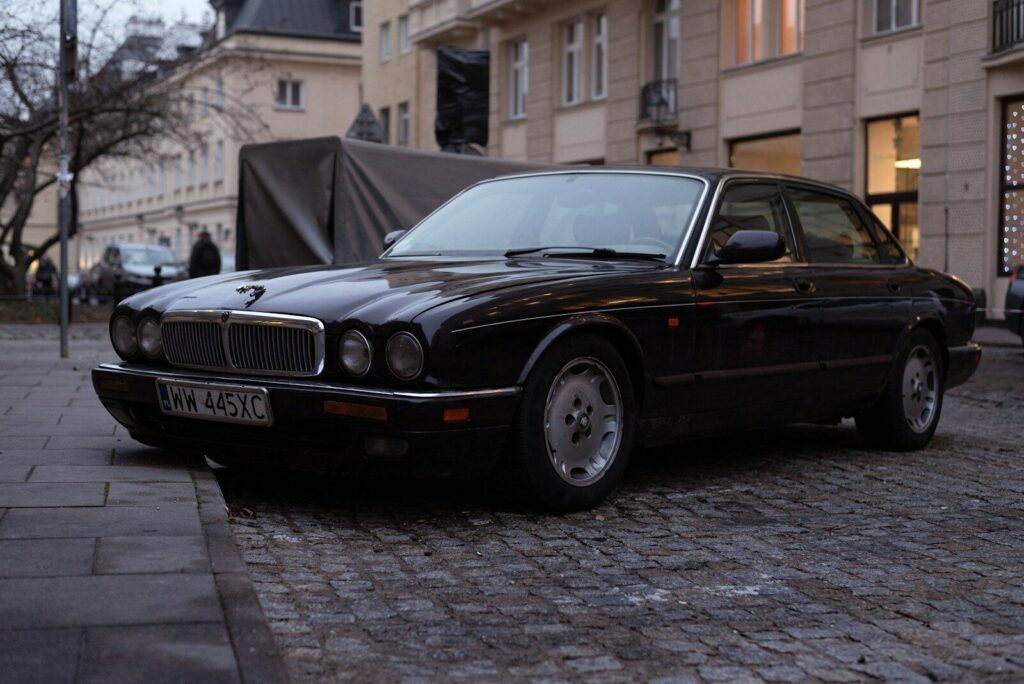
- Later powered the luxurious XJ12
- Became available within XJS grand tourers
- Remained in production until 1997
The engine would subsequently feature in the XJ12, the world’s first volume production V12 saloon, proving that Jaguar didn’t see the engine as merely a performance statement, but one capable of delivering the smooth and effortless power required by a luxury vehicle containing several passengers in remote areas.
Jaguar also slipped the V12 under the longer boned bodywork of the XJS grand tourer where it continued until 1997. Such was its ability to transcend multiple model lines that the V12 had a production lifespan of 26 years – quite unbelievable when most new engine designs have a much shorter existence.
2. The Engine Began with Racing Ambitions
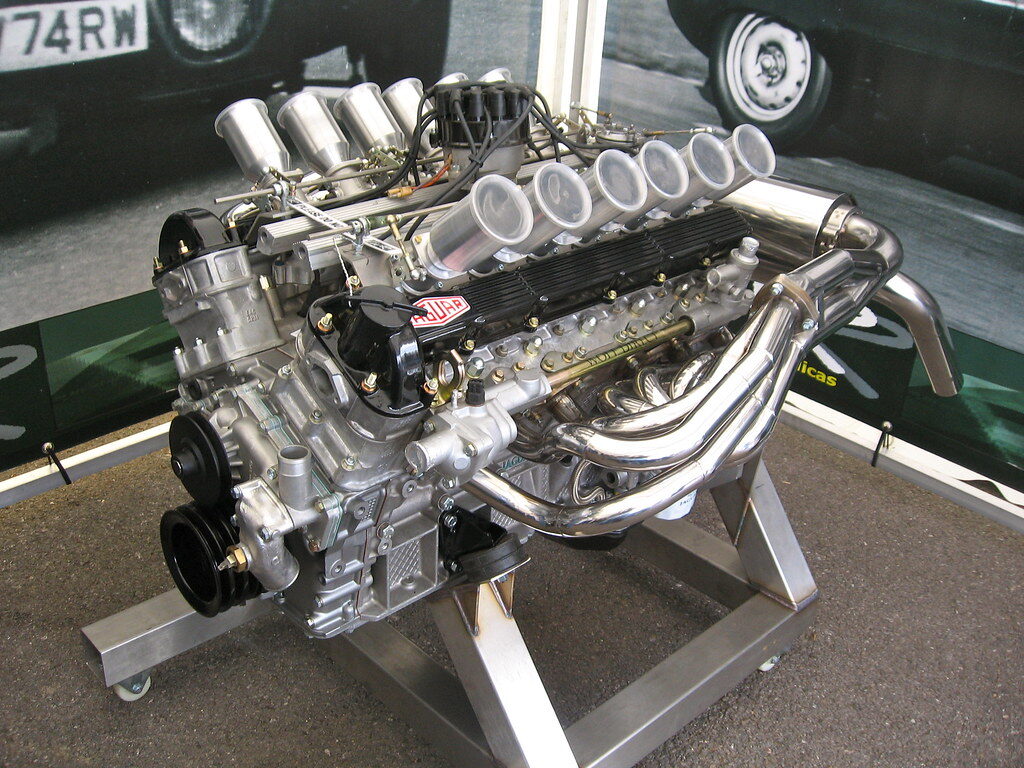
The architecture behind the production V12 originated in Jaguar’s motorsport programme. Engineers initially developed the design for the XJ13, a mid-engined prototype intended to compete at the 24 Hours of Le Mans. Although the XJ13 never entered the race, its engineering helped shape the V12 that later reached public roads.
Racing Origins of the Jaguar V12:
- Developed through Jaguar’s motorsport programme
- Originally intended for XJ13 prototype
- Designed around Le Mans ambitions
- Adapted for everyday road use
- Retained considerable underlying performance potential
Jaguar adapted and detuned the racing-influenced design to make it suitable for everyday road use. The resulting engine used an aluminium construction and a 60-degree cylinder-bank angle, a naturally balanced configuration that allowed the twelve cylinders to deliver power with very little vibration or harshness throughout the operating range.
This heritage gave the road-going V12 an unusual combination of sophistication and underlying strength. It could provide the quiet flexibility expected from a luxury car while retaining the airflow, displacement, and basic engineering potential required for serious performance. That hidden capacity would become especially important when Jaguar returned to international endurance racing.

3. Turbine-Smooth Power Defined the Driving Experience
This is where the V12 was iconic; according to period Road & Track writers, it provided “turbine-like” torque. Its ability wasn’t a by-product of loud, harsh power but a smooth and endless application of performance, carrying its great, luxury machinery with the slightest sense of vibration, stress, or effort.
Qualities Defining the Driving Experience:
- Delivered exceptionally smooth continuous torque
- Produced minimal vibration and harshness
- Operated quietly at considerable speeds
- Provided effortless long-distance cruising performance
- Prioritized refinement over dramatic excitement
The automotive writers of the 1970s said it was among the quietest V12 engines they had reviewed. Everything it did was exactly what you would expect from a Jaguar; the XJ12, the E-Type, and the XJS could be going along quite briskly while making you feel like the engine was loafing along.
Jaguar’s effortless quality helped distinguish it from more visceral Italian V12s. Ferrari and Lamborghini typically focused on high-revs, noise, mechanical theatre and immediate punch. Jaguar offered a quieter maturity; using its twelve cylinders to generate smooth confidence and long-distance capability rather than shouting about what the engine was doing.
4. Heat Became the Engine’s Greatest Enemy
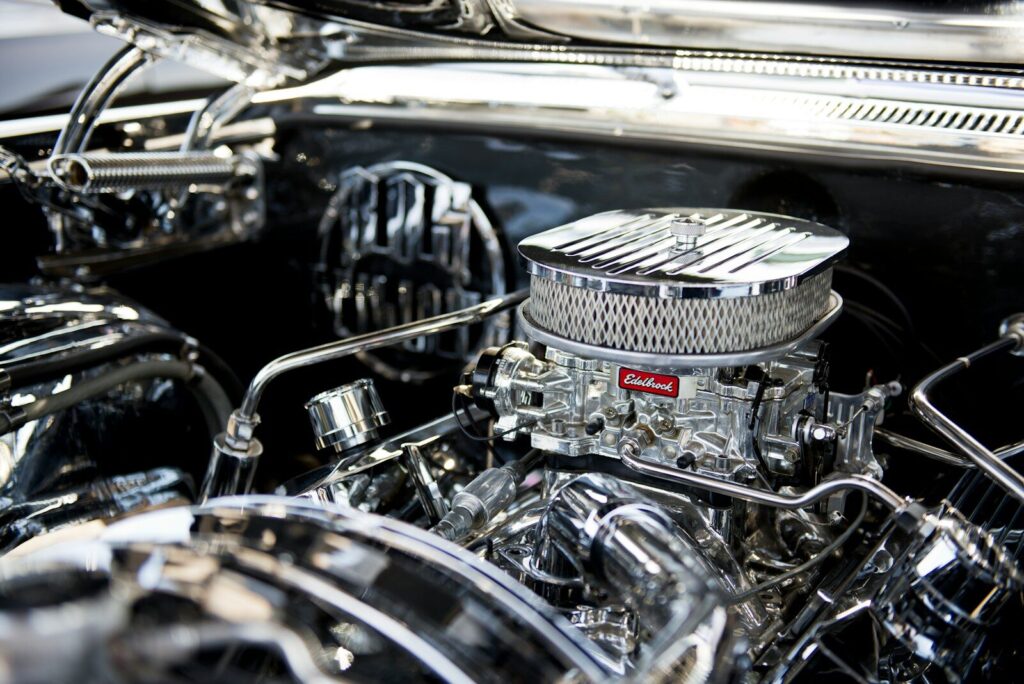
The same tightly packaged design that helped Jaguar fit the large V12 into its road cars also created serious cooling challenges. Crowded engine bays, narrow coolant passages, numerous hoses, and limited airflow made it difficult for heat to escape, particularly during slow-moving traffic or operation in warmer climates.
Cooling Problems Affecting the Jaguar V12:
- Crowded engine bays trapped excessive heat
- Narrow passages restricted coolant circulation
- Numerous hoses required frequent inspection
- Limited airflow worsened city-driving temperatures
- Overheating damaged critical engine components
Drivers often monitored the temperature gauge nervously because overheating could quickly lead to expensive damage. Experienced Jaguar specialists treated coolant hoses as consumable maintenance items rather than permanent components. A single neglected hose, blocked passage, weak radiator, or failing fan could allow temperatures to rise dangerously within a short period.
Persistent overheating could warp cylinder heads and damage other critical components. Heat also affected the surrounding wiring, vacuum pipes, rubber seals, and fuel lines. The V12 therefore required a cooling system maintained to an unusually high standard, because a minor weakness could develop into a major mechanical failure.

5. Leaks and Electrical Problems Damaged Its Reputation
Cooling problems were only part of the Jaguar V12 ownership experience. The engine could leak oil through several gaskets and seals, leaving visible evidence wherever the car was parked. Aging injection components could also allow fuel to escape, creating unpleasant smells and potentially dangerous conditions beneath the bonnet.
Common Problems Damaging the Engine’s Reputation:
- Multiple gaskets developed persistent oil leaks
- Aging injection components leaked fuel
- Heat made wiring harnesses brittle
- Electrical faults became difficult to trace
- Neglected engines developed serious reliability problems
Lucas electrical systems added another layer of frustration. Heat from the engine bay could make already delicate wiring harnesses brittle, while connectors and sensors became unreliable with age. Owners frequently found themselves investigating intermittent faults that were difficult to reproduce and even more difficult to trace through the crowded engine compartment.
These problems did not necessarily mean that every V12 was fundamentally defective. Many failures developed because maintenance was delayed or performed incorrectly. However, the engine demanded more preventive attention than many owners expected, and neglected examples quickly became responsible for the V12’s reputation as an unreliable mechanical nightmare.
6. Routine Maintenance Could Become a Major Task
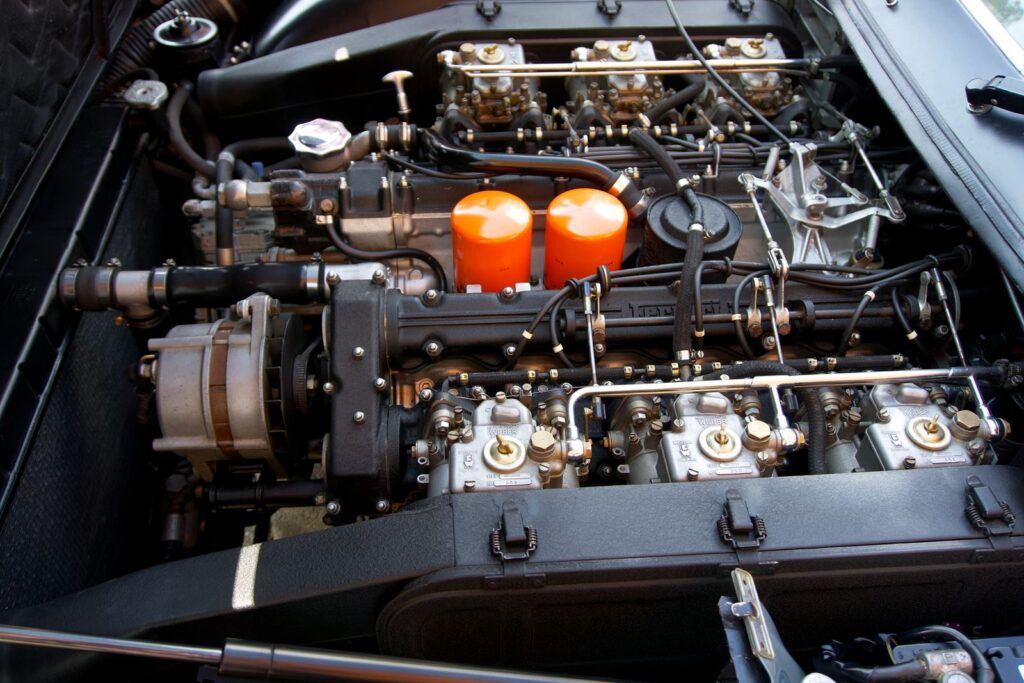
The Jaguar V12’s complexity made even apparently simple repairs intimidating. The engine filled most of the available space beneath the bonnet, surrounded by hoses, fuel lines, wiring, vacuum connections, and emissions equipment. Reaching one small component could require removing several unrelated parts before the actual repair could begin.
Maintenance Challenges Created by Engine Complexity:
- Crowded layout restricted component access
- Simple repairs required extensive disassembly
- Timing-chain tensioners could wear prematurely
- Rear cylinders received restricted airflow
- Aging fuel lines created fire risks
Timing-chain tensioners could wear prematurely, while restricted airflow around the rear cylinders intensified the existing heat problem. Vacuum lines became brittle, injection components aged, and fuel hoses could crack. Each issue was manageable individually, but several appearing together could overwhelm an owner who had purchased the car without understanding its maintenance requirements.
Early fuel-injection systems supplied by Bosch and Lucas created their own challenges. Deteriorated fuel lines occasionally caused under-bonnet fires, turning preventive replacement into an essential safety measure. The V12 rewarded careful, knowledgeable maintenance, but punished neglect more severely than many conventional engines of the same period.
7. Jaguar Adapted the Engine Instead of Replacing It
Throughout its 26-year production life, Jaguar never completely redesigned the V12. The original 5.3-litre version used four Zenith-Stromberg carburettors before the company moved to Bosch and later Lucas fuel-injection systems. These updates improved starting, drivability, emissions performance, and fuel delivery without changing the basic engine architecture.
Major Updates During Its Production Life:
- Original engine used four carburettors
- Bosch fuel injection improved drivability
- Lucas systems later managed fuel delivery
- Basic architecture remained largely unchanged
- Continuous adaptation extended engine production
The block casting, bore spacing, and 60-degree cylinder-bank angle remained closely connected to the 1971 design. Jaguar improved individual systems as requirements changed, but the company continued developing the existing foundation rather than creating a clean-sheet successor. This approach helped extend production while preserving the engine’s distinctive character.
By the early 1990s, that loyalty had become both a strength and a weakness. The V12 remained exceptionally smooth, but it also carried old packaging decisions and maintenance difficulties into a more modern automotive era. Its rivals were introducing newer engines with improved efficiency, electronics, cooling, and manufacturing precision.
8. The Final 6.0-Litre Version Improved Performance
Jaguar enlarged the engine to 6.0 litres in 1993 by installing a new crankshaft and increasing the compression ratio. These changes raised output to approximately 318 horsepower, giving later XJ12 and XJS models stronger performance while maintaining the smooth and dignified power delivery expected from Jaguar’s flagship engine.
Improvements Made to the Final Version:
- Displacement increased to 6.0 litres
- New crankshaft supported larger capacity
- Higher compression raised engine output
- Marelli ignition improved engine management
- Revised cooling channels addressed weaknesses
The final version also received Marelli digital ignition and revised cooling channels. These improvements addressed some weaknesses and provided more accurate engine management, but they did not transform the V12 into an entirely new design. Its basic geometry remained closely related to the engine introduced more than two decades earlier.
The 6.0-litre unit showed how much Jaguar could extract from the original architecture through careful development. However, it also revealed the limitations of continued adaptation. By the time production ended in 1997, the engine was refined and powerful but increasingly expensive, inefficient, complicated, and outdated compared with newer alternatives.
9. Racing Success Revealed Its True Strength
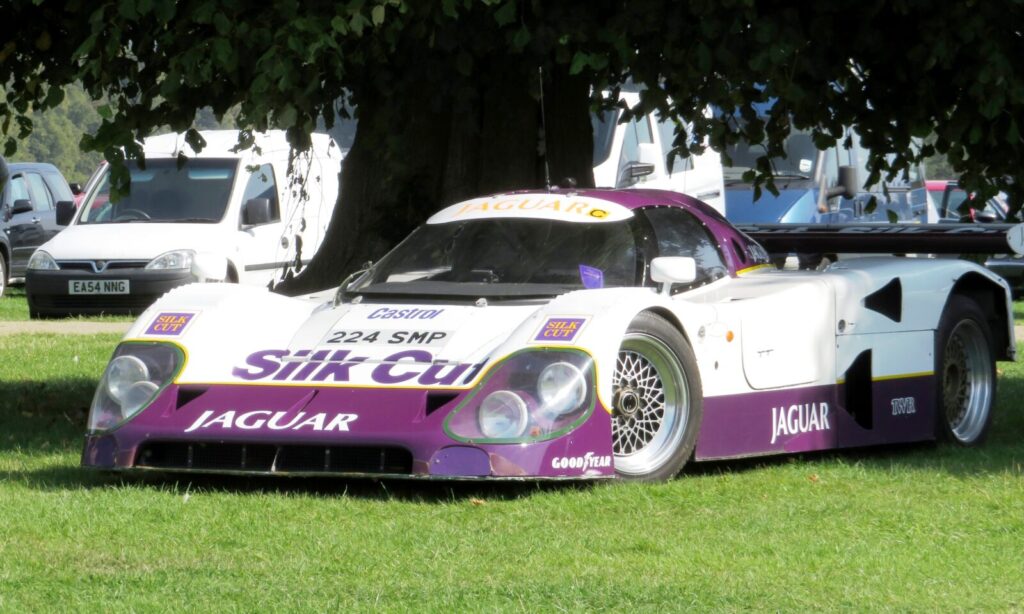
While road-going Jaguar V12s were becoming known for leaks, overheating, and roadside breakdowns, competition versions were achieving extraordinary success. Tom Walkinshaw Racing developed the same basic architecture into a 7.0-litre racing engine for Jaguar’s XJR endurance prototypes, revealing the enormous strength hidden within the production design.
Major Racing Achievements of Jaguar’s V12:
- Racing displacement increased to seven litres
- Powered Jaguar XJR endurance prototypes
- Won Le Mans during 1988
- Repeated Le Mans victory in 1990
- Proved the production block’s strength
The V12-powered Jaguar XJR-9 won the 24 Hours of Le Mans in 1988, while the XJR-12 repeated the achievement in 1990. These victories carried enormous significance because Le Mans places extreme demands on power, cooling, fuel management, durability, and continuous operation across an entire day of racing.
The competition engine remained derived from Jaguar’s production casting, proving that the basic block possessed formidable potential. Few engines associated with troublesome luxury cars could also claim victory in the world’s most demanding endurance race. This contrast makes the Jaguar V12’s history especially fascinating and difficult to judge simply.

10. Affordable Purchase Prices Hide Expensive Ownership
Depreciation eventually made V12-powered Jaguars surprisingly affordable. A new XJ12 carried a price of $72,330 in 1993, yet used examples later became available for only a small fraction of that figure. The low purchase price created one of the cheapest opportunities to own a genuine twelve-cylinder luxury car.
Financial Realities of Jaguar V12 Ownership:
- Depreciation created affordable purchase prices
- Maintenance expenses remained consistently high
- Neglected examples require costly restoration
- Strong examples attract collector interest
- Low prices never guarantee simple ownership
The difficulty is that maintenance costs do not depreciate alongside the vehicle. Cooling-system repairs, electrical diagnosis, fuel-line replacement, oil leaks, and labour-intensive servicing can quickly exceed the purchase price. Buying a neglected example may feel inexpensive initially, but restoring reliable operation can require substantial patience, knowledge, and money.
Well-preserved cars are beginning to attract stronger collector interest. A good Series 1 XJ12 may be worth around $13,300, while exceptional concours examples can approach $32,600. The Jaguar V12 remains a tempting gamble: beautifully smooth, historically significant, technically impressive, and capable of punishing anyone who mistakes affordability for simplicity.