








Unpacking Koenigsegg Ownership: From Engineering Triumph to the Reality of Maintenance Costs
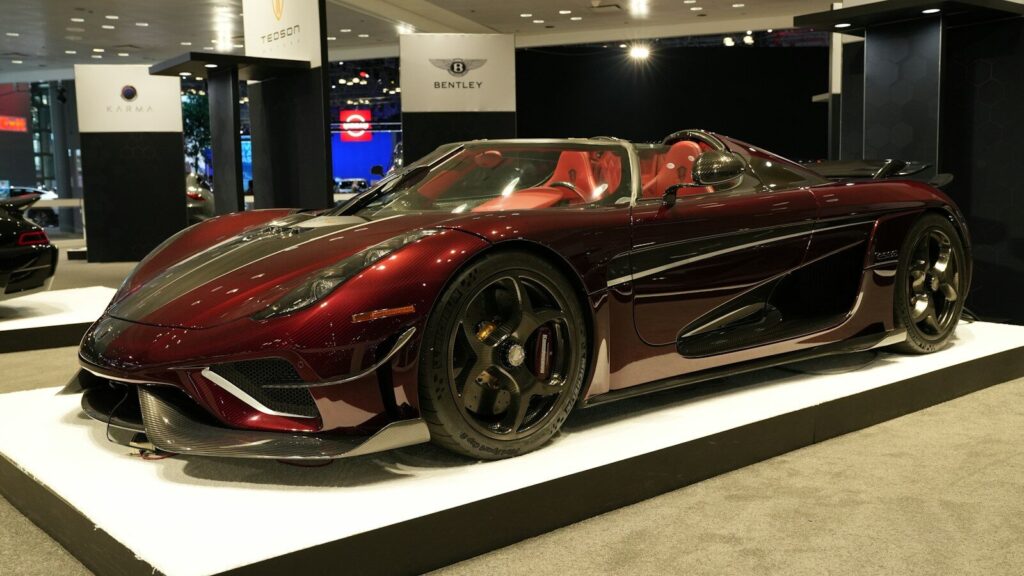
It all began with a vision that might sound crazy these days, but was pretty impressive back in 1994 to build the world’s fastest cars using a completely different approach to engineering, rather than traditions, to invent new performance solutions. Three decades later, that idea has resulted in a Swedish supercar company built on the notion that the traditional boundaries of the industry are there to be challenged, not accepted. Through ingeniously applying formula 1 engine design and construction principles, joining aerospace-grade materials with innovative technical solutions and designing down force, competitors have struggled to match Koenigsegg’s record-breaking cars, which have made world-beating vehicles the norm and inspired a new ethos of technical ambition, innovation, and engineering complexity.
The two-seaters bring engineering to extremes, using odd mechanical systems in the quest for ultimate performance. The sold-out $1.9 million Regera introduced Koenigsegg Direct Drive, which does away with the multi-speed transmission and relies on electric motors to help run the engine through its entire operating range. The Jesko and Jesko Absolut went an entirely different route, using the nine-speed Light Speed Transmission to achieve lightning-fast shift times while keeping the 1,600-horsepower output intact.The $3.7 million CC850 is another new addition to the stable, although only 50 will be built.And before taking these to the road, be aware that the purchase price is just the beginning of the cost of ownership; insurance, transportation, servicing, and repair can add up to a significant financial investment.
1. Christian von Koenigsegg’s Engineering Vision
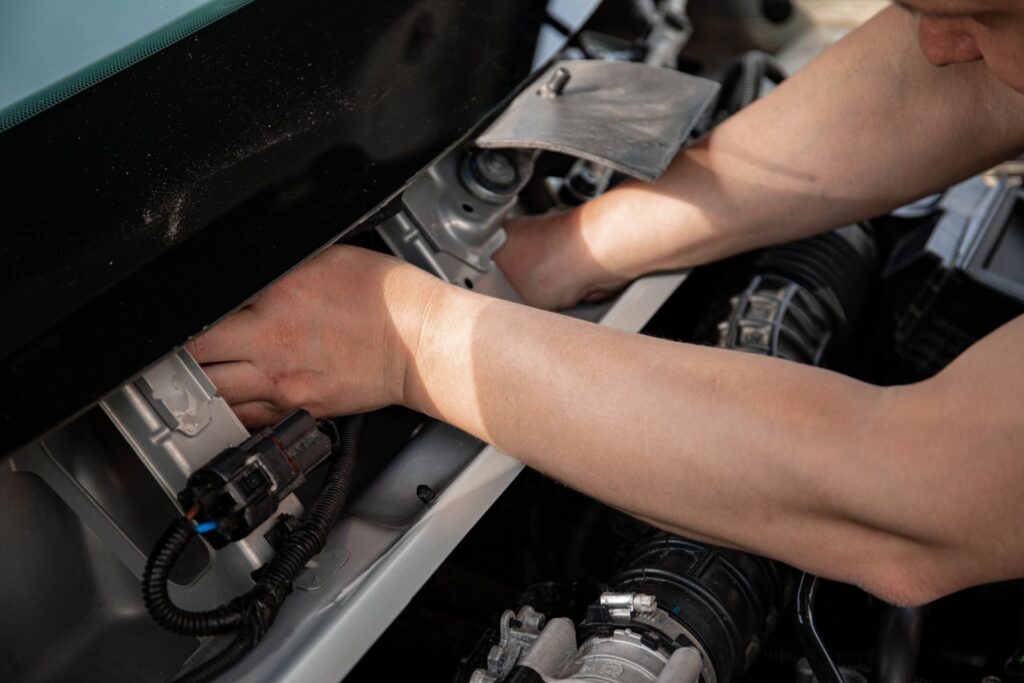
Christian von Koenigsegg’s identity has always been intertwined with the desire to challenge traditional ideas of automotive performance. Instead of merely using off-the-shelf parts, Koenigsegg has innovated solutions for critical components in its products. The result is a uniquely Koenigsegg experience in the car’s performance and their feel, even in comparison to other high-end hypercars. Technologies like the Freevalve camless engine system and proprietary transmission solutions can be broken down and shown how they promote a more innovative approach to engineering. That same spirit of innovation explains why you won’t find all of the same components in every Koenigsegg, and it contributes to the quality that makes each vehicle sold that much more special.
Engineering Principles Behind Koenigsegg’s Innovation:
- Challenging conventional automotive engineering practices
- Developing proprietary solutions for critical components
- Prioritizing innovative technology over standard systems
- Combining aerospace and Formula 1 engineering
- Maintaining highly specialized production in Sweden
Continual breakthroughs and the world speed records set by the cars have kept Koenigsegg in the public eye and the brand in demand among collectors and fans. All models are hand-built in Sweden, and engineering priorities dictated from the top have an impact on even the smallest components, not just the engine and related drivetrain elements. That can be a good thing for an owner who covets the relative uniqueness and exclusivity that comes with each build, but it can also make owning one a little more complex, since proprietary systems mean you need dedicated techs who understand the brand-specific kits and maintenance practices. In short, the car’s engineering can influence not only how it drives, but how it is owned, documented and serviced as well.
2. The Gemera’s Unusual Hypercar Formula
It’s a Porsche 911, Ferrari 488 in a Koenigsegg suit: the Regera is a hypercar packed with oddball tech and performance madness, priced at around $1.7M. Designed to be more affordable than its sibling models, the Regera remains a high-performance car that’s unlike most others in its price range, in part thanks to being a four-seater. The Gemera packs the twin-turbocharged 2.0-liter three-cylinder “Tiny Friendly Giant” engine at the heart of its hybrid package, with three electric motors supplementing. For all E85 biofuel use, the system claims 1,700 horsepower, but since the car is able to run on petrol, E85, or methanol, the engine management system maintains a bit more throttle flexibility.
Key Elements Of The Gemera Formula:
- Four-passenger configuration for greater practicality
- Twin-turbocharged three-cylinder combustion engine
- Three electric motors supporting hybrid performance
- Claimed 1,700 horsepower using E85
- Multiple fuel options increase powertrain flexibility
While the gemera’s 1.9 seconds 0 to 62 miles per hour figure mentioned makes it one hundred percent a hypercar, the limousine styling and long-range road-oriented set-up also make it substantially different from the manufacturer’s more performance-oriented machinery. It’s an effort by Koenigsegg to deliver an absolutely brute package of speed with a dash of practicality that is fairly rare in the hypercar world. This makes the gemara occupy a very particular space within Koenigsegg’s range, a car that takes the speed, technology, and efficiency of a hypercar and adds a bit of usefulness to the mix.
3. The Regera and Direct Drive
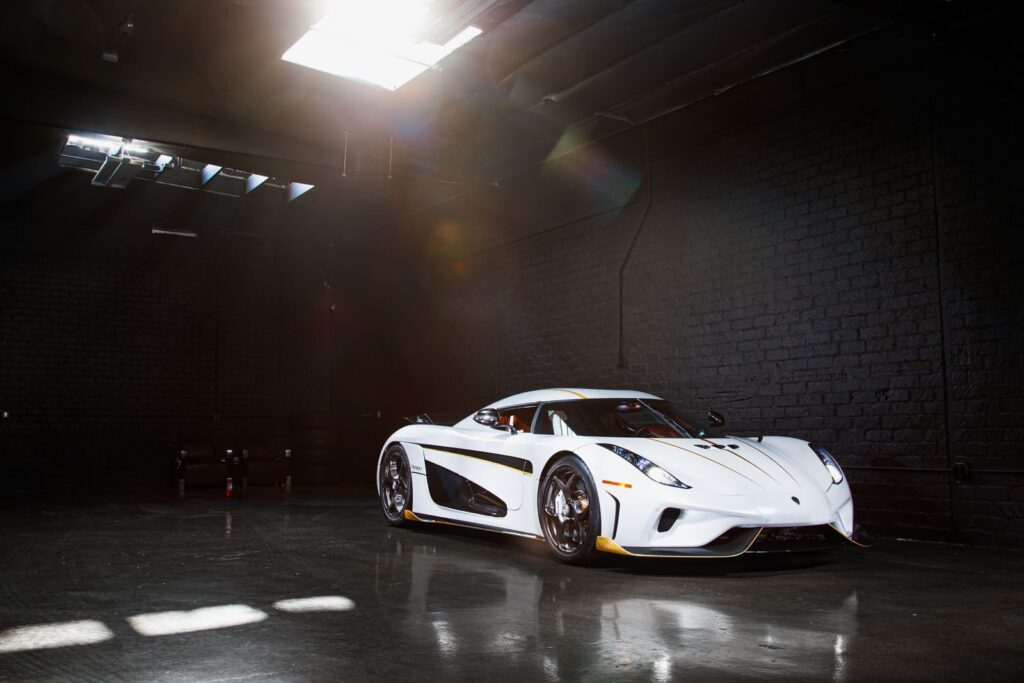
The Regera illustrates how much Koenigsegg is willing to rewrite the rulebook on traditional automotive engineering. Originally priced at around $1.9 million, the Regera was sold out long before introduction and features the Koenigsegg Direct Drive system, or KDD. Instead of the multi-speed gearbox, electric motors are used to control the operating range of the combustion engine. Leaving the traditional gears behind was no easy feat, and Koenigsegg had to invent an entirely new way of transmitting power from the combustion engine while achieving the brute acceleration that makes a hypercar great.
What Makes The Direct Drive System Different:
- Eliminates the conventional multi-speed gearbox
- Uses electric motors for power management
- Provides a single-ratio hybrid arrangement
- Requires highly specialized proprietary engineering
- Creates a distinctive hypercar driving experience
The end result of that single-ratio hybrid electric-primary system was a powertrain unlike anything its competitors used. That one feature is partly why the Regera can be so significant in the broader context of the brand, too. A system like that took a great deal of time to develop, and it is still deeply linked to the name Koenigsegg. From the standpoint of vehicle owners/collectors, it makes for part of the vehicle’s appeal, and it’s also the kind of thing that points to the fact that cars such as this may require work in the future that cannot be done through the traditional automotive service and repair systems.
4. Jesko and the Light Speed Transmission
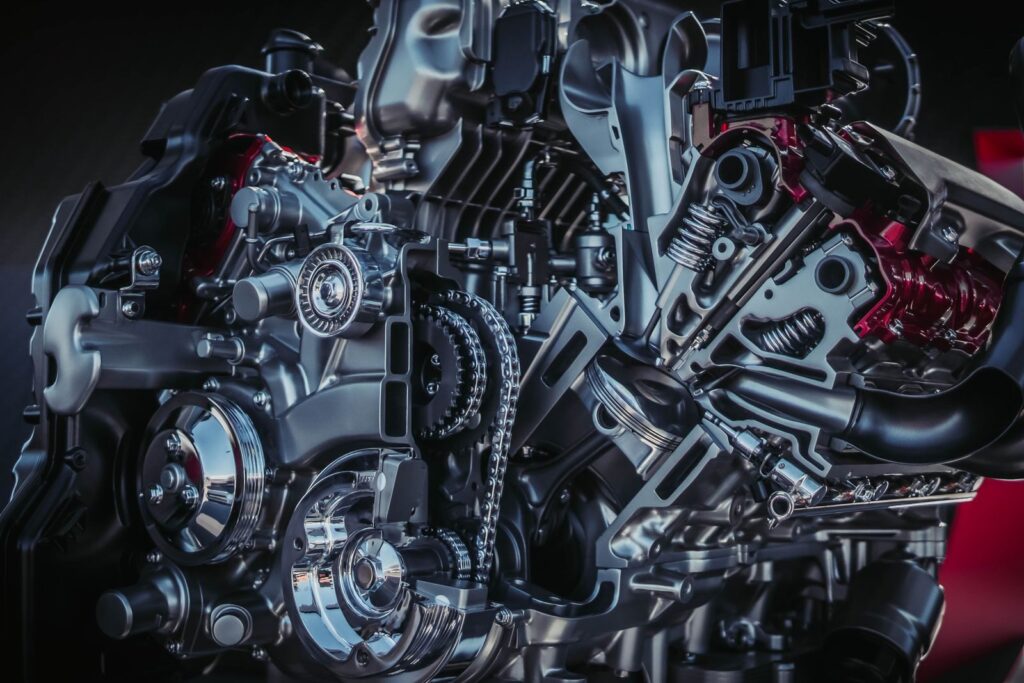
Jesko & Jesko Absolut The other side of Koenigsegg’s double speed, are the Jesko and Jesko Absolut. While the ECS1 system is an example of making a gear system disappear with the focus on a highly sophisticated transmission to absorb the unbelievable power, the Jesko and Jesko Absolut showcase another approach of Koenigsegg where in-house engineers developed what it calls Light Speed Transmission or LST. The 30+ in-house gearbox engineers work in Koenigsegg’s in-house transmissions division of around 30 engineers and developed a nine-speed multi-clutch transmission which is designed to allow faster trips through the gears without the traditional sequential step from first to eighth gear.
Features Of The Light Speed Transmission:
- Nine gears in an advanced transmission
- Multi-clutch arrangement enables rapid ratio changes
- Designed specifically for extreme engine output
- Reduces interruption during high-speed acceleration
- Developed by Koenigsegg’s specialized engineering team
The objective is rapid gear changes and minimal pause to acceleration. It’s a perfect illustration of the approach Koenigsegg takes: rather than just brute-forcing more and more power, it also evolves dedicated mechanical devices that can make it usable. The LST is just one more reason these cars are engineering exercises as much as they are luxury automobiles, and the transmission is another sign of how dedicated Koenigsegg has been in constructing Jesko. It takes more than just a big motor to handle five-times the power; the LST offers a mechanical structure that can turn it into meaningful speed, and demonstrating once again, Koenigsegg likes to build systems around what the car needs.
5. CC850 and Rising Collector Values
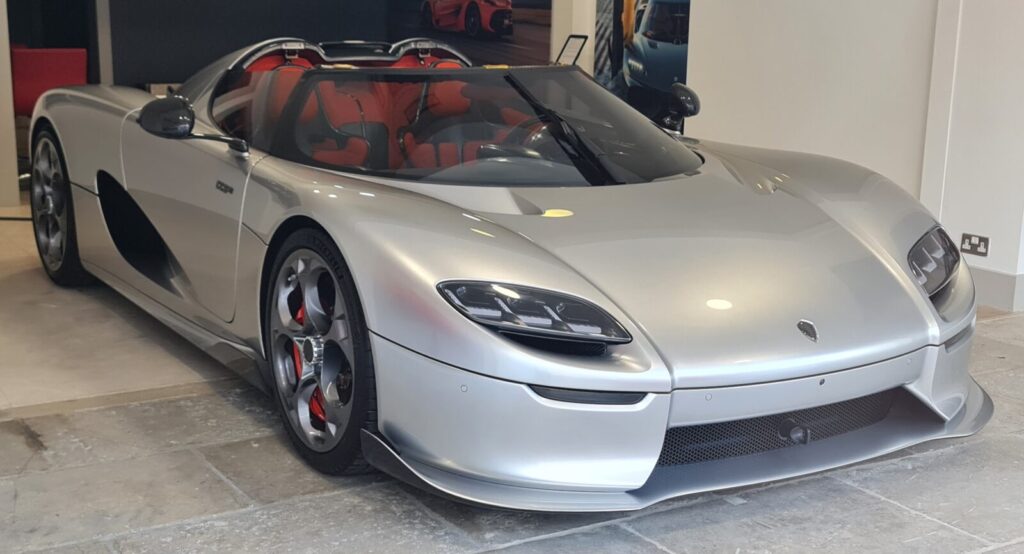
The $3.7 million CC850 also has a unique place in the Koenigsegg family. Only 50 units of the anniversary edition were built, and while all Koenigseggs are rare, this is incredibly limited by hypercar standards. This limited run only further solidifies this hypercar company’s collector-focused focus. The company’s previous models have also realized considerable increases in value on the secondary market. The Agera RS was originally priced at around $2.5 million through its 25 cars, with one hitting the auction block at between $5 million and $9 million.
Factors Influencing Koenigsegg Collector Values:
- Extremely limited production numbers increase scarcity
- Proprietary technology strengthens collector interest
- Brand recognition supports secondary-market demand
- Auction prices can exceed original purchase prices
- Build positions may trade above listed prices
The Regera was sold in the ballpark of $3.5-$5 million, and the stated values of Koenigsegg Jesko build positions have been reportedly sold at a 20 to 30% over list premium. These numbers reflect a crucial aspect of Koenigsegg ownership: the ownership financials do not necessarily stop with the original purchase. Rarity, technological infatuation, brand cachet and acquisition friction and the market demand influence resale valuations. For collectors, the vehicle may therefore be several things at once: a technological innovation in automotive engineering, and a major financial asset. Meanwhile, the second hand pricing may fluctuate depending on the car, market conditions, specifications, mileage, provenance and purchaser demand. The scope for appreciation, therefore, is only one component of the broader financial equation of these extremely rare hypercars.
6. Financing a Multi-Million-Dollar Hypercar
Buying a Koenigsegg requires a very different type of financing than buying a regular car. Specialty exotic and collectible car lenders including J. J. Best, Premier Financial, and Woodside Credit typically lend to customers who have a considerable amount of money they are able to put down towards the purchase. Down payments average 20%-40% of the vehicle purchase price depending on the loan term and what the customer looks like from a financial perspective. For a vehicle with a price point in the multi-million-dollar range that’s hundreds of thousands and possibly a million dollars or more in cash up-front. Rates generally run from about 4.0%-9.5% and loan terms can be as long as 144 months or as short as a balloon payment.
Financial Requirements Can Include:
- Substantial upfront capital for purchase
- Down payments between twenty and forty percent
- Interest rates varying by financial profile
- Extended financing terms for qualified buyers
- Potential balloon-payment financing arrangements
Lenders also look for strong financial indicators as well, including FICO scores of 720 or higher, with 780-plus preferred in this type of financing scenario. Liquidity reserves documented to fund 12-24 months of payments, as well as climate-controlled, secure vehicle storage, are likewise typically required. This is the nature of economics when you’re standing before the proverbial house. Koenigsegg financing means much more than qualifying for a car loan, as buyers need to have something of sizable liquidity and a strong credit history, as well as one or more carefully thought-out places to put their new pride and joy before they can obtain financing.
7. Acquisition and Factory Support Costs
The purchase price is simply the beginning, and factor in sales tax, registration, local property taxes, documentation fees and extended warranty plans and it can be an additional 8 to 12 percent added to the price before the vehicle arrives. For a hypercar in the multi-millions of dollars range, that is a significant amount of money on top of what you already paid. After delivery, the owner then enters a global network of support centered on the Koenigsegg facility in Engelholm, Sweden, with qualified service support available in California, Florida, Europe and the Middle East.
Additional Ownership Costs To Consider:
- Taxes and registration increase acquisition expenses
- Documentation fees add to delivery costs
- Extended warranties may require additional spending
- Specialized service networks limit repair options
- Vehicle transportation may be required for servicing
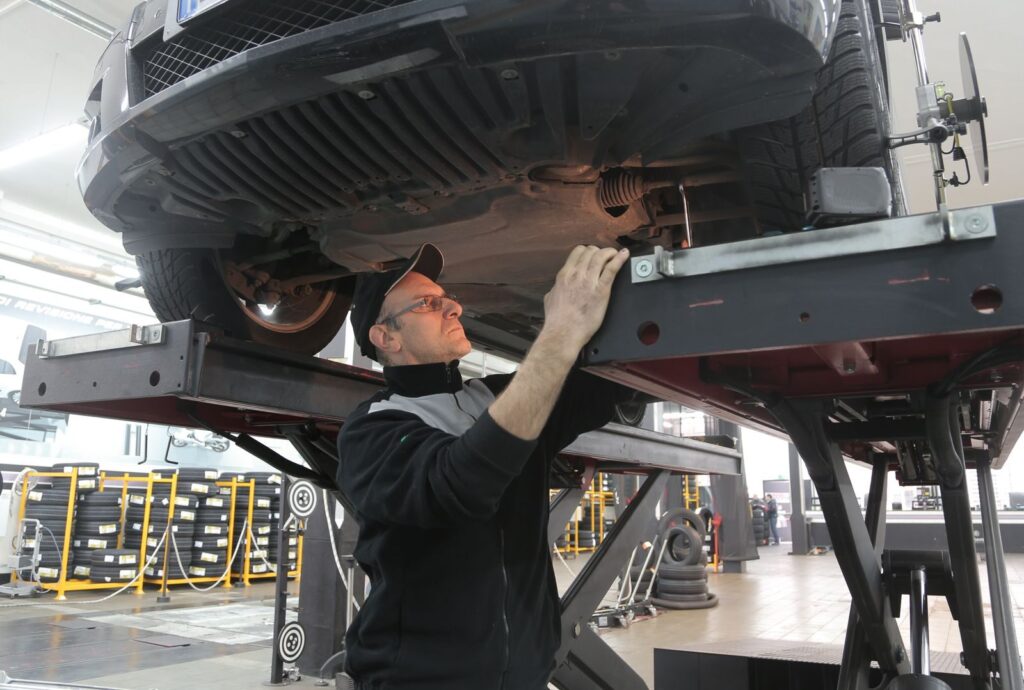
Owners who fall outside of those dealership networks may have to make arrangements for special transportation needs to get the work done. That logistical challenge can be a consideration of ownership. Like any specialized machine, a vehicle of this nature can’t always be expected to be handled at just any local showroom. Transportation, factory support, technicians’ availability, scheduling all of those considerations will factor into the owner’s ability to perform long term maintenance and service on such a specialized machine. Distance from a factory authorized servicing dealership can make simple visits to the shop into logistical events, which can be another factor in the cost of ownership of a vehicle.
8. Routine Maintenance and Major Repairs
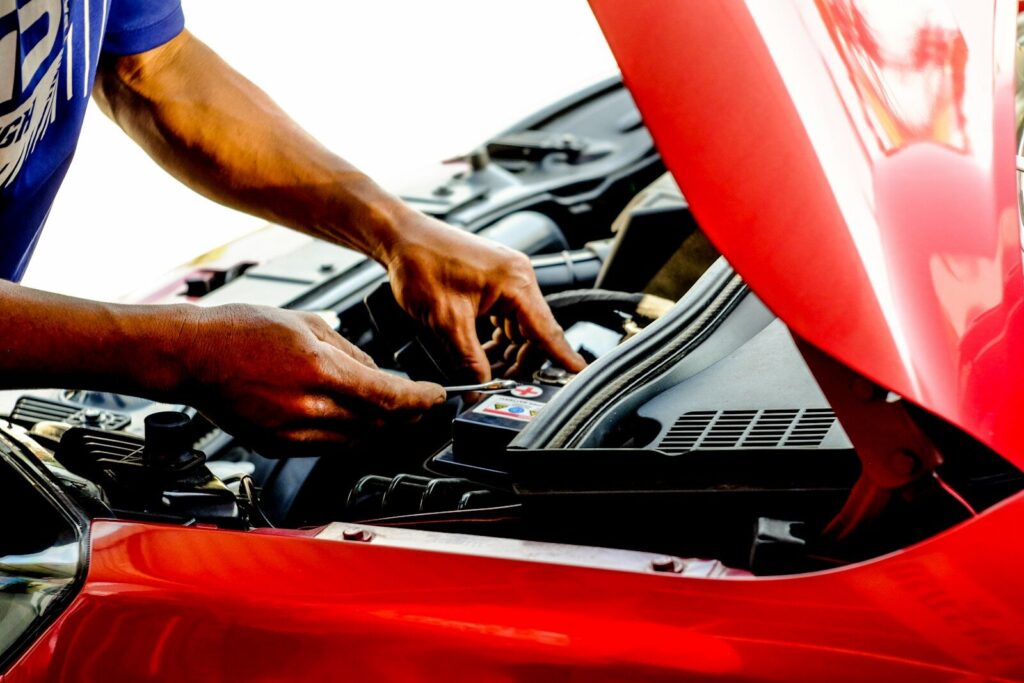
For regular annual maintenance, the cost of service for these hand-built hypercars may range from $20,000-$50,000, even if the car is driven consistently or mostly stored. Regardless of the frequency of use, the service on these types of vehicles can be extremely costly as various instruments, machinery, and parts are needed for the car to run effectively. Typically, high-mileage service intervals, around 30,000 to 50,000 miles, might involve overhauling and maintenance on the spark plugs, engine temperature, and the vehicle’s transmission fluid.
Maintenance Expenses Can Become Substantial:
- Annual servicing may reach tens of thousands
- Major inspections cover numerous drivetrain components
- Specialized technicians handle complex maintenance procedures
- Bespoke tires can cost around $30,000–$40,000
- Carbon-ceramic brakes can exceed $80,000
They bring even more epic tabs. A set of tailor-made performance tires range from nearly $30,000 to $40,000, and a full set of carbon-ceramic brakes tops out at over $80,000. A simple oil change service from factory-trained technicians can run towards $25,000 in some conditions. After the warranty period is over, an independent exotic specialist can cut down on labor cost by 30% to 50%, but a dealer’s stamped records would still be essential for resale values. The scope of maintenance alone illustrates how even a fairly modest ownership experience can start to spin out of control when everything that can be made to last, indeed must be made to last.
9. Insurance and Track-Day Expenses
Specialist insurance coverage for the Koenigsegg Many insurance companies don’t give the correct real market value of the car, specialized insurance coverage is necessary. Top annual premiums: approximately $15,000- $40,000 with skilled insurance carriers including Hagerty, Chubb, PURE, and American Collectors Insurance. Agreed-value coverage is crucial for collector cars valued at a high amount, it sets the vehicle’s insured value beforehand versus using a regular valuation by means of depreciation.
Insurance And Track Costs May Include:
- Specialized insurance for high-value vehicles
- Annual premiums reaching tens of thousands
- Agreed-value coverage for collector vehicles
- Supplemental insurance for closed-circuit events
- Separate venue fees for track activities
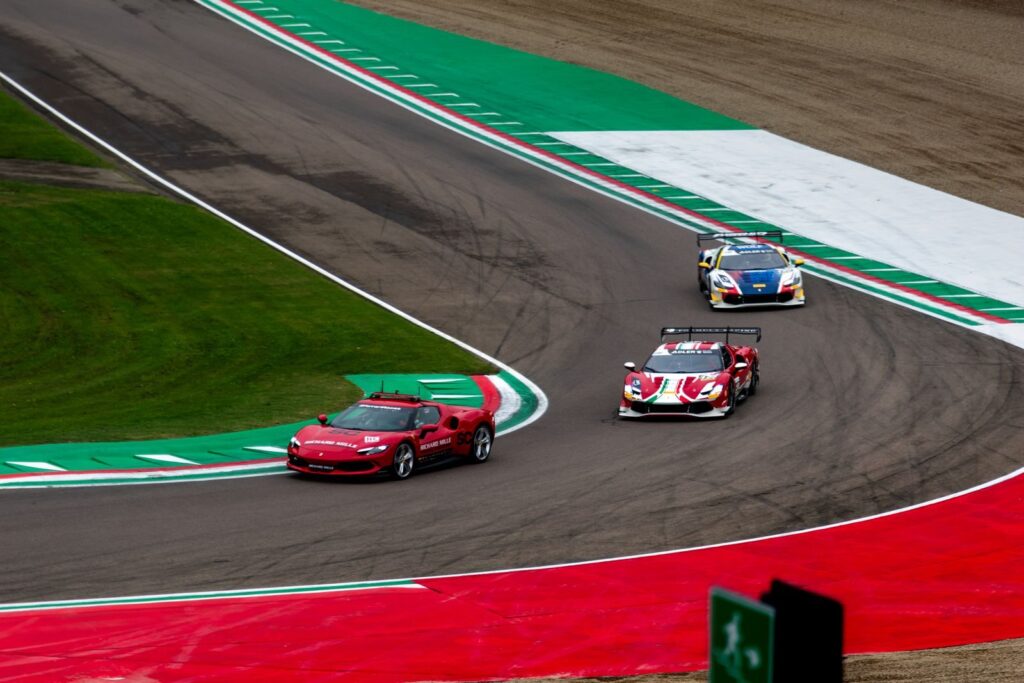
Owners planning to use their cars on a closed circuit face yet another financial consideration. Additional track-day insurance, for example, might be $200 to $500 for each event, while the cost of venue rental might be another $200 to $600. Since repairs on a car of this nature can be extraordinarily costly, it might be prudent to set aside a maintenance reserve of perhaps 3% to 5% of the vehicle’s market value each year. Thus, the structure of insurance is intrinsically tied to the way the car will be used, and owners who keep their cars parked more frequently have very different needs than owners who participate regularly in closed-circuit events. Regardless, both the value of the vehicle and the potential cost of repairs make specialized financial considerations important.
10. Storage and Everyday Ownership
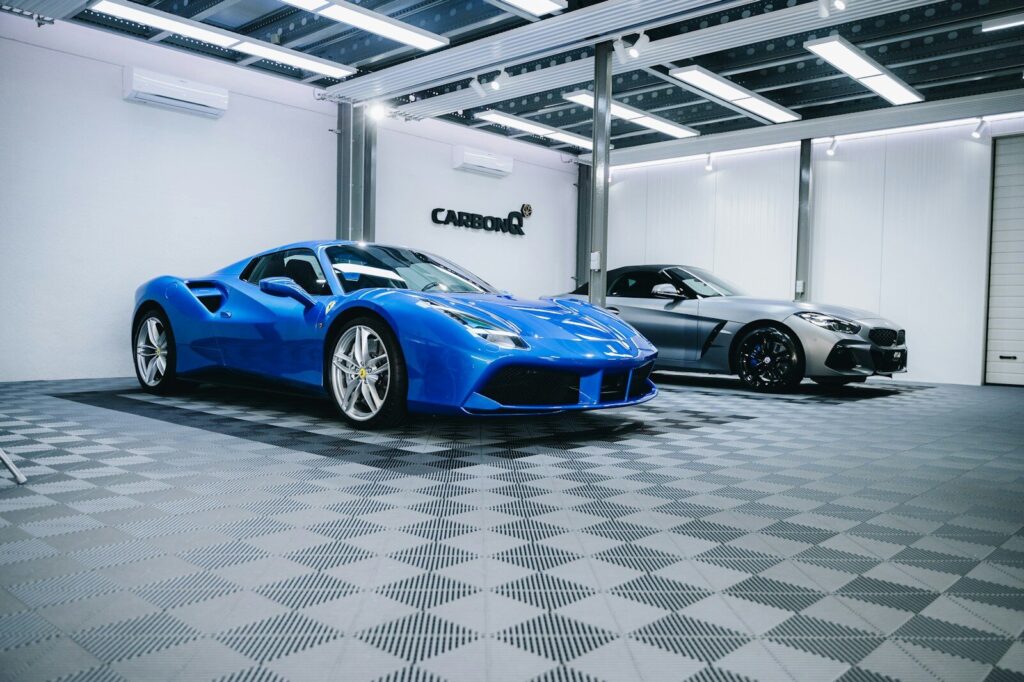
Koenigseggs have to be kept from the elements even when they’re not in use. Climate-controlled storage in larger metro areas can be $200-$1000 per month and shield the vehicle from the weather that can impact the materials and finishes, as well as sensitive electronics. Owners can also pay to outfit the vehicle with a custom indoor cover (around $300-$800), as well as a battery-maintainer for $50-$100. Cosmetic detailing is another monthly expense, with professionally applied paint correction, polish, and other finishing improvements costing anywhere from $150-$400 a quarter.
Protecting The Vehicle Between Drives:
- Climate-controlled storage protects sensitive components
- Custom indoor covers help preserve finishes
- Battery maintainers support long-term vehicle storage
- Professional detailing protects exterior presentation
- Paint protection reduces cosmetic wear
Around another $2000-$7000 for a paint protection film, and perhaps another $1000-$2500 for ceramic coatings. None of that can change the inherent appeal of owning a Koenigsegg, it can merely highlight the realities behind the photography of a multi-million dollar Swedish hypercar. The garage it is kept in, the engineering it needs to be used to its full potential, the special servicing it will require, and the handful of extra dollars it will take to keep it in quality condition are all part of the purchase. If you understand those caveats and why they exist, then a Koenigsegg becomes not just a matter of far-too-much money, but a far-more-interesting relationship with a very important and exceptionally technical car.


