






Corvette Number One: The Legend That Hushed an Empire of Horsepower
The atmosphere of Corvettes of Carlisle is really second to none in the entire world of motoring. It is not inanimate, as engines, conversations and American high performance culture blend into a continuous thundering. Polished automotive specimens can be seen to span across the fairgrounds, and each represents a specific age of technological intent. It would be reasonable to say that every model from the classic muscle car to the modern supercar vies for dominance in loudness, presence and sheer power, and beneath it all there is a profound level of respect; a recognition of each and every machine present representing something more.
Not only is the machinery part of what is truly unique, but so is the emotion that each and every item here seems to possess. Enthusiasts not only simply witness the vehicles, but they interact with them. Every single Corvette here has its own distinct character from age, design variations, race history, and individual ownership, and as their owners discuss horsepower figures, particular trims, restoration levels, and their own individual experiences, they are sharing what is in actual fact, love. Mechanical feats have become the culture that is memory, history driven rather than displayed behind glass.
And yet, even amongst the icons, there are some things which change everything. When Corvette number 001 rolled up the level changed. The sound didn’t die down, but there was not as much sound, attention was not diverted. Without any overt actions or high speeds the car projected its own personality upon the event. Its importance was less about function, and more about status as a part of history which brought people rather than what it did, but why it did so.
1. Arrival That Changed the Atmosphere
Corvette Number 001 was unlike any show car that ever made it to Carlisle. No rumbling exhaust or flamboyant entrance needed-just a cool, steady hum that separated it from anything and everyone in its surroundings. As Number 001 rolled onto the grounds the din of the crowd seemed to die down and the most hardened collector would look up. Not to “oooooh and aaah” but to acknowledge something significant that can’t be duplicated.
Atmosphere Shift Around Corvette No. 001:
- Silent yet commanding arrival presence
- Immediate attention from collectors and enthusiasts
- Noticeable shift in event energy and pace
- Natural crowd formation without prompting
- Recognized historical significance
What made the event more special was the reverence the presence of the car commanded. The cacophony of the event that normally included the roar of Carlisle-engines, the speaker’s voice, the endless chitchat, appeared to falter and pause with its appearance. Without a word the cameras were instinctively lifted and people made room. In a show-field filled with automotive luminaries Corvette #001 did not come across as another display but as something that represented the “start” from where it all began.
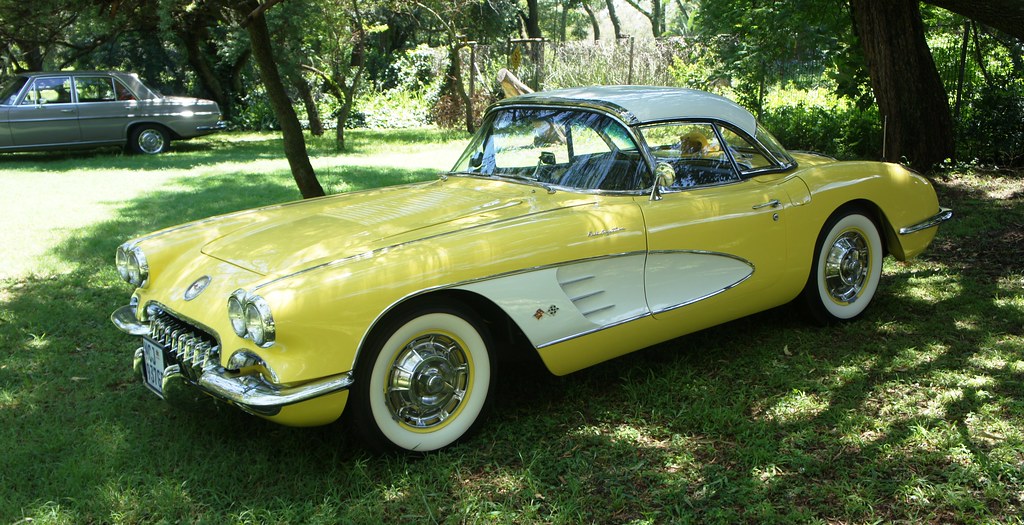
2. Silence Born from Respect
There are cars that do wow, and then there are cars that make the crowd fall silent. The first production ‘Vette, number 001 definitely fell into the latter category. It wasn’t the over the top design, the over-powered nature that made you stop, but rather its inherent sense of beginning, of inherent “start” that changed your mannerisms.
Respect and Recognition Around Corvette No. 001:
- Presence rooted in historical significance
- Subtle, non-performative visual impact
- Instant attention from experienced judges and collectors
- Shift from observation to deeper evaluation
- Emotional response rooted in automotive history
Even the most experienced of judges, many who have judged rare and important Corvettes for years, would pause and carefully study this one anew. There was no power calculation or numbers that influenced the reaction. There was the sense of what it was to the larger continuum of American performance.
That silence around it was not vacant, it was full of reverence. Reverence for a car that gave birth to the beginning of what we have today, where every Corvette owes something to its beginning and only those that know this offer quiet reverence, not for what is done today but what had to be done.

3. Meaning Beyond Performance
Let’s be perfectly clear, Corvette No. 001 stands no chance against today’s supercars on paper. Its inline-six and simple driveline don’t even remotely compare to what we’re capable of building today. It would be foolish however, to measure Corvette No. 001’s worth based on its performance capabilities alone. It doesn’t get points for how well it performs on a road, but rather for what it represents in history.
Historical Significance of Corvette No. 001:
- First step in Chevrolet’s Corvette legacy
- Early exploration of American sports car identity
- Simple mechanical layout reflecting its era
- Fiberglass body as an experimental innovation
- Symbol of post-war automotive ambition
From its every bolt to its last curve, this car signifies a point in transition for American automotive design. Its creation happened during a time where automakers were in a period of defining themselves, feeling out what performance and style could mean in the post-war era. The application of the fiberglass body, simple interior layout, and relatively conservative engineering shows both a sense of risk taking combined with the restraint which accompanied such experimentation. Corvette #001 is more than just a car, it is a testament to Chevrolet taking the plunge and a physical record of an experiment to move into a world of sports car manufacturing without being quite sure where such an endeavor would lead, yet determined to pursue innovation.
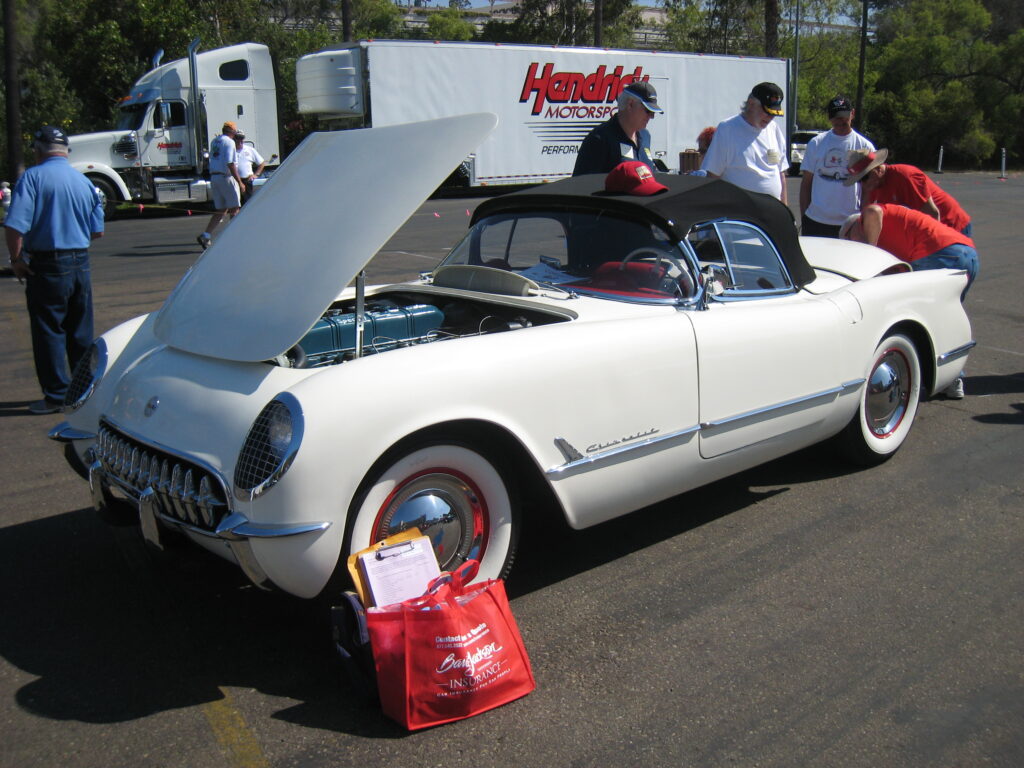
4. The Center of Attention at Carlisle
When an event is packed with iconic Corvettes, it’s tough to carve out your own identity. Big-block beauties and race-bred siblings of the first true production performance car will always get attention with sheer power and uniqueness, but modern mid-engine offerings bring exotic style to the forefront. The Corvette #001 at Bloomington was a stand-out, but not due to sheer power, performance or exclusive style. It stands apart because it simply isn’t compared, and it can’t be. It isn’t a step in the development of the car, it is the start of the car.
Why Corvette No. 001 Became the Focal Point:
- Positioned as the origin of the Corvette lineage
- Beyond comparison with later performance models
- Attracts historical rather than technical interest
- Acts as a reference point for the entire model range
- Draws attention from across all Corvette generations
No one gathered around it and discussed horsepower numbers or technical specs. They were there to comprehend context. Each Corvette lined up at this event, from the earliest production models to the modern C8, was linked indirectly to this one specific automobile. It served as the quiet baseline to which everything else that came next in its lineage owes some definition.
To that extent, Corvette No. 001 does more than just represents the start of a model-it represents an explanation as to why the entire story of the Corvette exists. Without it the entire history of it’s progression has nowhere to hook itself.
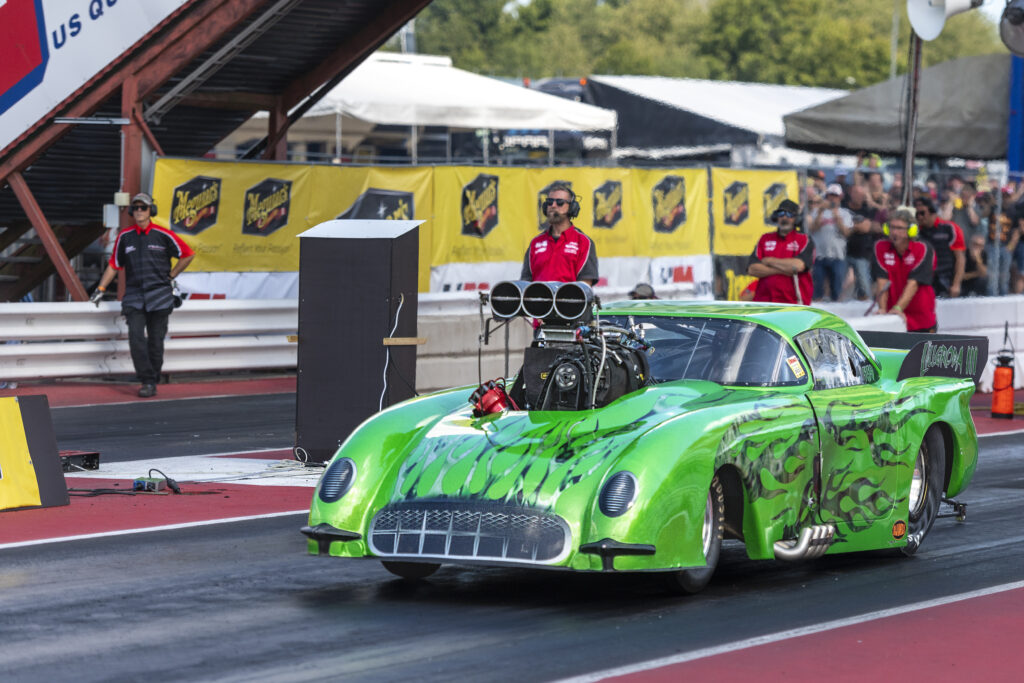
5. The Concept That Started It All
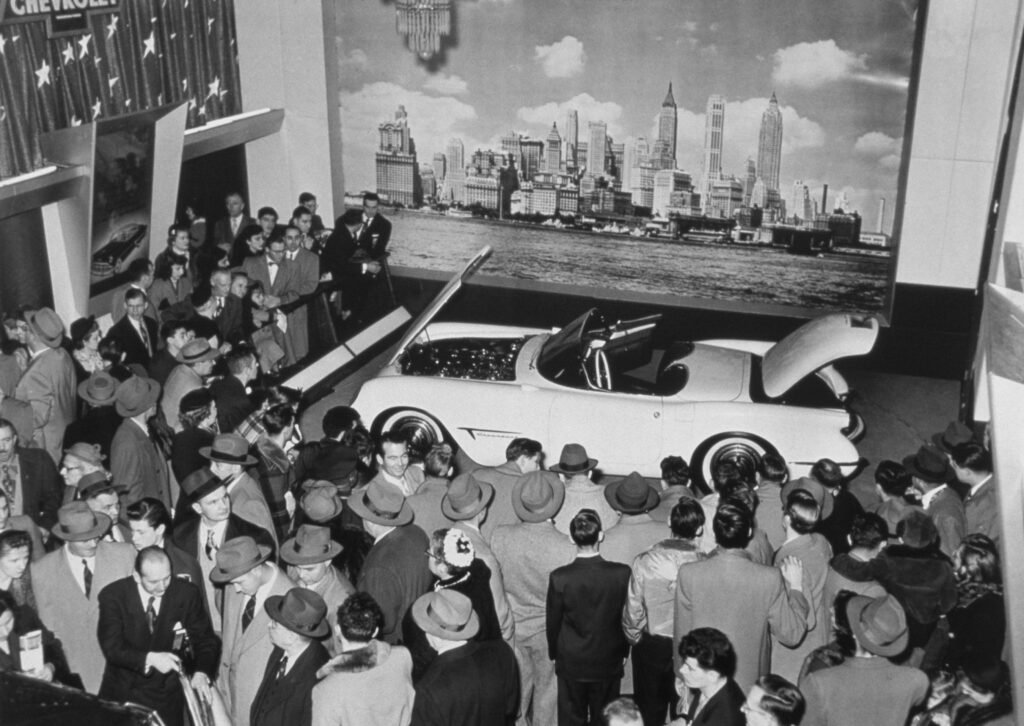
While a production reality at a later date, the Corvette itself was originally the experimental EX-122, a groundbreaking exercise which re-directed the aspirations of the Chevrolet marque. Built on the roadster concepts being pioneered in Europe, it was re-interpreted in American terms-in terms of availability, visual appeal, and developing performance ethic-and wasn’t built simply as another car. The concept was more about changing the definition of what Chevrolet had become and could be, especially with the introduction of fiberglass which allowed designers liberties not feasible with steel; it enabled development to move more rapidly and experimental procedures to be more fluid than they could be with conventional steel-bodied cars.
From EX-122 Concept to Corvette Production:
- Original prototype designation: EX-122
- Inspired by European sports car design
- Early use of fiberglass body construction
- Shift toward American sports car identity
- Rapid transition from concept to production model
The public’s response was swift and incredibly significant. It confirmed there was considerable demand for a stylish and sporty American automobile that performed beyond merely transporting occupants. The resulting excitement prompted Chevrolet to expedite the Corvette’s development process taking a concept car and turning it into an automotive icon almost overnight.
Corvette Number 001 is the tangible manifestation of this exciting time. It signifies the point in which the concept car’s promise transitioned into a viable reality.
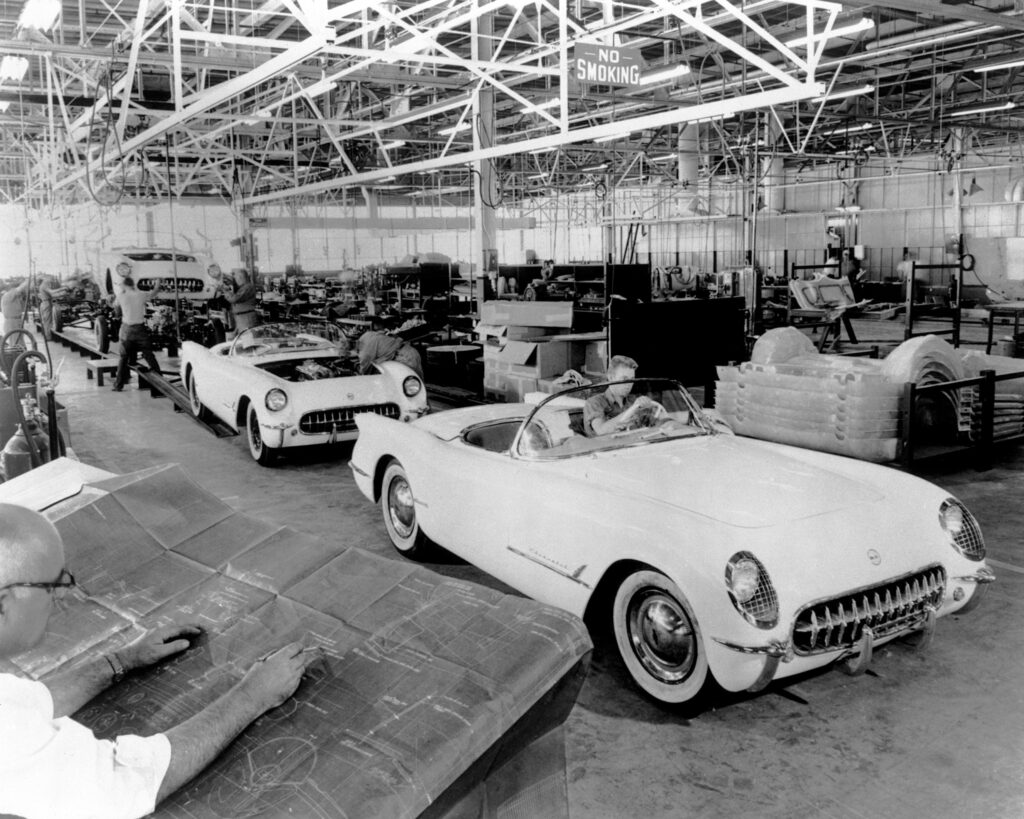
6. Birth of a Production Milestone
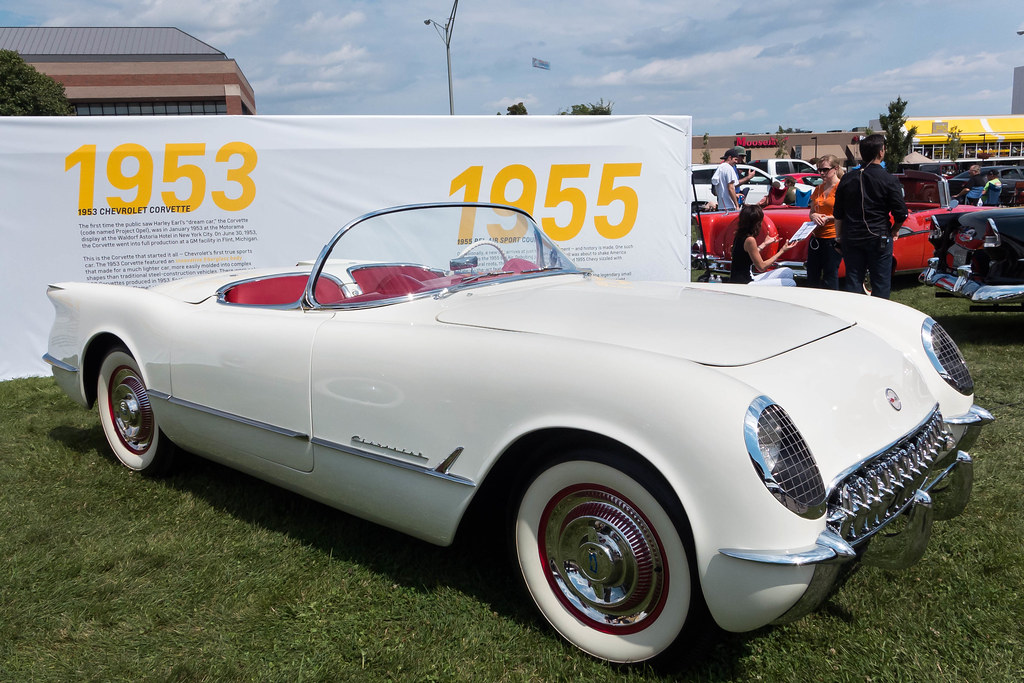
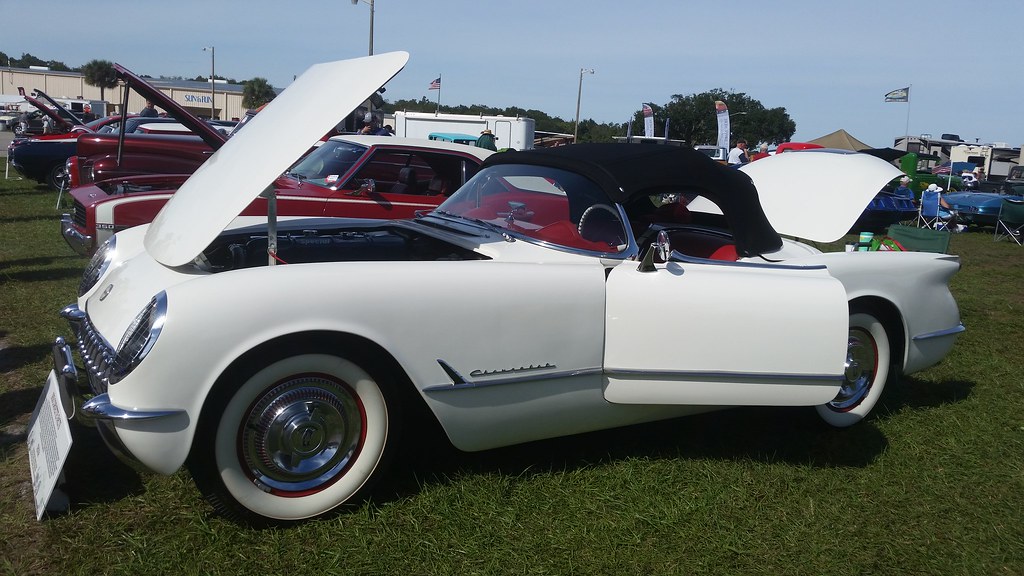
When the first Corvette, number 001, was assembled in 1953, it was the start of an exciting new era of American auto design. Building them in this era, when manufacturing was still being developed, the first Corvettes were very hand built in feel. They each varied somewhat as they were the first few and therefore experimental.
Early Production Identity of Corvette No. 001:
- Built in 1953 as part of the first Corvette production run
- Hand-built characteristics with minor unit-to-unit variation
- Polo White exterior finish as the signature early color
- Red interior contrasting design theme
- Transition phase between prototype and mass production
Styled in its recognizable Polo White livery, the vehicle reflected a concentration on being simple, transparent, and representative of the company. This color scheme contrasted sharply with the interior red, which lent the automobile a unique identity that established a strong precedent for the original Corvette. It felt intentional, and yet not as consistent as a production model.
Corvette No. 001 lies somewhere in a unique place between concept and production model. It represents that fleeting moment where an experimental idea has been realized as a true thing not only as the beginning of a model, but a legacy.
7. Engineering in Its Purest Form
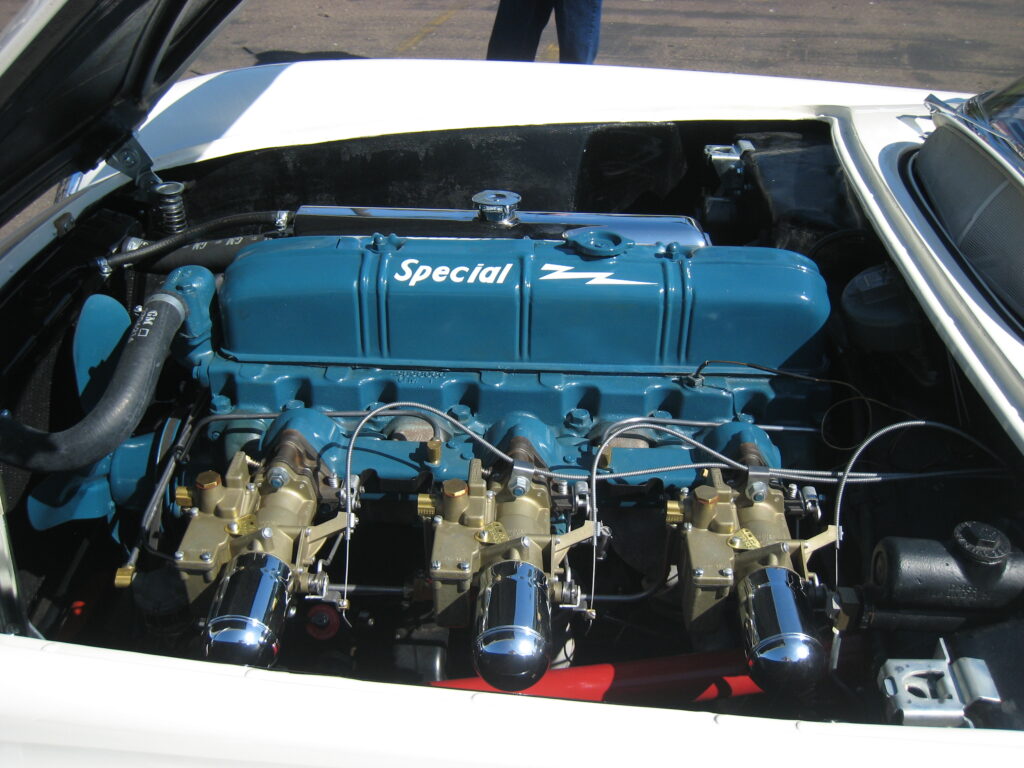
The mechanical layout of Corvette No. 001 clearly indicates a philosophy of responsible progress rather than racing dominance. The Blue Flame inline-six engine was not built to break performance records; its design emphasized smoothness, reliability, and predictability-primary goals for Chevrolet’s initial attempt at building a sports car-combined with a two-speed automatic transmission as a controlled step into new automotive engineering territory.
Early Engineering Philosophy of Corvette No. 001:
- Blue Flame inline-six engine focused on reliability
- Two-speed automatic transmission for simplicity
- Drum brake system on all four wheels
- Solid rear axle configuration
- Conservative tuning for early development safety
Each engineering decision suggests a methodical, non-risky way of doing things. The use of drum brakes, a live rear axle and moderate tuning all imply a stage of development, one where discovery was far more important than fine-tuning. It’s not an idea of performance taken to the edge; it’s an investigation into the basics of what an American sports car can do. This is what makes the first Vette so historically important: It’s an example of engineering in its rawest state where discovery, and the learning it inspires and a slow refinement take precedence over outright perfection. This isn’t the final expression of performance; it is the genesis of it.
8. Imperfections That Tell a Story
Unlike the mass-produced vehicle of today, ‘001’ bears the tell-tale marks of initial design and production. The small discrepancies in panel gaps and the inconsistent fiberglass are actually indicators that this was a very early production vehicle. Not actually imperfections but the evidence of the learning process in motion.
Manufacturing Characteristics of Corvette No. 001:
- Hand-finished fiberglass bodywork
- Minor panel alignment variations
- Early-stage production inconsistencies
- Experimental assembly techniques
- Evidence of prototype-to-production transition
Each flaw marks an instance of problem-solving happening on the fly. Engineers were working on how fiberglass would behave under pressure, the standardization of manufacturing assembly processes, and the consistency of design from one vehicle to the next. The car serves as an artifact from the development process where theory was challenged by reality. Consequently Corvette # 001 is an artifact of that process. Each imperfection is not a defect but a mark of its progress in creating a structured automotive from experimental craft work.
9. Preservation Over Restoration
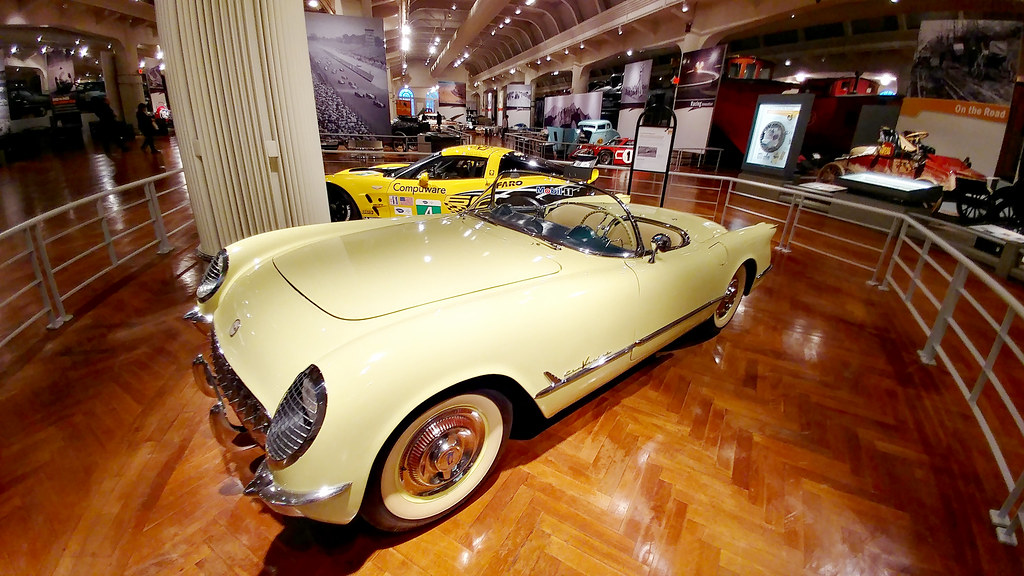
The single most significant feature that will always make Corvette #001, is the fact it was preserved not extensively rebuilt. It was allowed to remain true to its era and as it left the factory, not reformed into its modern day identity.
Preservation Philosophy of Corvette No. 001:
- Maintained in largely original condition
- Minimal intervention restoration approach
- Retains factory materials and finishes
- Preserves early production characteristics
- Prioritizes authenticity over visual perfection
Through minimal restoration, these indicators of age, material degradation, and pre-production technologies are not hidden, but integral to the artifact’s authenticity as they are how this vehicle originally existed. Corvette No. 001 therefore, is historically profound due to the extent of originality. What is provided is not only a restored machine to view but the chance to witness an early example of experimental automobiles and to take an in-depth analysis of each surface, component and flaw-evidence of the choices made at a pivotal point in automotive history and it should not be judged on perfection but on the veracity of its being.

10. Legacy That Still Guides the Brand
Carvette #001 is more than a first off the production line it is vision, persona and the start of enduring motoring philosophy. From current all-out race car versions to the mid-engined marvels of today, all Corvettes owe their heritage to this origin. From the base inline six-cylinder all the way to modern engineering marvels it is an evolving narrative.
Enduring Legacy of Corvette No. 001:
- Foundational reference point for the Corvette lineage
- From inline-six beginnings to modern V8 performance evolution
- Symbol of Chevrolet’s entry into sports car culture
- Influence seen in every subsequent Corvette generation
- Represents long-term brand philosophy and ambition
However, its actual relevance comes in the form of what it represents, rather than the performance it delivers. Corvette No. 001 brings us back to what the Corvette is all about-it isn’t a marker of technology and speed, but it’s about aspirations, trials, errors, and ultimately redefining an aspect of American motoring.
Though the brand moves forward with newer platforms, newer technology, and new aesthetics, this is still the reference point. From this one vehicle sprang a legacy that stretches across generations of the marque while still referencing back to its original intention.