



The AMC AMX/3: Detroit’s Supercar That Arrived Too Soon
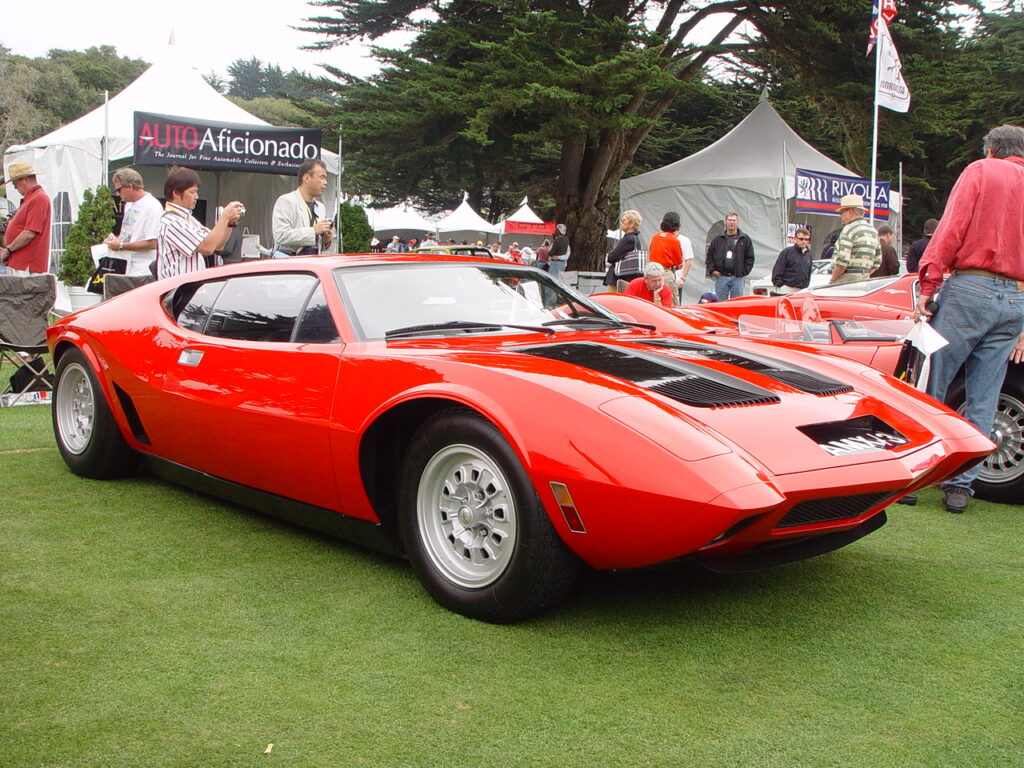
The end of the 60s era was marked by a seismic shift in the automotive industry. Performance was no longer a national game, but a global one, and all the car companies were on the lookout for anything to distinguish themselves. Europeans redefined the supercar, bringing exotic engineering and styling to enthusiasts across the planet, whereas in America the king of the road still wore a muscle-bound body but that benchmark of performance was rising for all.
Of the Detroit Big Three-ish, American Motors had the image of a plucky underdog. Its bread and butter was made up of simple, utilitarian cars aimed squarely at the masses, not the thrill-seekers. While its behemoth competitors enjoyed enormous advertising budgets and vast vehicle selections AMC had to make due with its lean and flexible structure. Thinking outside the box was an AMC specialty and none of its experiments was more radical than its 1968 AMX/3.
What is amazing, now nearly half century later, about the AMX/3 is that it wasn’t a pipe dream of a show car used solely for the purpose of garnering press attention. In fact, AMC had serious, legitimate engineers, brilliant design talents, and a true understanding of what it would take to join the ranks of the performance elite. It never went into production, but for our dollar it’s the most remarkable of the ambitious ventures AMC was capable of undertaking.
1. AMC Needed a Different Path to Survival
By the end of the 1960s, the American Motors Corporation was having a problem. They simply couldn’t compete with Ford Motor Company, General Motors, and the Chrysler Corporation on their terms. Those corporations could spend far more money on advertising, sales staff, and support for their numerous dealerships. AMC could have come out with cars like Ford’s, GMs or Chrysler and they were not going to compete long-term.
Why AMC Needed a Bold New Strategy:
- Limited resources compared to rivals
- Need for stronger brand recognition
- Desire to showcase engineering talent
- Opportunity to attract enthusiasts
- Focus on innovation over scale
AMC leadership knew differentiation was paramount. Since they couldn’t compete against larger competitors by throwing more money at the problems, AMC looked to unique ideas to reshape how the public saw their brand. The idea was that a “halo vehicle” would showcase the company’s engineering competence and get the entire lineup more excited.
Even a vehicle that didn’t generate significant profit could be a real plus for the company’s image. That line of thinking, in part, led to the design of the AMC AMX/3. AMC’s intention wasn’t to build a new family car. It was to show that innovation didn’t belong only to the biggest of automakers that AMC was also a company that dared to innovate beyond the norm. A risky proposition indeed for a company that typically focused on making useful, rather than exotic, vehicles.
2. Europe Changed the Rules of Performance
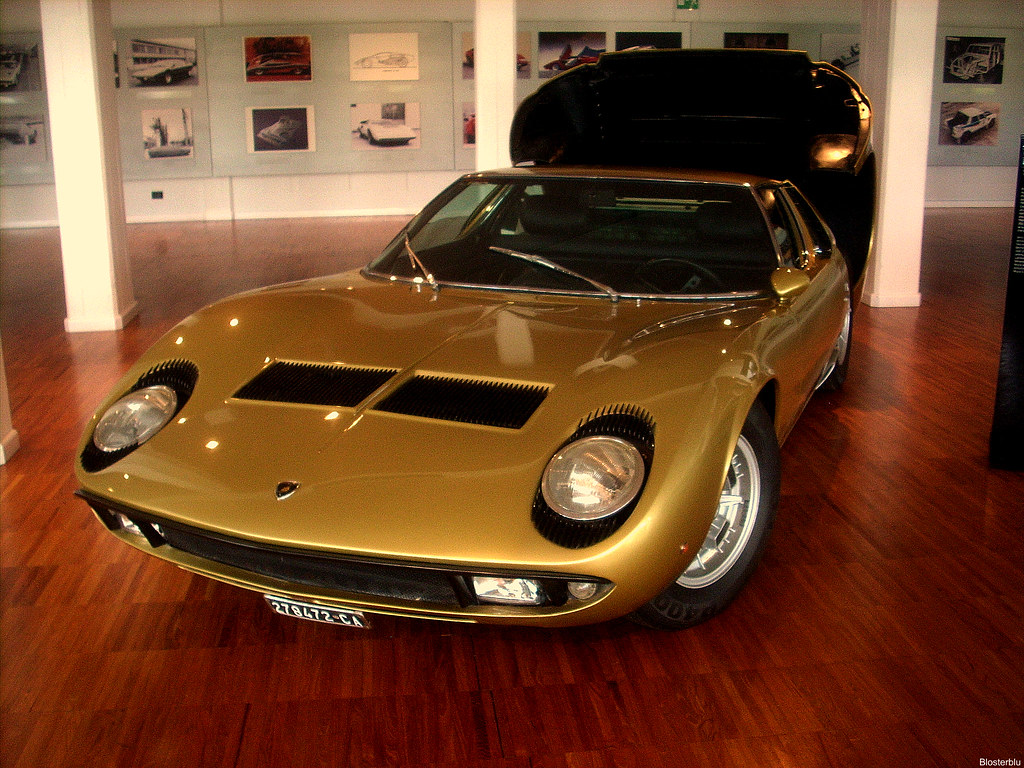
In the late 1960’s European sports cars were shaking up the performance-car universe. Cars such as the Lamborghini Miura illustrated that with engineering, mid-engine positioning and a exotic design, the world’s future of sports-performance machines could be the result of the best in sports cars for decades to come. These were cars with outrageous handling with outstanding performance that grabbed the imagination of fans across the planet.
Why European Sports Cars Influenced AMC:
- Mid-engine performance philosophy
- Advanced engineering solutions
- Improved handling dynamics
- Exotic styling appeal
- Growing international credibility
AMC execs kept their eye on all these goings-on, and were well aware that the definition of a competitive package was changing. Power wasn’t everything anymore; performance was starting to mean the purity of mechanicals, a sense of balance, the way the machine moved, the way it responded to the steering. To gain any credibility on the international sports-car scale, AMC knew that it would have to adopt many of the standards it admired from its European counterparts.
AMC, rather than adapt, said yes to a completely clean-sheet approach, and its entire AMX/3 design was driven from day one by its projected performance capabilities-a remarkable development for the company that put a Javelin on the U.S. Sports-car radar, yet was ready for something bigger on the global sports-car stage.

3. Looking to Italy for Expertise
To achieve world-class in mid-engine sports cars AMC lacked an arsenal of available expertise. Detroit could deliver ferocious front-engine machines; mid-engine sports cars just were never their thing. However, to create a truly competitive, international car AMC’d need to get the help of engineers versed in sports and exotic car design.
Why AMC Turned to Italy:
- Mid-engine engineering expertise
- Experience with exotic sports cars
- Advanced chassis development knowledge
- Proven high-speed stability solutions
- Faster project development
Instead of doing everything in house, AMC went to Italy, where all the supercar know-how was located. AMC did this not because it was trying to upstage Detroit’s exotic, but for practical reasons. Working with European engineers was quicker than having AMC do everything on its own, and it guaranteed that the car could compete with the best sports cars in the world, because Europe built the best sports cars in the world.
This also brought immediate credibility to the whole project, because it meant that AMC had engineering advice and design solutions for problems like chassis balance, high-speed handling, etc., without having to experiment as much in expensive trial-and-error situations.
4. Giotto Bizzarrini’s Influence
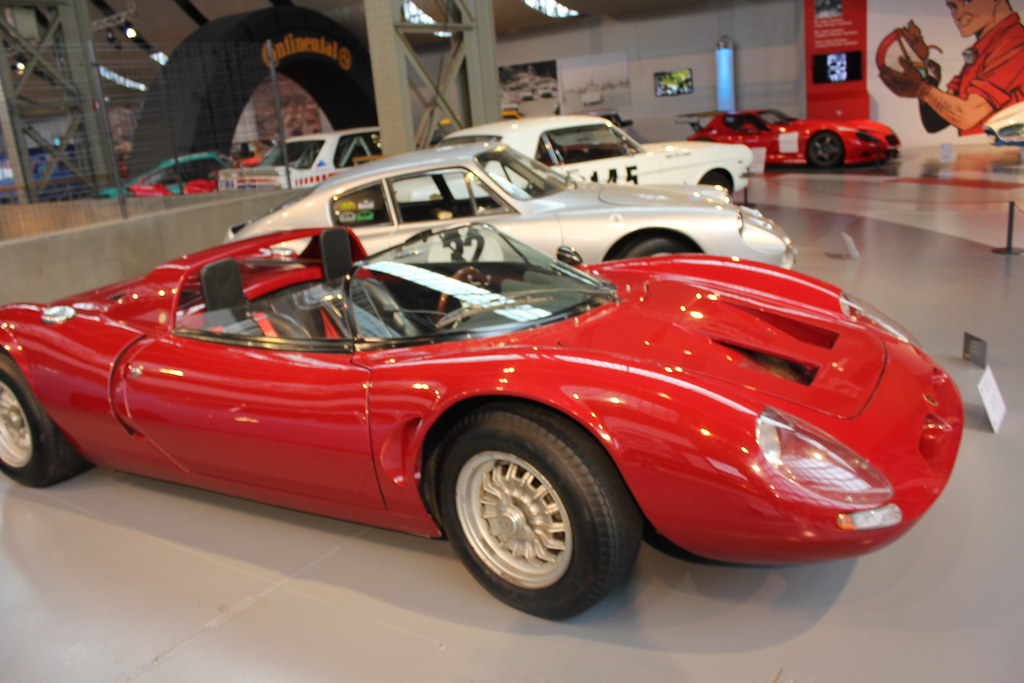
Perhaps the most important man to be connected with the AMX/3 was Giotto Bizzarrini. By the time that AMC started planning its sports car project, Bizzarrini had established himself as one of the most admired automotive engineers in the business world. Having designed a number of great sports cars and performance cars already made him well-qualified for AMC to consider for the AMX/3 project.
Why Bizzarrini Was Important to the AMX/3:
- Extensive sports car engineering experience
- Expertise in chassis development
- Strong understanding of vehicle dynamics
- Proven high-performance credentials
- International engineering reputation
It turned out that Bizzarrini’s efforts were focused on the handling of the AMC AMX/3. He worked with AMC to optimize the car’s chassis to have the stability, balance, and responses that you would associate with a supercar. Thanks to Bizzarrini’s experience, they steered away from a lot of common engineering pitfalls. This helped build a much better chassis for the car.
This relationship between AMC and Bizzarrini said that AMC were not going to take a backseat to anyone when building their supercar. AMC instead looked to Bizzarrini for the help and expertise necessary to take the car to the next level. This led to one of Bizzarrini’s best contributions which greatly helped the development of the AMC AMX/3.
5. Engineering Designed to Compete
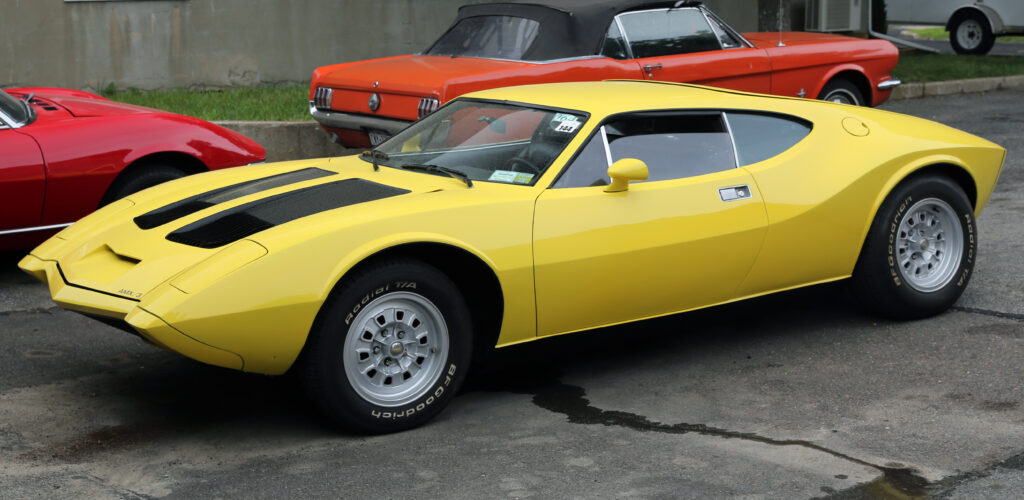
To be sure, the AMC AMX/3 was built with one thing in mind challenge the world’s highest-performance automobile. To achieve this end, AMC’s engineering staff set out to produce a sub-3,000-pound car with upward of 300 horsepower that alone is territory reserved for any serious European Exotic, the project being designed as a genuine supercar rather than just a striking idea.
Key Engineering Highlights:
- Lightweight performance-focused design
- More than 300 horsepower target
- Steel monocoque chassis construction
- Independent suspension at all four corners
- Built specifically for high-performance driving
This AMC supercar, of course, rode on a fully custom purpose-built steel monocoque chassis to achieve inherent stiffness, strength, and desirable handling characteristics. AMC engineers chose to equip all four wheels with an uneven control-arm suspension layout, another feature rarely seen outside of true performance cars. These pieces of hardware had to be made to spec; they weren’t sourced from other AMC vehicles.
Every component that was designed or used in the AMX/3 was chosen to further this goal. To even have the gumption to create something that could realistically compete with some of the most desirable sports cars ever built, on the technical side of things no less, was extraordinary in itself for a company that spent much of its history in the sensible family-car market.
6. The Perfect Blend of American and Italian Thinking
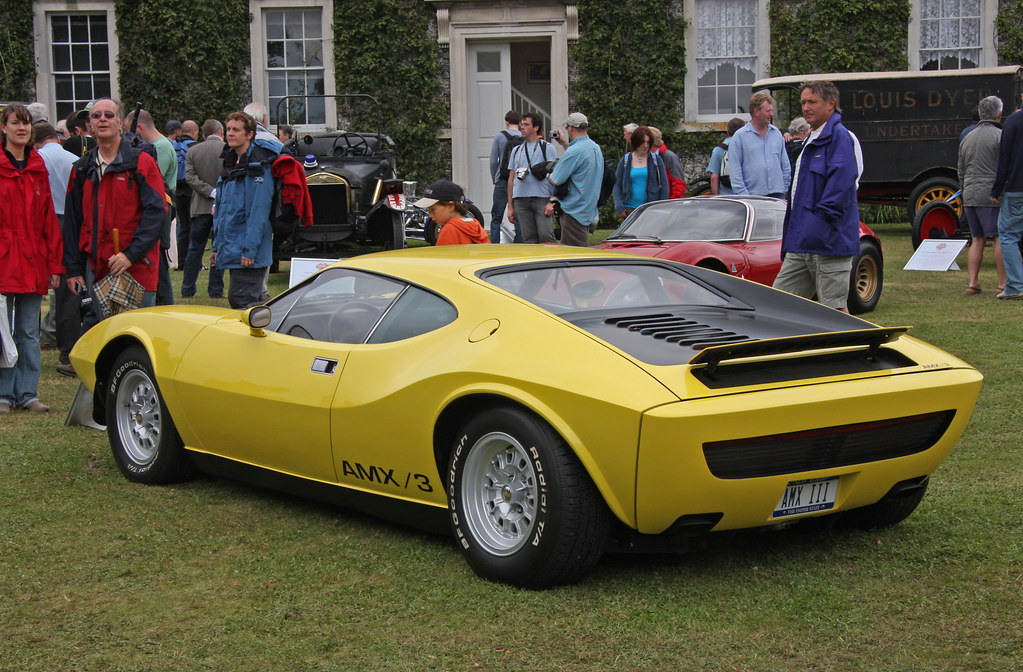
What made the AMX/3 especially remarkable was the unique marriage of disparate automotive approaches. The AMC blended European styling with all the American punch you could expect from high-performance American makes, resulting in an exceptional sports car with no rivals at the time.
What Made the AMX/3 Unique:
- Italian-inspired chassis engineering
- Mid-engine performance layout
- Powerful American V8 engine
- Five-speed transaxle transmission
- Balanced handling and strong acceleration
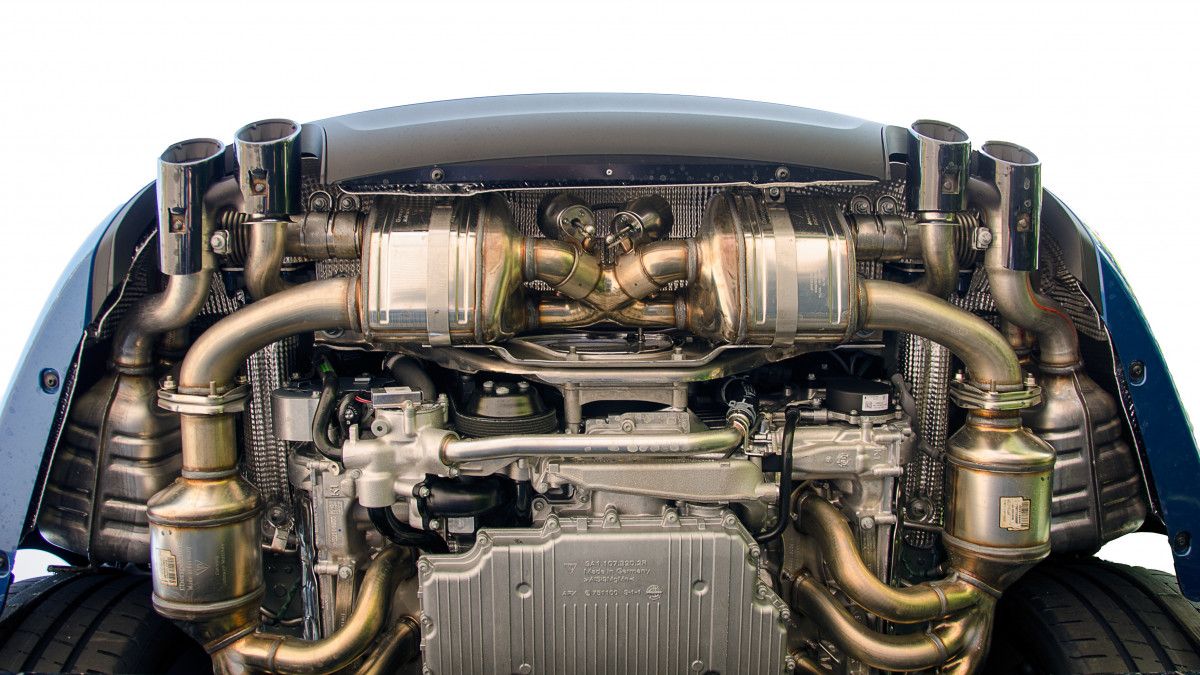
Underneath the driver sat AMC’s 390 cubic inch V8 motor. In spite of its performance credentials, the motor also proved itself to be rugged and reliable to be expected of American V8’s. Combined with a tried and tested five speed transaxle, this created the solid pace and capability needed to run with high priced European vehicles.
All in all, the driving experience of the car was nothing else. Drivers were rewarded with the balance, control, and precision offered by their European sports cars, but all within a package which still retained the American flavor for muscle performance, something not successfully realized in many cars produced around the same time period. It was the most dominant feature of the AMX/3 and continues to inspire appreciation among car collectors to this very day.
7. Prototypes Proved the Concept
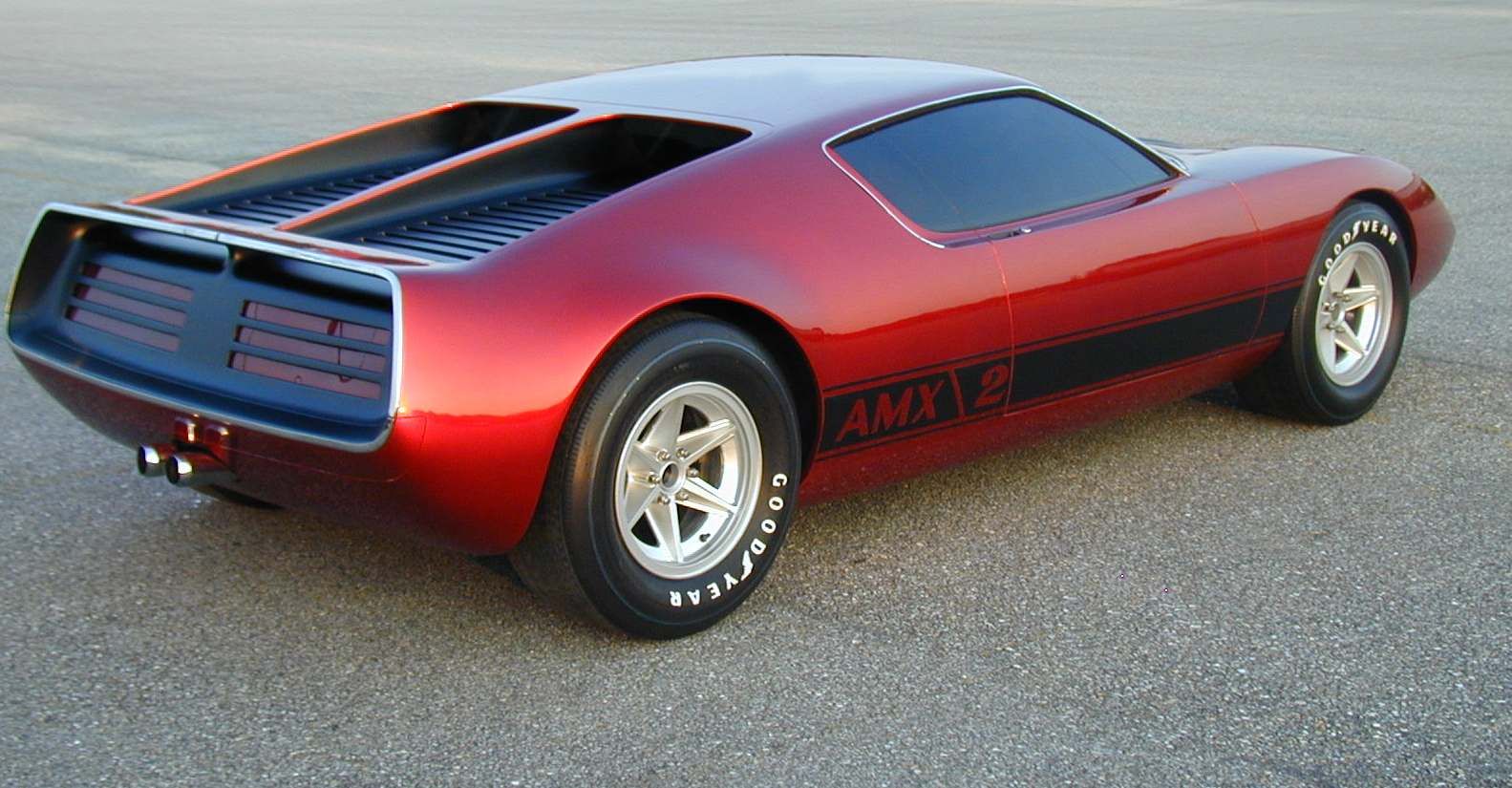
Although it seems most impressive vehicle concepts, the AMC AMX/3 went far further. AMC constructed a handful of working vehicles which were perfectly capable of being tested under actual driving conditions. AMC created these prototypes to make certain of the success or otherwise of certain aspects of their design rather than just to have something to show people to boost image. They existed to ensure the performance car project would be a true performance project.
How the Prototypes Validated the AMX/3:
- Fully functional test vehicles
- Extensive real-world development
- Performance and handling evaluation
- Continuous engineering improvements
- Near-production readiness
Prototype testing provided extensive data to both support and critique the development engineers, analyzing all aspects of behavior including handling, chassis feel, performance, and reliability. The results made it evident that the AMX/3 was not an impossible daydream but a real working car with capabilities beyond what would normally be expected in this sort of venture. Through each session the feedback from testing resulted in improvement of the project vehicle.
Development continued to refine the program with testing feedback influencing the prototypes, each subsequent build improving on its predecessor. Ultimately the prototypes resulted in what many considered to be near-production readiness in the world of a sports car.
8. The Cost of Excellence
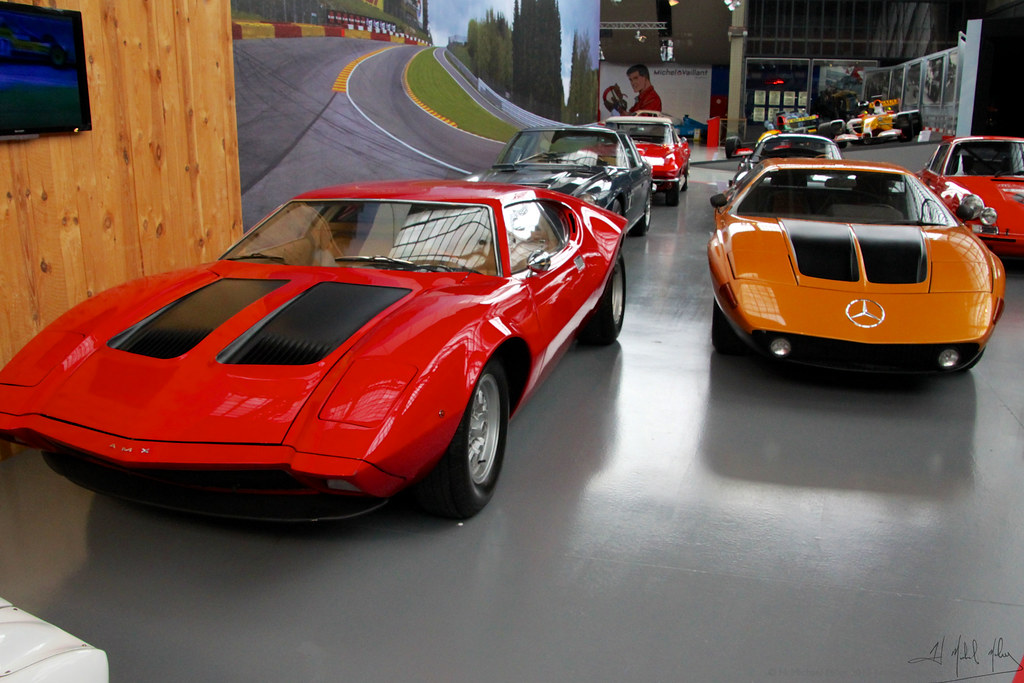
Though AMC’s accomplishments with the AMX/3’s design and execution were commendable, this came at a steep price. It was far more costly to bring this exclusive supercar to life utilizing engineers from overseas than any other AMC product had ever been, and as development proceeded so too did escalating cost of manufacturing and engineering the low-volume machine. Ambition came at great business cost.
Financial Challenges Facing the AMX/3:
- High development expenses
- Costly low-volume production
- Expensive international collaboration
- Premium retail pricing
- Limited business profitability
The initial target pricing brought the AMX/3 squarely into conflict with already well-known exotic sports cars from Europe. In spite of its strong performance capabilities, it was perceived as a long shot getting buyers to spend exotic car money on an AMC, whose primary marketing image had always been one of practical, affordable motoring. Other issues were also associated with the company’s existing dealer network. AMC dealers, used to service ordinary passenger cars, weren’t ready for supporting a cutting-edge Italian-developed supercar that would require specialized skills and expensive tooling.
9. A Changing Automotive Industry
As development of the AMC AMX/3 continued, the automotive industry was undergoing major changes. New safety regulations, emissions requirements, and market pressures were beginning to reshape vehicle development across the world. These changes created additional hurdles for performance-focused projects. For a smaller manufacturer like AMC, adapting to these shifts was particularly challenging.
Industry Challenges Facing the AMX/3:
- Stricter safety regulations
- Tougher emissions standards
- Rising development costs
- Increasing insurance premiums
- Growing compliance requirements
Upcoming bumper regulations threatened the AMX/3’s sleek and aerodynamic design, potentially requiring significant modifications. At the same time, stricter emissions rules placed growing pressure on high-performance engines, making compliance more difficult and expensive. Rising insurance costs for powerful sports cars added another concern. These factors reduced the attractiveness of performance vehicles for many potential buyers.
While these industry-wide challenges affected all manufacturers, they were especially difficult for AMC to manage. Larger competitors had greater financial resources to absorb additional engineering and compliance costs. AMC, however, had far fewer resources available for such adjustments. As a result, the automotive environment that initially inspired the creation of the AMX/3 was beginning to change before the vehicle had an opportunity to reach production showrooms.
10. A Supercar Ahead of Its Time
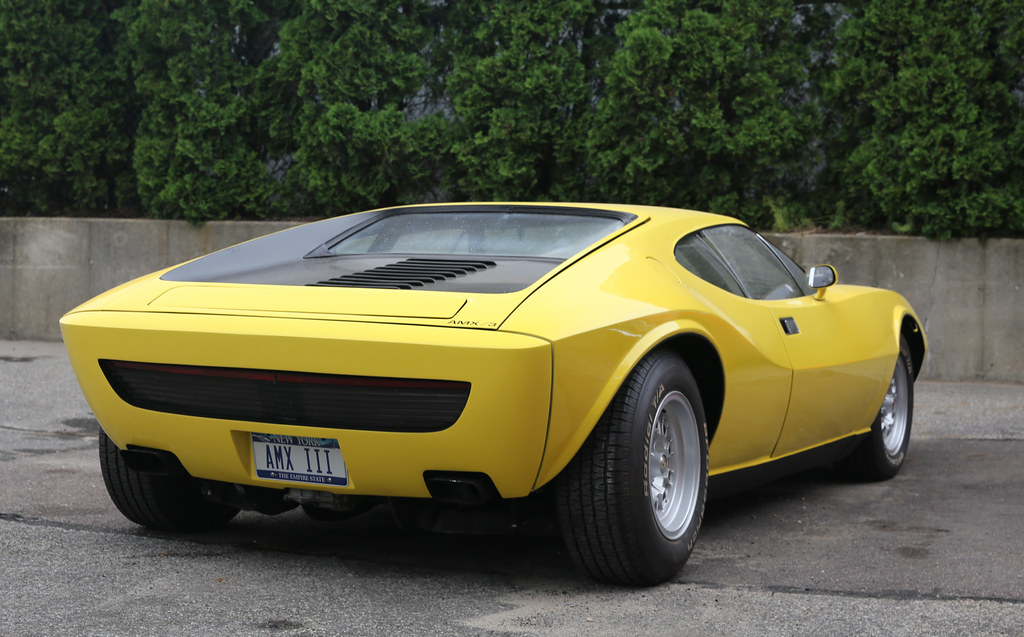
The AMC AMX/3 ultimately became a victim of timing rather than engineering shortcomings. The project successfully proved that AMC possessed the talent and vision necessary to create a world-class supercar. However, bringing such an ambitious vehicle into full production required financial commitments that were difficult for the company to justify. The risks simply outweighed the potential rewards for a manufacturer already facing an uncertain future.
Why the AMX/3 Never Reached Production:
- High development and production costs
- Limited financial resources
- Challenging market conditions
- Growing regulatory pressures
- Significant business risks
Had circumstances been different, the AMX/3 might have dramatically reshaped AMC’s image and position within automotive history. The vehicle had the engineering sophistication, performance capability, and international credibility needed to compete with respected sports cars of its era. What it lacked was a business environment capable of supporting such a bold undertaking. The project arrived at a time when economic realities made its success increasingly difficult.
Today, the AMX/3 remains one of Detroit’s greatest automotive “what if” stories. It continues to fascinate enthusiasts because it represents a rare combination of creativity, courage, and unrealized potential. More than fifty years after its development, the car stands as proof that innovation is not always rewarded immediately. In many ways, the AMX/3 was a supercar ahead of its time, showcasing ideas and ambitions that exceeded what the market was ready to support.