AI Traffic Cameras Are Taking Over America’s Streets
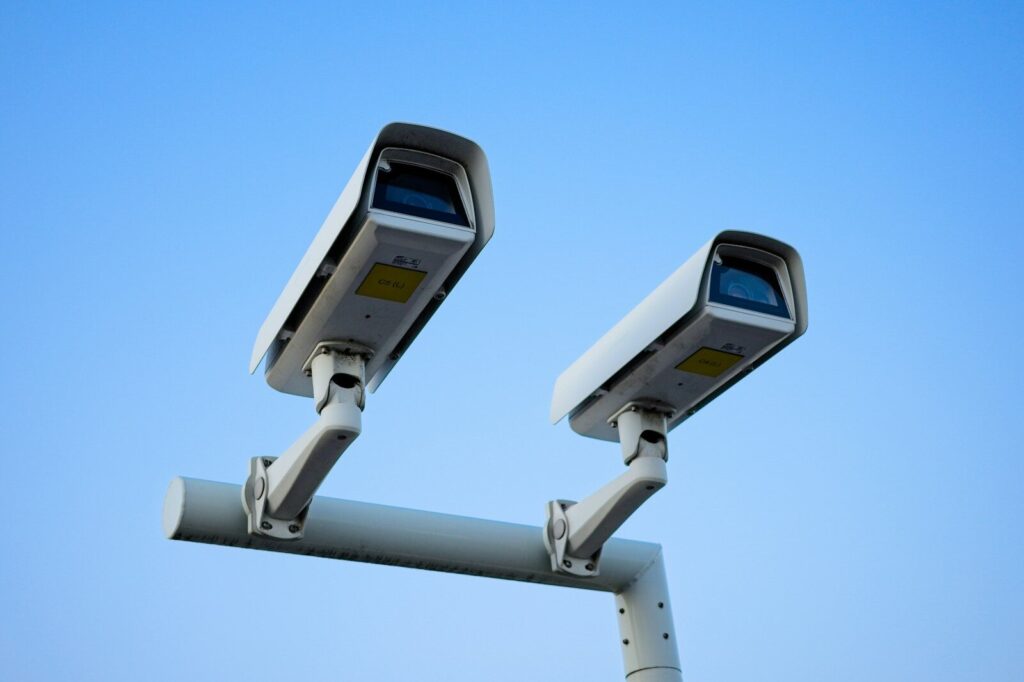
AI is also transforming the way we drive through intersections. Most previous traffic cameras relied on triggers such as pavement sensors or radar to capture an offending vehicle after it had committed a violation. Today’s AI-enabled systems use computer vision and machine learning to watch, interpret, and analyze traffic patterns. They can recognize vehicles, bikes, license plates, pedestrians, and intersection markings in real time, monitoring activity in and approaching an intersection. An Athens, Greece traffic enforcement pilot used just one AI camera to issue over 1,000 penalties in the first four days, while an eight-camera pilot generated more than 2,500 penalties over the same period.
This technology is now popping up all across American communities, in cities from Los Angeles to San Francisco, Virginia, Philadelphia, and Prince George’s County, Maryland. Automated enforcement systems can now detect many more infractions than speed and red-light running including illegal turns, cell phone use, seat belt violations, bus-lane violations, wrong-way driving, and illegal parking. For proponents, there is non-stop monitoring, reduced enforcement costs, and potential safety benefits. Opponents cite concerns about surveillance, potential algorithm bias, retention of violation data, and lack of human intervention. As cities roll out increasingly robust automated enforcement, drivers will have to get used to a world where violations are identified through algorithms rather than police officers.
1. How AI Traffic Cameras Differ From Older Systems
Conventional traffic cameras were easy enforcement systems. Most were based on a single trigger, like a speed sensor such as an induction loop in the roadway or the vehicle breaking a certain line, or an optics-based sensor using a radar to measure speed. When a car crossed a certain line at a certain speed or ran a red light, the camera would take a photo. That meant there was essentially a one-to-one relationship between a given sensor and a violation. Human monitoring was still a big part of the enforcement process. AI traffic cameras use a far more advanced approach, as they keep watch constantly rather than awaiting a trigger.
Traditional Versus AI Enforcement:
- Older systems relied on simple triggers
- AI systems continuously observe traffic
- Computer vision analyzes moving objects
- Machine learning identifies behavioral patterns
- Multiple violations can be detected
Current generation AI cameras incorporate computer vision models that have been trained on vast amounts of video data. By doing so, they can identify cars, pedestrians, cyclists, license plates, and highway markings in a single feed, all at once. Instead of just taking a single snapshot of a hypothetical side of the road, the AI can instead follow a specific action over some time-say, a pedestrian in a crosswalk-to determine if that activity violates a traffic code. The camera essentially moves from a tiny, automated Still-Photo camera to a system that monitors a wider scene for some period of time-and to spot legal violations.
2. The Growing List of Violations AI Can Detect
Today’s AI traffic cameras are able to track a far greater variety of violations than earlier generations of automated enforcement. Earlier computers only monitored a limited set of violations like going over the speed limit and running red lights, because those are relatively simple to recognize through computer vision. Newer systems, however, can track much more complicated behavior: illegal turns, talking on the phone while driving, seatbelt violations, cars parked illegally, cars in the bus lane, cars driving the wrong way. Some systems are able to look at broader traffic flow and even identify conditions that might lead to a crash before an accident occurs.
AI Enforcement Capabilities:
- Detects speeding violations
- Identifies red-light violations
- Spots illegal turns
- Detects phone-use violations
- Recognizes wrong-way driving
One of the biggest distinctions between AI enforcement and the previous generation of traffic-camera technology is the ability to monitor multiple behaviors from a single network. One camera alone could potentially monitor several lanes of traffic for many different types of activity. License plate recognition ties a vehicle to a particular event, while computer vision works to understand the activities of that vehicle. Radar and LiDAR sensors provide data on speed and proximity, respectively. These technologies can work in tandem to provide a more complete picture of the traffic flow. As AI models can identify more complex behaviors, more violations can be detected automatically.
3. The Technology Behind AI Traffic Enforcement
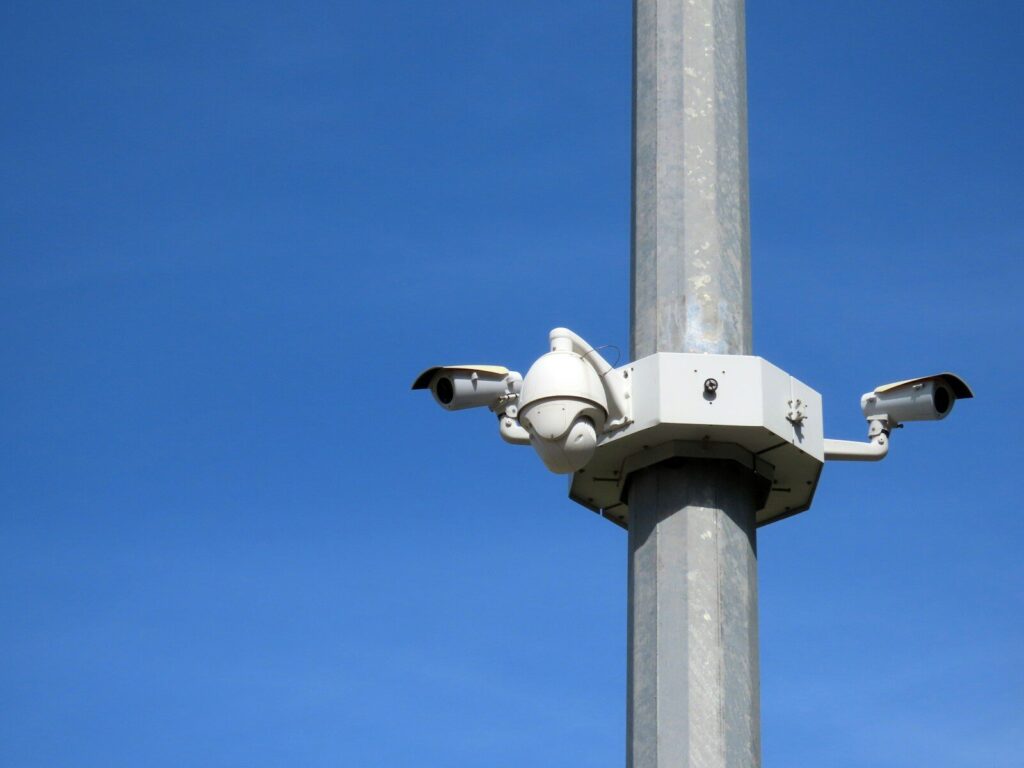
Modern AI traffic-enforcement systems combine a few different technologies: Automatic License Plate Recognition (ALPR) can identify vehicle plates; radar or LiDAR sensors can be added to gather data on speed, proximity, and movement; and computer vision is used to process video and interpret what the camera can see happening within its field of vision. In many cases, that data is then wired up to a cloud infrastructure or a network of other cameras and sensors, helping create comprehensive city-wide views of traffic far more than just taking a picture of a car that crosses a certain boundary.
Technology Powering AI Cameras:
- ALPR identifies individual vehicles
- Radar measures vehicle speed
- LiDAR tracks distance precisely
- Computer vision analyzes behavior
- Cloud systems connect traffic networks
The concept is essentially “perpetual observation” with automated analysis. Rather than having a human officer observe each and every intersection, these cameras can oversee numerous lanes and potentially vast numbers of vehicles at once. Computer vision can be used for the system to make sense of how vehicles are interacting with road markings, pedestrians, and other vehicles, and machine learning can be applied to detect patterns of behavior indicative of traffic violations. This is what enables AI-powered traffic cameras to bring a new range of options to the traditional red-light camera and speed camera modalities.
4. Los Angeles Is Already Using AI Traffic Cameras
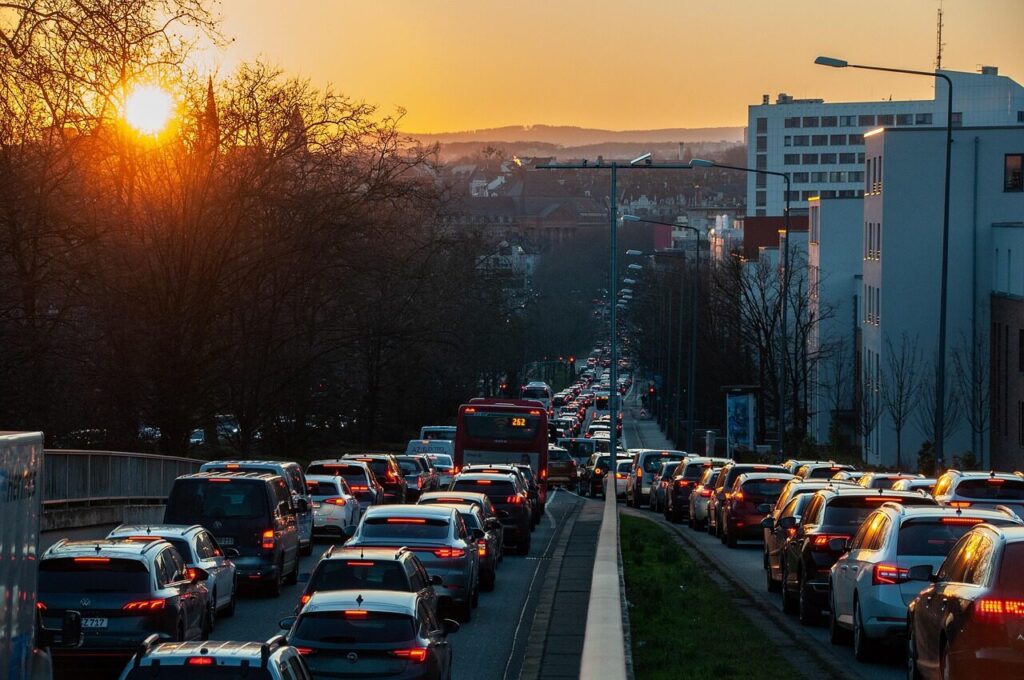
One of the most prominent places in the US where traffic enforcement using AI is taking place is the city of Los Angeles, which started using AI in 2025 to catch cars parking in bus lanes on its public transit system buses. The city attached cameras to the Metro buses, and every time the bus stops and patrols through the city, the cameras are moving with it, scanning for illegally parked vehicles. If a camera spots a car in a bus or parking lane that shouldn’t be there, it can automatically generate a ticket. The AI system issued close to 10,000 parking tickets automatically in its first month.
Los Angeles Deployment Details:
- AI cameras ride Metro buses
- Systems monitor bus lanes
- Cameras scan moving traffic
- Violators are automatically flagged
- Nearly 10,000 citations followed
The Los Angeles program is one example of how mobile AI enforcement can give automated eyes more reach than a fixed intersection. A camera mounted to a bus can passively monitor various roads and traffic situations throughout the day, rather than just watching a single intersection. This is particularly applicable for enforcement of bus lane restrictions, since the camera essentially spends the day journeying through the areas where the bus lanes exist. The initial citation numbers also point to how an automated enforcement system can be scaled. Instead of a handful of officers riding along the buses on their routes, the system can analyze the traffic activity along the route as the bus passes through it. That means a fleet of normally scheduled buses could provide a roaming observation platform.
5. California and Virginia Expand Automated Enforcement
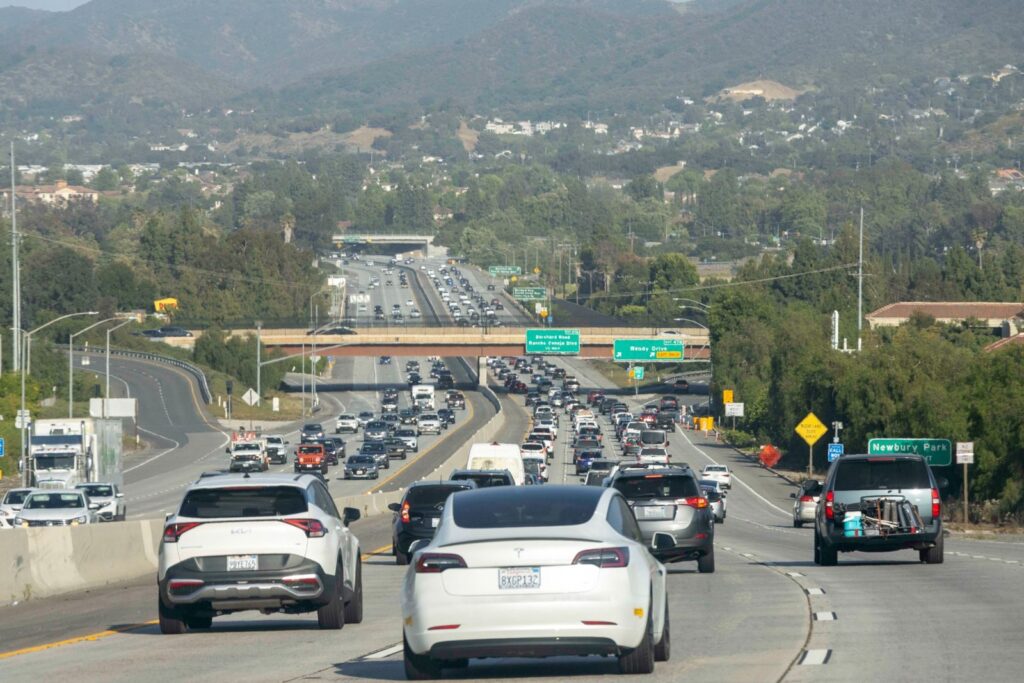
But cities like San Francisco hope to expand their use of automated traffic enforcement, specifically, as AB 645 establishes a way for increased use of the technology in places like Los Angeles, San Francisco and San Jose. San Francisco is also on the way to that larger use, working to add AI detection to the city’s current enforcement-camera network. The camera systems are being trained to spot other violations such as blocking an intersection or making illegal right turns, illustrating how existing camera infrastructure can potentially be broadened by software and AI systems, not replaced.
California and Virginia Developments:
- California passed AB 645
- Los Angeles is included
- San Francisco is expanding capabilities
- San Jose is included
- Virginia authorized additional enforcement
Virginia has taken a different approach and recently legalised automated enforcement at stop signs and pedestrian crossings. SB 84 (signed in April) gives cities and towns the go-ahead to roll out AI-enabled technology for those violations-though mainly in school and work zones. Obvio’s camera systems are “fully violator-funded,” in that any citation revenue is used to fund the camera system. Extra revenue has to go towards traffic-safety initiatives under the law. Dhruv Maheshwari, co-founder and president of Obvio, told The Verge the intention is to target the cameras at problem areas rather than roll them out everywhere. The legislation has left the local government to decide where to place the systems.

6. AI Enforcement Is Spreading Across More Communities
AI traffic enforcement is also advancing outside of California and Virginia Philadelphia has begun using AI cameras on school buses to catch drivers who illegally pass while the stop arm is extended. The technology exists to protect kids when patrolling officers might struggle to be consistently present. Prince George’s County Maryland had previously launched AI cameras following a deadly crash near a school. This system was the first in the state to be automated in order to capture drivers running through stop signs in school zones, the company provided.
More U.S. Deployments:
- Philadelphia uses school-bus cameras
- Systems monitor extended stop arms
- Maryland targets school-zone violations
- Prince George’s County deployed cameras
- Child safety drives deployments
They show that local agencies are zeroing in on defined traffic issues instead of deploying automated enforcement indiscriminately. School buses are a mobile method of capturing dangerous passing behavior, while fixed cameras can be directed to many intersections and school zones where stop sign running is prevalent. Also, by starting with school zones it points to the safety counter-argument that automated monitoring of traffic can be used constantly in places where patrol officers can’t be at all hours of the day. Every jurisdiction can choose which violations and locations are most relevant to them. Growing deployments indicate that AI traffic enforcement is no longer a proving ground.
7. Global Cities Are Moving Toward AI Traffic Networks
AI Traffic Enforcement is Not Unique to the US Not surprisingly, several of the examples of new AI based traffic enforcement techniques come from abroad. For example, Singapore is using AI traffic cameras as part of a wider “Smart Nation” strategy, with a traffic system that is connected to predictive analytics that can be used to change lights, ostensibly not just to write tickets but to address congestion and perhaps even avoid accidents. This is what it looks like when used as part of a larger connected transportation system.
International AI Traffic Systems:
- Singapore integrates AI cameras
- Smart Nation supports connected systems
- Traffic signals can adjust dynamically
- Predictive analytics monitor traffic
- Vietnam uses broad surveillance networks
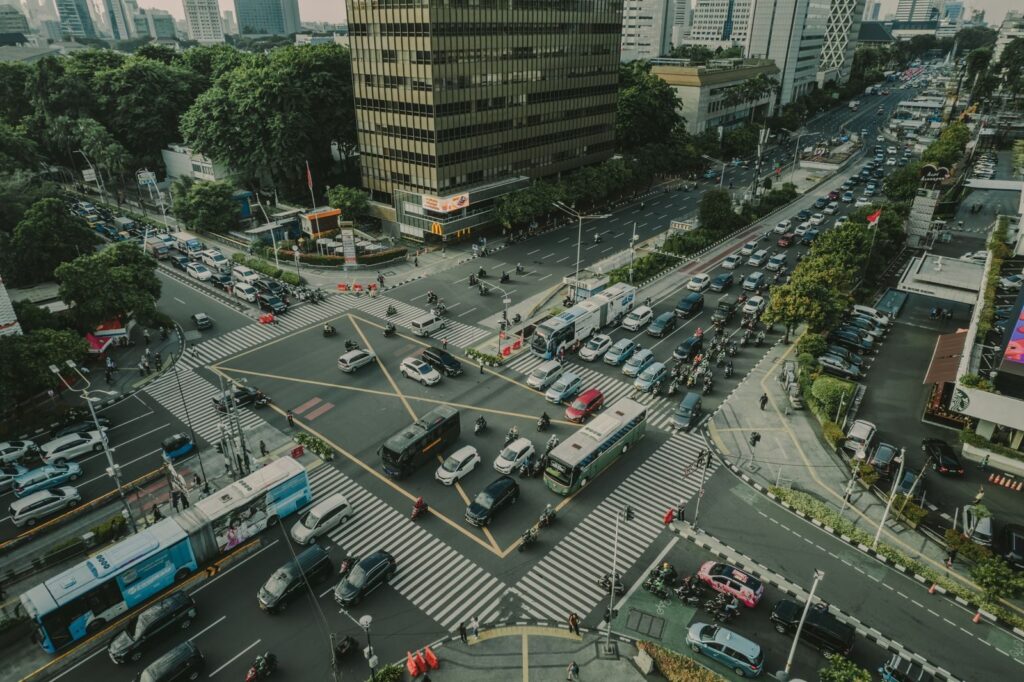
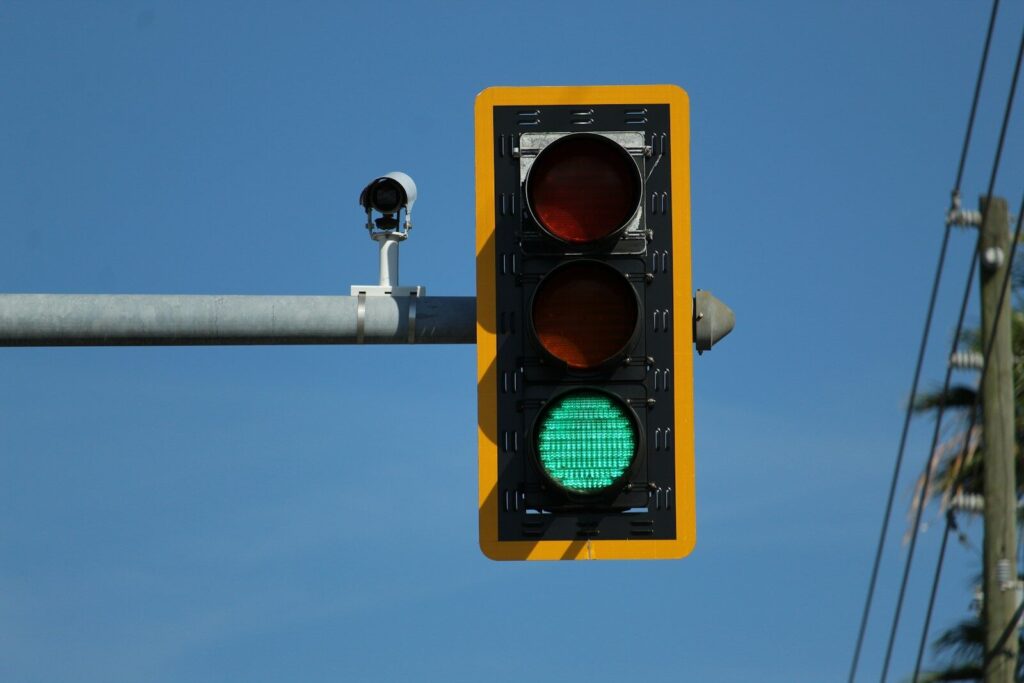
Vietnam also maintains AI camera networks, with cameras in places like Ho Chi Minh City tracking violations, such as red-light violations, wrong-way driving, and sidewalk encroachment. The Athens pilot serves as yet another early example of the potential scale of the technology. In just four days, a single camera issued more than 1,000 tickets, and eight cameras issued over 2,500 tickets during that time frame. This demonstrates the ability of automated systems to see an enormous volume of traffic activity that is impossible for a normal human enforcement team to keep up with.
8. Why Cities Are Turning to AI Enforcement
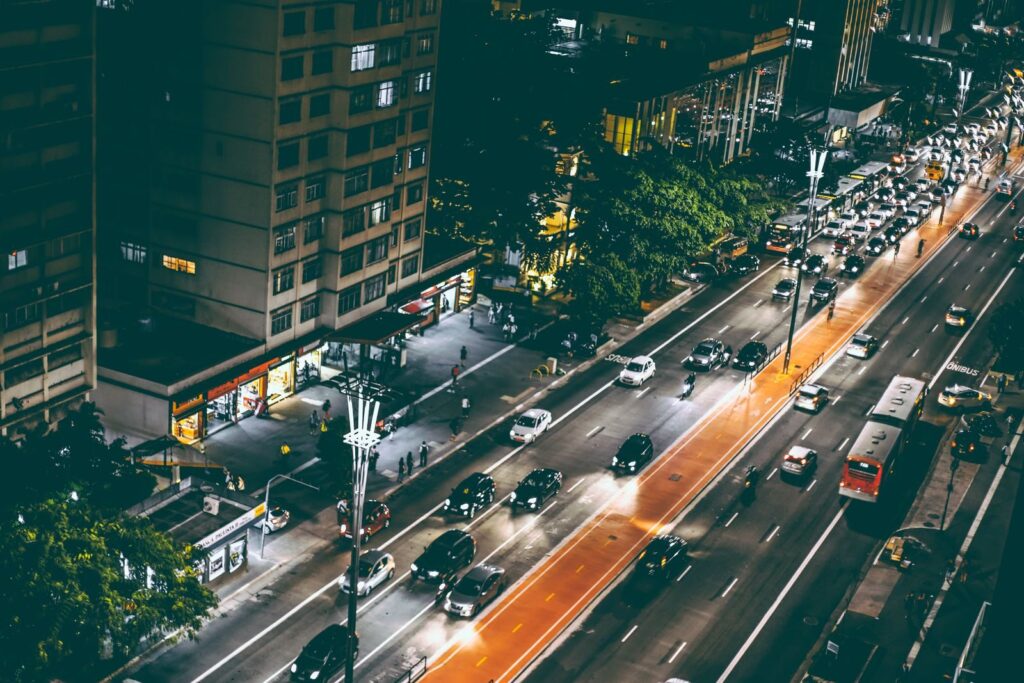
The proponents of AI traffic enforcement tout three key benefits: scale, cost and safety. Police are not everywhere they are short-staffed, and cannot have officers standing at every intersection 24/7. AI cameras can oversee multiple lanes and might be able to see thousands of vehicles per hour without breaks. Local governments would be able to have automated enforcement in places where a human officer would be hard to sustain, and the systems could also run continuously.
Key Reasons Cities Deploy AI:
- Cameras provide continuous monitoring
- Systems operate around the clock
- Multiple lanes can be observed
- Automated enforcement reduces personnel demands
- Citation revenue can fund systems
Cost is another concern, as automated systems can mitigate some of the long-term costs of employing, training, and deploying officers to monitor traffic enforcement. While technology startups can require heavy upfront costs, revenue from citations can make such programs financially independent. Virginia’s violator-funded solution proves this concept out hand. And safety is another key argument, as a New York City study (linked in the supplied info) found crashes to have been reduced by 14% after speed cameras were implemented and Obvio has found Maryland violations to be nearly 70% lower four months after its technology was put in place. These figures are a measure of reported results from individual programs and do not ensure consistent results from all AI camera deployments.
9. Privacy, Bias, and Human Oversight Concerns
With the rapid expansion of AI traffic enforcement comes a rise in concerns around surveillance and privacy. Camera systems can gather extensive data about vehicles moving in public spaces-such as license plate information, make/model, color, and movement details. When this information is gathered over a network that spans the grid, it can produce detailed logs of vehicle activity, prompting questions about storage durations, access controls, and information protection. The larger worry: that traffic enforcement technology will be adopted as part of a larger surveillance system for public movement.
Major Concerns About AI Cameras:
- Networks can collect travel information
- License plates may be recorded
- Algorithmic bias remains a concern
- Automated systems can make mistakes
- Appeals may lack transparency
Algorithmic bias remains a concern as well, since systems trained on unrepresentative datasets may give rise to unequal enforcement. Human oversight is crucial as well, since automated systems are prone to error and because contesting a citation issued by a computer may be less clear to a driver. Some vendors are trying to mitigate those risks through technical features. Dhruv Maheshwari, a co-founder of Obvio, which provides technology to LAPD, said the company’s processing is done on the device, rather than continuously streaming footage to the cloud, and the system automatically blurs the faces of bystanders who are not involved in a citation. Those features mitigated privacy concerns, but the broader debate over automated surveillance persists.
10. Driver Rights and the Future of Automated Enforcement
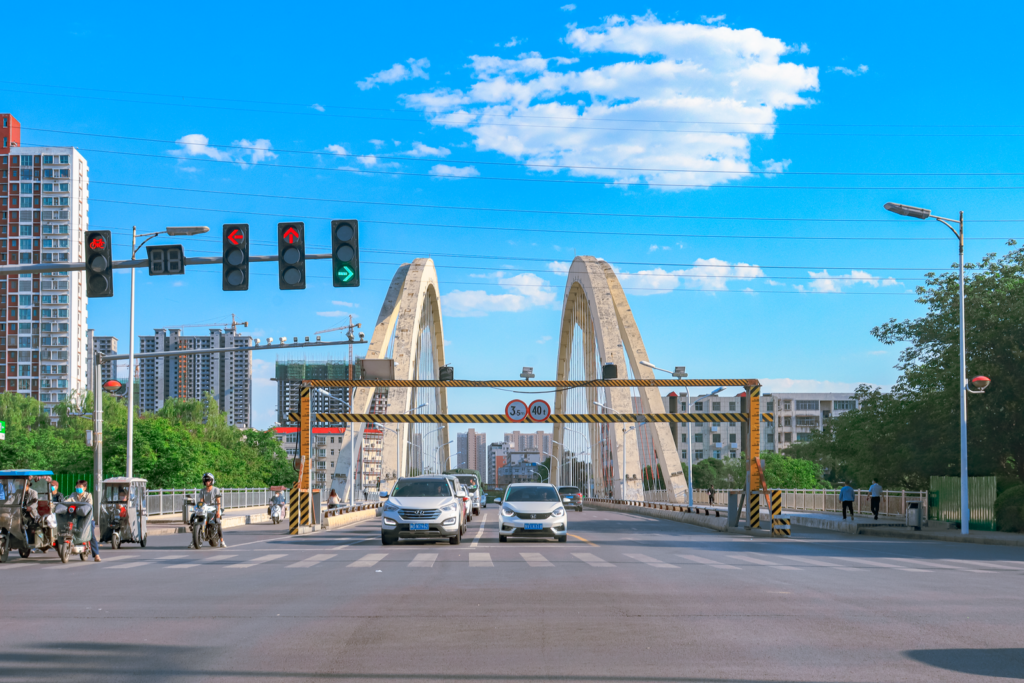
As AI traffic cameras roll out, drivers should familiarise themselves not only with their obligations, but also the demands placed on the enforcement system. There are multiple safeguards with Virginia’s system. Because they result in civil penalties, the procedures associated with cameras do not impact insurance, according to the information provided by the department. Public advertising campaigns must precede fine-imposing cameras, and signage and other requirements for retention of data or calibration of equipment, can invalidate citations. The rules exist to impose some boundaries on automated enforcement.
Driver Protections and Local Control:
- Citations are civil penalties
- Insurance rates remain unaffected
- Public awareness campaigns are required
- Signage requirements must be followed
- Local governments choose deployment
Most importantly, Virginia’s law doesn’t mandate that every town or city install AI traffic cameras. It gives local jurisdictions discretion to choose whether or not to use such technology, giving residents the power to shape its adoption through their participation in local political and civic life (public hearings, conversations with local officials, voting on proposals). With some towns and cities choosing to adopt the new technology and others not, local citizens will be able to shape the evolution of AI enforcement. With the proliferation of automated traffic monitoring in other cities, the conversation about the new street environment is evolving to include not just traffic tickets but concerns about public safety, privacy, civic oversight and the appropriate role of algorithms in our lives.