



Ford’s Secret Ferrari Fighter: The Mid-Engine Supercar That Vanished
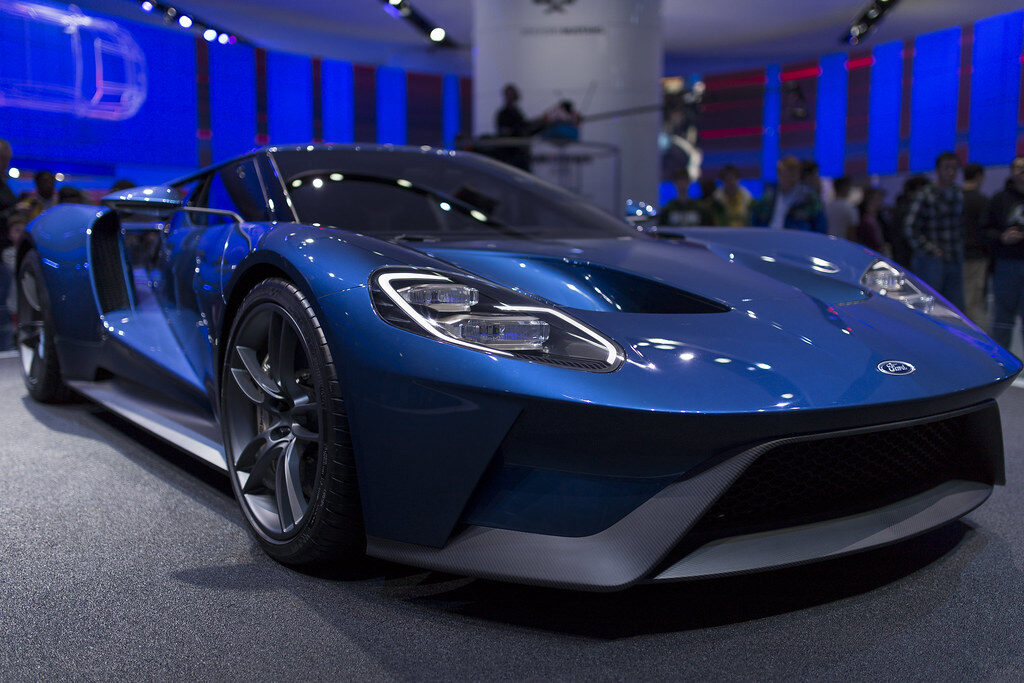
Some the most fascinating car stories are about vehicles that were never meant to truly exist. The Ford GN34 certainly falls into this category, as a special project from the 1980s meant to fulfill Fords ambitions of creating a genuine mid-engined supercar that could rival the likes of Ferrari, while still managing to be more accessible and less exotic than the likes of the Chevrolet Corvette and Porsche 944.
The GN34 was not just an idle project for show, however, not even one limited to concept cars. Ford Special Vehicle Operations (SVO) even began the long and involved process of bringing the GN34 to production, involving not just Ford’s design and engineering departments, but outside vendors as well. The prototype car itself, which would eventually be canceled before reaching production, was a fascinating blend of exotic and accessible, with Ford even finding a surprising home for the powerful V6 engine at the heart of the GN34 in a family sedan.
1. Ford’s Ambitious Plan to Challenge Ferrari
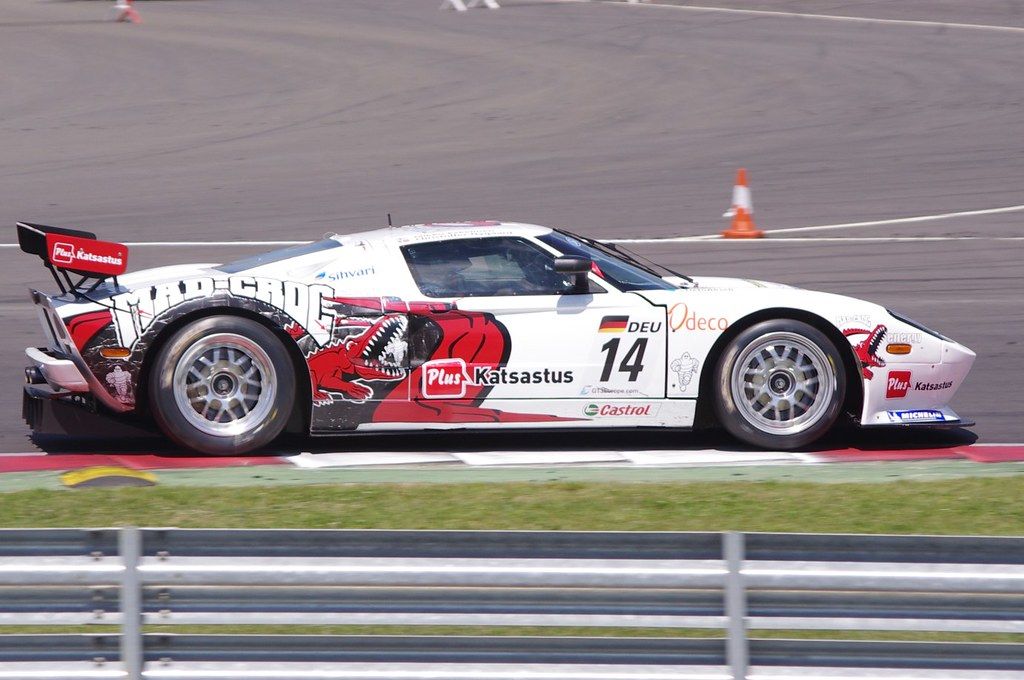
The story of the creation of the Ford GN34 began as Ford was looking to develop more performance cars. In the early 1980s, the industry was seeing a rise in performance cars that appealed to a wide range of buyers. While many of these were traditional front-engine cars like the Chevrolet Corvette and Porsche 944, exotic European supercars continued to be the pinnacle of performance, attracting buyers with their broad appeal and high levels of sophistication.
Ford’s Special Vehicle Operations (SVO) division felt that there was an opportunity for a far more ambitious performance car to be built at the company, one that would truly be able to challenge the European supercars at their own game, while also offering far better value than many of the available exotic vehicles, and better performance over the likes of the Ford Mustang. The SVO team prepared a series of development plans for a new mid-engine car dubbed GN34, which would be able to truly challenge the European performance car manufacturers at the time.
Goals Of The GN34 Program:
- Challenge the European supercars
- Be a more accessible supercar
- Mid-engine performance car
- Compete vs. Ferrari
- Be Ford’s new performance flagship
The development goals for the vehicle were ambitious, but not impossible. At the heart of the concept was a mid-engine platform, which would allow far better agility, weight distribution and performance than any of Ford’s current performance cars could manage. Meanwhile, the engine at the heart of the GN34 would be a high-revving V6, which would provide far better performance than many of Ford’s V8 engines while still offering excellent value.
Ronald Muccioli, a planner from SVO, wanted to create a car with enough presence to rival Ferrari, but also be more accessible to everyday drivers, and offer better value than many of the available exotic cars at the time. The proposed car would offer the best blend of performance and value, but it would not be a typical Ford performance car.
2. Ford-Yamaha V6 Would Define GN34
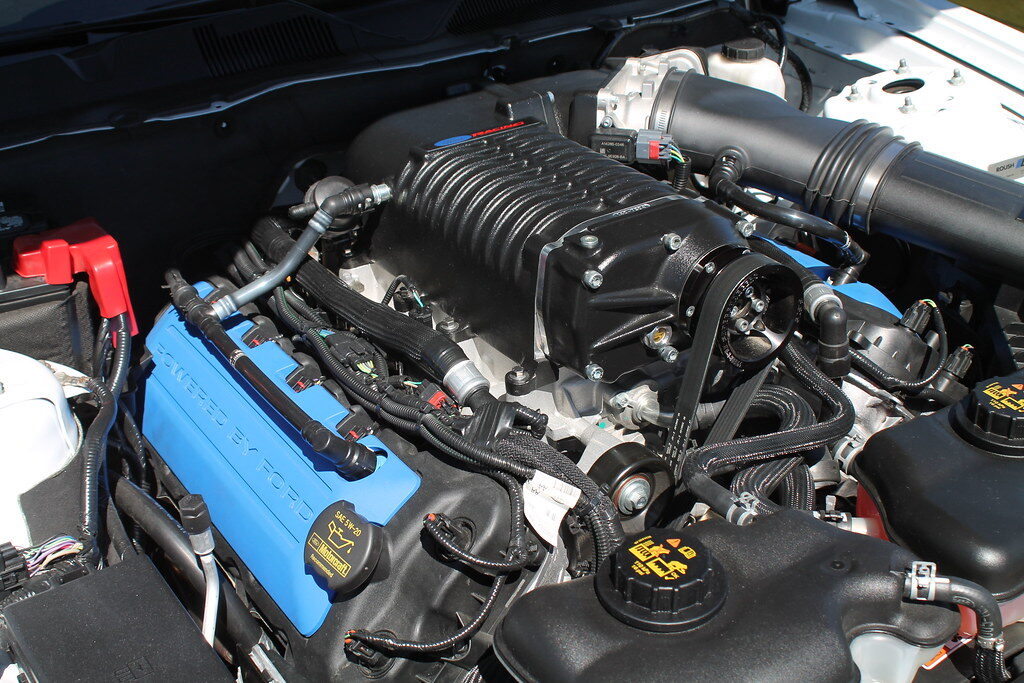
The heart of the GN34 would be Ford’s new high-revving V6 engine, a far cry from the pushrod V8 engines used in many of Ford’s performance vehicles at the time. Ford had partnered with Yamaha to develop a high-performance engine, and this engine would eventually find its way into the Taurus SHO as well.
Features Of The Yamaha V6:
- Compact high-revving V6
- 3.0-liter capacity
- Produced 220 horsepower
- Four valves per cylinder
- Generated 200 lb-ft of torque
The 3.0-liter engine used iron blocks and aluminum heads to produce 220 horsepower and 200 lb-ft of torque, an impressive figure for a V6 engine with far fewer cylinders than many of Ford’s V8 engines. In fact, the figures for the engine were only five horsepower shy of the outputs of the V8 Mustang, an impressive feat considering the advantages of the four-cylinder V6. A free-revving engine with four valves per cylinder was ideally suited to the performance goals for the GN34, and the smooth power delivery characteristics made it ideal for a performance car.
The engine’s free revving characteristics meant that its torque curve would be very peaky, and in order to address this characteristic, the engineers at Yamaha developed a unique intake manifold. With variable-length runners, the intricate runner system designed by the engineers at Yamaha resembled a sculpture more than a performance part, but the unique design was necessary to achieve the power goals for the engine. In fact, the rumored top speed for the GN34 was closer to 85 mph, thanks to the high-revving characteristics of the engine. While the Taurus SHO’s redline was rated at 7,300 rpm, insiders believe that the engine was capable of sustaining performance near 8,500 rpm thanks to forged steel internals, suggesting that the potential power and performance of the SHO far exceeded most expectations at the time.
3. Mid-Engine Would Give GN34 Serious Performance Credibility
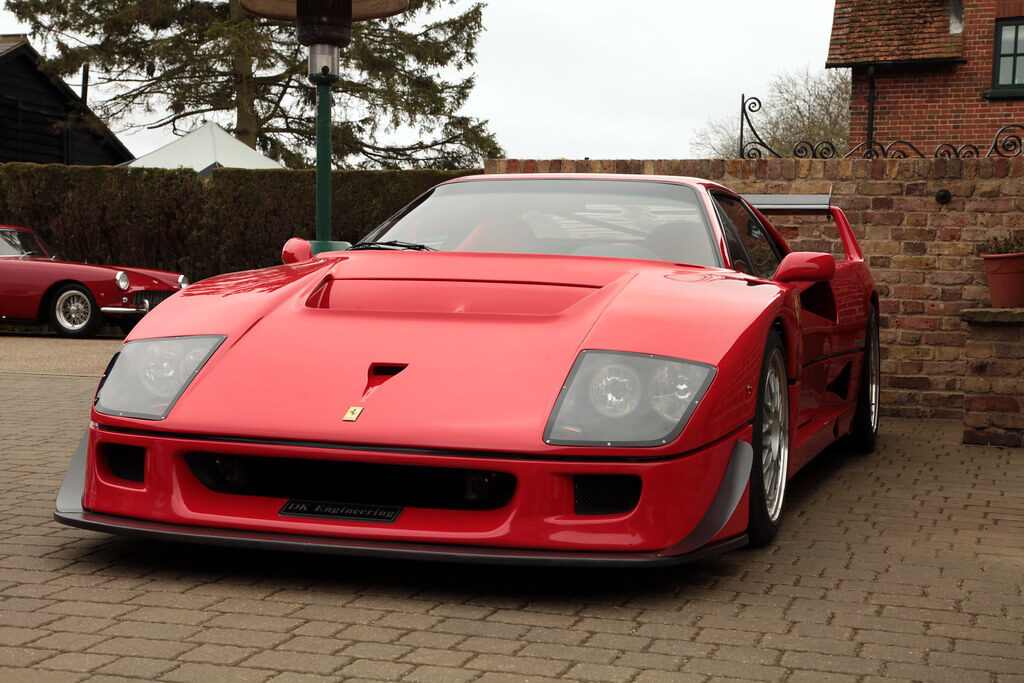
The V6 engine at the heart of the GN34 would be mounted in a transverse orientation at the rear of the vehicle, a configuration that would provide far better weight distribution and handling characteristics than most of Ford’s performance cars at the time. The placement of the engine in a transverse orientation at the rear of the vehicle was also a crucial design element that would help to establish the performance credentials of the GN34, providing a clear indicator that the performance car was more than just a high-performance version of one of Ford’s front-wheel drive sedans.
Design Benefits Of A Mid-Engine Platform:
- Transverse mounted engine at rear
- Offers enhanced performance credentials
- Compact size of the V6
- High-revving 220 HP engine
- Unique performance characteristics
By mounting the 3.0-liter V6 at the center rear of the vehicle, the engineers at Ford would be able to create exceptional handling dynamics that could rival many of the high-performance supercars on the market at the time.
While the size and power of the V6 provided the necessary performance credentials to create a compelling sports car, the mid-mounted location of the engine was also important, not just from a performance standpoint, but for the visual appeal for the car as well. The unique visual design of the proposed Ford GN34 would serve as an indicator that the sports car was not simply an oversized version of one of Ford’s mainstream performance sedans.
4. Italdesign And Ghia Helped Realize The Supercar Vision For The GN34
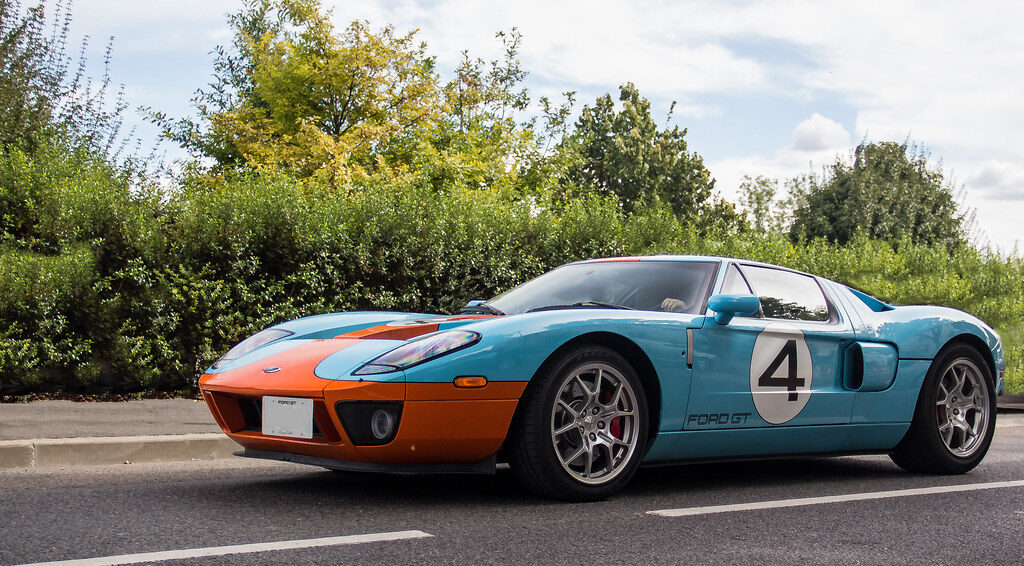
The development for the GN34 continued, and Ford partnered with some of the world’s most prestigious design houses in order to bring the initial design concepts to life. Turin, Italy became the location for the earliest development efforts for the GN34, as the Italdesign design house prepared a concept car based on the proposed design guidelines. Dubbed the Maya, the concept car previewed a more performance-oriented direction for the Ford brand, and was even powered by a Taurus V6 engine when it debuted at the 1984 Turin Auto Show.
International Collaboration On The GN34:
- Italdesign creates the Maya
- Maya previewed Ford’s performance car plans
- Powerplant utilized a Taurus V6
- Ghia would also contribute to the design
- Ford’s international studios would shape the design
The Italdesign concept car served as a helpful preview of what the upcoming Ford performance car could look like, but the real collaboration would come later when Ford’s SVO division partnered directly with Italdesign and Turin-based Ghia. Ford eventually utilized the International Studio to develop a later version of the concept, and would employ Ghia’s expertise to create a production-ready version of the design for the GN34.
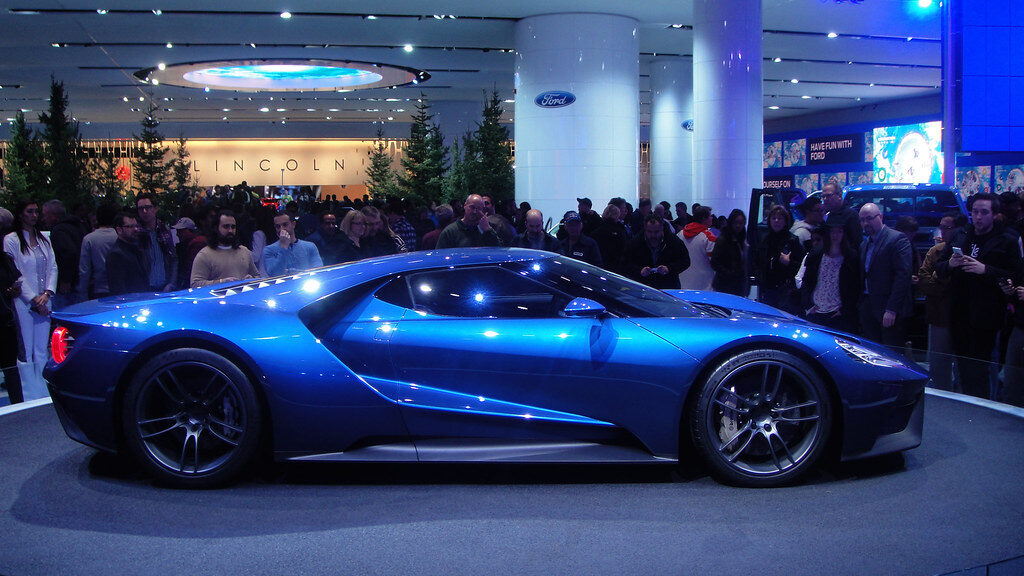
5. Prototype Engineering Was Far More Involved Than Most Realized
As the development process for the GN34 continued, Ford was far more committed to bringing the performance car to market, and the engineering process was a large part of this effort. The Ford SVO team began to create full prototypes of the upcoming performance car, and the development team was willing to utilize a broad range of engineering expertise, including extensive suspension development in order to bring the driving dynamics of the car up to par with other performance vehicles on the market.
Details About The Engineering Prototypes:
- Full engineering prototypes were constructed
- Utilized forged aluminum control arms
- Unequal-length control arms
- Multilink rear suspension
- Two lower rear control arms
Many of Ford’s performance cars at the time were constructed with unequal-length, forged aluminum control arms, which would provide handling characteristics at the rear of the vehicle that were far sharper than many other cars on the market. The multilink rear suspension and two-lower rear control arms also suggested that the prototype examples of the GN34 would be far more agile than most of Ford’s front-wheel drive performance cars at the time.
The extensive development for the GN34 suggested that the Ford SVO team was genuinely committed to bringing this performance car to market, and the technical details pointed to a far more involved development process than most buyers would have initially realized. The extensive suspension development, including the unequal-length control arms and rear multilink suspension development suggested that Ford was willing to utilize its internal expertise to develop a genuine sports car.
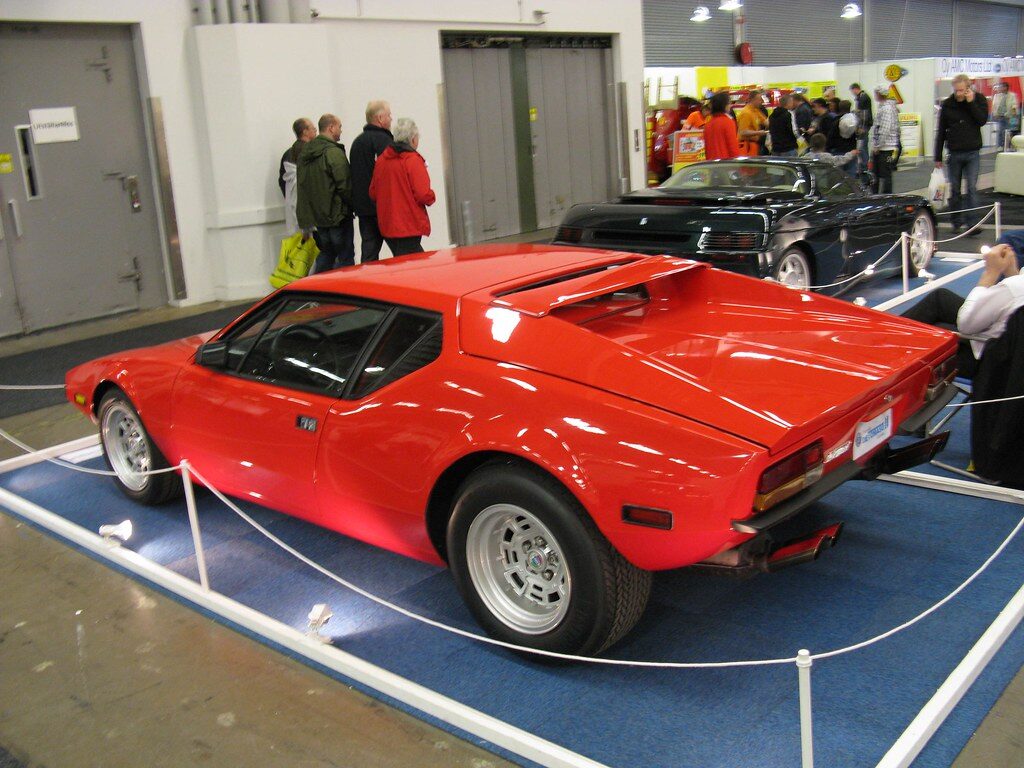
6. Ford Considers Multiple Engine Options For GN34
The development and production of the GN34 was far from easy, but Ford was willing to explore every possible avenue when considering potential powertrains for the performance car. Some of the most intriguing engine options at the time, including the DeTomaso Pantera-tuned V8, were even considered for the performance car, before Ford began its partnership with Yamaha.
Details About The Engine Options:
- Multiple engine options were considered
- Pantera-tuned V8 was also considered
- Eventually partnered with Yamaha
- The compact V6 would be utilized
- High-revving powerplant had potential
The potential engine options for the GN34 varied wildly, suggesting that Ford was serious about developing a performance car that could be far more versatile than just another Ford Mustang model. A 3.0-liter Yamaha V6 would eventually be utilized for the performance car, providing buyers with high-revving powerplant that would provide excellent performance for the supercar.
While the V6 engine would be utilized for the GN34, the partnership between Ford and Yamaha provided buyers with a number of potential engine options, including a 3.6-liter version of the V6 that would also include cylinder deactivation. When utilized in the supercar, this 3.6-liter V6 would produce 275 horsepower, well above the 227 horsepower of the 3.0-liter variant that would also power the Taurus SHO.
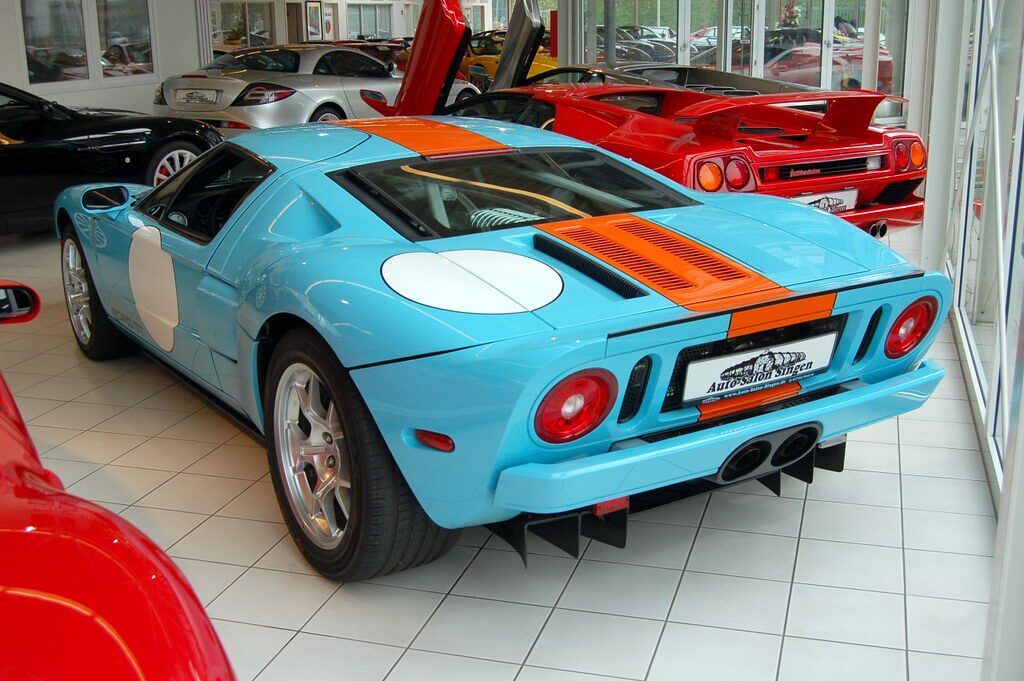
7. Project GN34 Gets Very Close To Production
The development and production process for the GN34 was extremely involved, and Ford was very close to actually bringing the performance car to market. In fact, internal documents even suggested that the Ford GN34 was “a supercar that was killed at the last minute,” an incredible sign of just how close the performance car was to officially joining Ford’s model lineup.
Details Regarding Production:
- Basic design framework was completed
- Multiple prototypes were constructed
- Multiple engine options were explored
- Production design was finalized
- SVO dedicated extensive engineering resources to the project
The extensive design and development process for the GN34 suggests that Ford was incredibly committed to bringing the performance car to market. Multiple prototypes were constructed before any official production plans were finalized, and Ford utilized a number of engineering resources in order to finalize the development of the performance car. Unlike many other concept cars that never make it to production, the extensive development on the GN34 suggests that the project was nearly ready for production before it was eventually canceled.
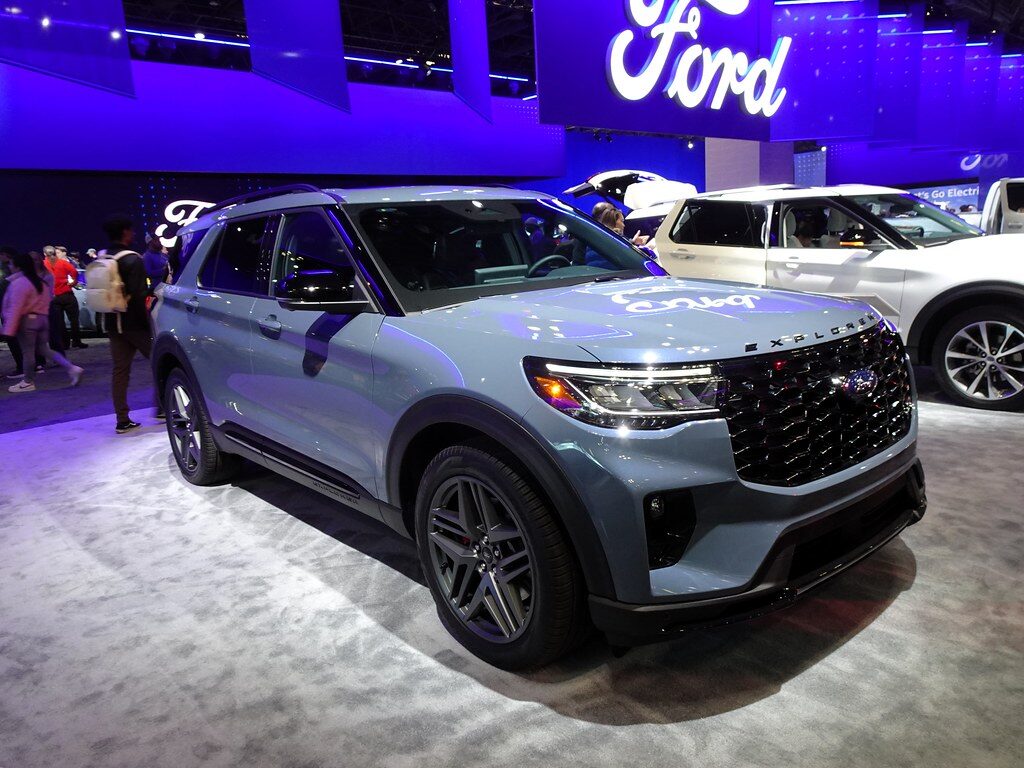
8. Ford Explorer Explains Why The GN34 Was Ultimately Canceled
In 1986, the Ford Motor Company quietly killed the project for the GN34, which had seemed like a viable option for a new supercar for the company. The reasons for canceling the performance car were fairly simple in order to produce a low-volume specialty vehicle, Ford would need to dedicate significant resources to the development and production of the car, and there were more commercially viable options available to Ford at the time.
Reasons For Canceling The GN34:
- Low volume production would require significant resources
- Specialized production would increase costs
- Higher sales potential with mainstream vehicles
- SUVs proved more commercially viable
- Resources would be diverted towards the Explorer
Rather than continue to develop another performance car, Ford decided to instead dedicate its resources to developing a sport-utility vehicle, which would eventually take the form of the Ford Explorer. From a business standpoint, this made perfect sense, as the Explorer would eventually be far more commercially viable than a specialty performance supercar like the GN34 would ever hope to be.
9. Powerful Yamaha V6 Finds New Life In Taurus SHO
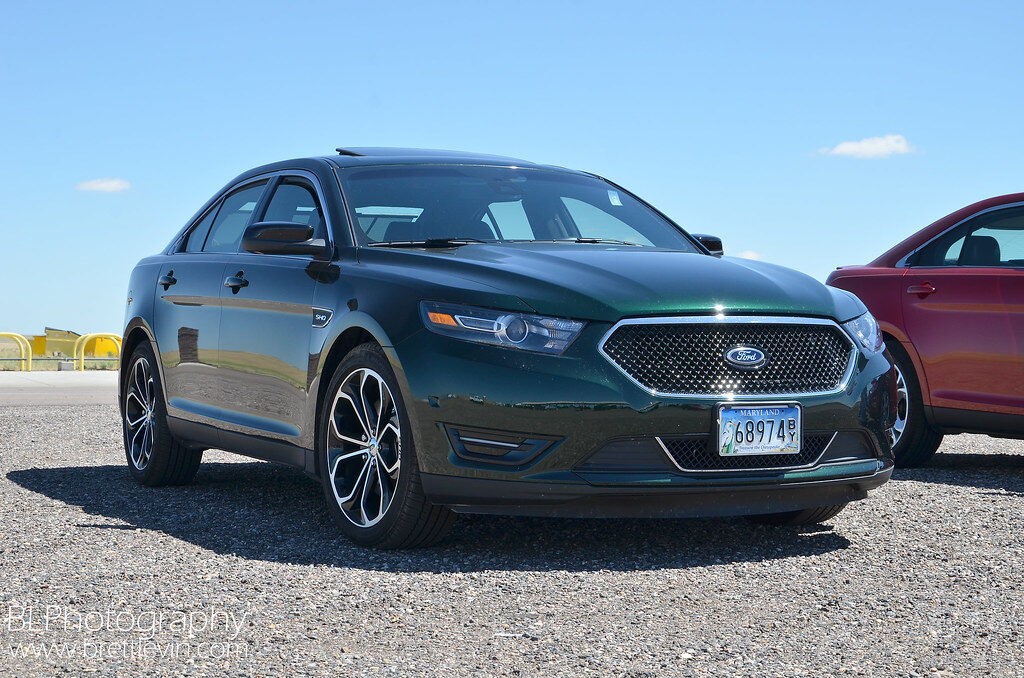
The development of the V6 engine was far too involved to simply kill the project when the GN34 was canceled, and Ford had to find another way to utilize the powerful powerplant. The solution ended up being a far more mainstream application for the powerful engine the Taurus SHO. Ironically, the powerful V6 ended up finding a new home in a family sedan, as the powerful engine was utilized to power the Taurus SHO, which served as a performance model for the mainstream Ford family.
Details About The V6’s New Home:
- Development of the V6 continued despite the cancellation
- The engine would power the Taurus SHO
- Performance family sedan became a sleeper hit
- Powerful engine was far too capable for the application
- SHO became the latest in a long line of Fords utilizing the V6
The performance characteristics of the V6 engine meant that the family sedan serving as the foundation for the SHO model had far more power than was necessary for the application, but the engine ended up becoming a massive success for Ford, serving as a performance-oriented version of one of the most popular family sedans on the market. Ironically enough, the powerful V6 eventually found its way into the Taurus SHO in a far more mainstream application, and the engine has gone on to become one of Ford’s most powerful V6 engines in recent years. As far as the Taurus SHO is concerned, the V6 engine provided an interesting blend of performance and value for the performance sedan.
10. The Lost Performance Dream Of The Ford GN34
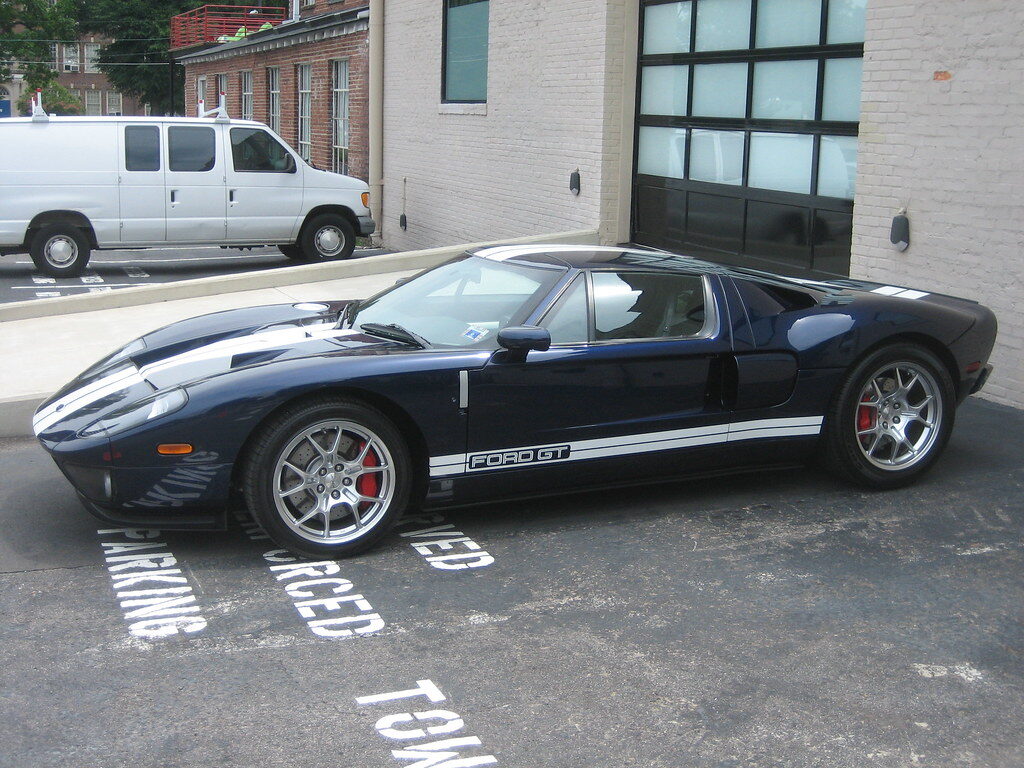
The Ford GN34 serves as one of the most interesting lost performance concepts in the history of Ford Motor Company. Throughout the 1980s, Ford’s SVO division was looking for ways to bring the performance of its cars up, but it quickly learned that it would need to take a far more experimental approach in order to compete with the European exotics and supercars that seemed to dominate the market at the time.
Performance Legacy Of The GN34:
- Ford looked for new ways to develop performance cars
- Experimental platform provided a new look
- Advanced suspension development took place
- High-revving V6 was utilized
- V6 engine eventually found a new home
The performance characteristics of the GN34 suggest that Ford would have been capable of delivering a compelling performance car, had the project not been cancelled before entering production. The design of the car, including the mid-mounted engine and advanced suspension development, was well ahead of its time, and the high-revving performance of the V6 suggests that the GN34 would also have been capable of impressive performance figures as well.
While the engine eventually found a new home in the Taurus SHO, the engine, along with the rest of the components of the GN34, was far too powerful and impressive to have been utilized in just one experimental performance car. The powerful V6 would eventually become one of the most powerful engines in Ford’s model lineup, and the advanced engineering concepts utilized for the GN34 would live on for years to come, eventually influencing future supercar developments at Ford.